Radiologist Salary NYC: What High-Earning Medical Professionals Actually Make in America's Most Expensive City
Dec 14, 2025
Dec 14, 2025
So you're thinking about radiology in NYC? Let me give it to you straight - radiologists are doing pretty well for themselves, ranking as the 7th highest-paid medical specialists in the country. According to recent data from the U.S. Department of Labor, radiologists were the seventh highest-paid medical specialists in the U.S. with an average income of $437,000, reflecting a 10% increase in salaries and other types of compensation. In New York City specifically, this translates to even higher earning potential, with radiologists enjoying an average annual radiologist salary NYC of $409,782, making the city one of the most lucrative markets for imaging specialists in the nation.
The radiologist salary landscape in New York City? It's complicated, and honestly, that's putting it mildly. You've got experience levels, subspecialty training, where you work, and who you're competing against all mixing together to determine what you'll actually take home. If you're trying to figure out how to maximize your earning potential in what's probably the most cutthroat healthcare market in the world, you need to understand how all these pieces fit together.
Here's what's really happening in NYC's radiology scene - it's not your typical healthcare market. Traditional pay structures are getting turned upside down by new technology, an aging population that needs more scans, and practice models that would've seemed crazy just five years ago. The demand for imaging is through the roof, but you're also competing with some seriously talented people.
What makes this city unique is the sheer concentration of top-tier medical institutions. You've got Mount Sinai, NYU, Columbia, Memorial Sloan Kettering - all these heavyweight hospitals fighting over the same pool of radiologists. That competition? It's driving salaries 20-30% higher than what you'd see in most other cities.
Recent industry data reveals that radiologists rank among the six highest-paying jobs in America, with an average annual salary of $329,080 representing a 9% increase in radiologist pay compared to the previous year. But here's the kicker - if you're in NYC, you're looking at numbers that make that national average look quaint.
The market forces here are just different. You're dealing with massive volume, incredibly complex cases, and hospitals that literally never sleep. That 24/7 demand translates to higher pay, but let's be real - it comes with trade-offs that'll make you question your life choices at 3 AM.
For medical professionals considering their housing options while earning substantial salaries, exploring the real cost of living in NYC becomes crucial for making informed financial decisions about where to practice and live.
Let's talk numbers - real numbers that you can actually expect, not the fantasy figures some recruiters throw around. Radiologist compensation in NYC follows a pretty predictable path based on your experience, but the ranges are wider than you might think. Starting salaries are solid (especially compared to what you made as a resident), but the real money comes as you build your reputation and develop specialized skills.
|
Experience Level |
Base Salary Range |
Total Compensation |
Common Benefits |
|
Entry-Level (0-2 years) |
$350,000-$425,000 |
$420,000-$510,000 |
Malpractice, Health Insurance, CME |
|
Mid-Career (3-7 years) |
$450,000-$550,000 |
$540,000-$660,000 |
Performance Bonuses, Retirement Matching |
|
Senior-Level (8+ years) |
$550,000-$700,000 |
$660,000-$840,000 |
Partnership Track, Profit Sharing |
|
Partnership/Ownership |
$700,000-$1,000,000+ |
$840,000-$1,200,000+ |
Equity, Real Estate Investment |
Just finished residency? You're probably looking at $350,000 to $425,000 as your starting point in most NYC positions. Yeah, it sounds like monopoly money after surviving on resident wages, but before you start shopping for that Tesla, remember - this is just the beginning in a city where a decent apartment costs more than most people's entire salary.
Most entry-level packages come with benefits that'll add another 20-30% to your base salary. We're talking malpractice coverage (which would cost you $15,000-$25,000 if you had to pay it yourself), health insurance that doesn't make you cry, retirement contributions, and usually some CME money so you can keep learning without going broke.

Hospital systems tend to offer the most structured entry-level deals. You'll typically get guaranteed money for your first year or two, which is nice because you can figure out what you're doing without stressing about meeting productivity targets right away. Private practices might wave slightly higher base salaries at you, but they often tie part of your pay to how many studies you read from day one.
Don't ignore signing bonuses - they've become pretty common and can be anywhere from $25,000 to $75,000. Just know that they usually come with strings attached, like staying for 2-3 years. Break that contract early, and you'll be writing a check.
Here's a real example: Dr. Sarah Chen got three offers when she finished residency. Mount Sinai offered $375,000 base with full benefits and a $50,000 signing bonus. A Manhattan private practice dangled $395,000 with productivity bonuses starting in year two. NYU Langone came in at $365,000 but guaranteed her salary for 18 months and threw in great CME support. When she actually calculated everything - benefits, signing bonus, the whole package - Mount Sinai's offer was worth about $475,000 in her first year.
For new medical professionals navigating NYC's expensive housing market, understanding affordable neighborhoods in NYC can help maximize the value of entry-level radiologist salaries.
Once you've got 5-10 years under your belt, the conversation changes completely. Now you're looking at $450,000 to $550,000 base, and many places will throw in performance bonuses that can add another $50,000-$100,000 on top.
This is when partnership track positions start opening up. These usually begin with competitive salaries but include the potential for serious income growth as you work toward partnership. At this stage, you've got leverage. You've proven you can handle the volume, you've built relationships with referring docs, and you understand how the business actually works.
If you complete subspecialty training during this phase, your average salary for radiologist can jump dramatically. I know a mid-career radiologist who did an interventional fellowship - her salary jumped by $100,000 within a year of getting certified.
Senior radiologists and partners in NYC can pull down $550,000 to $700,000+ annually, and some subspecialists and practice owners are pushing past $800,000 total comp. These aren't just reading studies anymore - you're often dealing with admin stuff, business development, and leadership roles.
Partnership income varies wildly depending on how the practice is set up. Some places split profits equally among partners, others base it on productivity. The most successful partners often make 40-60% more than their employed colleagues.
Practice ownership is where the real money is, but it comes with real risks. Owner-radiologists might see total compensation over $1 million in successful practices, but they're also the ones losing sleep when equipment breaks down or insurance companies decide to cut reimbursements. Senior positions often include equity opportunities, profit-sharing, and sometimes real estate investments in imaging centers.
Here's where things get interesting - subspecialty training can seriously differentiate you in the NYC market. Certain areas command big salary premiums because they're complex, in high demand, and there just aren't that many people who can do them well. The extra year or two of fellowship training usually pays off big time throughout your career, though the premium varies a lot based on what the market needs and how complicated the procedures are.
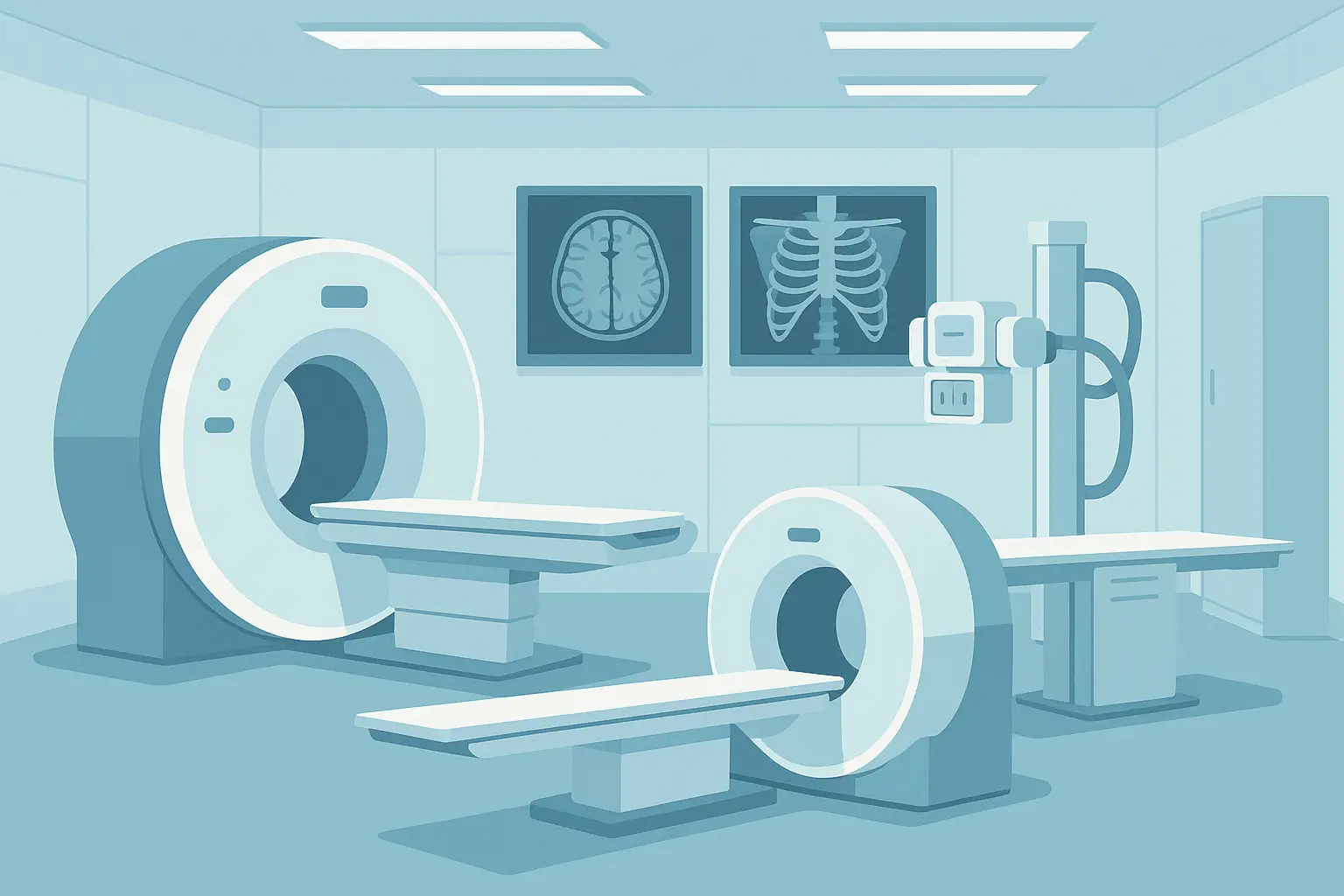
Interventional radiology is the king of subspecialty premiums. IR positions often offer 15-25% more than general radiology jobs. If you're doing IR in NYC, you can expect starting salaries around $475,000, and experienced folks are pulling down $650,000+.
Neuroradiology and cardiac imaging specialists typically see 10-20% premiums over general radiology. Makes sense when you think about it - these subspecialties are complex, and the diagnoses you're making are literally life-and-death. Neuroradiologists at major NYC hospitals often earn $500,000-$600,000 annually.
Here's an interesting stat: roughly 90% of radiologists complete a fellowship that provides more advanced training in a specialized area, and fellowships in high-demand subspecialties like vascular and interventional radiology command the highest wage premiums in competitive markets like NYC.
Pediatric radiology is emotionally rewarding, but it doesn't always command the same premiums as adult subspecialties. Still, positions at major children's hospitals in NYC offer competitive packages, usually 5-10% above general radiology rates.
Musculoskeletal imaging is seeing growing demand, especially with all the sports medicine and orthopedic procedures happening. MSK radiologists can expect salary premiums of 8-15% over general radiology positions.
Nuclear medicine is having a bit of a renaissance, particularly with advances in PET imaging and therapeutic applications. Specialists in this field are seeing competitive packages as practices realize how important molecular imaging is becoming.
Breast imaging combined with AI integration is a rapidly growing niche. Radiologists who can do traditional breast imaging but also optimize AI workflows are commanding premium salaries as practices try to improve efficiency and accuracy in screening programs.
Teleradiology has evolved way beyond just reading studies from home. Specialists who can manage complex teleradiology operations, including quality assurance and workflow optimization, are in strong demand with competitive pay packages.
Emergency radiology subspecialists are increasingly valuable as hospitals try to provide consistent 24/7 coverage. These positions often include shift differentials and call pay that can significantly boost your total radiologist salary.
Where you work fundamentally shapes both your immediate paycheck and your long-term career path. Each setting has its own advantages and trade-offs - from the security and benefits of hospital employment to the earning potential and autonomy of private practice, with academic positions offering unique opportunities for research and teaching alongside clinical work.
|
Practice Setting |
Salary Range |
Benefits |
Work-Life Balance |
Career Growth |
|
Hospital System |
$400,000-$550,000 |
Comprehensive |
Structured |
Leadership Tracks |
|
Private Practice |
$500,000-$700,000+ |
Variable |
Demanding |
Partnership Potential |
|
Academic Medical Center |
$350,000-$475,000 |
Research Support |
Flexible |
Tenure Track |
|
Outpatient Centers |
$450,000-$600,000 |
Moderate |
Predictable |
Limited |
|
Teleradiology |
$400,000-$650,000 |
Minimal |
High Flexibility |
Remote Leadership |
Major hospital systems in NYC typically offer base salaries from $400,000 to $550,000, with benefits packages that add serious value. You get structured advancement opportunities, clear productivity expectations, and usually the security of employment contracts.
The benefits package in hospital employment is nothing to sneeze at. Full malpractice coverage, family health insurance, retirement contributions (often with matching), and paid time off create substantial additional value. Factor in these benefits, and total compensation often exceeds $500,000 annually.
Hospital employment gives you access to cutting-edge technology that might be cost-prohibitive for smaller practices. You'll work with the latest MRI machines, CT scanners, and often get access to experimental imaging technologies through research partnerships.
Career advancement in hospital systems follows more traditional paths. You might go from staff radiologist to section chief, department vice-chair, or even department chair. The downside? Limited upside earning potential compared to private practice, and you'll probably have less control over your schedule and what cases you see. Hospital radiologists also face increasing productivity pressures as systems try to maximize efficiency.
Private practice represents the highest earning potential for radiologists in NYC, with salaries often ranging from $500,000 to $700,000+ for partners. But these positions come with business development responsibilities and financial risks that hospital employment doesn't include.

Partnership tracks in private practices typically require 3-5 years of employment before they'll even consider you for partnership. During this time, you'll earn competitive salaries while learning the business side of running a radiology practice. Partnership brings profit-sharing opportunities that can significantly boost your income.
Private practices often offer more flexibility in scheduling and case mix, though you'll likely work longer hours and take more call than your hospital-employed colleagues. The trade-off is greater autonomy in clinical decision-making and practice management.
Business development becomes part of your job in private practice. You'll need to maintain relationships with referring physicians, participate in marketing efforts, and sometimes help with practice management decisions. These skills can be valuable, but they require time and effort beyond just reading studies.
The financial risks are real. Private practices face challenges from insurance reimbursement changes, equipment costs, and market competition.
Academic medical centers generally offer lower base salaries ($350,000-$475,000) compared to private practice or hospital systems, but they provide unique opportunities for research, teaching, and professional development that many radiologists find rewarding.
Research opportunities in academic settings can lead to additional income through grants, consulting, and speaking engagements. Successful academic radiologists often supplement their base salaries significantly through these activities.
Teaching responsibilities come with the territory, but they can be professionally fulfilling. You'll work with residents and fellows, contributing to the next generation of radiologists while staying current with the latest developments in the field.
Academic positions often offer more flexible scheduling, with protected time for research and scholarly activities. This can provide better work-life balance, though total hours worked (including research time) might be similar to other practice settings.
Promotion tracks in academic medicine (assistant professor to associate professor to full professor) provide career advancement opportunities with corresponding salary increases. Achieving tenure offers job security that's rare in other practice settings.
The prestige associated with academic medical centers can open doors to consulting opportunities, speaking engagements, and leadership positions in professional organizations.
The NYC radiology market is evolving fast thanks to tech advances, demographic shifts, and changing healthcare delivery models. These trends create both opportunities and challenges for radiologists, so you need to stay adaptable and think strategically about your long-term career if you want to maximize success in an increasingly complex professional environment.
Recent industry analysis shows that "radiologist is among the six highest-paying jobs in America, according to new data from the U.S. Department of Labor" with a total of 29,250 radiologists employed in the U.S., with more than 63% working in physician offices earning an average of $358,020. This data underscores the strong market position radiologists maintain across various practice settings.
AI integration is reshaping radiology practices across NYC, creating demand for radiologists who can effectively use these tools while maintaining diagnostic accuracy. Practices are actively looking for professionals who understand AI workflow integration and can help optimize efficiency.

Radiologists skilled in AI-assisted diagnosis are commanding salary premiums as practices recognize the competitive advantage these skills provide. We're seeing 5-10% salary increases for radiologists who can demonstrate proficiency with AI tools and workflow optimization.
The fear that AI will replace radiologists has largely given way to recognition that AI-augmented radiologists will outperform those without these tools. Smart radiologists are positioning themselves as AI-enhanced diagnosticians rather than trying to compete against technology.
Advanced imaging technologies, including 7T MRI and spectral CT, require specialized knowledge that commands premium compensation. Radiologists who invest time in learning these technologies often see career advancement opportunities and salary increases.
Workflow optimization has become a valuable skill set. Radiologists who can help practices improve efficiency, reduce turnaround times, and enhance quality metrics are increasingly valuable to employers.
Here's a real example: Dr. Michael Rodriguez, a mid-career radiologist at a Manhattan imaging center, increased his annual compensation from $485,000 to $535,000 after completing AI certification training and implementing workflow optimization protocols that reduced average report turnaround time by 35%. His expertise in AI-assisted mammography screening made him particularly valuable during the practice's expansion into high-volume breast imaging services.
Location within NYC significantly impacts both salary potential and quality of life for radiologists, with Manhattan positions typically offering the highest compensation but also the greatest expenses and lifestyle challenges. Understanding these geographic nuances helps professionals make informed decisions about where to practice within the metropolitan area.
Midtown and Upper East Side practices consistently offer the highest salaries in NYC, typically 10-15% above city averages. These locations serve high-end patient demographics and often have relationships with prestigious hospitals and medical centers.
The prestige factor in Manhattan locations can't be ignored. Working at a practice near Mount Sinai, NYU, or Columbia carries professional weight that can open doors throughout your career. This reputation value often justifies the higher living costs associated with Manhattan practice.
But let's be honest - premium locations mean premium expectations. You'll likely work with more demanding patients, face higher productivity requirements, and need to maintain professional standards that match the upscale environment.
Parking, commuting, and daily expenses in Manhattan add up quickly. A $15,000 annual parking space, $20+ daily lunch costs, and other Manhattan-specific expenses can eat into some of that salary premium these locations offer.
Brooklyn, Queens, and Bronx positions often provide comparable total compensation when you factor in lower commuting costs, reduced living expenses, and potentially better work-life balance. Many outer borough practices offer competitive salaries while providing more reasonable lifestyle costs.
Community connection in outer borough practices can be professionally rewarding. You'll often develop stronger relationships with referring physicians and see the direct impact of your work on local communities.
Sure, commuting from outer boroughs to Manhattan practices can be time-consuming and expensive. But working in outer borough practices often means shorter commutes and more reasonable parking costs.
The patient mix in outer boroughs tends to be more diverse, providing broader clinical experience. You'll encounter a wider range of pathology and work with patients from various socioeconomic backgrounds, which can be professionally enriching.
Real estate costs for both living and practice space are significantly lower in outer boroughs. This can translate to higher take-home pay even with slightly lower gross salaries, making these positions financially attractive.
Medical professionals exploring outer borough opportunities should consider the coolest neighborhoods in Brooklyn for both practice locations and residential options that offer excellent value.
NYC's notoriously high cost of living significantly erodes the purchasing power of even substantial radiologist salaries, requiring careful financial planning and strategic decision-making about housing, transportation, and lifestyle choices. Understanding these costs upfront helps medical professionals make realistic assessments of different salary offers and career opportunities.

Housing represents the largest expense category for most NYC radiologists, with location decisions fundamentally impacting both daily quality of life and long-term financial health. The trade-offs between proximity to work, housing quality, and cost require careful analysis to optimize both professional success and personal satisfaction.
Living in Manhattan near major hospitals can cost $8,000-$15,000+ monthly for quality housing suitable for a medical professional. A decent two-bedroom apartment in a doorman building near major medical centers easily runs $10,000-$12,000 monthly, before you even think about utilities and building fees.
Commuting from New Jersey or outer boroughs can reduce housing costs by 30-50%, but you'll face daily commute times of 45-90 minutes each way. Factor in monthly train passes ($200-$400), parking costs, and the time value of commuting when making this decision.
The convenience factor of Manhattan living can't be easily quantified. Walking to work, having access to world-class restaurants and cultural activities, and avoiding daily commutes provide lifestyle benefits that many radiologists find worth the premium cost.
Westchester County and Connecticut offer suburban alternatives with excellent schools and more space, though commute times can exceed 90 minutes during peak hours.
For radiologists seeking Manhattan living options, understanding the best neighborhoods to live in Manhattan helps optimize both proximity to work and quality of life while managing housing costs.
New York's combined state and city taxes can reach 13%+ for high-earning radiologists, significantly impacting take-home pay. A radiologist earning $500,000 annually might face $65,000+ in state and city taxes alone, before considering federal obligations.
Tax planning becomes crucial at these income levels. Working with qualified tax professionals who understand medical practice taxation can help optimize your tax situation through retirement contributions, business expenses, and other strategies.
New Jersey residents working in NYC face complex tax situations, potentially paying taxes to both states. However, New Jersey's lower overall tax rates might result in net savings for some radiologists, particularly those in higher income brackets.
Professional expenses like CME, medical licenses, and professional memberships are generally deductible, but the Tax Cuts and Jobs Act limited many deductions for employed physicians.
Beyond housing and taxes, NYC radiologists face substantial ongoing expenses related to professional development, lifestyle maintenance, and the general cost of living in an expensive metropolitan area. These costs, while often overlooked in salary negotiations, can significantly impact overall financial well-being and career satisfaction.
Annual CME requirements, professional memberships, and subspecialty certifications can cost $10,000-$25,000 yearly. Major radiology conferences like RSNA can cost $5,000-$8,000 when including registration, travel, and accommodation expenses.
Many employers provide CME allowances ($3,000-$8,000 annually), but these rarely cover all professional development expenses. Board certification maintenance, subspecialty society memberships, and journal subscriptions add up quickly.
Professional wardrobe costs in NYC can be substantial. Maintaining appropriate attire for patient interactions, hospital meetings, and professional events requires ongoing investment, particularly given the city's fashion-conscious environment.
Networking expenses, including professional dinners, conference social events, and referring physician relationship maintenance, represent necessary but often unreimbursed professional costs that can total several thousand dollars annually.
Successful salary negotiation in NYC's competitive radiology market requires thorough preparation, market knowledge, and strategic thinking about long-term career goals. Understanding negotiation dynamics and developing comprehensive career strategies helps radiologists maximize both immediate compensation and future earning potential while building satisfying professional relationships.

Effective contract negotiation goes way beyond just talking about base salary - you need to look at the full spectrum of compensation elements, work conditions, and career development opportunities. Mastering these negotiation skills can result in significantly improved total compensation packages and better long-term career positioning.
Base salary is just one piece of your total compensation puzzle. Benefits, bonuses, CME allowances, and malpractice coverage can add $50,000-$100,000+ to your annual compensation value, making total package evaluation crucial.
Health insurance benefits vary significantly between employers. Family coverage through premium plans can be worth $25,000-$35,000 annually, while basic plans might provide $15,000-$20,000 in value. Understanding these differences helps you compare offers accurately.
Retirement contributions, including 401(k) matching and profit-sharing plans, can add substantial long-term value. Some practices offer 10-15% retirement contributions, representing $50,000-$75,000 annually for high-earning radiologists.
Malpractice insurance coverage saves $15,000-$30,000 annually in premiums, but coverage types vary. Occurrence-based coverage provides better protection than claims-made policies, particularly if you change jobs frequently.
Vacation time, CME time, and sabbatical opportunities have real financial value. Additional vacation days or CME time can be worth $5,000-$10,000 annually when calculated based on your daily earning rate.
Here's a real example: Dr. Jennifer Park compared two similar NYC radiology positions. Position A offered $475,000 base salary with basic benefits, while Position B offered $450,000 base with comprehensive benefits including full malpractice coverage ($20,000 value), premium family health insurance ($30,000 value), 15% retirement contribution ($67,500 value), and generous CME allowance ($8,000 value). Position B's total compensation value of $575,500 significantly exceeded Position A's $510,000 total package, making the lower base salary offer more attractive.
Partnership tracks typically require 3-5 years with specific productivity and business development requirements. Understanding these expectations upfront helps you evaluate whether partnership aligns with your career goals and working style.
Buy-in requirements for partnership can range from $100,000 to $500,000+, depending on practice size and structure. Some practices offer financing options or gradual buy-in arrangements that make partnership more accessible.
Partnership income potential varies dramatically based on practice performance and structure. Successful partners might earn 40-60% more than employed radiologists, but they also share in practice losses and business risks.
Non-compete clauses in partnership agreements can significantly impact your future career options. Understanding geographic and time restrictions helps you evaluate the long-term implications of partnership commitments.
Due diligence on practice finances becomes crucial before partnership commitment. Understanding practice revenue trends, payer mix, and financial obligations helps you make informed decisions about partnership viability.
Strategic career planning should consider subspecialty training, leadership development, and market positioning to optimize both immediate compensation and long-term earning potential. The decisions you make early in your career can significantly impact your lifetime earnings.
Subspecialty fellowship training typically requires 1-2 years of additional training but can increase lifetime earnings by $1-2 million or more. The return on investment for subspecialty training is generally excellent, particularly for high-demand specialties.
Leadership development opportunities, including administrative roles and committee participation, can open doors to higher-paying positions and career advancement. Many successful radiologists combine clinical work with administrative responsibilities.
Professional networking in NYC's medical community provides access to opportunities that might not be publicly advertised. Maintaining relationships with colleagues, referring physicians, and industry contacts can significantly impact career trajectory.
Market positioning involves developing expertise in emerging areas like AI integration, quality improvement, or practice management. Radiologists who position themselves as experts
Market positioning involves developing expertise in emerging areas like AI integration, quality improvement, or practice management. Radiologists who position themselves as experts in these areas often command premium radiologist salary.
Career Optimization Checklist:
Research current market rates through professional networks, salary surveys, and industry contacts. Understanding your market value provides the foundation for effective salary negotiation and career planning.
Document your productivity metrics, special skills, and unique value propositions. Quantifying your contributions helps justify salary requests and demonstrates your value to current and potential employers.
Consider multiple offers simultaneously when possible. Having alternatives strengthens your negotiating position and helps ensure you're receiving competitive compensation packages.
Evaluate total compensation packages holistically, including base salary, benefits, partnership potential, and lifestyle factors. The highest base salary offer might not provide the best overall value.
Plan for long-term career growth and partnership opportunities. Short-term salary maximization might conflict with long-term earning potential, requiring careful balance in decision-making.
The radiologist job market in NYC faces significant changes driven by demographic trends, technological advances, and evolving healthcare delivery models. Understanding these future trends helps medical professionals make informed career decisions and position themselves advantageously for long-term success in an evolving professional landscape.

Aging population demographics and increased utilization of medical imaging create strong demand fundamentals for radiology services, while simultaneous retirement of experienced radiologists may create supply constraints that benefit current and future practitioners. These demographic trends suggest continued strength in the radiology job market.
Market analysis reveals concerning supply-demand dynamics, as The Association of American Medical Colleges (AAMC) projects a radiologist shortage between 37,800 and 124,000 between now and 2034. This projected shortage creates significant opportunities for current and future radiologists, particularly in high-demand markets like NYC where competition for qualified professionals will likely drive salaries higher.
Significant radiologist retirements expected over the next 5-10 years may create upward salary pressure as practices compete for qualified replacements. Many practices are already having trouble finding experienced radiologists to replace retiring partners.
The experience gap created by retiring radiologists can't be easily filled. Senior radiologists possess institutional knowledge, referral relationships, and clinical expertise that takes years to develop, making their replacement challenging and expensive.
Succession planning in private practices becomes increasingly important as senior partners approach retirement. Practices that fail to plan for succession may face significant disruptions that could impact compensation and working conditions.
Geographic variations in retirement patterns may create regional opportunities. Some areas of NYC might experience more acute shortages than others, creating salary premiums for radiologists willing to work in these locations.
Technological advances and changing practice models continue reshaping radiology, creating both opportunities and challenges for current and future practitioners. Understanding these trends helps radiologists position themselves advantageously while adapting to evolving professional requirements and market demands.
Recent compensation analysis shows that "according to the newly released 2025 Medscape Physician Compensation Report, US physicians' total compensation rose an average of 3.6% in 2024", indicating modest but consistent growth in medical compensation despite economic uncertainties. This trend suggests continued strength in physician compensation, particularly for high-demand specialties like radiology.
Increased acceptance of remote reading may reduce geographic salary differentials while creating opportunities for flexible work arrangements. Radiologists might be able to live in lower-cost areas while serving NYC practices remotely.
Quality assurance and workflow management become increasingly important in remote work environments. Radiologists who develop expertise in these areas may find enhanced career opportunities and compensation potential.
Hybrid work models combining on-site and remote work are becoming more common. These arrangements can provide lifestyle benefits while maintaining the collaborative aspects of traditional practice settings.
Technology infrastructure requirements for remote work create new professional expenses but also new opportunities. Radiologists who invest in high-quality home office setups may find enhanced productivity and job satisfaction.
The competitive landscape for remote positions extends beyond NYC, potentially creating both opportunities and challenges as radiologists compete with colleagues nationwide for the best remote positions.
As remote work becomes more prevalent, radiologists may benefit from exploring the best coffee shops for working from home in NYC to maintain productivity and professional networking opportunities outside traditional hospital settings.
The radiologist salary landscape in NYC reflects the complex interplay of market forces, technological evolution, and demographic trends that define modern healthcare. While the compensation potential is substantial, success requires strategic thinking about career development, financial planning, and lifestyle choices that extend far beyond simple salary negotiations.
Look, making good money as a radiologist in NYC is definitely possible - we're talking about some of the highest salaries in the country. But understanding all the factors that affect your compensation, from subspecialty premiums and where you work to what it actually costs to live here and where the market is heading, is what separates the radiologists who thrive from those who just get by.
The key insight here? Your salary is just one piece of a much bigger career puzzle. You need to think about total compensation, long-term growth potential, work-life balance, and how your choices today will impact your career 10 or 20 years down the road.
NYC's radiology market will keep evolving, driven by new technology, demographic changes, and healthcare system transformations. The radiologists who stay adaptable, keep developing relevant skills, and maintain a strategic perspective on their careers will be the ones who thrive in this dynamic environment while achieving their financial and professional goals.
The bottom line? Yes, you can make excellent money as a radiologist in NYC. But success here requires more than just clinical skills - you need business acumen, strategic thinking, and the ability to navigate one of the most complex and competitive healthcare markets in the world.

Household supplies can be changed or decreaased at Outpost Club’s discretion, or based on supply availability. Outpost is not responsible for temporary losses of utility service. Outpost Club is not responsible for any damages due to absence of any supplies or utilities


If you have a sales related question please call
680-688-7678

 Hot Deals