Salary After Taxes NYC: What Your Paycheck Really Looks Like (And How to Keep More of It)
Dec 12, 2025
Dec 12, 2025
Look, I get it. You're working your butt off in one of the most expensive cities in the world, and it feels like you're barely keeping your head above water. I remember getting my first NYC paycheck and literally doing a double-take. Where did half my salary go?
Turns out, living in the Big Apple means Uncle Sam, New York State, AND the city all want their cut before you even see your money. It's like having three different landlords all demanding rent from the same apartment.
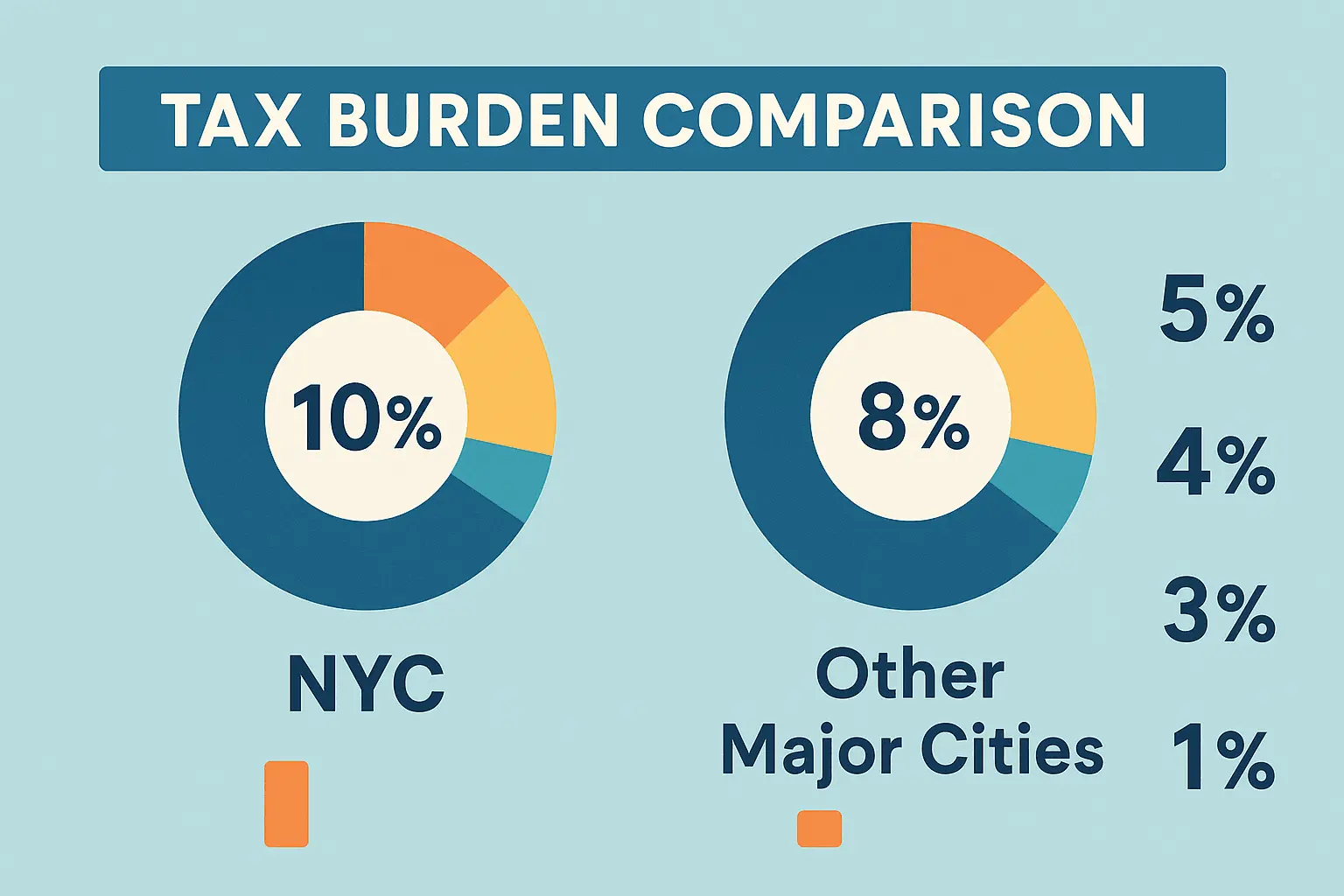
The harsh reality hits hard when you crunch the numbers. Federal taxes start at 10% and climb all the way to 37% as you earn more. New York State adds another 4% to 10.9% (though thankfully, most of us won't hit that top rate unless we're making serious bank). Then NYC throws on another 3.078% to 3.876% just for the privilege of living here.
But wait – there's more! Social Security grabs 6.2% of your first $160,200 (as of 2023), Medicare takes 1.45% of everything you make, plus an extra 0.9% if you're doing really well. And don't forget New York's State Disability Insurance taking another 0.5% up to $120 weekly.
My friend Sarah was comparing job offers last year - one in NYC for $120K and another in Austin for $100K. After running the numbers on what she'd actually take home, the Austin job was basically equivalent, even with the $20K salary difference. That's the NYC tax reality check.
According to Talent.com's tax calculator, if you're making $55,000 here, you're handing over nearly $12,000 in taxes. That leaves you with about $43,041 to actually live on - an average tax rate of 21.7% and a marginal rate of 36%. Ouch.
Most job interviews focus on gross salary, but that's basically meaningless in NYC. When someone offers you $150K here, it's not the same as $150K in Miami – and I'm not just talking about rent prices.
Understanding what actually hits your bank account helps you make real decisions. Can you afford that apartment in Brooklyn? Should you take the job with the higher salary but worse benefits? You can't figure any of this out if you don't know your real take-home pay. For young professionals just starting their careers, understanding how much you need to make to live in NYC becomes even more critical when factoring in these complex tax implications.
Here's the thing about federal taxes that trips everyone up - you don't pay the highest rate on your entire salary. It's like climbing stairs - you only pay the higher rate on the income that reaches each new step.
For 2023, single folks get a $13,850 standard deduction, married couples get $27,700. Think of this as your "tax-free zone" - you don't pay federal income tax on this amount.
The confusion comes from marginal versus effective tax rates. Your marginal rate is what you pay on your last dollar earned. Your effective rate is your total tax divided by total income. So if you're in the 24% bracket, you're not paying 24% on everything - just on the income above that bracket's threshold.
Using a reliable salary calculator helps you understand these distinctions and plan accordingly for your specific situation. Recent analysis shows just how brutal the impact can be. "What a $100K Salary Looks Like After Taxes in Your State" by Nasdaq reveals that New York residents face some of the highest effective tax rates in the nation, with total income taxes for single filers reaching $26,074 on a $100,000 salary.
Tax credits are like coupons - they reduce your tax bill dollar-for-dollar. Got kids? The Child Tax Credit directly cuts what you owe. The Earned Income Tax Credit and education credits work the same way.
Deductions are different - they reduce your taxable income. So a $1,000 deduction saves you whatever your tax rate is. If you're in the 24% bracket, that deduction saves you $240.
Here's where it gets interesting for NYC folks: pre-tax deductions are gold because they dodge ALL those tax layers. Every dollar you put into your 401k or pay for health insurance is a dollar that never sees federal, state, OR city taxes.
|
Federal Tax Brackets 2023 |
Single Filers |
Married Filing Jointly |
|
10% |
$0 - $11,000 |
$0 - $22,000 |
|
12% |
$11,001 - $44,725 |
$22,001 - $89,450 |
|
22% |
$44,726 - $95,375 |
$89,451 - $190,750 |
|
24% |
$95,376 - $182,050 |
$190,751 - $364,200 |
|
32% |
$182,051 - $231,250 |
$364,201 - $462,500 |
|
35% |
$231,251 - $578,125 |
$462,501 - $693,750 |
|
37% |
$578,126+ |
$693,751+ |
New York State starts at 4% and goes up to 10.9%, but don't panic about that top rate - it only kicks in at $25 million in income. Most of us are dealing with much more reasonable rates in the middle brackets.
The state gives you an $8,000 standard deduction if you're single, $16,050 if you're married filing jointly in 2023. Different from federal, because why make things simple?
NYC's local income tax is where things get really fun. Most big cities don't have their own income tax, but NYC isn't most cities. We're talking 3.078% to 3.876% depending on what you make and how you file.
According to SmartAsset's New York paycheck calculator, New York's median household income is around $82,095, and we're one of only 2 cities in the state that charges local income tax. Lucky us.

New York offers some credits that can actually help - the Empire State Child Credit and others. Problem is, most people don't even know they exist or how to claim them.
The federal SALT deduction cap (limited to $10,000) really hurts us NYC folks. We used to be able to deduct way more in state and local taxes, but now it's capped. This change has made other tax planning strategies more valuable for high earners.
State itemized deductions work differently than federal ones, and the calculations can get messy fast. This is where having good tax software or a knowledgeable preparer becomes worth the investment.
Payroll calculators are basically essential if you want to understand what you're actually making in NYC. The good ones update automatically with current tax rates and handle all our multiple tax headaches.
But here's the thing - garbage in, garbage out. You need your gross salary, filing status, number of allowances from your W-4, and any pre-tax deductions. Miss something, and your numbers will be way off.
Free calculators work fine for straightforward W-2 situations. Premium tools offer features like year-to-date tracking, bonus calculations, and side-by-side comparisons of different scenarios. Some even connect with payroll systems for real-time accuracy.
I know a marketing manager, Sarah, earning $95,000 in Manhattan who uses her pay calculator to figure out how much increasing her 401k contribution would actually cost her in take-home pay. By bumping her contribution from $5,000 to $22,500 annually, she discovered she could save approximately $7,000 in combined federal, state, and city taxes while building retirement savings. Not bad.
Standard employees with regular paychecks can use basic calculators. But if you've got stock options, irregular pay, multiple income sources, or complex benefit elections, you need something more sophisticated.
Advanced calculators can model different 401k contribution scenarios, showing how increasing your contribution affects both current take-home pay and long-term savings. Some calculate tax implications of stock option exercises or RSU vesting.
Integration capabilities matter if you want to import data from HR systems or tax software. This reduces manual input errors and keeps everything consistent across your financial planning.
Biggest mistake? Using old tax rates or forgetting to update for tax law changes. Tax brackets and standard deductions change every year, and using last year's info will give you wrong numbers.
Don't forget about those little deductions like state disability insurance or other small stuff that adds up over time. They seem tiny but affect your real take-home pay.
And remember to update for benefit changes during open enrollment. Health insurance premiums, FSA contributions, other pre-tax deductions - they all significantly impact your calculations.
Payroll Calculator Checklist:
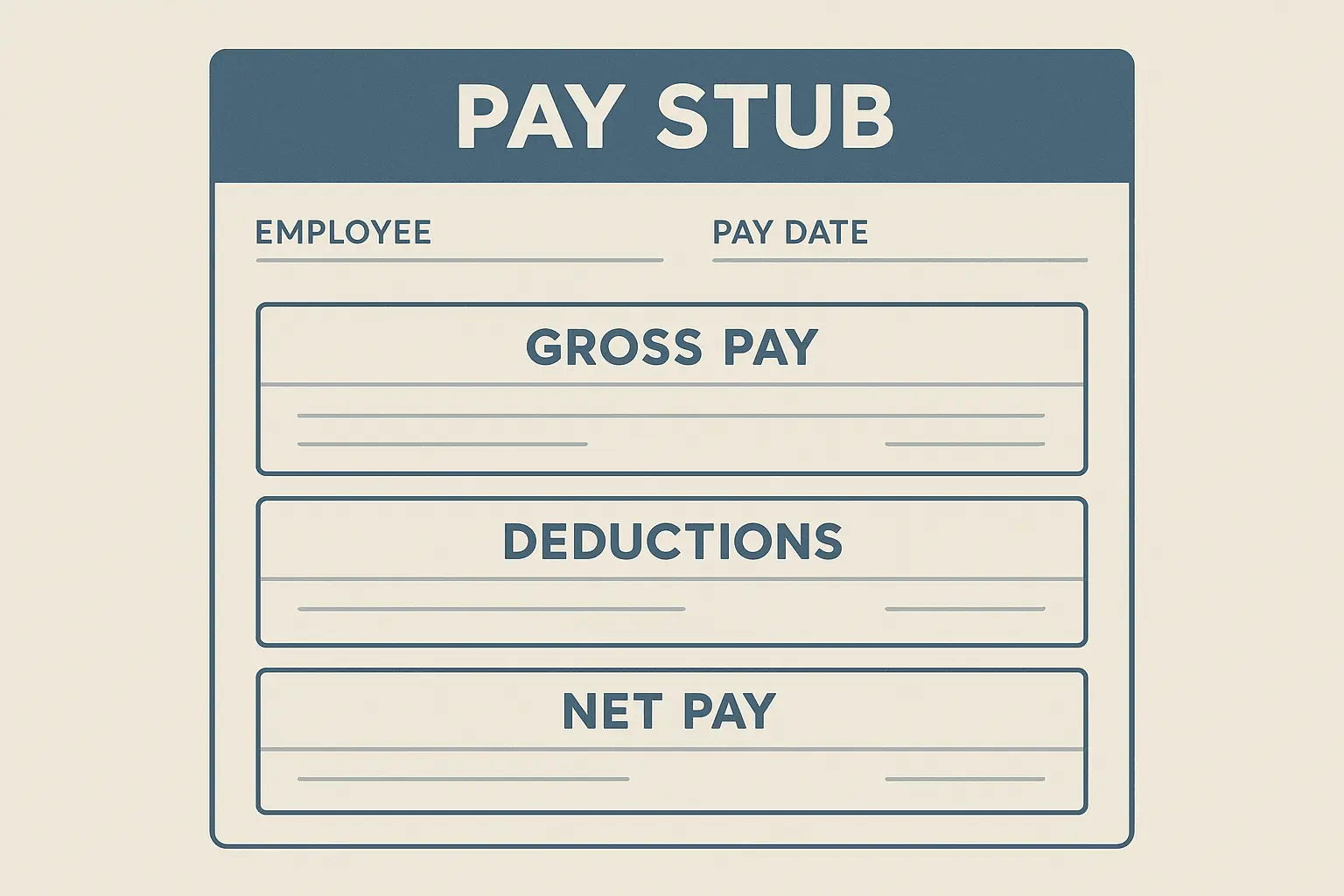
Your pay stub tells a story, but most people just look at the bottom line. Every line item is information you can actually use to optimize your financial strategy.
Pre-tax deductions happen before taxes hit. This includes retirement contributions, health insurance premiums, dependent care FSA contributions, and commuter benefits (up to IRS limits). Every dollar here avoids all those tax layers we talked about.
After-tax deductions come from your net pay and don't provide immediate tax benefits. Examples include Roth 401k contributions, life insurance premiums over IRS limits, and union dues. Understanding my paycheck details becomes crucial for effective financial planning in NYC's high-tax environment.
The impact becomes clear when you consider that, as noted by Talent.com, every time you spend $10 of your hard-earned money in New York, $3.02 goes to the government. Makes you want to think twice about that $15 lunch, doesn't it? For those considering different housing options to maximize their budget, exploring affordable neighborhoods in NYC can help stretch your after-tax dollars further.
Your pay stub shows running totals for earnings, taxes, and deductions for the year. These numbers help you track progress toward contribution limits and estimate your year-end tax situation.
Social Security tax stops once you hit the wage base ($160,200 for 2023), which means high earners see a temporary bump in take-home pay late in the year. Nice little bonus if you're lucky enough to hit that threshold. Medicare tax continues on all income, and high earners face an additional 0.9% on income over $200,000 (single) or $250,000 (married filing jointly).
Check your pay stub regularly. Changes in tax laws, personal circumstances, or benefit elections should prompt a review to ensure you're still optimizing your tax planning.
Wrong withholding can mean big refunds (interest-free loans to Uncle Sam) or underpayment penalties. Neither is great for your wallet.
Benefit deductions that look wrong might mean enrollment errors or changes you didn't authorize. Catching these early prevents bigger problems during benefits reconciliation.
Mike, a software engineer in Brooklyn, noticed his health insurance premium deduction doubled on his December pay stub. By catching this error early, he discovered HR had mistakenly enrolled him in family coverage instead of individual coverage, saving him $3,600 annually once corrected.
Tax planning in NYC isn't a once-a-year thing. The high tax burden makes year-round planning actually worth your time and effort.
Sometimes pushing a bonus to January or loading up on deductions in December can save serious money. Tax-loss harvesting in your investment accounts can offset capital gains - especially valuable when you're facing these crazy combined tax rates on investment income.
Using a comprehensive salary calculator throughout the year helps you model different scenarios and make informed decisions about timing income and deductions. The importance has become even more critical given recent economic conditions. According to "What a $100K Salary is Worth in Your City in 2025" by Fox5NY, Manhattan ranks dead last in purchasing power, with a $100,000 salary having only $30,362 in spending power after taxes and cost of living adjustments.
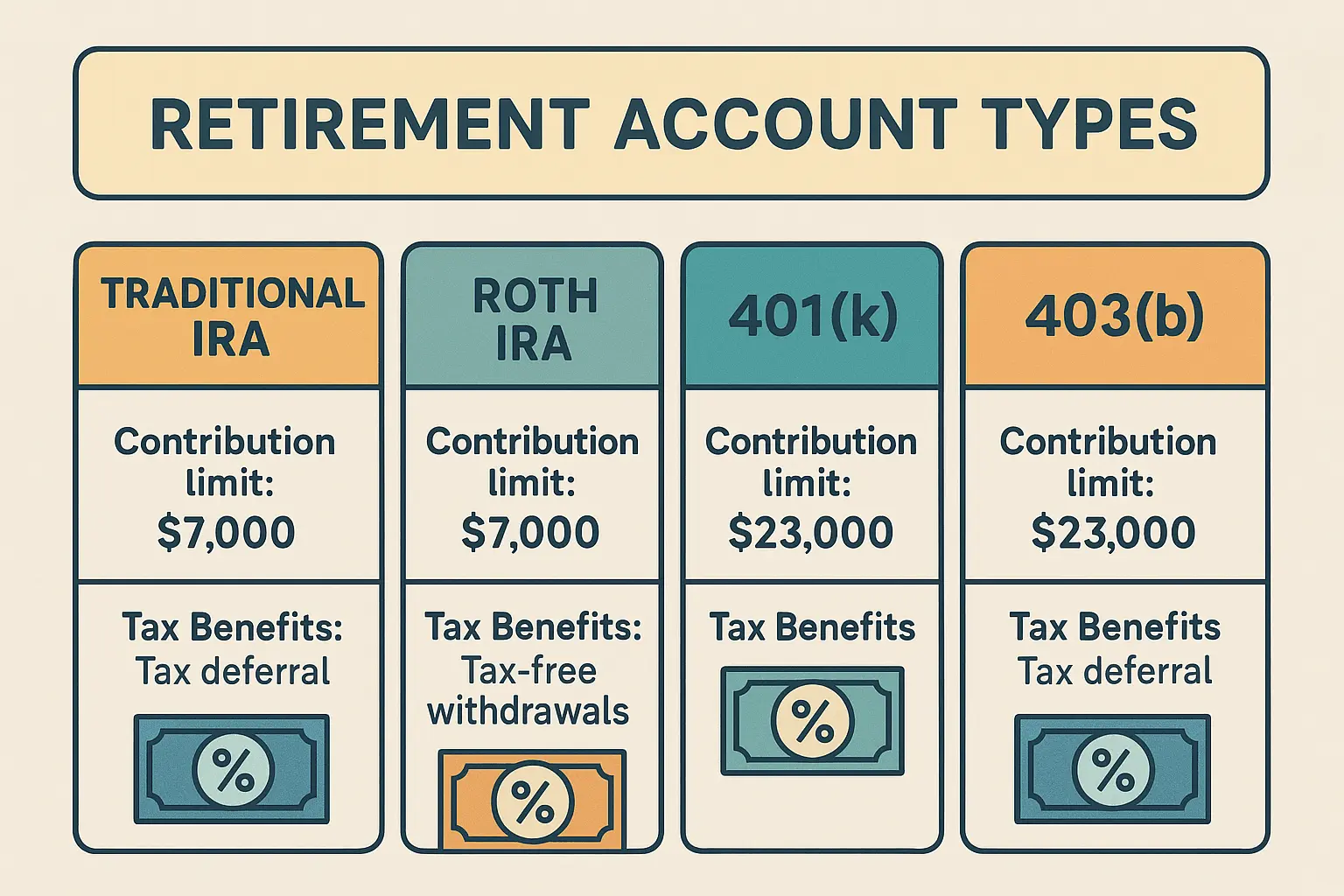
Max out those tax-advantaged accounts for immediate benefits. For 2023, that's $22,500 in your 401k ($30,000 if you're 50 or older), and $6,500 in an IRA ($7,500 if you're 50 or older).
HSAs are triple tax winners - deductible contributions, tax-free growth, and tax-free withdrawals for qualified medical expenses. For NYC residents facing high tax rates, maximizing HSA contributions provides substantial savings.
If you've got significant income from sources other than your regular W-2 job, you might need quarterly estimated tax payments. Underpayment penalties just add insult to injury when you're already paying through the nose.
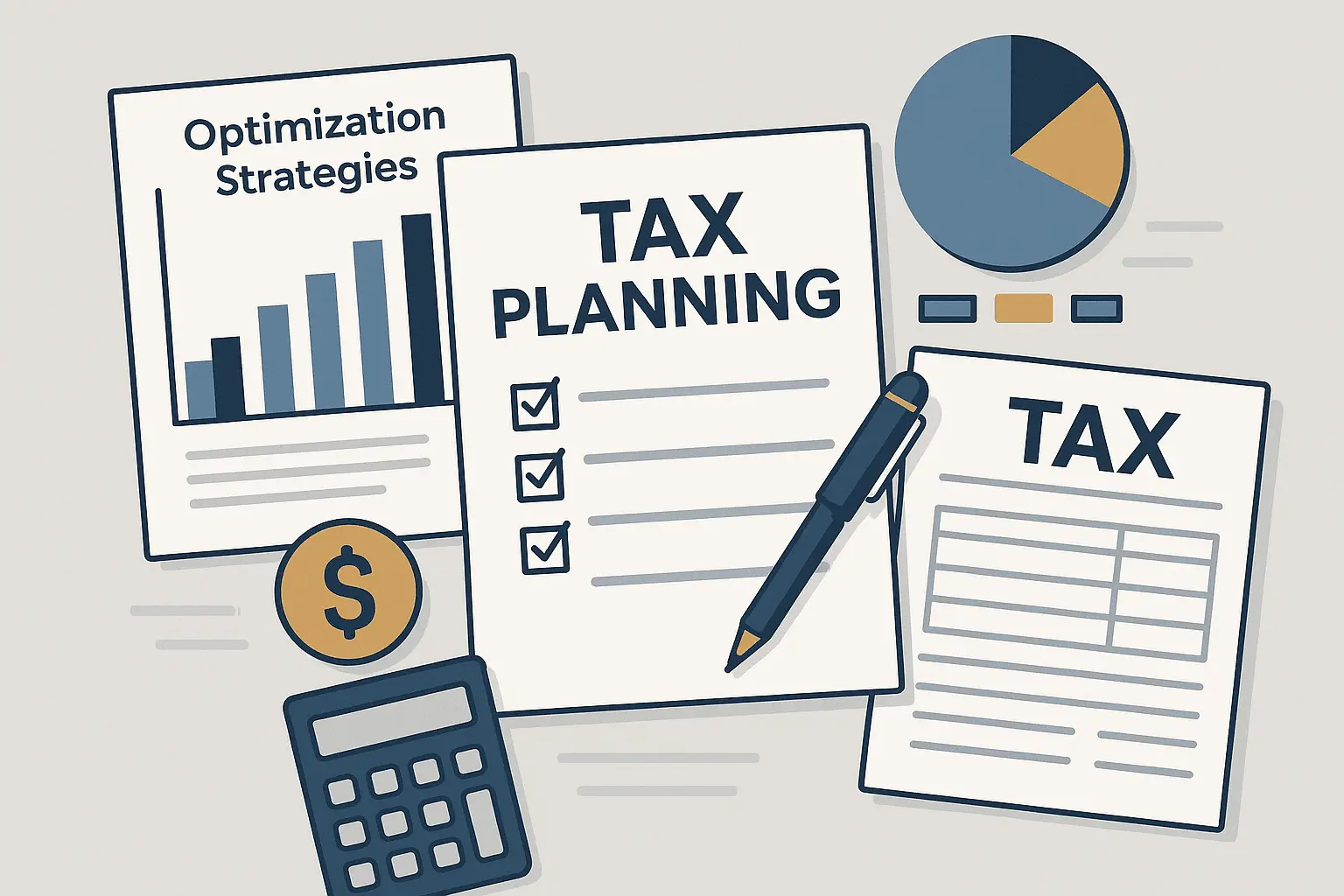
NYC's tax complexity often makes professional tax preparation worth the cost. A good tax pro who knows local tax laws can find opportunities you'd miss on your own.
Tax planning becomes even more valuable as your income increases. The strategies that work for someone making $75,000 might not be optimal for someone making $200,000.
Think about it this way - an error that triggers an audit or results in penalties can cost way more than professional preparation fees.
These accounts are your best defense against NYC's tax assault. Every dollar you can shelter from current taxation is a dollar that avoids the triple tax hit.
401k contributions reduce your current taxable income across all tax jurisdictions. If you're in combined marginal tax brackets totaling 40%, a $1,000 401k contribution saves you $400 in current taxes.
HSAs deserve special attention because of their triple tax advantage. Contributions are deductible, growth is tax-free, and withdrawals for qualified medical expenses are tax-free. After age 65, you can withdraw for any purpose (paying ordinary income tax, just like a traditional IRA).
High-income NYC folks often benefit from traditional retirement account contributions because of their high current tax rates. But Roth contributions might make sense if you expect to be in a similar or higher tax bracket in retirement.
Roth conversions can be particularly valuable during years with lower income or when tax rates are expected to increase. The timing requires careful analysis of your overall tax situation.
Consider your career trajectory and expected retirement location. Planning to retire somewhere with lower taxes? Traditional contributions might make more sense. If you expect to stay in high-tax areas, Roth contributions could be better.
|
Account Type |
2023 Contribution Limit |
2023 Catch-up (50+) |
Tax Treatment |
|
401(k) Traditional |
$22,500 |
+$7,500 |
Deductible now, taxed in retirement |
|
401(k) Roth |
$22,500 |
+$7,500 |
After-tax now, tax-free in retirement |
|
Traditional IRA |
$6,500 |
+$1,000 |
Deductible now, taxed in retirement |
|
Roth IRA |
$6,500 |
+$1,000 |
After-tax now, tax-free in retirement |
|
HSA |
$3,850 (single) |
+$1,000 |
Triple tax advantage |
Backdoor Roth IRA conversions let high earners access Roth benefits even when income limits normally prevent direct contributions. This strategy requires careful execution to avoid tax complications.
Mega backdoor Roth conversions through employer 401k plans can allow much larger Roth contributions for those with access to these features. Not all plans offer this option, but it's worth investigating.
Treat your HSA as a long-term investment account rather than just paying current medical expenses. Tax-free growth over decades is powerful stuff.
Accurate salary calculations start with gathering the right information. You need your most recent pay stub, current W-4 form, and benefits enrollment information to get meaningful results from any salary calculator.
Pay frequency matters more than you'd think. Bi-weekly versus semi-monthly schedules create slight variations in annual take-home amounts because of the different number of pay periods per year (26 vs. 24).
Year-end bonuses and irregular compensation require special attention. These payments often face higher withholding rates and may push you into higher tax brackets temporarily.
Understanding these calculations becomes especially important when evaluating different housing options, such as comparing furnished rooms for rent versus traditional apartment rentals in your budget planning.
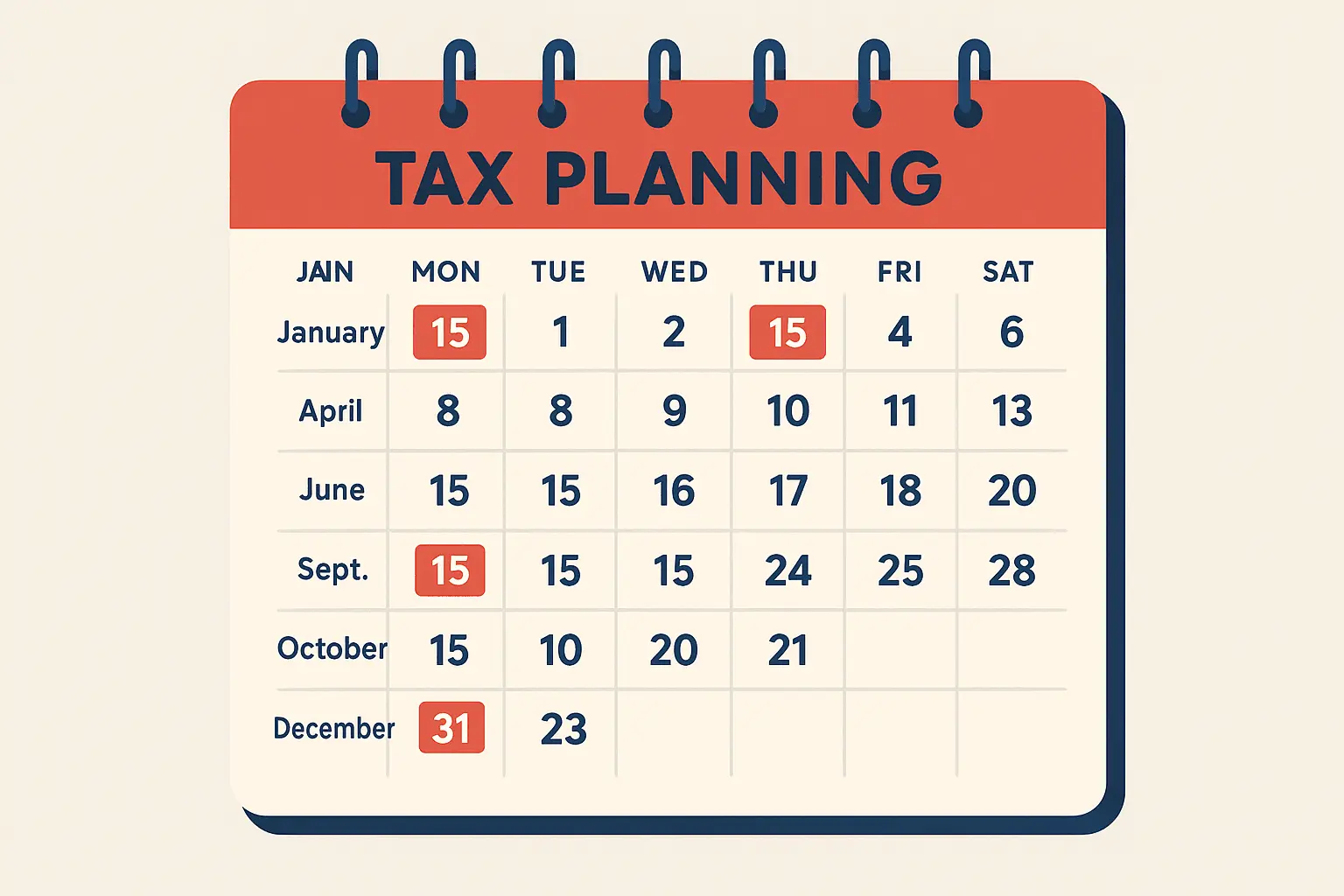
Fourth-quarter tax planning becomes crucial for optimizing deductions and managing income timing. This is when you can make final adjustments to minimize your overall tax burden.
Understanding how bonuses are taxed helps with planning major purchases or investment decisions. The supplemental tax rate (22% federal, plus state and local) often results in higher withholding than your actual tax liability.
Flexible Spending Account deadlines typically fall at year-end, requiring careful planning to avoid losing unused funds. The "use it or lose it" rule makes accurate estimation crucial.
Jennifer, a finance director earning $120,000 plus a $15,000 year-end bonus, discovers her bonus will be withheld at 22% federal plus 8.82% state plus 3.876% NYC rates. By understanding this, she plans to increase her 401k contribution in December to offset some of the higher withholding and reduce her overall tax burden.
Start by calculating your current baseline take-home pay using a reputable calculator. Compare results with your actual pay stub to verify accuracy – significant discrepancies indicate input errors or the need for better tools.
Model different scenarios by adjusting pre-tax contributions to retirement accounts, HSAs, and other benefit programs. Small increases in contributions can provide disproportionate tax savings for high earners.
Review your W-4 withholdings annually or after major life changes. Optimal withholding balances avoiding large refunds with avoiding underpayment penalties.
Annual Tax Planning Checklist:
High earners in NYC face extra headaches that go beyond standard income tax calculations. The Net Investment Income Tax adds 3.8% on investment income for those earning over $200,000 (single) or $250,000 (married filing jointly).
Alternative Minimum Tax (AMT) can affect high earners, particularly those with significant state and local tax deductions, stock options, or other preference items. The SALT deduction limitation ($10,000 cap) particularly hammers NYC residents who previously deducted substantial state and local taxes.
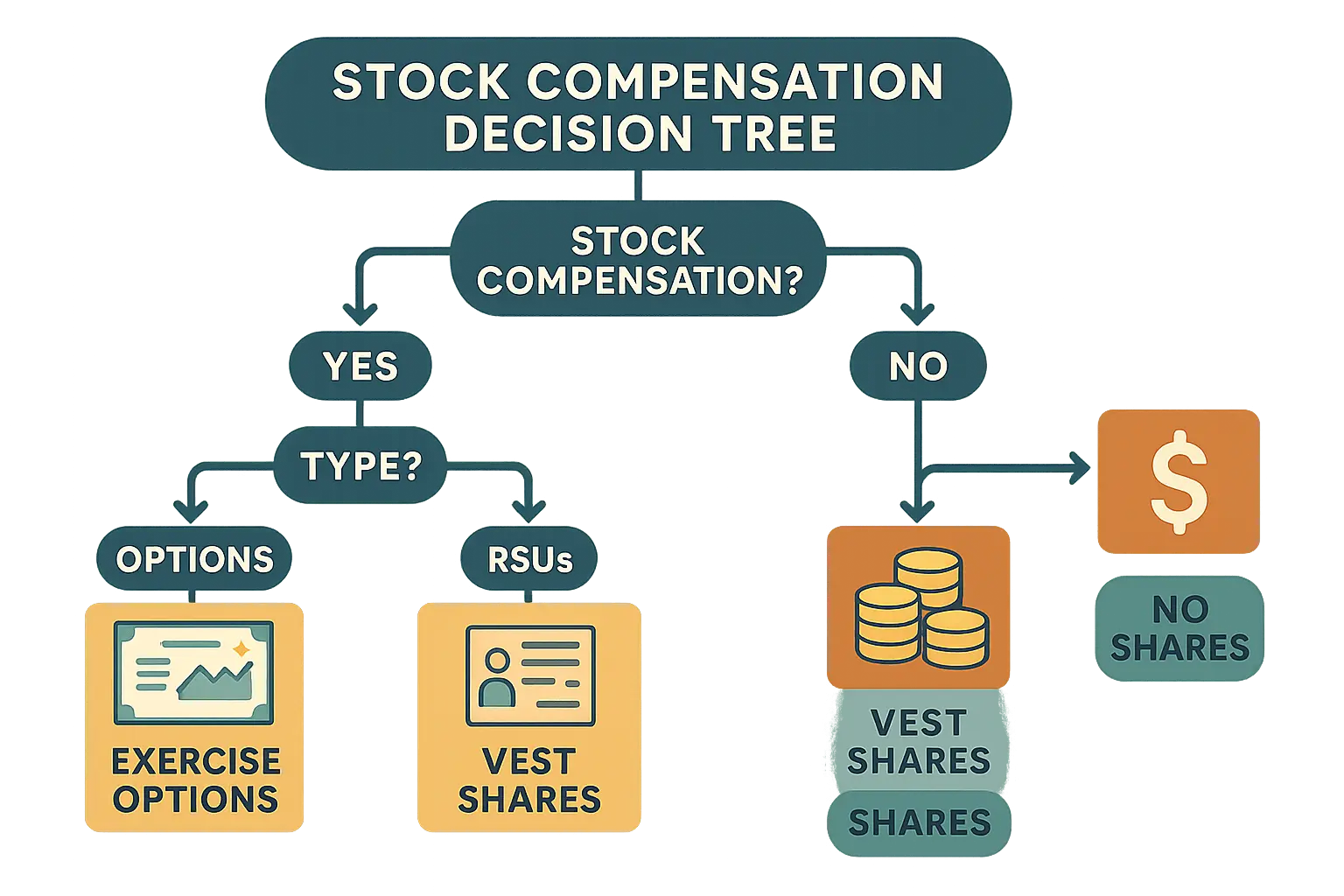
Stock compensation creates complex tax situations requiring specialized planning. Restricted Stock Units (RSUs), stock options, and employee stock purchase plans all have different tax implications and timing considerations.
RSU vesting creates ordinary income at vesting, subject to all the tax layers we've discussed. The timing of vesting can push you into higher tax brackets, making tax planning around vesting schedules crucial.
Stock option exercises require careful analysis of current versus future tax rates, company stock performance expectations, and your overall financial situation. The decision to exercise and hold versus exercise and sell has significant tax implications.
Section 83(b) elections for restricted stock can provide significant tax savings but require careful analysis and timely filing within 30 days of grant. This election allows you to pay tax on the grant value rather than the vesting value, which can save substantial amounts if the stock appreciates.
NYC residents working for companies with operations in multiple states may face additional tax complexity. Understanding reciprocity agreements and properly allocating income prevents double taxation while ensuring compliance.
Remote work arrangements have created new opportunities and challenges. Some NYC residents have relocated while maintaining their positions, requiring careful analysis of state tax obligations and potential savings.
Telecommuting policies affect state tax obligations based on where work is actually performed. The "convenience of the employer" rule in New York can create tax obligations even for remote workers in other states.
High earners often need flexible housing solutions that accommodate their complex schedules, making communal living spaces in NYC an attractive option for those prioritizing convenience and networking opportunities.
Navigating NYC's tax maze while building a successful career requires more than just good calculators and tax software. You need insights from people who've been there and figured out what actually works.
The Outpost Club provides access to an exclusive community of professionals who understand the realities of high-level career and financial planning. Our invitation-only golf society connects you with like-minded individuals who've successfully navigated the complexities of optimizing after-tax income in high-tax environments.
The relationships built through shared experiences on world-class golf courses often extend to valuable professional and financial guidance. Members frequently share strategies for tax optimization, investment planning, and career advancement that you won't find in typical financial planning resources.
Whether you're evaluating a job offer, planning a major financial decision, or looking for insights on advanced tax strategies, having access to a network of successful professionals who've faced similar decisions provides invaluable perspective.
Many of our members have also found value in The Outpost Club's coliving spaces throughout NYC, which provide convenient, flexible housing solutions that complement busy professional lifestyles while building meaningful connections.

Ready to join a community that combines your passion for golf with valuable professional networking? [Learn more about The Outpost Club membership and how our exclusive community can support your financial and career goals.]
Mastering your salary after taxes in NYC isn't just about running numbers through a calculator – it's about understanding a complex system well enough to make it work for you instead of feeling like it's working against you.
These aren't just theoretical concepts floating around in finance textbooks. They're practical tools that can save you thousands of dollars annually when you actually implement them correctly. From maximizing pre-tax deductions to timing income strategically, every decision you make with tax implications in mind compounds over time.
Remember that tax planning isn't a set-it-and-forget-it activity. Tax laws change, your income evolves, and your personal situation shifts over time. Regular review and adjustment of your strategies ensures you're always optimizing for your current circumstances rather than relying on outdated approaches.
The complexity of NYC's tax environment makes professional guidance and peer insights particularly valuable. Whether through tax professionals, financial advisors, or networking with others who've faced similar challenges, investing in knowledge and relationships pays dividends that extend far beyond any single tax year.
This isn't just about numbers on a spreadsheet. This is about whether you can afford that apartment in Brooklyn, save for a house, or actually have money left over for the life you came to NYC to build in the first place.

Household supplies can be changed or decreaased at Outpost Club’s discretion, or based on supply availability. Outpost is not responsible for temporary losses of utility service. Outpost Club is not responsible for any damages due to absence of any supplies or utilities


If you have a sales related question please call
680-688-7678

 Hot Deals