SVA Cost of Attendance: What They Don't Tell You About Art School Money
Nov 12, 2025
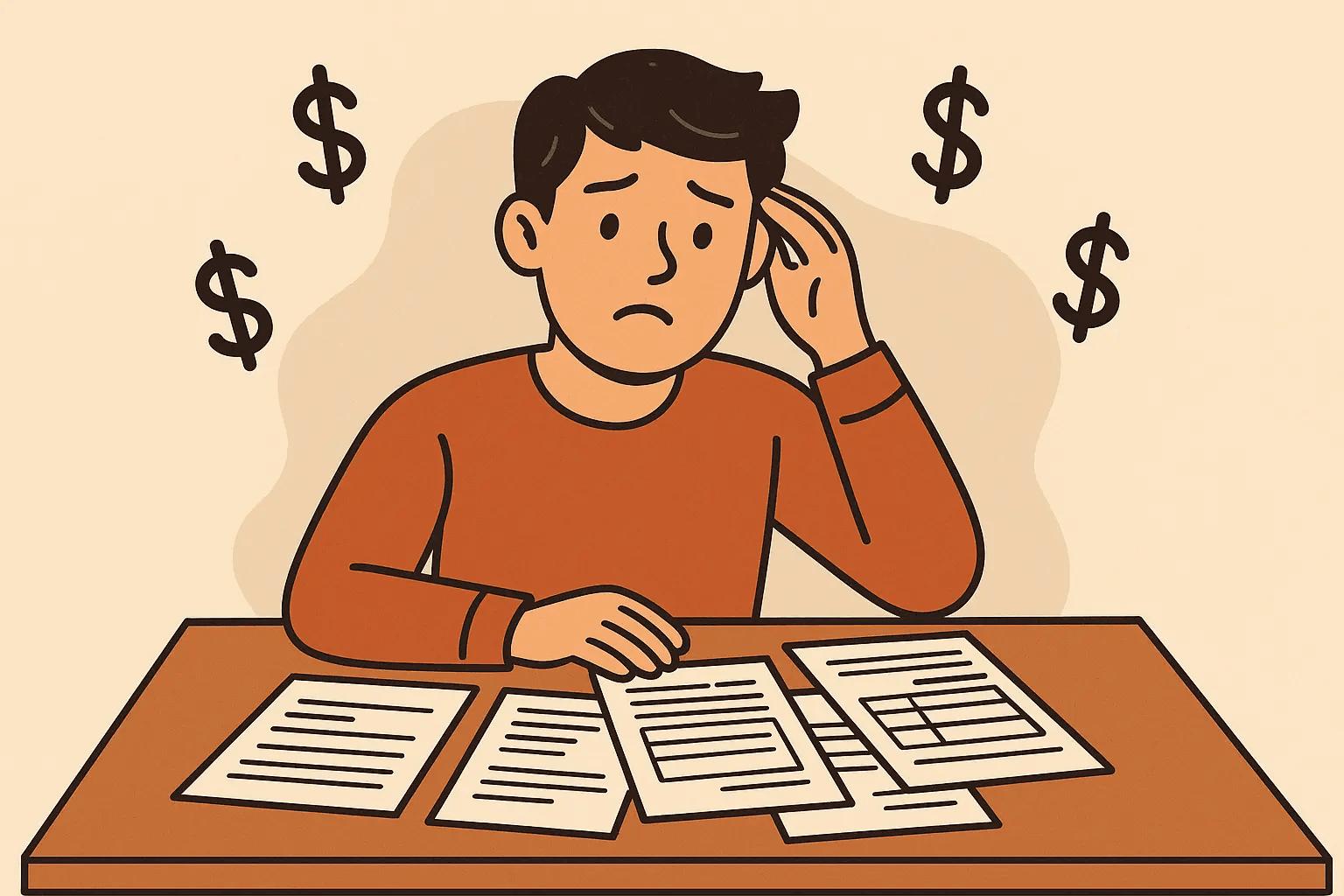
Nov 12, 2025
Choosing a college is overwhelming enough without trying to decode confusing financial aid packages and hidden costs that seem to come out of nowhere. When I was going through this process, I felt like everyone was speaking a different language, and the numbers never seemed to add up the way schools promised they would.
Here's a reality check: over 85 percent of students at The New School receive institutional aid totaling more than $151 million during the 2024-2025 academic year. That sounds generous until you realize it means the sticker prices are so inflated that almost everyone needs a "discount" just to make college remotely affordable.
Look, I get it. Universities are really good at making their prices seem reasonable, even when they're not. I fell for it too. They're not just selling education—they're selling dreams, status, and the feeling that you're making a smart investment. Understanding these mental tricks can save you thousands and years of debt.

That first price you see becomes your reference point for everything else, even if it's completely ridiculous. Schools know this and use it against you by publishing crazy high prices that make their "discounted" rates seem like a steal.
That $60,000 sticker price isn't an accident—it's strategy. When schools offer you a $20,000 "scholarship," you feel grateful instead of realizing you're still paying $40,000 for something that might only be worth $25,000 somewhere else.
My friend Jessica was so excited when she got that acceptance letter with a $25,000 scholarship. She called me crying happy tears. But when we sat down with a calculator a few weeks later, we realized she was actually going to pay $20,000 MORE per year than at her state school option. The scholarship made her feel special, but it was costing her family a fortune.
Here's a real example: Sarah got acceptance letters from two schools. Private University A offered her a $25,000 "merit scholarship" against their $55,000 sticker price, leaving her to pay $30,000 annually. State University B had a total cost of $22,000 with no scholarship offered. Sarah almost chose Private University A because the $25,000 scholarship made her feel chosen and special, until her parents helped her see she'd be paying $8,000 more per year for the "privilege" of receiving that scholarship.
Getting a merit scholarship feels like winning a contest. You feel chosen, worthy—emotions that mess with your judgment and make you ignore better deals elsewhere.
Here's the truth nobody tells you: most "merit" scholarships are just discounts that bring the price down to what the education is actually worth. But because it feels like recognition of your awesomeness, you're more likely to choose the expensive school over a cheaper option that might be way better value.
Most students get excited about the dollar amount of aid rather than looking at what they actually have to pay. This leads to choosing schools based on who gave the biggest scholarship rather than who offers the best deal overall.
Here's what I mean: School A offers $30,000 in aid but costs $50,000 total. School B offers $15,000 in aid but only costs $25,000 total. Most people get excited about School A's bigger scholarship and miss that School B is actually $10,000 cheaper per year. When you're looking at the new school cost of attendance, this comparison trap becomes especially dangerous given how expensive urban schools are.
|
School Comparison |
Sticker Price |
Merit Aid |
Your Cost |
4-Year Total |
|
Private University A |
$55,000 |
$25,000 |
$30,000 |
$120,000 |
|
State University B |
$22,000 |
$0 |
$22,000 |
$88,000 |
|
Reality Check |
$32,000 more for "prestige" |
Higher prices actually increase demand in education because cost signals quality in people's minds. Parents and students think expensive equals valuable, creating a weird market where higher prices make schools more popular.
Just like luxury brands, expensive colleges become more desirable because they're expensive. This creates a twisted incentive for schools to raise prices to appear more prestigious, even when the actual education doesn't improve.
I've watched parents brag about how much they're spending on their kid's education, as if the price tag proves they're good parents. Meanwhile, their neighbor's kid is getting the same quality education at a state school for half the cost and will graduate debt-free.
Parents view educational expenses as investments in their children's futures, so they prioritize perceived prestige over actual outcomes or financial reality. The more expensive the school, the better parent they feel like they're being.
This psychological trap is expensive. I know families who've taken out second mortgages or emptied retirement accounts to pay for prestigious schools, convinced that the high price tag guarantees success. But the data doesn't support this—your success depends way more on you than on your school's price point.
Once you've invested time and money in a program, you'll keep paying increasing costs even when switching would be smarter. Universities design their systems to make leaving expensive and transferring credits nearly impossible.
Universities systematically reject transfer credits to create switching costs. They'll accept your credits but force you to retake courses or extend your program, making it financially painful to leave even when you've found a better option.
This happened to my cousin when she wanted to transfer from an expensive private school to a state university after her sophomore year. The state school would only accept half her credits, meaning she'd need an extra year to graduate. The financial pressure to stay at the expensive school was enormous, even though she was miserable and drowning in debt.
Bottom Line: Don't get excited about scholarship amounts. The only number that matters is what you actually pay out of pocket each year, and whether that's worth it compared to your other options.
While everyone obsesses over tuition, the real money drain often comes from living expenses that schools barely mention in their glossy brochures. These costs can exceed your tuition and operate through informal markets that traditional financial aid doesn't touch.

Where your school is located creates invisible costs and savings that completely change what you'll actually pay. Universities in expensive cities force students into predatory rental markets, while schools in cheaper areas offer hidden savings that don't show up in the official numbers.
Here's a crazy stat I found: The New School's cost of attendance is 1.89 times more expensive than that of the average private university in the nation. That's not just tuition—that's everything, and location is a huge part of why.
Universities in expensive cities grow their enrollment faster than housing gets built, creating artificial scarcity that forces students into overpriced, terrible housing. Schools profit from this by charging premium rates for on-campus housing while students fight over limited off-campus alternatives.
When I was looking at schools in New York, the official housing estimates were laughably low. The reality? Students were paying $1,800+ per month to share tiny rooms in apartments an hour from campus. The school's estimate of $1,200 per month for housing was based on sharing a room in a four-bedroom apartment in Queens—if you could actually find one.
What you should do:
Students who choose to live at home or in cheaper areas to save on housing often face brutal transportation costs, lost time, and social isolation that hurts their grades and networking opportunities.
My friend thought she was being smart by living at home and commuting 90 minutes each way to save on housing. But between gas, parking, and wear on her car, she was spending $400+ per month on transportation. Plus, she missed out on study groups, networking events, and the social connections that are crucial for actually landing a job after graduation.
Student social environments create pressure for spending that wasn't factored into your original budget. These "soft" costs for maintaining friendships and keeping up with everyone else can add thousands to your annual expenses.

Maintaining friendships and professional networks requires ongoing investment in activities, dining, and experiences that universities don't account for but are essential for your mental health and career development.
This is the cost no one talks about. Going out for dinner, attending events, joining clubs—it all adds up fast. I budgeted $50 per month for "fun" but was spending closer to $300 just to maintain normal friendships. When everyone around you has money to spend, the pressure to keep up is intense and expensive.
The financial strain is getting worse. "Only 4 in 10 students on a temporary leave of absence resumed their studies as planned. Many did not return due to financial reasons," according to The New School Free Press. These hidden social and living costs are literally causing students to drop out when the financial pressure becomes unbearable.
Rapid technology changes force students to continuously upgrade equipment and software, creating recurring costs that you never saw coming in your initial financial planning.
Your laptop from freshman year won't cut it by senior year. Software subscriptions, new textbooks that require online access codes, specialized equipment for labs—these costs hit every semester. I spent over $2,000 on technology updates during my four years, money I hadn't budgeted for initially.
And don't even get me started on those "estimated personal expenses" they list. $2,000 for the whole year? What planet are they living on? I spent more than that on coffee and late-night pizza runs.
Bottom Line: Schools lowball living expense estimates to make their total cost look reasonable. Plan for at least 50% more than their official estimates, especially in expensive cities.
You're making huge financial decisions based on what you think your career will look like in four years. But there's a fundamental disconnect between when you pay for education and when you see benefits. Basically, you're gambling with your future, and there's no safety net if things go wrong.

You're making financial commitments based on career projections that might be completely wrong by graduation. Industries change so fast that your expensive specialized education could become worthless before you finish paying for it.
Here's another reality check: "85% of adults — who either stopped out or never enrolled in a higher education program — said an important reason why they weren't currently enrolled is because of the cost of the degree or credential program". Even adults who recognize education's value can't afford it anymore.
Automation and industry changes are eliminating entire career categories faster than universities can adapt their programs. Students are taking on debt for careers that may not exist by the time they graduate.
I have friends who graduated with expensive degrees in fields that were hot when they started but oversaturated or automated by the time they finished. One spent $80,000 on a specialized media program, only to graduate into an industry that had been decimated by streaming and social media changes.
What you should do:
Traditional financial planning assumes stable employment with predictable income, but many graduates enter fragmented gig economies where income swings wildly, making standard loan repayment impossible.
The stable career path that justified your education debt might not exist anymore. More graduates are cobbling together income from multiple sources, dealing with irregular paychecks that make it impossible to plan loan payments. The financial models schools use to justify their costs assume a world that's rapidly disappearing.
Families often use up current resources for education while expecting future money that may never come. This creates cash flow crises that extend educational costs beyond graduation and can wr eck entire family financial plans.
Parents funding education while supporting aging relatives face competing financial obligations that can derail educational financing mid-program, leaving students stranded with partial degrees and full debt loads.
I've seen this destroy families financially. The Martinez family saved $40,000 for their daughter's college education and planned to pay the remainder from current income. During her sophomore year, the father lost his job in a corporate restructuring, and the grandmother was diagnosed with dementia requiring expensive care. Suddenly, the family faced a choice: continue paying $35,000 per year for college or ensure proper care for the grandmother. The daughter had to transfer to a community college and work part-time, extending her degree timeline by two years and limiting her networking opportunities—all because the family's financial planning couldn't account for multiple crises happening at once.
Bottom Line: Don't assume your financial situation will stay stable for four years. Build backup plans and choose options that give you flexibility if things go wrong.
Universities have tons of data about graduate outcomes, employment rates, and actual salaries, but they share this information very selectively to maximize their perceived value while hiding the disappointing outcomes. This makes it nearly impossible for you to make informed financial decisions.
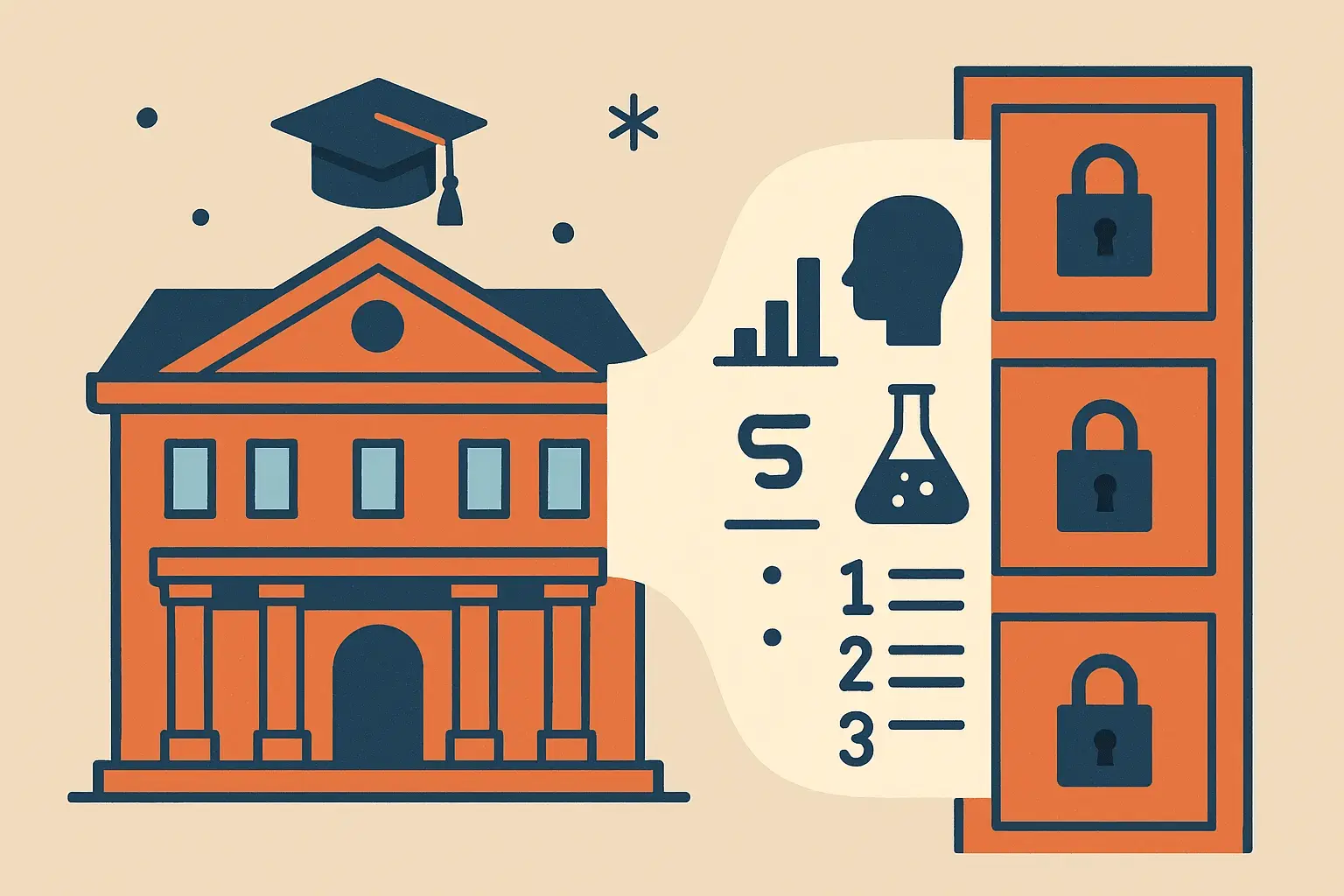
Schools strategically report employment and salary statistics to make their programs look way more valuable than they actually are. They use statistical tricks and selective reporting to hide underemployment, career mismatches, and disappointing salary outcomes.
Universities count any employment, regardless of field relevance or pay level, as "successful" outcomes. A graduate working at Starbucks with a $60,000 degree gets counted the same as someone landing their dream job.
The "95% employment rate" your school brags about includes graduates working retail, driving for Uber, or taking unpaid internships. When I dug into my program's actual outcomes, I found that only about 40% of graduates were working in their field of study within two years of graduation.
Here's what I wish someone had told me: When a school says their average graduate makes $65,000, ask them how many graduates actually responded to that survey. At my school, it turned out only 30% of graduates filled it out—and guess who's most likely to brag about their salary?
What you should ask:
Voluntary salary reporting creates bias where only successful graduates respond, inflating average salary expectations and return on investment calculations that you use to justify your debt.
Schools love to tout average starting salaries, but these numbers are based on voluntary responses from graduates. Guess who's most likely to respond? The successful ones making good money. The graduates struggling to find work or making disappointing salaries don't fill out those surveys, creating a completely false picture of what you can actually expect.
The retention crisis tells the real story: only 53% of the average incoming bachelor's class graduating in four years at The New School. If the promised outcomes universities market were actually happening, why are nearly half their students not making it to graduation?
Universities promote alumni networks as valuable assets without providing any real metrics for networking return on investment. This "soft benefit" becomes impossible to weigh against concrete costs, and the actual value varies dramatically based on your background and circumstances.
Alumni network benefits disproportionately favor students from wealthy backgrounds who can afford unpaid internships and networking events. Students who need to work during school or can't afford to network miss out on the connections that supposedly justify the high costs.
The alumni network sounds amazing until you realize it mainly benefits people who don't need the help. Students from wealthy families can afford to take unpaid internships at alumni companies, attend expensive networking events, and maintain the social connections that lead to job opportunities. If you're working two jobs to pay for school, you're not building those relationships.

Bottom Line: Don't base your college choice on vague promises about alumni networks or career outcomes. Get specific data and talk to recent graduates who aren't handpicked by the admissions office.
Educational institutions exploit gaps in oversight to maximize revenue while minimizing transparency. They use tactics that would be illegal in other industries but remain hidden from students until after enrollment.
Schools manipulate federal financial aid calculations through strategic cost categorization and timing to maximize government subsidies while shifting actual costs to students through fees and overpriced services that you can't opt out of.
Universities artificially inflate official cost of attendance figures to increase federal aid eligibility, then capture this excess aid through mandatory fees and overpriced services that you can't avoid.
Here's how the scam works: Schools publish inflated cost estimates that include unrealistic expenses, which increases how much federal aid you can receive. Then they capture that extra aid money through mandatory meal plans, technology fees, and other services priced well above what you'd pay elsewhere.
How to spot this:
This pattern keeps escalating. Brown University recently approved a 4.85% increase in undergraduate tuition and fees, showing how universities systematically raise prices regardless of economic conditions or student financial hardship, while simultaneously increasing their financial aid budgets to capture more federal dollars.
Federal work-study programs provide cheap labor to universities while creating the illusion of financial aid. You work for below-market wages while schools benefit from subsidized labor costs.
Work-study programs are basically universities saying, "Hey, want some financial aid? Great! Just work for us at below minimum wage while trying to maintain a 3.5 GPA. You're welcome!"
Marcus received a financial aid package that included $3,000 in work-study funds, which his family counted as "free money" when calculating college costs. In reality, Marcus had to work 15 hours per week at $10 per hour in the campus library to earn that $3,000—time he could have spent studying or working off-campus for $15 per hour. The work-study commitment prevented him from taking a higher-paying job that would have given him $2,250 more annually while working the same hours.
Public institutions use complex funding formulas and cross-subsidization between programs to hide true program costs. Students in profitable programs subsidize money-losing departments without knowing they're funding unrelated academic areas.
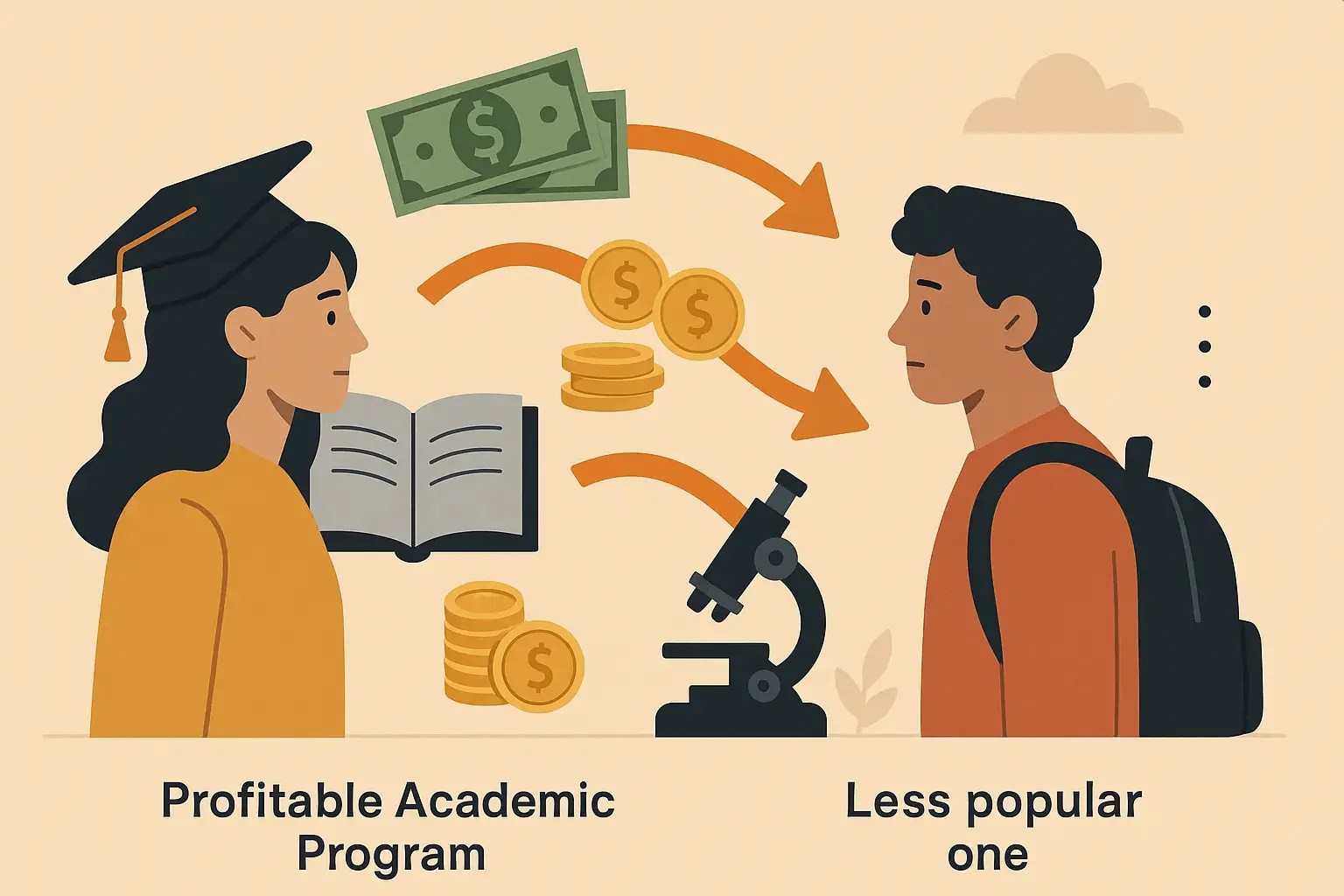
High-demand programs with low costs subsidize expensive programs with few students. Engineering students might be paying inflated tuition to fund the art history department, but this cross-subsidization is completely hidden from students making enrollment decisions.
Universities increasingly rely on housing, dining, and parking revenue to fund academic operations, creating mandatory participation in overpriced services that you can't avoid.
What you need to understand:
|
What They Tell You vs Reality |
University Estimate |
What You Actually Pay |
Annual Difference |
|
Housing |
$12,000 |
$18,000 |
+$6,000 |
|
Meal Plans |
$4,500 |
$6,200 |
+$1,700 |
|
Transportation |
$1,200 |
$2,800 |
+$1,600 |
|
Social/Personal |
$2,000 |
$4,500 |
+$2,500 |
|
Total Hidden Costs |
+$11,800/year |
When you're evaluating the new school cost of attendance, these hidden subsidies and auxiliary service markups can add thousands to your annual expenses beyond what appears in official calculations.

Bottom Line: The financial aid system is designed to extract maximum money from families while making it seem like you're getting help. Read every line of your aid package and understand what you're actually receiving versus what you're paying.
Look, I know this all sounds overwhelming. The college financial system is confusing by design, and you're not supposed to understand it easily. But you're smart enough to figure this out.
The new school cost of attendance crisis isn't just about sticker prices—it's about systematic information and pricing manipulation that leaves students and families making financial decisions based on incomplete or misleading data. Universities have created a market where normal economic principles don't apply, and students bear the financial consequences of this dysfunction.
Here's my real talk: I'm not trying to scare you away from college. Education can be incredibly valuable. But you deserve to know what you're really signing up for financially.
Understanding these hidden dynamics won't solve the broader crisis, but it can help you make better individual decisions. Question every number schools give you, dig deeper into outcome data, and remember that the most expensive option isn't automatically the best value.
Take your time, ask lots of questions, and remember—there's no shame in choosing the more affordable option. Your future self will thank you for making smart financial decisions now rather than getting caught up in the prestige game that leaves so many graduates drowning in debt.
Your financial future depends on seeing through the marketing and making decisions based on reality, not the carefully crafted illusions that universities spend millions creating.

Previous post
Where Do Rich People Live in Manhattan?Next post
Cost of Living in Brooklyn, New York
Household supplies can be changed or decreaased at Outpost Club’s discretion, or based on supply availability. Outpost is not responsible for temporary losses of utility service. Outpost Club is not responsible for any damages due to absence of any supplies or utilities


If you have a sales related question please call
680-688-7678

 Hot Deals