Best College in Washington State: Your Complete Guide to Finding the Perfect Academic Fit
Dec 5, 2025
Dec 5, 2025
Let's be honest - choosing a college is overwhelming. I remember staring at endless rankings and brochures, trying to figure out which Washington school would actually be worth the debt. After helping dozens of students (and surviving my own college search nightmare), here's what I wish someone had told me about finding the right fit in Washington State.
Washington's got everything from world-renowned research universities to innovative community colleges. With over 1,700 colleges across the U.S. evaluated by U.S. News, Washington's institutions consistently punch above their weight nationally. Finding the best college in Washington state isn't about picking the highest-ranked school - it's about finding where you'll actually thrive for four years.
Look, I'll be straight with you - UW is a big deal, but it's also a big school in a big city. If you're the type who gets lost easily or overwhelmed by crowds, this might not be your jam. But if you can handle the hustle, it's pretty incredible what doors this place opens.
I've watched friends go from struggling pre-med students to working at some of the best hospitals in the country. The thing about UW is that it doesn't baby you - you've got to advocate for yourself, especially in those massive lecture halls where the professor doesn't know your name.
Here's the thing about UW's reputation - it's not just hype. When I see "University of Washington" on a resume, I know that person survived some serious academic rigor. The school consistently ranks in the top 20 public universities, and yeah, that actually matters when you're job hunting.
According to U.S. News rankings, the University of Washington Seattle "ranked No. 42 in National Universities and No. 16 in Top Public Schools. With an undergraduate enrollment of about 40,800 (fall 2024), the university boasts a 74% four-year graduation rate."
That's not bad considering how many students change majors three times (guilty as charged). What really sets UW apart isn't the rankings though - it's how the professors are doing real research that shows up in the news. Your organic chemistry prof might be developing new cancer treatments, which is pretty cool even when you're dying in their class.
UW's medical school is legit - like, top 10 in the country legit. They've got this WWAMI program that covers five states, which sounds fancy but basically means they're training doctors for places that really need them.
The University of Washington School of Medicine doesn't just train doctors - it shapes healthcare leaders who actually give a damn about serving underserved communities. I know someone who went through the program, and she said the clinical rotations were intense but incredible. You're not just memorizing textbook cases - you're seeing real patients with real problems in rural Montana or inner-city Seattle.
The competition to get in is brutal though. We're talking 3.8+ GPAs and MCAT scores that would make your head spin. But if you make it through, you're pretty much guaranteed a good residency match. The school's emphasis on primary care means you'll actually learn to be a doctor who helps people, not just someone who memorizes procedures.
This is where UW really shines. You're literally surrounded by the companies you want to work for. Microsoft's headquarters is a short drive away, Amazon's offices are all over Seattle, and Boeing's engineers are constantly collaborating with UW researchers.
I had a friend who did an internship at Amazon during his junior year and basically had a job offer before senior year started. That's not uncommon - these companies recruit heavily from UW because they know the quality of students coming out.
The downside? Competition is fierce. Everyone wants those coveted tech internships, so you better bring your A-game and probably learn to code in your sleep. But honestly, if you can survive UW's engineering program, you can handle pretty much anything Silicon Valley throws at you.
One thing that surprised me about UW is how accessible undergraduate research is. Yeah, you might start by washing beakers, but I've seen sophomores co-author papers and present at conferences.
As an R1 research institution, UW provides undergraduates with opportunities that most students never experience. You might find yourself aboard research vessels in Puget Sound studying marine ecosystems, or working in AI labs developing algorithms that could revolutionize how we process information.
The key is being proactive. Professors aren't going to hunt you down and offer you research positions - you need to show up to office hours, ask good questions, and prove you're serious about learning.
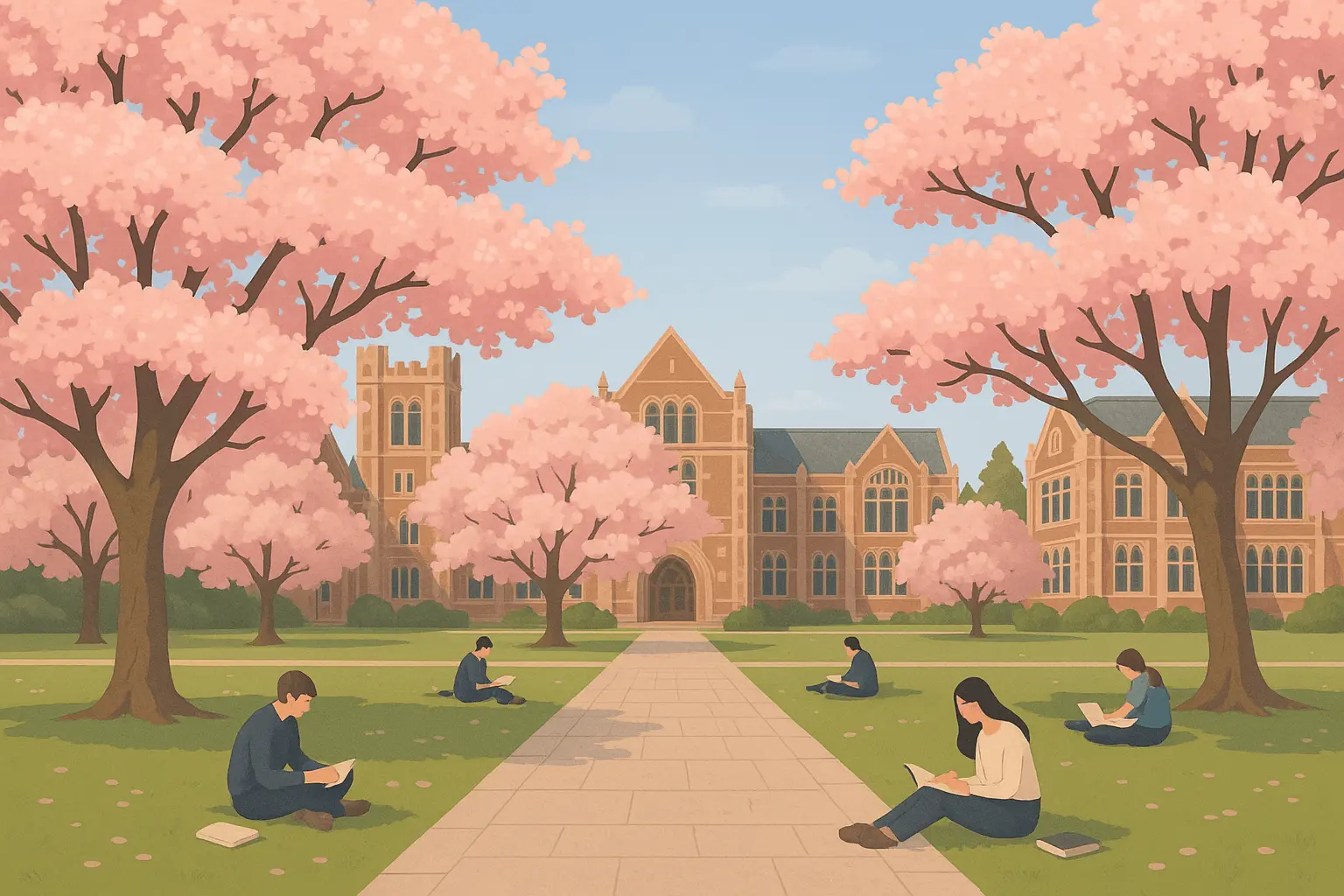
UW's campus is gorgeous, especially when the cherry blossoms bloom in spring. Instagram doesn't do it justice - it's one of those places that makes you feel like you're in a movie about college.
Game days at Husky Stadium are insane. 70,000 people all wearing purple, tailgating starts at dawn, and the energy is infectious. Even if you're not into sports, it's hard not to get caught up in the excitement.
But honestly, what I love most about UW traditions is how they connect you to something bigger. When you meet another Husky alum 20 years later, you immediately have shared experiences - late nights in Suzzallo Library, the stress of finals week, celebrating when we beat the Cougars.
The cherry blossoms on the Quad each spring create one of the most photographed college campuses in America. Students study under these trees, take graduation photos among the blooms, and return years later to share the experience with their own children.
Thank god for My UW Portal because navigating a university this size would be impossible otherwise. Registration can still be a nightmare during peak times, but at least everything's in one place - course registration, grades, financial aid, the works.
Pro tip: set up your registration time alerts because popular classes fill up in minutes. I learned this the hard way when I got stuck in 8 AM organic chemistry because I waited too long.
Seattle is amazing if you can afford it. Pike Place Market, incredible coffee everywhere, music venues, hiking trails an hour away - it's got everything. The problem is rent prices that'll make you cry into your ramen noodles.
Most students live in dorms their first year, then move to shared apartments or houses in neighborhoods like the U-District. It's expensive, but the internship opportunities and city experience are worth it if you can swing the finances. Plus, when you need a break from studying, you can catch a Mariners game or take a ferry across Puget Sound.
UW's admissions process is holistic, which is code for "we look at more than just your GPA." That's good news if you're not a straight-A student but have interesting experiences or compelling personal stories.
The Coalition Application serves as your starting point, but the essays are where you really get to shine. Don't write what you think they want to hear - write about what actually matters to you.
They want to see intellectual curiosity, which doesn't necessarily mean perfect grades. Maybe you started a robotics club, did independent research, or taught yourself a programming language. Show them you're someone who seeks out learning opportunities.
Letters of recommendation should come from people who actually know you. A generic letter from a famous teacher is way less valuable than a detailed one from someone who can speak to your character and potential.
For example, a student applying to UW's engineering program might write about how they built robots in high school while volunteering to teach coding to elementary students, demonstrating both technical skills and community engagement - two values UW actually cares about.
WSU is UW's polar opposite in the best possible way. Where UW is urban and intense, WSU is small-town and community-focused. If you want the classic college experience with incredible school spirit, Pullman might be your place.
The thing about Washington State University is that everyone there genuinely wants you to succeed. It's not cutthroat competitive - it's collaborative. Students help each other, professors know your name, and the whole town revolves around the university.
WSU's land-grant mission means they focus on practical education that serves real needs. Their programs aren't just theoretical - they're designed to prepare you for careers that make a difference.
According to U.S. News rankings, "WSU ranked No. 191 in National Universities and No. 104 in Top Public Schools. It had an undergraduate enrollment of about 21,500 in the fall of 2024. It has an acceptance rate of 87% and an annual average cost of about $15,500 after student aid."
With an 87% acceptance rate and average costs around $15,500 after aid, WSU is way more accessible than UW. That doesn't mean it's easier - just more welcoming. The land-grant heritage shapes everything about the academic experience, focusing on practical education that addresses real-world challenges.
WSU's vet school is one of only 32 in the entire country. Getting in is harder than getting into most medical schools, but if you make it, you're basically guaranteed a great career.
I know someone who went through the program, and she said the hands-on experience is incredible. You're working with everything from dairy cows to exotic animals, getting experience that prepares you for whatever direction your career takes.
The downside is the competition - hundreds of applicants for maybe 140 spots. You need stellar grades, tons of animal experience, and a compelling story about why veterinary medicine matters to you. But veterinarians consistently rank among the most satisfied professionals, combining scientific knowledge with hands-on care that makes a tangible difference.

Don't let the "agriculture" label fool you - this isn't your grandpa's farming program. WSU students work with precision agriculture technology, develop drought-resistant crops, and research sustainable farming practices that could help feed the world.
The research farms are like living laboratories where you get hands-on experience with livestock, crop production, and agricultural business. Students engage with precision agriculture technologies, sustainable farming practices, and food security research that addresses global challenges. It's practical education that directly translates to career opportunities.
Pullman is tiny - like, 30,000 people tiny, and half of them are students. That means the whole town revolves around the university, which creates an incredibly tight-knit community.
WSU school spirit is legendary. The Cougar flag thing at ESPN College GameDay isn't a marketing stunt - it's genuine fan dedication that's become a national phenomenon. WSU fans have made it their mission to appear at College GameDay broadcasts across the country, and it's become such a thing that ESPN announcers regularly acknowledge the WSU presence.
Game days in Pullman are special. The entire community comes together at Martin Stadium, creating an energy that makes you understand why college athletics matter so much to university culture.
What I love about Coug pride is how it connects alumni. Meet another Coug anywhere in the world, and you instantly have shared experiences and values that form lasting friendships.
WSU's enrollment process reflects their community-oriented culture. They're looking for students who will contribute to campus life and embody the collaborative spirit that defines the Coug experience.
Strong academics matter, but they're also evaluating your character and potential contributions to their community. Show them how you've been a team player, leader, or positive force in your current communities. Demonstrate alignment with WSU's values of community, service, and academic excellence.
Seattle University is expensive - let's not pretend otherwise. But if you can afford it (or get good financial aid), the education you get is incredibly personal and values-driven.
With only 4,100 undergrads, SU offers something you can't get at larger universities - professors who actually know your name and care about your success. The Jesuit educational philosophy means you're not just learning job skills - you're developing the ethical framework to use those skills responsibly.
Recent recognition reinforces SU's value: For the second consecutive year, Seattle University is the top-ranked university for best value in Washington state among national universities according to U.S. News & World Report, while also being "the highest ranked among private universities in the state for social mobility."
According to U.S. News rankings, Seattle University "ranked No. 151 in National Universities and No. 65 in Best Value Schools, Seattle University, a private institution , had an undergraduate enrollment of approximately 4,100 in the fall of 2024. The annual cost after financial aid averages roughly $33,700."
SU's business and nursing programs have reputations that open doors throughout the Pacific Northwest. Employers actively recruit from SU because they know graduates are well-prepared and ethically grounded.
The class sizes are tiny compared to public universities. Instead of 300-person lectures, you're in seminars with 15-20 students where you can actually ask questions and have discussions.
|
Seattle University Program Rankings |
What This Actually Means |
|
Analytics #19 nationally |
Your data science degree carries weight |
|
Marketing #30 nationally |
Ad agencies know SU grads are solid |
|
Accounting #30 nationally |
CPA firms recruit here heavily |
|
Finance #34 nationally |
Banks and investment firms take notice |
|
Engineering #38 nationally |
Tech companies respect the program |

The service learning component isn't just volunteer work - it's integrated into coursework in ways that deepen your understanding while making real community impact.
You might develop marketing strategies for nonprofits, work with healthcare organizations to address health disparities, or partner with schools to improve educational outcomes. The work contributes to your education while making tangible differences in people's lives.
These experiences often shape career directions. Students discover passions for social entrepreneurship, nonprofit leadership, or corporate social responsibility that they might never have explored otherwise.
SU's admissions process looks for students who align with their mission of promoting justice and serving others. Your essays should demonstrate not just what you want to study, but why it matters and how you plan to use your education to make a positive impact.
Show them your service experiences, leadership roles, and commitment to making a difference. They want students who see education as preparation for meaningful careers, not just high-paying ones. The application process provides opportunities to articulate your values and demonstrate how they align with SU's Jesuit mission.
WWU in Bellingham is perfect if you want a beautiful campus, innovative teaching, and easy access to outdoor recreation. The location between the Cascade Mountains and Puget Sound is stunning, and the university has built a strong reputation for environmental programs and creative teaching approaches.
The campus culture is collaborative and environmentally conscious. Students here genuinely care about sustainability and social justice, creating a community that's both academically rigorous and socially engaged.
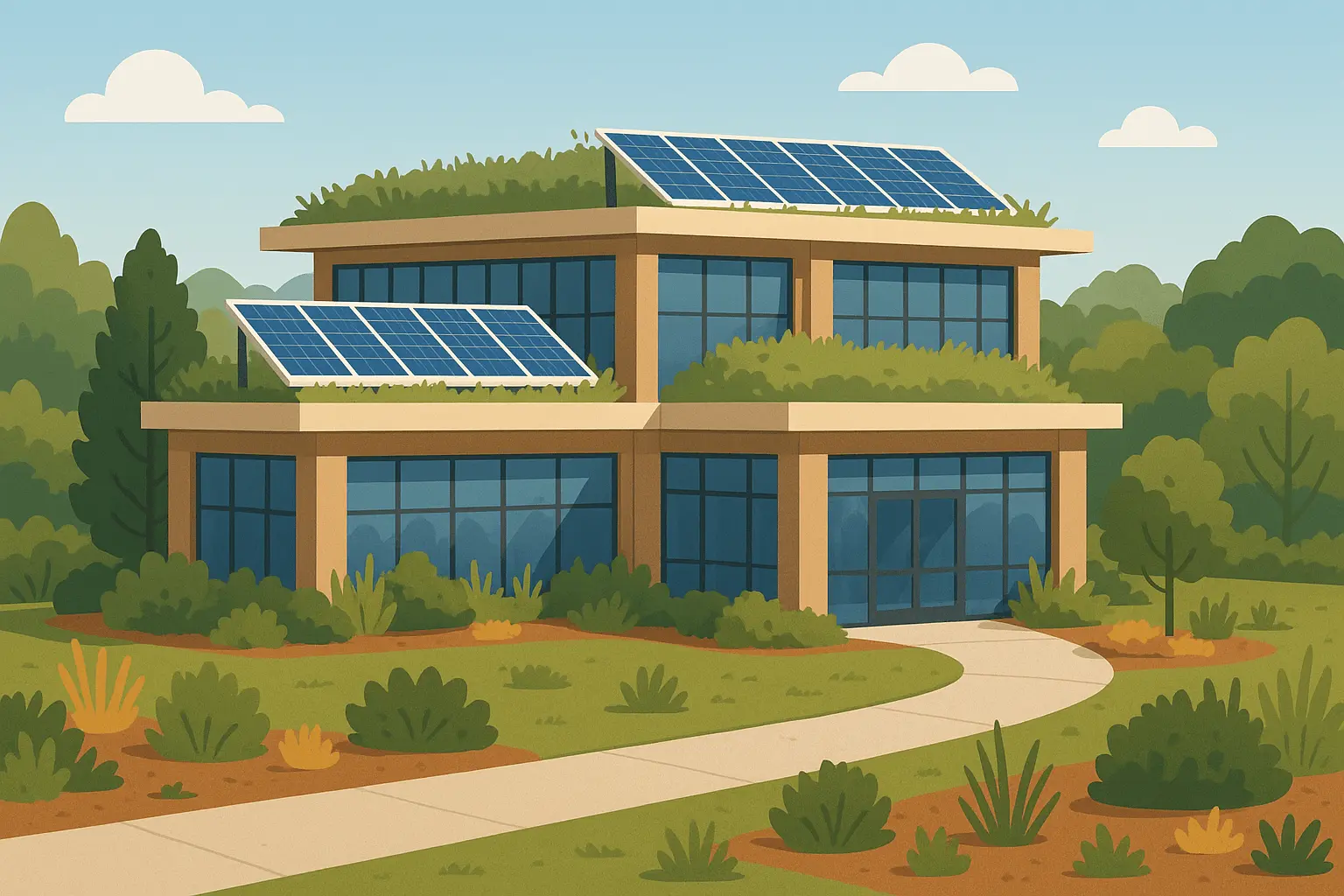
WWU doesn't just teach about environmental issues - the campus itself serves as a living laboratory for sustainability practices. Students work on real projects that have immediate environmental impact while gaining practical experience in their fields.
Environmental consciousness isn't just a program at WWU - it's woven into the fabric of the entire university experience. Academic programs across disciplines incorporate environmental perspectives. Whether you're studying business, education, or the sciences, you'll explore how your field can contribute to environmental solutions.
The location provides unparalleled access to diverse ecosystems for field study. From marine environments in Puget Sound to old-growth forests in the Cascades, students can study environmental systems firsthand instead of just reading about them in textbooks.
WWU values students who demonstrate both academic readiness and alignment with the university's collaborative, environmentally conscious culture. Strong GPAs and test scores matter, but they're looking for more than just academic achievement.
Show your commitment to environmental stewardship or community service. WWU wants students who will engage with their mission of creating positive change in the world. Your essays should reflect genuine interest in WWU's unique culture and programs - do your research and articulate why WWU specifically fits your goals.
EWU in Cheney focuses on accessible education that prepares students for careers in education, business, and health sciences. It's not flashy, but it gets the job done with strong support systems and practical programs.
The university embodies the democratic ideals of public higher education - providing accessible, high-quality education that serves students from diverse backgrounds. EWU's campus culture emphasizes support and inclusion, so students find the resources they need to succeed regardless of their background.
EWU's education programs consistently produce teachers who are highly sought after by school districts throughout the region. The combination of rigorous academic preparation and extensive field experience creates graduates who are ready to make immediate positive impacts in their classrooms.
Student teaching experiences are carefully structured to provide exposure to diverse educational settings. Future teachers work in urban and rural schools, with students from various socioeconomic backgrounds, gaining the broad experience necessary for effective teaching.
The programs emphasize educational equity and cultural responsiveness, preparing teachers to serve all students effectively. Faculty members maintain active connections with K-12 schools, ensuring that teacher preparation stays current with educational best practices.
Washington's community college system is one of the best in the country for transferring to four-year universities. The Direct Transfer Agreement means you can complete your first two years for about $4,000 annually instead of $12,000+ at universities.
This isn't just about saving money (though saving $16,000+ over two years is pretty sweet). Community colleges often provide better instruction for introductory courses, with smaller class sizes and professors who focus on teaching rather than research.
The Direct Transfer Agreement (DTA) eliminates the uncertainty that usually comes with transferring between institutions. Complete the DTA requirements at any Washington community college, and you're guaranteed junior standing at any public four-year university in the state.
This system provides tremendous financial advantages while giving you the same foundational education you'd get at a four-year institution. The DTA requirements are designed to provide a broad educational foundation that prepares you for upper-division coursework in any major.
|
Washington Community College Benefits |
Community College |
Four-Year University |
|
Average Annual Tuition |
$4,058 |
$12,000+ |
|
Class Size |
15-25 students |
100-300 students |
|
Faculty Interaction |
High |
Variable |
|
Transfer Credits |
90+ credits guaranteed |
Full acceptance |
|
Total Savings (2 years) |
$16,000+ |
Baseline cost |
Work closely with academic advisors from day one. They understand transfer requirements and can help you select courses that fulfill multiple requirements simultaneously. Maintain strong GPAs throughout your community college experience - while the DTA guarantees transfer, competitive programs may have additional requirements.
Research your intended major requirements early. Some programs have specific prerequisite courses that should be completed before transfer to ensure timely degree completion.
Community college healthcare programs address critical workforce shortages while providing stable, well-paying career opportunities. Nursing programs often have waiting lists because of high demand and excellent outcomes.
Nursing programs at community colleges provide pathways to registered nurse licensure with excellent job prospects and competitive salaries. The programs maintain partnerships with healthcare systems that provide clinical training sites and often lead to employment opportunities.
Dental hygiene, medical assistant, and other allied health programs address specific workforce needs while offering students career stability and growth opportunities. Clinical experiences provide real-world training that employers value highly.

Technical programs in welding, automotive technology, and computer networking provide direct pathways to careers with good salaries and growth potential, often without requiring four-year degrees.
Welding programs prepare students for careers in construction, manufacturing, and specialized industries like aerospace. The skills are in high demand, and experienced welders can earn excellent salaries. Many programs include apprenticeship components that allow students to gain experience and earn income while completing their education.
Selecting the right college requires honest self-assessment and systematic evaluation of your options. Don't just chase rankings - think about where you'll actually be happy and successful for four years.
Virtual tours are helpful, but nothing beats walking around campus and talking to actual students. They'll give you honest perspectives on academic programs, social life, and the realities of attending their institution that you won't get from admissions presentations.
Sit in on classes if possible. You'll get a sense of academic expectations, teaching styles, and whether the environment matches your learning preferences. Talk with current students during your visits - they provide insights that don't appear in official presentations.
Attend classes, eat in dining halls, and hang out in common areas. The energy of students walking between classes, conversations overheard in dining halls, and the general atmosphere provide insights that virtual tours can't capture.
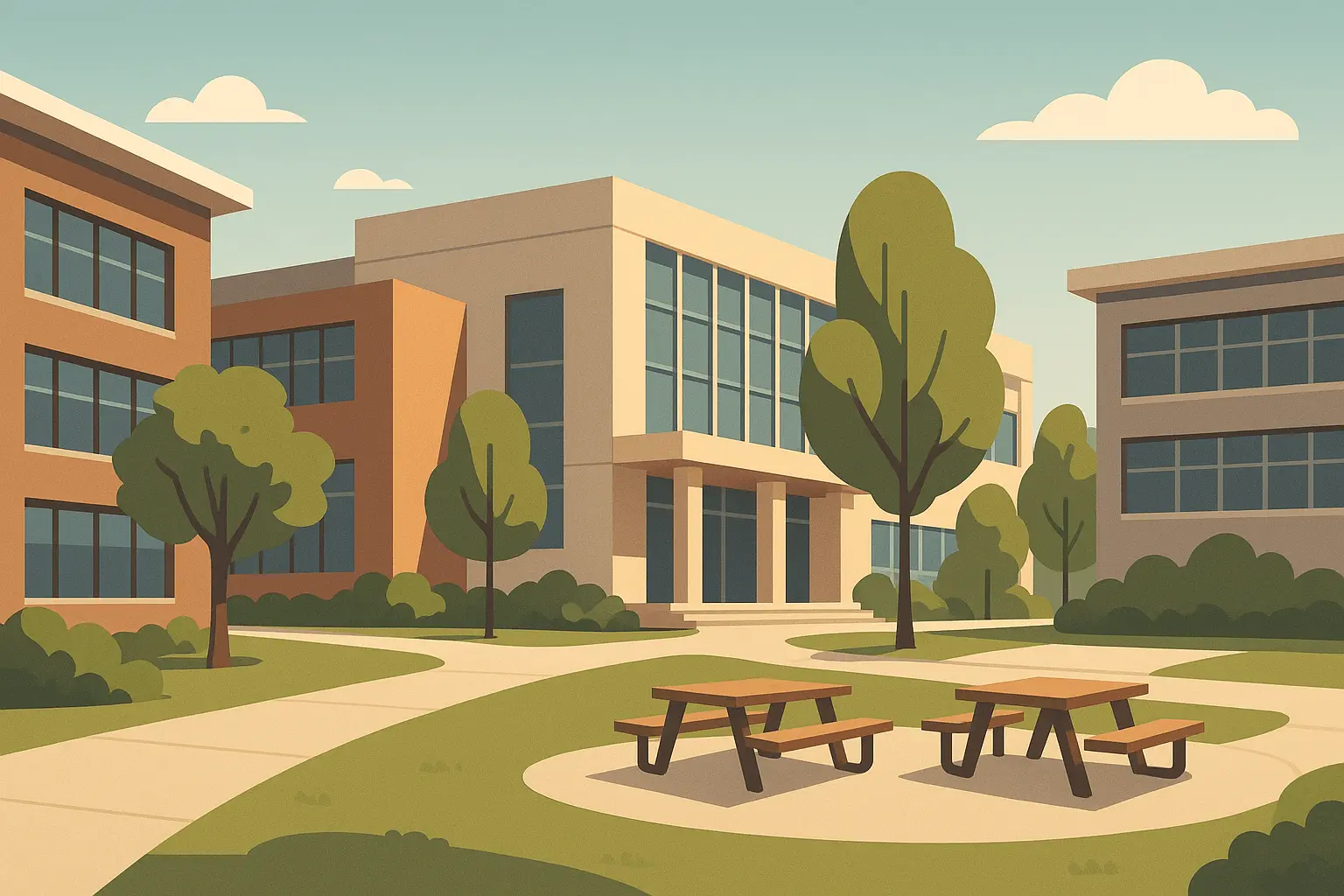
Look beyond course catalogs to examine faculty credentials, research opportunities, internship programs, and career services. Faculty credentials matter significantly - their education, research interests, and professional experience directly impact the quality of education you'll receive.
Strong alumni networks provide ongoing professional support and opportunities. Effective career services help students translate their education into career success, not just job placement statistics.
Recent developments highlight the importance of choosing institutions with strong reputations. Niche's 2025 rankings show that "University of Washington – Seattle" received "an overall A+ score from Niche" with "a 43% acceptance rate and about 45,100 total undergraduate students," demonstrating how competitive top programs really are.
Academic Stuff That Actually Matters:
Money Talk (Because It Matters):
Life Stuff You'll Care About Daily:
Location Reality Check:
When you're weighing all these factors and feeling overwhelmed by the decision-making process, remember that there's no perfect choice. Every university has strengths and weaknesses, and your success depends more on what you do there than which specific school name is on your diploma.
Look, I've seen students thrive at community colleges and struggle at prestigious universities. The "best" school is the one where you'll actually show up to class, make friends, find mentors, and graduate without crushing debt that haunts you for decades.
Washington State's got incredible options - from UW's research powerhouse atmosphere to WSU's tight-knit community spirit, from Seattle University's personalized attention to the practical pathways through community colleges. Each serves different needs and different types of students.
Don't let anyone pressure you into a choice that doesn't feel right - you're the one who has to live with it for four years (and pay for it potentially much longer). Visit campuses, talk to real students and recent grads, and trust your gut about where you'll thrive.
The investment in finding the right fit pays off in ways that extend far beyond your diploma. You're choosing your community, your network, and often the trajectory of your entire career. Washington's diverse higher education landscape means there's a place where you can flourish - you just need to be honest about what that looks like for you specifically.
Choose the place where you'll be challenged but supported, where you'll grow both professionally and personally, and where you can see yourself building the foundation for whatever comes next in your life.

Household supplies can be changed or decreaased at Outpost Club’s discretion, or based on supply availability. Outpost is not responsible for temporary losses of utility service. Outpost Club is not responsible for any damages due to absence of any supplies or utilities


If you have a sales related question please call
680-688-7678

 Hot Deals