College in Washington DC: Your Complete Guide to Four Elite Universities That Shape Future Leaders
Dec 4, 2025
Dec 4, 2025
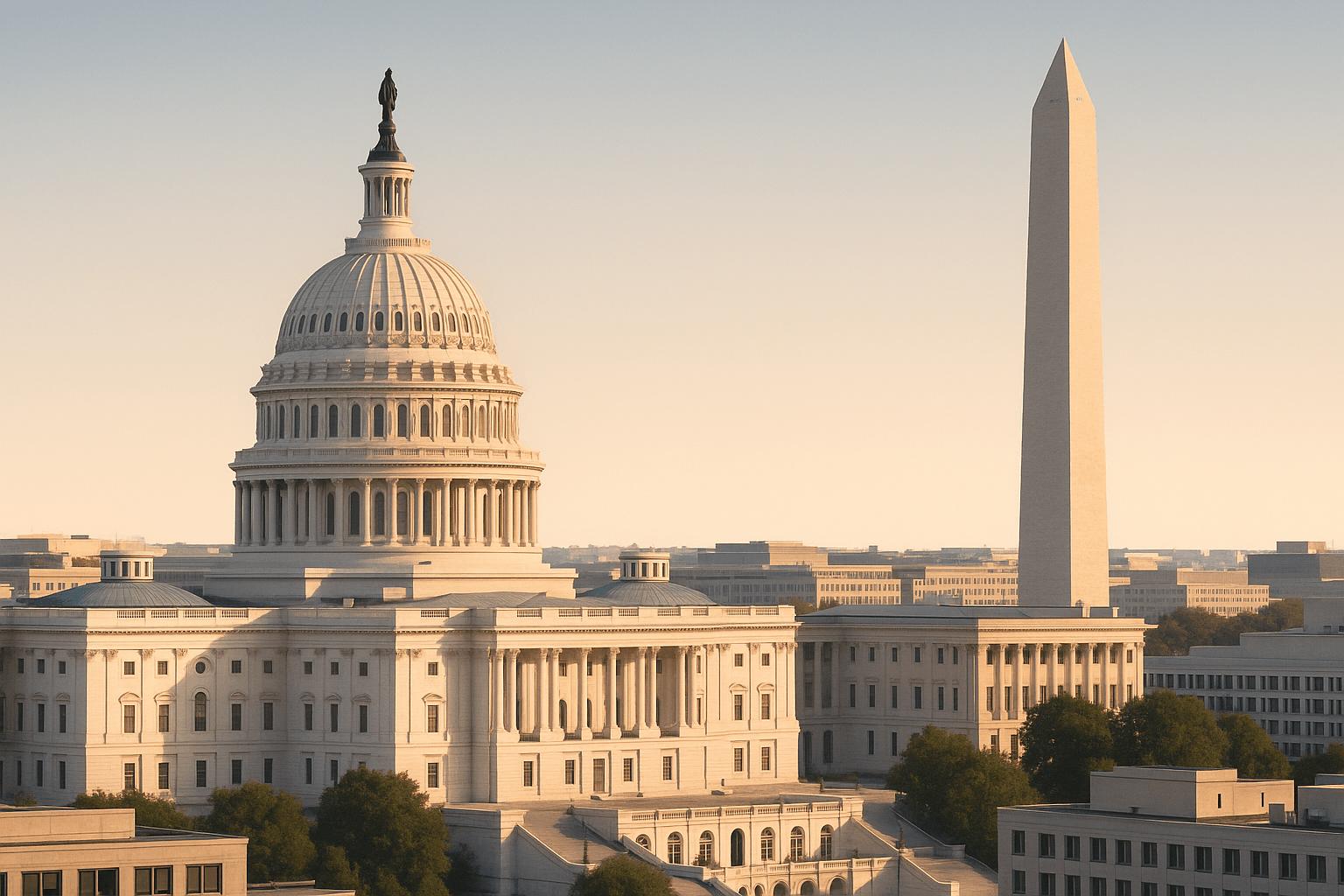
Look, I've lived in a lot of college towns, and DC is just different. You know how some places feel like they're stuck in a bubble? DC is the opposite - it's where everything that matters is actually happening.
Your morning international relations lecture isn't just theory when your professor literally testified before Congress last week. And that internship at the State Department? It's not some far-off dream - it's a Tuesday afternoon reality for thousands of students here.
Here's what blew my mind when I first learned about DC schools: George Washington University has over 25,000 students, and that's just one school. We're talking about a massive academic ecosystem where your classmate might be the daughter of an ambassador or that guy who started a nonprofit at 16.
The faculty situation is honestly kind of crazy. Your professors aren't just teaching - they're actively running the world. They'll cancel class because they got called to brief the Secretary of Defense, then come back with stories you can't get in any textbook.
And the student body? Forget everything you think you know about college diversity. You'll have lunch with future diplomats from 50 different countries, sit next to aspiring journalists who are already covering real political campaigns, and study with pre-med students doing research that could actually save lives.
The energy is intense, but in the best way possible. Everyone's here because they want to do something that matters, not just get a degree and figure it out later. For students trying to navigate all this, understanding student housing in Washington DC becomes super important - because where you live really affects how you experience this whole ecosystem.
Walking onto Georgetown's campus feels like stepping into a movie about what college should look like. Those Gothic buildings aren't just pretty - they've got almost 250 years of history soaked into the walls.
Georgetown held steady at No. 24 in the latest national rankings, which honestly undersells how competitive it really is. Getting in is brutal, but once you're there, the opportunities are insane.
The School of Foreign Service isn't just highly ranked - it's basically the pipeline to becoming an ambassador. I'm not exaggerating. More U.S. ambassadors have come from this program than anywhere else. Your study group partners might include kids whose parents are currently running countries.
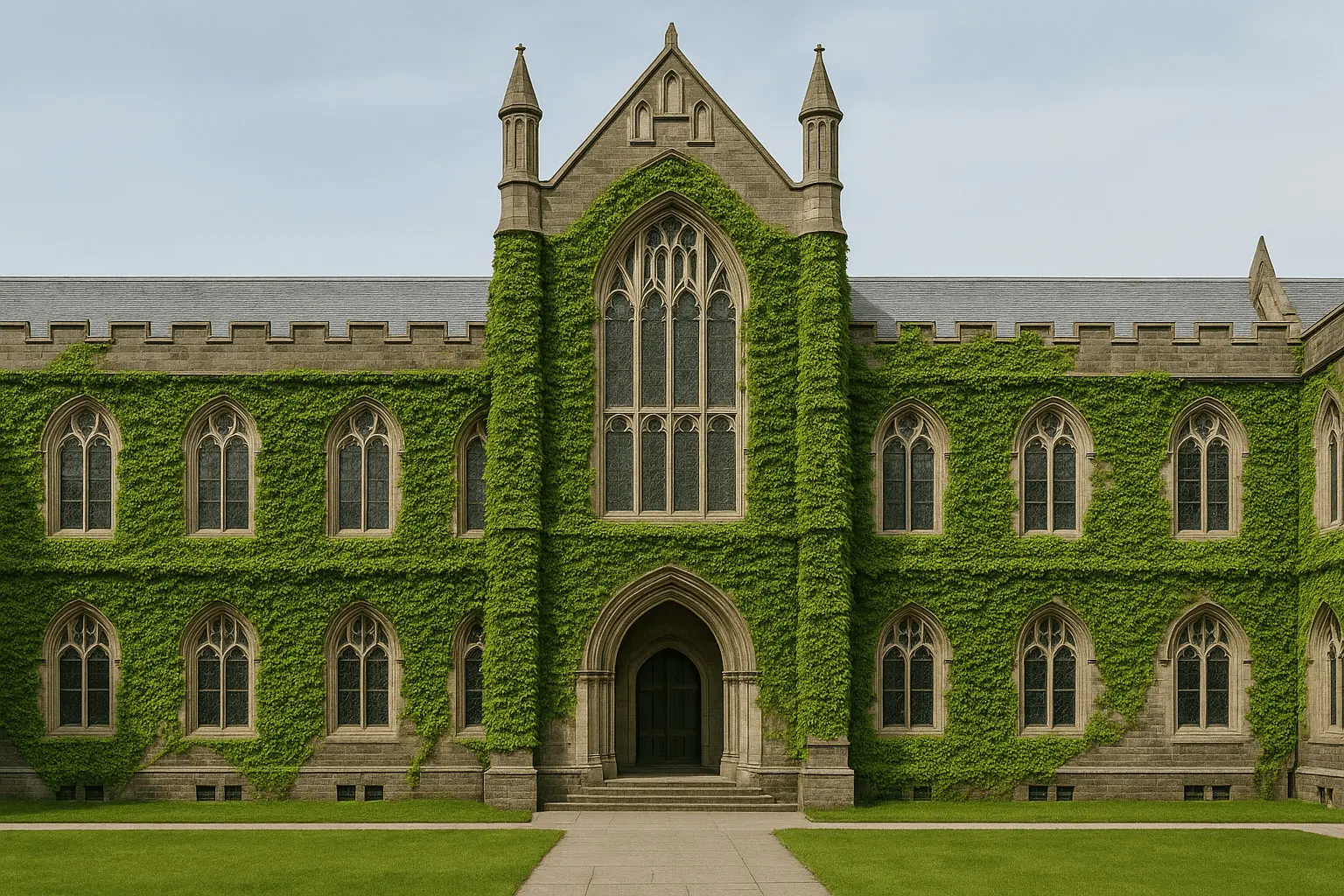
The research money is ridiculous too - $183.8 million flowing through the university. That HPV vaccine that prevents cervical cancer? Developed right here at Georgetown's cancer center. As an undergrad, you can actually work on projects like this instead of just reading about them in textbooks.
But here's what makes Georgetown different from other elite schools: they make you take a bunch of classes outside your major. Philosophy, theology, literature - stuff that seems random but actually makes you a more interesting person to talk to at embassy parties (yes, that's a real thing you'll attend).
The professional school integration is pretty sweet too. Pre-law students can sit in on Georgetown Law seminars, and business students take classes at McDonough. It's like getting a preview of graduate school without the commitment.
My friend Sarah at Georgetown is a perfect example. She's an International Politics major, but her week includes seminars with former Secretary of State Madeleine Albright (who actually teaches there), three days interning at the Brazilian Embassy, and Model UN competitions where she's debating with actual embassy staff. It sounds overwhelming, but she says it's the best preparation for the real world she could ask for.
The Jesuit thing isn't just branding - it actually shapes how people think about their education. "Men and women for others" sounds cheesy, but you'll see students tutoring kids in DC public schools, working with homeless populations, and organizing social justice projects because they genuinely care, not just for their resumes.
Basketball season is absolutely insane. When the Hoyas play, the entire campus loses its mind. Professors cancel classes, students camp out for tickets, and alumni fly in from all over the country. These games become networking events where you might end up sitting next to a Supreme Court justice's kid or a Fortune 500 CEO.
There are over 200 student organizations, but honestly, quality beats quantity here. Georgetown students don't just join clubs - they run them, transform them, and use them as launching pads for bigger things. The culture pushes you to take initiative, which explains why so many graduates end up running things later in life.
If you're thinking about living near campus, checking out apartments near American University can give you a sense of the Georgetown neighborhood housing market too.
GW's location isn't just convenient - it's absolutely game-changing. Four blocks from the White House means internships aren't something you do over summer break. They're woven into your regular semester schedule.

Foggy Bottom sounds like a weird name, but it's literally the center of American power. The State Department is so close you can walk there between classes. World Bank, IMF, countless think tanks - they're all right there.
The internship connections at GW are honestly unfair to students at other schools. Career services doesn't just help you find internships - they have relationships with federal agencies going back decades. They know exactly who to call when you want to work on specific issues.
The policy research happening on campus connects directly to what's being debated in Congress right now. Faculty at the Elliott School regularly brief senior government officials, and students get to work on the research that informs those briefings.
|
What's Walking Distance |
How Close |
What You Can Do There |
|
White House |
4 blocks |
Presidential internships |
|
State Department |
2 blocks |
Diplomatic experience |
|
World Bank |
3 blocks |
International development work |
|
IMF |
3 blocks |
Economic policy research |
|
Kennedy Center |
5 blocks |
Arts and cultural policy |
GW gets that real problems don't fit neatly into academic departments. You can combine majors across different schools, creating educational paths that actually match what you want to do with your life.
The technology integration goes way beyond just having good WiFi. Smart classrooms, digital learning platforms, VR systems that let you experience refugee camps or conflict zones when you're studying international relations. It sounds gimmicky, but it actually helps you understand complex situations in ways textbooks can't.
Global partnerships mean your education doesn't stop at DC's borders. Exchange programs and campuses in England and South Korea give you firsthand experience with the global issues you're studying in class.
Walking across "The Yard" at Howard hits different than other college campuses. You're literally following in the footsteps of Thurgood Marshall, Kamala Harris, and countless other leaders who've shaped American history.
Howard ranked second among HBCUs, right behind Spelman, which shows it's maintaining its position as one of the premier historically Black institutions in the country.
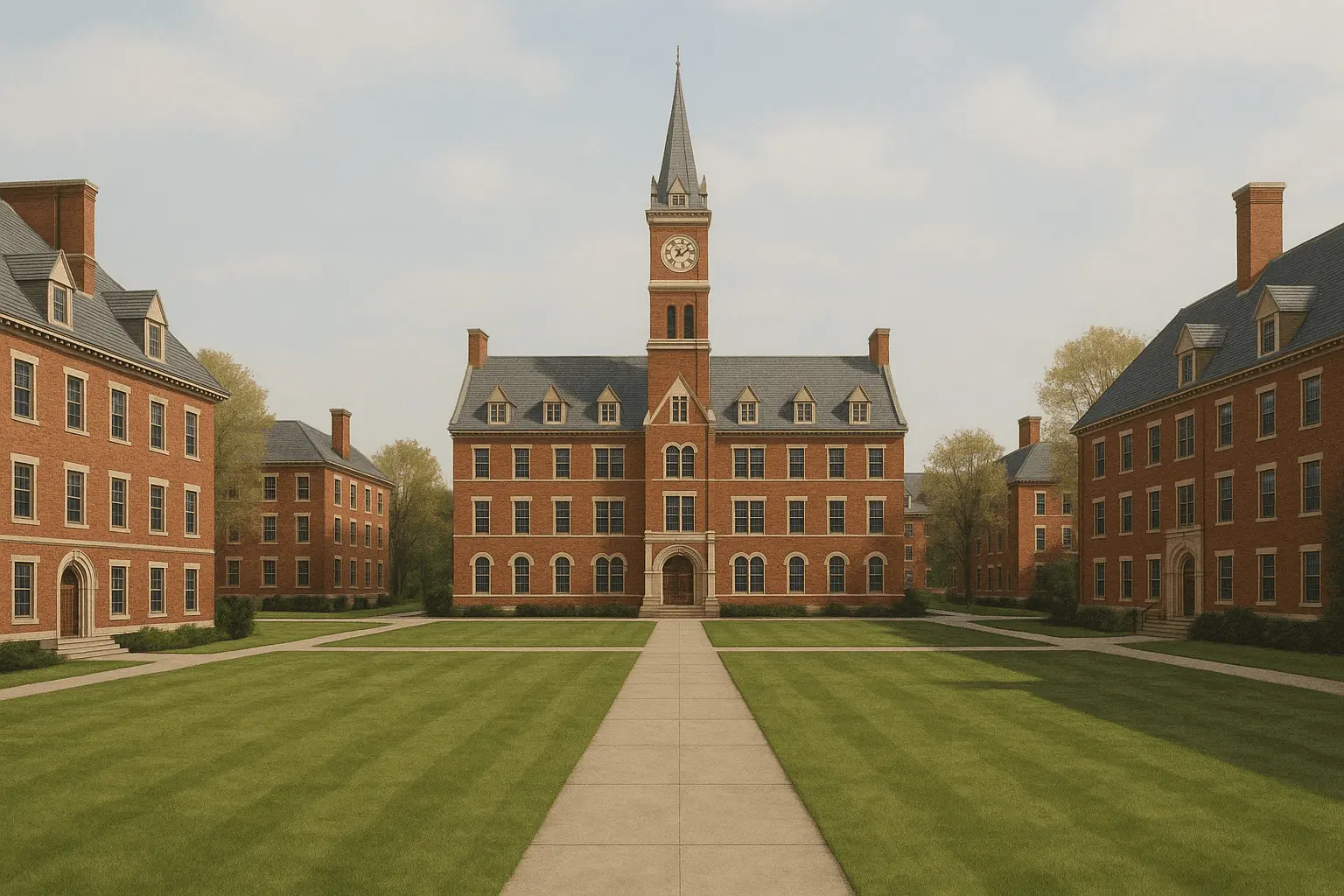
Founded in 1867, Howard emerged from the post-Civil War push to expand educational opportunities. But this isn't just museum-piece history - it's living, breathing legacy. The mission to advance civil rights and tackle systemic inequalities is as relevant now as it was 150 years ago.
The alumni network is absolutely stacked. Supreme Court justices, cabinet members, Nobel Prize winners, business leaders - and they actually stay connected with current students. This isn't just networking; it's mentorship within a community that's genuinely committed to lifting each other up.
Howard's commitment to social justice goes way beyond mission statements. Faculty and students are actively researching and advocating for solutions to contemporary challenges facing African American communities and marginalized populations worldwide.
Howard's medical school has trained about 40% of all African American physicians and dentists in the United States. When you're pre-med at Howard, you're not just preparing for medical school - you're joining a tradition of healthcare professionals who've been serving underserved communities for generations.
The School of Communications consistently produces award-winning journalists and media professionals. In an era when representation in media really matters, Howard graduates are telling stories that might otherwise never get told.
Take my friend Marcus, who's pre-med at Howard. His typical semester includes brutal organic chemistry courses, research at nearby NIH facilities, and community health outreach in underserved DC neighborhoods. His senior thesis on health disparities in urban communities actually informed policy recommendations that went to the DC Health Department. That's the kind of real-world impact Howard students are making while they're still in college.
The STEM programs are specifically designed to diversify fields where African Americans are still underrepresented. It's not just about teaching technical skills - it's about preparing students to become leaders who can address the lack of diversity in these crucial fields.
American University approaches education with a completely different mindset. While other schools talk about preparing you for the world, AU focuses on preparing you to actually change it.

AU's philosophy emphasizes critical thinking over memorizing facts. You won't just study public policy - you'll analyze real policy challenges and propose actual solutions. The School of Public Affairs consistently ranks among the top programs for public administration, but rankings don't capture the university's commitment to making sure you can apply what you learn.
The international diversity is incredible - students from 124 different countries. Your dorm floor probably has more cultural diversity than most small towns, which makes for amazing late-night conversations about global issues.
International service programs don't just look good on your resume - they prepare you for careers in global development and diplomacy. When you're studying international relations at AU, you might spend a semester working with NGOs in developing countries or interning at international organizations right here in DC.
The experiential learning approach means your education extends way beyond lecture halls. Service-learning courses combine academic study with community engagement, so you understand how theoretical knowledge actually applies to real-world challenges.
AU became the first carbon-neutral university in the United States, and this wasn't just a publicity stunt. It required comprehensive changes to how the entire campus operates, from energy systems to transportation policies.
The sustainable campus design incorporates cutting-edge green technologies in new buildings and renovations. When you're studying at AU, you're experiencing firsthand how institutions can operate responsibly while maintaining academic excellence.
Student environmental leadership opportunities let you work on real sustainability projects both on campus and in the broader community. These aren't just academic exercises - they're actual contributions to addressing climate change and environmental justice.
Let me be honest: getting into these schools is really, really hard. But it's not impossible, and understanding what each school actually values can help you craft applications that stand out.
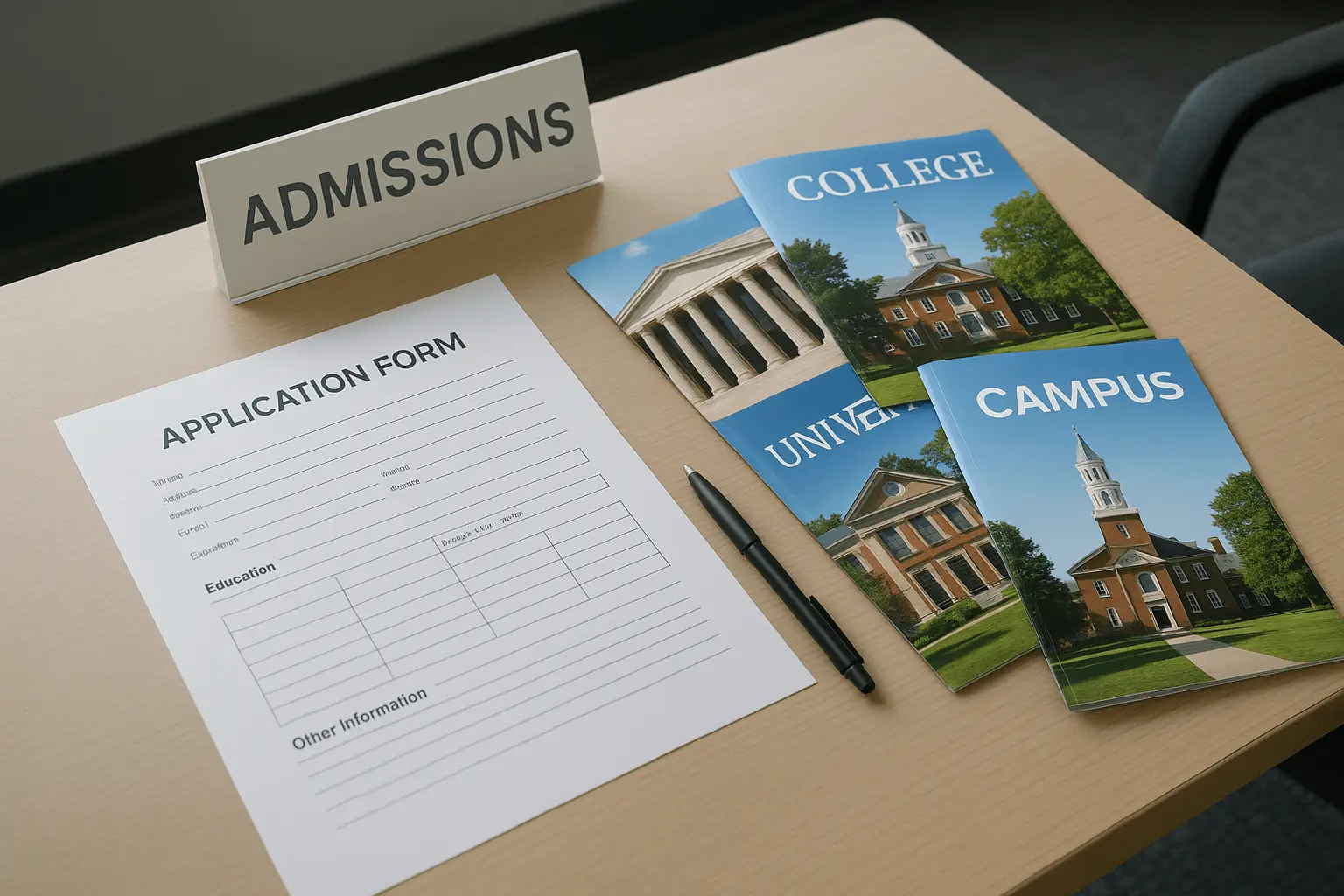
Georgetown wants to see that you get the Jesuit mission and aren't just name-dropping it. They want intellectual curiosity combined with genuine concern for others. Your application should show both academic achievement and real commitment to service - not just resume padding.
GW is looking for students who understand what makes DC special and have specific plans for leveraging those opportunities. Generic essays about wanting to study political science won't cut it. They need to see that you've thought about how you'll use their location and resources.
Howard wants students who understand the university's mission and are committed to continuing its legacy. Your application should show awareness of Howard's historical significance and your genuine desire to be part of that tradition.
AU seeks students who want to engage with complex social issues and work toward positive change. They're looking for evidence of social consciousness and leadership potential that goes beyond just good grades.
|
University |
What They Really Want |
Application Focus |
Red Flags to Avoid |
|
Georgetown |
Service + intellectual rigor |
Jesuit mission alignment |
Generic service essays |
|
GW |
DC opportunity utilization |
Specific internship plans |
Vague political interest |
|
Howard |
Historical mission understanding |
Social justice commitment |
Treating it as backup option |
|
AU |
Social impact focus |
Environmental/social activism |
Surface-level activism |
Personal statements need to tell authentic stories that connect your experiences to each university's mission. Don't try to be who you think they want - be yourself, but show how your authentic self fits with their values.
Extracurriculars matter, but depth beats breadth every time. Sustained commitment to activities that show leadership and real impact will impress admissions committees way more than a long list of clubs you barely participated in.
Letters of recommendation should come from people who actually know you well and can speak to your character beyond just your grades. Choose recommenders who can provide specific examples of your leadership, integrity, and potential for growth.
Here's a real example: Maria, a high school senior I know, applied to all four DC universities. For Georgetown, she wrote about her volunteer work with refugee resettlement while maintaining a 4.0 GPA. For GW, she detailed her specific plan to intern at the Treasury Department and study international economics. For Howard, she discussed her commitment to increasing Latino representation in STEM fields. For AU, she highlighted her environmental activism and a carbon footprint reduction project she led at her high school. Each essay was authentically her, but tailored to what each school values.
Real Application Checklist:
Campus life in DC isn't contained within university gates. The entire city becomes your classroom, playground, and professional training ground all at once.

On-campus housing is great for freshmen who need community and want to ease into college life. Georgetown's historic dorms create tight-knit communities, while GW's urban-integrated housing helps you adjust to city living without throwing you into the deep end.
Off-campus housing opens up the whole city, and each neighborhood has its own personality. Dupont Circle is where you go for nightlife and cultural stuff, while Capitol Hill puts you close to congressional internships and has that small-town-within-a-big-city vibe.
The Metro system connects you to opportunities throughout the metropolitan area, but let's be real - it breaks down more than you'd like, and weekend service can be frustrating. Still, it beats having a car in DC traffic.
Government internships give you direct experience in federal agencies, congressional offices, and regulatory bodies. You're not making copies - you're sitting in meetings where actual policy gets made and implemented.
Private sector and nonprofit opportunities are everywhere in DC's economy. Think tanks, advocacy organizations, consulting firms, international organizations - there are career paths here you probably haven't even heard of yet.
The networking opportunities are intense because so many accomplished professionals live and work here. Alumni events, professional associations, industry conferences - they happen constantly, giving you access to leaders across multiple fields. Just don't be that freshman who hands out business cards at every event - people can smell desperation from a mile away.
The Smithsonian museums and Kennedy Center aren't just tourist attractions - they become part of your regular routine. Many classes incorporate visits to these places, connecting what you're learning with world-class collections and performances. Plus, most are free, which is clutch when you're living on a college budget.

The international character of the city means there are cultural events from around the world happening constantly. Embassy parties, international festivals, cultural exchanges - you'll get global perspectives that enhance your education and make you way more interesting at dinner parties.
But let's be honest: DC can be exhausting. Everyone's always "on," talking about their internships and networking and changing the world. Sometimes you just want to eat pizza and watch Netflix without discussing foreign policy implications.
DC universities are expensive. Like, really expensive. But let's break down what you're actually paying for and whether it's worth going into debt over.

Tuition is just the beginning. Housing, meals, textbooks, transportation, and personal expenses in one of the country's most expensive cities add up fast. A night out in DC costs way more than it would in a typical college town.
Georgetown's premium pricing reflects its brand and alumni network, but those connections often lead to higher starting salaries that help offset the cost. Still, you'll be paying loans for a while.
Howard offers more competitive pricing among elite universities while providing unique cultural experiences and professional networks that create real long-term value.
Need-based aid uses complex formulas to figure out what your family can contribute and provides grants, loans, and work-study opportunities. Universities genuinely want to make education accessible, but their definition of "affordable" might differ from yours.
Merit scholarships recognize exceptional achievements and potential contributions to campus life. Academic, athletic, and special talent scholarships can significantly reduce costs, but competition is fierce.
Specialized scholarship programs target specific populations, academic interests, or career goals. First-generation college students, underrepresented communities, and those pursuing specific fields often have additional funding opportunities.
Starting salaries for DC university graduates often beat national averages because of specialized knowledge, professional experience, and valuable networks developed during college. But "often" doesn't mean "always."
The professional networks you build here create long-term career advantages that extend way beyond your first job. Alumni connections can open doors throughout your career, but only if you maintain those relationships.
Here's the uncomfortable truth: if you're going into massive debt for any of these schools, make sure you have a realistic plan for paying it back. The opportunities are real, but so are the loan payments.
DC university graduates don't just find jobs - they launch careers that leverage their unique educational experiences and professional networks. But let's talk about what that actually looks like.

Universities track graduate outcomes obsessively and publish impressive employment rates and graduate school acceptance statistics. Career services offices have detailed data on where graduates work and starting salaries.
Those starting salaries often do exceed national averages because DC graduates bring specialized knowledge and professional experience that employers actually value. The internships and networking available in the capital create real competitive advantages.
But here's what they don't tell you: not everyone gets their dream job right away. Some graduates take unpaid fellowships or entry-level positions that don't immediately justify the educational investment. The long-term trajectory matters more than the first job.
Many students use their DC undergraduate experience as preparation for graduate programs in law, medicine, business, and public policy. The city's concentration of professional schools and research opportunities provides excellent preparation for advanced study.
Law school pipelines benefit from proximity to legal institutions and government agencies. Students gain practical experience that helps them understand how law actually works, beyond just theory.
Medical school preparation at places like Howard and George Washington includes research opportunities and clinical experiences that strengthen applications to competitive programs.
The professional relationships you build in DC often do last throughout your career. Alumni networks here are particularly strong because many graduates stay in the area, creating ongoing opportunities for collaboration and advancement.
Leadership development opportunities in DC help prepare students for senior roles, but you have to actually take advantage of them. The experience of working in high-stakes environments during college translates to confidence and competence later.
Many successful graduates credit their college experience with teaching essential life skills, including navigating student housing options that prepared them for professional independence.
Look, the college application process and university experience can feel completely overwhelming, especially when you're aiming for DC's most competitive schools. We get that pressure because tons of our members have been exactly where you are.
Our network includes successful professionals who graduated from Georgetown, GW, Howard, and American University. These aren't just networking contacts - they're people who can give you real-world perspectives on how educational choices actually shape career paths and life experiences. When you're trying to decide between universities or figure out campus life, having access to people who've walked that path makes a huge difference.
The stress of college prep often consumes entire families. Our philosophy is about finding balance and keeping perspective during challenging times. Just like we give our members opportunities to step away from daily pressures and enjoy meaningful experiences, students and families benefit from taking breaks from the college prep intensity.
Our commitment to charitable giving and community service aligns perfectly with the values emphasized by DC's universities. These schools don't just prepare students for successful careers - they develop leaders who contribute meaningfully to society. Our members embody these same principles.
Want to connect with professionals who can provide real guidance on your college journey? Join The Outpost Club and gain access to a network of accomplished people who understand the path you're navigating and genuinely want to help you succeed.
For students and families exploring DC educational opportunities, understanding the broader Washington DC housing landscape can provide valuable context for making informed decisions about college and living arrangements.
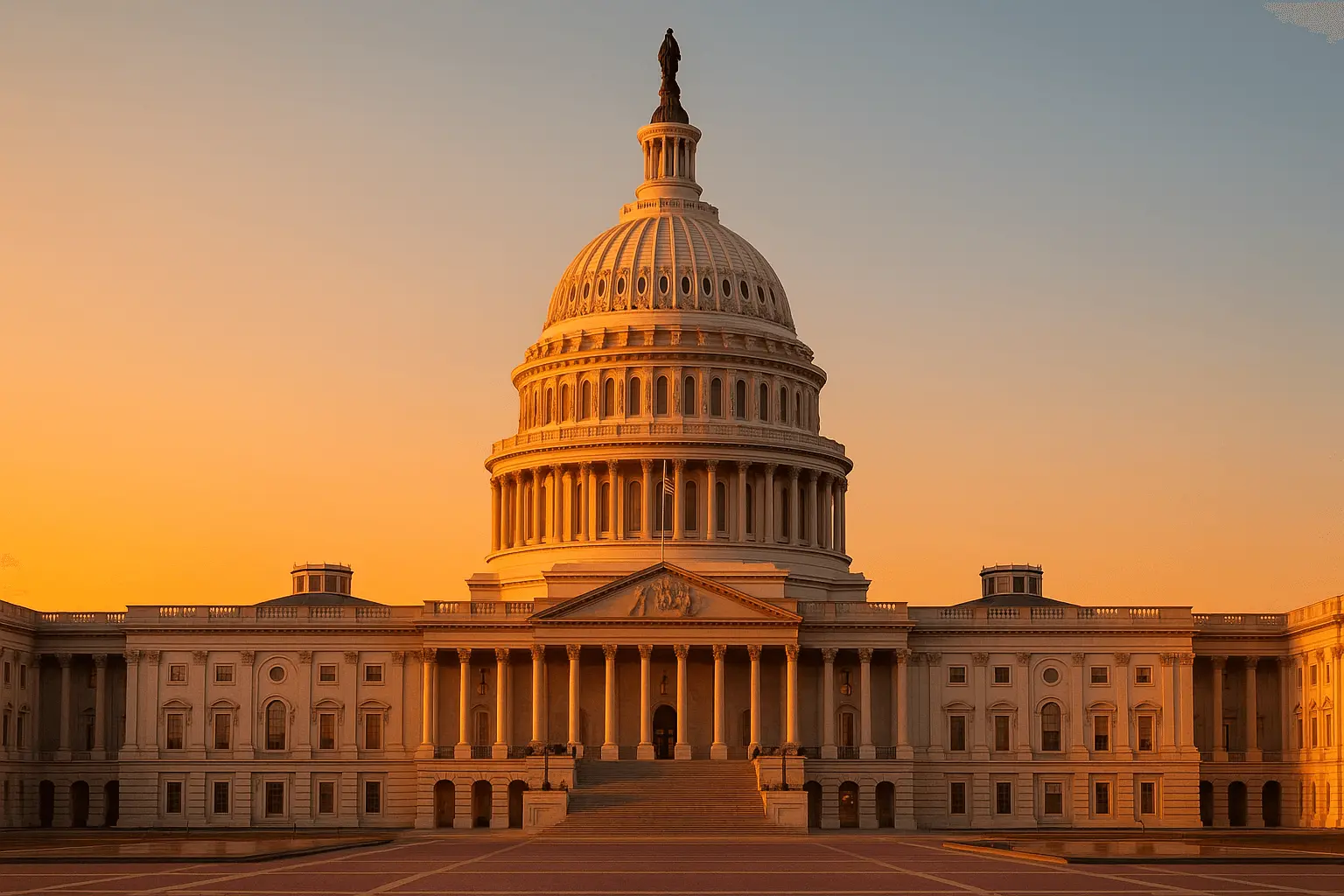
Choosing a college in Washington DC isn't just about picking a university - you're choosing to dive headfirst into the center of American political and international influence during the most important years of your development. The opportunities here genuinely don't exist anywhere else.
Each university brings something different to the table. Georgetown's Jesuit values and prestigious programs, GW's incredible location and government connections, Howard's historic legacy and commitment to social justice, AU's innovative approach to sustainability and social responsibility. Your choice should match your values, career goals, and the type of community where you'll actually thrive.
The financial investment is no joke, but the returns go way beyond starting salaries. You're investing in professional networks that'll benefit you throughout your career, cultural experiences that'll broaden your perspective, and leadership opportunities that'll prepare you to tackle complex global challenges.
The application process is brutal, but don't let that scare you off. Focus on authentic storytelling that shows genuine fit with each school's mission and values. Show them who you really are and who you're becoming, and how their university will help you get there.
Most importantly, remember that your education in DC will extend far beyond classroom walls. The entire city becomes your campus, offering internships, cultural experiences, and networking opportunities that'll shape your worldview and career path in ways you can't even imagine yet.
Is it intense? Absolutely. Is it expensive? Unfortunately, yes. Will it change your life? If you're ready for it, probably. Just make sure you're doing it for the right reasons - because you genuinely want to be part of something bigger than yourself, not just because the schools have good rankings.

Household supplies can be changed or decreaased at Outpost Club’s discretion, or based on supply availability. Outpost is not responsible for temporary losses of utility service. Outpost Club is not responsible for any damages due to absence of any supplies or utilities


If you have a sales related question please call
680-688-7678

 Hot Deals