College Towns in Washington State: Your Complete Guide to Academic Communities That Actually Matter
Dec 5, 2025
Dec 5, 2025
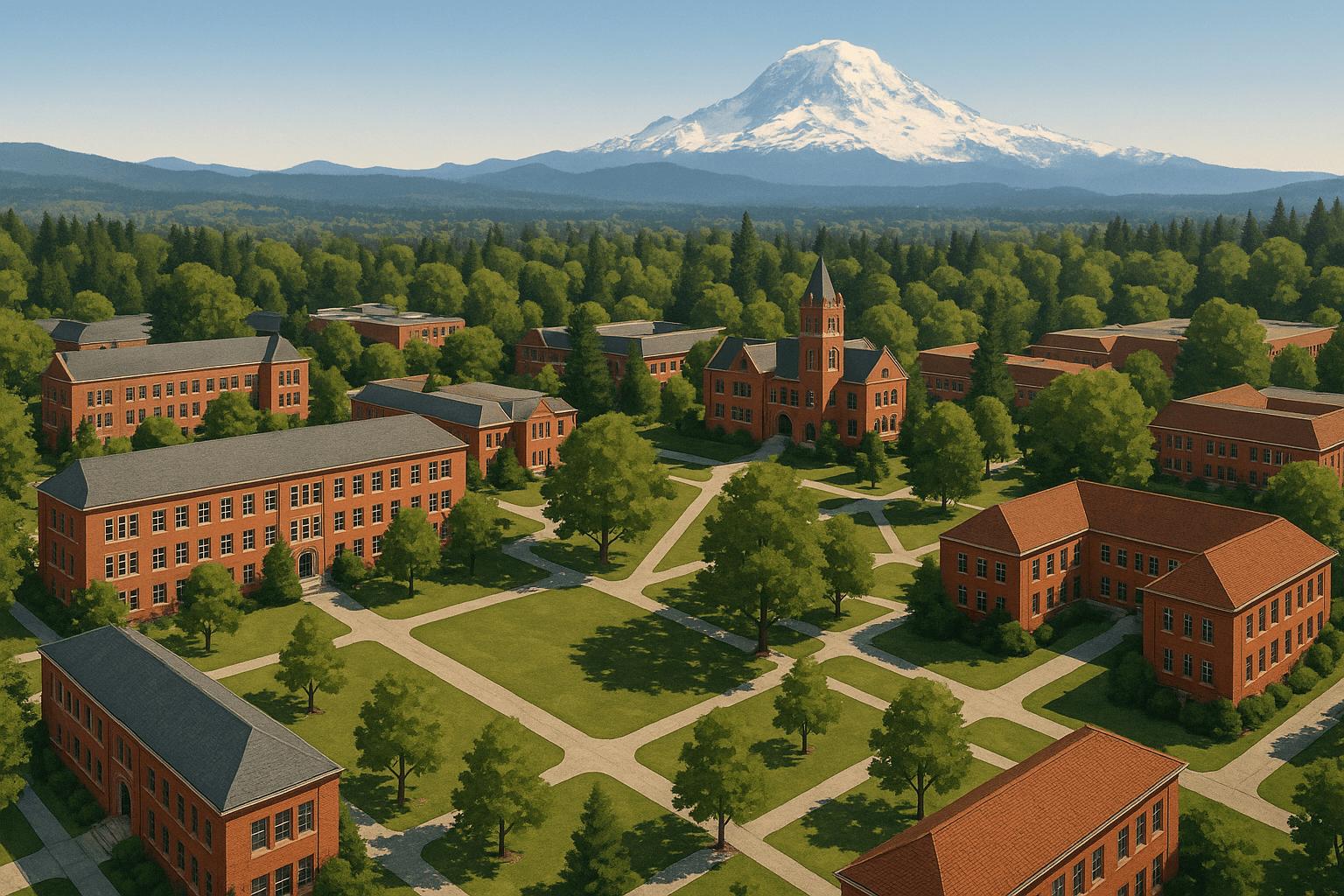
Here's the thing about Washington's college towns - they're nothing alike. And I mean that in the best possible way. You've got Seattle where three major universities somehow coexist in coffee shop chaos, then there's Pullman where the entire town basically shuts down when WSU students leave for summer break.
Washington, the 18th largest and 13th most populous US State, sits up in the Pacific Northwest and houses some seriously different college towns in Washington state. We're talking about places that range from "I can't find parking anywhere" urban madness to "the nearest Starbucks is 45 minutes away" rural charm.
The geography alone tells the story. Eastern Washington feels like a completely different state from the west side. Cross the Cascades and you go from rain-soaked, coffee-obsessed liberal arts discussions to wide-open spaces where agriculture research actually matters and football Saturdays are basically religious experiences.
What's wild is how these places have evolved way beyond just being education centers. They've become innovation hubs, cultural hotspots, and economic anchors. You'll meet plenty of people in these towns who never set foot in a classroom there but stick around because there's something special about living in a place where ideas matter and there's always something interesting happening.
The mountain ranges, rivers, and coastlines create natural boundaries that give each place its own personality. It's like each college town developed in its own little bubble, which is probably why a weekend in Bellingham feels completely different from a weekend in Pullman, even though they're in the same state.
The state's major universities didn't just plop down in cities - they helped create them. These aren't places where you'll find a quiet quad surrounded by ivy-covered buildings. We're talking about integrated ecosystems where cutting-edge research happens next door to the best Korean BBQ you've ever had, and where Nobel Prize winners grab the same coffee as undergrads cramming for finals.
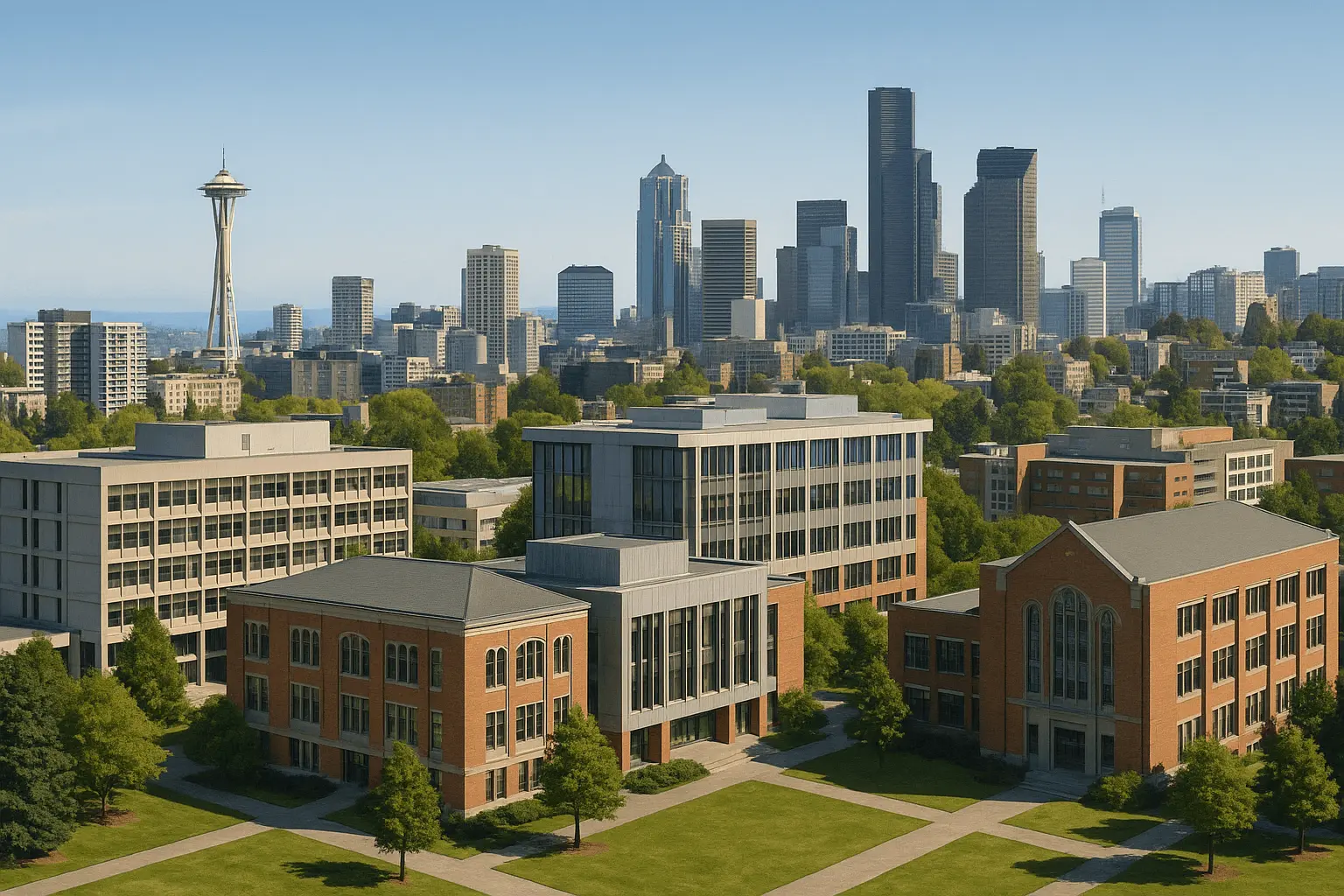
Seattle's college scene is basically three universities trying to share one city, and somehow it works. You've got the University of Washington doing the heavy lifting with massive research programs, Seattle University bringing that Jesuit intellectual tradition, and Seattle Pacific University adding a different perspective to the mix. It's like a three-way academic collaboration that spills over into every coffee shop, bookstore, and late-night food truck in the city.
UW is the 800-pound gorilla here. You can't separate the university from Seattle's identity as a tech hub - these computer science and engineering programs have direct pipelines into Microsoft, Amazon, and about a thousand startups you've never heard of but probably use their apps.
Seattle University operates on a completely different wavelength with its focus on social justice and community engagement. Then you've got Seattle Pacific bringing evangelical Christian perspectives into the mix. Sounds like it could be messy, right? Instead, it creates this rich academic environment where you'll overhear the most fascinating conversations.
I remember walking through Capitol Hill on a random Thursday and stumbling into a heated debate about urban planning between students from all three schools. That's Seattle for you - the city's coffee culture, music scene, and outdoor obsession serve as common ground where these different academic communities naturally bump into each other.
A typical weekend might involve catching a Huskies game at Husky Stadium (good luck finding parking), wandering the Ave in the U-District for books and questionable life choices, then ending up at a Seattle U basketball game downtown before hitting up Capitol Hill where students from all three schools end up at the same breweries anyway.
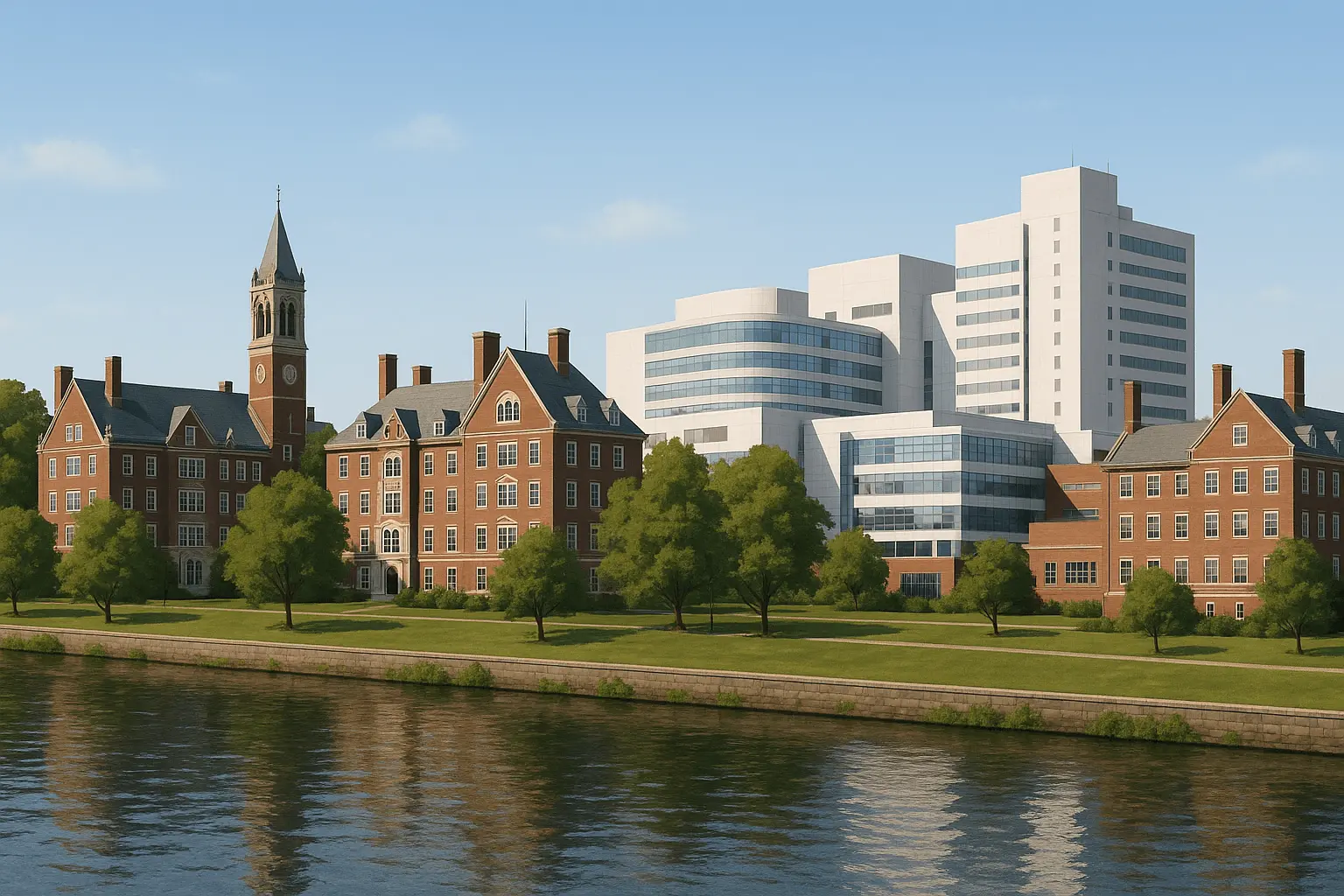
Don't sleep on Spokane. This city combines Gonzaga University's basketball fame with Washington State University's health sciences programs and Eastern Washington University nearby. It's become the academic center for the entire Inland Northwest, which is a bigger deal than you might think.
Nicknamed "Lilac City," Spokane, the economic and cultural center of the Spokane Metropolitan Statistical Area is located adjacent to the Selkirk Mountains along the banks of the Spokane River. The city hosts several renowned higher education institutions, including Gonzaga University, Whitworth University, Spokane Community College, and Spokane Falls Community College.
Gonzaga has basically transformed downtown Spokane, especially around the river. Sure, everyone knows about the basketball program (March Madness, baby!), but the business and law schools are quietly training professionals who stick around and actually improve the region. The campus integration with downtown shows how universities can revitalize urban cores without completely taking them over.
WSU's health sciences campus downtown is a strategic play to address the doctor shortage in rural eastern Washington and northern Idaho. The medical school, pharmacy program, and nursing school create this healthcare education cluster that draws students from all over the region.
The proximity to Eastern Washington University in Cheney creates opportunities for collaboration that you don't see in other places. Students can access internships, research opportunities, and cultural events across this network of schools. It's like having a mini university system spread across one metropolitan area.
Twenty years ago, you wouldn't have wanted to hang out in downtown Tacoma after dark. Now? The University of Washington Tacoma and Pacific Lutheran University have helped turn this place into a legitimate college town with actual character and things to do.
UW Tacoma's downtown campus is probably one of the most successful urban university developments in the Pacific Northwest. They took historic buildings and blended them with modern facilities, creating a model for how universities can contribute to urban renewal without displacing existing communities. The focus on urban studies, business, and social work aligns perfectly with Tacoma's comeback story.
Pacific Lutheran University brings a different energy from its parkland campus. The liberal arts focus and community service emphasis create graduates who actually stick around and contribute to the community. PLU's music and theater programs have seriously boosted Tacoma's cultural scene - I've seen bands in Tacoma venues that I later caught at festivals in Seattle.
The synergy between these institutions and Tacoma's broader revitalization has created opportunities that didn't exist a generation ago. Students can access internships with major employers, participate in community development projects, and enjoy cultural amenities that rival much larger cities. It's pretty cool to watch a city reinvent itself with help from its universities.
These are the places that pop into your head when someone says "college town." The university isn't just located here - it IS here. The relationship between town and gown is so tight you can't tell where one ends and the other begins. These communities live and breathe their schools, and honestly, it's pretty great if you're into that kind of energy.
|
College Town |
University |
Student Population |
What They're Known For |
Recent Bragging Rights |
|
Pullman |
Washington State University |
28,581 |
Research, Cougar pride, cheese |
#2 Best College Town in US (2025) |
|
Bellingham |
Western Washington University |
16,000+ |
Outdoor adventures, environmental focus |
Top 20 Most Beautiful |
|
Ellensburg |
Central Washington University |
12,000+ |
Western heritage, mountain access |
#13 Best College Town in US (2025) |
|
Cheney |
Eastern Washington University |
13,000+ |
Teacher training, affordability |
Regional education hub |
Pullman sits in the rolling Palouse hills where Washington State University doesn't just dominate the landscape - it IS the landscape. This is classic college town living where the university employs half the town, student enrollment directly impacts everything from housing prices to restaurant revenues, and everyone bleeds crimson and gray.
Pullman, Washington, is home to Washington State University's main campus and is the second-best college town in the U.S., according to RentCafe. The report noted that Pullman received high marks for its affordability, educational opportunities, and healthy living environment.
With a total enrollment of 28,581 students, the university is considered the state's second-largest higher education institution, offering over 200 fields of study via its 12 colleges and a graduate school. WSU's presence here is total and transformative. During football season, the town's population can literally double on game days.
The energy is infectious. You'll see crimson and gray everywhere - storefront decorations, the clothes people wear to the grocery store, even the local bank's color scheme. This isn't manufactured enthusiasm; it's genuine community pride that comes from generations of shared experiences and way too many heartbreaking losses to the Huskies.
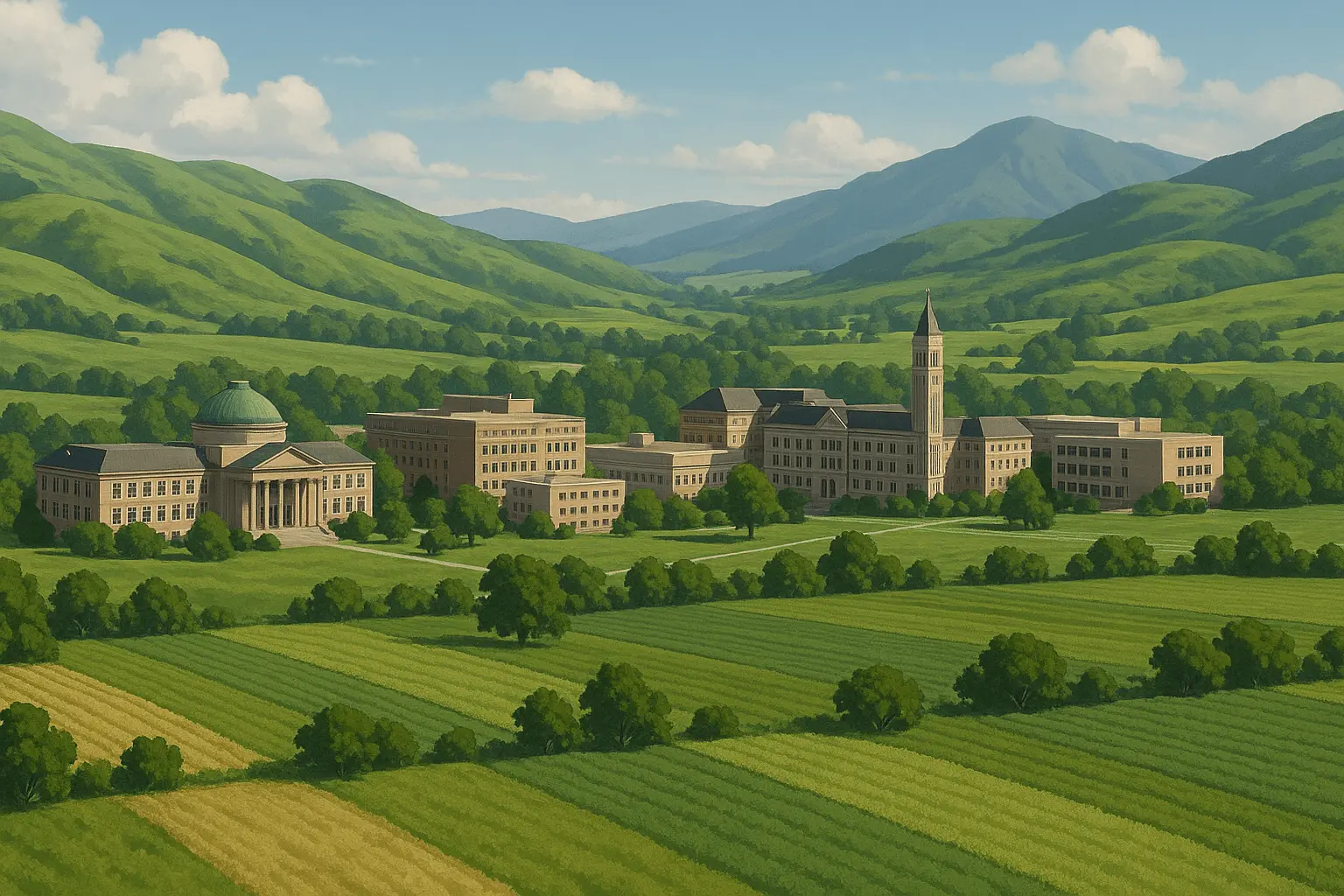
The Palouse region's agricultural heritage blends seamlessly with WSU's programs in agriculture, veterinary medicine, and engineering. You'll find research plots and experimental farms integrated throughout the surrounding countryside. The entire region feels like an extended campus where academic research directly benefits local farmers while giving students hands-on learning opportunities.
Pullman's isolation (it's hours from any major city) creates this unique social dynamic where faculty, staff, students, and permanent residents interact way more than they would in larger college towns. The local coffee shops, restaurants, and community events serve as gathering places where these different groups naturally mix and form lasting relationships.
During WSU's homecoming weekend, local businesses like Ferdinands Ice Cream Shoppe (home of the famous Cougar Gold cheese) see lines stretching around the block. The entire downtown transforms into a sea of crimson and gray as alumni, students, and locals celebrate together. It's part homecoming parade, part tailgate party, part academic department open house, and completely awesome.
Sure, Pullman gets pretty quiet in July when most students are gone - like, tumbleweed quiet. But when school's in session, there's no place quite like it.
Nestled between mountains and Puget Sound, Bellingham offers what might be the most Pacific Northwest college experience possible. Western Washington University students here don't just have access to incredible outdoor recreation - it's basically built into the curriculum and the culture.
WWU's hilltop campus overlooks Bellingham Bay, creating one of the most scenic college settings in America. The university's location influences everything from academic programs (environmental science and outdoor recreation programs are obviously strong) to student culture (hiking boots are acceptable footwear everywhere, including nice restaurants).
Bellingham's downtown has evolved into this perfect blend of student-oriented businesses and places that serve the broader community. You've got your typical college town mix - dive bars where grad students argue about environmental policy, coffee shops that stay open way too late, and somehow three different bubble tea places within two blocks of each other.
The city's commitment to sustainability and environmental protection aligns perfectly with WWU's academic mission and student values. Solar panels on buildings, extensive recycling programs, businesses that prioritize local sourcing - it's like the entire city decided to be a living laboratory for sustainable practices.
The outdoor recreation opportunities are genuinely exceptional. Students can ski at Mount Baker, kayak in Puget Sound, hike in the North Cascades, or bike through farmland - all within an hour of campus. This access to nature isn't just recreational; it's integrated into academic programs and research opportunities.
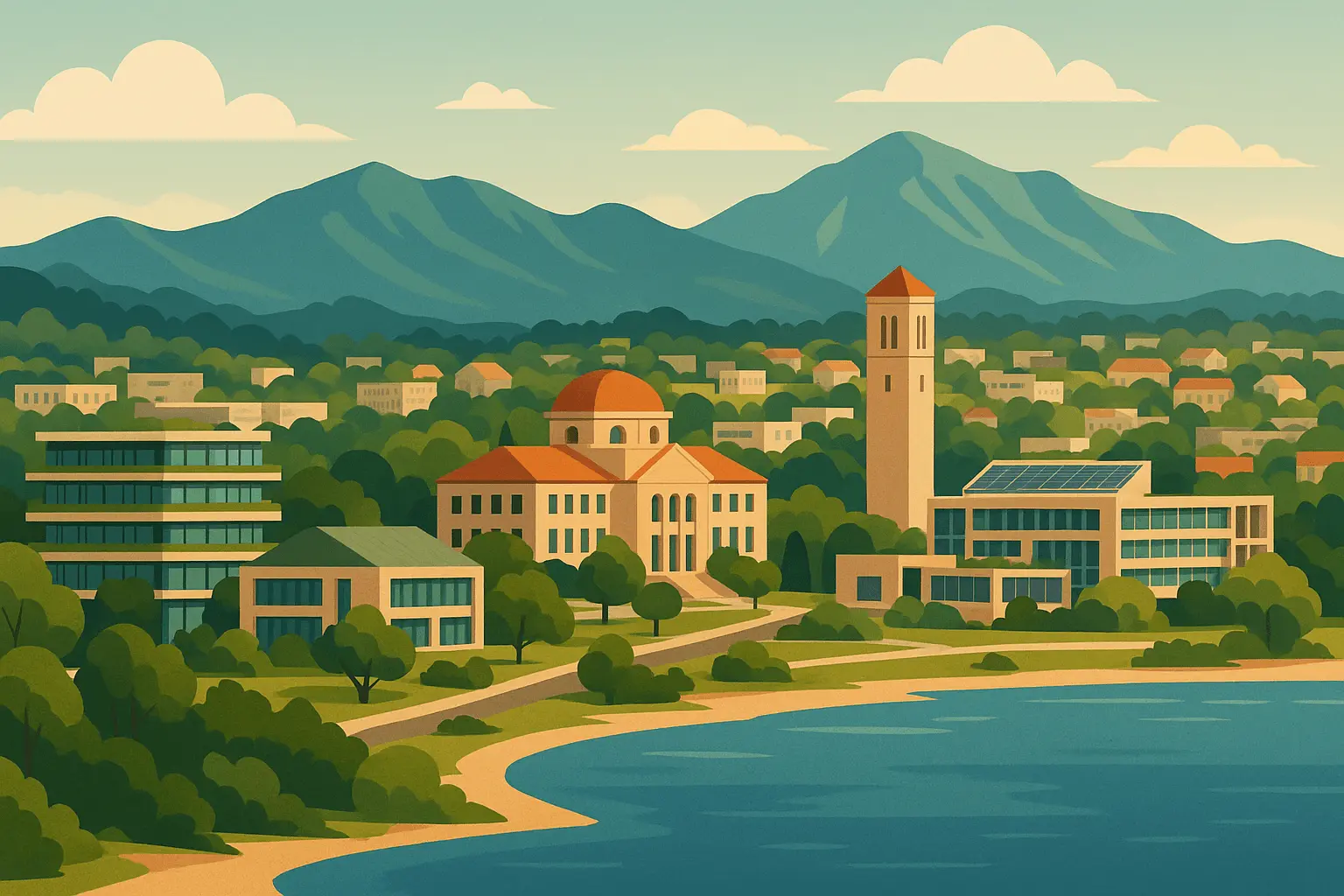
The seamless connection between Western Washington University's campus and downtown is evident in the bike-friendly Interurban Trail that connects campus directly to the historic Fairhaven district. Students regularly study at Village Books, grab coffee at local roasters, and attend evening concerts at venues that serve both university and community audiences.
Parking in Bellingham during the school year? Good luck with that. But honestly, you probably don't need a car anyway - everything's walkable or bikeable, and the bus system actually works.
What you actually need to know before road-tripping:
These places might not have the name recognition of the major university centers, but they offer something you can't find anywhere else - intimate academic communities where you can't remain anonymous and unique educational experiences that serve specific populations and regional needs. Sometimes the best college towns are the ones you've never heard of.
This small town southwest of Spokane centers around Eastern Washington University, and it's a classic example of how a university can completely define a community. EWU's presence creates an intimate college experience with strong community connections and affordable living that makes higher education accessible to students from diverse backgrounds.
The campus sits right at the heart of town, making it impossible to separate university life from community life. Faculty know students by name, community members take genuine interest in student success, and you'll run into your professors at the grocery store on weekends.
Sure, Cheney isn't going to win any beauty contests, but there's something honest about a place where the biggest excitement is the homecoming parade and local businesses actively recruit student employees. Many students can actually afford to live off-campus in houses or apartments, creating a more integrated community experience than you'd find in expensive college towns.
The 20-minute drive to Spokane opens up internship and job opportunities while maintaining the benefits of small-town living. Students can experience urban amenities and career networking without paying urban housing costs. It's like having the best of both worlds if you don't mind a short commute.
EWU's teacher education programs have particularly strong ties to regional school districts, creating pathways for graduates to find employment throughout eastern Washington and northern Idaho. This connection between academic programs and regional workforce needs shows how smaller universities can have outsized impact on their regions.
Located in the heart of Washington State, Ellensburg combines authentic Western heritage with modern academic programs at Central Washington University. This creates a unique environment where students experience small-town charm alongside excellent outdoor recreation and genuine community connections.
Ellensburg, Washington, was ranked 13th in RentCafe's list of best college towns in the country. The town of about 19,000 people is home to Central Washington University, which is considered one of the best regional universities in the West, according to U.S. News and World Report.
CWU's campus sits in a valley surrounded by mountains, providing a dramatic backdrop for academic life. The university's programs in education, business, and the sciences serve students from throughout central Washington and beyond. The campus architecture reflects both modern educational needs and regional aesthetic preferences.
Ellensburg's Western heritage isn't tourist marketing - it's authentic culture that influences everything from local festivals to business practices. The annual Ellensburg Rodeo brings national attention, but the Western values of hard work, community support, and practical problem-solving permeate daily life. Students quickly learn that this isn't a theme park version of the West; it's the real thing.
The town's location makes it a natural hub for outdoor recreation. Students can access hiking, skiing, fishing, and hunting opportunities that rival those found near much larger cities. These activities aren't just hobbies; they're integrated into academic programs and research opportunities.
Ellensburg has this weird thing where it can be 80 degrees and sunny, then hailing 20 minutes later. Pack layers.
Local businesses have developed strong relationships with CWU, providing internship opportunities and hiring graduates who choose to remain in the area. This creates a positive cycle where the university contributes to local economic development while students gain practical experience.
Known for its innovative approach to education, The Evergreen State College creates a unique college town atmosphere in Washington's state capital. The emphasis on creativity, sustainability, and interdisciplinary learning attracts students and faculty who thrive in non-traditional academic environments.
Evergreen's experimental approach to higher education influences Olympia's entire cultural landscape. The college's emphasis on environmental sustainability, social justice, and creative expression aligns with the city's progressive political culture and environmental consciousness.
The state capital location provides unique opportunities for internships and civic engagement that aren't available in other college towns. Students can work directly with state agencies, participate in legislative processes, and engage with policy-making in ways that enhance their academic experience. It's like having a living laboratory for political science and public policy right outside your dorm room.
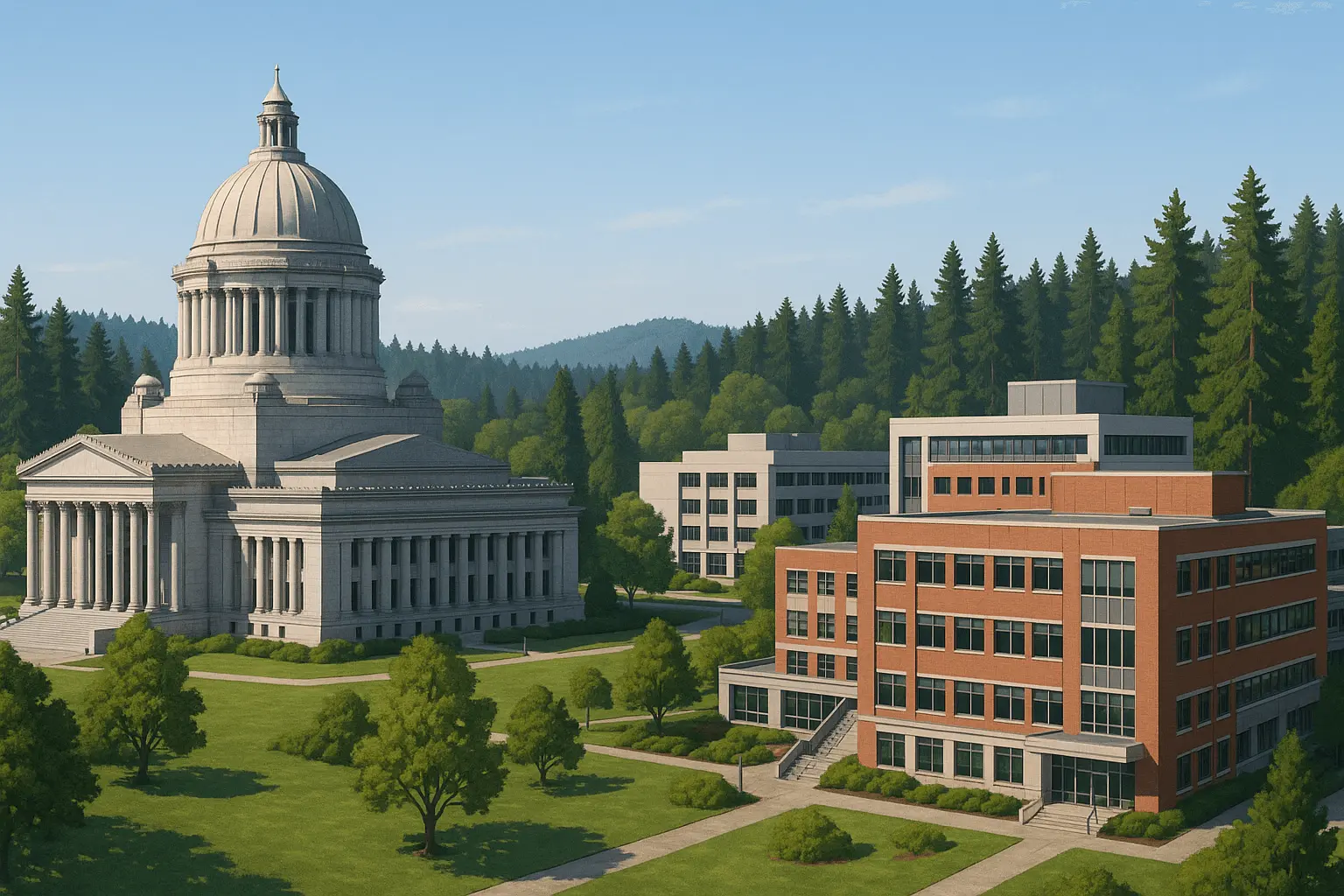
Olympia's arts and music scene benefits significantly from Evergreen's creative programs. Local venues, galleries, and performance spaces showcase student and faculty work while providing platforms for experimental and alternative artistic expression. The college's interdisciplinary approach attracts students who don't fit traditional academic molds.
You'll find conversations in coffee shops that range from environmental policy to experimental theater, often involving both students and state employees who share similar progressive values. It's the kind of place where your barista might be working on a thesis about sustainable urban planning while your server is interning at the Department of Ecology.
Planning college town visits isn't like regular travel. You need to understand seasonal rhythms, transportation realities, and the specific characteristics that make each place worth visiting. Smart planning means the difference between experiencing vibrant campus life and wandering around empty buildings wondering where everyone went.
|
Visit Planning Factor |
Peak Season (Sept-May) |
Off Season (June-Aug) |
Shoulder Season (Late Aug/Early Sept) |
|
Campus Energy |
High - Full academic life |
Low - Limited activities |
Moderate - Orientation/Welcome events |
|
Accommodation Costs |
High - Student demand |
Moderate - Summer rates |
High - Peak booking period |
|
Parking Availability |
Limited - Student competition |
Good - Reduced demand |
Moderate - Mixed conditions |
|
Cultural Programming |
Extensive - Lectures, events |
Limited - Summer programs |
Growing - New semester prep |
|
Weather Conditions |
Variable - Rain/snow likely |
Best - Dry, warm |
Good - Pleasant temperatures |
You know what's interesting about college town visits? Timing is everything. Visit during the academic year (September through May) and you'll get the full energy of college life - packed coffee shops, campus events, that electric feeling of thousands of young minds engaged in learning. But you'll also deal with crowds, impossible parking, and higher accommodation costs.
Summer visits offer better weather for outdoor activities and easier navigation, but you'll miss the academic energy that defines these communities. Many cultural events, lectures, and student activities simply don't happen during summer months. The towns feel different - quieter, less vibrant, more like regular small cities than dynamic college communities.
Consider visiting during shoulder seasons - early September or late April/early May - when you can experience active campus life while avoiding peak crowds and costs. These periods often coincide with special events like homecoming or graduation activities that showcase community pride and traditions.
Flying into Seattle-Tacoma International Airport gets you to western Washington college towns, while Spokane serves eastern destinations more efficiently. Rental cars offer the most flexibility for multi-town visits, but public transportation and ride-sharing services work well for single-destination trips.
Plan for longer driving times than GPS estimates suggest, especially in western Washington where traffic congestion and mountain passes can add significant travel time. Eastern Washington offers more predictable driving conditions but greater distances between destinations.
Consider staying in nearby larger cities and making day trips to smaller college towns. This approach often provides better accommodation options and dining variety while still allowing thorough exploration of campus and community life.
Anyone who's tried to find parking near UW during finals week knows the struggle is real. Factor in extra time for parking, especially in urban college areas.
Each college town offers distinct experiences that reflect both academic culture and regional character. Understanding how campuses integrate with their surrounding communities provides insights into the quality of life and opportunities available to students, faculty, and residents.
Successful college towns create seamless connections between campus and downtown areas through walkable streets, mixed-use development, and businesses that serve both student and community needs. Look for towns where you can easily walk from academic buildings to restaurants, shops, and entertainment venues without feeling like you're crossing into a different world.
Pay attention to how local businesses adapt to serve college populations without alienating permanent residents. The best college towns feature establishments that welcome both groups and create opportunities for interaction and community building. You'll know you've found a good one when you see professors grading papers next to students cramming for exams in the same coffee shop where local retirees are having their morning coffee.
Notice transportation infrastructure - bike lanes, pedestrian paths, and public transit that actually works. These details indicate how seriously local government takes the integration of university and town life.
Evaluate each town's museums, theaters, outdoor recreation access, and cultural events. University towns often punch above their weight in cultural programming because academic institutions bring speakers, performers, and exhibitions that wouldn't otherwise visit smaller communities.
Look for opportunities that reflect both university influence and regional characteristics. The best college towns offer cultural experiences that you can't find elsewhere - whether that's cutting-edge research presentations, traditional regional festivals, or unique outdoor recreation opportunities.
Consider how seasonal changes affect available activities. Some college towns offer year-round recreation and cultural programming, while others have distinct seasonal rhythms that dramatically alter the community experience.
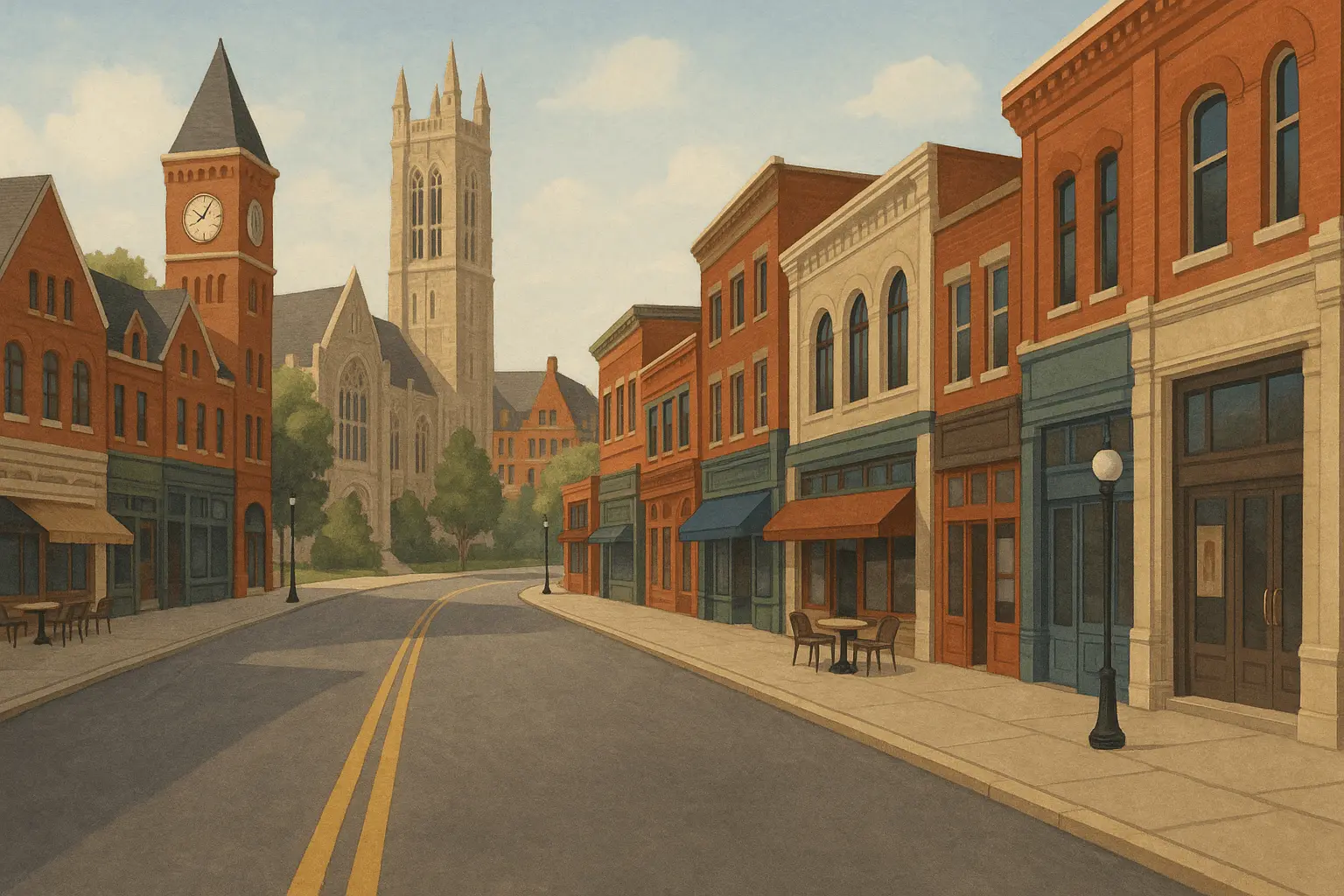
Research rental markets, housing availability, and general cost of living, recognizing that college towns can vary dramatically in affordability. Student housing demand often inflates rental costs, but it also creates opportunities for property investment and alternative housing arrangements.
Understand how university enrollment fluctuations affect local housing markets and business cycles. Some college towns experience significant seasonal variations in housing availability and pricing that affect both short-term visitors and long-term residents.
Look for signs of economic diversification beyond the university. The most resilient college towns have developed multiple economic drivers that provide stability and opportunity even during periods of university budget constraints or enrollment changes.
The most rewarding college town visits involve genuine engagement with academic and community life rather than superficial tourism. You want to understand what makes these places tick, not just check them off a list.
Attend public lectures, campus events, and academic conferences to connect with faculty and students. Most universities welcome community participation in public events, and these gatherings provide insights into institutional research focus and academic culture that you can't get from campus tours.
Reach out to faculty members whose research interests align with your professional or personal interests. Many professors welcome opportunities to discuss their work with engaged community members, especially those who might offer practical perspectives or collaboration opportunities.
Participate in continuing education programs, community college courses, or university extension activities. These programs provide structured ways to engage with academic communities while developing new skills or knowledge.
Volunteer with local organizations, join community groups, or attend town meetings to understand how permanent residents and students interact. The most successful college towns have developed strong partnerships between university and community that create mutual benefits and shared goals.
Support local businesses that serve both student and community populations. These establishments often serve as informal community centers where you can observe and participate in the daily interactions that define college town life.
Attend community events, festivals, and celebrations that bring together different segments of the college town population. These gatherings provide opportunities to experience the community culture that extends beyond academic life.
College towns in Washington State function as economic engines that extend far beyond their academic boundaries. These places create ripple effects that influence regional development, employment patterns, and cultural identity throughout the Pacific Northwest. Understanding these broader impacts helps explain why these communities matter to the entire region's economic and social development.
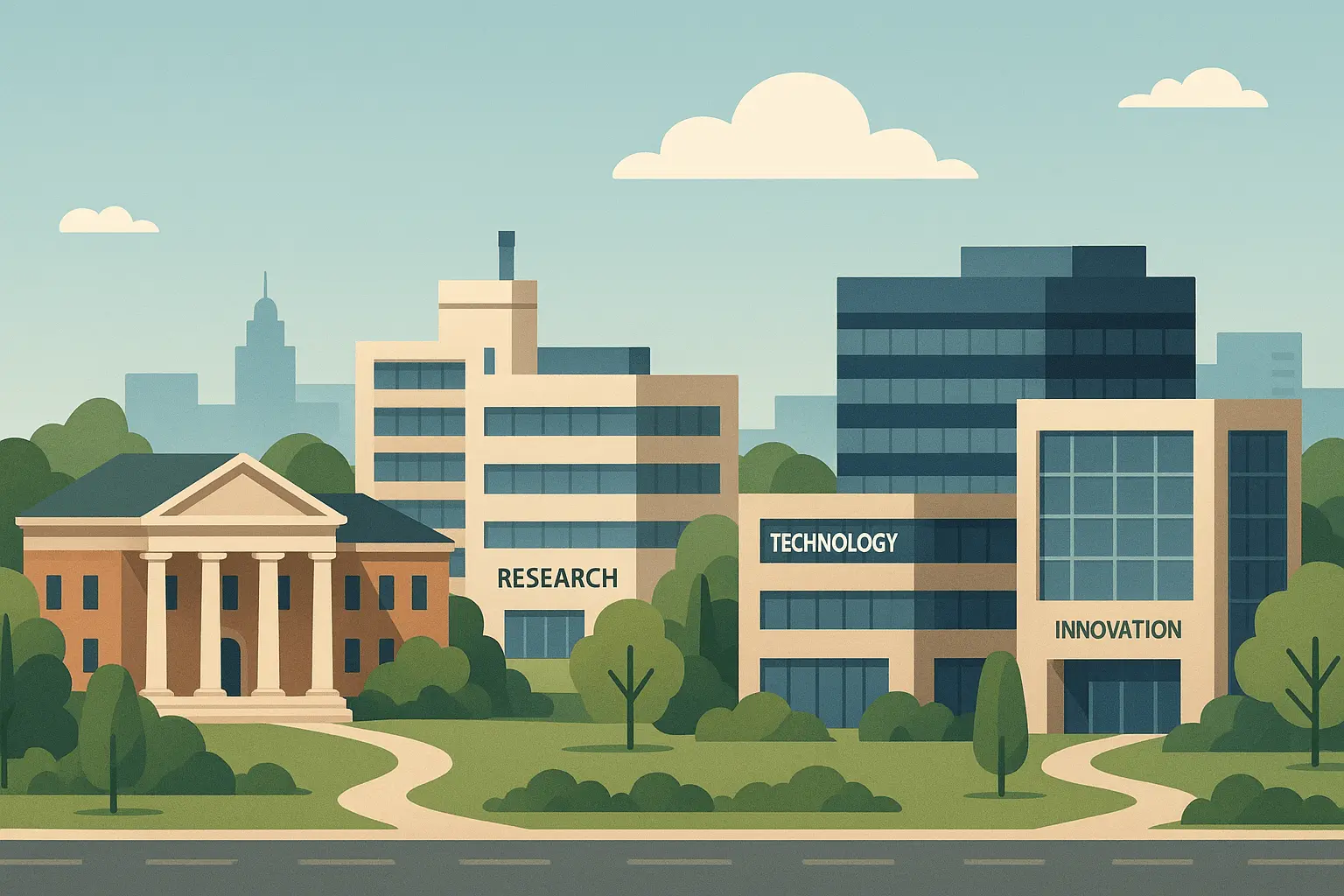
Universities function as anchor institutions that stabilize local economies while creating diverse employment opportunities that attract both educated professionals and service industry workers. These institutions generate economic activity that extends far beyond their immediate campus boundaries, creating multiplier effects throughout their regions.
Major institutions like the University of Washington employ thousands of faculty, staff, and researchers, creating high-paying jobs that support local businesses and attract families to establish long-term roots in these communities. These aren't temporary gigs - they're career-track positions that create stable economic foundations for entire regions.
University employment offers recession resistance that many communities lack. While private sector employment fluctuates with economic cycles, universities provide steady employment that helps communities weather economic downturns more successfully than areas dependent on single industries.
The diversity of university employment - from groundskeepers to Nobel Prize-winning researchers - creates economic opportunities for workers across the education and skill spectrum. This employment diversity contributes to more stable and equitable local economies.
The spending power of tens of thousands of students creates demand for restaurants, retail, entertainment, and services, generating employment opportunities and supporting local entrepreneurship. We're talking about billions of dollars in student spending that includes housing, food, entertainment, and services supporting entire business ecosystems.
Student populations create markets for businesses that might not survive in similar-sized towns without universities. Coffee shops, late-night restaurants, bookstores, and entertainment venues thrive because of consistent student demand throughout the academic year.
Seasonal fluctuations in student populations create both opportunities and challenges for local businesses. Successful college town businesses learn to adapt their operations and staffing to accommodate these predictable cycles. Some places basically hibernate during summer break, while others pivot to serve different markets.
Universities attract federal research funding and private investment, creating innovation districts around campuses that spawn biotechnology companies, engineering firms, and tech startups. This is particularly visible in Seattle and Spokane, where university research has directly contributed to regional economic development.
Technology transfer from university research to commercial applications creates new companies and industries that often remain in college town regions. These spin-off companies provide high-paying jobs and attract additional investment and talent to the area.
Research universities also attract conferences, symposiums, and professional meetings that bring visitors and spending to college towns while raising their profiles as centers of expertise and innovation.
The intersection of permanent residents, students, faculty, and staff creates complex social ecosystems that define the character and ongoing challenges of Washington's college towns. These relationships require constant negotiation and adaptation as populations and priorities shift over time.
Successful college towns like Bellingham have developed strong partnerships between city government and university administration, creating formal and informal mechanisms for addressing shared challenges and opportunities. These relationships require ongoing attention and investment from both sides.
Common friction points include student housing impacts on residential neighborhoods, parking shortages, noise complaints, and different priorities for community development. The most successful college towns have developed systems for addressing these issues proactively rather than reactively.
Positive town-gown relationships create opportunities for shared resources, joint programming, and collaborative problem-solving that benefit both university and community populations. These partnerships often result in cultural amenities, recreational facilities, and services that neither group could support independently.
Universities bring world-class speakers, performers, and exhibitions to communities that might otherwise lack access to such cultural resources. Institutions like WWU's performing arts programs enrich the entire North Puget Sound region with programming that attracts audiences from throughout the area.
Student and faculty artistic production contributes significantly to local cultural scenes. Theater productions, art exhibitions, musical performances, and literary events create cultural vibrancy that enhances quality of life for all community residents.
Universities often provide cultural facilities - theaters, concert halls, galleries, and museums - that serve broader community needs while supporting academic programs. These facilities represent significant community assets that extend far beyond their educational functions.
Look, if you're planning to visit these places and want to squeeze in some golf too, there are definitely ways to make that work. Just don't expect every college town to have a course within walking distance of campus.
The thing about college towns is they're designed around intellectual curiosity and genuine connections - which actually aligns pretty well with thoughtful travel. Whether you're interested in the innovation happening around Seattle's universities, the outdoor recreation opportunities near Bellingham, or the authentic community connections available in smaller college towns, there are ways to create experiences that go beyond typical tourism.
Some of these places have developed partnerships with local golf courses that understand visitors want to combine different interests. The key is planning ahead and being realistic about travel times between activities.
If you're someone who appreciates strategic course design, you'll probably find similar satisfaction in exploring how universities integrate with their surrounding communities and contribute to regional development. Both require thoughtful planning, attention to detail, and understanding how different elements work together to create something greater than the sum of their parts.
Washington State's college towns represent some of the Pacific Northwest's most dynamic and interesting destinations. From Seattle's multi-university innovation ecosystem to Pullman's classic college town charm, these communities offer experiences that extend far beyond typical travel destinations.
They're places where academic excellence intersects with regional culture, creating opportunities for learning, connection, and personal growth that you simply can't find elsewhere. Whether you're drawn to the research opportunities in major university centers, the intimate community connections in smaller college towns, or the unique cultural programming that universities bring to their regions, Washington's college towns provide destinations worth exploring thoughtfully and repeatedly.
The key is approaching each community with genuine curiosity about what makes it distinctive while remaining open to the unexpected connections and insights that emerge when academic and community life intersect successfully. These aren't just tourist destinations - they're living, breathing communities where ideas matter and there's always something interesting happening if you know where to look.

Household supplies can be changed or decreaased at Outpost Club’s discretion, or based on supply availability. Outpost is not responsible for temporary losses of utility service. Outpost Club is not responsible for any damages due to absence of any supplies or utilities


If you have a sales related question please call
680-688-7678

 Hot Deals