Community College in Washington: Your Complete Insider's Guide to 34 Campuses Transforming Lives
Dec 5, 2025
Dec 5, 2025
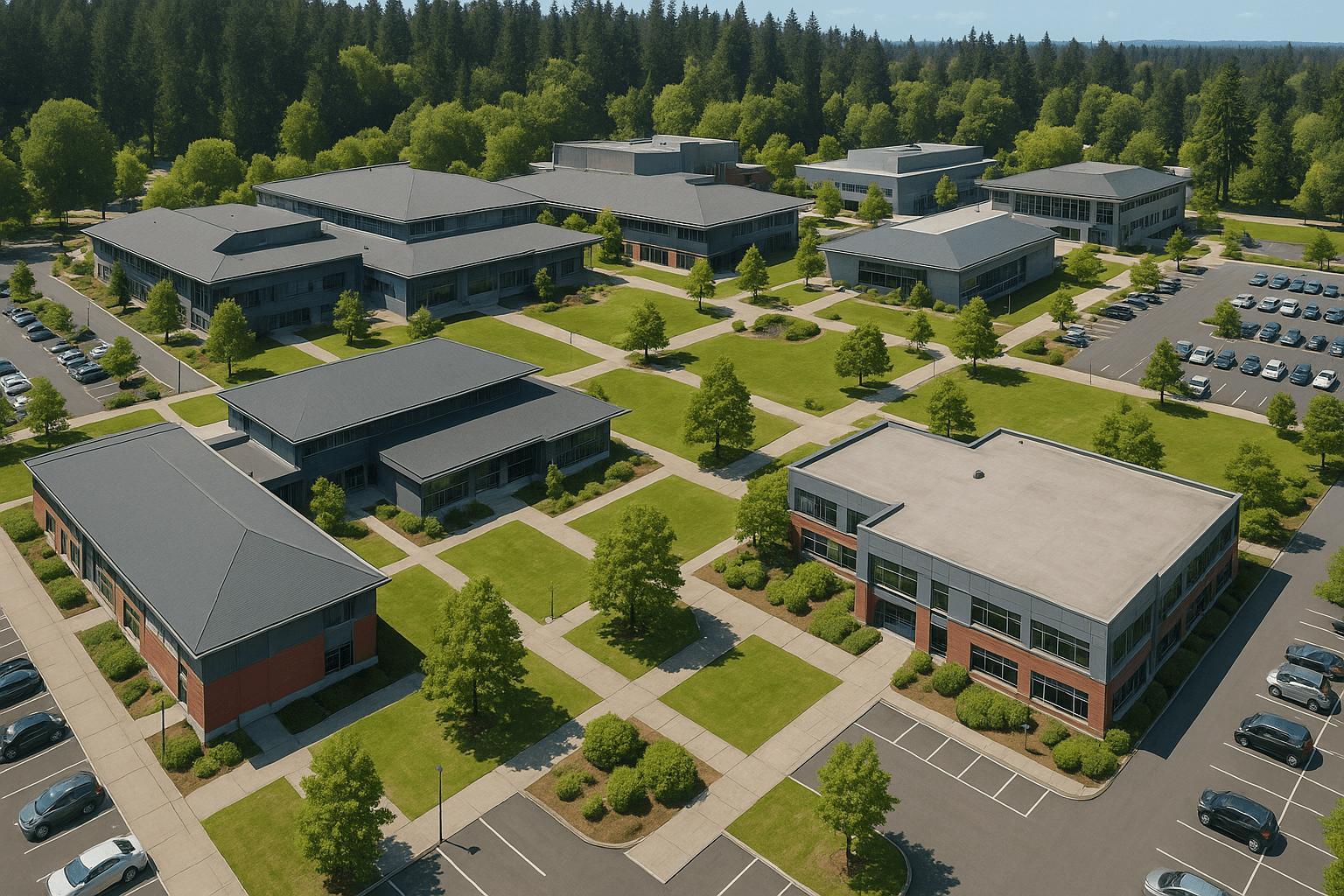
You know what really gets me excited about Washington's community college setup? It's built something pretty amazing - one of the most comprehensive educational systems in the country. We're talking about the No. 5 ranking among all state community college in washington systems nationwide according to WalletHub's analysis of 653 institutions. What's really cool about this ranking is how it reflects the quality and accessibility that has made Washington's 34 colleges a transformative force in higher education since that first campus opened back in 1967.
You know what really gets me excited about Washington's community college setup? It's how much has changed since I started paying attention to this stuff. Back in 1967, they opened that first campus, and now look at what we've got - this massive network that touches pretty much every corner of the state.
Here's the thing that blows my mind: 300,000 students every year. That's like cramming the entire population of Pittsburgh into classrooms across 34 different schools. The Washington State Board for Community and Technical Colleges runs this whole show, and honestly, they've figured out some pretty clever ways to make it all work together.
I've been watching these legislative changes roll out over the past few years, and they've completely flipped how these schools operate. The funding is way better now, and there are pathways for students that didn't even exist when I was first learning about this system.
But here's what really impresses me - the technology piece. I remember visiting campuses five years ago where everything was still paper-based. Now? They've got AI tutoring systems and virtual reality training. It's like watching the future happen in real time.
For students trying to figure out where they're going to live while going to school, understanding your student housing options beyond the typical dorm situation can make or break your whole college experience - and your wallet.
When you're trying to figure out if Washington's community college system is worth your time, here's what I always tell people to look at:
This is where Washington really shows off. I've driven all over this state looking at these campuses, and the placement is honestly brilliant. It's not just about sticking schools in big cities and calling it good.
Sure, Seattle and Tacoma get multiple campuses because that's where the people are. But the real genius? How they've made sure rural communities don't get left behind. That 30-mile rule isn't just a nice idea on paper - they actually stick to it.
Now, living within 30 miles and actually being able to get there are two different things. Try driving over mountain passes in January, or dealing with internet that cuts out every time it rains. The colleges have gotten creative though - mobile labs that come to you, satellite locations in unexpected places, and online programs that actually work.
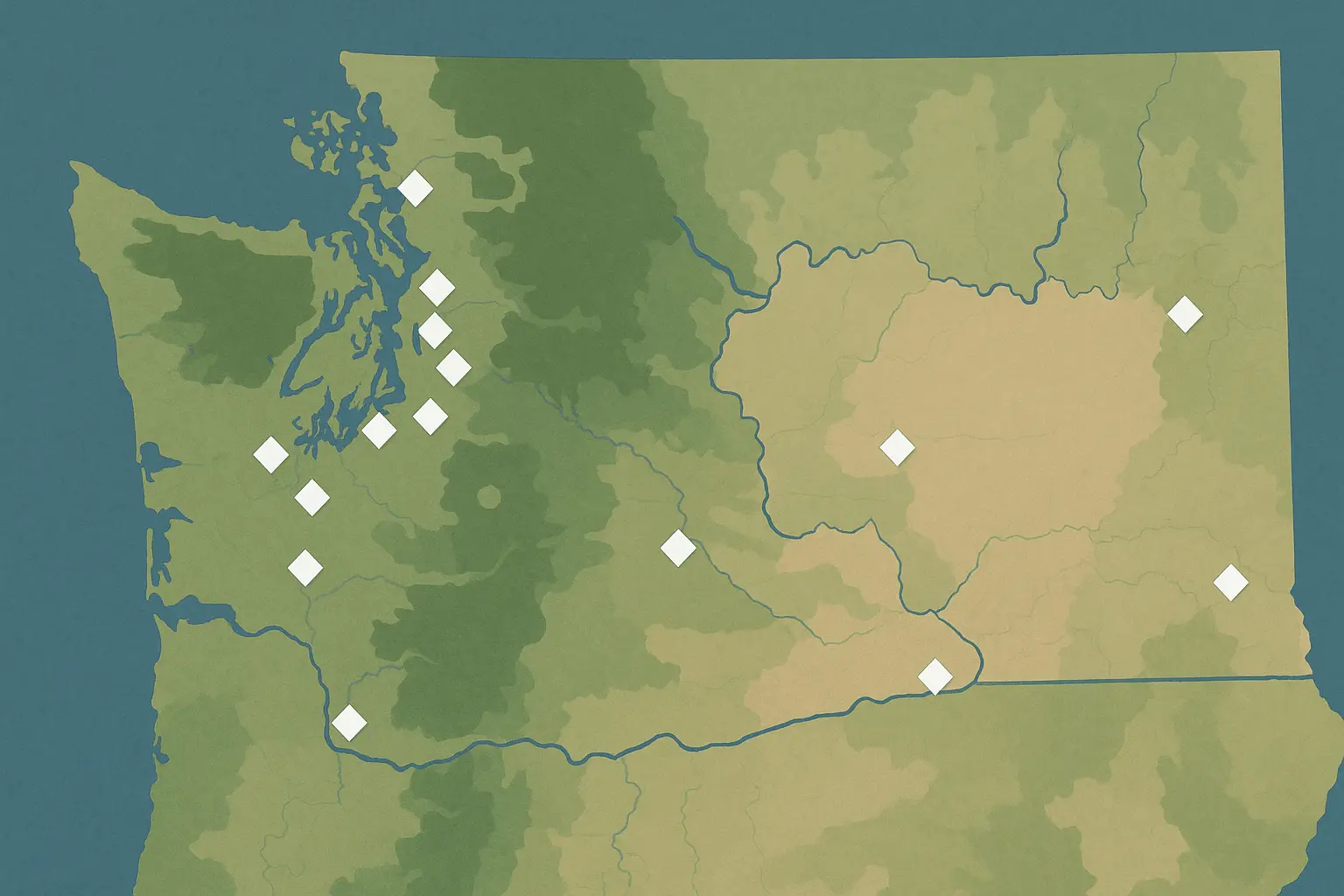
Washington Community College Regional Distribution
|
Region |
Number of Colleges |
Primary Service Area |
What They're Known For |
|
Puget Sound |
12 |
Seattle Metro, Tacoma, Everett |
Aerospace, Healthcare, Tech |
|
Eastern Washington |
8 |
Spokane, Tri-Cities, Yakima |
Farming, Energy, Manufacturing |
|
Southwest Washington |
6 |
Vancouver, Centralia, Olympia |
Forestry, Government, Trade |
|
Northwest Washington |
5 |
Bellingham, Mount Vernon |
Maritime, Tourism, Arts |
|
Central Washington |
3 |
Wenatchee, Ellensburg |
Agriculture, Education, Healthcare |
Seattle's got this three-campus setup that's pretty smart when you break it down. Each school has its own personality and specialties, so they're not all fighting over the same students.
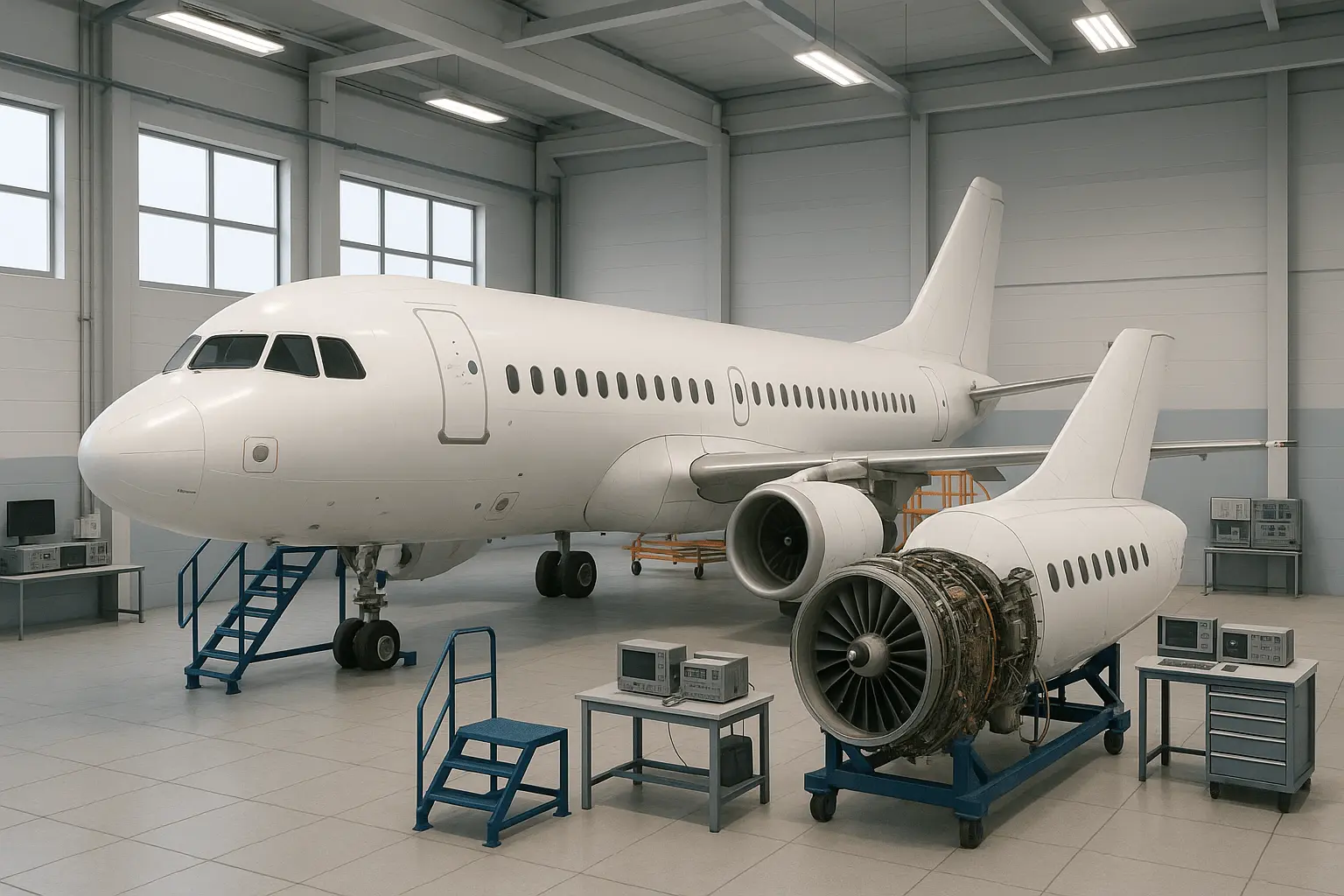
North Seattle carved out the healthcare and airplane maintenance niche. Makes total sense when you think about all the aerospace companies around here. Central Seattle focuses more on the traditional college experience - you know, liberal arts, transfer programs for kids who want to save money before heading to a four-year school. South Seattle? They own the culinary and automotive space.
What I love about this setup is the satellite locations. These little campus extensions pop up in neighborhoods where people actually live and work. I've been to several, and they don't feel like afterthoughts - they've got the same quality as the main campuses.
Get this - according to WalletHub's analysis of 653 community colleges nationwide, Shoreline Community College grabbed the top spot in Washington and landed at 39th in the entire country. Not too shabby for a community college, right?
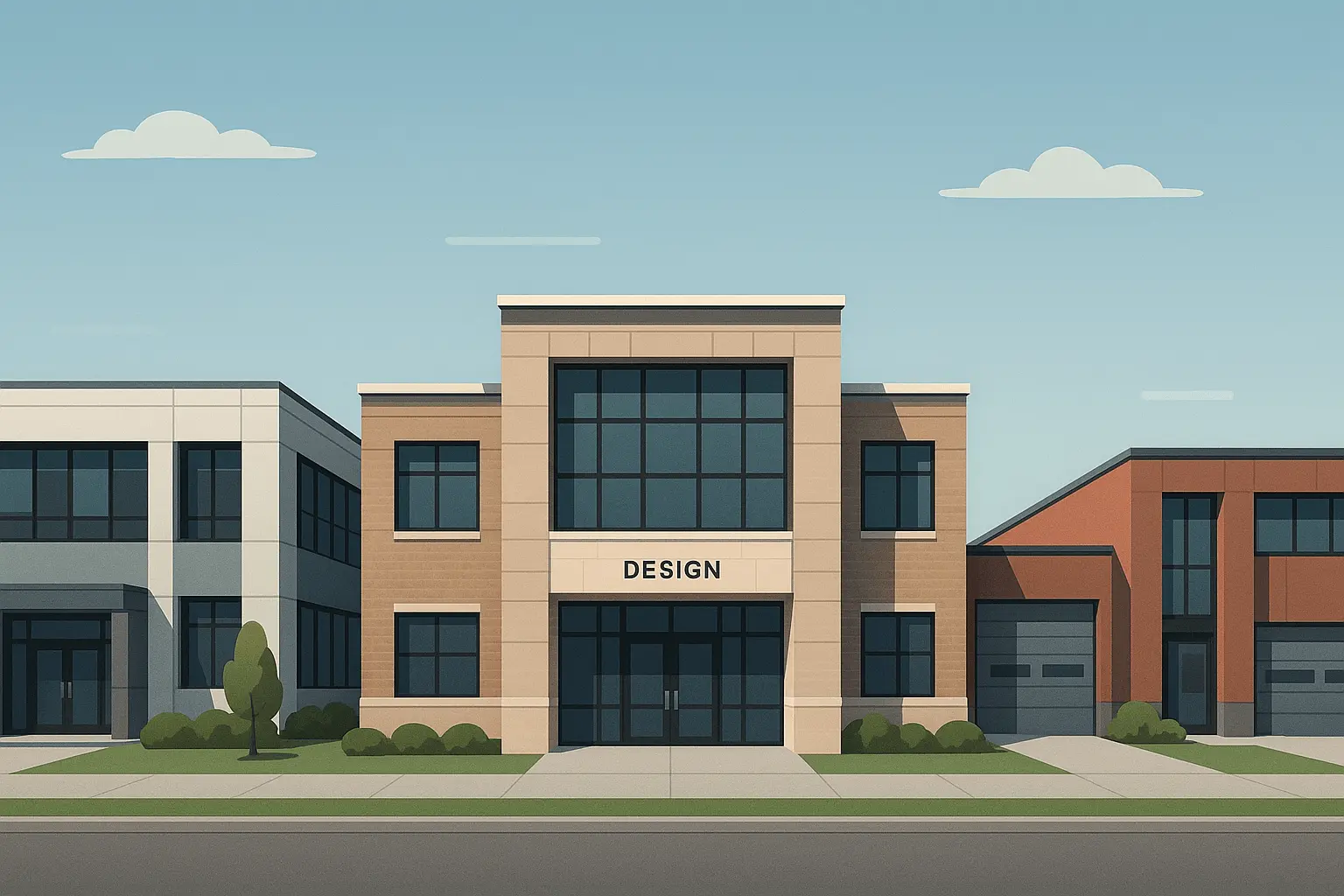
TCC takes a completely different approach - they try to be everything to everyone, and somehow they actually pull it off. It's in this perfect spot where Pierce County folks can get there easily, but it also draws students from way out in the rural areas who need programs you just can't find at smaller schools.
Their strength is in business, healthcare, and skilled trades. But here's the thing - these aren't just classes they offer because they have to. These programs are directly plugged into what employers in the area actually need. TCC has managed to keep the quality high across all these different areas, which is harder than it sounds when you're trying to serve everyone from 18-year-old high school graduates to 45-year-old career changers.
Rural community colleges deal with stuff that the big city schools can't even imagine. Fewer students means less money coming in from tuition. The local tax base is smaller, so less funding there too. Try finding a specialized instructor who wants to move to the middle of nowhere - you're going to pay extra for that.
But here's where it gets interesting. These rural schools have come up with some of the most creative solutions I've seen anywhere. They share faculty between multiple colleges to split costs. They run intensive programs for people who can't do the traditional semester thing because they're juggling work and family.
The partnerships with agriculture and natural resource companies are incredible. Students go straight from classroom to career, no job hunting required. And these colleges do way more than just education - they're often the cultural center of their communities, hosting events, providing meeting spaces, supporting local economic development. In a lot of small towns, the community college is the biggest employer and the main thing driving the local economy.
Rural Innovation Example: Peninsula College in Port Angeles runs the only commercial diving program in Washington. These students learn underwater welding and marine construction, and they're making $60,000-$80,000 right out of school. They partner with local shipyards and even the Coast Guard to give students real training in Puget Sound waters.
The pandemic accelerated trends that were already happening and created some completely new patterns. During the Great Recession, enrollment shot up because people needed to retrain for new careers. Then as the economy got better, enrollment dropped - pretty predictable stuff.
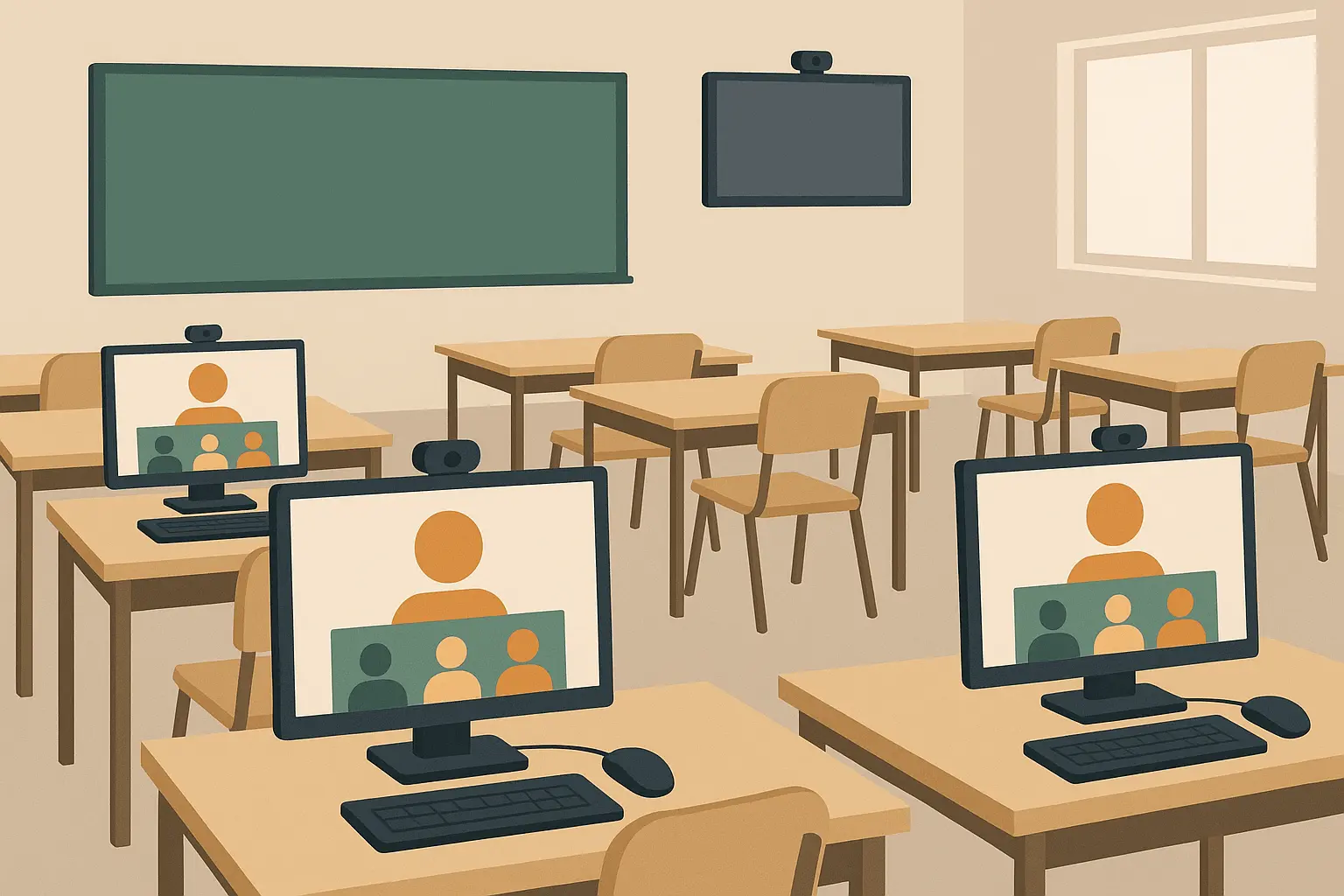
COVID changed the game completely. Suddenly, online learning wasn't just an option for a few programs - it was do or die for these schools. The ones that adapted fast kept their students. The ones that struggled with technology? They watched their enrollment numbers tank.
The recovery strategies are all about flexibility now. These hybrid programs that mix online and in-person classes aren't just temporary pandemic fixes - they're here to stay because students actually prefer them. Student support services have expanded because everyone recognizes that students are dealing with way more complicated life situations than they used to.
But the pandemic created some weird new problems too. According to "The ghost students haunting Wash. state community colleges" from KUOW, schools are now dealing with "ghost students" - fake enrollments created by scammers trying to steal financial aid. South Puget Sound Community College confirmed they lost over $100,000 from about three dozen phantom students. Wild stuff.
The fastest-growing group is students over 25 who are either changing careers, upgrading their skills, or finishing degrees they started years ago. This is a fundamental shift - it's changing who these colleges serve and how they need to operate.
These students need different things. Evening and weekend classes because they're working during the day. Childcare help because they've got kids. Accelerated programs because they know exactly what they want and they want to get there fast.
Adult learners bring something special to the classroom though. They've got work experience and life skills that make class discussions way more interesting. They're usually more motivated and focused than traditional college-age students. Faculty have had to adjust their teaching to take advantage of these strengths while helping with gaps in basic skills.
Washington Community College Student Demographics (2024)
|
Student Category |
Percentage |
Average Age |
What They're Studying |
|
Traditional (18-24) |
35% |
20 |
Liberal Arts Transfer, Healthcare |
|
Adult Learners (25-34) |
28% |
29 |
Business, Information Technology |
|
Career Changers (35-50) |
22% |
42 |
Skilled Trades, Healthcare |
|
Senior Learners (50+) |
15% |
58 |
Personal Interest, Career Transition |
Washington's community colleges have turned into these amazing laboratories for educational innovation. I've seen some really cool experiments in how education can keep up with rapidly changing job markets. The old model where programs stayed the same for years? That's dead.
Competency-based education lets students move forward based on what they can actually do, not how long they've been sitting in class. Stackable credentials mean you can build up qualifications piece by piece while you're working. Industry partnerships blur the line between school and work in ways that benefit everyone.
Recent innovations include apprenticeship programs that mix academic coursework with paid work experience. Micro-credentialing systems let students show employers specific skills right away. Partnerships with tech companies give students real-world project experience that beats traditional internships hands down.
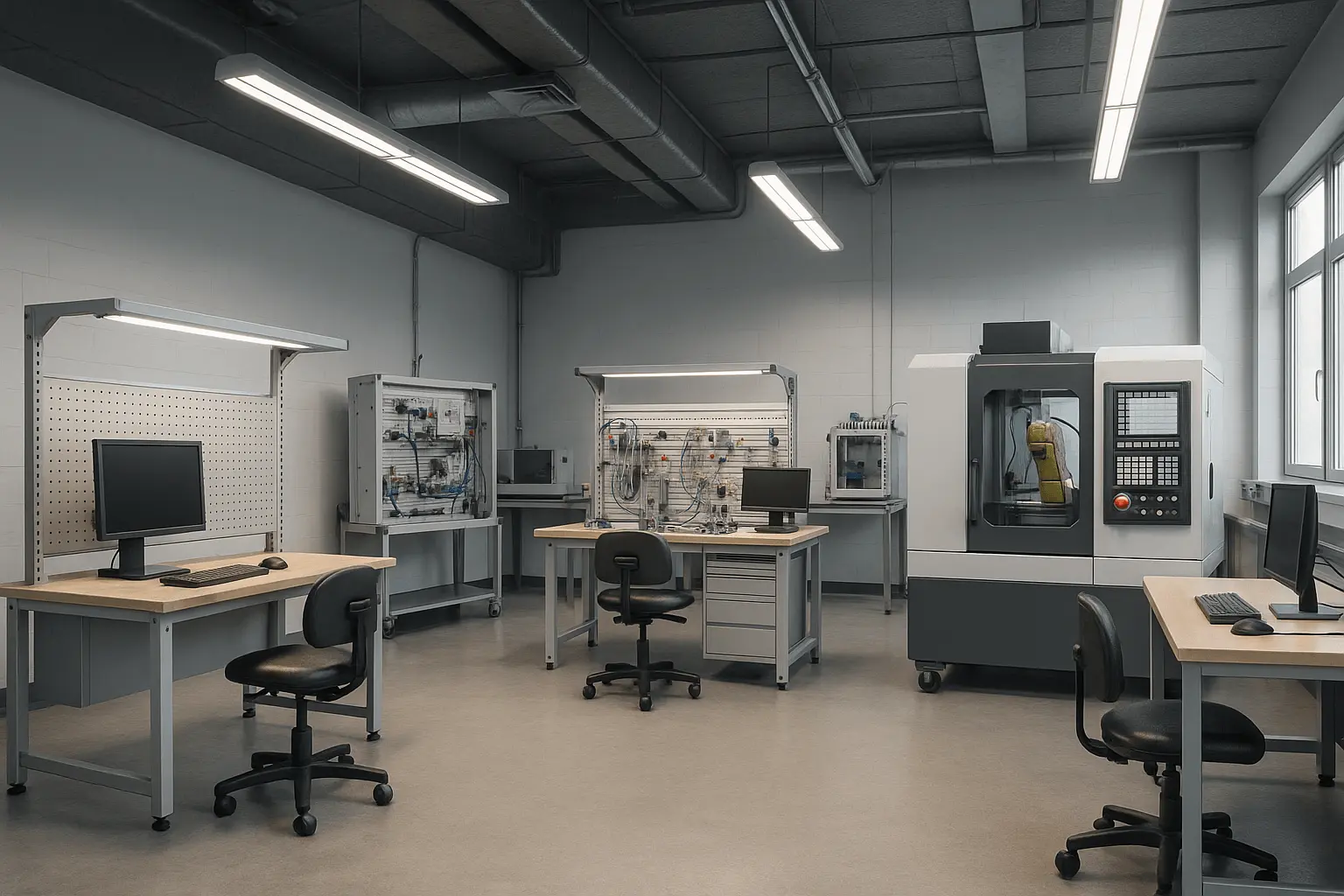
Innovation Example: Bellevue College's cybersecurity program is a perfect example of modern workforce development. They offer industry-recognized certifications like CompTIA Security+ and Cisco CCNA right within their degree programs. Students work on actual security incidents through partnerships with local businesses, and 95% of graduates find jobs within six months making $65,000-$75,000 to start.
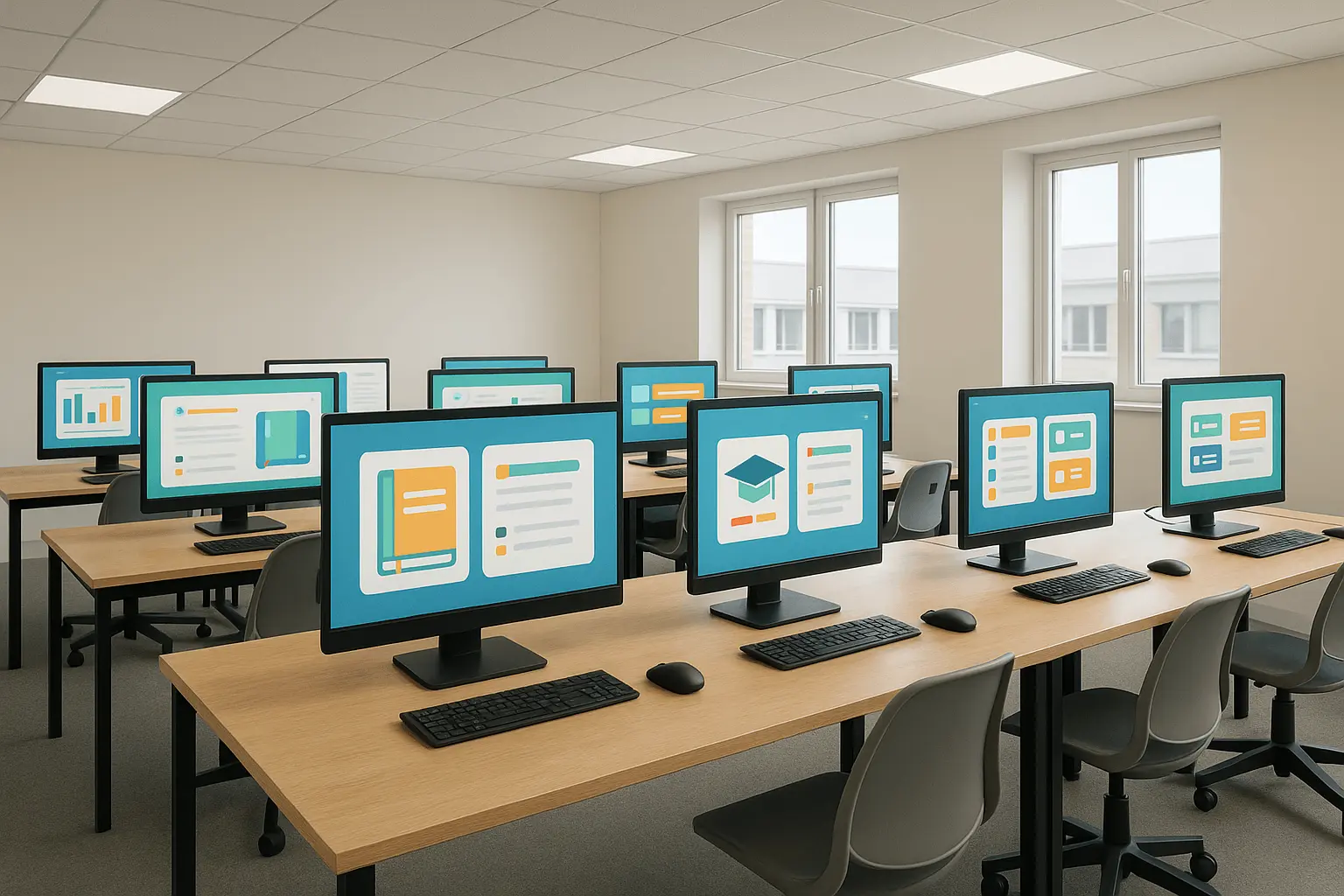
The pandemic's push toward digital learning showed us both incredible opportunities and some serious challenges. The successful stuff has been amazing - virtual reality training for healthcare and manufacturing programs where you can practice surgical procedures or operate heavy machinery in a completely safe environment that you can repeat as many times as you need.
AI tutoring systems for developmental math have shown incredible results helping students
AI tutoring systems for developmental math have shown incredible results helping students get over math anxiety and skill gaps. Online collaboration platforms connect students across multiple campuses for specialized courses that wouldn't have enough enrollment to survive at just one school.
Recent state investments have focused on getting better broadband to rural campuses, beefing up cybersecurity, and upgrading learning management systems. But there are still big gaps in both what institutions can handle and whether students have reliable internet and devices at home.
Colleges are tackling these equity issues through device lending programs and expanding campus Wi-Fi that reaches into parking lots and nearby neighborhoods. Some schools have even put Wi-Fi hotspots in school buses to serve rural students during their commutes.
The really successful partnerships have evolved way beyond those old advisory committees that met once a quarter to rubber-stamp curriculum. Today's collaborations include employer-directed training programs where companies basically design their own workforce development. Shared equipment investments let colleges access cutting-edge technology they could never afford on their own.
Boeing's partnership with Everett Community College shows how this evolution works. Boeing doesn't just give advice on curriculum - they provide specialized equipment, guarantee job pathways, and make sure training directly matches what they need on the production floor. Students graduate with skills that are immediately useful and highly valued.
These partnerships create win-win scenarios. Employers get workers trained exactly how they want them. Students get guaranteed job pathways. Colleges get industry relevance and equipment they couldn't otherwise afford. Communities get economic development and higher-wage jobs.
Partnership Example: Spokane Falls Community College's partnership with Inland Power & Light creates a direct pathway for electrical line worker training. The utility provides live-line training equipment worth $500,000, guarantees interviews for program graduates, and offers starting salaries of $70,000+ with full benefits. The 16-week program has a 100% job placement rate.
Washington has built one of the best transfer systems in the country, and as someone who's helped students navigate these pathways, I can tell you it makes a huge difference in making education accessible and affordable.
The Direct Transfer Agreement (DTA) gives students a clear path to complete general education requirements at community colleges before transferring to universities. This saves students thousands of dollars while giving them smaller class sizes and more personal attention during those crucial foundational years.
Specialized transfer degrees in fields like engineering, business, and nursing provide more targeted preparation. Recent developments include expanded partnerships with private colleges, online university programs delivered right at community college campuses, and reverse transfer agreements that let students finish associate degrees using credits they earned at four-year schools.
The University of Washington's branch campus model has created unique opportunities for students to start at community colleges and finish bachelor's degrees without leaving their home regions. This is huge for students in rural areas who might not otherwise have access to four-year programs.
The Washington College Grant is one of the most generous state financial aid programs in the nation, covering full tuition for students from families earning up to 70% of the state median income. Partial support extends to middle-income families, recognizing that college affordability affects way more than just low-income students.
Emergency aid programs have become permanent fixtures, providing immediate financial help for rent, utilities, groceries, and technology needs. COVID accelerated these programs, but colleges realized that financial emergencies are often the main reason students drop out.
Guided Pathways initiatives have restructured how students navigate their educational journey, providing clearer program maps and mandatory advising checkpoints. These systems have shown real improvements in completion rates, especially for first-generation college students and students of color.
Mental health services have expanded big time, with colleges partnering with community health organizations to provide on-campus counseling and crisis intervention. Food pantries, housing assistance, and transportation support address the reality that students often struggle with basic needs while trying to get an education.
The success stories show real impact. According to "Lowering barriers, driving successful outcomes" from Community College Daily, Edmonds College processed 6,569 FAFSA applications by mid-October, representing an increase of more than 50% from the previous year, while dispersing $19.2 million in total financial aid and achieving an 84% course-pass rate for Pell Grant recipients.
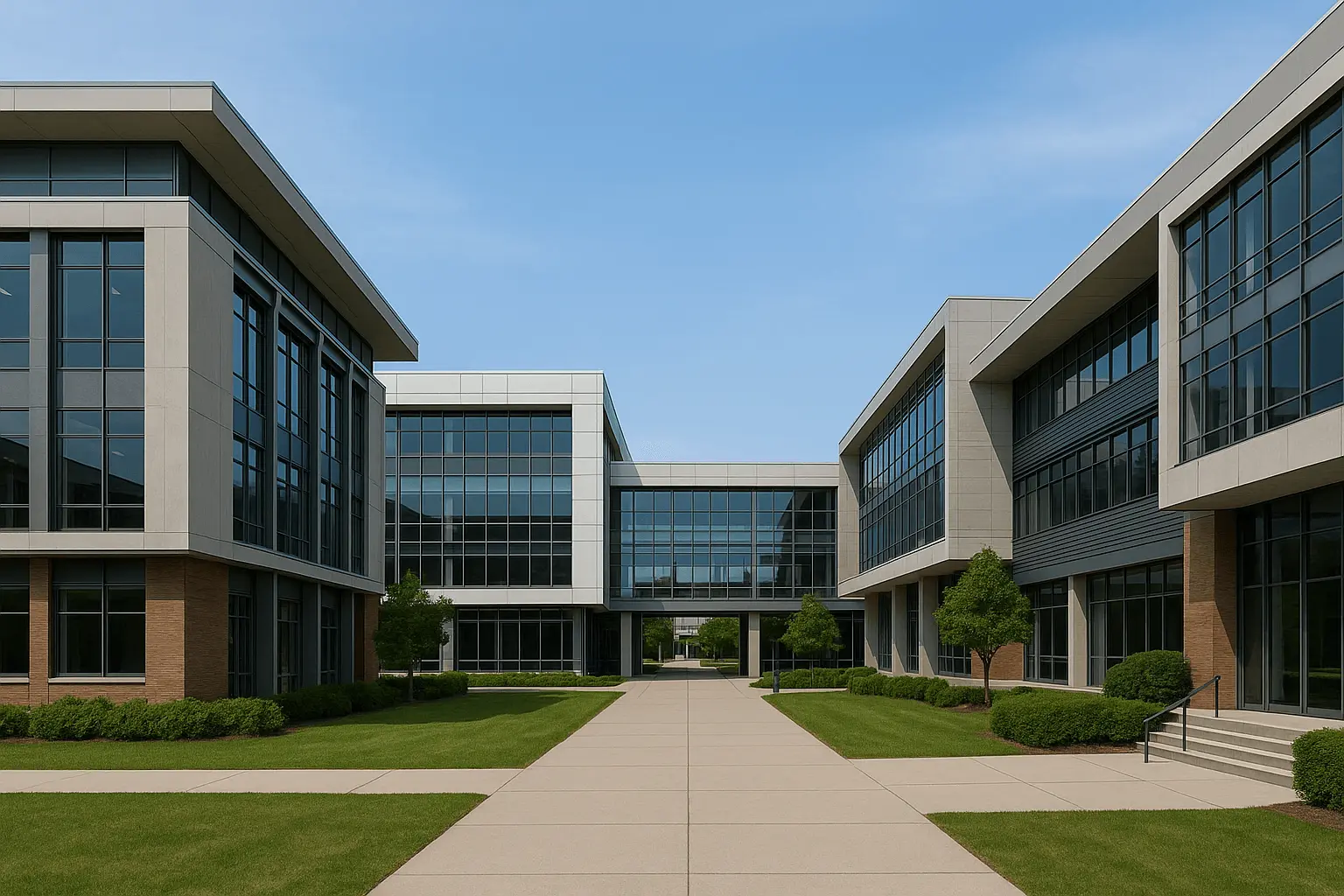
Everett Community College is definitely one of Washington's standout institutions, serving over 19,000 students annually across Snohomish County. Being located right in the heart of aerospace manufacturing country, Everett has developed nationally recognized programs that directly serve one of the region's most important industries.
The partnerships with Boeing, Alaska Airlines, and Horizon Air give students direct pathways to high-wage careers in aviation. These aren't just partnerships on paper - they're comprehensive workforce development initiatives that make sure students graduate with exactly the skills industry needs.
The healthcare programs are equally impressive, with nursing, medical assisting, and dental hygiene programs that maintain waiting lists because of high demand and excellent job placement rates. The transfer programs send more students to the University of Washington than any other community college in the state, while maintaining strong partnerships with Western Washington University and other regional schools.
Recent capital investments have transformed the campus with new STEM facilities, expanded healthcare simulation labs, and modernized student services buildings. The college's commitment to sustainability shows up in LEED-certified buildings and comprehensive recycling programs that serve as learning labs for environmental science students.
Everett's workforce development division runs extensive customized training programs for regional employers, from Amazon warehouse operations to advanced manufacturing processes. The Quick Jobs program provides accelerated training for in-demand occupations, with most programs completed in six months or less.
TCC represents the comprehensive community college model at its best, offering everything from basic education and English language learning to advanced technical programs and university transfer pathways. Serving over 8,000 students annually, TCC has become a cornerstone of Pierce County's educational and economic development infrastructure.
The location in Tacoma provides unique advantages, including partnerships with the Port of Tacoma for logistics and supply chain management training. Collaboration with MultiCare Health System supports healthcare workforce development. Connections to the region's growing tech sector create opportunities in emerging fields.
TCC's automotive technology program operates one of the most advanced training facilities in the Pacific Northwest, with manufacturer partnerships providing cutting-edge equipment and certification pathways. Students work with the same tools and technologies they'll encounter in professional settings.
The college has emerged as a leader in serving diverse student populations, with robust English as a Second Language programs, culturally responsive teaching initiatives, and support services designed for refugee and immigrant communities. The International Education program brings students from over 30 countries to Tacoma, creating a globally diverse campus environment.
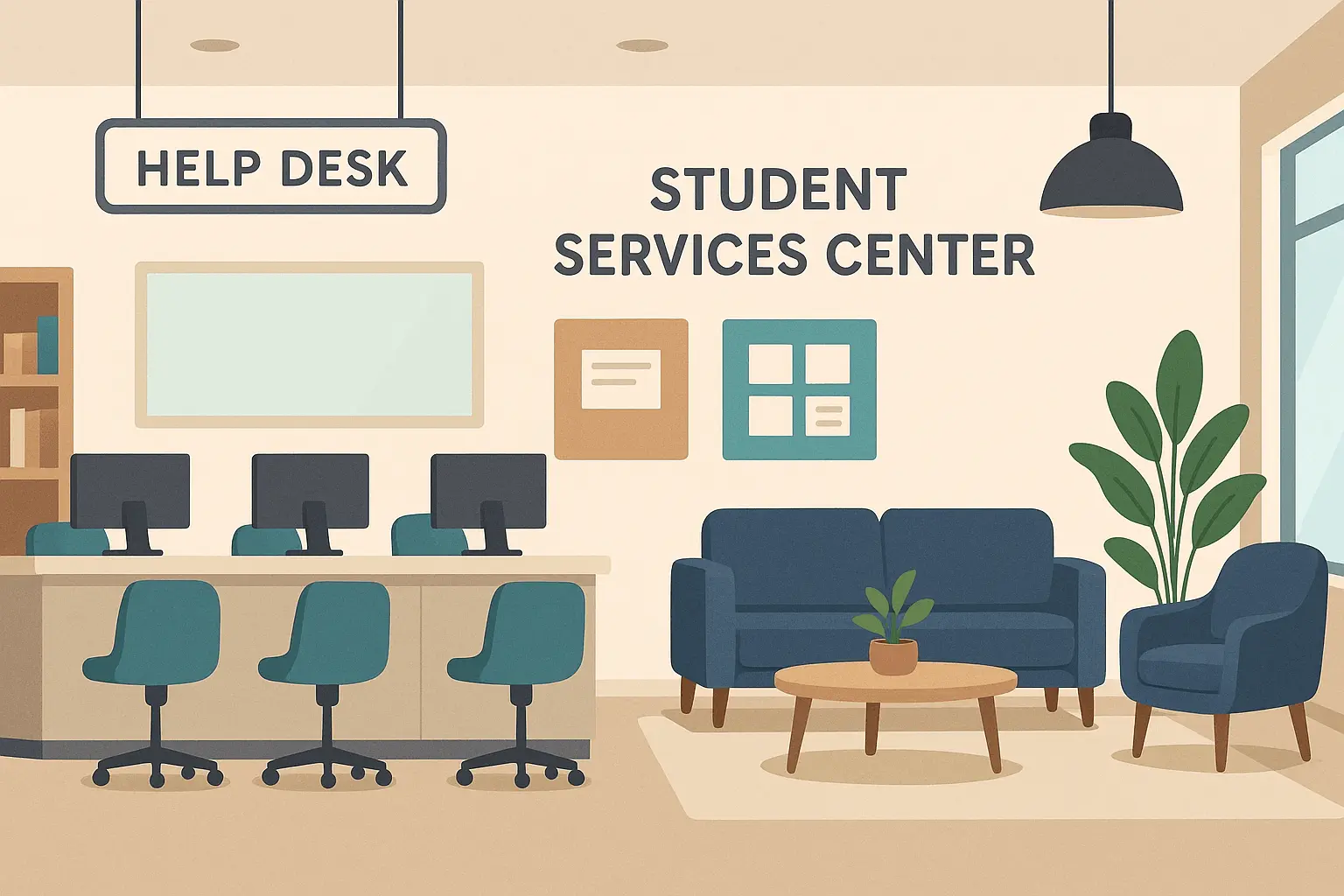
TCC's Student Success Center combines academic advising, career counseling, and personal support services under one roof, creating a one-stop resource that has seriously improved student retention and completion rates. The college's use of predictive analytics helps identify students at risk of dropping out, enabling early intervention strategies.
Washington's community colleges are facing some pretty complex challenges that are going to define what the next decade looks like. The traditional college-age population is shrinking in a lot of regions, while demand for lifelong learning and career transition support just keeps growing.
Climate change is creating both infrastructure headaches and program opportunities. Colleges have to build facilities that can handle whatever weather gets thrown at them while developing training programs for green jobs. The clean energy transition requires completely new skill sets that traditional programs haven't even touched yet.
Technology disruption is hitting every industry these colleges serve. AI and automation are forcing complete reimagining of traditional programs. Automotive programs now include electric vehicle maintenance and autonomous systems. Manufacturing programs incorporate robotics and advanced materials. These changes require major faculty retraining and equipment investments that cost serious money.
Cannabis studies programs have popped up because Washington was among the first states to legalize recreational marijuana, creating entirely new workforce needs. From growing techniques to retail management to quality control, this industry needs specialized training that literally didn't exist five years ago.
Cybersecurity programs are expanding like crazy as organizations across all sectors realize how vulnerable they are to digital threats. These programs often struggle to keep up with evolving threat landscapes and the shortage of qualified instructors with current industry experience.
Mental health and addiction counseling programs are growing to address the ongoing behavioral health crisis. The pandemic made demand for these services explode, and colleges are responding with expanded program capacity and innovative delivery methods.
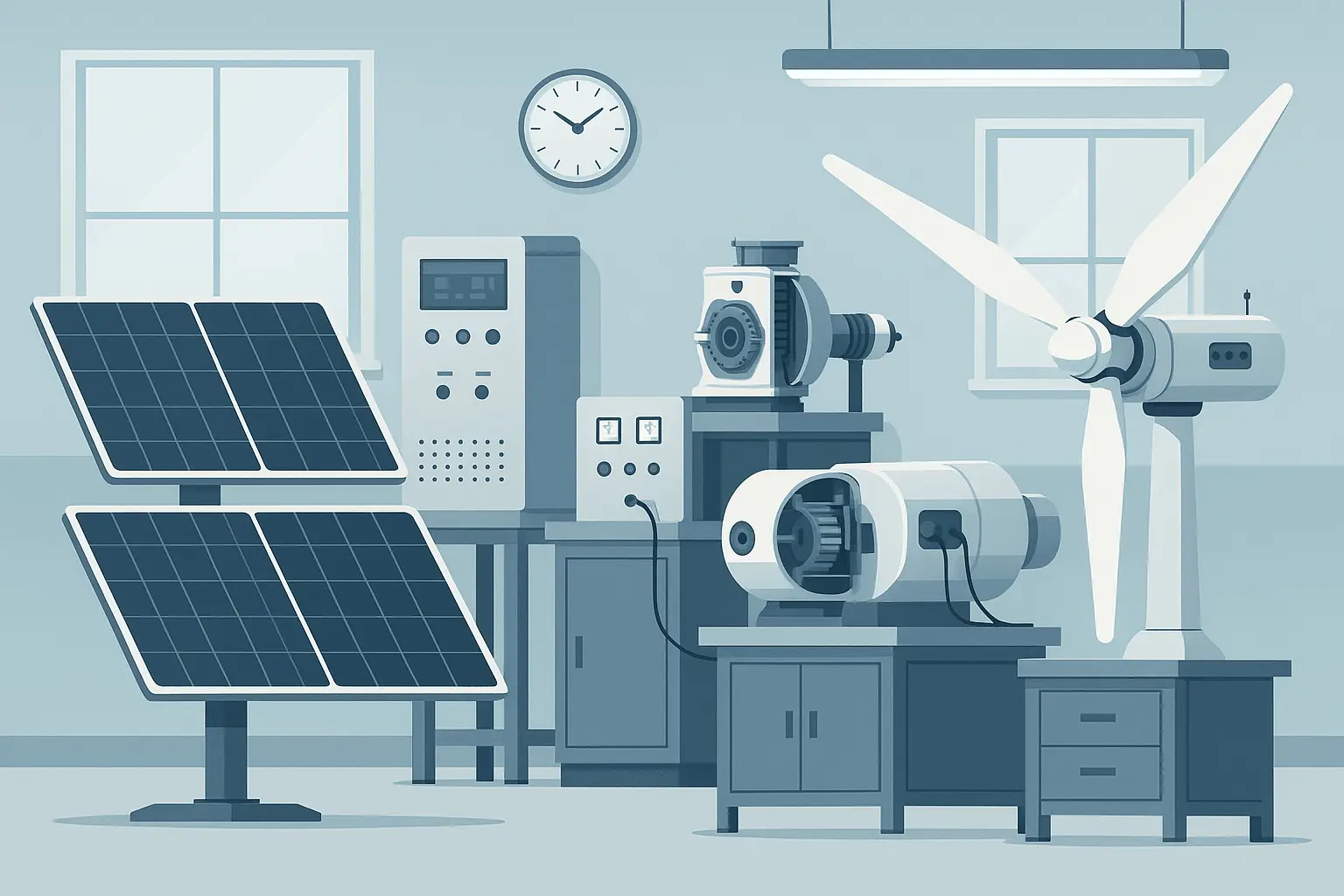
Renewable energy programs prepare workers for the clean energy transition, covering everything from solar panel installation to wind turbine maintenance to energy storage systems. These programs require significant equipment investments and partnerships with emerging industries.
Whether you're thinking about community college options for family members, checking out workforce development opportunities for your business, or exploring educational investments in your community, navigating Washington's massive system can feel pretty overwhelming.
Outpost's network and expertise can help you figure out the right educational pathways and partnerships. We understand the strategic thinking you need to evaluate institutional quality, program outcomes, and long-term value - the same analytical approach that guides successful business and investment decisions.
Our connections throughout Washington's business community give us insights into which programs actually deliver workforce value and which institutions maintain the strongest industry relationships. We can help you connect with the right people at colleges like Everett and TCC to explore customized training options or partnership opportunities.
Ready to explore how Washington's community college system can support your goals? We can talk about your specific needs and identify the most strategic educational pathways for your situation.
Washington's community college system is honestly one of the most comprehensive and innovative educational networks in the United States, serving over 300,000 students annually through 34 strategically positioned institutions. From Everett's aerospace excellence to TCC's comprehensive programming model, these colleges have evolved way beyond traditional educational roles to become economic development engines and community anchors.
What makes the system strong is how adaptable and responsive it is to changing workforce needs. Industry partnerships create direct pathways from classroom to career, while transfer agreements make sure students can pursue four-year degrees affordably and efficiently. Emerging programs in cannabis studies, cybersecurity, and renewable energy show how quickly these institutions can respond to new economic opportunities.
For students, employers, and communities, Washington's community colleges offer accessible excellence that creates lasting value. The combination of generous financial aid, comprehensive support services, and innovative program delivery makes higher education achievable for diverse populations while meeting critical workforce development needs across urban and rural regions.

Household supplies can be changed or decreaased at Outpost Club’s discretion, or based on supply availability. Outpost is not responsible for temporary losses of utility service. Outpost Club is not responsible for any damages due to absence of any supplies or utilities


If you have a sales related question please call
680-688-7678

 Hot Deals