Dental Assistant Salary NYC: What You'll Actually Earn in the Big Apple
Dec 16, 2025
Dec 16, 2025
So you're thinking about becoming a dental assistant in NYC? Smart choice – but let me guess, you're probably wondering if you can actually afford to live here on a dental assistant's salary. I get it. The good news? You absolutely can, and I'm going to break down exactly what you can expect to earn.
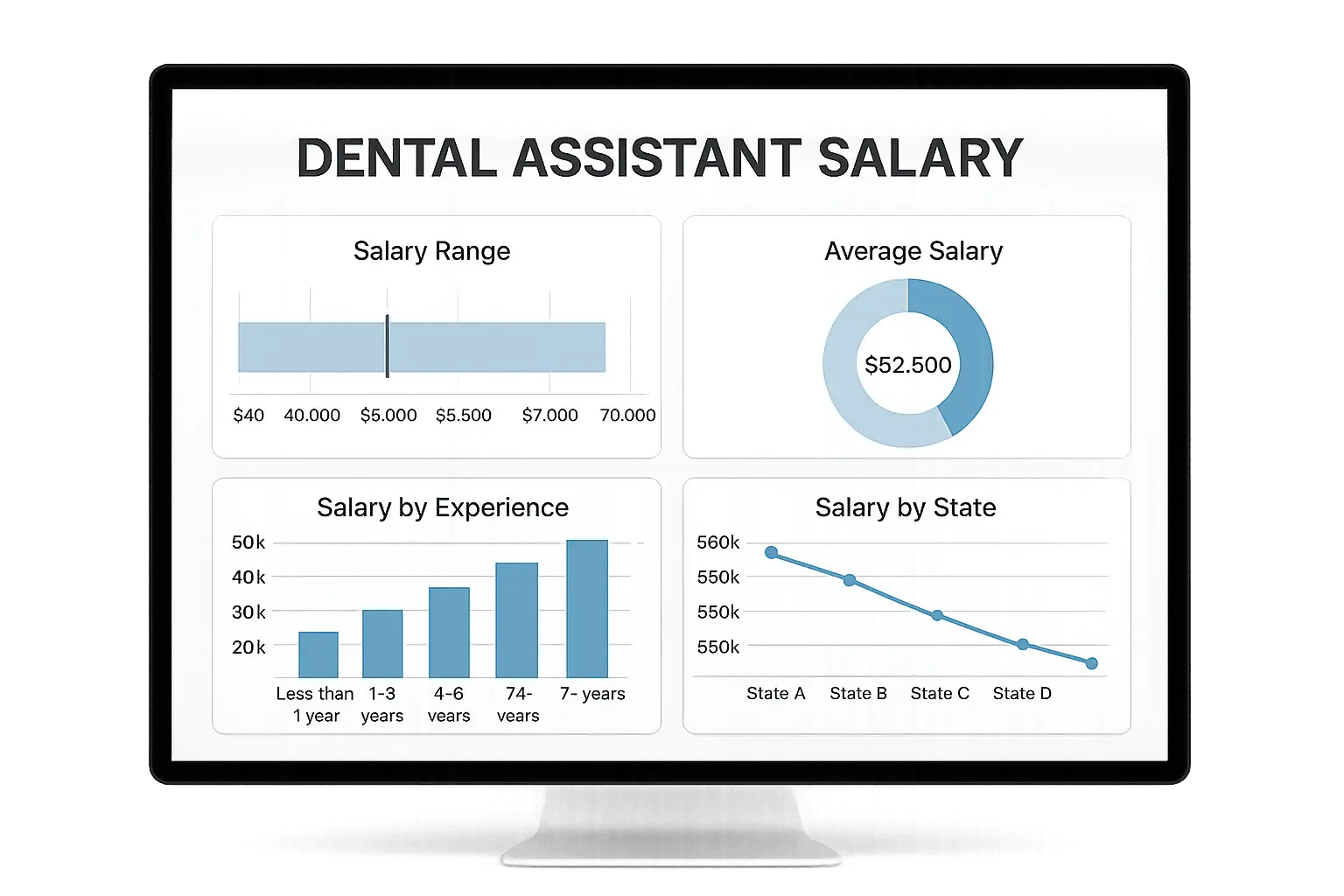
Here's the real deal: the average dental assistant salary nationwide is about 48,000 dollars per year New York Smiles Magazine Dental Association, but NYC's competitive market pays way better than that. The Big Apple doesn't mess around when it comes to healthcare salaries – entry-level positions start around $40,000-$45,000 annually, while experienced certified professionals can pull in $55,000-$65,000 or more at premium practices.
Listen, you're jumping into one of the craziest dental markets in the country. NYC doesn't mess around when it comes to paying healthcare workers, and there's a good reason for that – the cost of living here will eat you alive if you're not earning decent money.
In New York City specifically, dental assistants earn an average of 58,500 dollars annually New York Smiles Magazine Dental Association, which is way better than the national average. And honestly, it better be considering what you'll pay for a decent apartment here.
But here's what nobody tells you upfront – starting salaries might make you sweat a little. You're looking at $40K-$45K to start, which sounds terrifying until you realize that most practices actually care about keeping good people around. I've seen assistants bump their salary by $10K-$15K within two years just by being reliable and getting certified.
Your job isn't just handing the dentist tools anymore (though you'll do plenty of that). You're basically running interference between stressed-out patients and busy dentists. You're the one calming down the guy who hasn't been to the dentist in five years, and trust me, practices will pay extra for someone who's good at that.
|
Experience Level |
What You'll Actually Make |
Hourly (Because Let's Be Real) |
What You Need |
|
Fresh Out of School |
$40,000-$45,000 |
$19-$22 |
Just show up and don't faint |
|
Getting the Hang of It |
$48,000-$55,000 |
$23-$26 |
Some experience, maybe certified |
|
You Know Your Stuff |
$55,000-$65,000 |
$26-$31 |
CDA cert, can handle anything |
|
The Go-To Person |
$60,000-$70,000+ |
$29-$34+ |
Advanced certs, basically run the place |
Here's what's wild about NYC – the range is huge depending on where you work and what you're willing to do. A community health center in the Bronx versus a cosmetic practice on Fifth Avenue? We're talking completely different worlds, and your paycheck will reflect that.
Okay, let's talk about Manhattan. Yes, the money is better – sometimes way better. But you're gonna earn every penny of it.
I know a girl who works at one of those fancy practices on the Upper East Side where celebrities get their veneers done. She's making $67K plus bonuses, but she also deals with patients who think their time is worth more than everyone else's. The pace is intense, the expectations are sky-high, and if you mess up, everyone knows about it.
But here's the thing – if you can handle it, these places will teach you skills you can't learn anywhere else. You'll see procedures that most dental assistants never touch. Cosmetic work, complex implants, stuff that makes you way more valuable down the road.
Take Sarah, who started at a basic practice in Queens making $42K. Fast forward three years, she's now at an Upper East Side cosmetic practice pulling in $65K plus bonuses. How'd she do it? She got her CDA certification and learned Spanish (huge in NYC). Now she's the go-to person for their growing Hispanic clientele, and her quarterly bonuses based on patient satisfaction typically add another $3,000-$5,000 to her yearly income.
The Financial District is another goldmine. All those Wall Street types need their teeth fixed, and they want it done fast and perfect. Practices there often offer performance bonuses that can add $3K-$5K to your yearly take-home.
Real talk though: unless you're living with roommates or have family in the city, you're probably not living in Manhattan on a dental assistant salary. But that subway ride from Brooklyn or Queens? Totally worth it for the experience and the money. For those considering housing options, exploring Manhattan rooms for rent can help balance commute costs with living expenses.
Don't sleep on the outer boroughs. Seriously. Some of my favorite dental assistants work in Brooklyn and Queens, and they're living way better than their Manhattan counterparts.
Brooklyn's got this amazing mix of family practices and specialty clinics. The patients are usually more chill, the dentists aren't as stressed about rent, and you'll actually get to know your regulars. Plus, if you speak Spanish, you're basically guaranteed a job and probably a raise.
Queens is where a lot of new practices are opening up. Young dentists who can't afford Manhattan rent are setting up shop there, and they're often more willing to train someone and grow together. I know three different assistants who started in Queens practices and basically became the office manager within three years.
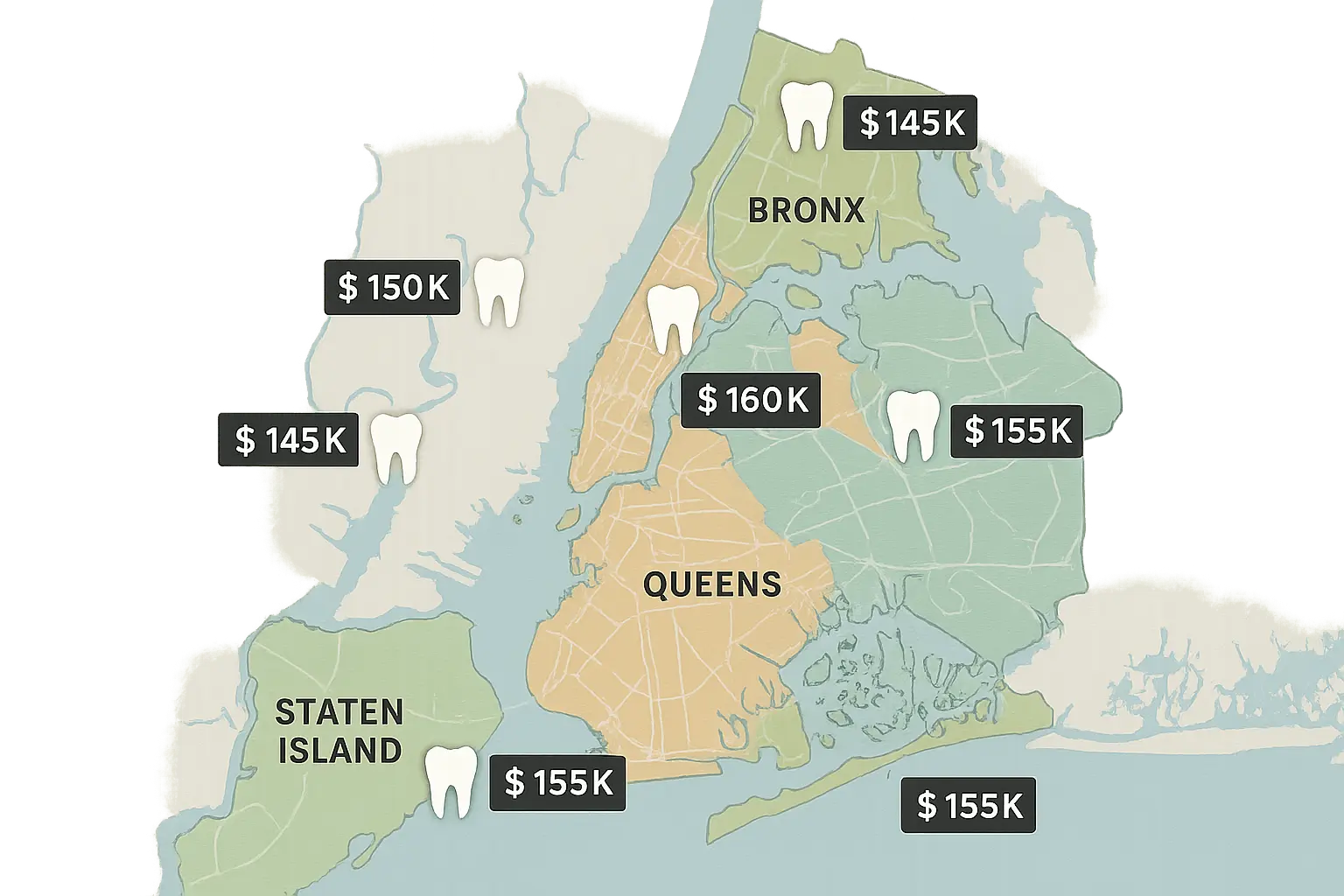
The Bronx gets a bad rap, but the community health centers there do incredible work, and they'll train you on everything. Staten Island? If you can get there, some of those practices pay surprisingly well because they have trouble finding people willing to make the commute.
Salary-wise, you're looking at $45K-$55K in most outer borough spots, but your money goes so much further. And honestly? Your commute might actually be better than someone driving in from Jersey. Those interested in Brooklyn living can explore rooms for rent in Brooklyn to find affordable housing options near potential workplaces.
Let's be brutally honest about certification – it's not optional if you want to make real money. Non-certified assistants basically get stuck at the bottom of the pay scale forever.
Getting your CDA certification is like getting a key to a different level of the game. Certified dental assistants often earn between 2 and 4 dollars more per hour than non-certified assistants New York Smiles Magazine Dental Association. That doesn't sound like much until you do the math – that's $4,000-$8,000 more per year. For what? Passing some tests and proving you know what you're doing.
The best part? Once you're certified, practices start looking at you differently. You're not just another pair of hands – you're a professional they can trust with their more complex cases and difficult patients.
Here's what nobody tells you: the CDA exam isn't that scary if you actually study. I've seen people psych themselves out and fail, then pass easily the second time because they just buckled down and learned the material. Most training programs include exam prep, but honestly, get some extra study guides and practice tests. It's worth the investment.
Getting Your CDA - The Real Deal:
Want to really boost your earning power? Get specialized. When people ask "how much does a dental assistant make" with specialized training, the answer gets a lot more interesting.
Orthodontic assistants are making $50K-$60K because they're dealing with complex cases and long-term patients. Plus, ortho practices usually have better hours and less emergency drama.
Oral surgery is where the real money is – $55K-$65K or more. Yeah, it's more intense. You're dealing with surgical procedures, anesthesia, and patients who are genuinely scared. But if you can handle it, oral surgeons will pay well for someone they can trust.
Pediatric dentistry is perfect if you love kids and have the patience of a saint. The pay is competitive, and a lot of these practices offer family-friendly benefits that are worth their weight in gold if you have kids.
I know a guy who specialized in sleep dentistry – helping people with sleep apnea. Sounds boring, right? He's making $62K and works mostly regular hours because it's not emergency-driven. Sometimes the weird specialties are where you find the best opportunities.
Take Michael – he completed his orthodontic assistant certification after two years as a general dental assistant. His salary jumped from $48,000 to $58,000 annually, and he now works with cutting-edge clear aligner technology. The specialized training took six months but resulted in a $10,000 salary increase and way better career prospects.
Here's the truth about experience in this field – it matters, but not in the way you think. It's not just about putting in time. It's about becoming the person the dentist can't imagine working without.
After five years, if you're just doing the same basic tasks, you're not going to see huge salary jumps. But if you've learned to anticipate what the dentist needs, can calm down anxious patients, and can train new people? That's when you become valuable.
Lead dental assistant positions are where you want to be – $55K-$62K and you're basically running the clinical side of the practice. You're training new hires, managing schedules, and being the go-to person when things go wrong.
Some experienced assistants move into office management roles. You're still using your clinical knowledge, but now you're handling insurance, scheduling, and practice operations. It's a different kind of stress, but the pay can hit $60K-$70K.
Let's talk money first because that's what you're worried about. Training programs range from about $8K at community colleges to $20K at private schools. Sounds like a lot? It is. But here's the thing – you'll make that back in your first year or two of working.
Community colleges are your best bet if you're budget-conscious. LaGuardia, Hostos – they offer solid programs without the fancy marketing. You'll get the same education for half the price. The trade-off? Less hand-holding and longer waiting lists.
Private schools cost more but often offer evening and weekend classes if you're working while studying. ASA College has a good reputation, and they actually help with job placement. Sometimes paying extra for convenience is worth it.
Here's something cool – Borough of Manhattan Community College now offers 100% online course will help you gain the technical skills you need to join a dental office as a clinical dental assistant BMCC. Perfect if you're juggling work and family. You still need hands-on clinical time, but the flexibility is a game-changer for a lot of people.
Budget for everything: tuition, books, scrubs, and exam fees. You're looking at $12K-$25K total. Yeah, it's an investment, but compare that to what you'd spend on a four-year degree and the earning potential afterward.
|
Institution Type |
Program Duration |
Cost Range |
Key Benefits |
|
Community Colleges |
12-18 months |
$8,000-$12,000 |
Affordable, financial aid available |
|
Private Schools |
9-12 months |
$15,000-$20,000 |
Flexible scheduling, smaller classes |
|
Vocational Schools |
6-9 months |
$10,000-$15,000 |
Accelerated timeline, job placement |
|
Online Programs |
9-12 months |
$8,000-$15,000 |
Maximum flexibility, self-paced |
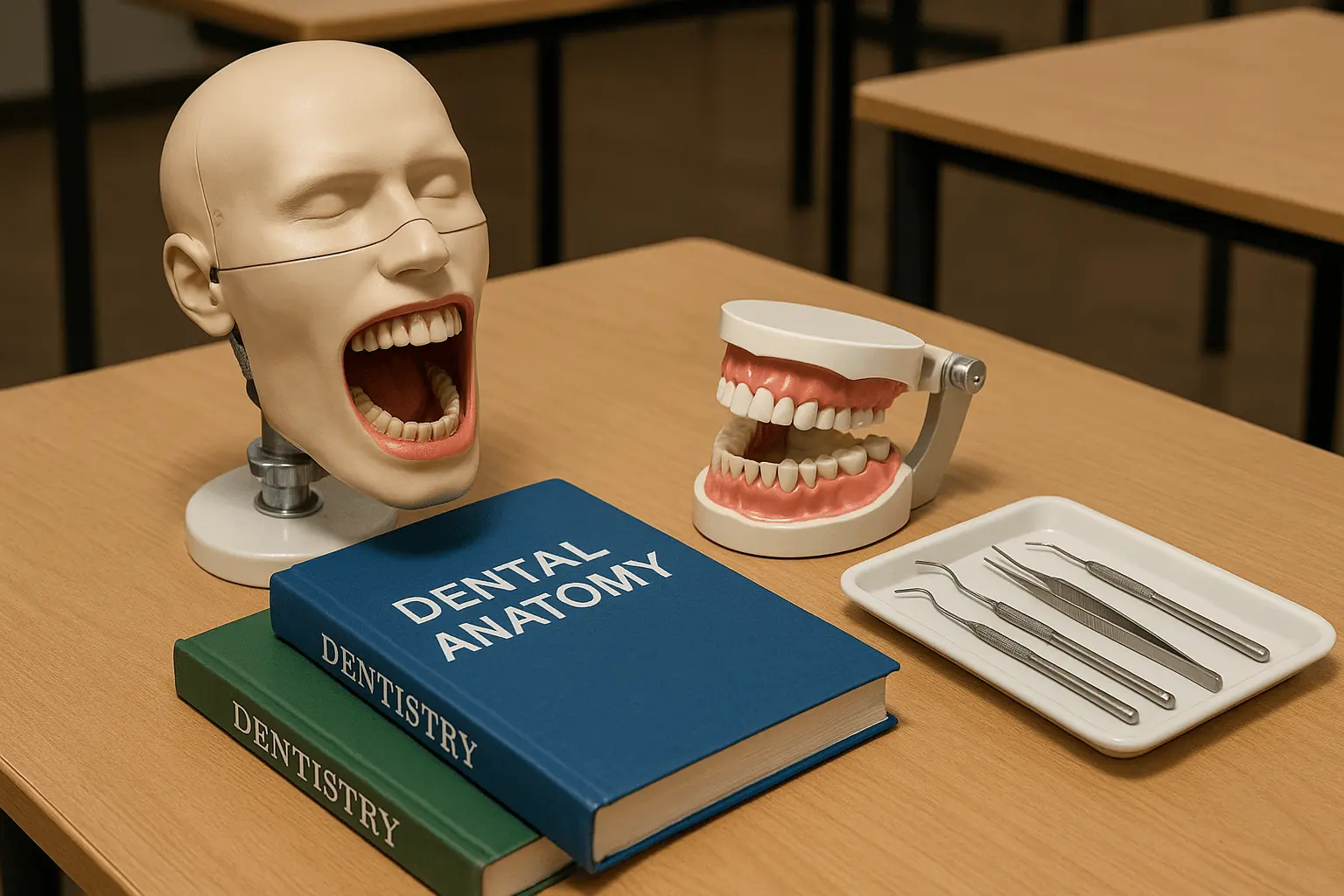
New York State wants to make sure you're not going to hurt anyone, so there's paperwork involved. Nothing too crazy – just proving you completed an approved program and know what you're doing.
The DANB exam has three parts: General Chairside Assisting (GC), Radiation Health and Safety (RHS), and Infection Control (ICE). You can take them separately or all at once. Most people do them separately because it's less overwhelming. The pass rates are actually pretty good if you study properly.
Here's a pro tip: join study groups. Most training programs have them, and you'll learn more from other students' questions than you will cramming alone. Plus, these people might be your future colleagues or references.
Forget just applying online – everyone does that. You need to get creative.
Networking isn't just some corporate buzzword. Go to local dental society meetings. Yeah, they're mostly dentists, but they talk about staffing needs. Plus, free food and you might learn something.
Your training program's job placement services are gold. They know which practices are actually good to work for and which ones churn through assistants. Use that inside knowledge.
Here's something that actually works: walk into practices with your resume. I know it sounds old-school, but half the dentists I know prefer hiring someone who shows initiative over someone who just emails a resume.
Jessica landed her first dental assistant position through her training program's placement coordinator, who connected her with a pediatric practice in Brooklyn. The practice wasn't advertising the position publicly but needed someone with her bilingual skills and enthusiasm for working with children. She started at $46,000 annually with excellent benefits.
Temp agencies are perfect for getting your foot in the door. You'll see different practices, learn different systems, and often get offered permanent positions. Plus, you're getting paid while you figure out where you want to work long-term.
Build relationships with dental supply reps. They visit practices constantly and hear about openings before they're posted anywhere. A friendly conversation over coffee might lead to your next job.
Job Search Strategy Checklist:
First rule of salary negotiation: don't just accept the first offer. Seriously. In NYC's competitive market, practices expect you to negotiate. If you don't, they might actually think less of you.
Do your homework. Know what other practices are paying for similar positions. DANB publishes salary surveys, but honestly, talking to other assistants gives you better real-world data.
Don't just focus on the hourly rate. Maybe they can't budge on that, but they might offer a signing bonus, extra vacation days, or continuing education allowances. Sometimes the extras add up to more than a straight salary increase.

Highlight what makes you special. Bilingual? That's worth money in NYC. Experience with specific software? Mention it. Willing to work late or weekends? That's valuable to busy practices.
Once you're working, document everything. Keep track of compliments from patients, procedures you've mastered, and any improvements you've made to office efficiency. Annual review time is when you cash in on all that evidence.
Don't wait for your boss to notice you're awesome. Schedule regular check-ins and ask what you can do to increase your value to the practice. Most dentists appreciate assistants who are thinking about practice success, not just collecting a paycheck.
Cross-training is huge. Learn the front desk systems, insurance processing, inventory management. Assistants who can fill in anywhere become indispensable, and indispensable people get paid more.
Private practices are where you build real relationships. You'll get to know patients and their families, see kids grow up, and actually feel like part of a community.
The learning curve is steeper because you'll handle everything from routine cleanings to emergency extractions. But that variety keeps the job interesting and makes you more valuable.
Salary negotiations are usually more flexible in private practices. If you prove your worth, many dentists are willing to share success through bonuses or profit-sharing arrangements that can push experienced assistants into the $50,000-$60,000 range plus benefits.
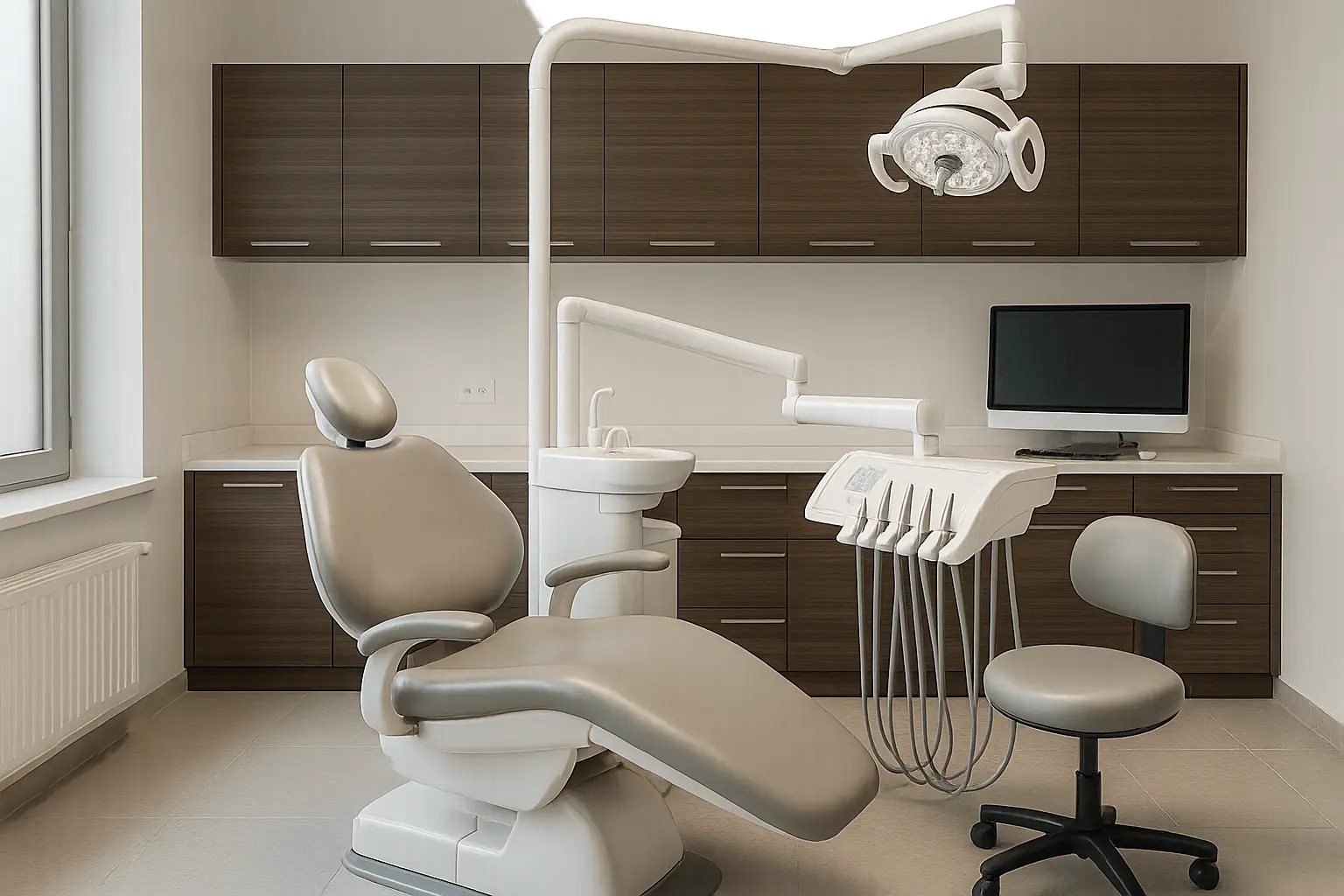
Corporate chains get a bad rap, but they offer some real advantages. The training is usually excellent, benefits are comprehensive, and there are clear advancement paths.
You'll see more patients and handle higher volume, which means you'll get really good at the basics really fast. The systems are usually more efficient, and you'll learn technologies that smaller practices might not have.
The dental industry continues evolving with new opportunities, as highlighted by recent career mapping research showing that working as a dental assistant is particularly well-suited for a college or university student majoring in Biology College Recruiter, indicating growing recognition of dental assisting as a valuable healthcare career path.
The downside? Less personal connection and more corporate policies. But if you want predictable hours and solid benefits, corporate chains deliver.
Don't just look at the salary number – benefits can add $10K-$15K to your total compensation. Health insurance alone is worth thousands in NYC's expensive market.
Dental coverage better be included (it would be weird if it wasn't), but look for practices that cover your family too. Vision and prescription benefits are nice bonuses.

Retirement matching is huge if you're thinking long-term. Some practices offer profit-sharing instead, which can be more lucrative if the practice is doing well.
Continuing education support is crucial for your career growth. Practices that pay for conferences and certification courses are investing in your future earning potential.
Look for unique perks too – flexible scheduling, childcare assistance, or transportation allowances can be worth thousands depending on your situation. For those exploring housing options to reduce commute expenses, shared apartments New York can provide affordable solutions near workplace locations.
Benefits Evaluation Checklist:
Here's the good news: people will always need dental care. Even during recessions, dental assistants stay employed because tooth problems don't wait for better economic times.
The industry is projecting 7-10% job growth over the next decade. That's faster than average, driven by an aging population and increased focus on preventive care.

Cosmetic dentistry keeps expanding, creating opportunities for assistants with specialized training. These roles often pay premium wages and offer more interesting work.
The profession also serves as a great stepping stone. Many dental hygienists and even dentists started as assistants. The clinical experience and patient interaction skills you develop are invaluable for advanced healthcare careers.
Technology is changing everything too. Digital impressions, 3D printing, laser therapy – assistants who stay current with new tech will always be in demand.
Ready to take control of your career path? At Outpost, we understand the importance of making informed decisions about your professional future. While we specialize in creating exceptional coliving experiences, we recognize that career planning requires the same attention to detail and strategic thinking that goes into perfecting your living situation.
If you're looking to network with other healthcare professionals who value community and cost-effective living solutions, consider joining our network of residents who appreciate quality experiences and meaningful connections in communal living spaces in NYC.
Ready to elevate your career game? Explore membership opportunities and connect with like-minded professionals who understand the value of strategic planning and excellence.
Look, becoming a dental assistant in NYC isn't going to make you rich overnight. But it's honest work that pays decent money, offers job security, and gives you skills you can use anywhere. The city rewards people who work hard and continuously improve themselves.
Start with realistic expectations, get certified as soon as possible, and don't be afraid to advocate for yourself. NYC's dental community is surprisingly tight-knit – build good relationships and opportunities will follow.
The earning potential is real if you're willing to put in the effort. From $40K starting out to $65K+ with experience and certifications, it's a career path that can support a good life in one of the world's most expensive cities.
The investment in education and certification pays dividends throughout your career. Starting costs of $12,000-$25,000 for complete training and certification can be recouped within the first few years through higher earning potential and job security.
What sets successful dental assistants apart isn't just technical competency – it's the ability to build relationships with patients and colleagues while continuously developing new skills. The profession rewards those who view it as a long-term career rather than a temporary job.
NYC's diverse healthcare landscape ensures opportunities for every type of professional, whether you prefer the fast-paced environment of Manhattan's premium practices or the community-focused atmosphere of outer borough family offices. The key is matching your personal goals and lifestyle preferences with the right practice environment.
And honestly? There's something satisfying about helping people feel better about their smiles. The money's good, but the job satisfaction is even better.

Household supplies can be changed or decreaased at Outpost Club’s discretion, or based on supply availability. Outpost is not responsible for temporary losses of utility service. Outpost Club is not responsible for any damages due to absence of any supplies or utilities


If you have a sales related question please call
680-688-7678

 Hot Deals