Dental Hygienist Salary NYC: What You'll Actually Earn in America's Most Expensive City
Dec 11, 2025
Dec 11, 2025
NYC's dental hygiene market is honestly pretty wild compared to other cities. We're talking about a place where dental practices are basically fighting over good hygienists, and that competition shows up in your paycheck. The dental hygienist salary NYC market isn't just about expensive rent driving up wages - it's about practices genuinely needing skilled people and being willing to pay for them.
Here's the real deal - while dental hygienists nationwide make around $77,000 a year, NYC professionals consistently earn 20-40% above that. According to SmartAsset, the average salary of a dental hygienist is $75,500 per year, but NYC's premium market pushes starting salaries to $75,000-$85,000 for brand new graduates. Yeah, that's already above the national average before you even get experience.
What makes this market different? High patient volumes (you'll stay busy), incredibly diverse patients who need different approaches, and honestly, a lot of wealthy people who don't mind spending money on their teeth. These factors mean skilled hygienists become valuable team members instead of just another employee.
Different types of practices have completely different ways of paying people, from basic salary setups in regular dental offices to performance-based systems in specialty practices. Understanding these differences helps you figure out what actually works for your goals and bank account.
Regular dentist offices usually keep it simple: base salary plus benefits, maybe some small bonuses if you do well. You'll have stability here, but you might hit a ceiling on how much you can make. For people looking up dental hygienist salary in new york across different places, general dentistry is basically your baseline.
Specialty practices change everything. Periodontal offices, oral surgery places, and high-end cosmetic practices often tie your pay to how much value patients get and how complex their treatments are. This means higher starting salaries plus potential commission structures that can seriously boost what you make each year.
Corporate chains bring their own perks: clear paths to move up, really good benefits, and usually better work-life balance. The trade-off? Your base salary might be a bit lower, but the total package often beats what smaller practices can offer.
A lot of people find that living in more affordable neighborhoods helps maximize their earning potential by cutting housing costs while still having easy access to Manhattan's highest-paying dental practices. The dental industry keeps changing how practices are owned. According to analysis from "The White Coat Investor", practice ownership is declining with only 73% of dentists owning practices as of 2021, which means more corporate jobs for hygienists who want structured career paths.
|
Practice Type |
Base Salary Range |
Benefits Level |
Growth Potential |
Work-Life Balance |
|
General Dentistry |
$75,000-$95,000 |
Decent |
Limited |
Pretty Good |
|
Specialty Practice |
$90,000-$120,000 |
Really Good |
High |
Depends |
|
Corporate Chain |
$80,000-$100,000 |
Excellent |
Structured Path |
Excellent |
|
High-End Cosmetic |
$95,000-$130,000 |
Really Good |
Sky's the Limit |
Can Be Intense |
Starting your career in NYC means you're already making more than experienced hygienists in a lot of other places. New grads typically see offers between $75,000-$85,000, which shows how desperate practices are for qualified people. The dental hygienist salary in new york for entry-level positions proves that even newbies get the city's market premium.
The 3-7 year mark is where things get really interesting for salary jumps. You've gotten confident with patients, built relationships, and proven you're reliable. Practices recognize this with pay ranging from $85,000-$105,000, often with more responsibilities and freedom to do your job how you want.
Senior hygienists (8+ years) enter the premium zone. Your expertise with complicated cases, ability to train newer people, and deep understanding of how the practice works makes you incredibly valuable. Salaries of $105,000-$130,000 become normal, with top performers in Manhattan practices making over $140,000.
My friend Sarah (she won't mind me sharing this) started at $78,000 in Brooklyn after five years of experience. She recently made the jump to a Manhattan specialty practice for $115,000 plus performance bonuses. Her ability to speak Spanish and laser therapy certification were huge factors in landing the better position.

Several things can speed up your salary growth beyond just getting more experience. Extra certifications seriously impact how fast your pay increases. Local anesthesia administration, expanded function credentials, and specialized periodontal training can add $5,000-$15,000 to your base salary right away.
Speaking multiple languages in NYC's diverse market is like gold. Spanish, Mandarin, or other languages that significant patient populations speak can increase your value by 10-15% in practices serving those communities. Being good with technology sets you apart in modern practices. Knowing digital radiography, intraoral cameras, laser therapy, or practice management software makes you essential and justifies higher pay.
Things That'll Speed Up Your Career:
Manhattan's dental practices operate in a totally different world. Rich patients, expensive office locations, and higher treatment fees create an environment where practices can afford—and need—to pay top dollar for great hygienists. The dental hygienist salary in new york changes dramatically by borough, with Manhattan leading pay rates across all experience levels.
The Manhattan premium isn't just for bragging rights. Practices in Midtown, Upper East Side, and Financial District consistently offer salaries 15-25% above city averages. We're talking about the difference between $90,000 and $110,000 for similar experience levels. But here's what those numbers don't tell you: commuting costs, stress levels, and lifestyle factors. A Brooklyn practice offering $95,000 might actually be better overall than a Manhattan position at $115,000 when you factor in a 20-minute subway ride versus an hour-long commute that makes you want to scream.
A lot of successful hygienists choose to live in Manhattan's more affordable neighborhoods to minimize commute time while maximizing their earning potential at the city's highest-paying practices.
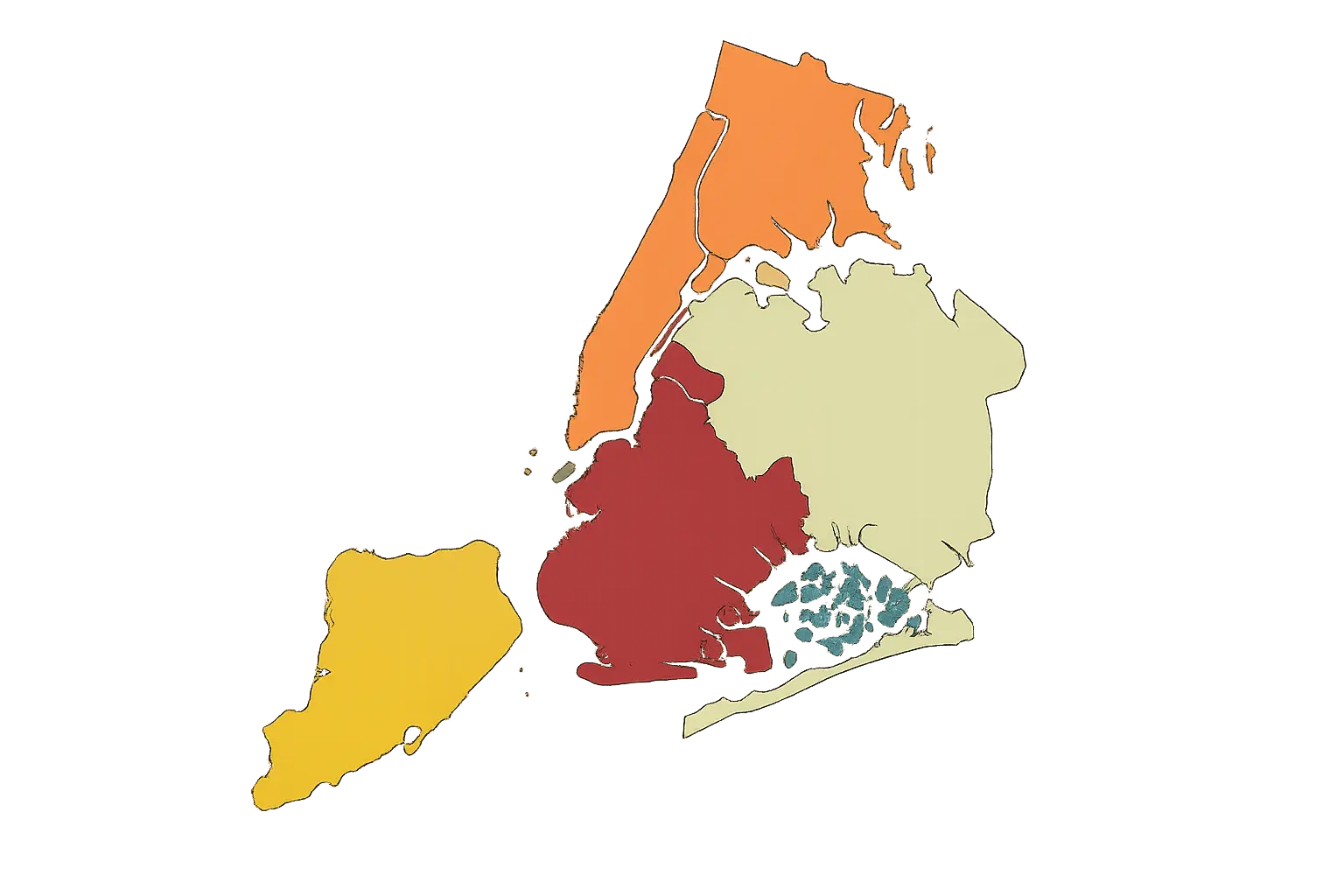
Queens and Brooklyn practices have really stepped up their game. Many now offer pay packages that compete with Manhattan while providing parking, shorter commutes, and more relaxed work environments. The salary trade-off often disappears when you calculate what your total life actually costs.
Staten Island is a unique opportunity. Less competition for positions, established patient bases, and practices that value keeping staff long-term create environments where experienced hygienists can negotiate excellent packages while enjoying suburban benefits.
The Bronx market keeps growing, with new practices opening regularly. Getting in early in developing areas often comes with growth potential and the chance to build something meaningful while earning competitive salaries.
My buddy Mike turned down a $118K Manhattan gig for $98K in Queens. Sounds crazy, right? But he was spending like $400/month on parking and commuting, plus he was miserable. Now he actually gets home before 7 PM and doesn't want to throw his MetroCard into traffic every morning.
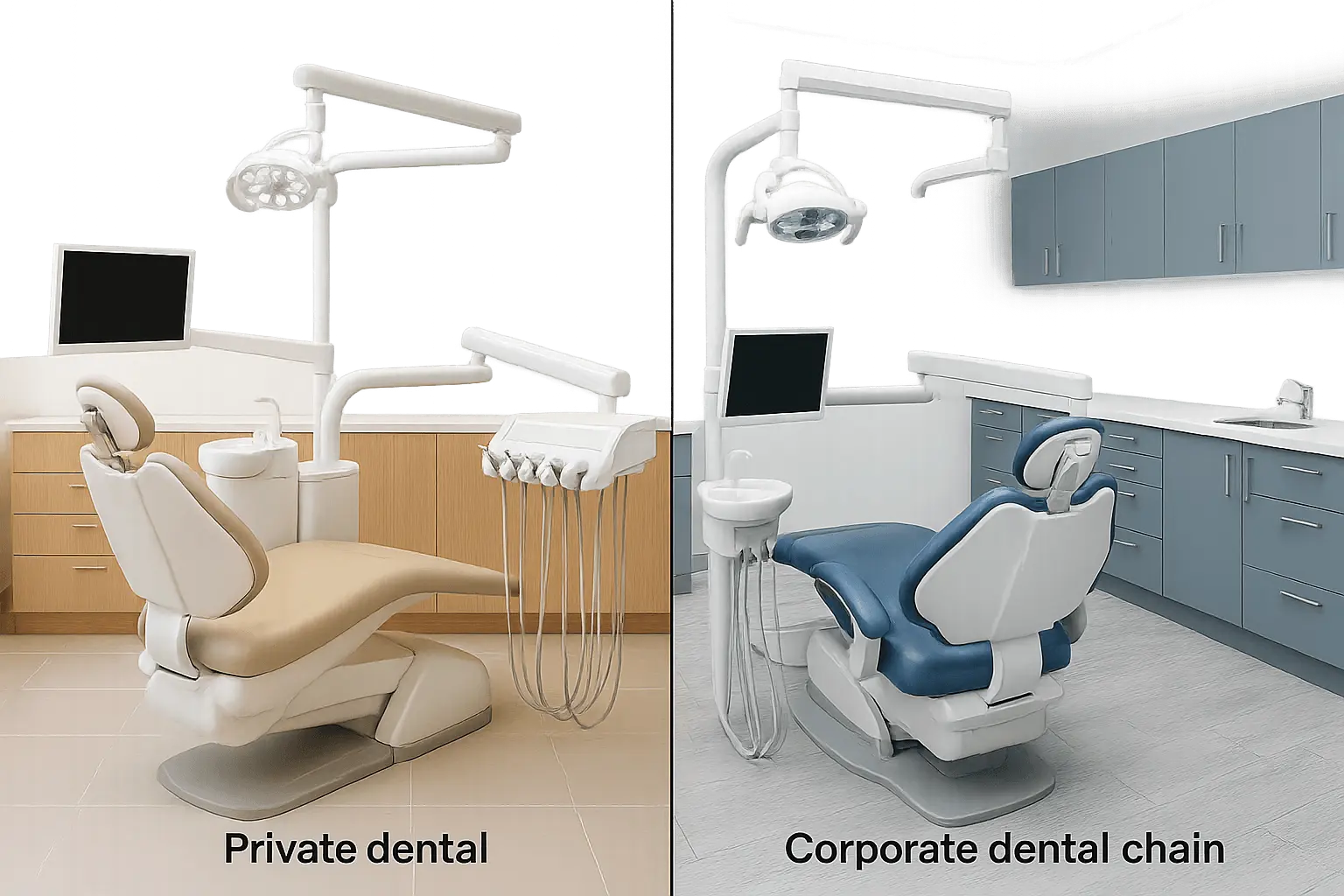
Private practices offer the highest earning potential, especially in specialty or high-end general dentistry. You'll find more flexibility in pay negotiations, potential for performance bonuses, and opportunities to build long-term relationships that might lead to partnership discussions down the road.
Corporate dental chains bring predictability and structure. While base salaries might be 5-10% lower than premium private practices, really good benefits packages often close that gap. Health insurance, retirement contributions, continuing education money, and paid time off add substantial value. The decision often comes down to where you are in your career and what you prioritize. Early-career hygienists might benefit from corporate structure and mentorship, while experienced people might prefer private practice freedom and earning potential.
The dental industry keeps changing how practices are owned. According to analysis from "The White Coat Investor", practice ownership is declining with only 73% of dentists owning practices as of 2021, which creates more corporate employment opportunities for hygienists wanting structured career paths.
Performance bonuses in NYC practices usually focus on keeping patients coming back and getting them to accept treatment recommendations. Practices know that skilled hygienists who build strong patient relationships directly impact how much money the practice makes, and they're willing to share that success.
Production-based pay models tie your earnings to the revenue you generate through preventive services, patient education that leads to treatment acceptance, and managing appointments efficiently. Top performers can add $10,000-$20,000 annually through these structures. Some practices offer hybrid models combining base salary with performance bonuses. This approach gives you income security while rewarding excellence, creating situations where everyone wins.
Health insurance in NYC costs $8,000-$15,000 annually for individual coverage. Practices that provide comprehensive medical, dental, and vision insurance deliver immediate value that directly impacts how much money you actually take home. When looking at dental hygienist salary in new york opportunities, the benefits package often adds 20-30% more value beyond your base pay.
Professional liability insurance typically costs $800-$1,500 annually and protects your career and financial security. Employers who cover this expense remove a significant burden while showing they're invested in protecting you professionally. Continuing education allowances of $1,500-$3,000 annually support keeping your license and developing new skills. Smart practices understand that investing in your growth benefits everyone and often provide both financial support and paid time off for educational activities.
With employment projected to grow by 11% through 2030 for dental support professionals, comprehensive benefits packages become increasingly important competitive advantages for practices trying to attract and keep quality hygienists.

Flexible scheduling in NYC's demanding environment provides life-changing value. Practices offering compressed work weeks, flexible start times, or accommodation for continuing education show they understand work-life balance needs.
Parking in Manhattan can cost $300-$500 monthly. Practices providing parking spaces or transportation allowances deliver real financial benefits that directly impact your budget. Free dental care for you and your family represents serious savings. Given NYC's high dental costs, this benefit can provide $2,000-$5,000 in annual value while ensuring you maintain optimal oral health.
For people wanting work-life balance, shared living arrangements in Brooklyn can provide affordable housing options that work well with flexible work schedules and help you keep more of your paycheck.
|
Benefit Type |
Annual Value |
How Common |
Impact Level |
|
|
Health Insurance |
$8,000-$15,000 |
Pretty Common |
Huge |
|
|
Professional Liability |
$800-$1,500 |
Standard |
Medium |
|
|
Continuing Education |
$1,500-$3, |
$1,500-$3,000 |
Varies |
Really Important |
|
Parking/Transportation |
$3,600-$6,000 |
Not Common |
Huge |
|
|
Family Dental Care |
$2,000-$5,000 |
Common |
Medium |
|
|
Flexible Scheduling |
Can't Put Price On It |
Growing |
Life-Changing |
Periodontal therapy specialization opens doors to higher-paying positions in specialty practices. Advanced training in scaling and root planing, antimicrobial therapy, and complex case management can increase your base salary by $10,000-$20,000 annually. The dental hygienist salary in new york for specialized periodontal positions often beats general practice pay by significant amounts.
Getting certified to give local anesthesia expands what you can do and makes you more valuable to employers. This credential lets you provide more comprehensive patient care and often comes with immediate salary increases of $5,000-$10,000.
Cosmetic dentistry knowledge, including teeth whitening procedures and aesthetic treatment maintenance, positions you for roles in high-end practices where patient fees—and staff pay—reach premium levels.
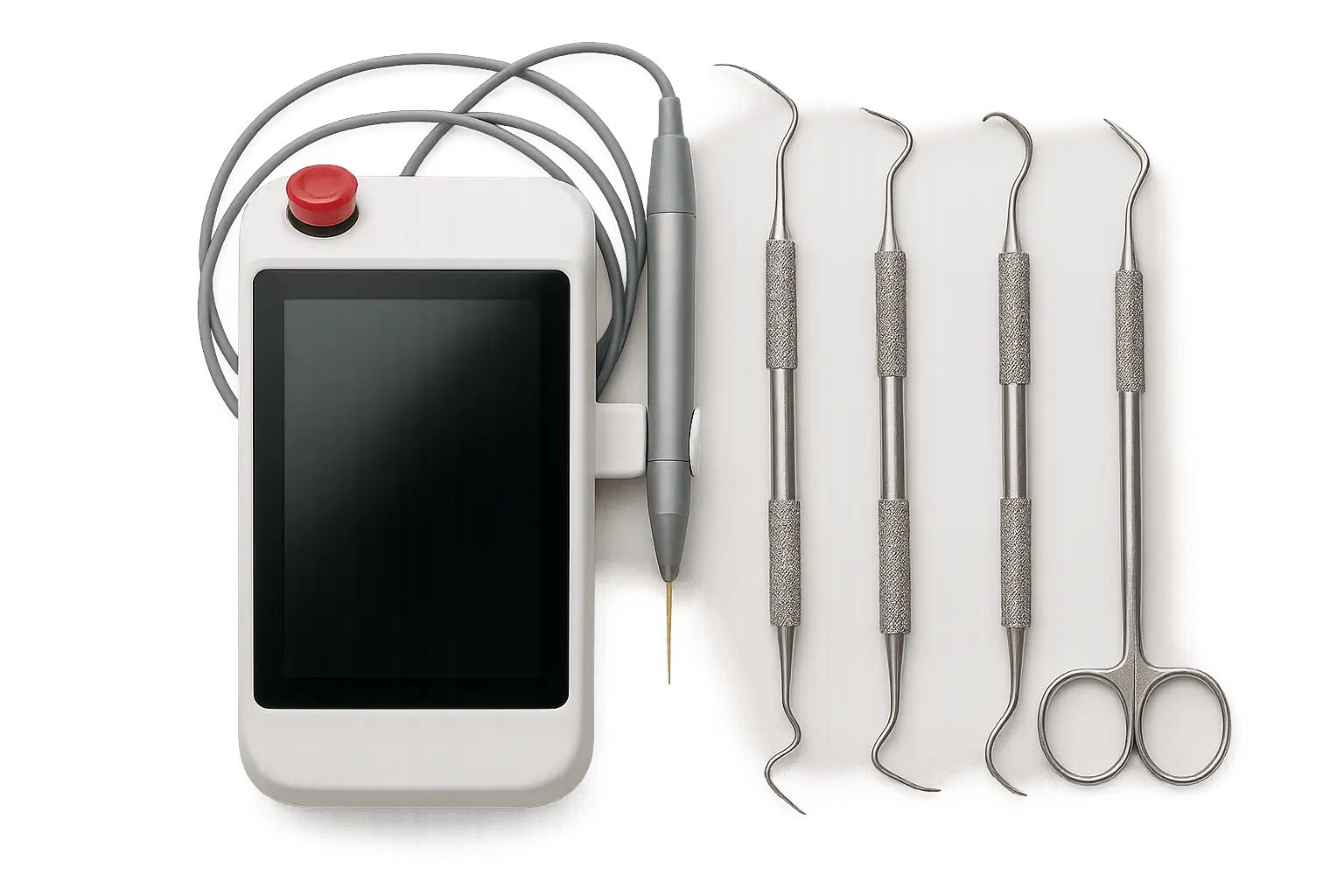
Laser therapy training is a growing opportunity. As practices invest in laser technology for periodontal treatment and soft tissue procedures, hygienists with laser certification become valuable assets who command premium pay.
Sleep apnea treatment support involves working with patients using oral appliances and CPAP alternatives. This specialization connects dental practices with medical sleep centers, creating new revenue streams and opportunities for specialized hygienists. Geriatric dental care specialization addresses NYC's aging population needs. Training in mobility-limited patient care, medication interactions, and age-related oral health issues positions you for roles in growing market segments.
The dental industry keeps evolving with new specialization demands. According to research from "The White Coat Investor", dental education costs have reached $300,000 for dental school, making specialized hygienists increasingly valuable as practices try to maximize revenue through expanded services and better patient care.
Per diem work in NYC commands premium hourly rates because practices desperately need qualified coverage. Rates of $45-65 per hour mean experienced hygienists can potentially out-earn full-time positions while keeping control of their schedule. The dental hygienist salary in new york for per diem work often provides better hourly pay compared to salaried positions.
With the average hourly rate for dental hygienists in New York approximately $40–$45, per diem opportunities in NYC's premium market can beat these averages, offering experienced professionals significant earning potential with flexible scheduling.
Temporary assignments through staffing agencies give you exposure to different practice types and networking opportunities . Many hygienists use temp work to check out potential permanent positions while earning competitive pay. The flexibility factor can't be overstated. Per diem work lets you pursue continuing education, manage family stuff, or simply have better work-life balance while still making good money.
Look, everyone talks about how great per diem work is, but good luck getting health insurance on your own in NYC. That said, many per diem professionals find that flexible housing arrangements in Manhattan work well with their variable work schedules while keeping them centrally located for multiple practice opportunities.

Building relationships with 3-5 practices creates steady work opportunities and income security. Practices really value reliable per diem hygienists and often provide advance scheduling for people they trust.
Keeping professional standards across different practice environments builds your reputation and leads to more opportunities. Being consistent in patient care and adaptable to different systems makes you essential to practices. Networking with other per diem people gives you insights into the best opportunities and practices to avoid. Experienced per diem hygienists often share information about rates, working conditions, and practice cultures.
Per Diem Success Game Plan:
Practice management roles are a natural next step for experienced hygienists. Your clinical background gives you credibility when managing hygiene departments, developing protocols, and training new staff. These positions typically offer $95,000-$120,000 salaries plus administrative benefits.
Patient education specialist roles combine clinical knowledge with business development skills. Hygienists who are great at case presentation and patient communication often move into roles focused on treatment acceptance and keeping patients coming back.
Consulting opportunities come up for hygienists with lots of experience and specialized knowledge. Services might include practice efficiency consulting, staff training programs, or expert testimony in legal cases involving dental care standards.
My colleague Jennifer moved from clinical hygienist to practice manager after 12 years of experience. Her new role at $108,000 annually involves overseeing a 6-hygienist department, developing patient retention programs, and training new staff. The position combines her clinical expertise with business management skills while offering regular business hours.

Educational services are growing opportunities. Developing training programs for dental offices, creating patient education materials, or providing continuing education courses lets you make money from your expertise while helping other professionals.
Corporate wellness programs increasingly include oral health components. Hygienists can develop relationships with companies wanting employee health services, providing screenings and education under appropriate supervision. Mobile services for elderly care facilities or special needs populations operate under dental supervision but allow entrepreneurial hygienists to build specialized practices serving underserved populations.
Technology integration in dental practices creates opportunities for hygienists who embrace new tools and techniques. Being good with digital radiography, intraoral cameras, and practice management software becomes increasingly valuable as practices modernize.
The aging population trend directly benefits dental hygienists. Older patients need more frequent preventive care and often have complex medical histories requiring specialized knowledge. This demographic shift supports continued strong demand for hygiene services. Oral-systemic health awareness grows among both patients and medical professionals. Hygienists who understand connections between oral health and conditions like diabetes, heart disease, and pregnancy outcomes become valuable team members in comprehensive healthcare approaches.

Continuing education beyond minimum requirements shows you actually care about getting better at your job and keeps you current with evolving best practices. Investment in advanced training often pays immediate dividends through increased earning potential.
Professional networking through dental hygiene associations, continuing education events, and industry conferences provides insights into market trends and career opportunities. Strong professional networks often lead to better positions and higher pay. Being good with technology becomes increasingly important as practices adopt new systems and equipment. Hygienists who stay current with technological advances position themselves as valuable assets in modernizing practices.
Future-Proofing Your Career:
Healthcare professionals need outlets that provide both relaxation and meaningful connections outside their demanding clinical work. Building relationships with professionals from various industries offers fresh perspectives and potential opportunities that might not come up within traditional dental circles.
Quality networking environments attract people who value excellence in their respective fields. When you surround yourself with ambitious, successful professionals, you naturally raise your own standards and discover new approaches to career challenges. The key is finding authentic environments where relationships develop naturally rather than through forced networking events. Shared interests and experiences create stronger foundations for professional relationships than traditional business networking approaches.
For dental hygienists who've achieved financial stability in NYC's competitive market, exploring Manhattan's professional communities can provide networking opportunities while maintaining access to the city's highest-paying practice opportunities.
Honestly, some of the best job opportunities I've heard about came from random conversations at the gym or neighborhood events. You don't need some fancy networking group - just talk to people. The emphasis on memorable experiences and authentic connections works perfectly for healthcare professionals who understand the importance of work-life balance and meaningful relationships beyond clinical responsibilities.

Bottom line? You can make really good money as a dental hygienist in NYC. Salaries range from $75,000 for new grads to $140,000+ for experienced specialists. Is it easy? Nope. Is it worth it? Depends on what you want out of life. But if you're willing to hustle a bit, maybe deal with some difficult patients, and invest in your professional development, the money is definitely there. The combination of competitive pay, really good benefits, and ways to move up makes NYC an attractive market for dental hygiene professionals willing to put in the work and build relationships both within and outside the dental industry.

Household supplies can be changed or decreaased at Outpost Club’s discretion, or based on supply availability. Outpost is not responsible for temporary losses of utility service. Outpost Club is not responsible for any damages due to absence of any supplies or utilities


If you have a sales related question please call
680-688-7678

 Hot Deals