Eastern Washington University Tuition: What You'll Actually Pay (And How to Pay Less)
Dec 6, 2025

Dec 6, 2025
Here's the thing about EWU tuition - there's no single price tag that applies to everyone. Your final bill depends on several factors that can completely change what you'll actually fork over each semester.
The university basically operates on a tiered system where your residency status, whether you're undergrad or grad, and if you're full-time or part-time all determine your costs. Full-time students taking 12 or more credits face different rates than part-time learners. And honestly? The gap between resident and non-resident eastern washington university tuition is pretty brutal - we're talking about a difference of nearly $20,000 annually.
Recent years have brought some significant changes to EWU's cost structure, and not all of them are great news. State funding fluctuations directly affect tuition rates, which means what you pay basically reflects broader economic and political decisions that are totally out of the university's control. According to The Spokesman-Review, EWU's Board of Trustees authorized a 3.3% tuition increase - which is actually the maximum amount they're allowed under state law. This increase comes after state lawmakers decided on a 1.5% cut to funding for public universities, which translates to a $2.9 million loss for EWU over the next two years.
Why should you care about this? Because understanding these cost structures helps you plan better and avoid those awful financial surprises that can derail your whole college experience.
If you're lucky enough to be a Washington resident, you're looking at subsidized rates that reflect the state's investment in educating its own people. For 2023-2024, full-time undergraduate students typically pay between $7,000-$8,500 per academic year.
This pricing advantage exists because Washington taxpayers already contribute to the university's operations through state funding. You've essentially been paying into the system through your family's taxes, so the state gives you a significant break.
|
Student Type |
Annual Tuition Range |
Key Benefits |
|
Washington Residents (Undergraduate) |
$7,000-$8,500 |
State subsidies, priority registration |
|
Washington Residents (Graduate) |
$8,500-$10,000 |
Research opportunities, assistantships |
|
Non-Resident (Undergraduate) |
$25,000-$27,000 |
Full educational experience, no restrictions |
|
Non-Resident (Graduate) |
$28,000-$30,000 |
Advanced programs, professional networks |
|
WUE Students |
150% of resident rate |
Reduced non-resident costs, regional access |
Out-of-state and international students pay the full cost of their education without any state subsidies. Annual tuition generally falls between $25,000-$27,000 for undergraduate programs.
I know, I know - sticker shock is real. But this dramatic difference isn't just them being mean - it reflects the actual cost of providing quality higher education. Non-resident students haven't contributed to Washington's tax base, so they pay market rates for their education. The pricing gap might seem harsh, but it's pretty standard practice across public universities nationwide. States prioritize making education affordable for their own residents first.
Take Sarah, a student from Oregon. As a non-resident, she would pay approximately $26,000 in tuition annually. However, through the Western Undergraduate Exchange program, she qualifies to pay only 150% of the resident rate (roughly $12,750), saving her over $13,000 per year compared to standard non-resident pricing. Not too shabby, right?

Graduate programs cost more due to specialized instruction, smaller class sizes, and advanced resources. Washington residents typically face costs between $8,500-$10,000 annually for master's programs.
Non-residents can expect significantly higher bills, with annual costs ranging from $28,000-$30,000. The premium reflects the intensive nature of graduate education and the specialized faculty required.
Here's where it gets interesting though - many graduate programs offer assistantships that can totally offset these costs. Teaching or research assistantships often include tuition waivers plus stipends, making graduate school financially doable for qualified students.
PhD and professional doctoral programs often carry the highest tuition rates. Additional fees cover dissertation supervision, specialized resources, and extended faculty mentorship.
Here's the thing though - doctoral students typically receive way more funding opportunities than master's students. Full assistantships, fellowships, and research grants can cover tuition plus provide living stipends. The investment makes sense when you consider the career outcomes. Doctoral graduates often see significant salary increases and access to specialized career paths that just aren't available to those with lower degrees.
But there's a catch - graduate students are facing additional challenges with recent federal funding cuts. As reported by The Spokesman-Review, the elimination of the federal Graduate PLUS loan program will impact approximately 200 students at Eastern, affecting their ability to cover educational costs not funded by other loans or financial aid.
Look, beyond base tuition, every single student pays required fees covering essential services. These typically total $1,500-$2,000 annually and they're not optional.
Your mandatory fees fund technology access, recreation facilities, student government operations, and health services. While they bump up your total cost, they also provide valuable services you'll probably use throughout your time at EWU. Some students completely overlook these fees when budgeting, which leads to some pretty unpleasant surprises at billing time. Factor them into your financial planning from day one.

Certain academic programs require additional fees for specialized equipment, laboratory access, or clinical placements. Science, engineering, and health programs often charge $200-$800 per semester for materials and equipment.
I've seen too many students get blindsided by that $800 lab fee. Programs requiring hands-on experience carry extra costs. Education, nursing, and social work students may pay fees for placement coordination and supervision during their practical training. These fees aren't just random charges - they cover real costs associated with providing quality professional training. Think of them as an investment in the specialized skills that make you marketable in your chosen field.
The Free Application for Federal Student Aid (FAFSA) opens doors to various funding sources. Complete it by the priority deadline (typically March 1st) to maximize your aid eligibility.
You'll need tax information, bank statements, and social security numbers for yourself and your parents (if you're a dependent student). Gather these documents early to avoid that last-minute scrambling we've all been through.
Some students get selected for verification, which requires additional documentation like tax transcripts. Don't panic if this happens to you - it's just routine quality control, not an indication that something's wrong with your application.
EWU offers tons of scholarships based on academic achievement, leadership, and special talents. Awards range from $1,000 to full tuition coverage, making them absolutely worth pursuing aggressively.
Merit-based awards don't require repayment, which makes them way better than loans. Even smaller scholarships add up - receiving three $1,000 scholarships saves you $3,000 in borrowing. Need-based grants consider your family's financial situation. Basically, grants help cover the difference between what your family can realistically pay and what this whole college thing actually costs.

EWU provides extensive scholarship opportunities that can seriously reduce your educational costs. Understanding which programs align with your background and achievements is crucial for maximizing your funding potential.
Academic excellence scholarships reward high-achieving students with substantial awards. These merit-based programs often require maintaining specific GPAs and credit loads throughout your enrollment. Specialized scholarships target specific demographics, majors, or career paths. First-generation college students, veterans, and students from underrepresented communities often have dedicated funding streams available.
Marcus, a first-generation college student majoring in education, combined three scholarships: the First-Generation Student Scholarship ($2,000), the Future Teachers Scholarship ($1,500), and a general academic merit award ($1,200). These combined awards reduced his annual costs by $4,700, making his education way more affordable.
On-campus employment through work-study programs provides income while actually accommodating your class schedule. These positions often offer valuable professional experience related to your field of study.
Work-study jobs typically pay competitive wages and understand that your education comes first. Supervisors expect you to prioritize classes and exams over work responsibilities. Many students find that work-study positions lead to networking opportunities, professional references, and even job offers after graduation. The experience can honestly be as valuable as the income.
EWU typically offers installment payment plans that spread tuition costs across multiple months rather than requiring those brutal lump sum payments at semester start.
These plans usually don't charge interest, making them a really smart way to manage cash flow. You can pay monthly instead of scrambling to find thousands of dollars twice per year. Payment plans work especially well for families with steady income but limited savings. They turn those large, intimidating bills into manageable monthly payments.

Your total cost includes tuition, fees, housing, meals, books, transportation, and personal expenses. For in-state students, this typically totals $20,000-$25,000 annually.
Housing represents a major expense, ranging from $6,000-$12,000 per year depending on your choices. On-campus options offer convenience but may cost more than off-campus alternatives for upperclassmen. And don't be like me and forget about textbook costs - they typically run $1,000-$1,500 per year. You can reduce these expenses through used books, rentals, and digital alternatives.
|
Expense Category |
In-State Range |
Out-of-State Range |
Money-Saving Tips |
|
Tuition & Fees |
$8,500-$10,500 |
$26,500-$29,000 |
Apply for scholarships early |
|
Housing |
$6,000-$12,000 |
$6,000-$12,000 |
Consider off-campus options |
|
Meals |
$3,000-$4,500 |
$3,000-$4,500 |
Cook meals, use meal plan wisely |
|
Books & Supplies |
$1,000-$1,500 |
$1,000-$1,500 |
Buy used, rent, or digital |
|
Transportation |
$800-$2,000 |
$1,500-$3,000 |
Use campus transportation |
|
Personal Expenses |
$2,000-$3,000 |
$2,000-$3,000 |
Budget carefully, track spending |
Create a detailed budget that accounts for both fixed costs (tuition, housing) and variable expenses (food, entertainment, transportation). Track your spending to identify areas where you can actually cut costs.
Consider the trade-offs between convenience and cost. Living on campus might cost more but saves transportation time and expenses. Off-campus housing might be cheaper but requires more planning and responsibility.
Build a small emergency fund for unexpected expenses. Car repairs, medical bills, or family emergencies can totally derail your budget if you're not prepared.
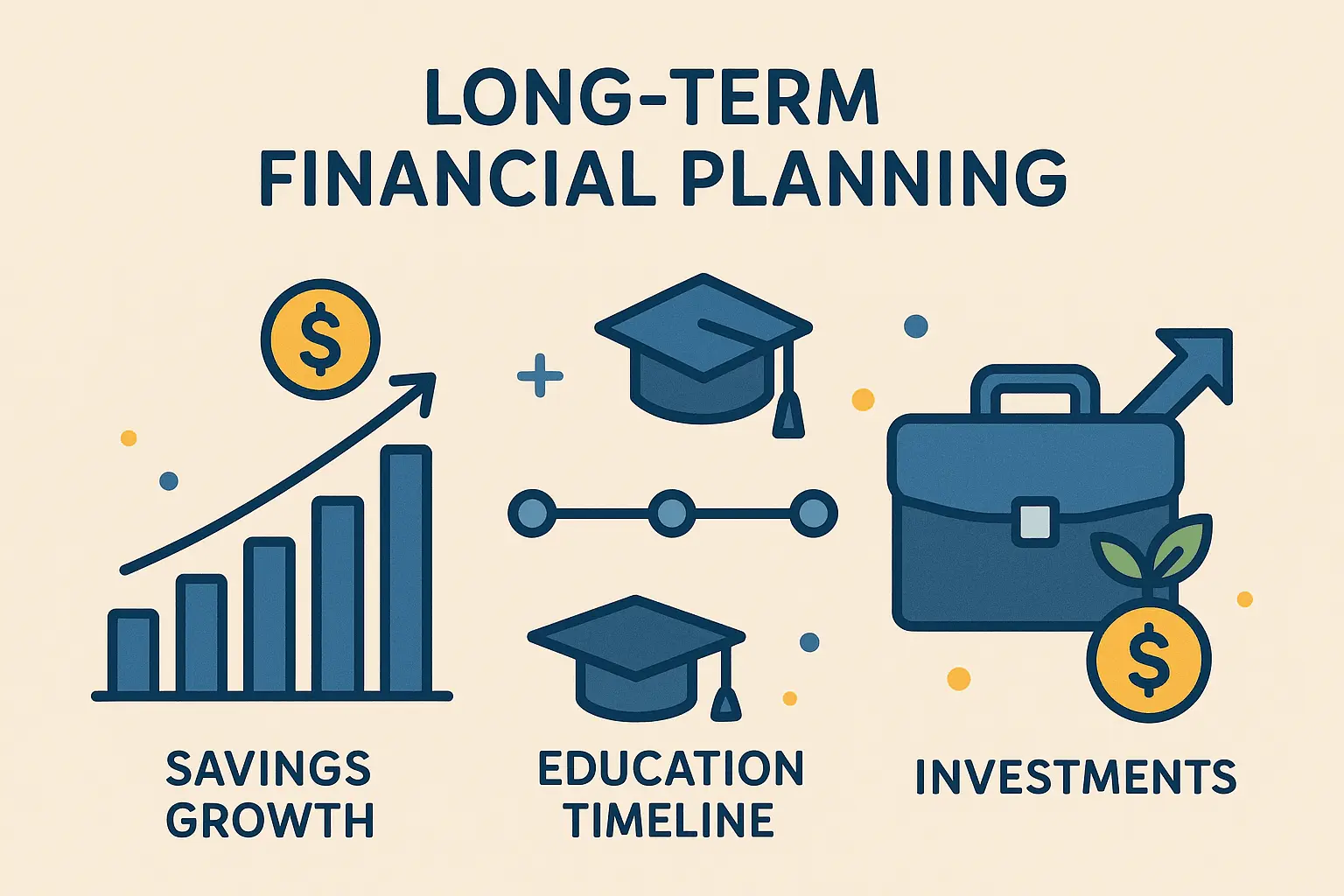
Education savings accounts like 529 plans offer tax advantages for families planning ahead. Investment growth isn't taxed when used for qualified education expenses.
Starting early maximizes the power of compound growth. Even modest monthly contributions can grow substantially over 10-15 years before college. Many states offer tax deductions for 529 contributions, providing immediate benefits while you save for future education costs.
Hot take: community college transfers are brilliant. Consider starting at a community college to complete general education requirements at lower cost, then transferring to EWU for your final two years.
Summer courses can help you graduate early, reducing your total education costs. However, make sure accelerated graduation doesn't compromise your learning or career preparation. Gap years can provide opportunities to work and save money, but they can also delay your entry into higher-earning career positions. You'll want to weigh the short-term savings against long-term opportunity costs.
Jennifer saved over $15,000 by completing her first two years at Spokane Community College before transferring to EWU. She maintained a 3.7 GPA, ensuring her credits transferred seamlessly, and used the savings to graduate debt-free while still earning her EWU degree.

EWU tuition has generally increased 3-5% annually over the past decade, which is pretty consistent with regional public universities. These increases often correlate with reductions in state funding.
Understanding these trends helps families plan for multi-year educational investments. What you pay as a freshman likely won't be what you pay as a senior. Economic factors beyond the university's control drive many tuition increases. State budget cuts, inflation, and rising operational costs all contribute to those annual adjustments.
Personally, I think the WUE program is underrated. Students from participating western states can attend EWU at reduced non-resident rates through the Western Undergraduate Exchange (WUE) program.
WUE students typically pay 150% of resident tuition rather than full out-of-state costs. This can save thousands of dollars annually while still providing access to quality education.
However, there's a catch - not all programs participate in WUE, and some have enrollment caps. Research your specific program's participation before making plans based on WUE pricing.

EWU's online programs often feature different fee structures that can offer savings on campus-related expenses while maintaining educational quality.
Online students typically pay technology fees for learning management systems and virtual support services. These fees replace some traditional campus fees but may not eliminate all additional costs.
Distance learning can reduce housing, transportation, and meal costs, potentially making your total cost of attendance lower even if tuition rates are similar.
Specialized programs designed for working professionals often carry premium pricing but provide flexible scheduling and accelerated completion options.
Weekend and evening programs accommodate work schedules but may cost more per credit hour. The convenience and career advancement potential often justify the additional expense. Certificate programs and continuing education courses operate under separate pricing structures, typically designed for employers or professionals seeking specific skills.
Professional development programs share similarities with student housing considerations, where convenience and career-focused amenities often command premium pricing but provide significant value for working professionals.
EWU operates on specific billing cycles with firm deadlines for payment. Late fees and enrollment holds result from missed deadlines, so understanding the schedule is absolutely crucial.
Registration holds prevent course enrollment, transcript releases, and graduation until outstanding balances are resolved. These holds can totally derail your academic progress if not addressed promptly. Set up automatic reminders for payment deadlines. Missing a payment deadline can cost you money in late fees and potentially mess with your ability to register for classes.

Students who withdraw or reduce course loads may be eligible for partial tuition refunds based on timing and specific circumstances.
Federal financial aid recipients who withdraw early may be required to return portions of their aid, potentially creating unexpected financial obligations. Understanding refund policies before you actually need them can help you make informed decisions about course loads and withdrawal timing if circumstances change.
Look, if you're trying to figure out how to make college work financially while not living like a hermit, we get it. That's kind of our thing at Outpost Club.
Planning for college costs requires the same strategic thinking that drives successful professionals in every field. At Outpost Club, we understand the importance of making smart long-term investments and building networks that create lasting value.
Our members appreciate quality experiences and strategic planning - the same mindset that serves students well when navigating university costs. We've built a community of professionals who understand that worthwhile investments require research, planning, and sometimes significant upfront costs for lasting benefits.
Just as students must carefully consider how much money you should save before you start renting an apartment, planning for educational expenses requires similar financial foresight and budgeting strategies.
If you're trying to balance educational investments with maintaining the lifestyle and connections that matter to you, Outpost Club offers a way to stay connected to your passions while managing major life expenses. Our flexible membership options and nationwide network can help you maintain important relationships and experiences even during financially demanding periods like college.
For students transitioning from college to professional life, understanding key financial aspects of off-campus living becomes crucial as they navigate post-graduation housing decisions and career planning.
Ready to learn how Outpost Club can fit into your long-term planning? [Contact us today] to discuss membership options that work with your educational and career goals.
Eastern Washington University tuition represents a significant but totally manageable investment in your future. Understanding the complete cost structure - from base tuition to those sneaky hidden fees - empowers you to make informed decisions and plan effectively.
The key to success lies in starting your planning early, exploring all available funding options, and understanding the true total cost of attendance. Whether you're a Washington resident benefiting from subsidized rates or an out-of-state student paying premium prices, opportunities exist to reduce your costs through scholarships, work-study programs, and strategic planning.
Remember that college costs extend way beyond tuition. Housing, meals, textbooks, and personal expenses can seriously impact your budget. However, with careful planning, creative funding strategies, and a clear understanding of EWU's policies and procedures, you can make your education financially sustainable.
The investment you make in your Eastern Washington University education will pay dividends throughout your career. Focus on maximizing the value of that investment through smart financial planning, taking advantage of available resources, and maintaining a long-term perspective on the returns your education will provide

Household supplies can be changed or decreaased at Outpost Club’s discretion, or based on supply availability. Outpost is not responsible for temporary losses of utility service. Outpost Club is not responsible for any damages due to absence of any supplies or utilities


If you have a sales related question please call
680-688-7678

 Hot Deals