Electrician Salary NYC: What You'll Actually Earn in America's Most Demanding Market
Dec 16, 2025
Dec 16, 2025
Look, I'll give it to you straight - if you're thinking about becoming an electrician in NYC, you're looking at some serious money. According to the Bureau of Labor Statistics, the average salary for Journeyman Electrician in New York City, NY is $81,950 ($44.71/hr), making it one of the most lucrative markets for electrical work in the country. But here's what the statistics don't tell you - your actual earning potential depends on understanding how this crazy city really works.
You're looking at one of the hottest markets for electrical work in the country, but don't let that fool you into thinking it's easy money. NYC's unique combination of constant construction, aging infrastructure that's falling apart, and safety requirements that'll make your head spin creates serious opportunities for electricians who know what they're doing.
The numbers look good on paper, but here's what most salary guides won't tell you: your actual paycheck depends heavily on understanding the game. It's not just about being good with your hands - you need to know which neighborhoods pay premium rates, when to chase overtime, and how to position yourself for the high-paying specializations.
Before you get too excited about these numbers, let's talk about what it actually costs to live in this crazy expensive city. Understanding the real cost of living in NYC is crucial when evaluating these salary figures. According to Stacker analysis of Payscale data, New York ranks as the 6th highest paying state for electricians with an average yearly salary of $59,100 ($28.41 hourly), with electricians seeing an $18,100 pay increase from entry to senior level.
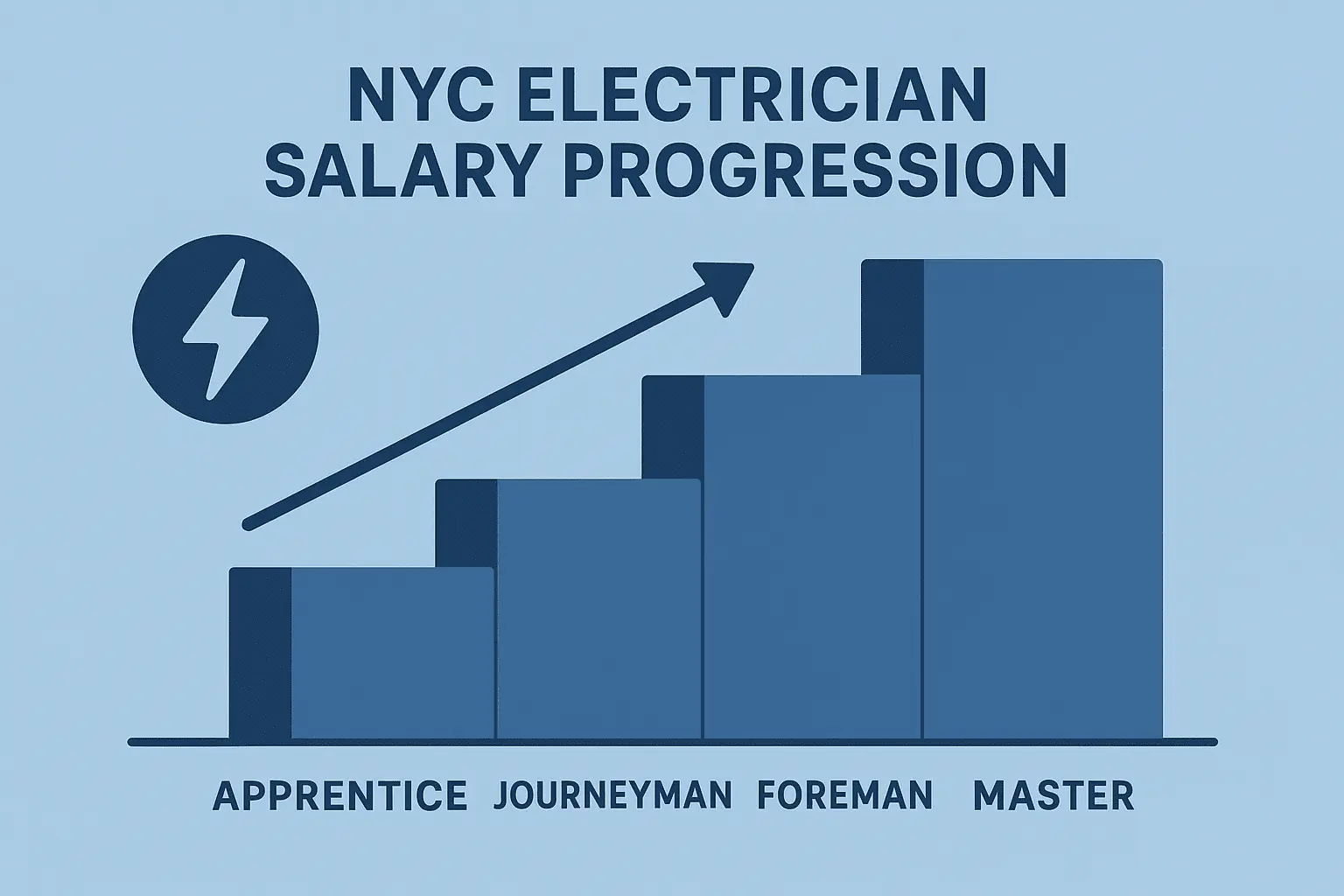
Starting out as an apprentice? You're looking at $45,000-$55,000 annually, which might sound rough for NYC, but here's the thing - you're building toward something much bigger, and you're actually earning while you learn instead of racking up student debt.
Journeyman electricians hit the sweet spot at $70,000-$95,000 annually. This is where most guys find their groove, with steady work and decent pay that actually lets you live in the city without eating ramen every night (especially if you're smart about housing and don't blow your money on Manhattan rent).
Master electricians? That's where things get interesting. We're talking $85,000-$120,000+ per year, but honestly, that's just the beginning. Once you have that master license, you're not just another worker anymore - you're qualified to run your own show, and that's where the real money is.
|
Experience Level |
Annual Salary Range |
Hourly Rate |
Key Requirements |
|
Apprentice |
$35,000 - $45,000 |
$17 - $22 |
High school diploma, enrolled in apprenticeship |
|
Entry-Level |
$45,000 - $55,000 |
$22 - $26 |
Completed apprenticeship, basic certifications |
|
Journeyman |
$70,000 - $95,000 |
$34 - $46 |
State license, 4+ years experience |
|
Master Electrician |
$85,000 - $120,000+ |
$41 - $58+ |
Master license, supervisory experience |
Local 3 IBEW isn't just a union - it's your ticket to the big leagues. Union electricians consistently out-earn non-union workers by 15-25%, and we're talking about $85,000-$110,000 annually before overtime kicks in.
But here's what's really valuable: no guessing games about what you're worth. Union wage scales are public, standardized, and non-negotiable. Your boss can't play favorites or lowball you because they're having a bad quarter. The benefits package alone is worth thousands - fully-paid family health insurance, pension contributions, and training programs that keep your skills sharp.
Now, unions aren't perfect. You'll deal with more bureaucracy, sometimes get stuck on jobs you hate, and there's definitely politics involved. But most guys I know think the trade-off is worth it for the security and higher pay. "New York is a state where trade and construction industries are dominated by unions, and these unions are a major reason why salaries are so high" according to Stacker.
Look, your paycheck isn't just about what they promise you per hour. There's a whole game to this, and the guys making real money? They've figured out how to work the system.
Here's the thing about overtime in NYC - it's everywhere if you know where to look. Time-and-a-half after 8 hours, double-time on weekends. Sounds great on paper, right? But here's what they don't tell you: you're gonna be tired. Like, really tired.
I've seen guys burn themselves out chasing that overtime money. But the smart ones? They treat it strategically. Emergency calls on Saturday morning when everyone else is sleeping in? That's $90+ an hour right there. Holiday work when your buddy's at his kid's birthday party? Ka-ching.
The trick is knowing when to say yes and when to go home. Because yeah, that extra $30K a year is nice, but not if you're too exhausted to spend it or your family stops talking to you.
Real Talk: Strategic Overtime Planning
This guy I know in Queens figured out the game early. Instead of taking every overtime shift that came his way, he focused on the high-paying weekend emergency stuff. Worked maybe 8 extra hours a week, but made sure they were the right 8 hours. Went from $78K to $115K without completely destroying his life. Smart move - he worked an average of 8 hours overtime per week, focusing on double-time weekend work that paid $92/hour compared to his regular $46/hour rate.
Commercial pays better - that's just facts. We're talking 10-20% more than residential, sometimes even higher for the big projects. The work's more complex, there's more liability, and building owners have deeper pockets.
But here's what the salary guides won't tell you: commercial work can be a grind. You're dealing with general contractors who think electricians grow on trees, impossible deadlines, and job sites that look like war zones. Plus, when a commercial job goes south, it goes really south.
Residential? Sure, the money's not as good, but you're working directly with homeowners who actually appreciate what you do. And let's be honest - there's something satisfying about fixing someone's electrical problem and seeing the relief on their face when the lights come back on.
The real play? Get good at both. Commercial experience makes you more valuable, but residential skills give you options when commercial work dries up.
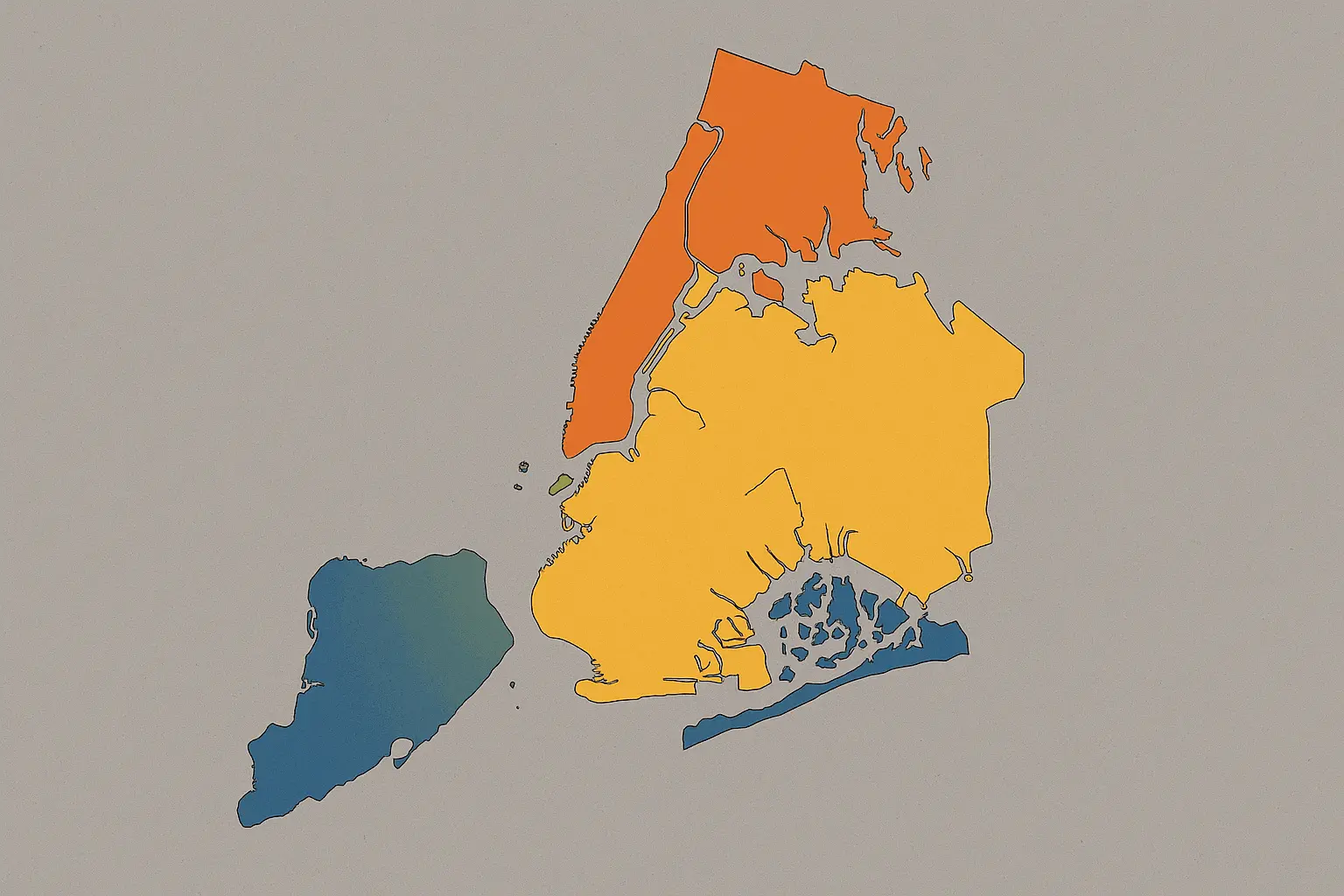
Not all NYC neighborhoods are created equal when it comes to your paycheck. Some places will pay you Manhattan rates, others... well, let's just say there's a reason the work is cheaper.
Manhattan is where the money is, but man, is it a pain in the ass to work there. $35-$55/hour sounds great until you're circling the block for 20 minutes looking for parking, or lugging your tools up 15 flights because the freight elevator is "broken again."
The clients expect perfection, the building supers act like they own the place, and everything costs twice as much. You're dealing with luxury residential buildings where a single mistake can cost you the job, and commercial developments where downtime literally costs thousands per hour.
Just don't expect it to be easy money. You'll earn every dollar dealing with cramped spaces, impossible schedules, and people who think throwing money at a problem makes it go away faster.
This is where most guys end up, and for good reason. $30-$45/hour with way less of the Manhattan headaches. You can actually park your van without getting a ticket, the job sites aren't complete chaos, and people treat you like a human being.
The work is diverse too - one day you're rewiring a brownstone in Park Slope, the next you're installing new panels in a Queens warehouse. Keeps things interesting and helps you build a broader skill set. Plus, if you live in these boroughs, your commute doesn't suck. That's worth something when you're calculating what you actually make per hour after factoring in travel time and bridge tolls.
|
Borough |
Hourly Rate Range |
Project Types |
Commute Factor |
|
Manhattan |
$35 - $55 |
High-end commercial, luxury residential |
Difficult parking, heavy traffic |
|
Brooklyn |
$32 - $48 |
Mixed residential/commercial, industrial |
Moderate commute, street parking |
|
Queens |
$30 - $45 |
Diverse project mix, airport work |
Variable commute, better parking |
|
Bronx |
$28 - $40 |
Residential focus, some commercial |
Easier commute, available parking |
|
Staten Island |
$28 - $38 |
Primarily residential, limited commercial |
Long commute to other boroughs |
Yeah, the pay is lower - $28-$40/hour - but hear me out. Less competition, easier parking, and you can actually build relationships with your clients instead of being just another contractor they'll never see again.
I know guys who've built solid businesses in these areas. They're not getting rich quick, but they're making good money with way less stress. Sometimes that's worth more than a few extra bucks an hour. The cost of living is also lower, so that $35/hour might actually go further than $45/hour in Manhattan when you factor in commute costs and daily expenses.
Your hourly rate is just part of the story. The real money is in understanding your total package and how to maximize it.
Union guys get fully-paid family health insurance. We're talking $15,000-$25,000 in value that you're not paying out of pocket. That's not small change - that's a significant chunk of your take-home pay that stays in your pocket instead of going to insurance companies.
Non-union? You're probably paying premiums, dealing with high deductibles, and crossing your fingers that nothing major happens. I've seen guys take lower-paying union jobs specifically for the health benefits, and honestly? Smart move.
When you're comparing job offers, don't just look at the hourly rate. Look at what you're actually keeping after you pay for health insurance. Sometimes that lower-paying union job ends up putting more money in your pocket.
Real Example: Total Compensation Comparison
I know this woman Sarah who was comparing two job offers - a non-union position paying $48/hour versus a union job at $44/hour. At first glance, the non-union job looked better. But after calculating the union's fully-paid family health insurance ($22,000 value), pension contributions (8% of salary), and paid training opportunities, the union position's total compensation exceeded the non-union offer by $18,000 annually.
Here's something most young electricians don't think about until it 's almost too late - you can't swing a hammer forever. Your knees will give out, your back will start complaining, and crawling through tight spaces won't be fun anymore.
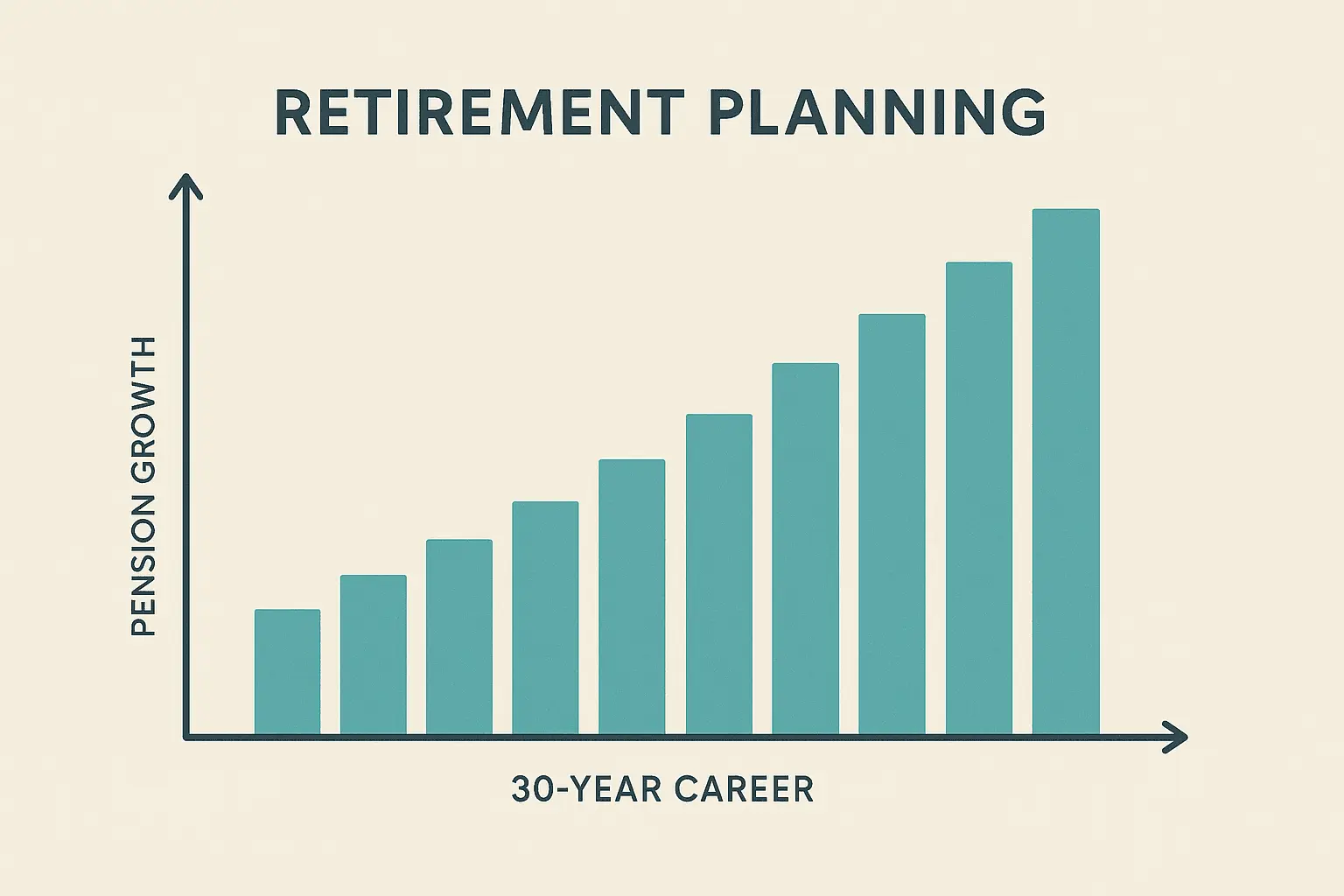
Union pension plans are becoming rare everywhere else, but they're still alive in NYC electrical work. Defined benefit pensions plus 401(k) matching - we're talking retirement contributions over 10% of your salary.
That pension isn't just nice to have; it's your ticket to actually retiring instead of working until you drop. While other guys are scrambling to save enough, union electricians are building guaranteed income. Start early, stick with it, and let compound interest do its magic.
Career advancement isn't just about putting in your time. It's about being strategic, learning the right skills, and positioning yourself for the next level.
Four years as an apprentice feels like forever when you're starting out. You're making $35K while your buddies who went to college are already pulling down decent money. But here's the thing - you're earning while you learn, and they're probably drowning in student loans.
The apprenticeship isn't just about time served. Every project teaches you something new. Every experienced electrician you work with becomes a potential mentor or reference. The connections you make during these four years will serve you throughout your career.
And honestly? The jump from apprentice to journeyman is significant. We're talking about going from $35K to $70K+ overnight. That's real money, and it's just the beginning.
According to the Bureau of Labor Statistics, apprentice electricians typically earn between $30,000 and $40,000 annually, with significant salary jumps as they complete their training and become licensed.
Skills You'll Actually Use:
Master electrician status changes everything. You're not just another pair of hands - you can run jobs, supervise other electricians, and most importantly, start your own business.
The licensing requirements are no joke. Years of experience, comprehensive exams, continuing education. But the payoff is substantial - we're talking potential earnings of $150K+ through business ownership, and that's just the beginning.
Even if you don't start your own company right away, master electrician status opens doors. Project management positions, consulting opportunities, teaching gigs - options that simply don't exist for journeyman electricians.
Generic electrical skills will keep you employed, but specializations are where you'll find the real money. The trick is picking the right specialty and committing to really learning it.
Industrial electrical work pays $40-$60/hour because most electricians are scared of it. Complex manufacturing equipment, automation systems, high-voltage installations - it's not for everyone.
The learning curve is steep, and the safety requirements are intense. One mistake in an industrial setting can kill you or shut down an entire production line. But that's exactly why it pays so well. Companies need electricians who can diagnose problems quickly and implement reliable solutions.
It's not glamorous work. You'll be dealing with dirty, noisy environments and equipment that's older than you are. But if you can handle it, the money is excellent and the work is steady. Industrial clients pay premium rates because downtime costs them thousands per hour.
Solar installation and smart grid work command 15-25% premiums, and honestly, it's about time. This stuff is complicated, the technology changes constantly, and there's real liability involved.
NYC's commitment to carbon neutrality by 2050 means this demand is only growing. The certification requirements are specific, and you'll need to keep up with evolving technology. But you're positioning yourself in a growth market instead of competing with every other electrician in traditional work.
Battery storage systems, EV charging infrastructure, building automation - this isn't niche anymore. It's becoming standard, and the guys who get in early are making bank.
Real Success Story
This guy Carlos I know was doing regular residential work, making decent money but nothing special. Decided to get certified in solar installation, spent six months learning the ins and outs. After completing a 6-month certification program, he increased his hourly rate from $38 to $52/hour. Now he's pulling in $108,000 a year working exclusively on solar projects in Brooklyn and Queens, compared to his previous $79,000 in general electrical work. The work is cleaner, the clients are motivated, and the money is definitely there.
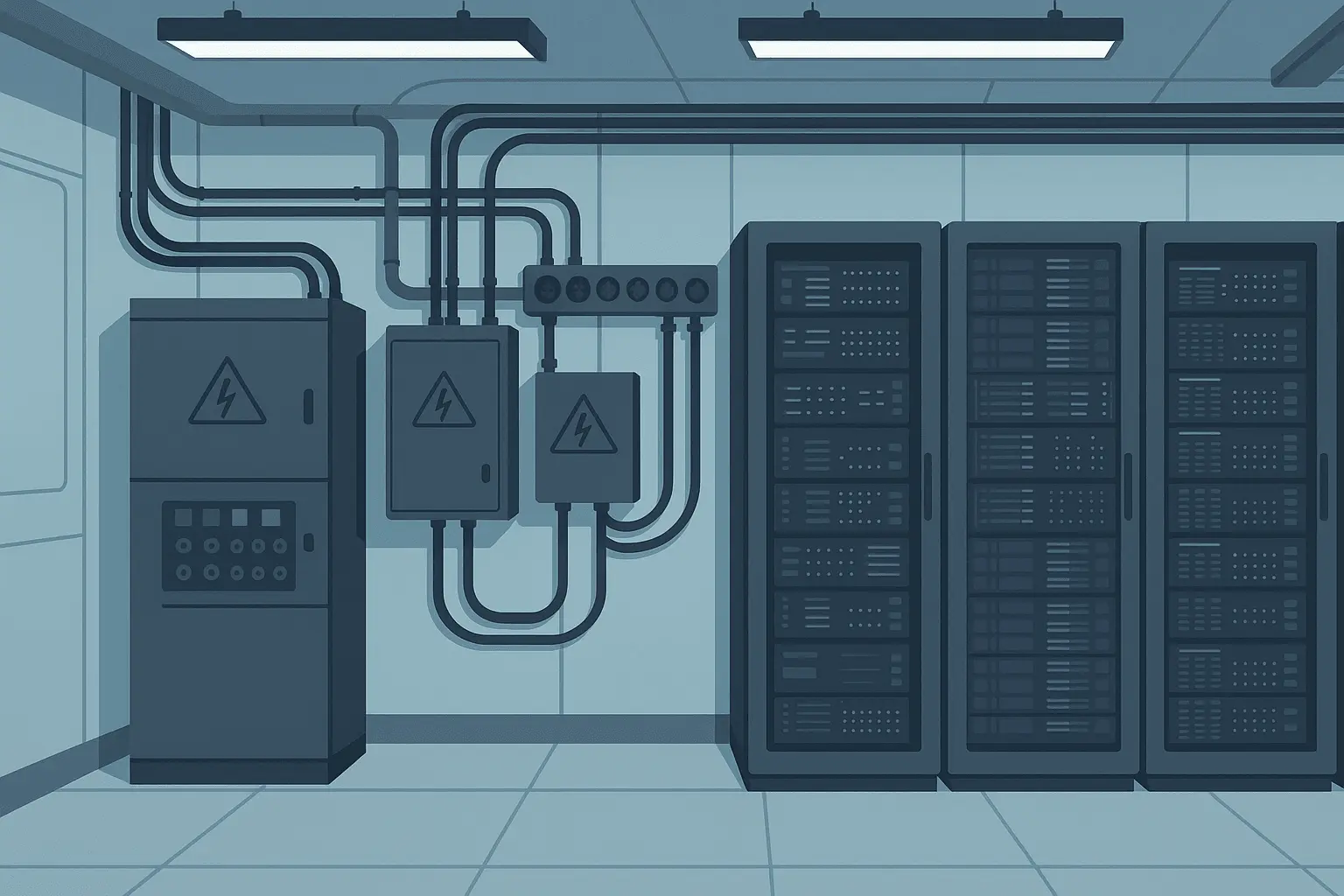
Data center work is where electrical meets big tech money. These facilities can't afford downtime, so they pay premium rates for electricians who understand critical power systems.
You're dealing with redundant power systems, massive UPS installations, and monitoring systems that most electricians have never seen. The learning curve is significant, but so is the earning potential.
Emergency response is crucial here. When a data center has power issues, they need someone who can respond immediately. That availability premium adds substantially to your annual income, but it also means your phone might ring at 3 AM on Christmas. The pressure is real - one mistake and you're taking down someone's entire server farm. The pay reflects that pressure.
Understanding what drives demand helps you position yourself for maximum earning potential. It's not just about being good at your job - it's about being in the right place when demand spikes.
NYC's construction industry is insane right now. New residential towers, commercial developments, infrastructure projects - there's more work than qualified electricians to do it.
This isn't just new construction either. The city's aging infrastructure needs constant electrical updates. Buildings built in the 1960s are getting complete electrical overhauls to meet modern codes and efficiency standards. Even during economic downturns, essential services and infrastructure projects continue. The green building movement is creating additional demand for specialized electrical work that pays premium rates.
The subway system alone represents billions in electrical work. Signal systems, power distribution, station upgrades - all requiring specialized expertise that pays well above standard rates.
Building retrofits for energy efficiency create another revenue stream. Older buildings need electrical system upgrades to meet modern codes and efficiency standards - work that often pays premium rates due to complexity. Smart city initiatives are just getting started. Traffic management systems, public WiFi networks, IoT sensor installations - all requiring electrical work that didn't exist ten years ago.
The "Bureau of Labor Statistics ranks the New York-Newark-Jersey City area as the metropolitan area with the highest employment level in the nation for plumbers, HVAC technicians, and electricians" according to Stacker, demonstrating the sustained market demand.

You don't need to wait years to increase your income. There are immediate steps you can take to boost your earning potential starting this week.
Research current market rates before any salary discussion, but don't just quote numbers. Document everything you bring to the table: completed projects, safety record, additional responsibilities you've taken on.
Union wage scales are public information - use them as benchmarks even if you're non-union. Your boss might not remember that complex installation you completed ahead of schedule, but your documentation will. Timing matters too - don't ask for a raise right after a mistake or during slow periods.
Wait for project completions, positive feedback, or when you've clearly demonstrated additional value. And be prepared to walk away if they won't meet your reasonable expectations.
Negotiation Preparation Checklist:
Weekend service calls can add serious money to your annual income. Homeowners pay premium rates for weekend electrical work - we're talking $75-$125/hour for basic residential services.
But be smart about it. Check your employment agreement for restrictions on side work, make sure you're properly licensed and insured, and don't let side jobs interfere with your day job.
Permit expediting is something most electricians overlook. Helping contractors navigate NYC's complex permitting process pays well and builds valuable industry relationships. Electrical inspection consulting for real estate transactions provides steady supplemental income too.
According to SkillCat analysis, residential electricians charge between $50 and $100 per hour, with more complex electrical jobs commanding higher rates, making weekend side work financially attractive.
Business ownership represents the ultimate earning potential. Successful NYC electrical contractors earn $200K-$500K+ annually, but it requires careful planning and business skills most electricians don't have.
Start building your foundation while you're still employed. Develop client relationships, understand permitting processes, and build a reputation for quality work and reliability.
Teaching opportunities provide additional income streams. Trade schools and apprenticeship programs need experienced instructors, and teaching keeps you connected to industry developments while providing steady supplemental income.

The electrical industry is changing fast. Staying relevant means understanding where technology is heading and developing skills before everyone else catches on.
Smart building systems aren't coming - they're here. IoT sensors, automated lighting, integrated security systems - buildings are becoming sophisticated technology platforms, and they need electricians who understand these systems.
You're not just installing electrical systems anymore; you're integrating technology platforms. The learning curve is continuous, but so is the earning potential. Buildings that invest in smart systems pay premium rates for electricians who can install, maintain, and troubleshoot integrated platforms.
Building automation specialists command premium rates because the technology is complex and constantly evolving. Safety requirements are more stringent, but the compensation reflects these demands.
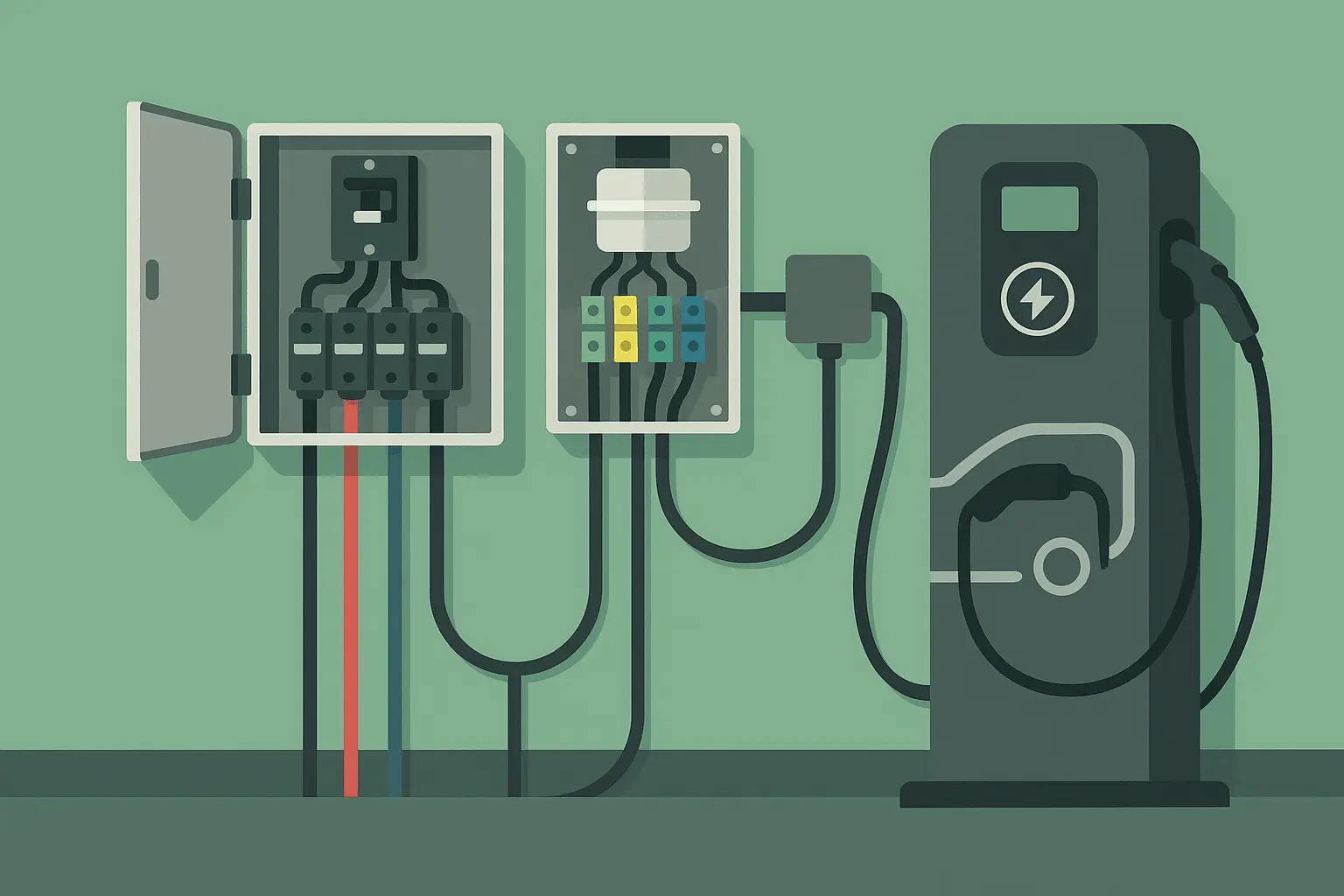
EV charging infrastructure is exploding in NYC. Residential charging stations, commercial fast-charging networks, fleet charging facilities - all needing specialized installation and maintenance.
The certification requirements are specific, but the market is growing faster than qualified electricians can meet demand. Early adopters are commanding premium rates because the supply of qualified installers is limited.
This isn't just about installing charging stations. It's about understanding power management, grid integration, and smart charging systems. The complexity drives higher compensation rates.
The numbers are clear: demand for electricians will continue growing through 2030 and beyond. Aging workforce, infrastructure modernization, and green energy transitions all drive this demand.
As experienced electricians retire, advancement opportunities accelerate for younger professionals willing to develop specialized skills. NYC's carbon neutrality commitment by 2050 means decades of electrical work related to building electrification, renewable energy integration, and energy efficiency improvements.
Workforce replacement alone creates opportunities. Infrastructure modernization isn't a short-term trend - we're talking about decades of work modernizing the city's electrical systems.
After building a successful electrical career in NYC and mastering this demanding market, you deserve experiences that match your professional achievement. The Outpost Club provides exactly that - an invitation-only golf society designed for professionals who understand excellence and craftsmanship.
Our members include successful tradespeople, contractors, and business owners who've built careers through dedication and skill development. The same attention to detail that drives electrical excellence translates perfectly to golf's strategic demands and precision requirements.
Whether you're a master electrician running your own contracting business or a specialized technician commanding premium rates, The Outpost Club offers access to architecturally significant courses nationwide and networking opportunities with professionals who share your commitment to quality work.
For electricians seeking affordable housing options that maximize their earning potential, exploring communal living spaces in NYC can provide both cost savings and professional networking opportunities. Ready to connect with fellow professionals who understand the journey from apprentice to master craftsman? Explore membership opportunities and discover how The Outpost Club can enhance your professional and personal life.
NYC's electrical market offers exceptional earning potential, but it's not easy money. Success requires technical skills, business sense, and the ability to navigate a complex, demanding market where one mistake can cost you big.
From entry-level positions starting around $45K to master electricians earning $120K+, the progression path is clear but not guaranteed. You'll need to make strategic decisions about specialization, geographic focus, and career development. Union membership, overtime opportunities, and specialized certifications can significantly impact your total compensation package.
The future looks bright for electrical professionals willing to adapt and grow. Infrastructure modernization, green energy transitions, and technology integration create sustained demand for skilled electricians. Those who position themselves in growing specializations while building strong professional networks will find the greatest success.
Your electrical career in NYC isn't just about earning a paycheck - it's about building expertise, developing relationships, and creating opportunities for long-term success. The market rewards excellence, but you have to be excellent first. The money is there, but you'll earn every dollar dealing with this city's unique challenges and demands.

Household supplies can be changed or decreaased at Outpost Club’s discretion, or based on supply availability. Outpost is not responsible for temporary losses of utility service. Outpost Club is not responsible for any damages due to absence of any supplies or utilities


If you have a sales related question please call
680-688-7678

 Hot Deals