EMT Salary NYC: What You'll Actually Earn (And Why It Matters More Than You Think)
Dec 12, 2025
Dec 12, 2025
So you're thinking about becoming an EMT in NYC? Let me be straight with you - the money situation is complicated, and most people don't tell you the whole story.
Look, overall employment of EMTs and paramedics is projected to grow 5 percent from 2024 to 2034, faster than the average for all occupations according to the Bureau of Labor Statistics. That sounds promising, right? But here's what I've learned after talking to dozens of EMTs: if you don't understand how EMT pay really works in this city, you're going to get burned.
The reality? There's way more to it than your starting wage. Way more.
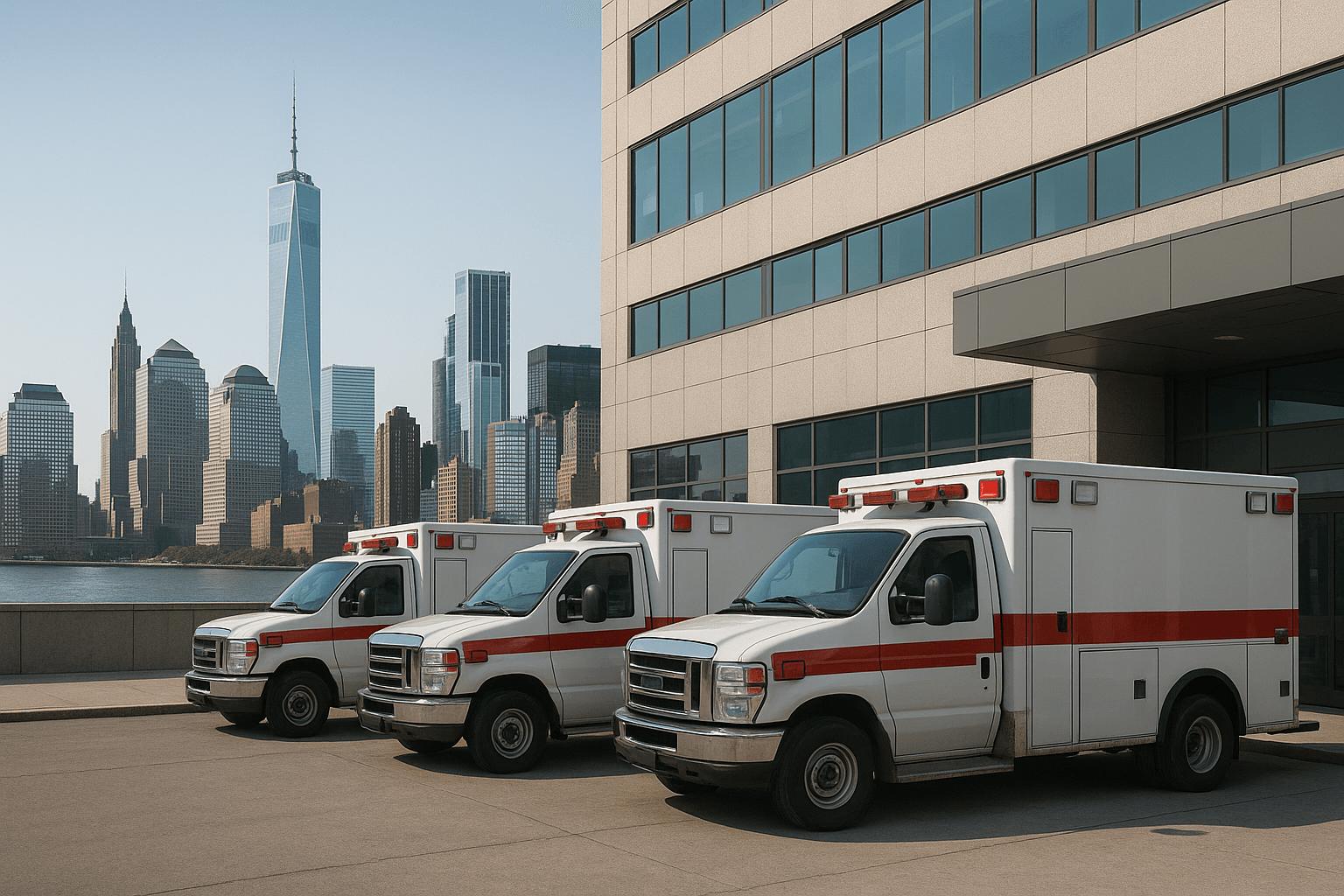
Breaking into EMS in New York City? Here's the deal - where you work makes or breaks your paycheck. FDNY jobs are the gold standard, but good luck getting through their marathon hiring process. Private companies will hire you tomorrow, but you'll feel it in your wallet.
Look, I've seen too many new EMTs get blindsided by the pay reality. That recent labor dispute wasn't just noise - starting pay for EMTs and paramedics — whose primary responsibility is to render immediate medical assistance to New Yorkers in need and rush them to a local hospital — is under $40,000 and rises only to a shade under $60,000 after five years of service according to AM New York Metro. Meanwhile, delivery drivers are making more per hour. Let that sink in.
The thing is, not all EMT jobs are created equal. Municipal, private, hospital-based - they're completely different animals when it comes to your bank account.
Alright, let's cut through the BS and talk real numbers. Your first EMT paycheck depends entirely on who signs it, and the differences are huge.
Here's something nobody tells you - housing costs will eat you alive if you're not careful. I know EMTs commuting two hours each way just to afford rent. Smart ones figure out the affordable neighborhoods in NYC early and save themselves thousands.
|
Employer Type |
Starting Salary |
Top Pay (5 Years) |
Benefits Package |
Hiring Timeline |
|
FDNY EMS |
$47,000-$52,000 |
$65,000-$70,000 |
Comprehensive |
6-12 months |
|
Private Companies |
$35,000-$42,000 |
$45,000-$55,000 |
Basic to Moderate |
2-6 weeks |
|
Hospital Systems |
$38,000-$45,000 |
$52,000-$62,000 |
Good + Education Benefits |
1-3 months |
FDNY is where you want to end up, no question. Starting around $50K with real benefits and job security that private companies can't touch. The pay bumps are automatic - none of this "we'll see how the company does this year" garbage.
But here's the catch - their hiring process is brutal. We're talking 6-12 months of waiting, testing, background checks, medical exams. Can you survive that long without income? Because that's the real question.
The EMTs I know who made it through FDNY hiring all say the same thing: "Best decision I ever made, but I almost gave up three times during the process."
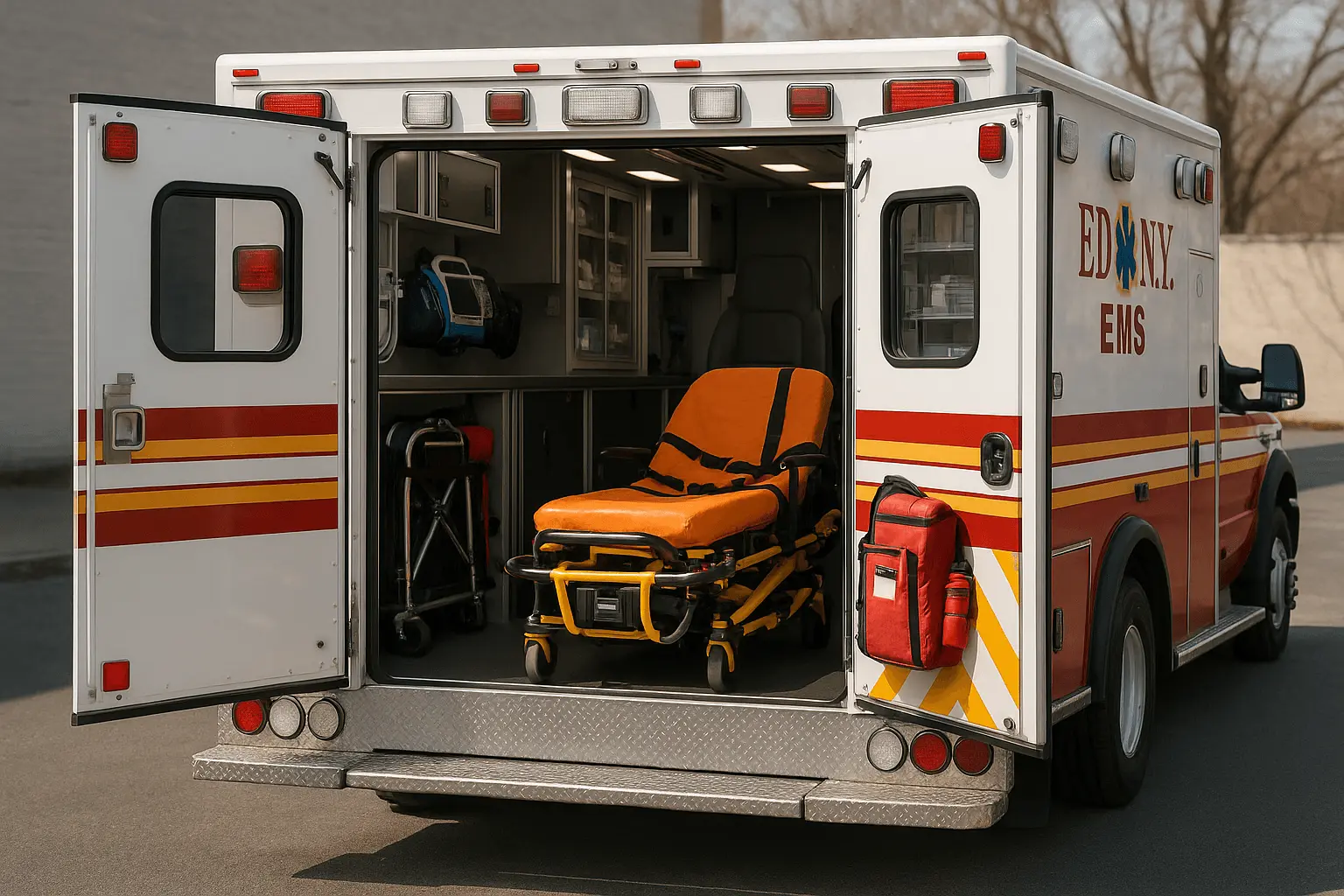
Private companies move fast because they have to. High turnover means they're always hiring. You could literally be working next week.
The downside? You're looking at $35K-$42K to start, and the benefits are... well, they exist. Technically. The scheduling can be more flexible though, which matters if you're juggling school or another job.
I know EMTs who use private companies as a stepping stone - get experience, make connections, then jump to FDNY when a spot opens up. It's not a bad strategy if you can handle the pay cut.
Hospital gigs split the difference. Better pay than private, faster hiring than FDNY, and here's the kicker - they actually want you to advance your career.
Take Sarah at Mount Sinai. Started at $42K as an EMT, hospital paid 75% of nursing school, guaranteed her an RN spot when she graduated. Three years later she's making $78K as a nurse. That's how you play the long game.
Here's what they don't tell you in EMT school - your base salary is just the starting point. The real money is in overtime, and there's plenty of it.
The demanding nature becomes clear when you realize that most EMTs and paramedics work full time, and some work more than 40 hours per week according to the Bureau of Labor Statistics. Time-and-a-half can add $15K-$25K to your annual take-home. That $50K base salary? With regular OT, you're looking at $65K-$75K. Suddenly the math starts working.
FDNY runs on both mandatory and voluntary overtime. Yeah, sometimes you have to stay, but there's usually enough volunteers that you're not getting stuck every week.
The voluntary shifts are where you make bank. Need extra cash for vacation? Pick up a Saturday shift. Want to pay down student loans faster? Work some holidays at double-time.
Concert at MSG? Yankees game? City marathon? EMTs are there providing medical coverage, and it pays well. $25-$40/hour to basically hang out and hope nobody gets hurt too badly.
It's not guaranteed work, but in NYC there's always something happening. I know EMTs who fund their entire vacation budget just working summer concerts in Central Park.
The real value isn't just your paycheck - it's what you don't have to pay for. FDNY health coverage is worth $15K-$20K annually if you had to buy it yourself. In NYC, that matters.
Comprehensive medical, dental, vision - the works. Ever been to an ER in Manhattan? That'll cost you $3K just to walk in the door. Having real insurance isn't just nice to have, it's financial survival.
Forget 401Ks and hoping the market doesn't crash right before you retire. NYC pension systems provide guaranteed monthly payments based on your service time. Work 20-25 years, get a real pension. It's old school, but it works.
Generous PTO that actually accrues. Sick time that doesn't disappear. In a job where you're constantly exposed to every virus in the city, paid sick leave isn't a luxury - it's essential.
EMT isn't a dead-end job if you play it smart. There are real paths to better money and less physical wear on your body.

FDNY gives you 3-5% raises every year like clockwork. No begging, no performance reviews, no "we'll see how the budget looks." Your $50K starting salary becomes $65K-$70K in five years just by showing up and doing your job.
These increases aren't dependent on your supervisor liking you or the company having a good year - they're built into the system. You know exactly what you'll make next year and the year after. Try finding that anywhere else.
Want to see a real salary jump? Become a paramedic. We're talking $65K-$85K base salary - nearly double what EMTs make. Add overtime and many paramedics clear six figures.
Marcus started as an FDNY EMT making $48K. After paramedic training, he jumped to $68K base. With his regular OT shifts, he's pulling down $95K now. That's life-changing money.
The jump isn't just about money though. Paramedics handle more complex medical situations, use advanced equipment, and often run the show on emergency calls. More responsibility, way better pay.
The training is intense - 12-24 months of school costing $10K-$15K. But the salary bump pays for itself in the first year, and you're building skills that open doors throughout healthcare.
Many programs offer night and weekend classes designed for working EMTs. Yeah, it's tough juggling work and school, but the payoff is real.
Sergeant and Lieutenant positions add $10K-$20K to your base salary while giving you management experience. Even if you eventually leave EMS, that leadership background is valuable anywhere you go.
These roles involve supervising other EMTs, managing resources, and coordinating with other emergency services. The skills you develop become valuable whether you stay in EMS or move on.
Here's where things get real. NYC is expensive, and EMT salaries feel it hard.
A $50K salary sounds decent until you start apartment hunting. One-bedroom apartments run $2,500-$3,500/month. That's $30K-$42K annually just for housing. Do the math - it's brutal.
The financial strain becomes more apparent when you consider that the City Council passed a bill increasing the hourly wage for app-based delivery workers to $21.44 per hour — a 13% higher rate than the $18.94 per hour wage an NYC EMT/paramedic earns according to AM New York Metro. Yeah, delivery drivers are making more than people saving lives.
Most EMTs I know live in Queens, Brooklyn, or commute from Jersey. Manhattan is a fantasy on EMT salary. Even a studio in a decent neighborhood will wreck your budget.
Understanding the real cost of living in NYC becomes essential because the hidden expenses will blindside you if you're not prepared.
|
Living Expense Category |
Monthly Cost Range |
Annual Impact |
% of $50K Salary |
|
Housing (1BR Apartment) |
$2,500-$3,500 |
$30,000-$42,000 |
60-84% |
|
Transportation |
$127-$500 |
$1,524-$6,000 |
3-12% |
|
Food & Groceries |
$400-$600 |
$4,800-$7,200 |
10-14% |
|
Utilities & Phone |
$150-$250 |
$1,800-$3,000 |
4-6% |
|
Total Basic Living |
$3,177-$4,850 |
$38,124-$58,200 |
76-116% |
Yeah, you read that right. Basic living expenses can exceed your entire gross salary.
The smart ones figure out the commute game early. Yeah, it sucks spending 90 minutes on the subway, but saving $1,000/month on rent makes it worth it.
Drive to work? Parking in Manhattan runs $300-$500/month. Take the subway? That's $127/month, plus whatever it costs to get to the subway from your affordable neighborhood in the outer boroughs.
Daily expenses hit different in NYC too. That $8 lunch from your hometown? $15 in Manhattan. Seems small until you realize it's adding thousands to your annual expenses.
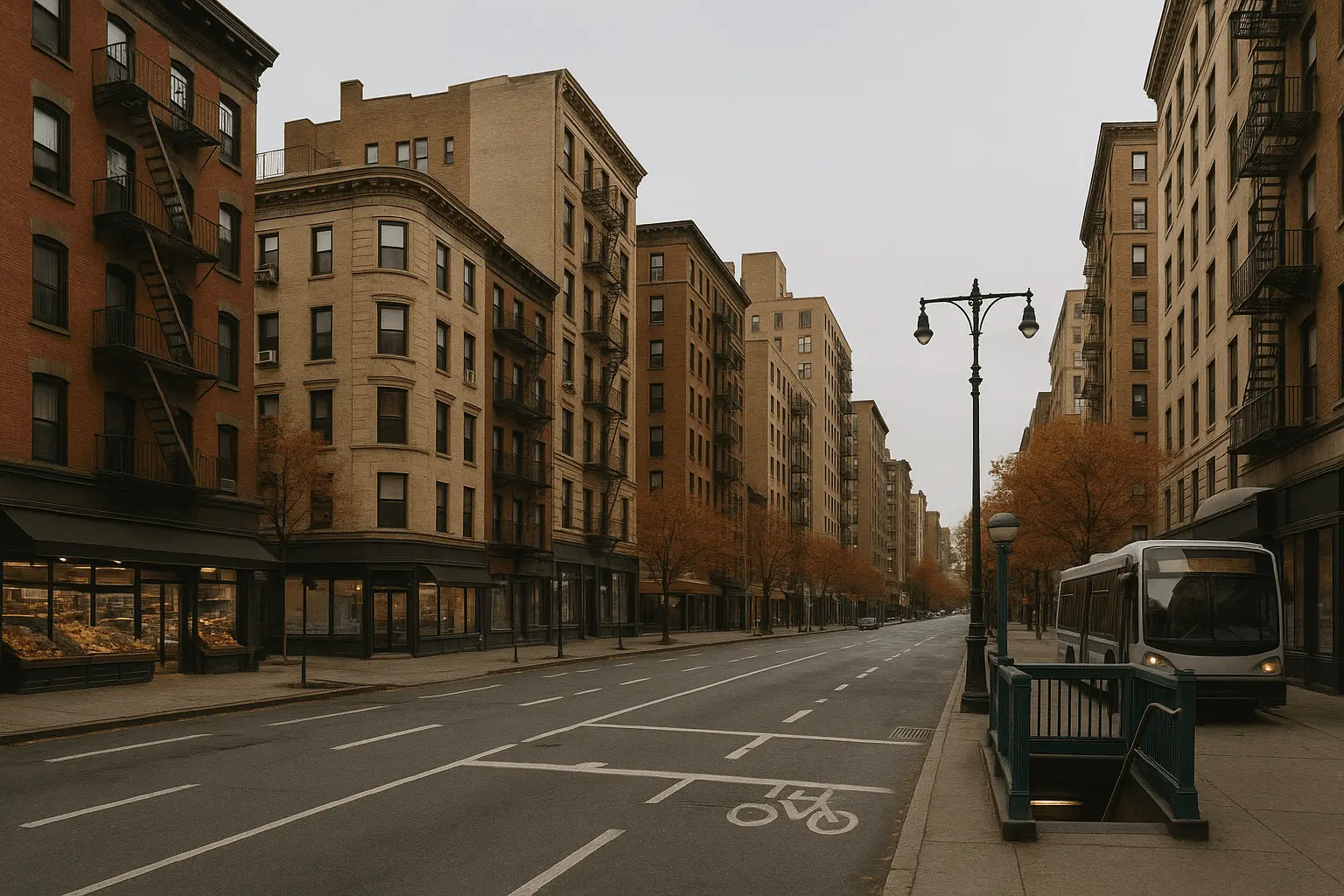
Here's the kicker - Long Island and Westchester EMTs often make similar money with way lower living costs. New Jersey pays competitively too, and you can actually afford a decent place to live.
Many experienced EMTs eventually migrate to surrounding areas for better work-life balance. Similar pay, lower costs, shorter commutes to work instead of longer commutes to affordable housing.
David worked FDNY for three years making $55K with OT. Moved to suburban Jersey making $52K base. Lost $3K in salary but saved $16,800/year on housing. Sometimes the math says leave.
Nationally, NYC EMT salaries beat most markets by 15-25%. But that premium doesn't always make up for the cost of living difference.
The career outlook remains solid though. About 19,000 openings for EMTs and paramedics projected each year, on average, over the decade according to the Bureau of Labor Statistics. Job security is real, and you've got options if you want to relocate.
The real value lies in opportunities. NYC's huge healthcare system and educational institutions create advancement paths that smaller markets can't match.
EMT work will beat up your body. Plan for that reality from day one.
EMTs planning ahead should consider how affordable student housing NYC options can help while pursuing additional certifications or healthcare education to advance their careers.

EMT training is 120-150 hours of coursework plus passing the National Registry exam. Sounds simple, but the FDNY hiring process after that is a marathon.
Your EMT Checklist:
FDNY hiring takes 6-12 months minimum. Written exams, physical tests, medical exams, background investigation - it's thorough and slow. Start early.
The process tests everything - your medical knowledge, physical fitness, mental stability, and patience. Many good candidates drop out just because they can't handle the waiting.
Starting your application while you're still in EMT school makes sense. By the time you're certified, you might actually be moving through their system.

Most EMTs can't do this job until retirement age. Your back, knees, and sanity have limits. Plan your exit strategy while you're still healthy enough to execute it.
EMT work destroys bodies. Line-of-duty disability through FDNY covers work injuries, but you need private coverage for everything else. Trust me on this one.
I've seen too many EMTs get hurt off-duty and have no income protection. A torn ACL from weekend basketball can end your career if you can't afford the recovery time.
Your EMT experience opens doors. Nursing programs love EMT backgrounds. Physician assistant programs too. Fire department positions pay better and last longer.
The smart EMTs use their experience as a stepping stone, not a destination. Build skills, make connections, and have a plan for what's next.
Firefighter positions start at $55K-$75K and go up from there. You're already familiar with FDNY culture, so the transition makes sense for many EMTs.
The transition to firefighter adds fire suppression and rescue skills to your medical background. Better pay, better career longevity, and often better work-life balance.
Nursing in NYC pays $70K-$90K+. Your EMT experience gives you a huge advantage in nursing programs - you already understand patient care and medical emergencies.
Physician assistant programs are another option. PAs in NYC make $100K-$130K+, making the educational investment worthwhile for motivated EMTs.
Many EMTs pursuing healthcare transitions find that understanding how much does it cost to live in NYC helps them budget during school while maintaining financial stability.
The education costs money and time, but the ROI is real. Many employers offer tuition assistance - use it.
FDNY offers educational benefits, and many hospitals provide tuition reimbursement for employees pursuing nursing or other healthcare degrees.
Community colleges throughout NYC offer evening and weekend programs designed for working EMTs. Online components provide flexibility for busy schedules.
EMT work is brutal on your mental health. Irregular schedules, life-or-death decisions, dealing with people on their worst days - you need ways to decompress that don't involve drinking alone in your overpriced studio apartment.
For EMTs looking to make the most of limited downtime, exploring communal living spaces in NYC can provide both affordable housing solutions and built-in communities that understand high-stress careers.
Outpost Club gets it. Flexible membership that works with crazy EMT schedules. Events when you're free, not when some corporate calendar says you should be. Plus you'll meet other people who understand high-stress careers.
The networking isn't just social either. Healthcare workers, public safety, other EMTs - connections that might help when you're ready to make your next career move.
Ready to find some balance after those brutal shifts? Join Outpost Club today and discover how the right community can help you recharge and plan your next move.
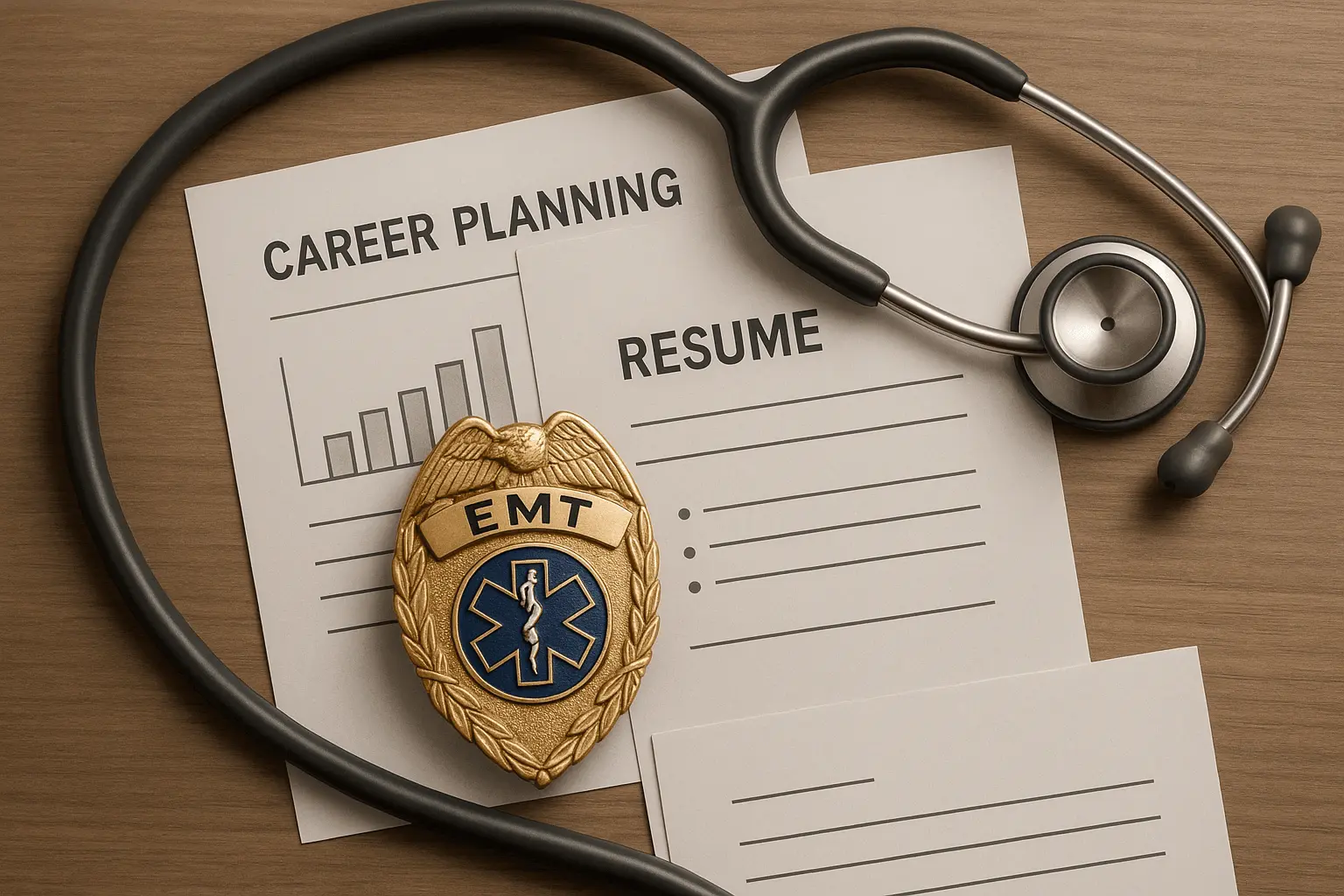
EMT work in NYC is tough financially, but it's doable if you're smart about it. The starting salary sucks, but overtime opportunities and advancement paths can make it work.
The key is thinking long-term. Use EMT as your entry into healthcare, plan for career transitions, and don't let the job destroy your body before you have an exit strategy.
Taking advantage of NYC's opportunities becomes crucial. EMTs considering long-term housing needs should explore coliving in Brooklyn options, which provide affordable, flexible housing solutions that adapt to changing career circumstances and income levels.
Is it worth it? Depends what you value. The work matters, the experience is valuable, and there are paths to better money. Just go in with your eyes open about what you're signing up for.
Bottom line: You can make it work, but you need to be smart about it. The job is tough, the pay is complicated, but the work matters. Plan ahead, stay flexible, and remember - this doesn't have to be your final destination.

Household supplies can be changed or decreaased at Outpost Club’s discretion, or based on supply availability. Outpost is not responsible for temporary losses of utility service. Outpost Club is not responsible for any damages due to absence of any supplies or utilities


If you have a sales related question please call
680-688-7678

 Hot Deals