Graphic Designer Salary NYC: The Real Numbers Behind Creative Careers in America's Most Expensive City
Jan 7, 2026
Jan 7, 2026
Let's be honest - being a graphic designer in NYC is tough, but it can also be incredibly rewarding. According to the Bureau of Labor Statistics, graphic designers work to "design or create graphics to meet specific commercial or promotional needs, such as packaging, displays, or logos," using a variety of mediums to achieve artistic effects. But what they don't tell you is that in NYC's fast-paced environment, you're not just competing with other designers - you're competing with the city's insane cost of living while trying to build a career that actually pays the bills.
Look, I'm not going to sugarcoat this - the NYC design market in 2024 is wild. Between companies still figuring out remote work and everyone trying to do more with less budget, it's been a rollercoaster. But here's what's actually happening with salaries right now.
These aren't the inflated numbers you see on Glassdoor that make you feel terrible about your paycheck. This is what designers are really making, based on conversations I've had with dozens of people in the industry.
|
Experience Level |
What You'll Actually Make |
What You'll Be Doing |
Real Talk on Growth |
|
Just Starting Out (0-2 years) |
$45,000-$55,000 |
Lots of file prep, fixing other people's mistakes |
You'll jump fast if you're good |
|
Getting Your Groove (3-7 years) |
$60,000-$85,000 |
Actually designing, dealing with clients (yay?) |
This is where things get interesting |
|
You Know What You're Doing (8+ years) |
$90,000-$130,000+ |
Managing people, putting out fires, strategy stuff |
The money's good but so is the stress |
|
Running the Show |
$120,000-$200,000+ |
Meetings about meetings, P&L responsibility |
You've made it, but at what cost? |
Fresh out of school or switching careers? You're looking at $45K-$55K to start. I know, I know - that sounds rough when your studio apartment costs $2,800 a month. But here's the thing: your portfolio matters way more than where you went to school.
I've seen kids from community colleges land better gigs than Parsons grads because their work was just... better. Don't get hung up on the pedigree thing.
Companies know they're not paying you enough to live comfortably, so they'll throw in perks. Health insurance (thank god), maybe some money for courses, flexible work arrangements. Sarah, a recent Parsons graduate I know, started at a Midtown agency at $48,000 but negotiated a $2,000 professional development budget and flexible Friday work-from-home arrangement. Smart move - she basically turned her total compensation into something closer to $52,000 when you factor in not having to deal with the subway chaos one day a week.
The first two years are about learning everything you can and building relationships. The money will come, but you've got to pay your dues first. Sorry, that's just how it works.
Once you've got a few years under your belt, you're in the $60K-$85K range. This is where things get fun because you're actually designing instead of just executing other people's ideas.
Here's what nobody tells you: client management skills are worth their weight in gold. If you can handle difficult clients without having a breakdown, you become invaluable. I've seen designers get promoted just because they could deal with that one impossible client everyone else avoided.
A lot of people at this level start freelancing on the side. It's tempting - an extra $1,000-$2,000 a month can make a huge difference in your quality of life. Just don't burn yourself out trying to do everything. Trust me, I've watched too many talented designers crash and burn trying to juggle a full-time job and three freelance projects.
Eight-plus years in, you're making real money - $90K-$130K+. But you're also responsible for everything going wrong. Fun times.
At this level, you're not just making pretty things anymore. You're thinking about brand strategy, managing teams, dealing with budgets. Some days you'll miss just being able to put your headphones on and design without worrying about whether the junior designer remembered to send the files to the client.
The equity thing is real, especially at startups. I know designers who made six figures when their company got acquired. I also know designers who have worthless stock certificates from companies that went nowhere. It's a gamble, but sometimes it pays off big. Just don't count on it to pay your rent.
Alright, let's talk about where you actually want to work if you care about your bank account. Spoiler alert: it's not always where you think.
Tech companies throw money at designers like it's confetti. We're talking 15-25% more than agencies, plus equity that might actually be worth something. And yes, the snacks are actually that good.
But here's the catch - you need to be comfortable with chaos. One day you're designing an app interface, the next you're creating slides for a board meeting about why the logo needs to be "more disruptive." The pace is insane, but the learning curve is steep in a good way.
I have friends who've made more from stock options than their actual salary. I also have friends whose startup folded and they got nothing. It's high risk, high reward, but if you can handle the uncertainty and the occasional all-nighter fueled by free Red Bull, it's where the money is.
The work environment is usually pretty relaxed - hoodies and sneakers are the norm, and nobody cares if you work weird hours as long as you get stuff done. Plus, the networking opportunities are insane. Everyone's connected to everyone else in the tech world.
Agencies are where you go to build an amazing portfolio and question your life choices simultaneously. The work is incredible, the people are talented, and the pay is... well, it's not tech money.
But here's why people stay: the work is actually interesting. You're not designing the same app button for six months. You're working on campaigns for brands you've actually heard of, creating stuff that your friends might actually see and recognize. Plus, the networking is unreal - everyone knows everyone in the agency world.
The bonus structure can save you though. I know designers whose year-end bonuses were bigger than their monthly rent. When agencies have a good year, they share the wealth. When they don't... well, let's just say ramen becomes a food group again.
Agency life is intense - long hours, demanding clients, and the constant pressure to be "creative on demand." But if you can handle it, you'll come out with skills and a portfolio that can take you anywhere.
Financial services will pay you well to make their boring products look interesting. It's not glamorous, but it's steady money - often 20-30% more than other industries.
The trade-off? You'll be designing a lot of pie charts and compliance documents. But if you can handle the corporate environment and learn the regulations, you become really valuable really fast. Plus, finance companies don't usually fold overnight like startups do.
The work environment is more formal - think business casual instead of jeans and sneakers. But the job security and benefits are usually excellent, and you'll learn to appreciate the steady paycheck when your agency friends are stressed about whether their company will make payroll.
Fintech is where it gets interesting - you get startup energy with financial services money. Best of both worlds if you can find the right company.
|
Industry Sector |
What You'll Actually Make |
Bonus Potential |
Equity/Benefits |
What It's Really Like |
|
Technology |
$65,000-$140,000 |
10-20% of base |
Stock options (maybe worth something) |
Fast-paced, flexible, free food |
|
Advertising/Marketing |
$55,000-$120,000 |
5-15% of base |
Limited equity |
Creative, stressful, boozy |
|
Financial Services |
$70,000-$150,000 |
15-30% of base |
Profit sharing |
Formal, stable, boring |
|
Healthcare/Pharma |
$60,000-$125,000 |
5-10% of base |
Great benefits |
Regulated, stable, meaningful |
|
Fashion/Retail |
$50,000-$110,000 |
Variable |
Employee discounts |
Trend-driven, seasonal, unpredictable |
Short answer: yes, but not how you think.
For graphic designers trying to balance earning potential with actually being able to afford rent, exploring shared apartments in NYC can provide significant cost savings while keeping you close to the high-paying creative opportunities.
Manhattan jobs pay 10-20% more, which sounds great until you realize your lunch costs $18 and your commute involves being pressed against strangers in an underground metal tube twice a day.
The networking is incredible though. You can't walk two blocks without running into someone who might hire you or become a client. That casual coffee meeting at the overpriced café might turn into your next job opportunity. I've seen careers made over $7 lattes.
But let's be real about the costs. Between subway passes ($127/month and rising), overpriced everything (seriously, $15 for a sandwich?), and the general Manhattan tax on your sanity, that salary bump disappears pretty quickly. You'll spend more on lunch in a month than some people spend on groceries.
The energy is addictive though. There's something about being in the center of it all that makes the stress almost worth it. Almost.
This is where things get interesting. You've got creative communities popping up everywhere, companies offering Manhattan-level salaries, and you can actually afford to live somewhere that doesn't require a roommate to split a closet.
I know designers in Long Island City who have shorter commutes to Midtown than people living on the Upper East Side. Plus, the creative scene in neighborhoods like Dumbo and Williamsburg is legit - you're surrounded by other creatives who actually get what you do and don't think "graphic designer" means "person who makes flyers."
The startup density in outer boroughs is creating some amazing opportunities. These companies often can't compete with Manhattan rents for office space, so they're offering equity and flexibility instead. Sometimes that works out even better than a higher base salary.
Creative professionals exploring Brooklyn's vibrant neighborhoods often discover that coliving in Brooklyn provides both affordable housing and built-in professional networks that can accelerate career development. Plus, you might actually have space for a proper desk instead of working from your kitchen table.
Recent developments in NYC's civil service sector also present opportunities for designers. According to Staten Island Live, the city's civil service exam schedule includes "administrative graphic artist" positions, with "salaries consistent with the level of responsibility of the assignment." It's not the most exciting work, but government jobs come with solid benefits and job security.
Let's talk about what actually matters when you're trying to get paid.
Everyone expects you to know Photoshop, Illustrator, and InDesign. That's not a skill anymore, it's like knowing how to use email. But being really, really good at them? That's different.
I'm talking about the designers who can make Photoshop do things that make other designers go "wait, how did you do that?" Those people get hired and they get paid well. They're the ones who can fix the impossible file, create the effect that shouldn't be possible, and make the impossible deadline seem easy.
Learning to automate repetitive tasks is huge. If you can create actions and templates that save everyone time, you become the office hero. And heroes get raises. Plus, you'll save your own sanity when you don't have to manually resize 47 social media graphics.
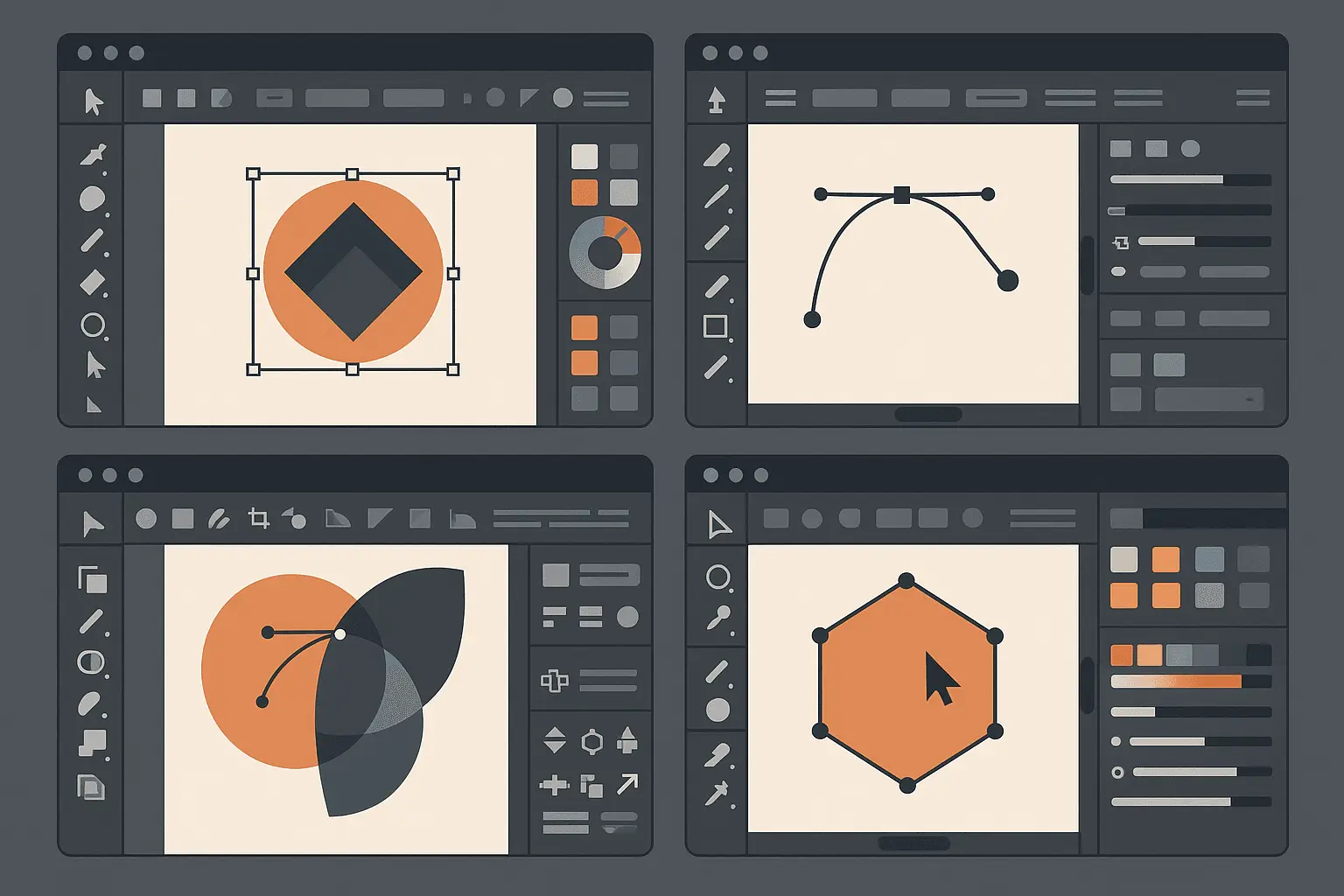
Here's where the real money is - UX/UI skills can bump your salary by 20-40%. Everyone needs digital stuff now, and there aren't enough people who really know what they're doing.
You don't need to become a developer, but understanding how websites and apps actually work makes you so much more valuable. When you can design something and explain to the developers exactly how it should function, you become indispensable. You're not just the "make it pretty" person anymore - you're solving actual problems.
Basic HTML and CSS knowledge is like being bilingual - it opens doors you didn't even know existed. You can troubleshoot your own designs, communicate better with developers, and sometimes fix things yourself instead of waiting for someone else to do it.
Understanding responsive design isn't optional anymore. If your designs don't work on mobile, they don't work. Period. And knowing how to design for different screen sizes and devices makes you infinitely more valuable.
Okay, let's address the elephant in the room. AI tools are everywhere, and everyone's freaking out about being replaced. Here's the reality: AI makes good designers better and exposes mediocre designers.
If you're just pushing pixels around without thinking strategically, yeah, you might have a problem. But if you understand branding, user psychology, and creative problem-solving, AI is just another tool in your toolkit - like when Photoshop replaced X-Acto knives and rubber cement.
I know designers who've doubled their output using AI tools while maintaining the same quality. They're using Midjourney for initial concept exploration, ChatGPT for copywriting help, and AI-powered Photoshop features for time-consuming tasks. That's the kind of efficiency that gets you promoted and lets you take on bigger, more interesting projects.
The key is learning to prompt AI tools effectively and knowing when to use them versus when to do things manually. It's a skill like any other, and the designers who master it first are going to have a huge advantage.
Marcus, a mid-level designer I know, spent six months learning Cinema 4D and After Effects alongside AI tools. This combination landed him a senior role at a luxury brand agency with a 35% salary increase, specializing in high-end product visualizations that blend AI-generated concepts with traditional 3D work.
Having a focused portfolio is like having a superpower in this market. Generalists are fine, but specialists get paid.
Brand specialists make bank because they're not just designing logos - they're solving business problems. When you can walk into a meeting and explain how your design choices will impact sales, you're speaking the language of people who sign checks.
The key is thinking beyond the pretty pictures. Why did you choose that color? How does this typeface reflect the brand personality? What business problem does this solve? Answer those questions with actual data and research, and you'll never struggle to justify your rates.
I've seen brand specialists charge $50K+ for comprehensive identity projects because they can demonstrate ROI. They're not selling design - they're selling business solutions that happen to look amazing.
Case studies are everything in this space. Don't just show the final logo - show the strategy, the research, the iterations, and most importantly, the results. Did sales increase? Did brand recognition improve? Did the client's stock price go up? Numbers talk louder than aesthetics.
Every company needs social media graphics, email designs, and digital ads. It's not the most glamorous work, but it's consistent and it pays well because it directly impacts revenue.
The designers who really kill it in this space understand marketing metrics. They know what makes people click, what drives conversions, and how to A/B test their creative work. That's not design anymore - that's business intelligence with a creative twist.
Here's what nobody tells you: performance marketing understanding can make you incredibly valuable. When you can look at campaign data and say "the red CTA button performed 23% better than the blue one," you become part of the revenue team, not just the creative team. And revenue teams get bigger budgets.
Social media design might seem simple, but the volume is insane and the deadlines are brutal. If you can handle creating 50 Instagram posts a week while maintaining quality and brand consistency, you'll never be out of work.
Time for some real talk about making more money.
Staying loyal to one company is a great way to stay poor. Harsh but true. The biggest salary jumps come from switching jobs every 2-3 years. Companies will give you 3-5% raises to stay, but they'll give the new person 20-30% more to join.
I'm not saying jump ship every year - that looks bad on your resume. But don't get too comfortable either. Keep your portfolio updated, maintain your network, and always be open to better opportunities. The best time to look for a job is when you already have one.
Performance review preparation should start months in advance. Document everything - client feedback, project successes, problems you solved, money you saved the company. Jennifer, a designer I know, documented her role in a rebranding project that increased client sales by 40%. That measurable impact became the foundation for her successful negotiation of a $15,000 raise and promotion to senior designer within 18 months.
Going freelance can be incredibly lucrative or a complete disaster. I've seen both. The successful freelancers treat it like a business - they have contracts, they track their time, they save for taxes (seriously, save 30% of everything), and they constantly market themselves.
If you're thinking about it, start small. Take on projects while you still have your day job. Build up a client base and emergency fund before you make the leap. And for the love of all that's holy, learn to say no to bad clients. That $500 logo project from the guy who wants "something like Apple but more fun" will destroy your soul and your reputation.
The math can work in your favor though. If you're billing $75-$150 per hour and staying busy, you can easily out-earn your salaried counterparts. But you're also responsible for finding clients, managing projects, chasing payments, and handling your own benefits. It's not for everyone.
Strategic Career Moves Checklist:
For designers considering major career transitions, understanding the real cost of living in NYC becomes crucial when evaluating salary offers and negotiating compensation packages.
The industry is changing fast, and you need to keep up or get left behind.
Remote work has been both a blessing and a curse. On one hand, you can work for a Manhattan agency while living in Queens (or anywhere else). On the other hand, you're now competing with designers from everywhere, not just NYC.
Companies are getting smarter about this. Some are offering location bonuses - extra money if you're willing to come into the office regularly. Others have embraced full remote and are hiring the best talent regardless of location. The key is figuring out which camp your target companies are in.
The companies that are thriving are the ones that figured out hybrid work. You get the collaboration benefits of being in person sometimes, but you also get to avoid the subway during rush hour and work in your pajamas when you need to focus. Win-win.
Geographic arbitrage is real - I know designers who moved to cheaper cities during the pandemic but kept their NYC salaries. But companies are catching on, and some are adjusting pay based on location. Read your contract carefully.
E-commerce exploded during the pandemic and hasn't slowed down. Product visualization, packaging design, and digital storefront graphics are in huge demand. Designers with e-commerce experience often command 15-25% salary premiums because they understand conversion optimization and user behavior.
Healthcare and biotech are booming, but they require specialized knowledge of regulatory requirements and the ability to make complex technical concepts understandable. It's a steep learning curve, but once you're in, you're incredibly valuable. Plus, the work feels meaningful - you're helping people understand treatments that could save their lives.
Sustainability and green tech are hot right now. Every company wants to look environmentally conscious, and they need designers who can communicate sustainability initiatives without looking like greenwashing. It's a niche that's only going to grow.
Crypto and blockchain companies are still hiring despite the market volatility. The pay is often excellent, but the job security is questionable. If you can handle the uncertainty, it's an interesting space with complex design challenges.
AI isn't going to replace designers, but designers who use AI are going to replace designers who don't. It's that simple.
The routine stuff - resizing images, creating variations, basic layouts - that's all getting automated. But the strategic thinking, the creative problem-solving, the client relationships? That's still very much human territory.
The premium for AI proficiency keeps growing. Companies want designers who can leverage these tools effectively while maintaining quality and brand consistency. It's not about replacing creativity - it's about amplifying it.
I've watched designers increase their productivity by 200-300% using AI tools effectively. They're not working less - they're taking on bigger, more strategic projects and leaving the busy work to the machines.
Want to still be relevant in 10 years? Here's what you need to focus on.
The designers who advance to senior levels aren't necessarily the most talented creatively - they're the ones who understand business. Learn to read a P&L statement. Understand marketing metrics. Know how your work impacts the bottom line.
This isn't selling out - it's speaking the language of the people who make budget decisions. When you can explain how your design work drove a 15% increase in conversion rates, you're not just a cost center anymore - you're a revenue generator.
Cross-functional collaboration skills are becoming essential. Design doesn't happen in a vacuum anymore. You need to work effectively with developers, marketers, product managers, and executives. The designers who can translate between these different worlds become invaluable.
Networking isn't about collecting business cards at industry events while making small talk about the free wine. It's about building genuine relationships with people who do interesting work.
Help other people when you can. Share opportunities. Be genuinely interested in what other people are doing. The best opportunities come from people who know and like you, not from cold applications on job boards.
Social media presence matters more than you think. Not Instagram stories of your lunch, but thoughtful content about design, industry trends, and your work process. I know designers who've landed dream jobs because a creative director saw their LinkedIn posts and thought they'd be a good fit.
Personal branding isn't just for freelancers anymore. Even if you want to stay employed, having a reputation in the industry opens doors and gives you negotiating power.
The industry changes fast. New tools, new platforms, new ways of thinking about design. The designers who thrive are the ones who stay curious and keep learning.
But you don't have to master every new trend. Be strategic about what you learn. Focus on skills that complement your existing expertise and align with where the industry is heading.
Continuous learning isn't just about technical skills. Understanding psychology, business strategy, and human behavior makes you a better designer than mastering the latest Adobe feature.
Future-Proofing Action Plan:
Young professionals beginning their design careers can benefit from understanding how to get an apartment at 18 while building their portfolio and establishing themselves in NYC's competitive market.
Here's the thing nobody talks about - being a designer in NYC is mentally exhausting. Between impossible deadlines, difficult clients, and the constant pressure to be "on" creatively, you need an outlet that doesn't involve staring at another screen.
The demanding nature of graphic design careers often leaves little time for meaningful connections outside work. You're either grinding on projects or networking at industry events where everyone's talking shop. Sometimes you just need to decompress with people who get the pressure of high-performance careers but aren't going to critique your latest logo design.
For creative professionals seeking community while managing the real cost of living in NYC, finding the right balance becomes essential for both financial stability and personal well-being.
Outpost Club provides that rare space where accomplished professionals can actually relax and build genuine relationships outside their high-pressure creative environments. For graphic designers earning competitive NYC salaries, the Club offers the perfect outlet - a place where the same attention to quality and craftsmanship that drives your professional success is reflected in every aspect of the experience.
The Club's philosophy of bringing together passionate individuals who appreciate excellence resonates with design professionals who understand the value of good work and attention to detail. Whether you're celebrating landing a major client or need to decompress after a particularly brutal deadline, Outpost Club provides the community and environment where real connections happen naturally.
Creative professionals exploring NYC housing options while maximizing their earning potential often find that communal living spaces in NYC provide both cost savings and networking opportunities that can accelerate career growth - plus you might actually meet people who don't want to talk about kerning over dinner.
Ready to balance your creative career with genuine community? Discover how Outpost Club can enhance your professional journey.
Being a graphic designer in NYC is challenging, expensive, and occasionally soul-crushing. It's also creative, exciting, and potentially very rewarding - both financially and personally.
The money is there if you're strategic about your career, keep learning, and don't get too comfortable. But remember, your salary is just one part of the equation. Think about the work you want to do, the people you want to work with, and the life you want to build.
Yes, the rent is insane and you'll probably eat ramen for the first year (maybe two). But there's nothing like seeing your design on a Times Square billboard or having a stranger compliment something you created without knowing you made it.
The most successful designers I know combine creative excellence with strategic thinking, technical proficiency with client relationship skills, and artistic vision with business understanding. This isn't about selling out - it's about being so good at what you do that people can't ignore you.
The industry is changing rapidly, but good design will always be valuable. Focus on solving real problems for real people, stay curious about new tools and techniques, and remember that your career is a marathon, not a sprint.
And hey, if you make it big, remember those of us still eating dollar pizza and riding the subway. We're rooting for you.
But seriously, invest in good coffee and a comfortable chair. Your back and your sanity will thank you later.

Household supplies can be changed or decreaased at Outpost Club’s discretion, or based on supply availability. Outpost is not responsible for temporary losses of utility service. Outpost Club is not responsible for any damages due to absence of any supplies or utilities


If you have a sales related question please call
680-688-7678

 Hot Deals