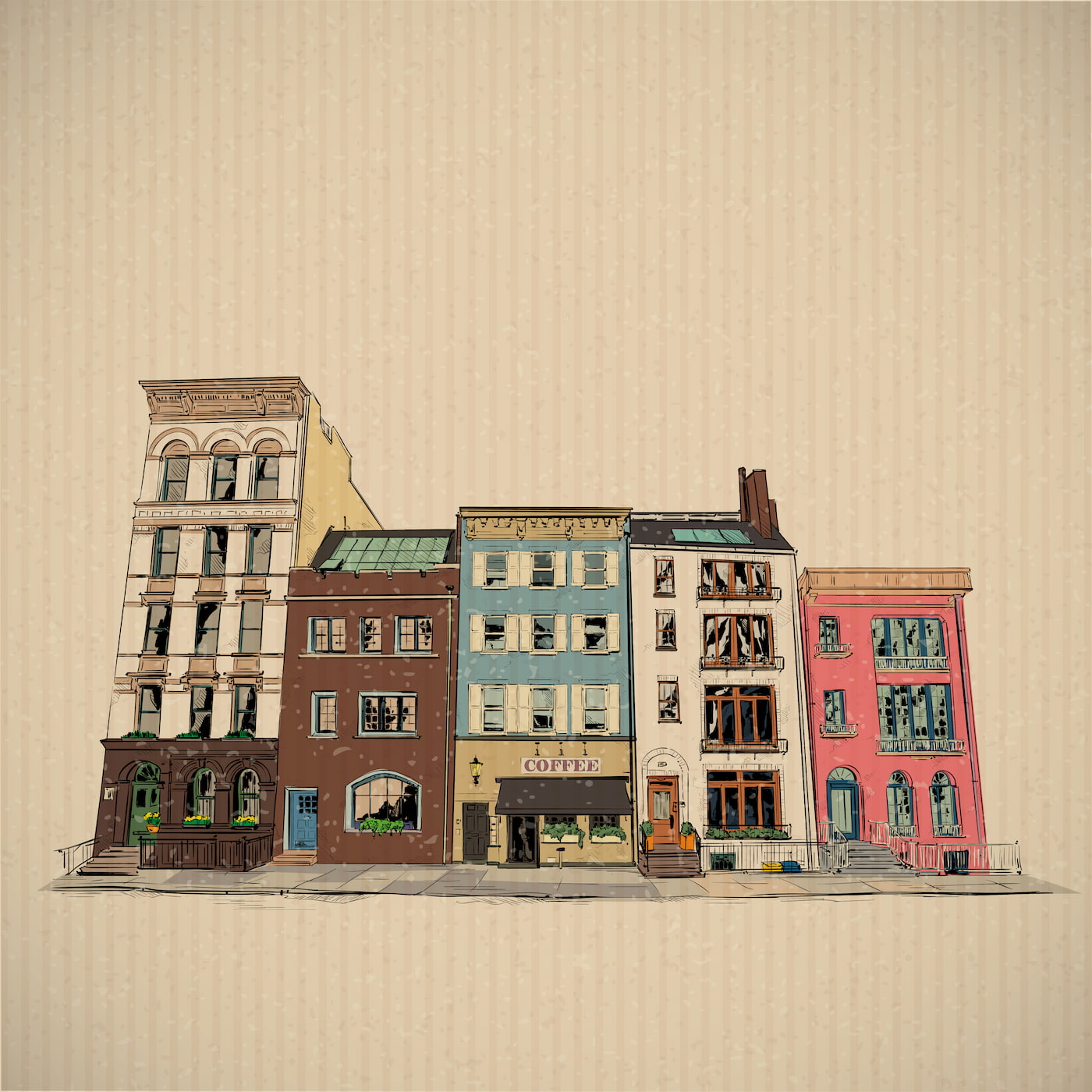
History of Bed Stuy Brooklyn
Jan 31, 2025
The greater Bedford-Stuyvesant neighborhood, also known as Bed-Stuy, is a mosaic of 19th-century upper-class history, mid-20th-century African-American heritage, a turbulent past, and the recent gentrification history of bed-stuy Brooklyn. These changes brought new businesses and partly changed the character of the community.
The area includes several historic neighborhoods and apartment complexes, bordered by Clinton Hill to the east and Crown Heights to the north.
The history of Bed Stuy is quite long and varied. Bedford-Stuyvesant was formed due to the union of two settlements - Bedford and Stuyvesant Heights. In the 1800s, Weeksville (formerly part of Bed-Stuy, still nearby) represented one of the first free black settlements in the United States before Brooklyn settlers acquired it.
By the 1900s, the history of Bedford Stuyvesant suggests that the area had become a suburb where blue-collar and middle-class residents settled in downtown Brooklyn and Manhattan. During the Great Depression, immigrants from South America and the Caribbean came to Bed-Stuy, making the area the second-largest black community in New York City. Shortly thereafter, the A train line was built connecting Bed-Stuy to Harlem, quickly turning the Brooklyn neighborhood into an additional hub for Manhattan's prominent black community. Because of these events, Bed-Stuy became known as "Little Harlem."
In the 1930s, many of Brooklyn's illustrious families moved from Bedford and Stuyvesant Heights to other boroughs such as Lower Manhattan, Long Island, and Queens. They preferred modern homes, which they found less oppressive than the Victorian brownstones they were familiar with, and they especially appreciated having garages to store their new cars. African Americans living in Harlem tenements began migrating to Bed-Stuy in the 1930s and '40s, attracted by the opportunity to buy their own homes.
Caribbean influence in the area became noticeable about forty years later, in the 70s and 80s, when numerous families from the West Indies, Haiti, and Jamaica moved to Brooklyn, looking to start a new life. To this day, Caribbean cultural elements leave their mark on Bed-Stuy, so dishes like chicken and goat curry are considered arguably the best in the area. The history of Bedford Stuyvesant Brooklyn is very important, and the reflection of many events can still be seen in modern society.
For New Yorkers living through the 1980s, the mention of Bed-Stuy often conjured up associations with gang violence, guns, crack cocaine, and prostitution. These stereotypes, associated with the idea of an old, conflicted, and criminal Bed-Stuy, are still held by many. However, it is important to note that these representations of a predominantly black neighborhood never told the full story.
Since then, the area has become known - and remains to this day - for its close-knit community, where people meet in the morning on the street, and neighbors spend warm evenings together sitting on their porches. Bed-Stuy is also famous for its beautiful residential buildings and cozy streets lined with green trees, which are a characteristic feature of the area.
Although Bed-Stuy's iconic Victorian architecture remains largely unchanged, the atmosphere of the streets seems completely different compared to the past ten years. But the history of Bed Stuy is still reflected in every building in the area.
It is easy to remain anonymous in many parts of New York, especially Manhattan. Still, Bed-Stuy residents take pride in their relationships with their neighbors. These stories of community pride illustrate a stereotype that is impossible to ignore. It is for this reason that the area attracts young professionals and families who seek to experience a small-town atmosphere within a large metropolis. If you're looking for Bedford-Stuyvesant Apartments for Rent, the people's love of communication will fulfill your life here.
Bed-Stuy's youth and newcomers from other areas see longtime residents taking care of their streets with such enthusiasm. The enthusiasm for maintaining and developing the area inspires both the younger generation and new residents, maintaining local pride. Young people can easily find Coliving in NYC here at an affordable price.
Bed-Stuy boasts nearly 9,000 homes built before 1900, providing a feast for the eyes with a variety of stunning architectural styles, from Italianate to Queen Anne. The history of Bedford Stuyvesant makes this area a unique and attractive place to live. Many of these homes pride themselves on maintaining original features that are hard to find elsewhere in the city.
The area remains home to many artists, actors, and musicians, and its rich cultural and culinary offerings. You can easily find Coliving and become part of this wonderful place.
While other small communities become prohibitively expensive for young people or first-time homebuyers, Bed-Stuy still offers affordable options for those willing to wait a little longer or make quick decisions.
Previous post
Top Things to Do in Bedford-StuyvesantNext post
Best food in Bed-Stuy, Brooklyn
Household supplies can be changed or decreaased at Outpost Club’s discretion, or based on supply availability. Outpost is not responsible for temporary losses of utility service. Outpost Club is not responsible for any damages due to absence of any supplies or utilities


If you have a sales related question please call
680-688-7678

 Hot Deals