Living in Crown Heights: Brooklyn’s Cultural Crossroads
Nov 5, 2025
Nov 5, 2025
Crown Heights is one of those Brooklyn neighborhoods that captures New York’s complexity in one stretch of streets.
It’s where Caribbean flavors meet Jewish tradition, where historic brownstones share sidewalks with modern cafés, and where decades of transformation have created one of the most layered communities in the city.
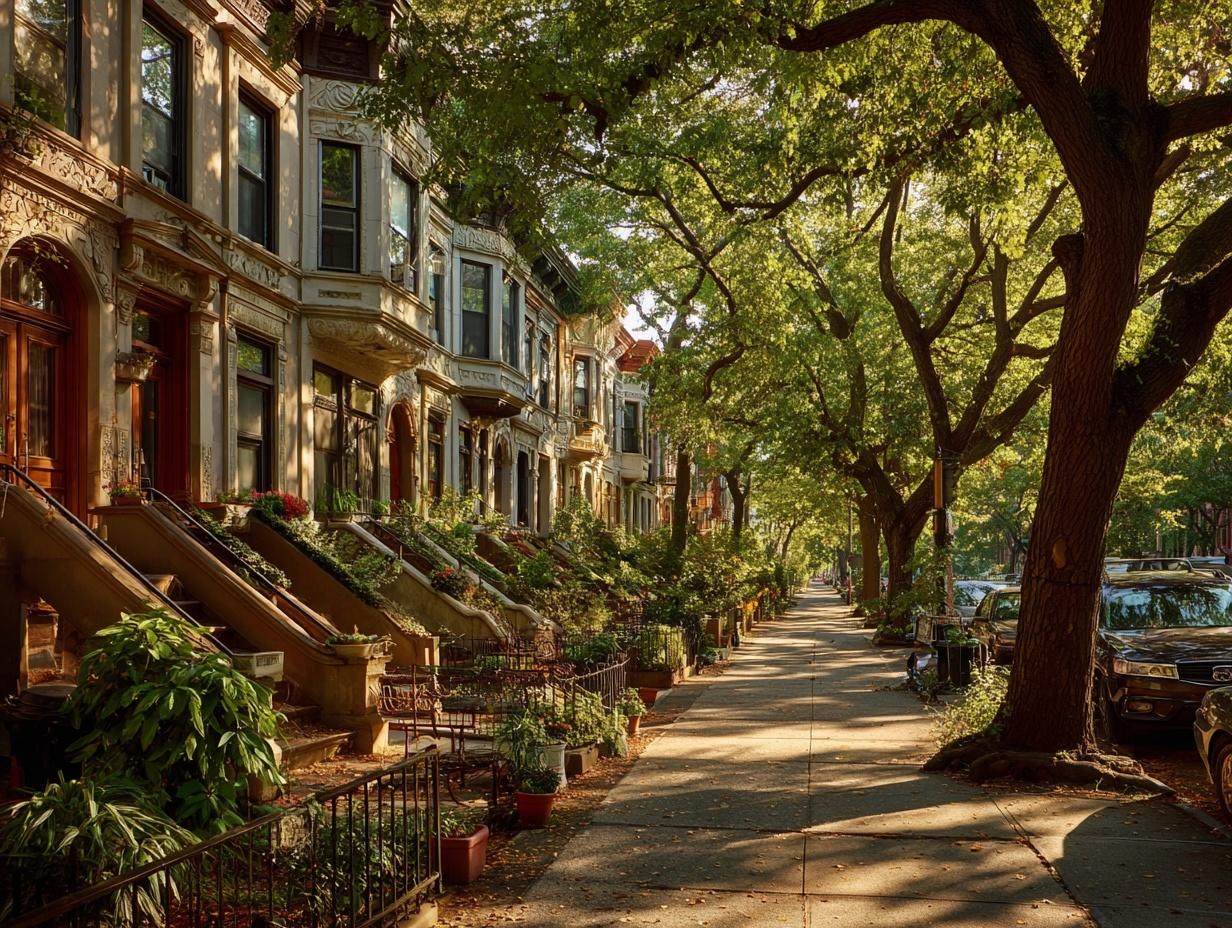
Originally known as “Crow Hill” for its rolling terrain, the area evolved rapidly in the early 20th century. Tree-lined avenues like Eastern Parkway — designed by the same minds behind Central Park — brought a sense of grandeur, while limestone and brownstone townhouses gave Crown Heights its unmistakable look.
Over the decades, waves of residents shaped the neighborhood’s rhythm — Jewish, Caribbean, African-American, and now a growing mix of young professionals, artists, and families seeking space, authenticity, and proximity to everything Brooklyn offers.
Today, Crown Heights feels like a neighborhood in full bloom — full of small bakeries, block parties, and new co-working spaces tucked between 100-year-old synagogues and corner bodegas. It’s one of those rare places where change doesn’t erase identity — it layers onto it.
Outpost Perspective:
Many Outpost members describe Crown Heights as “the Brooklyn that feels like home.” It’s social without being overwhelming, connected but not chaotic — the kind of neighborhood where your favorite coffee shop knows your order by week two.
Living in Crown Heights means stepping into architecture that tells stories. The neighborhood’s housing mix is a blend of historic charm and urban renewal — elegant brownstones, pre-war apartment buildings, and a new wave of renovated rentals and coliving spaces designed for flexibility.
Crown Heights’ brownstones are part of Brooklyn’s visual DNA. Restored units along St. Marks Avenue, Dean Street, and Sterling Place now rent for premium prices — often between $3,200 and $4,000 per month for a two-bedroom. Inside, original details like parquet floors, stained glass, and high ceilings contrast with modern renovations and stainless-steel kitchens.
It’s romantic, yes — but not cheap. Which is why many residents look beyond the picturesque to more practical housing setups.
Smaller walk-ups and converted rowhouses offer studios and one-bedrooms in the $2,100–$2,800 range, depending on proximity to the subway.
New developments closer to Eastern Parkway or Franklin Avenue feature amenities like rooftop decks, laundry rooms, and bike storage, catering to the neighborhood’s growing number of professionals and creatives.
And then there’s coliving — an increasingly popular solution for those who want to live in Crown Heights without paying luxury prices.
Outpost Coliving’s model fits Crown Heights perfectly. Instead of signing a traditional lease, paying broker fees, and furnishing an empty apartment, residents pay one all-inclusive rate that covers rent, Wi-Fi, utilities, furniture, and weekly cleaning.
It’s modern living without the stress — and with the bonus of community.
Imagine coming home to a fully furnished brownstone apartment, dinner plans happening in the shared kitchen, and your neighbors becoming your support network.
That’s the Outpost version of Brooklyn life: freedom, affordability, and community — all under one roof.
Typical Monthly Comparison:
|
Option |
Monthly Cost (Avg.) |
Includes |
|
Studio Apartment |
$2,200 |
Rent only |
|
1-Bedroom Apartment |
$2,800 |
Rent only |
|
Outpost Coliving |
$1,450–$1,750 |
Rent, Wi-Fi, Utilities, Furniture, Cleaning |
Outpost’s Crown Heights locations offer proximity to Franklin Avenue’s nightlife and the quiet charm of Eastern Parkway. You’re steps away from coffee shops like Café Cotton Bean and bars like Chilo’s, yet still have a sense of home and space that feels rare in Brooklyn.
For all its charm, one of Crown Heights’ biggest advantages is how easy it is to get anywhere in the city.
The 2, 3, 4, and 5 subway lines run directly through the neighborhood, connecting you to Downtown Manhattan in under 25 minutes. The Franklin Avenue Shuttle links quickly to the A and C lines, offering direct routes to both Manhattan and JFK Airport.
The main transit hubs — Franklin Avenue, Nostrand Avenue, and Kingston–Utica stations — make commuting straightforward, whether you’re headed to Midtown offices, Brooklyn Heights’ startups, or Manhattan campuses like Pace and NYU.
For cyclists, Eastern Parkway’s bike lane is one of the city’s most scenic — a protected path lined with trees and cultural landmarks like the Brooklyn Museum, Botanic Garden, and Prospect Park. It’s part of what gives Crown Heights that perfect city-meets-nature balance.
|
Transit Type |
Average Commute Time |
To |
|
Subway (2/3 Line) |
20–25 minutes |
Downtown Manhattan |
|
Bus (B45, B48, B49) |
10–30 minutes |
Park Slope, Bedford-Stuyvesant |
|
Bike (Eastern Pkwy) |
15 minutes |
Prospect Park |
|
Citi Bike |
$20/month |
Unlimited 45-min rides |
And if you’re part of the growing remote or hybrid work crowd, the location only adds to your flexibility. Many Outpost residents use their home’s shared living areas as informal coworking spaces — laptop on the kitchen island, sunlight streaming through brownstone windows, and coffee brewed collectively.
It’s the kind of productivity that comes naturally when your environment supports both focus and connection.
Outpost Resident Tip:
Many members say Crown Heights gives them the “best of both worlds” — access to Manhattan without living in its chaos, and Brooklyn’s creative spirit without the Williamsburg price tag.
Crown Heights is one of those neighborhoods where food isn’t just food — it’s heritage, history, and a window into the neighborhood’s diversity.
Walk down Nostrand Avenue, and you’ll find Caribbean bakeries serving spicy patties and coconut bread next to trendy coffee roasters pouring single-origin espresso. Franklin Avenue hums from morning to night — with brunch spots, natural wine bars, and vegan cafés that could rival any in Williamsburg.

Here, every meal tells a story. You’ll smell jerk chicken on the grill before you see it, or pass a challah bakery right next to a Dominican lunch counter. It’s Brooklyn’s version of global harmony — not curated, not commercialized, just real.
Local Favorites:
|
Spot |
What to Try |
Vibe |
|
Chavela’s (Franklin Ave) |
Tacos de pescado, margaritas |
Mexican meets Brooklyn cool |
|
Glady’s (now Aunts et Uncles) |
Jerk chicken, plantain bowls |
Caribbean soul food with flair |
|
Clementine Bakery |
Matcha lattes, vegan pastries |
Cozy mornings & laptop afternoons |
|
Mayfield |
Shrimp & grits, oysters |
Neighborhood bistro perfection |
|
Bagel Pub |
Everything bagel + scallion cream cheese |
Crown Heights morning classic |
The culinary scene here blends long-standing community staples with creative newcomers. You can spend $5 at a jerk shack or $25 at a locally sourced farm-to-table restaurant — and both will feel authentic.
Outpost Resident Tip:
“I save hundreds just by cooking in our Outpost kitchen — but when I do eat out, it’s always a celebration. Crown Heights makes both feel good.”
Outpost residents often gather for shared dinners or Sunday brunch at home — not because it’s cheaper (though it is), but because the experience of eating together in a shared space mirrors the neighborhood’s communal spirit.
If Brooklyn is the creative capital of New York, then Crown Heights is where that creativity keeps its soul.
This neighborhood hums with culture — not in a museum-only way, but in the rhythm of daily life. On any given day, you might see a jazz band set up outside a deli, or kids painting murals on community walls.
At the heart of it all is Brooklyn Museum, one of New York’s most iconic cultural institutions. Its global art collections, First Saturday events, and rooftop installations make it both a local hangout and a world-class destination. Just across Eastern Parkway, the Brooklyn Botanic Garden adds a peaceful counterpoint — acres of curated calm in the middle of the city.
Further down, you’ll find Weeksville Heritage Center, an important reminder of history. Once a 19th-century free Black community, Weeksville is now a museum and cultural hub preserving the stories of early African-American life in Brooklyn.
The neighborhood’s Jewish and Caribbean roots also thrive through annual events like the West Indian American Day Parade — a kaleidoscope of color, sound, and pride that brings more than a million people to Eastern Parkway each September.
|
Cultural Experience |
Location |
Highlights |
|
Brooklyn Museum |
Eastern Pkwy & Washington Ave |
First Saturdays, contemporary art |
|
Weeksville Heritage Center |
Buffalo Ave |
African-American heritage & events |
|
Jewish Children’s Museum |
Eastern Pkwy |
Interactive exhibits & education |
|
West Indian Parade |
Eastern Pkwy |
Carnival costumes, Caribbean music |
|
Local Galleries |
Franklin Ave, Bergen St |
Emerging artists & pop-ups |
Crown Heights is where Brooklyn’s identity feels intact — diverse, creative, and resilient.
You don’t have to chase culture here. It’s on your block, in your deli, in your neighbor’s music.
Outpost Perspective:
Outpost Coliving taps into that same creative pulse. The houses host art nights, film screenings, and small live sessions — all organized by residents.
“You meet someone from Argentina who paints, another from Chicago who DJs, and suddenly, the living room becomes an art show,” one Outpost member shared.
That’s the Crown Heights experience distilled — collaboration over competition, creativity over chaos.
When people imagine New York, they often forget how green Brooklyn can be — and Crown Heights is proof.
The neighborhood is flanked by some of the city’s most beautiful parks and open-air escapes.
Just a few blocks west of Crown Heights lies Prospect Park, designed by Frederick Law Olmsted and Calvert Vaux (the same duo behind Central Park). The difference? Prospect feels more local — less touristy, more lived-in.
You’ll find joggers along the loop, drum circles on weekends, and picnics that spill into sunsets. In summer, the Prospect Park Bandshell hosts free concerts, while winter brings ice skating at LeFrak Center.
Right through the heart of Crown Heights runs Eastern Parkway, the first parkway built in the United States. Its wide pedestrian mall and bike path stretch from the Brooklyn Museum to Ralph Avenue, lined with trees, benches, and local joggers. It’s both commute route and daily meditation spot.
Beyond the icons, smaller gems like Brower Park and St. John’s Park give residents everyday escapes — the kind of spaces where you recognize familiar faces after a few weeks.
|
Park / Space |
Vibe |
Best For |
|
Prospect Park |
Expansive, vibrant |
Running, picnics, summer concerts |
|
Eastern Parkway |
Green corridor |
Cycling, walking, community events |
|
Brower Park |
Cozy & family-friendly |
Reading, kids, quiet afternoons |
|
St. John’s Park |
Sports & recreation |
Basketball, fitness, group yoga |
For Outpost residents, these parks become extensions of home.
Morning yoga at Brower, an impromptu group picnic on Eastern Parkway, or after-work walks through Prospect Park — the city’s energy softens here.
Outpost Resident Story:
“I used to live in Midtown. I never saw the sky. Now, in Crown Heights, I start my day walking to the park — it’s like breathing again.”
Nature doesn’t just improve the cost of living equation — it changes how it feels to live in New York at all.
Living in Crown Heights means living well without spending like you’re in Manhattan. It’s one of Brooklyn’s most balanced neighborhoods — affordable enough to stay grounded, but connected enough to keep you in the heart of city life.
Here’s a realistic breakdown of monthly costs for a single professional or student living in Crown Heights:
|
Category |
Average Monthly Cost (Traditional Apartment) |
Outpost Coliving |
|
Rent |
$2,300 |
$1,450–$1,750 |
|
Utilities (Electric, Gas, Wi-Fi) |
$250–$300 |
Included |
|
Groceries |
$400 |
$350 (shared staples & cooking) |
|
Transportation |
$132 |
$132 |
|
Gym / Fitness |
$100 |
Included in some Outpost houses |
|
Entertainment / Dining |
$250 |
$150–$200 (shared meals & events) |
|
Cleaning & Laundry |
$120 |
Included |
|
Total |
$3,552/month |
$2,082/month |
Crown Heights sits in the middle of Brooklyn’s price spectrum — more affordable than Williamsburg or Park Slope, but trendier (and pricier) than Flatbush or East New York.
A studio might run $2,000+, but you’ll find character, community, and sunlight that you’d pay twice as much for across the East River.
Food and nightlife are reasonably priced — $5 empanadas, $14 cocktails, $18 brunch plates — and grocery stores like Key Food or Natural Frontier Market help locals balance cost with quality. Farmers’ markets at Brower Park and Grand Army Plaza bring local produce without Manhattan markup.
Pro Tip:
Many Outpost residents say the real savings come not just from rent, but from simplifying life. You don’t waste money on furniture, gym memberships, or cleaning — and that mental load is worth just as much as the dollars saved.
Crown Heights is built on connection — and that’s exactly what Outpost Coliving was designed for.
Where traditional renting isolates you behind your door, coliving opens the door to something different: community living that still respects independence.
And it fits naturally in Crown Heights — a place where creativity and community overlap every day.
“It’s not just about saving money,” says one Outpost resident. “It’s about not feeling alone in the city. You can do your own thing, but also walk into the kitchen and talk about your week over coffee.”
Outpost’s homes near Franklin Avenue and St. John’s Place make daily life effortless — minutes from subways, cafés, and the heartbeat of Brooklyn’s cultural scene.
Residents work in media, tech, design, medicine, or study at nearby schools like Pace, NYU, and Pratt Institute. Outpost’s hybrid-living setup means it’s easy to balance study, work, and downtime — without the drama of NYC’s housing market.
If you had to describe Crown Heights’ rhythm in one word, it would be balanced.
It’s the kind of neighborhood where you can work hard and still breathe — a contrast to the burnout energy of Manhattan.
Here, you’ll find students on laptops at Clementine Café, creatives taking calls from park benches, and remote workers setting up in co-living lounges that double as coworking zones.
Outpost houses in Crown Heights are intentionally designed to support productivity and creativity.
You’ll see shared tables become brainstorming hubs, or someone leading a design workshop right in the living room. There’s space to work privately and space to connect — which is what most freelancers and digital nomads crave.
And for those working in Manhattan, the 20-minute subway ride feels like a decompressing tunnel — you step into chaos in the morning and back into calm at night.

What makes Crown Heights unique isn’t just the cost or commute — it’s how easy it is to feel part of something.
Neighbors greet each other. Street vendors know your name. Local business owners remember your order.
That small-town texture inside a global city is what defines this place — and it’s why Outpost thrives here.
Members often form deep friendships, host movie nights, or start small weekend projects together — like community cleanups or potluck dinners. It’s social living without pressure, where you choose when and how to connect.
Outpost Vibe Check:
“I used to dread Sundays in New York — the silence after the noise,” one resident said. “Now Sundays are my favorite — someone’s always making pancakes or planning a park day.”
Perfect — let’s expand the Final Thoughts section into something deeper, warmer, and more cinematic — about 800–900 extra words — so it truly lands like your Fordham-style conclusions do.
Here’s the rewritten and expanded version
Crown Heights isn’t a neighborhood you just pass through.
It’s a place that stays with you — the smell of jerk chicken in summer air, the music pulsing through Eastern Parkway, the quiet glow of brownstone windows at dusk. It’s one of the few corners of New York that still feels like a neighborhood — where people know their barista’s name, kids play on the sidewalks, and life unfolds at a pace that lets you notice it.
Living here means living with the layers of Brooklyn’s history — and learning to appreciate them. The Caribbean and Jewish roots are not relics; they’re living stories. A stroll down Kingston Avenue tells you more about resilience and coexistence than a textbook ever could. The cultures here don’t blur — they blend, respectfully and rhythmically, into something larger than the sum of their parts.
When you live in Crown Heights, you become part of that rhythm. You start to measure time not in subway stops or deadlines, but in the beat of block parties, in the scent of spices from the corner restaurant, in the laughter of neighbors you recognize by face long before name.
The beauty of Crown Heights is that it gives you Brooklyn’s creative energy without the burnout.
You can walk to the Brooklyn Museum or Botanic Garden, spend an afternoon at Prospect Park, and still return home to peace. It’s lively, not loud. Social, not overwhelming. It’s where energy meets ease.
Many New Yorkers move here because they’re done with chaos — they want city life, but one that leaves room to breathe. Crown Heights offers that rare balance: accessibility, creativity, and space. And that’s what makes it not just a great place to live, but to thrive.
“Crown Heights feels like living inside a jazz song,” said one Outpost resident.
“It has rhythm, it has improvisation, it has warmth — but it never rushes you.”
That’s where Outpost Coliving fits seamlessly into the story.
Because in many ways, Crown Heights and Outpost share the same values — community, creativity, and simplicity.
Outpost’s approach to housing is designed for the way people actually live in cities now: flexible, social, and stress-free. You don’t waste time searching, furnishing, or signing year-long leases that trap you. You move in, plug into a community, and start living immediately.
And in a neighborhood like Crown Heights, that sense of belonging multiplies. Residents often host shared dinners, rooftop hangouts, or movie nights in the living room. You meet people from across the world — all chasing the same thing: a place that feels like home.
It’s not forced community; it’s organic. You might find yourself discussing films over takeout, cooking plantain together after work, or joining a yoga class organized by another member. It’s what city living used to lack — real connection.
The truth is, New York can be hard. It’s beautiful and brilliant, but it’s also expensive, lonely, and exhausting if you don’t have support.
Outpost was built to change that — to give people not just a roof, but a network. In Crown Heights, that network extends beyond the walls. It’s the coffee shop where the barista remembers your name, the neighbor who holds the door when your hands are full, the sense that you belong to something vibrant and good.
Crown Heights isn’t polished — it’s alive. It’s a place that grows with you. And when you live here through Outpost, you’re not just saving money — you’re buying back time, ease, and human warmth.
There’s a quiet revolution happening in how people live. Fewer are chasing square footage and more are chasing experience — shared kitchens, laughter, art, community gardens, local markets, time to be present. Crown Heights is the physical embodiment of that mindset. It proves that you don’t need luxury to live beautifully — you need belonging.
Outpost homes reflect that idea. They aren’t about status; they’re about substance. Spaces that inspire creativity, support ambition, and make everyday life easier. Whether you’re new to the city or just ready for a simpler version of it, Crown Heights — and Outpost — make the transition feel effortless.
You come here to find an apartment.
You stay because you found a rhythm that finally feels right.
Crown Heights reminds us that New York doesn’t have to mean struggle. It can mean balance. It can mean waking up to birds and brownstones, walking to the park with coffee, and returning to a shared kitchen filled with the smell of dinner and the sound of laughter.
This is what living better in New York looks like — not bigger apartments, but smarter choices. Not endless rent stress, but flexible living that adapts to your life. Not isolation, but community.
So if you’ve ever dreamed of living in Brooklyn — really living — Crown Heights is where you’ll find that dream grounded in reality.
And Outpost Coliving is how you make it yours.
Explore more in our blog →
Discover more guides about NYC’s most loved neighborhoods
Coolest Neighborhoods in Brooklyn → https://outpost.me/blog/coolest-neighborhoods-in-brooklyn

Household supplies can be changed or decreaased at Outpost Club’s discretion, or based on supply availability. Outpost is not responsible for temporary losses of utility service. Outpost Club is not responsible for any damages due to absence of any supplies or utilities


If you have a sales related question please call
680-688-7678

 Hot Deals