Manhattan College Acceptance Rate: What They Don't Tell You About Getting In (And Actually Staying)
Oct 23, 2025
Oct 23, 2025
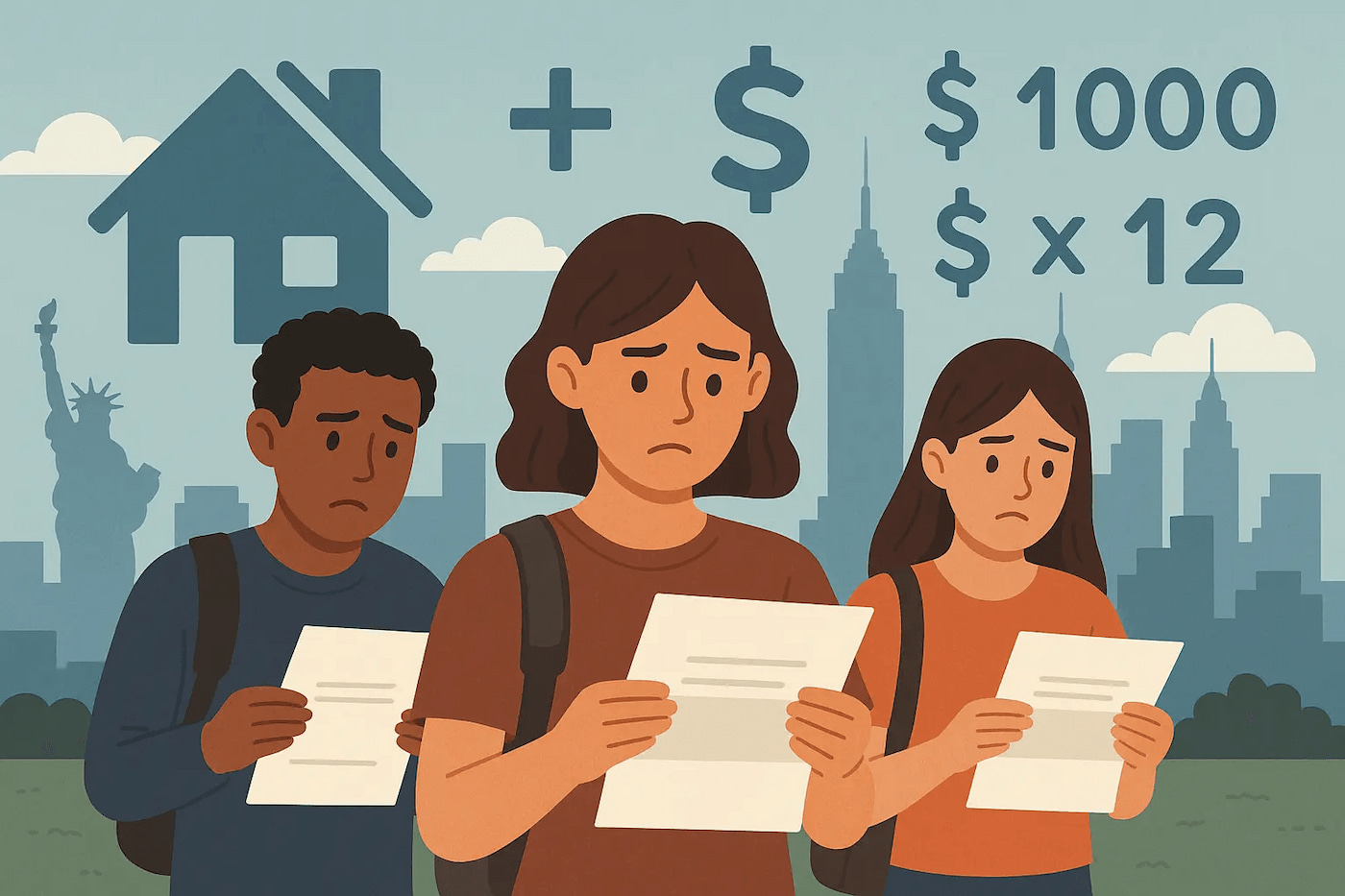
When I got my Manhattan College acceptance letter, I literally screamed and called my mom. Three weeks later, I was crying over my laptop trying to figure out how I'd afford $2,800/month for a shoebox apartment in the Bronx. That acceptance letter suddenly felt pretty worthless.
According to PrepScholar's analysis, Manhattan College has an acceptance rate of 82.3%, meaning that of 100 students who apply, 82 are admitted. This high manhattan college acceptance rate creates a false impression of accessibility that doesn't account for the housing and living cost barriers that eliminate many accepted students before they can actually enroll.
Here's what nobody tells you: getting accepted is actually the easy part. The real challenge starts when you realize that acceptance doesn't guarantee you can actually afford to attend. The college's relatively high acceptance rate masks a much more complex reality where housing costs, location challenges, and financial barriers create their own selection process that's often way more brutal than admissions itself.
I've watched brilliant students get their acceptance letters and then spend weeks trying to figure out how they'll afford to actually attend. It's heartbreaking.
Manhattan College's acceptance rate creates a false sense of accessibility that I wish someone had warned me about earlier. While 65-70% of applicants get accepted, the percentage who can actually afford to attend? That's a completely different story.
The college doesn't track how many students decline admission due to housing costs, which means the acceptance rate doesn't reflect the true barriers to enrollment. Recent data shows this trend getting worse. However, this surge in manhattan university admissions doesn't address the fundamental housing crisis that determines which accepted students can actually attend.
Getting that acceptance letter feels amazing until you start calculating the real costs. Beyond tuition, you're looking at $1,500-3,000 monthly for housing alone, plus transportation, food, and living expenses that can easily push your monthly budget over $4,000.
I've seen too many students get excited about acceptance only to realize they can't make the numbers work. The excitement turns into panic when they start apartment hunting and discover that their "affordable" college education just became financially devastating. Trust me, I've been there.
|
Monthly Housing Cost Breakdown |
Conservative Estimate |
Realistic Estimate |
Premium Option |
|---|---|---|---|
|
Rent (per person) |
$1,500 |
$2,200 |
$3,000+ |
|
Utilities |
$100 |
$150 |
$200 |
|
Transportation (MetroCard) |
$130 |
$130 |
$130 |
|
Food |
$400 |
$600 |
$800 |
|
Emergency Fund |
$200 |
$300 |
$500 |
|
Total Monthly |
$2,330 |
$3,380 |
$4,630 |
Students from certain areas have a massive advantage that has nothing to do with academics. If your family already lives in an expensive area or can help with NYC housing costs, acceptance means something completely different than it does for students who need to figure out independent housing solutions.
This creates an invisible selection bias that the acceptance rate doesn't capture. I've realized that Manhattan College's student body skews toward students with family financial support rather than pure academic merit, simply because those are the students who can solve the housing equation.

Manhattan College's acceptance process is designed around an outdated model where students either live on campus or commute from family homes. The reality? Most students need alternative housing solutions, and the college provides almost no guidance for navigating NYC's housing market.
The housing office basically shrugs and hands you a Craigslist printout. Thanks for the $50k tuition, guys.
This leaves accepted students to figure out complex logistics on their own. I learned the hard way that you're essentially on your own when it comes to solving the housing puzzle that determines whether your acceptance letter has any real value.
The academic requirements add another layer of complexity. PrepScholar data shows that Manhattan College requires a GPA of 3.63, meaning you need to maintain above-average performance while juggling housing stress, long commutes, and financial pressure that the college doesn't adequately address in their support systems.
Manhattan College's yield rate (how many accepted students actually enroll) reveals the real story about accessibility. Smart, qualified students regularly turn down admission because they can't solve the housing equation.
This creates a campus culture that skews toward students with family financial support rather than pure academic merit. The students who end up enrolling aren't necessarily the most academically qualified - they're the ones who had the resources to navigate the housing crisis.
I've watched brilliant friends turn down Manhattan College admission because they couldn't find affordable housing solutions. These aren't students who couldn't handle the academics - they're students who did the math and realized that taking on massive debt for housing would undermine their entire college investment.
Consider Sarah, a high-achieving student from Ohio who got accepted to Manhattan College with a 1280 SAT score and 3.8 GPA. She calculated that housing would cost $2,400 monthly, transportation $130, and food $500 - totaling $3,030 monthly just for basic living expenses. Despite being academically qualified and excited about the program, she declined admission because taking on $36,360 annually in living costs (beyond tuition) would have created unsustainable debt.
The college loses talent while maintaining artificially high acceptance rates. It's a system that works for the college's marketing but fails the students who need education most.
Your housing situation determines your entire college experience more than any other factor. Students who can afford nearby housing participate in study groups, campus activities, and networking events.
Students dealing with long commutes or housing stress miss out on the very experiences that make college valuable. If you're spending three hours a day on the subway, you're going to be exhausted. That's not a character flaw - that's math.
This divide affects everything from academic performance to career opportunities. I've seen students with identical academic credentials have completely different college experiences based solely on their housing situations.
Manhattan College's acceptance rate doesn't account for the secondary costs that can make attendance impossible. Look, here's the brutal truth about monthly costs: You're looking at AT LEAST $2,300/month just to survive. And that's if you're living like a monk and never eating out.
These costs compound quickly and can make an "affordable" college education financially devastating. The college's financial aid office focuses on tuition assistance but provides minimal guidance for the living expenses that often exceed educational costs.
Housing ranges from $1,500-3,000 monthly depending on location and arrangement, MetroCards cost $130 monthly, food runs $400-600 monthly, and you need emergency funds for unexpected expenses. Because your roommate will definitely eat your food, the heat will break in February, and you'll need to Uber home at least once when the subway decides to just... not.
These costs compound quickly and can make a "affordable" college education financially devastating. The college's financial aid office focuses on tuition assistance but provides minimal guidance for the living expenses that often exceed educational costs.
I developed a budgeting framework that goes beyond basic cost calculations. You need to factor in seasonal housing market fluctuations, transportation time costs, and opportunity costs of different living arrangements.
Students who master this early have dramatically different college experiences than those who figure it out through trial and error. The difference between strategic planning and reactive decision-making can mean thousands of dollars and significantly different educational outcomes.
Pre-Enrollment Financial Checklist:

Traditional college housing advice doesn't work for Manhattan College students. I've found that coliving arrangements, room-sharing in renovated buildings, and community-oriented housing can reduce costs by 30-50% while actually improving your college experience.
These solutions require research and planning that nobody teaches you in high school. You're basically learning to adult in expert mode while trying to pass calculus. The students who discover these alternatives early often have richer college experiences than those paying premium prices for traditional apartments.
Manhattan College's Riverdale location creates unique challenges that acceptance rates don't reflect. The campus sits in an upscale Bronx neighborhood where median home values exceed $600,000, creating a stark disconnect between typical student budgets and local economics.
Riverdale is nice - like, really nice. Which means everything costs more and you'll feel broke just walking to the bodega.
This affects everything from off-campus housing options to community integration opportunities. I discovered that the manhattan university campus location requires specific strategies that most accepted students never develop.
Riverdale's upscale character creates both opportunities and barriers for Manhattan College students. While the manhattan university campus is safe and well-connected, the local economy isn't designed around college student budgets.
This means accepted students need to develop specific strategies for integrating into both the campus and local community without breaking their budgets. The neighborhood offers excellent resources, but accessing them requires financial planning that goes beyond typical college preparation.
Take the difference between living in Riverdale proper versus Kingsbridge, just 15 minutes south. A studio in Riverdale averages $2,200 monthly, while similar spaces in Kingsbridge run $1,600-1,800. However, the Kingsbridge location adds 20-30 minutes to your daily commute, affecting study time and campus involvement. You need to calculate whether the $400-600 monthly savings justify the time and convenience costs.
I learned to work with Riverdale's economic reality rather than against it. This means finding local businesses that offer student discounts, understanding which areas offer the best value for student housing, and building relationships with community members who understand the student experience.
These skills aren't taught in orientation but they're essential for success. Students who master neighborhood navigation often discover opportunities and resources that enhance their education in ways that campus-focused students miss.
Your transportation choices affect your academic performance more than most people realize. Students spending 2-3 hours daily commuting have less time for studying, campus activities, and networking.
I developed transportation strategies that minimize time costs while maximizing access to both campus and NYC opportunities. The 1 train loves to break down at the worst possible moments, so you need backup plans.
The key is understanding that transportation isn't just about getting from point A to point B - it's about optimizing your entire daily schedule for academic and professional success.
Manhattan College has "Manhattan" in the name, but good luck affording actual Manhattan rent on a student budget. The Bronx location is nice, but it's not miracle-worker nice.
Despite having "Manhattan" in its name, Manhattan College's location creates unexpected barriers to accessing NYC's professional and cultural opportunities. The Riverdale campus requires strategic planning to take advantage of Manhattan's internships, networking events, and cultural resources that should be part of your college experience.
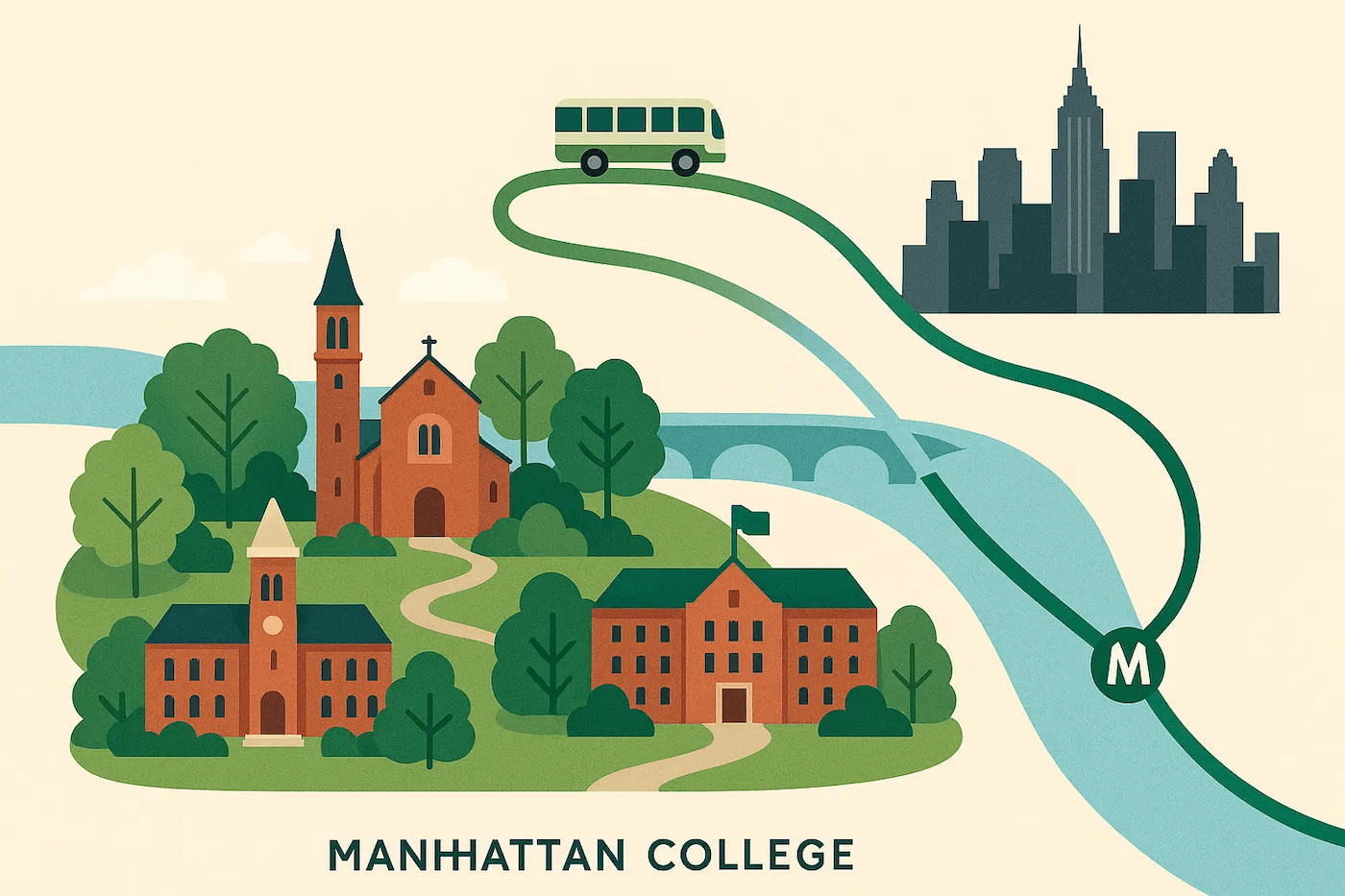
Being near Manhattan doesn't automatically give you access to Manhattan opportunities. I discovered that students need specific strategies for leveraging the college's proximity to NYC's professional scene.
This includes understanding transportation logistics, building networks that extend beyond campus, and timing your involvement with city-based opportunities around your academic schedule. The proximity is an advantage, but only if you know how to use it strategically.
Manhattan College students face unique internship challenges that acceptance rates don't reflect. You're competing with students from colleges directly in Manhattan while dealing with commute logistics that can limit your availability.
The competition is intense when you consider that NYC is home to dozens of colleges, from small schools with fewer than 1,000 students to large institutions with tens of thousands of learners, all competing for the same internship opportunities that manhattan university admissions counselors promote as accessible from their Riverdale location.
Successful students develop internship strategies that account for these geographic realities and turn them into advantages. This means being more strategic about application timing, more flexible about scheduling, and more creative about demonstrating value to potential employers.
Access to Manhattan's museums, theaters, and professional events becomes a strategic advantage rather than an automatic benefit. I learned to budget both time and money for cultural experiences that enhance my education and professional development.
This requires planning that most college guides don't address. Students who master this balance often graduate with cultural knowledge and professional networks that give them significant advantages in their careers.
Don't be like me and start looking for housing in July. You'll end up paying $400 extra per month because you waited too long.
Smart Manhattan College students research housing options before applying, understanding that acceptance without affordable housing equals an unusable opportunity. The most successful students I know developed housing strategies that enhanced their college experience rather than just providing a place to sleep.
These decisions affect everything from academic performance to career networking. Your housing choice becomes the foundation for your entire college experience, influencing your study habits, social connections, and professional development opportunities.
I wish I'd known to research housing markets before applying to Manhattan College. Understanding seasonal fluctuations, neighborhood options, and alternative housing models helps you make informed decisions about whether acceptance is actually valuable.
This research phase can save thousands of dollars and dramatically improve your college experience. Students who do this homework before applying make much better decisions about enrollment and have more successful college experiences overall.
Coliving arrangements have become game-changers for Manhattan College students who want to balance affordability with community. These solutions offer furnished spaces, flexible lease terms, and built-in social networks that traditional housing can't match.
Students in quality coliving situations often have richer college experiences than those in expensive Manhattan apartments. The community aspect provides study partners, networking opportunities, and social connections that enhance both academic performance and personal development.

|
Housing Option Comparison |
Traditional Apartment |
On-Campus Housing |
Coliving Solution |
|---|---|---|---|
|
Monthly Cost |
$2,200-3,000 |
$1,800-2,400 |
$1,390-1,800 |
|
Lease Flexibility |
12-month minimum |
Academic year only |
Month-to-month options |
|
Furnishing |
Unfurnished |
Basic furnished |
Fully furnished |
|
Community Building |
Limited |
Structured |
Organic networking |
|
Commute to Campus |
30-60 minutes |
On campus |
20-40 minutes |
|
Professional Networking |
Minimal |
Campus-focused |
Cross-industry |
Housing market timing affects your costs and options more than most students realize. Applying for housing during winter months often yields better rates and availability, while understanding academic calendar patterns helps you secure arrangements that align with your college schedule.
My friend Maria got lucky and started looking in January when she was bored during winter break. She snagged an amazing place in Astoria for way less than the rest of us paid. Students who waited until summer were paying $1,800-2,000 for similar arrangements, and many had to settle for longer commutes or lower-quality spaces because the best options were already taken.
Manhattan College acceptance should trigger a comprehensive decision-making process that goes far beyond comparing acceptance rates and academic programs. I developed a framework that includes housing accessibility, networking opportunities, career development potential, and long-term ROI calculations that most students never consider.
Look, we're all figuring this out as we go. But some mistakes cost way more than others.
Smart enrollment decisions require calculating direct costs and opportunity costs and benefits of different approaches to your Manhattan College experience. This includes evaluating how housing choices affect internship access, how transportation decisions impact study time, and how community involvement influences career development.

I learned to include housing flexibility, networking opportunities, internship accessibility, and post-graduation career advantages in my enrollment decision matrix. Students who master this analysis make dramatically better choices about everything from housing to course selection to extracurricular involvement.
Manhattan College ROI Evaluation Framework:
Your housing needs will change significantly from freshman through senior year as you gain internships, jobs, and different social connections. Planning this progression helps you make better initial choices and avoid costly housing mistakes that can derail your college experience and financial stability.

For students navigating these Manhattan College housing challenges, I wish I'd known about places like Outpost Club before I signed a lease with three random people I found on Facebook. Live and learn, right? With furnished rooms starting at $1,390/month, flexible lease terms that align with academic schedules, and strategic locations in Brooklyn and Queens with direct Bronx campus access, Outpost transforms housing from a barrier into an advantage. The all-inclusive pricing eliminates guesswork while the built-in community extends your college network beyond campus boundaries.
Manhattan College's admissions process operates within a broader infrastructure that most applicants never see - one that connects directly to New York's housing crisis and creates invisible barriers to college success. I discovered that admissions offices operate in a bubble, disconnected from the housing realities that determine whether acceptance actually means anything.
College admissions counselors often lack real-time knowledge of housing market conditions, providing cost estimates that can be off by 20-30% from current rates. This information gap leaves accepted students scrambling to bridge the difference between what they were told to expect and what they actually face in the market.
I've seen too many students discover housing costs only after paying enrollment deposits, leading to last-minute withdrawals that artificially inflate the college's selectivity metrics for future years. This creates a cycle where acceptance rates become less meaningful while housing barriers become more severe.
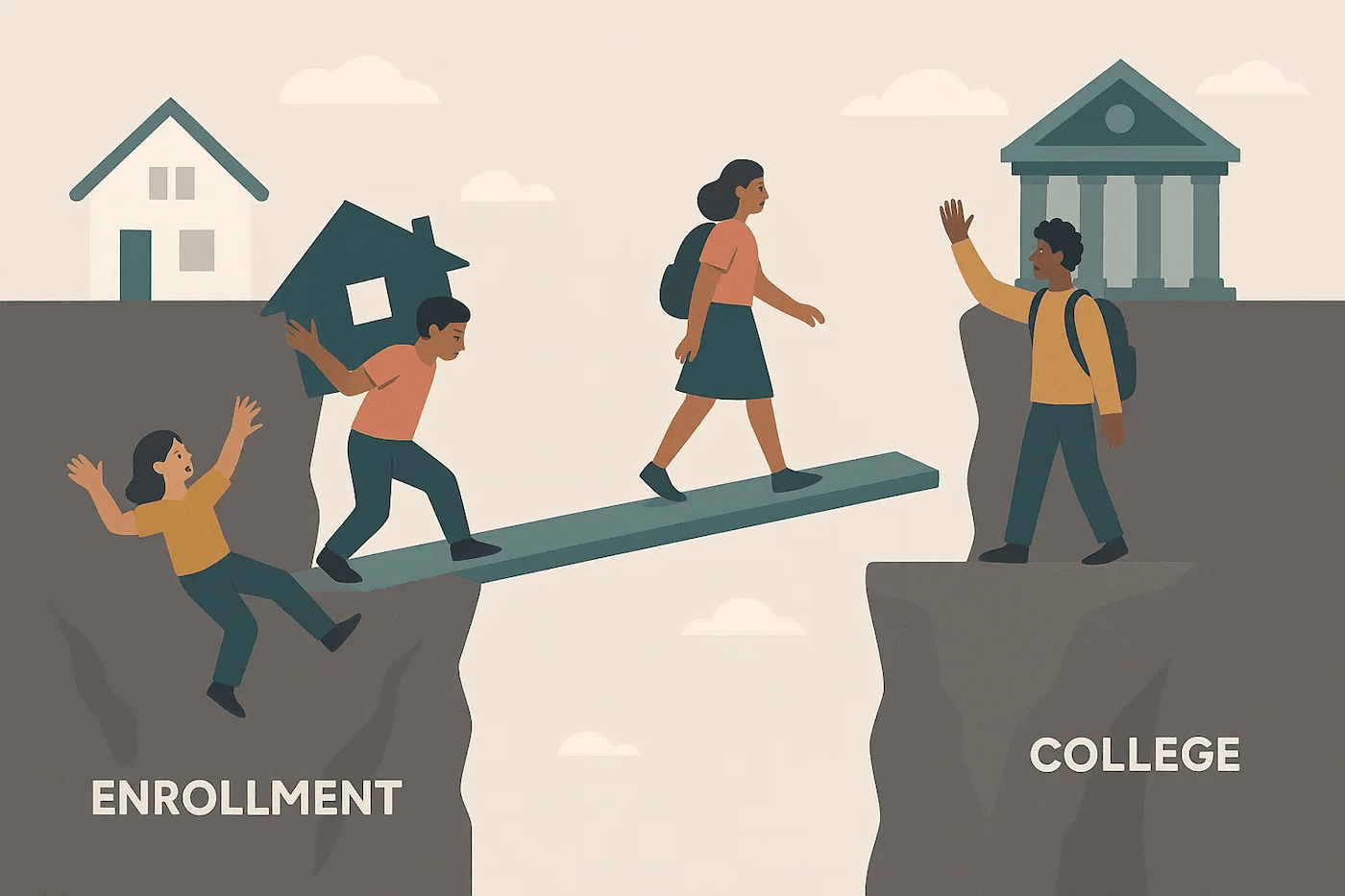
You need to demand specific data before submitting applications: current year housing costs, percentage of students living on vs. off campus, average commute times, and transportation cost estimates. Don't accept vague estimates - push for concrete numbers that reflect current market conditions.
Where you choose to live as a Manhattan College student significantly impacts your career development and long-term professional networks in ways that acceptance rates never capture. I learned that housing decisions create informal peer groups and networking opportunities that extend far beyond campus and often prove more valuable than classroom connections.
Students living in shared spaces near transportation hubs gain access to internships, networking events, and professional development opportunities that dormitory residents often miss. Your housemates, neighbors, and local community become part of your professional network in ways that traditional college housing can't match.
Living strategically in Brooklyn or Queens neighborhoods puts you in contact with young professionals, entrepreneurs, and industry connections that can accelerate your career development. These relationships often prove more valuable than campus networking events because they're built on shared daily experiences rather than forced academic interactions.
Housing choices create study groups, professional networks, and social connections that last beyond graduation. Students in similar living situations naturally form communities around shared challenges and opportunities, creating support systems that enhance both academic performance and career development.
Manhattan College competes academically and geographically, with housing accessibility becoming a key differentiator in student choice. I've watched qualified students choose other institutions not because of academic programs, but because those schools offered better solutions to the housing equation that Manhattan College leaves students to solve independently.
Students often choose colleges based on housing ecosystem accessibility rather than pure academic merit, with Manhattan College losing potential enrollees to institutions with better housing partnerships or more realistic cost guidance. This brain drain affects campus culture and the overall quality of peer networks.

Traditional "commuter college" labels are evolving as innovative housing solutions create hybrid experiences that combine residential benefits with commuter affordability. Manhattan College students who master this hybrid approach often have richer experiences than those following traditional residential or commuter models.
Manhattan College's acceptance rate tells only a fraction of the story about what it really takes to succeed there. Getting accepted is the easy part - building a sustainable, enriching college experience requires strategic thinking about housing, transportation, and community integration that most students aren't prepared for.
Here's what I've learned: the students who thrive at Manhattan College aren't necessarily the ones with the highest test scores or the most impressive applications. They're the ones who understand that college success requires solving complex logistical challenges while building networks and experiences that extend far beyond campus boundaries.
Your acceptance letter opens a door, but what you do with housing, community building, and strategic planning determines whether you walk through it successfully. Getting into Manhattan College is tough. Making it work financially? That's the real challenge. But thousands of students figure it out every year, and you can too. You just need to go in with your eyes wide open and a solid plan.
The students who figure this out early don't just survive Manhattan College - they use it as a launching pad for careers and networks that justify every challenge they faced getting there.

Household supplies can be changed or decreaased at Outpost Club’s discretion, or based on supply availability. Outpost is not responsible for temporary losses of utility service. Outpost Club is not responsible for any damages due to absence of any supplies or utilities


If you have a sales related question please call
680-688-7678

 Hot Deals