Medical Programs for High School Students NYC: What Nobody Tells You About Getting In (And Actually Succeeding)
Oct 27, 2025

Oct 27, 2025
Honestly? I had no clue what I was getting into when I started looking into medical programs for high school students NYC. I thought I'd just browse some websites, fill out a few applications, and see what happened. Boy, was I wrong.
The competition has gotten absolutely brutal - we're talking about acceptance rates as low as 5% for programs like the Simons Summer Research Program. But here's what really caught me off guard: there's so much stuff happening behind the scenes that nobody talks about. Hospital partnerships, community health networks, and financial barriers that basically determine who gets in and who actually succeeds.
Most students make the same mistake I did - they think this is like signing up for summer camp. It's not. It's more like college admissions, but nobody tells you that upfront.
I spent months thinking that finding medical programs was just about browsing websites and filling out applications. What I discovered was way messier and more complicated - a whole web of hospital partnerships, community health networks, and financial barriers that nobody wants to talk about openly.
The programs you see advertised? They're just the tip of the iceberg. There's an entire hidden world operating beneath the surface, and understanding it changes everything about how you should approach this process.
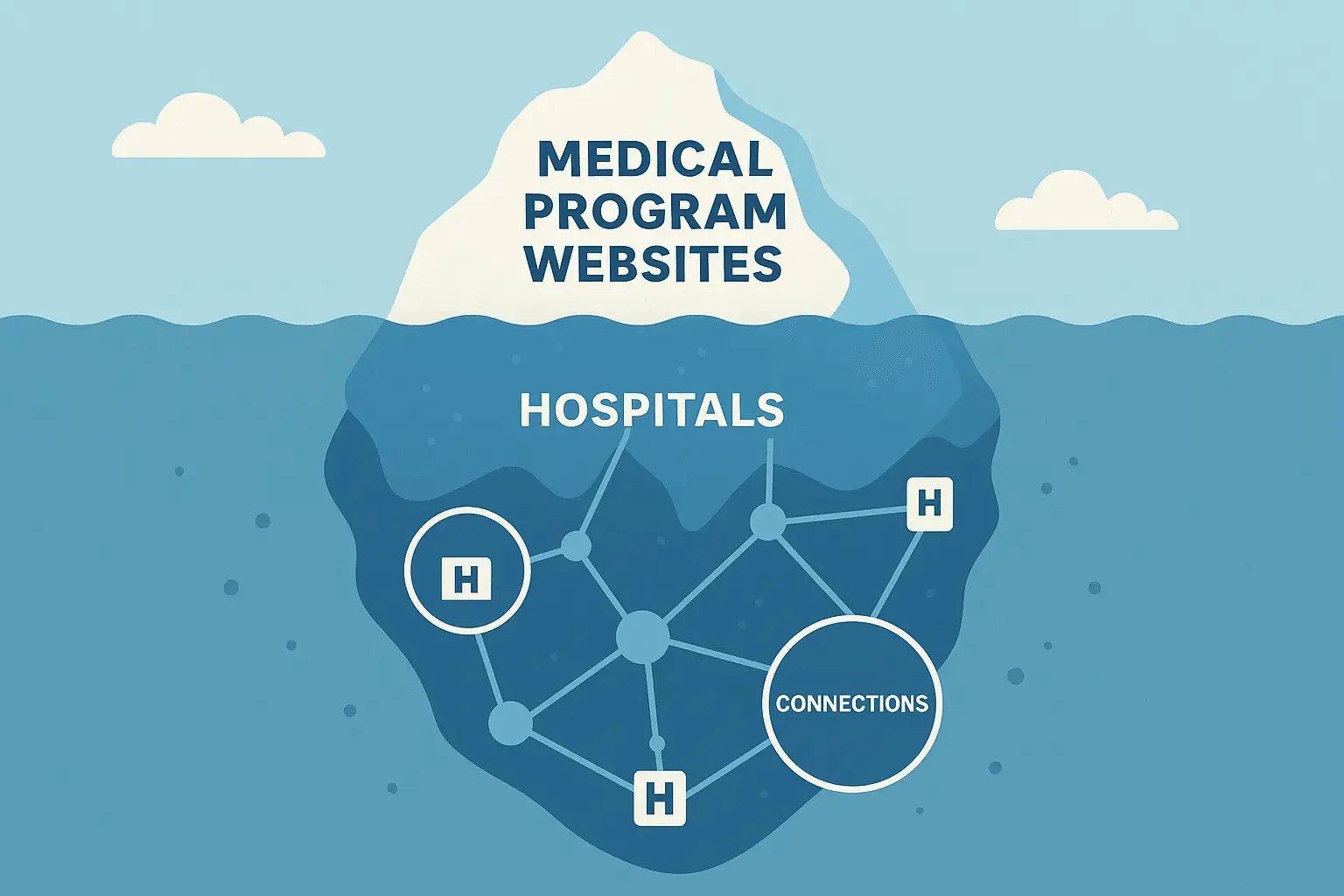
Here's the thing nobody wants to say out loud: hospitals don't offer these programs out of the goodness of their hearts. They're strategically building their future workforce while checking off community service boxes. Once I figured this out, everything clicked. I totally rewrote my applications, and you should too.
These institutions want students who can actually contribute to their mission, not just benefit from their resources. When I realized this, I stopped writing essays about how much I wanted to help people and started focusing on what I could bring to their programs.
Okay, here's a trick that actually worked for me: Instead of going straight to the big hospitals, I started googling community health centers in neighborhoods like the Bronx and Brooklyn. Then I'd call them up (yes, actually call) and ask if they work with any hospitals for student programs. Half the time, they'd tell me about opportunities I never would have found online.
You won't find this information on fancy hospital websites. I had to dig deep to discover that NYC Health + Hospitals works directly with community health centers, creating pathways that bypass traditional application bottlenecks.
Sarah, a junior from Queens, couldn't get into Mount Sinai's competitive summer program. Instead of giving up, she called the Bronx Community Health Network directly and discovered they had an unofficial partnership with NYC Health + Hospitals for student placements. By working with their community health coordinator, she secured a 10-week placement that included both clinical shadowing and community health research - an experience that turned out to be way more valuable than the prestigious program she initially wanted.
Here's what actually works: Research community health centers in underserved neighborhoods first, then trace their hospital partnerships backward. Call community health coordinators directly - they're usually way more accessible than hospital administrators and genuinely excited to work with motivated students. Show genuine interest in serving underserved populations (not just padding your resume). Be prepared to commit to longer-term engagement beyond single summer programs.
Elite institutions like Mount Sinai and NYU don't want program participants - they want junior research assistants who can actually contribute to ongoing projects. This means you need to come prepared with real skills, not just enthusiasm for medicine.
I used to think showing up eager and willing to learn was enough. Spoiler alert: it's not. These researchers are busy people working on important projects. They need to know you can handle real responsibility before they'll consider you.
Start developing actual laboratory skills through your school's chemistry and biology programs now. Learn to read scientific literature in areas that interest you (PubMed is your friend, even if it's confusing at first). Reach out to specific researchers whose work aligns with your interests - don't just apply to generic programs. Propose specific ways you could contribute to ongoing projects rather than asking what they can teach you.
Look, let's be real about money because this is where things get scary. That "free" program? It's gonna cost you. Program fees are just the beginning, and I wish someone had told me this upfront - it would have saved me months of stress and my parents a lot of awkward conversations.
Recent trends in medical education costs have made this challenge even worse. "In 2022, the median medical student's debt was $200,000" according to Best Colleges, which shows how financial barriers start affecting students way before they even get to medical school.
|
Hidden Program Costs |
Estimated Range |
Impact on Total Cost |
|
NYC Housing (6-8 weeks) |
$2,400-$4,800 |
Often exceeds program fees |
|
Daily Transportation |
$150-$300 |
Adds up quickly with daily commutes |
|
Meals (not provided) |
$600-$1,200 |
Programs rarely include food |
|
Lost Summer Income |
$2,000-$4,000 |
Opportunity cost many can't afford |
|
Professional Attire |
$200-$500 |
Required for clinical settings |
|
Total Hidden Costs |
$5,350-$10,800 |
Can triple actual program cost |
Most prestigious programs just assume you can magically secure NYC housing for 6-12 weeks. This assumption eliminates so many qualified students before they even apply, and it's honestly infuriating. The programs with guaranteed housing fill up fastest, and the alternatives are expensive and complicated to arrange.
I've seen brilliant students turn down amazing opportunities because they couldn't figure out housing. The programs rarely help with this, assuming it's your problem to solve. NYC summer housing for students is competitive, expensive, and requires planning months in advance - something most high schoolers have never dealt with before.
Apply for programs with guaranteed housing components first - these are absolute gold. Research university dormitory summer availability at least 6 months ahead (most open applications in January for summer programs). Connect with current program participants through LinkedIn or program alumni networks to learn about unofficial housing arrangements. Look specifically for programs offering stipends designated for housing costs, not just general stipends.
If your family needs you to work over the summer to help pay bills, these unpaid programs might not be realistic. And that sucks, because it means some really smart kids miss out just because of money.
Even "free" programs can cost your family thousands in lost income and additional expenses. This creates an invisible barrier that affects who can actually participate, regardless of how smart or qualified you are.
Research programs offering stipends or work-study components - they exist but aren't well-publicized. Apply for external scholarships specifically for pre-medical summer programs (organizations like the American Medical Association offer these). Try to negotiate with current employers for educational leave or flexible scheduling that lets you do both. Explore programs combining clinical experience with paid research positions - these are rare but incredibly valuable.
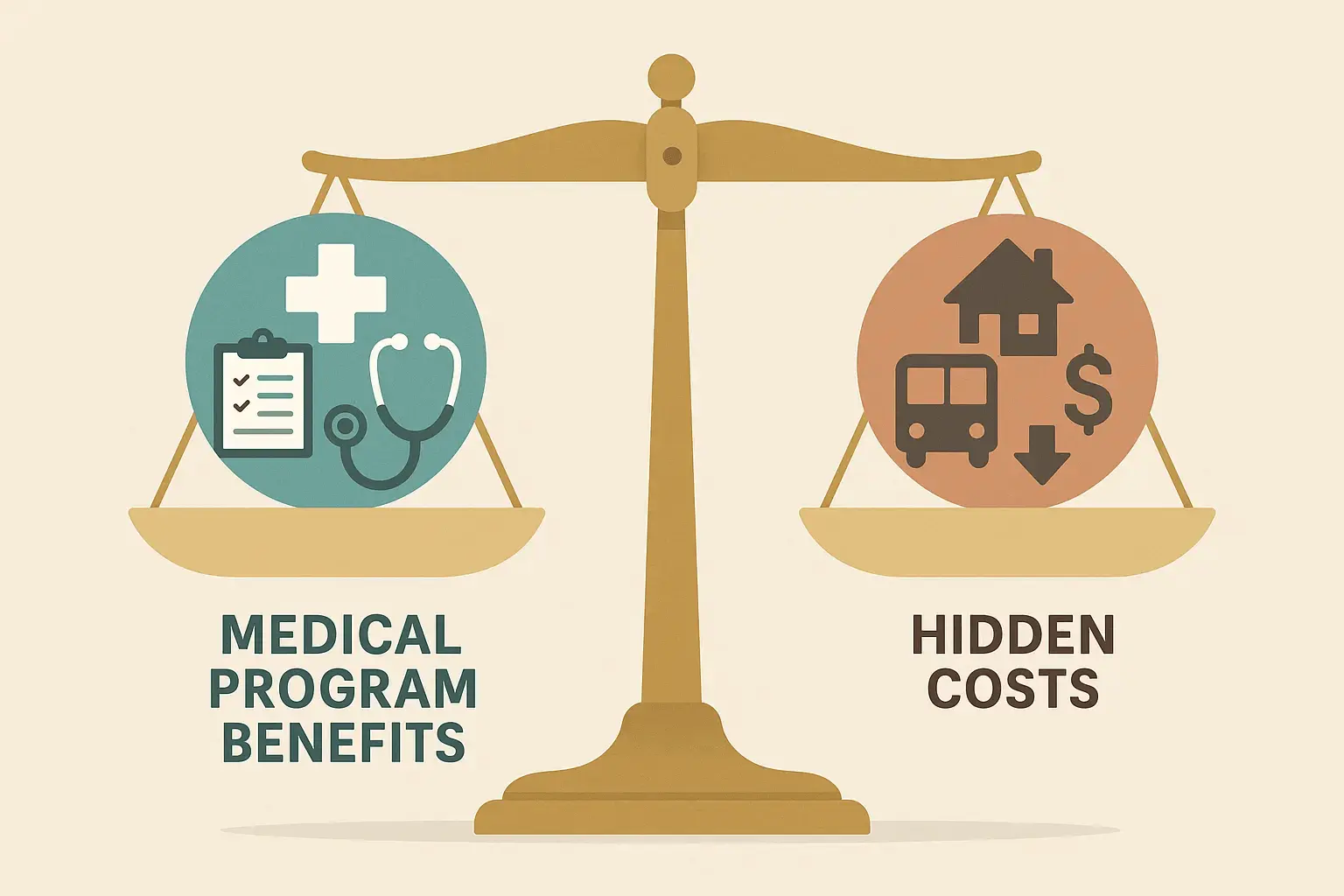
Treating medical program applications like summer camp registrations is a recipe for rejection. I learned this the hard way during my first round of applications when I got rejected from everything. The most successful applicants understand these programs operate more like college admissions, requiring strategy, relationship building, and long-term planning that begins way before deadlines.
The growing popularity of combined bachelor's and MD programs shows this trend toward earlier medical school preparation. "More than 40 medical schools across the United States offer these combined degree programs" according to the AAMC, demonstrating how medical education pathways are becoming more structured and competitive at earlier stages.
Starting relationship development 12-18 months before applying gives you a massive advantage over students who treat applications as one-time submissions. I know this timeline looks insane. When I first saw something like this, I wanted to give up before I started. But here's the thing - you don't have to do everything perfectly. Just pick a few things from each time period and focus on those.
The key is approaching this strategically rather than randomly reaching out to people. I made plenty of mistakes in my early outreach attempts (including some truly awkward emails), but I learned what works and what doesn't.
18 Months Before:
12 Months Before:
6 Months Before:
3 Months Before:
I used to think "networking" meant walking up to important people and trying to impress them. Spoiler alert: that doesn't work. What actually works is being genuinely curious about what people do and asking questions because you actually want to know the answers.
Former program participants can provide insider knowledge about selection criteria, program culture, and success strategies that you'll never find on official websites. But most students approach this completely wrong - you can't just ask for recommendations from strangers.
I spent hours stalking people on LinkedIn (in a non-creepy way, I promise). I'd search for the program name and just scroll through until I found someone who looked approachable. Then I'd send them a message like, "Hey, I saw you did this program - would you mind if I asked you a quick question about it?"
Use LinkedIn to identify alumni from your target programs - search by program name and graduation year. Reach out with specific, thoughtful questions about their experience rather than generic requests for advice. Ask for brief informational interviews (15-20 minutes max) rather than direct recommendations. Maintain relationships by sharing your own progress and insights - make it a two-way conversation.
Marcus found three Mount Sinai HOPP alumni on LinkedIn and sent personalized messages asking about specific research projects mentioned in their profiles. One alumna, now a college sophomore, agreed to a 20-minute video call where she shared that the program particularly valued students who could articulate connections between their research interests and cancer health disparities. Marcus incorporated this insight into his application essay and got accepted.
Building relationships with practicing physicians, researchers, and healthcare administrators creates a support network that extends way beyond program applications into your entire career. These relationships provide ongoing guidance, reference letters, and professional connections that prove invaluable throughout your medical journey.
The key is remembering that professional mentorship relationships develop organically through shared activities and mutual interests. You can't force them, but you can create opportunities for them to happen naturally.
Volunteer at local hospitals or clinics where you'll meet professionals in relaxed settings. Attend medical society meetings that are open to students - many local chapters welcome pre-med students. Participate in health-related community service projects where professionals volunteer their time. Join pre-health professional organizations with active physician involvement.
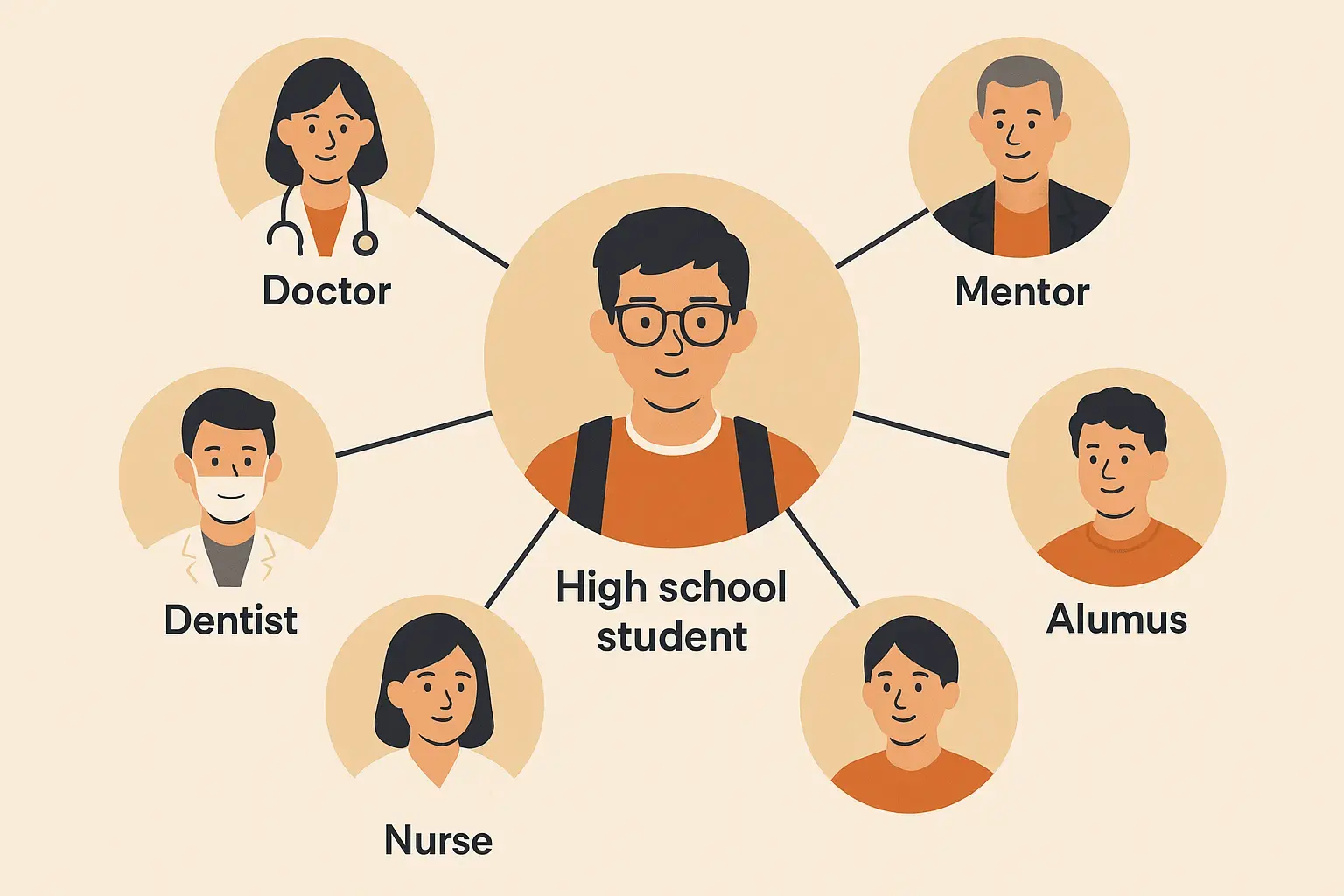
Stop comparing yourself to that kid who already has research published (yes, they exist, and yes, they're 16). Your path doesn't have to look like theirs. Competitive applicants curate their experiences to show progressive skill development, leadership growth, and genuine commitment to healthcare rather than just accumulating impressive-sounding activities.
The strongest applications demonstrate a clear progression from basic health-related volunteering to increasingly sophisticated clinical exposure. This shows both sustained commitment and readiness for advanced opportunities.
Random, disconnected experiences don't carry the same weight as a thoughtful developmental pathway. Admissions committees can spot resume padding from miles away. They want to see genuine growth and increasing responsibility over time, not just a list of impressive places you've visited.
Start with basic hospital volunteering during freshman or sophomore year to learn healthcare environments. Progress to specialized departments or patient populations that align with your interests. Seek opportunities with increasing responsibility like patient transport, administrative support, or patient interaction. Document specific skills learned and meaningful patient encounters - these become powerful essay material.
Students who successfully transition from program participants to research contributors understand how to identify knowledge gaps, propose solutions, and communicate findings effectively. This requires developing actual research competencies rather than just expressing interest in research.
Research experience means more than just watching other people do experiments. Programs want students who can contribute intellectually to ongoing projects and potentially continue research relationships beyond the program
Complete online research methodology courses through resources like the NIH Training Center (they're free and highly respected). Practice reading and summarizing current medical literature - start with review articles in areas that interest you. Develop basic data analysis skills using free software like R or Python through online tutorials. Create a research portfolio showcasing your analytical thinking and ability to synthesize complex information.
Summer medical programs in NYC exist within a highly stratified system where program prestige, accessibility, and outcomes vary dramatically based on factors that aren't always transparent to applicants.
Here's what nobody wants to say out loud: some programs are way better than others, and everyone kind of knows which ones they are. Understanding this hierarchy helps you set realistic expectations and develop appropriate strategies. I wish I had known about this system before I started applying - it would have saved me from some painful rejections and helped me focus on programs where I actually had a chance.
NYC medical programs operate within an unofficial but well-understood hierarchy that affects everything from admission competitiveness to career outcomes. Knowing where programs fall in this system helps you set realistic expectations and develop appropriate strategies.
|
Program Tier |
Characteristics |
Examples |
Acceptance Rate |
Typical Applicant Profile |
|
Elite Tier |
Top research institutions, extensive resources, celebrity faculty |
Mount Sinai HOPP, Columbia BRAINYAC, Rockefeller SSRP |
3-8% |
Perfect grades, prior research, strong connections |
|
Selective Tier |
Strong reputation, good resources, competitive but accessible |
NYU GSTEM, Einstein programs |
15-25% |
High grades, some experience, demonstrated interest |
|
Community Tier |
Focus on access and diversity, strong mentorship |
NYC Health + Hospitals, Community college partnerships |
40-60% |
Good grades, genuine commitment, underrepresented backgrounds |
|
Open Access |
Broad eligibility, rolling admissions, skill-building focus |
STEP programs, Some hospital volunteer programs |
70-90% |
Basic academic standing, enthusiasm for healthcare |
Programs at institutions like Weill Cornell, Columbia, and Mount Sinai offer incredible access to cutting-edge research and renowned faculty, but they maintain extremely selective admission processes. These programs often cater to students who already have significant advantages through family connections, elite high schools, or extensive prior research experience.
I wasted so much time applying to programs I had zero chance of getting into. Save yourself the application fees and be realistic about where you stand. These programs are incredibly competitive and often favor students from well-connected backgrounds. That doesn't mean you shouldn't apply, but you need to understand what you're up against.
Application deadlines typically fall 4-6 months before program start dates - much earlier than most students expect. They require extensive research experience or exceptional academic credentials that go beyond good grades. Programs often prioritize students from feeder high schools or those with faculty connections. Financial aid exists but competition is intense, so don't count on it covering everything.
Programs through organizations like NYC Health + Hospitals and community colleges prioritize accessibility and diversity while still providing valuable clinical exposure and mentorship opportunities. These programs often offer more personalized attention and stronger support systems for first-generation college students.
Don't overlook these programs thinking they're "lesser" options. The community college program that taught me more than some of the Ivy League ones I visited. They often provide more hands-on experience and better mentorship than prestigious programs where you might get lost in the crowd.
Application processes are more accessible with rolling admissions rather than strict early deadlines. There's stronger focus on underrepresented minorities and first-generation college students. Direct pathways to community college pre-health programs can save you money later. Career counseling and college preparation components add value beyond medical exposure.
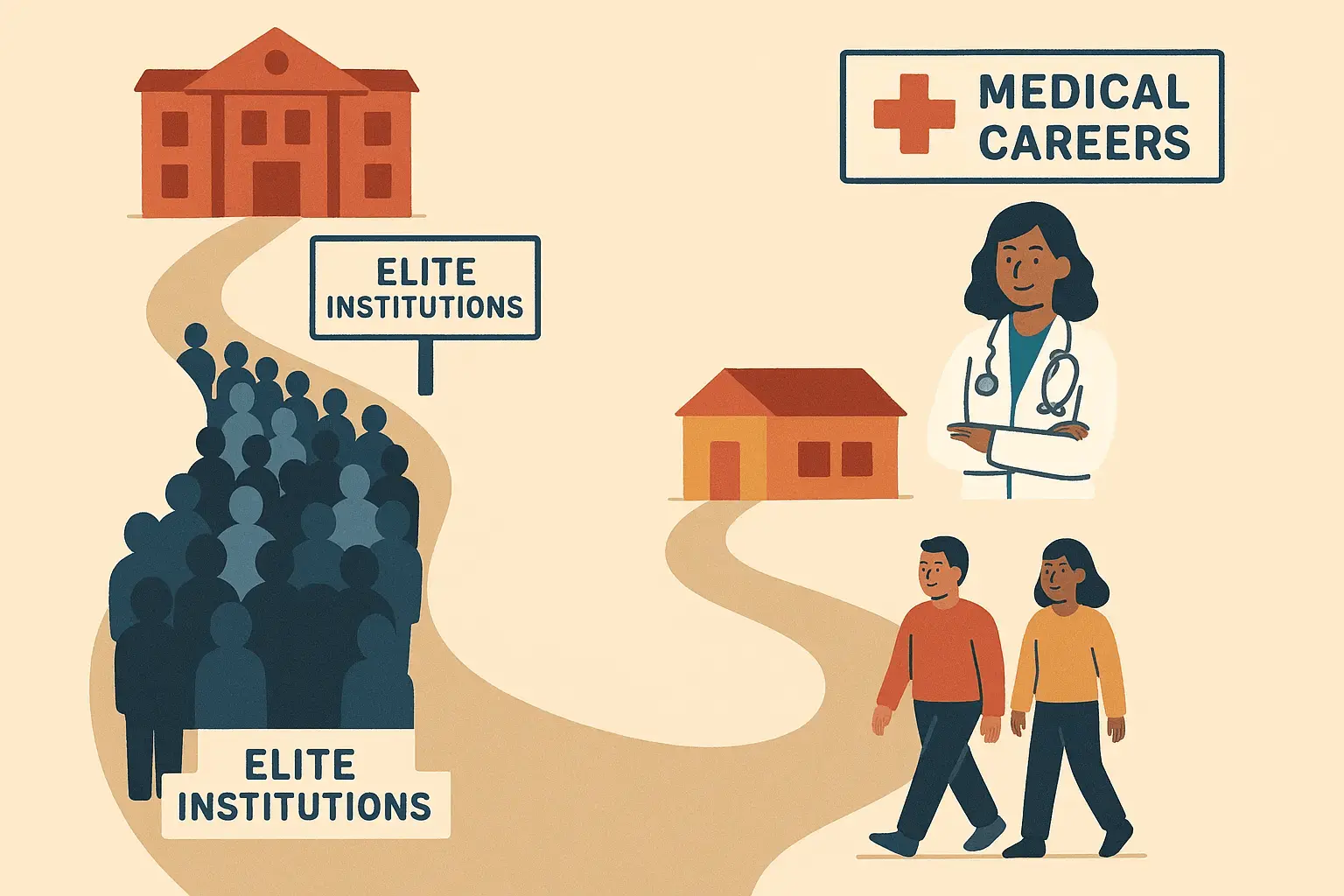
Beyond stated program objectives, summer medical programs teach implicit lessons about healthcare culture, professional networking, and career navigation that significantly impact participants' long-term success. These hidden curriculum components often prove more valuable than the official learning objectives.
Programs inadvertently teach students how to communicate in healthcare settings, understand professional hierarchies, and navigate complex workplace relationships. These soft skills prove crucial in medical school applications and early career success but rarely get mentioned in program descriptions.
The professional socialization you get from these programs is incredibly valuable but hard to quantify. You learn how healthcare teams actually function, not how they're supposed to work on paper. That voice in your head saying you don't belong? Yeah, everyone hears it. Even the kid who seems super confident. The difference is learning to do things anyway.
You'll pick up medical terminology and communication styles naturally through immersion. Understanding healthcare team dynamics helps you navigate future clinical experiences. Professional networking skills develop through watching how mentors interact with colleagues. Exposure to medical culture teaches you unwritten rules that aren't covered in textbooks.
Many programs provide college counseling, application support, and scholarship information that extends their value far beyond medical education. This additional support proves particularly valuable for first-generation college students who may lack other sources of guidance about higher education navigation.
The college preparation components often get overlooked but can be incredibly valuable, especially if you don't have other sources of guidance about higher education.
Healthcare professionals often provide feedback on college application essays from a unique perspective. Programs frequently share scholarship opportunity information and application support. Medical school pathway planning helps you understand timeline requirements and prerequisites. Professional reference letter development gives you strong advocates for future applications.

The real value of medical programs emerges in how participants leverage their experience for college applications, scholarship opportunities, and continued healthcare engagement. Successful students treat programs as launching pads rather than isolated experiences, using them to build ongoing relationships and create opportunities for continued growth.
Program participation provides rich material for college essays, interviews, and supplemental applications, but only when students can articulate specific learning outcomes, personal growth, and future impact. The key is developing narratives that demonstrate intellectual curiosity, resilience, and commitment to service while avoiding clichéd statements about wanting to help people.
Transform program experiences into compelling personal narratives that show how specific moments or encounters changed your thinking or goals. Generic "I want to help people" essays are everywhere. Admissions committees want to see specific examples of how experiences shaped your thinking and what you plan to do with that knowledge.
The strongest narratives connect program learning to broader social issues or personal values while articulating concrete next steps for continued engagement.
Identify 2-3 specific moments or patient encounters that genuinely challenged your assumptions or changed your perspective. Analyze how these experiences influenced your goals or understanding of healthcare. Connect program learning to broader social issues or personal values that matter to you. Articulate specific next steps and continued engagement plans that show sustained commitment.
After participating in Mount Sinai's Oncology Discovery Institute, Jessica wrote her college essay about a specific moment when she observed a pediatric oncologist explaining treatment options to a Spanish-speaking family. She connected this experience to her own bilingual background and articulated plans to pursue medical Spanish certification and community health advocacy, demonstrating how the program shaped her specific career goals rather than just inspiring generic interest in medicine.
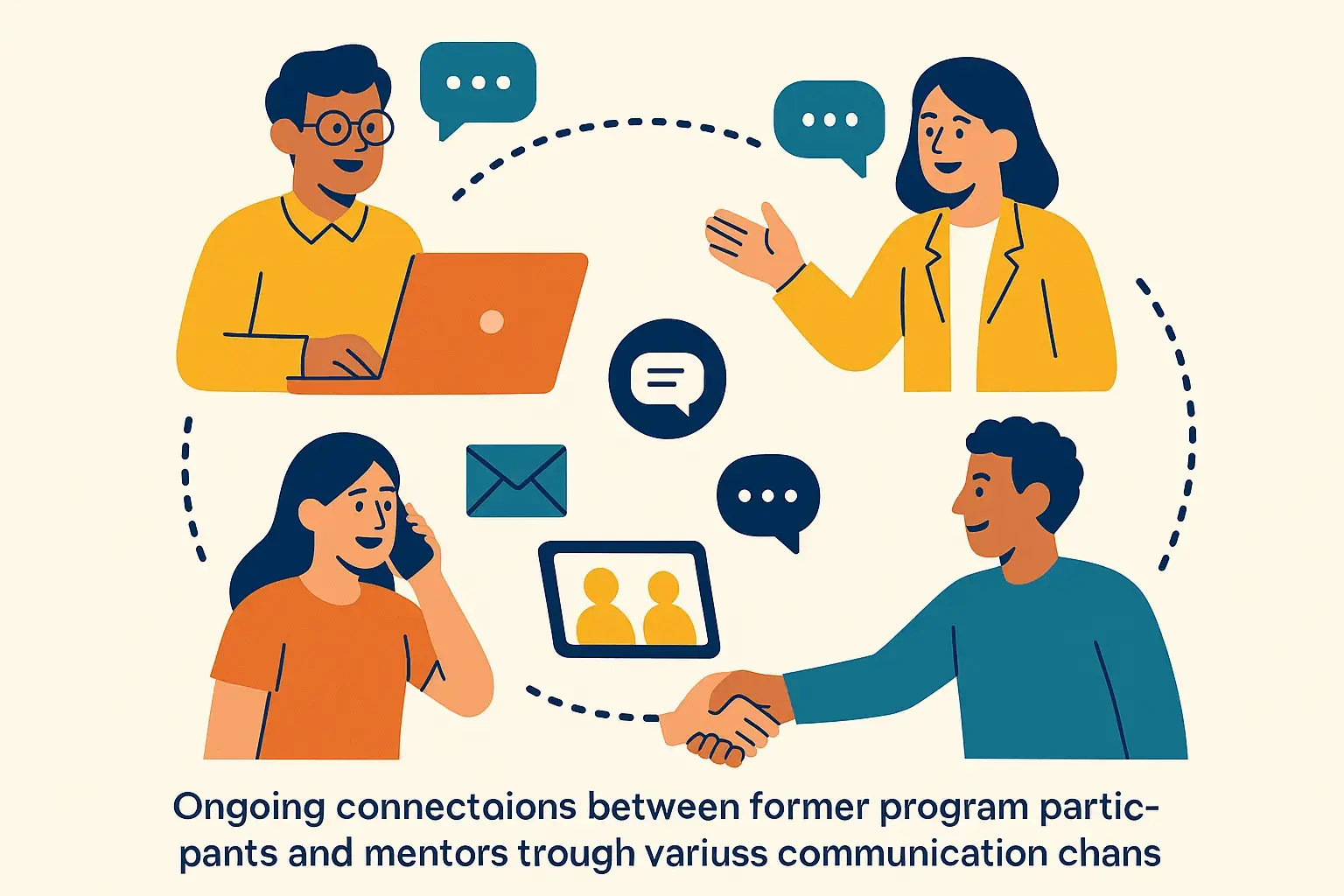
Students who maintain connections with program mentors, continue related volunteer work, and build upon program experiences demonstrate authentic commitment and create opportunities for ongoing support and development. These relationships require ongoing cultivation and mutual value creation rather than one-sided requests for support.
Successful program alumni understand that mentorship relationships need ongoing cultivation through regular communication, shared interests, and mutual value creation. The strongest relationships develop when students can offer something valuable in return rather than just asking for continued support.
Mentors are busy people who work with many students over time. The ones who stay connected are those who make the relationship mutually beneficial and genuinely interesting.
Send periodic updates on academic progress and related activities - mentors want to see how you're growing. Share relevant articles or research findings that might interest them professionally. Offer to help with mentor's research projects or community initiatives when appropriate. Facilitate connections between mentors and other students or colleagues when it makes sense.
Within 1 Month:
Within 3 Months:
Within 6 Months:
One of the biggest barriers I've seen students face with NYC medical programs is securing affordable, convenient housing during summer programs. The day I realized I needed housing lined up 6 months ahead was honestly terrifying. Many prestigious programs assume you can independently arrange NYC housing for 6-12 weeks - a significant obstacle that can derail your entire medical career journey before it starts.
Instead of spending months searching for sublets or paying premium rates for short-term housing, you can focus your energy on maximizing your medical program experience and building the relationships that will set you apart in medical school applications.
Look, this whole process is stressful and confusing. I spent way too many nights staying up late worrying about applications and wondering if I was good enough. Getting into competitive medical programs for high school students NYC requires understanding systems that operate beneath the surface of official program descriptions.
But here's what I want you to know: there's a path forward for you, even if it doesn't look like what you originally planned. The goal isn't to get into the most prestigious program - it's to find experiences that help you grow and figure out if medicine is really for you. And trust me, there are way more opportunities out there than you think.
The financial and logistical barriers are real, but they're not insurmountable when you plan ahead and understand your options. The key is starting early, building genuine relationships, and approaching the entire process with the same seriousness you'd bring to college applications.
The students who succeed treat applications strategically, build relationships authentically, and leverage experiences thoughtfully for long-term career development. Why the "best" program might not be the best program for you became clear to me only after I stopped caring about impressing other people and started focusing on what I actually wanted to learn.
Most importantly, remember that the program itself is just the beginning. How you use the experience, maintain the relationships, and build upon the foundation determines whether it becomes a transformative step in your medical career or just another line on your resume. Thousands of students figure this out every year, including plenty who started with way less information than you have right now.

Household supplies can be changed or decreaased at Outpost Club’s discretion, or based on supply availability. Outpost is not responsible for temporary losses of utility service. Outpost Club is not responsible for any damages due to absence of any supplies or utilities


If you have a sales related question please call
680-688-7678

 Hot Deals