Moving from SF to NYC: The Real Cost, Timeline, and Survival Guide You Actually Need
Dec 3, 2025
Dec 3, 2025
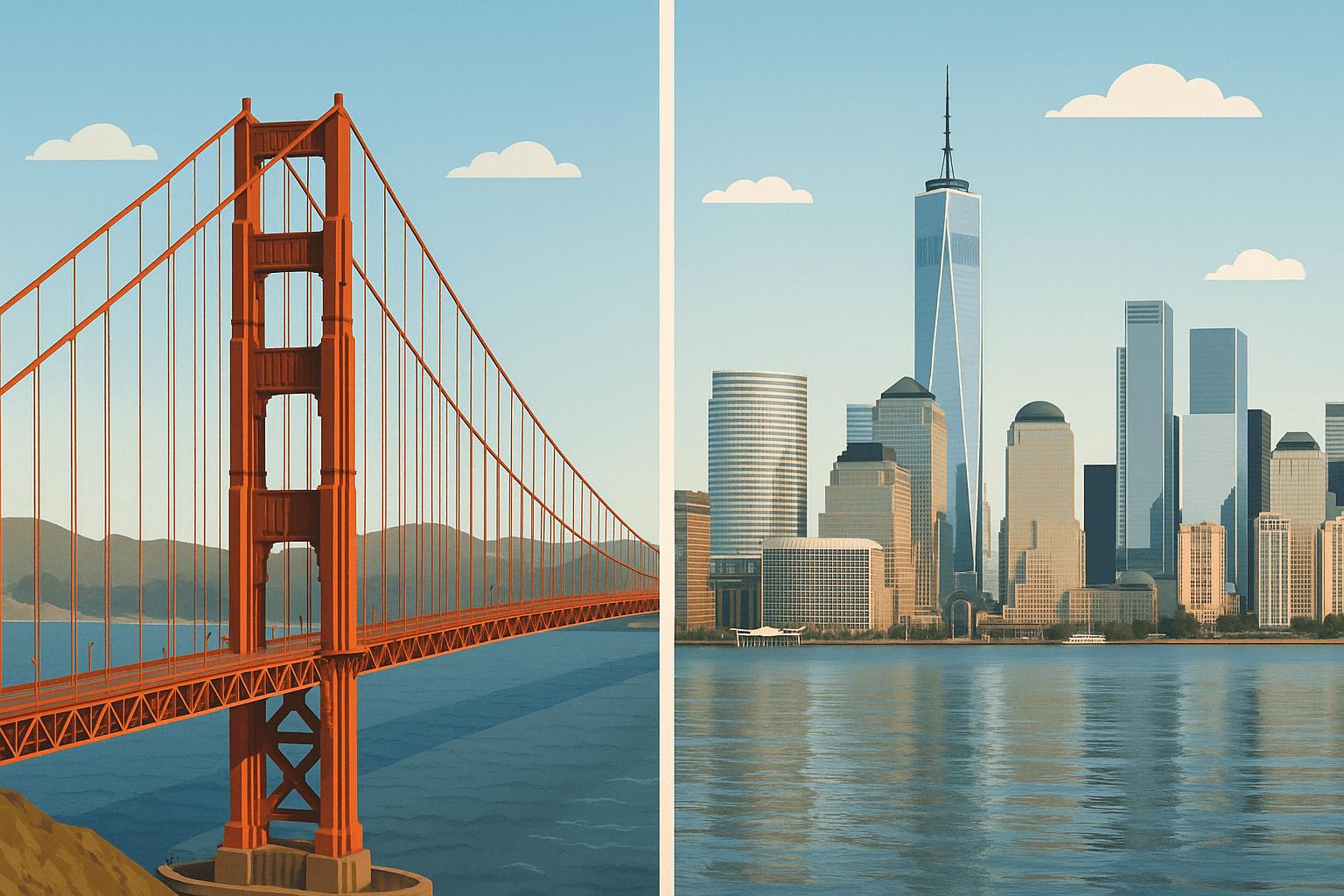
So you're thinking about ditching the fog and sourdough for pizza and subway rats? I get it. After helping dozens of friends make this exact move (and doing it myself three years ago), I can tell you it's way more complicated than just booking a U-Haul and hoping for the best. According to recent migration data, New York, NY tops the list of cities where San Francisco residents are moving, which means you're definitely not alone in wanting to trade the Golden Gate for the Big Apple.
Look, I've watched way too many people try to wing this move and end up paying double for everything while living out of suitcases for months. Trust me - this isn't like moving across town in SF where you can just throw everything in your car and figure it out later.
You're basically orchestrating a complete life overhaul across 3,000 miles and three time zones. I'm talking lease endings, job start dates, getting your stuff across the country, and dealing with two completely different sets of bureaucratic nonsense. And here's the kicker - everything has to line up perfectly, or you'll be stuck paying rent in both cities while sleeping on an air mattress.
The 8-12 week thing isn't me being dramatic. It's what stands between you and a total meltdown when you realize the good moving companies are booked solid and you're stuck with whatever sketchy operation has a truck available next week.
Here's something that'll blow your mind: there are actually moving companies that do nothing but California to New York runs. "California New York Express Moving Company focuses exclusively on moving between California and the Northeast corridor" Digital Journal reports, and they can get your stuff there in 5-10 days instead of the usual 2-3 weeks. Game changer if you can't handle living without your belongings for a month.
|
When to Do It |
What You're Actually Doing |
Why It Matters |
|
8-12 Weeks Out |
Stalking Zillow, getting moving quotes that'll make you cry |
Good movers book up fast |
|
6-8 Weeks Out |
Apartment hunting via FaceTime (yes, really) |
NYC apartments go FAST |
|
4-6 Weeks Out |
Actually signing a lease sight unseen (terrifying but necessary) |
Timing is everything |
|
2-4 Weeks Out |
Packing everything you own while having an existential crisis |
Last-minute bookings cost double |
|
1-2 Weeks Out |
Panic-cleaning and wondering why you own so much stuff |
You're almost there |
Okay, real talk about timing. Summer moves are gorgeous weather-wise, but you'll pay out the nose for everything. I'm talking premium prices for movers, rental trucks, even Airbnbs. But hey, at least you won't be moving in a blizzard.
Fall and spring are the sweet spots - you'll save serious money and still have decent weather. September through November is perfect if you can swing it. March through May works too, but watch out for spring break chaos.
Winter moves? Look, the prices are amazing, but I've seen people's stuff stuck on a truck for a week because of snowstorms. Only do this if you're feeling brave and have a flexible timeline.
If your company's helping with the move, don't be shy about asking what they'll cover. I've seen people leave thousands on the table because they didn't know they could negotiate.
Sarah from my old company pushed for 60 days of temporary housing instead of the standard 30. That extra month let her actually explore neighborhoods instead of panic-signing the first lease she found. She ended up in Park Slope instead of some random Manhattan shoebox.
The key is asking early and often. HR departments don't always volunteer everything that's available. Many tech companies have comprehensive relocation packages including house-hunting trips and moving expense reimbursement, but you won't know unless you ask. And here's a pro tip - negotiate your start date carefully. Starting work while dealing with moving logistics and living in temporary housing is a recipe for burnout.
Brace yourself. This move is going to cost way more than you think, and I'm not just talking about the movers. You're basically setting up a new life in one of the world's most expensive cities while still paying for your old one.
That $8,000-$25,000 range? That's real. And if you're on the lower end, you're either very lucky or very scrappy. Most people I know hit somewhere around $15K when all was said and done.
The thing that kills you is everything hitting at once. First month's rent, last month's rent, security deposit, broker fee (yeah, that's a thing here), moving costs, storage because nothing ever lines up perfectly, plus you're still paying SF rent until your lease ends. It's like getting punched in the wallet repeatedly.
Professional movers for a 2-bedroom will run you $4,500-$8,000, but that's just the starting point. Got a piano? Add $500. Wine collection? Another $300. That weird vintage couch that definitely won't fit through a NYC doorway? Good luck.
Packing services are amazing but expensive - we're talking $25-$40 per hour per person, and they're not fast. But here's the thing: they include insurance that DIY packing doesn't. I learned this the hard way when my "carefully packed" TV arrived looking like abstract art.
Storage is basically inevitable unless you have the world's best timing. Climate-controlled storage in both cities runs $100-$300 monthly, and you'll probably need it for at least a month or two.
Understanding the financial implications is crucial, especially considering what NYC movers really cost and how to avoid getting ripped off can save thousands during your transition.
The average cost of moving from San Francisco to New York City ranges from $1,600 (DIY van, small apartment) to about $15,000 for a full-service move Colonial Van Lines reports, with most people falling somewhere in the middle depending on how much stuff they're hauling and how fancy they want to get with services.

Forget everything you know about renting in SF. NYC is a completely different beast, and it's going to hurt.
Broker fees are legalized theft - typically one month's rent just for the privilege of maybe getting an apartment. Some places advertise "no fee," but trust me, that cost is baked into the rent somewhere.
NYC leases are also way more intense than what you're used to. They'll have clauses about everything - subletting, painting walls, even hanging pictures. Read the fine print or you'll get surprised later.
And if you're looking at co-ops or condos? Those boards basically have veto power over your entire life. The approval process takes forever and they want to know everything about your finances, your job, probably your childhood pet's name.
Here's where it gets interesting. You'll ditch your car (hallelujah, no more $400 parking spots), but you'll spend more on everything else.
Transportation flips completely. No more car payment, insurance, or parking, but you'll use way more Ubers than you think. The subway's great, but sometimes you just need to get somewhere fast or you're carrying too much stuff.
Food is weird - individual meals can be cheaper because there's so much competition, but you'll eat out way more because the options are everywhere and amazing. It's like the city is designed to separate you from your money one delicious meal at a time.
Before you make this leap, seriously check out the real cost of living in NYC and what nobody tells you about hidden expenses. There's always some cost you didn't think of.
According to cost analysis, New York City's cost of living is 18 percent higher than Los Angeles and 4 percent higher than San Francisco Colonial Van Lines data shows, though this varies wildly depending on your neighborhood and how much you like fancy cocktails.
|
What You're Spending On |
SF Monthly |
NYC Monthly |
The Damage |
|
1BR Apartment |
$3,500 |
$3,200 |
-$300 (if you're lucky) |
|
Car + Insurance + Parking |
$650 |
$0 |
-$650 (sweet freedom) |
|
Subway + Taxis |
$50 |
$150 |
+$100 |
|
Eating Out (because options) |
$800 |
$900 |
+$100 |
|
Groceries |
$400 |
$450 |
+$50 |
|
Fun Stuff |
$300 |
$250 |
-$50 |
|
Total Damage |
$5,700 |
$4,950 |
-$750 |
Here's something SF people don't get at first - NYC neighborhoods have way more personality than anything back home. Each one is basically its own little city with completely different vibes, food scenes, and types of people.
In SF, neighborhoods kind of blend together. In NYC? Going from the Upper East Side to Williamsburg is like traveling to different planets. The scale is insane - what counts as one NYC neighborhood probably has more people than all of Palo Alto.
This is actually awesome once you get used to it, but it makes choosing where to live way more complicated. You're not just picking an apartment, you're picking a whole lifestyle.
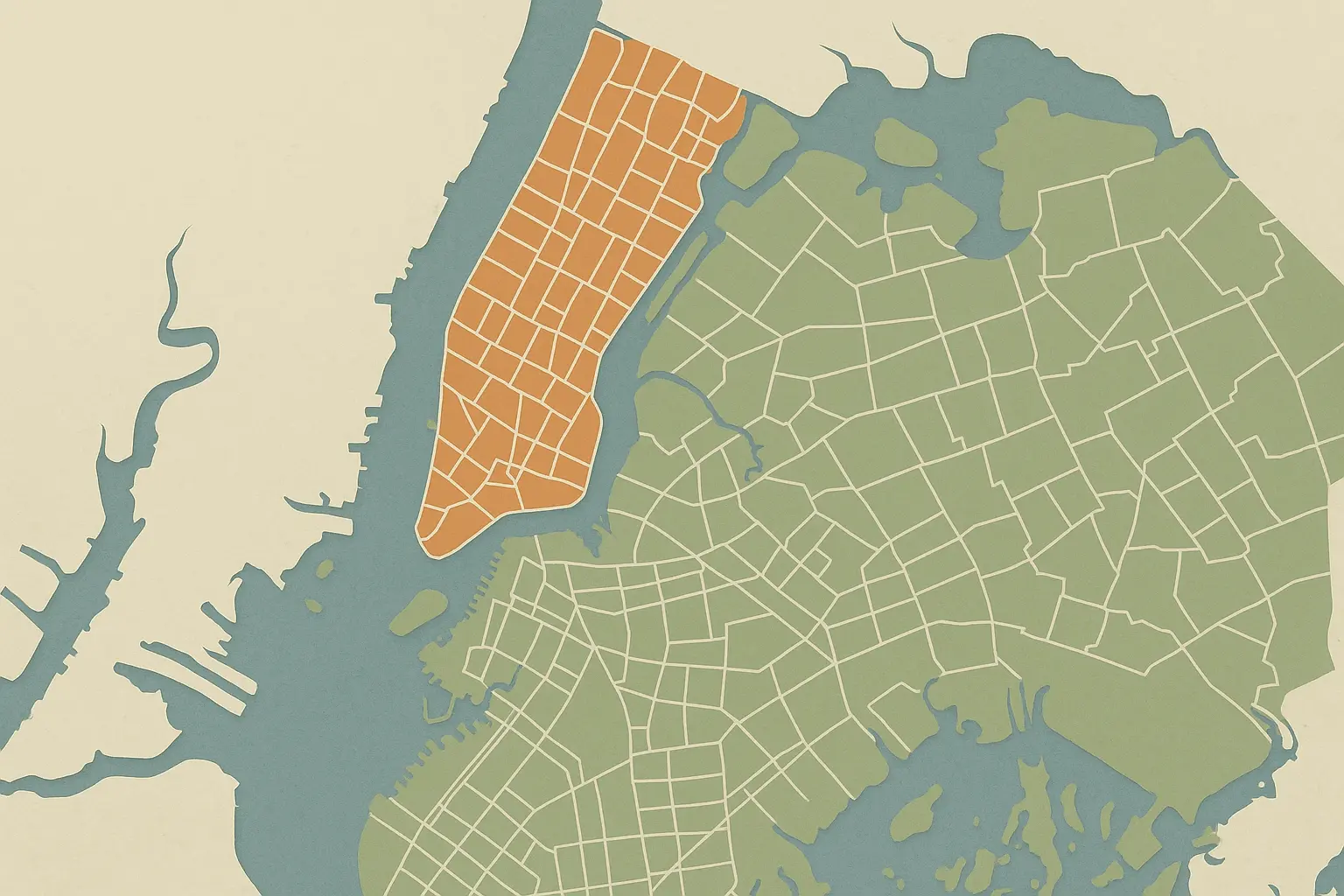
Manhattan is the NYC everyone pictures - everything's walkable, the energy is insane, and you're in the middle of everything. But your money doesn't go very far, and "spacious" means something very different here.
Brooklyn is where a lot of SF transplants end up, and for good reason. You get more space for your money, actual neighborhoods that feel like communities, and it's still super urban. Plus the commute to Manhattan isn't bad if you pick your spot right.
Queens and the Bronx are having their moments - way more affordable, tons of space, but you'll spend more time on the subway. Worth it if you prioritize having room to breathe over being in the thick of everything.
Park Slope is like if the Mission had tree-lined streets and better schools. It's got that neighborhood feel with easy access to Manhattan, plus Prospect Park right there. Families love it, professionals love it, your wallet might not love the rent but it's still better than Manhattan.
Williamsburg is where all the tech people end up. It's got that startup energy with great restaurants and nightlife. The L train will be your best friend, and there are enough other transplants that you won't feel totally lost.
For those considering Brooklyn, the coolest neighborhoods in Brooklyn offer great places to live, explore, and feel at home during your transition from the West Coast.
DUMBO is fancy as hell with those Instagram-worthy views of Manhattan. If you want to feel like you're living in a movie and don't mind paying for it, this is your spot. Plus the commute to both Midtown and Financial District is super easy.
My frien
My friend Mike moved from the Mission to Park Slope and couldn't believe the difference. "I'm paying $400 less for 200 more square feet, the streets have actual trees, and I can walk to Prospect Park instead of driving to Golden Gate Park. It's like SF but better organized."
Unlike SF's sad excuse for public transit, the subway actually goes everywhere. But here's the thing - which line you're near matters way more than you think.
Express lines are life. They'll cut your commute in half and make neighborhoods that seem far away totally doable. Living near express stops is worth paying extra rent for the time savings alone.
Transfer stations are double-edged swords. Yeah, you can get anywhere from there, but they're also crowded nightmares during rush hour. Sometimes it's worth a slightly longer walk to avoid the chaos.
And please, for the love of all that's holy, check weekend service before you sign a lease. Some lines basically disappear on weekends, leaving you stranded in what seemed like a well-connected neighborhood.
The biggest adjustment isn't the weather or the rent - it's going from driving everywhere to walking everywhere. Your relationship with distance completely changes when you're not thinking in terms of parking spots and traffic.
Walking becomes your default for anything under a mile, which would have been unthinkable on SF's hills. The flat grid system makes 15-block walks feel normal, and you'll actually start to enjoy it (once you get proper shoes).
The subway takes practice, but once you figure it out, it's like having superpowers. You can get from Brooklyn to the Bronx faster than you could drive across SF in traffic.
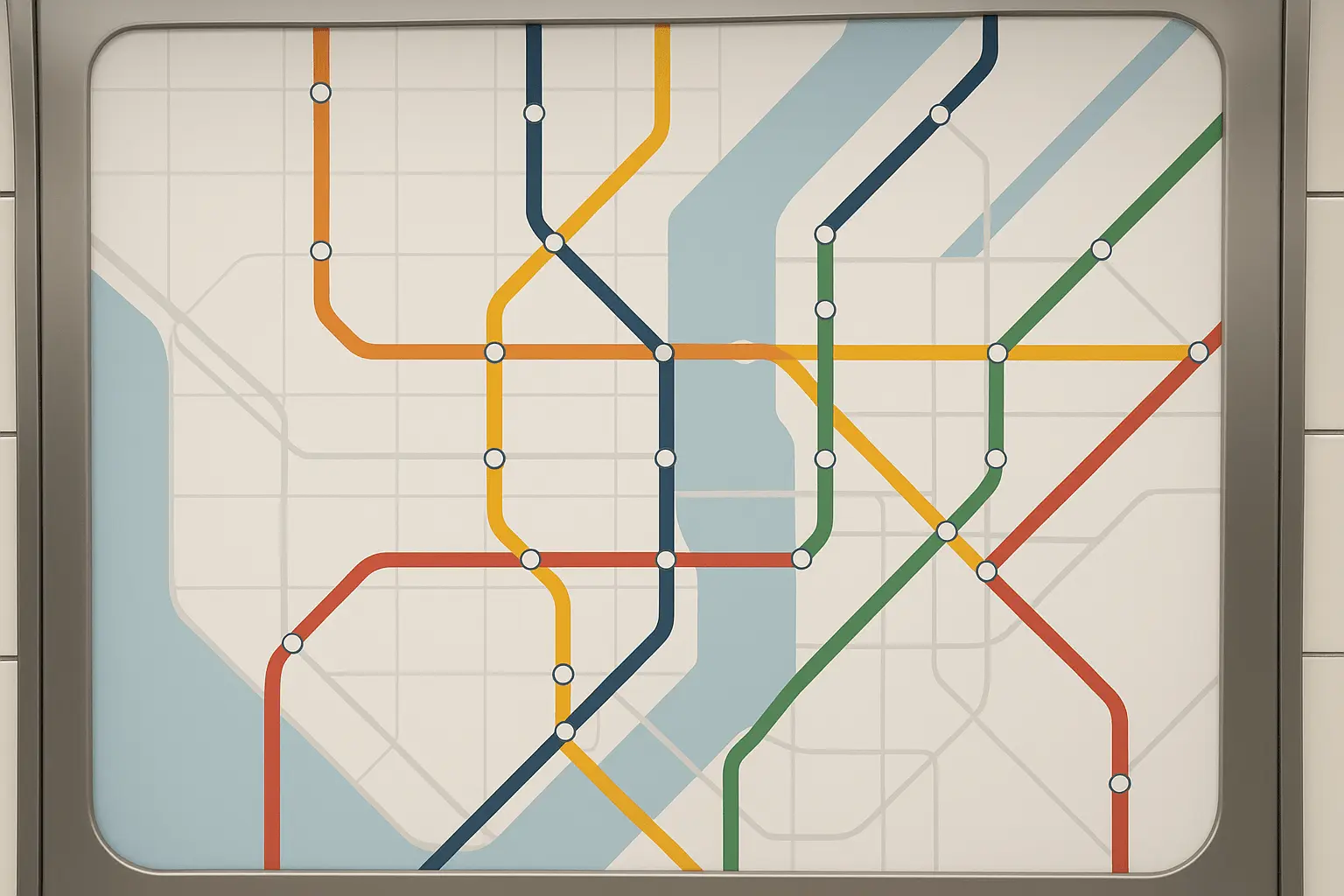
Express vs. local trains will determine whether your commute is 20 minutes or 45 minutes. Express trains skip stops to get you there faster - always check if there's an express option before settling for the local.
My friend Jake spent his first month taking the local train everywhere because he was too embarrassed to ask how express trains work. His 20-minute commute turned into 45 minutes of pure frustration until someone finally explained the color-coding system.
Transfer strategy is an art form. Sometimes taking a longer route with one transfer is better than a shorter route with three transfers. The subway map is your new best friend - study it like you're cramming for finals.
Service alerts are crucial. Download the Citymapper app before you even arrive - Google Maps will tell you to take three transfers when there's a direct route. And actually pay attention to weekend service changes. Nothing worse than showing up to a station to find out your line isn't running and you have to take three buses to get home.
Car ownership goes from necessity to liability real quick. Between parking costs ($300+ monthly), insurance, and the hassle of moving your car for street cleaning twice a week, most people ditch their cars within six months.
Shopping patterns completely flip. No more Costco runs - you're buying groceries every few days because you have to carry everything home. I'll never forget my first grocery run in Brooklyn - I tried to buy a week's worth of food like I did in SF, then had to carry it up four flights of stairs. Never again.
Social planning changes too. Instead of "want to meet for dinner in the Marina?" it becomes "want to try that new place that's one stop away on the L?" Transit accessibility becomes part of every decision, but it also makes you way more spontaneous.
Your SF hiking boots won't cut it here. Invest in comfortable walking shoes that can handle 15,000+ steps on concrete daily. Trust me on this one.
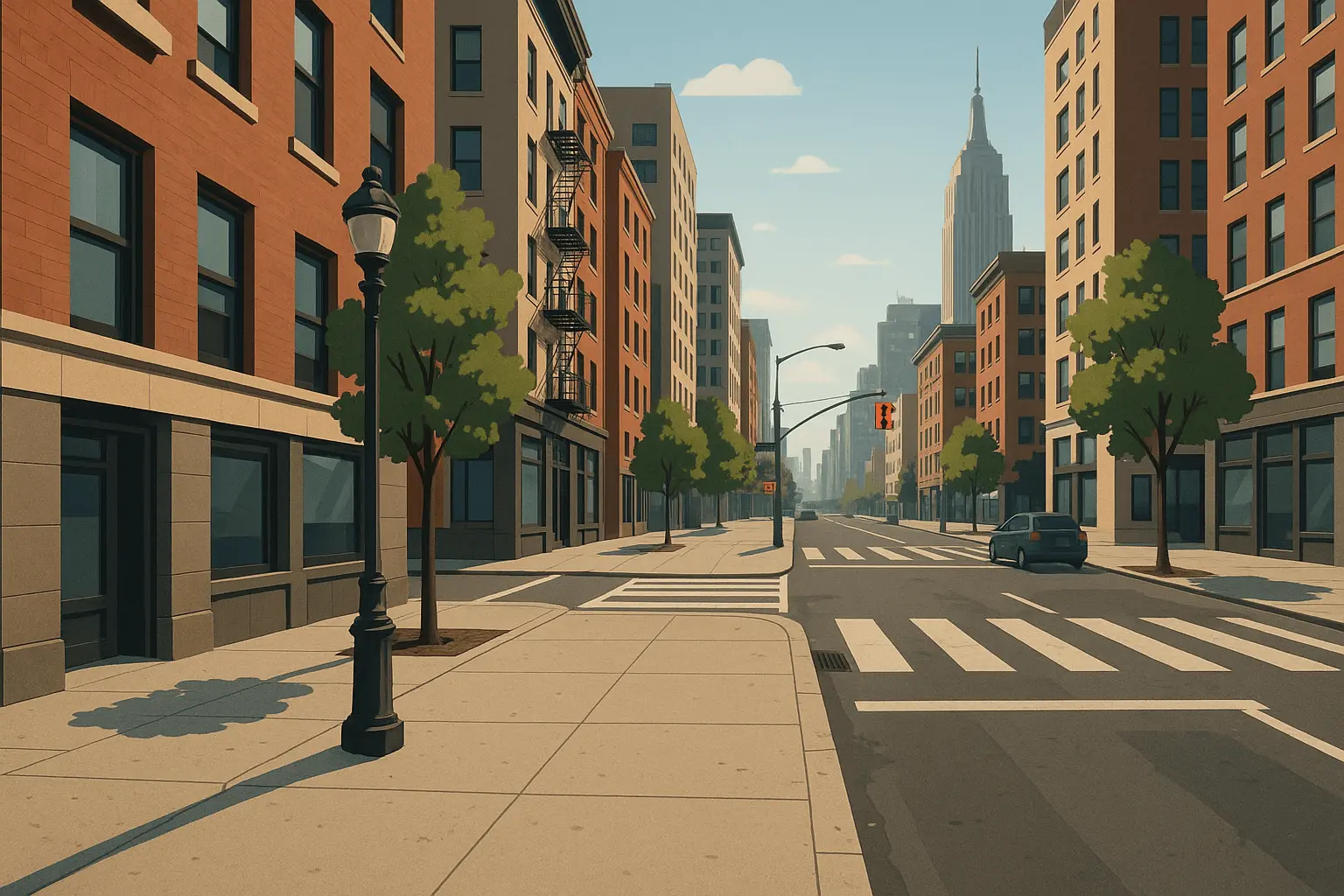
Moving from SF's laid-back tech culture to NYC's fast-paced everything-is-urgent vibe is like switching from decaf to espresso. The pace hits you immediately - people walk faster, talk faster, and expect you to keep up.
Professional networking is way more formal here. Those casual coffee chats that work in SF? In NYC, you're more likely to be invited to industry events, professional organization meetings, and actual networking events where people wear name tags and everything.
The business landscape keeps evolving too. "Verizon has signed a massive lease relocating its global headquarters from Midtown to just next to Penn Station" Bisnow reports, which is going to create a whole new business district. These kinds of shifts happen constantly and create new networking opportunities if you're paying attention.
Industry events in NYC are massive compared to SF's intimate startup meetups. You'll find yourself at conferences with hundreds of people instead of cozy gatherings of 20. It's intimidating at first but way better for meeting people outside your immediate industry.
Professional organizations actually matter here. In SF, you could get by on informal connections and startup networks. In NYC, joining industry associations and professional groups is basically required for career advancement.
Social circles form differently too. In SF, work friends and social friends were often the same people. In NYC, you'll have work people, neighborhood people, hobby people, and they might never overlap. It's actually pretty cool once you get used to it.
The finance culture influences everything, even if you're not in finance. Understanding basic financial concepts and being able to talk about markets will help in both professional and social situations, whether you're at a work event or just making friends at a bar.
Tech people moving to NYC often assume they need to completely change careers, but that's not true. NYC's tech scene is growing fast, it's just integrated into the broader business community instead of being its own isolated thing.
Flatiron, SoHo, and DUMBO have tons of tech companies, but they operate more like traditional businesses than SF startups. Understanding this hybrid approach helps in job searches and interviews - you still need tech skills, but business acumen matters more.
Cross-industry opportunities are huge here. Your coding skills might land you a job at a hedge fund's tech team, or your startup experience could be perfect for a media company's digital transformation. The diversity of industries means your skills translate in ways that weren't possible in SF's tech bubble.
My friend Jessica went from running a SF startup to joining a hedge fund's technology team and got a 40% salary bump. "In SF, I was just another entrepreneur. In NYC, my technical background made me valuable to traditional firms trying to innovate. It opened up career paths I never knew existed."

The administrative side of this move will make you question why states can't just get along. You're basically becoming a legal resident of a completely different place with different rules, taxes, and requirements for everything.
State residency changes trigger a cascade of paperwork that'll keep you busy for months. New York has specific requirements for establishing residency that affect your taxes, voting rights, and professional licenses. Miss something and you could end up paying taxes in both states or worse.
New York's state income tax is going to hurt. It's higher than California's for most income levels, and the city tax adds another layer of pain. But there are deductions and credits you can take advantage of if you know what you're doing.
California doesn't let you go easily, especially if you're making good money or have stock options. They'll want to make sure you're really gone and not just pretending to be a New York resident to avoid their taxes. Keep good records of your move and cut ties cleanly.
Dual residency situations are a nightmare. If you keep too many connections to California - like maintaining a gym membership or keeping your car registered there - you could end up owing taxes to both states. Don't mess around with this stuff.
Driver's license transfer has to happen within 30 days of becoming a New York resident. Sounds simple, but you'll need specific documents and might have to take tests again depending on your license type. Plan for multiple DMV visits.
Voter registration is straightforward but has deadlines that matter for upcoming elections. New York's requirements are different from California's, so don't assume you know what you need.
Professional licenses are where things get really complicated. Healthcare workers, lawyers, financial advisors - basically anyone with a professional license needs to apply separately in New York. This process can take months and might delay your ability to work, so start early.
Don't Leave Home Without:
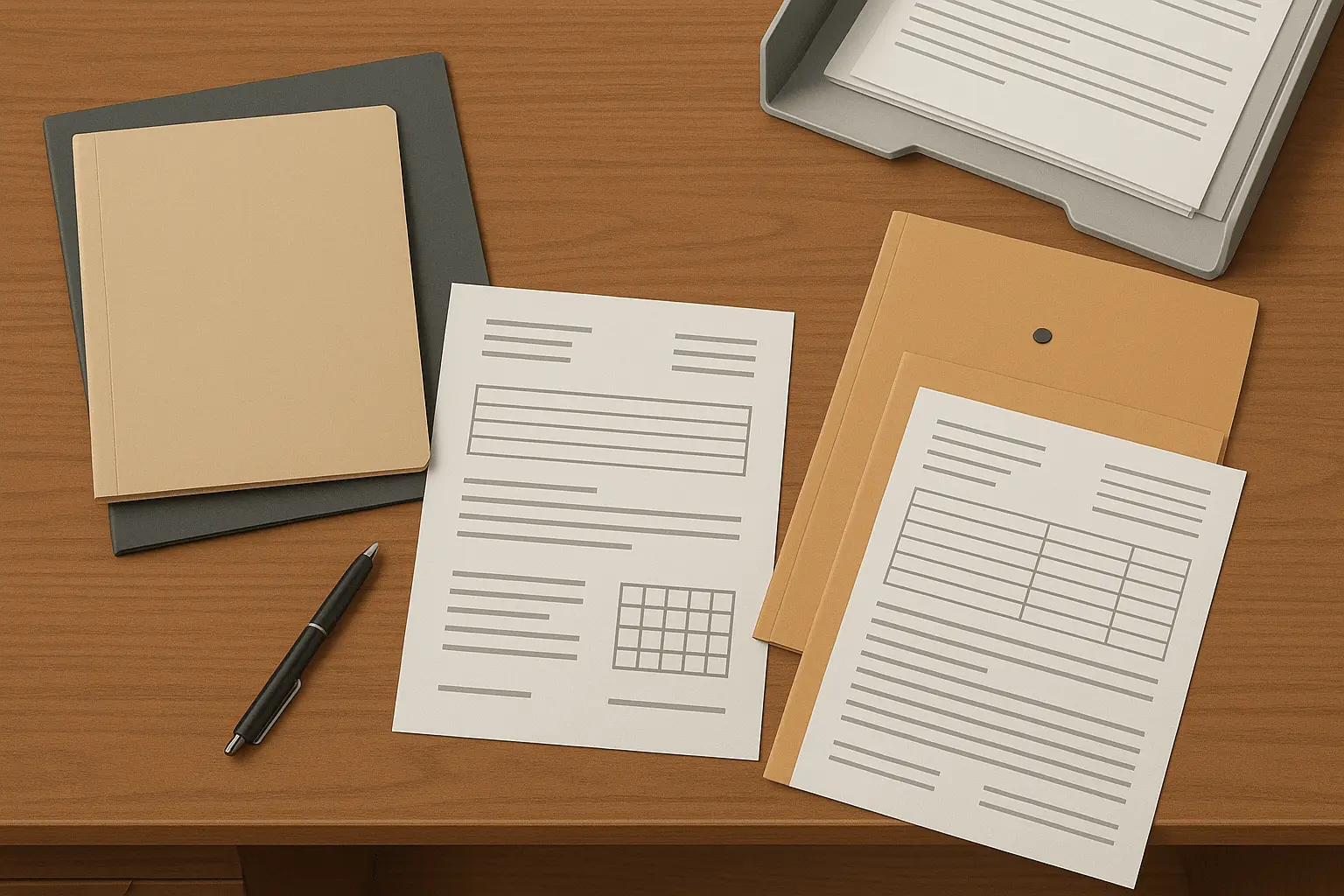
The actual logistics of getting your stuff 3,000 miles is where most people's carefully laid plans fall apart. You're coordinating multiple companies across different time zones, and something always goes wrong.
Interstate moving has federal regulations that add layers of complexity you don't deal with on local moves. There's paperwork, weight limits, and specific rules about what movers can and can't do. Miss something and your stuff could be held hostage until you sort it out.
The timing coordination is brutal. Your moving company, utility connections, and apartment availability will never align perfectly. I've never seen it happen, not once. Plan for overlap and have backup plans for your backup plans.
Cross-country moves aren't DIY territory unless you own basically nothing. Interstate moving companies have federal oversight, which means more consumer protection but also more paperwork and regulations.
Insurance gets complicated fast. The basic coverage is basically worthless - they'll pay you 60 cents per pound for your destroyed TV. Full-value protection costs way more but actually covers replacement costs. Do the math on what you'd have to replace and decide if it's worth it.
Building access in both cities is a nightmare. SF buildings have weird elevator schedules, NYC buildings require reservations and charge fees for everything. Your movers need to know about loading zones, building restrictions, and elevator reservations or they'll show up and not be able to do anything.
Wine collections need temperature-controlled transport, and it's not cheap. But if you've got a serious collection, the cost of professional wine moving is nothing compared to replacing bottles that got cooked in a truck crossing the desert.
Electronics need special packing - anti-static materials, proper cushioning, climate control. Your gaming setup or home office equipment is worth more than the extra cost for proper handling.
Art and antiques often need custom crating and white-glove service. This might mean separate transport from your regular household goods, which adds complexity but keeps your valuable stuff safe.
Internet setup in NYC buildings is often a disaster. Many buildings have exclusive deals with specific providers, limiting your options and creating long wait times. Start this process early because waiting three weeks for internet while working from home is not fun.
Utility deposits can be brutal without local credit history. Electric and gas companies might want substantial deposits - I'm talking $300-500 per utility. It's temporary, but it adds to your upfront costs when you're already bleeding money.
Keep some overlap between your old and new services. Yes, it costs extra for a month, but having your SF internet still work while you wait for NYC installation is worth every penny.
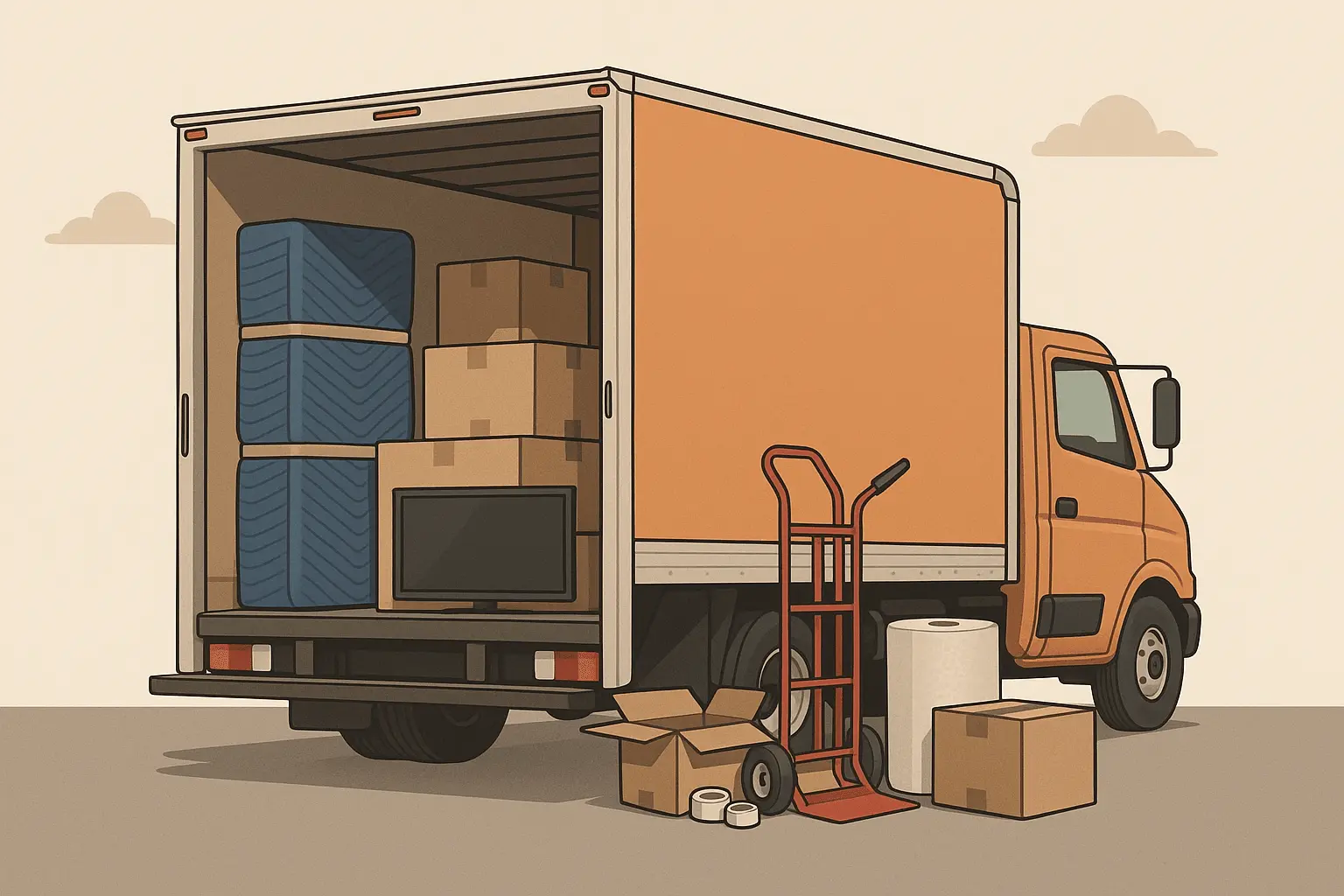
Moving Day Survival Kit:

Here's the thing about moving to NYC - you're not just changing apartments, you're rebuilding your entire social and professional network from scratch. That's exhausting even under the best circumstances.
Outpost Club gets this. Their coliving spaces aren't just furnished apartments (though that's nice too), they're instant communities of people who've been through the same transition you're going through.
For newcomers to the city, understanding the best neighborhoods to live in Manhattan becomes crucial when selecting your new home base in NYC.
The professional networking aspect is huge. Instead of showing up to industry events where you know nobody, you're living with people who can introduce you to their networks, recommend good restaurants, and explain why everyone's obsessed with Joe's Pizza.
Additionally, for those considering alternative housing arrangements, exploring what coliving offers can provide community support during the challenging transition period.
The housing flexibility is clutch during your transition period. You can get settled in a real neighborhood with real roommates while you figure out where you actually want to live long-term. No pressure to sign a year lease for a place you found on Craigslist.
Social integration happens naturally when you're living with other professionals who share similar interests. These aren't random roommates from Craigslist - they're people who chose a community-focused living situation and actually want to hang out and explore the city together.
Ready to make this transition easier? Explore Outpost Club membership and see how their community can help you skip the lonely, overwhelming part of moving to NYC.

Look, I'm not going to sugarcoat this - moving from SF to NYC is expensive, exhausting, and will occasionally make you question every life choice that led you to this point. But if you plan it right and give yourself time to adjust, you might just fall in love with this crazy city.
This isn't just changing apartments. You're switching between two completely different ways of living. SF's chill, car-dependent, tech-bubble lifestyle becomes NYC's fast-paced, subway-riding, industry-diverse intensity. Both have their perks, but the adjustment period is real.
The money thing doesn't end with the moving truck. You'll be figuring out new spending patterns, tax obligations, and cost-of-living adjustments for months. Budget for the reality that everything costs more upfront while you're getting established.
Give yourself permission to feel overwhelmed. The subway system that seems impossible at first becomes second nature. The pace that feels frantic eventually becomes energizing. The networking culture that seems formal turns into valuable professional relationships. Just don't expect to love everything immediately.
Your SF experience isn't wasted - it's actually a huge advantage. The adaptability you developed dealing with startup culture, the comfort with change and innovation, the professional networks you've built - all of that translates to NYC success. You're building on a strong foundation, not starting over.
Just remember: the sirens take some getting used to, bodega cats are a real thing, and yes, the pizza really is that good. Welcome to New York.

Household supplies can be changed or decreaased at Outpost Club’s discretion, or based on supply availability. Outpost is not responsible for temporary losses of utility service. Outpost Club is not responsible for any damages due to absence of any supplies or utilities


If you have a sales related question please call
680-688-7678

 Hot Deals