MRI Tech Salary NYC: What You'll Actually Earn in America's Most Expensive City
Dec 16, 2025
Dec 16, 2025
Look, let's get real about mri tech salary nyc - it's complicated. I've been around this field for years, and while you'll definitely make more than most other cities, you're also dealing with New York rent prices. So let's break down what that actually means for your wallet.
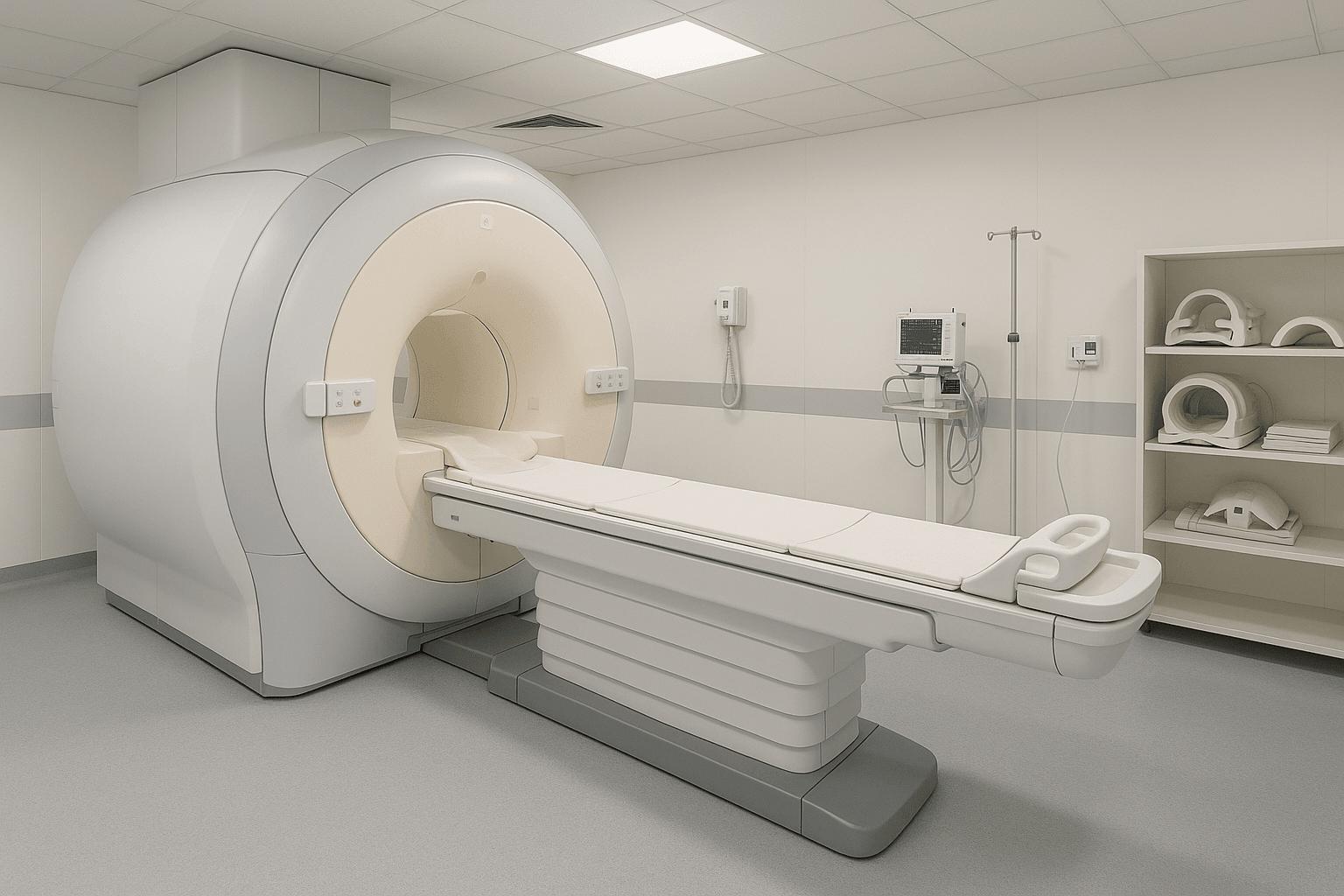
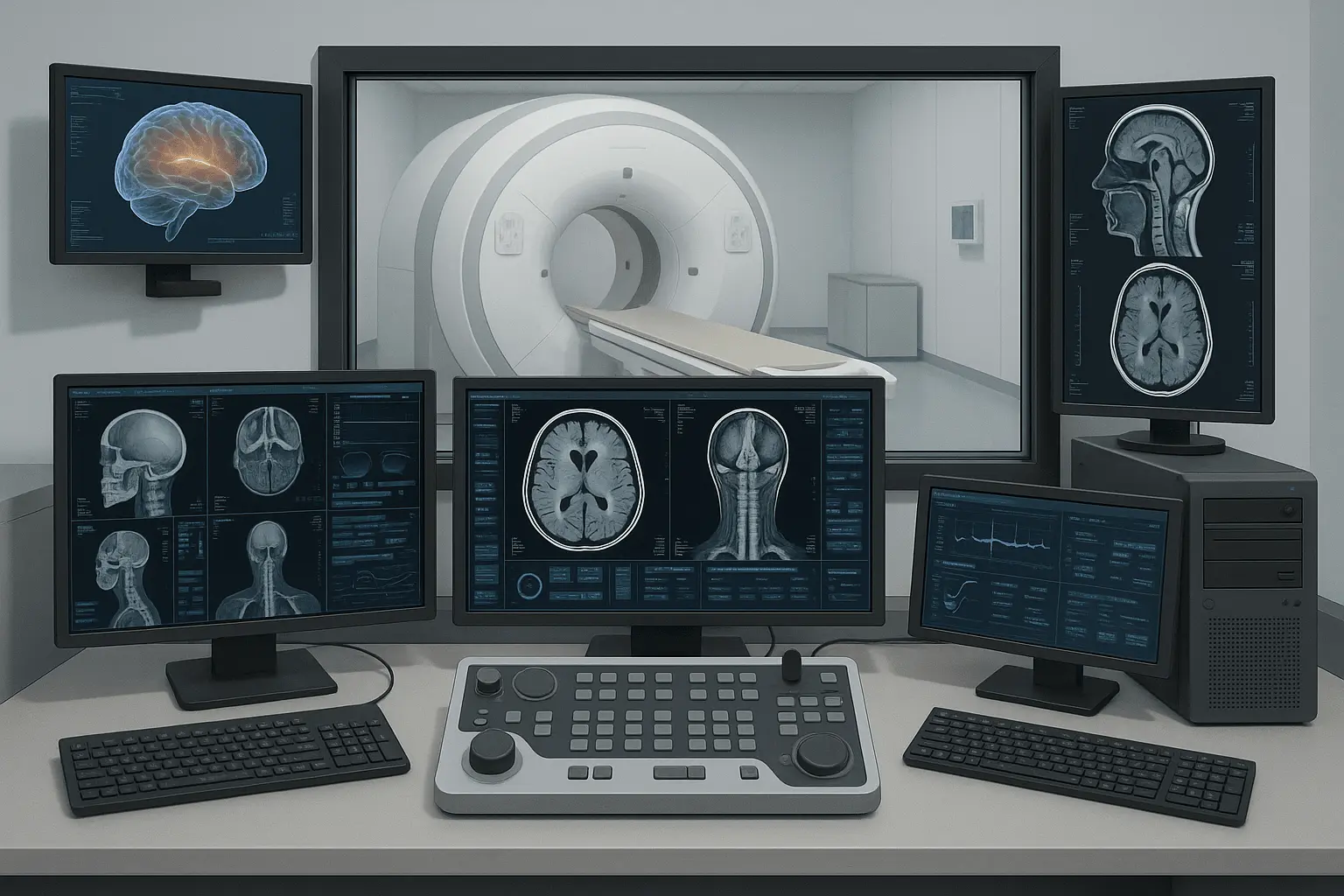
Here's the thing - NYC hospitals are desperate for good MRI techs right now. I mean, really desperate. According to the Bureau of Labor Statistics, MRI technologists operate those massive scanners, keep patients safe and comfortable, and make sure we're getting quality images. Sounds simple enough, right? But every facility I know is short-staffed, which honestly works in your favor when it comes to negotiating.
You've got this perfect storm happening - tons of aging patients needing scans, new imaging centers popping up everywhere, and not enough qualified techs to fill the spots. I've seen places offer signing bonuses that would've been unthinkable five years ago.
But here's what nobody tells you upfront - your base salary is just the starting point. The real money comes from overtime (and trust me, there's plenty of it), shift differentials, and all those extra certifications that can seriously bump your pay. I know techs pulling in way more than their base salary once you factor everything in.
The compensation here goes way beyond just your hourly rate. We're talking comprehensive packages with premium benefits, continuing education support, and performance bonuses that can add thousands to your yearly take-home.
Alright, let's talk real numbers - not the outdated stuff you see on those salary websites from three years ago.
|
Borough |
Entry Level |
Mid-Career |
Senior Level |
Average Benefits Value |
|
Manhattan |
$75,000-$85,000 |
$90,000-$110,000 |
$110,000-$130,000 |
25-30% of base |
|
Brooklyn |
$70,000-$80,000 |
$85,000-$100,000 |
$100,000-$120,000 |
20-25% of base |
|
Queens |
$68,000-$78,000 |
$83,000-$98,000 |
$98,000-$115,000 |
20-25% of base |
|
Bronx |
$65,000-$75,000 |
$80,000-$95,000 |
$95,000-$110,000 |
20-25% of base |
|
Staten Island |
$65,000-$75,000 |
$78,000-$93,000 |
$93,000-$108,000 |
18-23% of base |
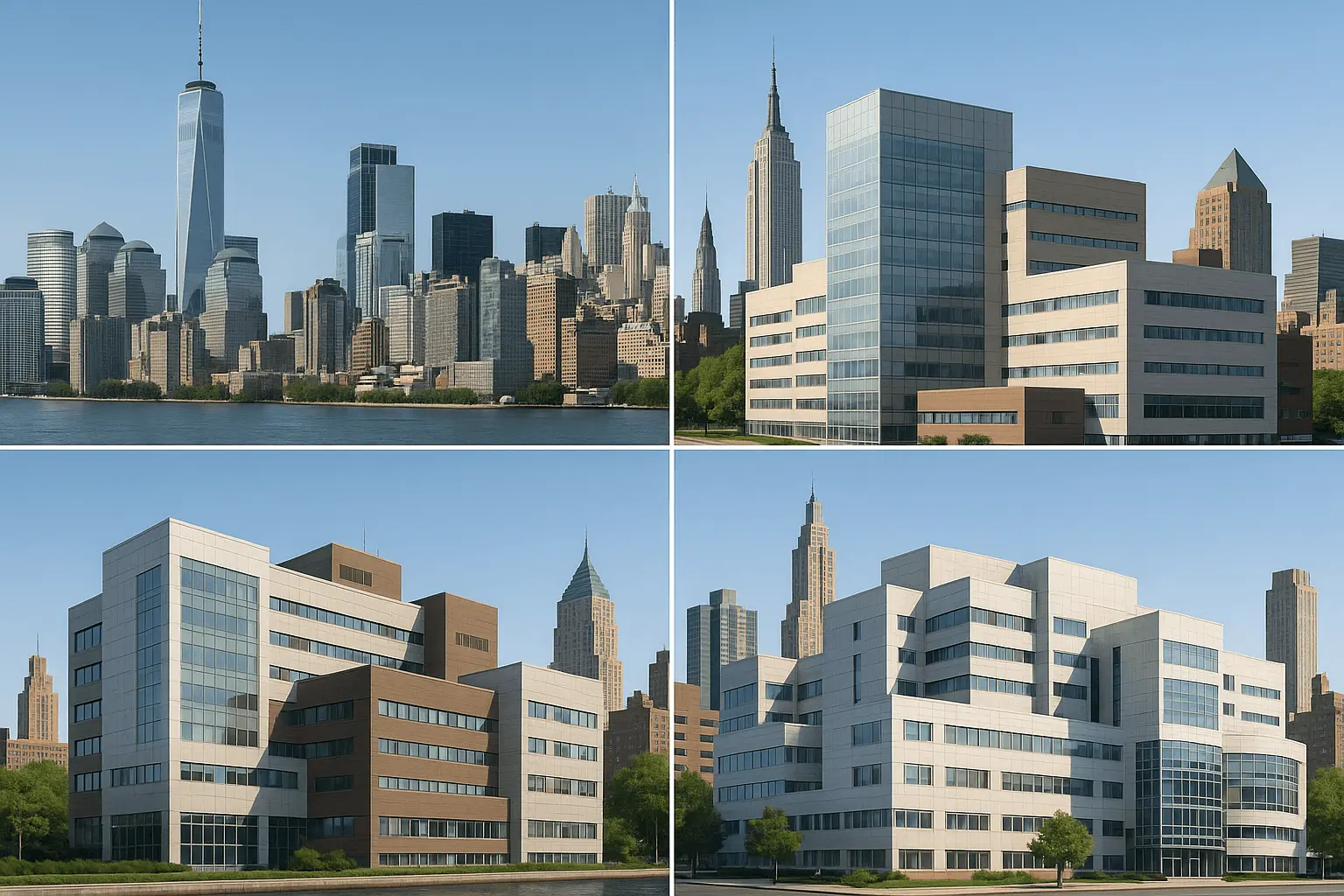
Manhattan is where the money is, plain and simple. You've got these massive hospital systems like NYU Langone, Mount Sinai, and NewYork-Presbyterian basically throwing money at qualified techs because they can't afford to be understaffed.
But here's the catch - and there's always a catch - these places expect a lot from you. I'm talking about handling the most complex cases, working with the newest (and sometimes temperamental) equipment, and dealing with some pretty demanding physicians. It's not for everyone.
The cool thing about Manhattan hospitals is you'll see cases you'd never encounter anywhere else. Brain tumors, rare cardiac conditions, cutting-edge research studies - it's like getting a master class in MRI every single day. Plus, if you can handle Manhattan pressure, you can work anywhere.
My friend Sarah made the jump from a Brooklyn community hospital ($82,000 annually) to NYU Langone in Manhattan last year. I'm not gonna lie, she was nervous about the switch because everyone talks about how intense those Manhattan hospitals can be. But the pay bump was too good to pass up - $98,000 base salary plus a $5,000 signing bonus, amazing health benefits, and $2,500 yearly for continuing education. A year later? She's loving it and says the experience she's getting is incredible. Her total compensation jumped by over $20,000.
These premium facilities often serve as teaching hospitals and research centers, which means you'll work with cutting-edge technology and handle cases that'll make you a better technologist. Some places in Midtown and the Upper East Side even offer extra pay if you're bilingual - huge advantage in NYC's diverse patient population.
Don't sleep on Brooklyn, Queens, the Bronx, and Staten Island though. Yeah, the pay might be slightly lower - we're talking $75,000 to $95,000 range - but the stress level is often way more manageable.
The patient population tends to be more stable in these areas. Fewer emergency cases at 2 AM, more routine scans during normal business hours. If work-life balance matters to you (and it should), these spots might be perfect.
Plus, some of these hospitals offer perks you won't find in Manhattan. Housing assistance, free parking (which is huge in NYC), better overtime policies. One hospital in Queens even has on-site daycare, which is a game-changer if you've got kids.
Community hospitals in these areas often provide more personalized work environments and stronger connections with patients. You'll get to know your regular patients, which some techs really value. The patient volume is usually more predictable too, so you can actually plan your life around your schedule.
Starting out? Don't panic if that $65-75K range looks scary compared to NYC rent prices. Most places will work with you, and honestly, you'll probably be making more within your first year if you play your cards right.
New MRI techs can expect starting salaries between $65,000 and $75,000, but here's the thing - you'll advance fast if you're good at what you do. Most facilities provide solid orientation programs lasting 3-6 months where you're getting paid your full salary while learning their specific equipment and protocols.
The orientation programs here are actually pretty good. You're not just thrown into the deep end - they'll pair you with experienced techs who'll teach you the ropes. And you're getting paid your full salary during this time, which is nice.
Here's something I wish someone had told me when I started - ask questions. Lots of them. The experienced techs actually appreciate it because it shows you care about doing things right. Plus, building those relationships early can really help your career down the road.
Entry-Level Career Advancement Checklist:
Many new graduates are surprised by how quickly they can move up in NYC's competitive market. Facilities dealing with staffing shortages might fast-track promising techs into specialized roles or leadership positions within their first two years.
This is where things get interesting. Once you've got 5-10 years under your belt and you're making that $80,000 to $100,000 range, you can start picking your specialty and really bumping up your salary. Cardiac MRI is huge right now - facilities are literally begging for people who can handle those complex protocols.
The learning curve for cardiac imaging is pretty steep, not gonna lie. But if you can master it, you're looking at some serious job security and pay increases. I know one tech who went from $85K to $105K just by getting really good at cardiac cases.
Specialization becomes crucial at this stage. Cardiac MRI technologists are particularly sought after since many facilities struggle to find qualified professionals who can handle complex cardiac imaging protocols. The training is intense, but the financial rewards are substantial.
You've got some real negotiating power at this stage too. Hospitals know how expensive it is to replace an experienced tech, so they're usually willing to work with you on salary, schedule, whatever you need to stick around.
Senior positions are where you can really start making some serious money - we're talking $100K+ easily. But you're also taking on a lot more responsibility. Managing staff, dealing with equipment issues, training new people - it's a different job entirely.
Senior MRI technologists and department leaders can command salaries ranging from $100,000 to $130,000, especially when you're managing teams, overseeing training programs, or coordinating quality assurance. These positions require both technical expertise and people skills.
My friend Mike worked his way up to department supervisor at Mount Sinai over eight years. Started at $72K, now he's making $118K plus bonuses. But he'll tell you straight up - some days he misses just doing scans and not worrying about schedules and budgets.
Leadership roles include administrative stuff like staff scheduling, equipment maintenance coordination, and developing new protocols. While these duties go beyond direct patient care, they're valuable experience if you're interested in healthcare management careers.
The performance bonuses at this level can be pretty sweet though. Mike's department consistently hits their patient satisfaction and efficiency targets, so he usually sees an extra $8-10K at the end of the year. His total compensation package includes base salary, performance bonuses, and benefits worth about $30,000 annually.
Okay, this is where working in healthcare really pays off. Most NYC MRI tech positions come with comprehensive benefits packages worth 20-30% of your base salary - that's significant money we're talking about.
Most places will cover your health insurance completely - and I'm talking about good insurance, not some bare-bones plan. Family coverage might cost you a bit, but it's still way better than what most people get. Dental and vision are usually included, with many facilities offering premium plans that cover orthodontics and designer frames.
The mental health benefits have gotten so much better lately too. This job can be stressful, and hospitals are finally recognizing that. Many places now cover therapy, counseling, even stress management programs. Given the high-pressure environment of NYC healthcare, these benefits are really valuable.
Disability insurance is huge in this field - if you can't work, you can't pay rent in NYC. Most places provide this automatically, but make sure you understand what's covered. Life insurance coverage typically equals one to two times your annual salary, with options to buy additional coverage at group rates.
The 401k matching is usually pretty decent - most places will match 3-6% of what you put in. That's free money, so don't leave it on the table. Many established hospital systems still maintain pension plans, which is like finding a unicorn these days. If you land one of those jobs, seriously consider staying long-term.
Professional development money is becoming more common too. $1,000-3,000 a year for conferences, courses, whatever you need to keep your skills sharp. Use it or lose it, so don't let it sit there. These funds can go toward advanced imaging courses, leadership training, or even degree programs.
Some facilities offer student loan repayment assistance, recognizing that many techs carry educational debt. These programs typically provide $2,000-$5,000 annually toward loan principal, which can significantly reduce your long-term financial burden.
Night shift differential is usually 10-15% extra, weekends and holidays can be time-and-a-half or double time. If you're willing to work the less desirable shifts, you can really boost your income. Evening shifts typically include salary premiums, while weekend and holiday work often pays premium rates.
Some places are getting creative with scheduling - four 10-hour days instead of five 8s, job sharing, even some remote work for administrative stuff. The healthcare world is slowly catching up to what other industries figured out years ago. These alternatives can reduce commuting costs and provide better work-life balance without sacrificing income.
PTO policies are generally pretty good. Most places start you with 15-25 vacation days annually, plus sick leave and personal days. Some of the newer places are even trying unlimited PTO, though I'm still skeptical about how that actually works in healthcare.
|
Certification/Specialization |
Salary Increase |
Time Investment |
ROI Timeline |
|
MR Safety Officer |
$8,000-$12,000 |
40 hours + exam |
6-12 months |
|
Cardiac MRI |
$10,000-$15,000 |
200 hours + clinical |
12-18 months |
|
Contrast Administration |
$5,000-$8,000 |
80 hours + certification |
6-9 months |
|
fMRI Specialist |
$12,000-$18,000 |
300 hours + research experience |
18-24 months |
|
Department Leadership |
$15,000-$25,000 |
Management training + experience |
24-36 months |
MR safety certification isn't optional anymore - it's basically required everywhere. The good news is it's not that hard to get, and it immediately makes you more valuable. Advanced certifications can boost your annual salary by $5,000-$15, 000 while opening doors to specialized positions with better job security.
Contrast administration is another easy win. Takes a few months to get certified, but it opens up so many more job opportunities. Plus, you can work more independently, which most doctors appreciate. Many facilities require this certification for senior positions since it allows for more independent practice and reduces physician workload.
fMRI is where the real money is if you're willing to put in the work. It's complex stuff - brain mapping, research protocols, working with neurologists and researchers. But if you can handle it, you're looking at some serious salary bumps and job security. These skills are particularly valuable in research hospitals and specialized neurological centers.
Specialized imaging protocols like functional MRI or MR angiography require additional training but command premium compensation. The learning curve is steep, but the financial rewards make it worthwhile.
Join ARRT and ASRT if you haven't already. Yeah, the membership fees are annoying, but the continuing education opportunities and networking are worth it. Active participation in these professional organizations gives you access to training opportunities and industry connections that directly impact career advancement.
Conferences can be hit or miss, but they're great for staying current and meeting people. I've gotten three job offers just from conversations at conference happy hours. Sometimes it's not what you know, it's who you know. Many employers provide paid time off and expense reimbursement for professional development activities.
The NYC healthcare community is smaller than you'd think. People move around a lot, and today's coworker could be tomorrow's hiring manager. Don't burn bridges, and always be professional - even when that one radiologist is being impossible. Building relationships within the community opens doors to unadvertised positions and leadership opportunities.

Healthcare professionals seeking flexible living arrangements while building their careers often benefit from communal living spaces in nyc that provide networking opportunities with other medical professionals.
Big hospital systems like NYU Langone, Mount Sinai, and NewYork-Presbyterian offer stability and good benefits, but they can be pretty rigid about advancement and policies. You know exactly what you're getting, but there's not a lot of room for negotiation. These systems provide job security and clear career progression paths.
Private imaging centers can be more flexible - better hourly rates for part-time work, more willing to negotiate schedules and responsibilities. But the benefits might not be as good, and if the center struggles financially, you might be looking for a new job. However, benefits packages may be less comprehensive, and job security can be more variable.
Outpatient centers are booming right now. Better hours (mostly 9-5), less drama than hospital emergency cases, and the pay is getting pretty competitive. If you want a more predictable schedule, this might be your best bet. These facilities often offer competitive salaries while providing better work-life balance.
The union debate gets people pretty heated around here. 1199SEIU represents a lot of NYC hospital MRI techs, and they do provide job security and standardized pay scales. You know exactly what you'll make and when you'll get raises. Union positions offer predictable advancement and strong grievance procedures.
Non-union spots give you more individual negotiating power, but you're on your own if things go south. I've seen high performers do really well in non-union environments, but I've also seen people get screwed over. These roles might offer faster advancement for high performers but less protection during economic downturns.
Union contracts are pretty detailed about overtime, benefits, and grievance procedures. It takes a lot of the guesswork out of employment, which some people really value. This transparency can be valuable when planning your financial future.
Contract work can be really lucrative - $40-60 an hour plus housing stipends. I know people making $150K+ doing contract work, but you're giving up benefits and job security. Contract MRI technologists can potentially exceed $150,000 annually for those willing to work temporary assignments.
Travel assignments are usually 13-26 weeks. Great way to see different parts of the city and work in various settings. The money is good, but the lifestyle isn't for everyone. These positions offer flexibility and higher short-term earnings but lack traditional benefits.
Building relationships with staffing agencies is key if you want to go this route. The good agencies will keep you busy and fight for better rates on your behalf. The demand for contract technologists fluctuates based on facility needs, equipment installations, and staff vacancies.

Let's be honest - housing is going to eat up a big chunk of your paycheck. NYC's housing costs typically consume 30-40% of an MRI technologist's gross income, which makes location decisions crucial for financial success.
A lot of techs commute from New Jersey, Connecticut, or outer boroughs to make the math work better. Yeah, the commute sucks, but you can actually afford a decent place and maybe even save some money. Many professionals choose this route to balance salary and living expenses effectively.
If you're staying in the city, consider roommates or shared living situations. It's not ideal, but it can cut your housing costs in half. Some hospitals even have housing assistance programs or partnerships with local housing developments.
Transportation is actually not that bad if you stick to public transit. A monthly MetroCard costs $127, which is way cheaper than owning a car in Manhattan. Trust me on this - parking alone will cost you more than the subway. Car ownership costs can exceed $500 monthly when you factor in parking, insurance, and maintenance in Manhattan.
The taxes here are brutal - federal, state, and city taxes can take 35-40% of your gross pay. It's depressing when you see that first paycheck, but you get used to it. NYC's combined tax burden makes pre-tax benefits and retirement contributions particularly valuable for maximizing take-home pay.
Pre-tax benefits are your friend. Health insurance premiums, transit passes, flexible spending accounts - anything you can pay for with pre-tax dollars will help your take-home pay. Many technologists overlook these opportunities to improve their financial position.
Consider working with a tax professional, especially your first year. There are deductions specific to healthcare workers that you might not know about - professional dues, continuing education, even uniform costs. Working with someone familiar with NYC's tax structure can identify strategies specific to healthcare workers.

Look, I'm not gonna sugarcoat this - MRI programs aren't cheap. You're looking at anywhere from $15K to $50K depending on where you go. Community colleges are definitely your best bet if you're trying to keep costs down, with most requiring 1-2 years of specialized training beyond basic radiologic technology certification.
I went the community college route and honestly? The education was just as good as the fancy private schools, but I didn't graduate with crushing debt. Some of my classmates who went to private institutions are still paying off loans five years later.
The accelerated programs sound tempting - get done faster, start earning sooner. But they're intense. Like, really intense. Private institutions may provide accelerated programs or evening/weekend schedules for working professionals. While more expensive, these programs can reduce time to career transition.
Most programs hook you up with clinical rotations at local hospitals, which is huge for networking. I got my first job offer during my rotation at Brooklyn Methodist. The supervisor liked my work ethic and offered me a position before I even graduated. These connections often prove valuable when seeking employment after graduation.
Keeping your certifications current will run you about $500-1000 a year. It sounds like a lot, but most employers will reimburse you for this stuff. Just keep your receipts and ask HR about their continuing education policy.
The online CE options have made life so much easier. You can knock out your required hours from home instead of sitting in some conference room on your day off. I usually do mine during slow periods at work (don't tell my supervisor).
Advanced certifications cost more upfront - maybe $2-5K - but they usually pay for themselves pretty quickly through salary increases. My friend Jennifer spent $3,500 on cardiac MRI training and got a $12K raise within 18 months. Plus she became eligible for overtime work in the cardiac imaging department, adding another $8,000 annually. That's pretty good math.
According to "Best Colleges", radiologic and magnetic resonance imaging (MRI) technologists create essential images with a median annual salary of $78,980 as of May 2024, making associate degree programs particularly attractive for quick entry into high-paying healthcare careers.
Do your homework before any salary conversation. I keep a spreadsheet of what different facilities are paying - sounds nerdy, but it's saved me thousands over the years. Job postings, talking to colleagues, even LinkedIn salary insights can give you good data.
Regularly researching current market rates through salary surveys, job postings, and professional networks ensures you understand your market value and can negotiate competitive compensation packages. Knowledge is power in salary negotiations.
Document everything you bring to the table. Certifications, years of experience, special skills, even that time you covered extra shifts during the staffing shortage. Make it easy for your boss to justify paying you more. Maintaining detailed records of your professional development demonstrates commitment to excellence.
Salary Negotiation Preparation Checklist:
Timing matters. Budget season, staff shortages, new equipment installations - these are when facilities have money to spend and positions to fill. Keep your ear to the ground about what's happening in your market. Peak hiring seasons and facility expansion periods often present the best opportunities for salary negotiations.
Having multiple job offers is your best negotiating position. Even if you like your current job, it doesn't hurt to see what else is out there. Sometimes you don't realize you're underpaid until you start interviewing elsewhere.
Come prepared to interviews with specific examples of your work. Don't just say you're good with difficult patients - tell them about that claustrophobic patient you helped through a 45-minute cardiac scan. Stories stick in people's minds way better than generic statements. This preparation often sets you apart from other candidates.

Healthcare professionals transitioning to NYC often find that coliving in manhattan provides the perfect balance of professional networking and comfortable living arrangements needed for career success.
Here's the thing about working in healthcare in NYC - the hours are long, the work is demanding, and sometimes you just need a place where people get it. After spending 12 hours dealing with difficult patients and equipment malfunctions, the last thing you want is to go home to a crappy living situation or feel isolated.
I've seen too many good techs burn out because they couldn't find that work-life balance. Having a community of other professionals who understand the healthcare grind can make a huge difference. Whether you're celebrating finally mastering that tricky cardiac protocol or just need to vent about a particularly rough shift, having people who actually understand what you're going through is invaluable.
Healthcare professionals like MRI technologists face unique challenges - demanding schedules, high-stress environments, and the need to maintain work-life balance while building successful careers. After long shifts managing complex imaging procedures and ensuring patient safety, you deserve a space where you can truly unwind and connect with like-minded professionals.
Outpost Club gets that healthcare professionals need more than just a place to crash. You need a community that supports your career goals and understands the unique challenges of working in this field. Plus, networking with other healthcare professionals can open doors you didn't even know existed.
Ready to connect with other successful healthcare professionals who value excellence and genuine relationships? Join Outpost Club today and discover how our community can enhance your professional and personal life in NYC.
Look, being an MRI tech in NYC isn't easy, but it can be really rewarding - both professionally and financially. The money is definitely there if you're smart about your career moves and willing to invest in yourself.
MRI technologist salaries in NYC reflect the city's status as a premier healthcare destination, offering compensation packages that can support a comfortable lifestyle despite high living costs. Your earning potential extends far beyond base salary when you factor in comprehensive benefits, advancement opportunities, and the city's robust job market.
Don't get caught up in just chasing the highest salary though. I've worked at high-paying places that were absolutely miserable, and I've worked at slightly lower-paying places where I loved going to work every day. Quality of life matters, especially in a demanding field like this. Consider factors like work environment, growth opportunities, and work-life balance when evaluating positions.
The key is being strategic about your career progression. Get your basic certifications, pick a specialty that interests you, and don't be afraid to negotiate. This city rewards people who are proactive about their careers. Success requires strategic career planning, continuous learning, and understanding of market dynamics.
And remember - your first job doesn't have to be your forever job. Use it to build your skills, make connections, and figure out what direction you want your career to go. The NYC healthcare market is dynamic enough that you'll have plenty of opportunities to grow and advance if you're willing to put in the work.
The investment in education and training pays off pretty quickly here, and the job security in healthcare is something you can't put a price on. Just make sure you're taking care of yourself along the way - this job can be physically and emotionally demanding, so don't neglect your own well-being while you're taking care of everyone else. The right combination of compensation, professional development, and personal fulfillment creates a sustainable and rewarding career in medical imaging.

Household supplies can be changed or decreaased at Outpost Club’s discretion, or based on supply availability. Outpost is not responsible for temporary losses of utility service. Outpost Club is not responsible for any damages due to absence of any supplies or utilities


If you have a sales related question please call
680-688-7678

 Hot Deals