New York School of Interior Design Acceptance Rate: What They Don't Tell You About Getting In
Oct 25, 2025

Oct 25, 2025
Look, I'm just going to be straight with you about something nobody wants to talk about. Maybe you're like me and googled "NYSID acceptance rate" and felt pretty good about that 41.9% number. But here's the thing - I've watched way too many talented friends cross NYSID off their list before they even started their application. Not because they couldn't handle the work, but because they did the math on Manhattan rent and nearly had a panic attack.
When you're staring at $2,000-4,000 per month just for a place to sleep (and we're talking shoebox-sized studios here), suddenly that acceptance rate doesn't feel so friendly anymore. The real competition begins long before applications are submitted, filtered through housing costs and industry connections that most prospective students never fully understand.
I remember when my friend Sarah from Colorado got all excited about NYSID. She spent weeks putting together this incredible portfolio, researching professors, the whole nine yards. Then she started looking at apartments online. I got a text at midnight: "HOW DO PEOPLE AFFORD TO LIVE THERE??" followed by about fifteen crying emojis.
She never applied. Not because she wasn't good enough - she was amazing. But because even with financial aid, the housing costs would have buried her family in debt.
This is what I've noticed happens over and over again: the massive financial filter that occurs before anyone even hits "submit" on their application. Half the people who should be applying to NYSID never do because they can't figure out the housing puzzle. So yeah, that acceptance rate looks more reasonable, but you're still competing against the same caliber of students - there are just fewer of them who can afford to be in the game.
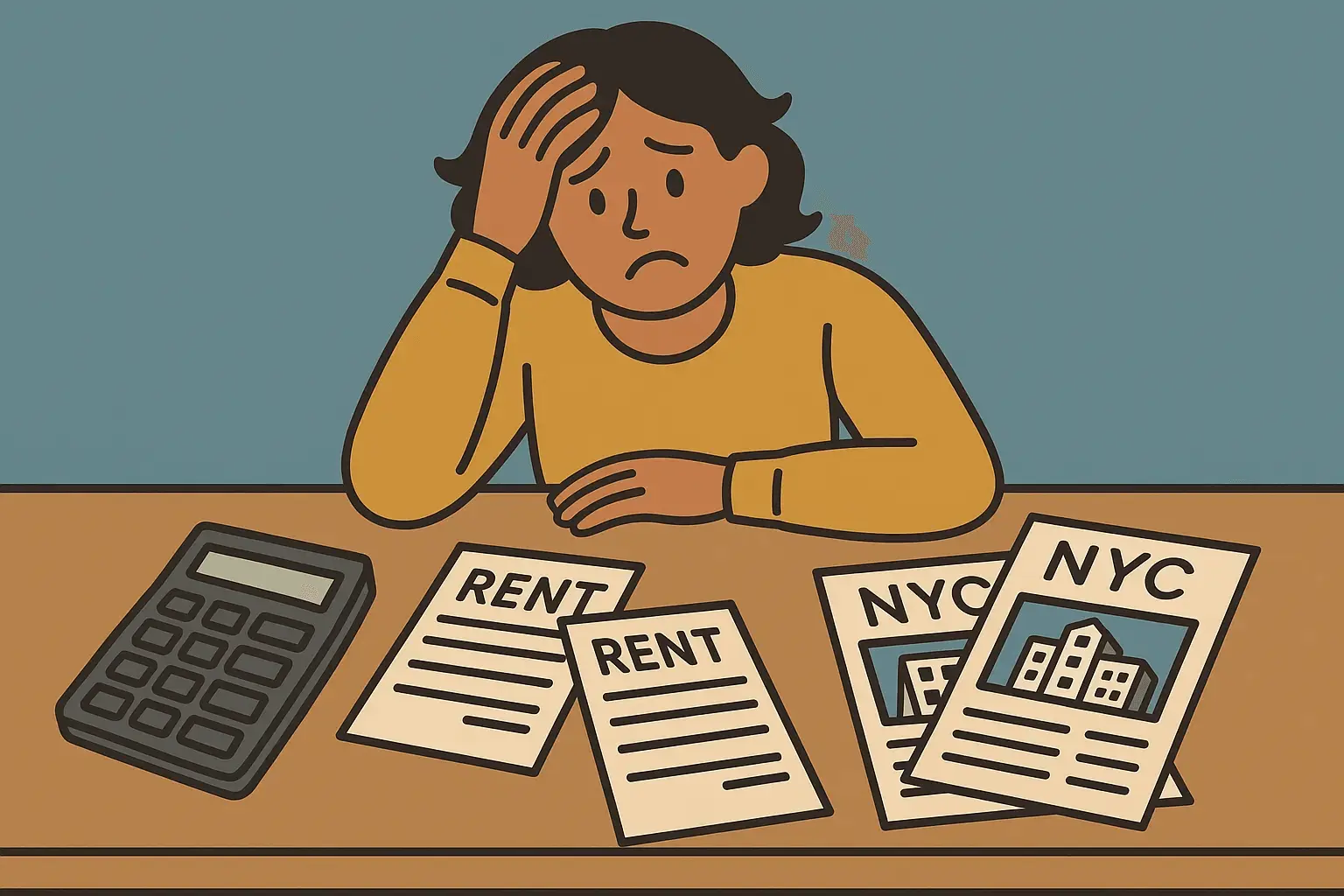
Don't let the sticker shock knock you out before you even try. I've seen people make it work, and here's how they did it:
Start your housing research early - like, really early. My friend Mike started looking at housing options a full year before applying. Sounds crazy, but it gave him time to find a shared apartment in Queens that didn't completely destroy his budget.
Get creative with your living situation - I know someone who house-sat for professors during summer breaks, another who found a micro-studio in a converted office building. It's not glamorous, but it's doable.
Factor in the long-term payoff - Yeah, you'll be eating ramen for a while, but NYSID's network in NYC is insane. The internship opportunities alone can jumpstart your career in ways that might not happen anywhere else.
|
Housing Option |
What It Actually Costs |
Real Talk |
|
Manhattan Studio |
$3,500-4,500/month |
You'll have zero social life, but hey, short commute |
|
Brooklyn Shared Apartment |
$1,800-2,500/month |
Find good roommates or you'll hate your life |
|
Coliving Spaces |
$1,390-2,200/month |
All-inclusive but less privacy |
|
Queens with Good Transit |
$1,200-1,800/month |
Longer commute but you might actually afford food |
|
New Jersey (PATH accessible) |
$1,000-1,600/month |
Best bang for your buck if you don't mind the commute |
If you're from New York, New Jersey, or Connecticut, you've got advantages you probably don't even realize. You can crash at your cousin's place for portfolio reviews. You know someone who knows someone with a spare room. You've been to the city enough times that you won't spend your first semester just figuring out how the subway works.
I watched this play out with two equally talented students. Jake from New Jersey could live at home and take the PATH train - annoying commute, but totally manageable. Meanwhile, Emma from Seattle had to factor in flights home for holidays, shipping her stuff across the country, and learning to navigate NYC from scratch. Both got in, but Jake's path was definitely easier.
If you're from out of state, here's how to level the playing field:
Case Study: Two Students, Same Talent, Different Outcomes
Sarah, a talented high school senior from Denver, spent months researching NYSID but ultimately applied to local design programs after realizing she couldn't afford NYC housing without significant family financial strain. Meanwhile, Mike from New Jersey, with a comparable portfolio, could live at home and commute via PATH train, making NYSID financially viable. Mike was accepted and is now thriving in the program, while Sarah's talent never entered the applicant pool due to economic barriers rather than academic qualifications.
Okay, can we talk about something that's driving me crazy? Everyone's portfolio looks the same now. I swear, if I see one more minimalist white kitchen with subway tile and brass fixtures, I'm going to lose it.
Instagram and Pinterest have basically turned everyone into a design curator, which sounds great until you realize that admissions officers are seeing the exact same "inspiration" in portfolio after portfolio. Your competition isn't just other students anymore - you're competing against the entire internet's worth of perfect, staged photos.

I learned this the hard way. My first portfolio attempt was basically a Pinterest board come to life. Clean lines, neutral colors, perfect lighting - all the things that get thousands of likes online. The feedback I got? "This could be anyone's work."
Ouch. But they were right.
Here's what I figured out: NYSID wants to see how you think, not just what you can copy from social media. They're drowning in beautiful images from students who've mastered the Instagram aesthetic but can't explain why they made any of their design decisions.
The portfolios that actually get attention now? They're messy. They show failed attempts. They include sketches that look like actual human beings drew them, not computer programs.
My friend Alex got into NYSID with a portfolio that included a project that completely bombed. She showed her original concept (which was honestly pretty bad), the feedback she got, and how she completely pivoted to something better. The admissions committee loved seeing her problem-solving process in real time.
Here's what actually makes portfolios memorable:
Portfolio Success Story: Learning from Failure
Maria included a failed restaurant design project in her portfolio, showing initial sketches, client feedback that led to major revisions, and her problem-solving process when the original concept didn't work. She documented how she pivoted from a minimalist approach to a warmer, more community-focused design after observing how people actually used similar spaces. This honest portrayal of design iteration impressed admissions officers more than polished projects that showed no struggle or growth.
You know what's funny? Everyone's obsessed with learning the latest design software, but half the students I meet have never actually touched the materials they're designing with. They can render a beautiful marble countertop but have no idea how heavy marble actually is or how much it costs.
NYSID knows this. They want students who understand that interior design happens in the real world, with real budgets and real physics.
My turning point came when I started working part-time at a local design showroom. Suddenly I understood why certain fabrics cost $200 per yard, why some woods are impossible to match, and how lighting actually affects color in ways that computer screens can't show you.
Students who meet NYSID's average GPA of 3.3 while demonstrating both digital and hands-on competencies position themselves competitively, as the school accepts B-average students with some A's mixed in, especially those who show ability to handle college-level work.

Here's something they don't tell you in the brochures: NYSID isn't just evaluating whether you can handle the coursework. They're deciding whether you'll fit into their professional ecosystem and maybe, eventually, make them look good.
This school has spent decades building relationships with every major design firm, luxury showroom, and cultural institution in NYC. When they accept you, they're essentially vouching for you to their industry partners.
Under the leadership of President David Sprouls, who brings over 12 years of experience at NYSID including roles in admissions and enrollment management, the school has strengthened its focus on professional preparation and industry connections.
Before I applied, I did something that probably sounds a little stalky but actually worked really well. I researched where NYSID graduates were working and started following those companies on social media. Not to kiss up, but to genuinely understand what the NYC design world was like.
I discovered that NYSID grads were everywhere - from tiny boutique firms to massive corporate offices, from luxury residential projects to major museum installations. But more importantly, I started to see patterns in the kind of work they were doing and the skills they were using.
Strategic steps that actually work:

Generic enthusiasm doesn't cut it anymore. You can't just say "I love interior design" and expect that to impress anyone. You need to show that you've done your research and understand what makes NYSID specifically different from every other design school.
This means actually reading faculty bios, looking at their recent projects, and understanding their specialties. When you can say "I'm particularly interested in Professor Smith's work on sustainable hospitality design because..." you're showing the kind of intentionality that gets noticed.
I spent hours researching individual professors and found one whose research on biophilic design aligned perfectly with my interest in wellness-focused spaces. I mentioned this connection in my application and ended up having a great conversation about it during my interview.
Recent industry partnerships, such as "Baccarat's new scholarship program with NYSID, which awarded $10,000 to first-place winner Bridget Lee", demonstrate the school's strong luxury brand connections that students can leverage for career development.
The typical NYSID student isn't 22 and fresh out of undergrad anymore. I'm seeing more and more people in their 30s, 40s, and beyond making strategic career pivots into interior design. And honestly? They're often the most successful students.
If you're coming from another field, don't apologize for your "non-traditional" background. Your professional experience might be exactly what sets you apart.
My friend Janet was a project manager at a tech company for eight years before she decided to pursue interior design. She was worried that her lack of art school background would hurt her chances. Instead, it became her biggest advantage.
While other students were learning basic project management and client communication skills, Janet already knew how to manage budgets, handle difficult stakeholders, and keep complex projects on track. She understood deadlines in a way that 22-year-olds just don't.
The admissions committee saw this immediately. They weren't just accepting Janet the aspiring designer - they were accepting Janet the experienced professional who happened to want to apply those skills to interior design.
The key is connecting your existing experience to design challenges in specific, concrete ways. Don't just list your previous job duties - show how they solve problems that interior designers actually face.
|
Previous Career |
What You Already Know |
How to Position It |
|
Business/Marketing |
Client management, budgets, timelines |
"I understand how design decisions affect bottom lines and client satisfaction" |
|
Architecture |
Technical drawing, building codes, spatial planning |
"I want to focus on the human experience and interior functionality of spaces" |
|
Hospitality |
Customer service, space functionality, traffic flow |
"I know from experience how people actually use and move through spaces" |
|
Fashion |
Color theory, textiles, trend awareness |
"I understand how personal style and material choices create emotional connections" |
|
Healthcare |
Problem-solving, attention to detail, empathy |
"I grasp how environments affect wellbeing and need to serve diverse users" |
Interior design is a business, period. You can be the most creative person in the world, but if you can't manage a budget or keep a client happy, you won't succeed.
NYSID knows this. They want students who understand that beautiful spaces mean nothing if you can't deliver them on time and on budget.
If you have any entrepreneurial experience - even if it's just freelancing or running a side hustle - highlight it. Show that you understand the practical realities of running a design practice.

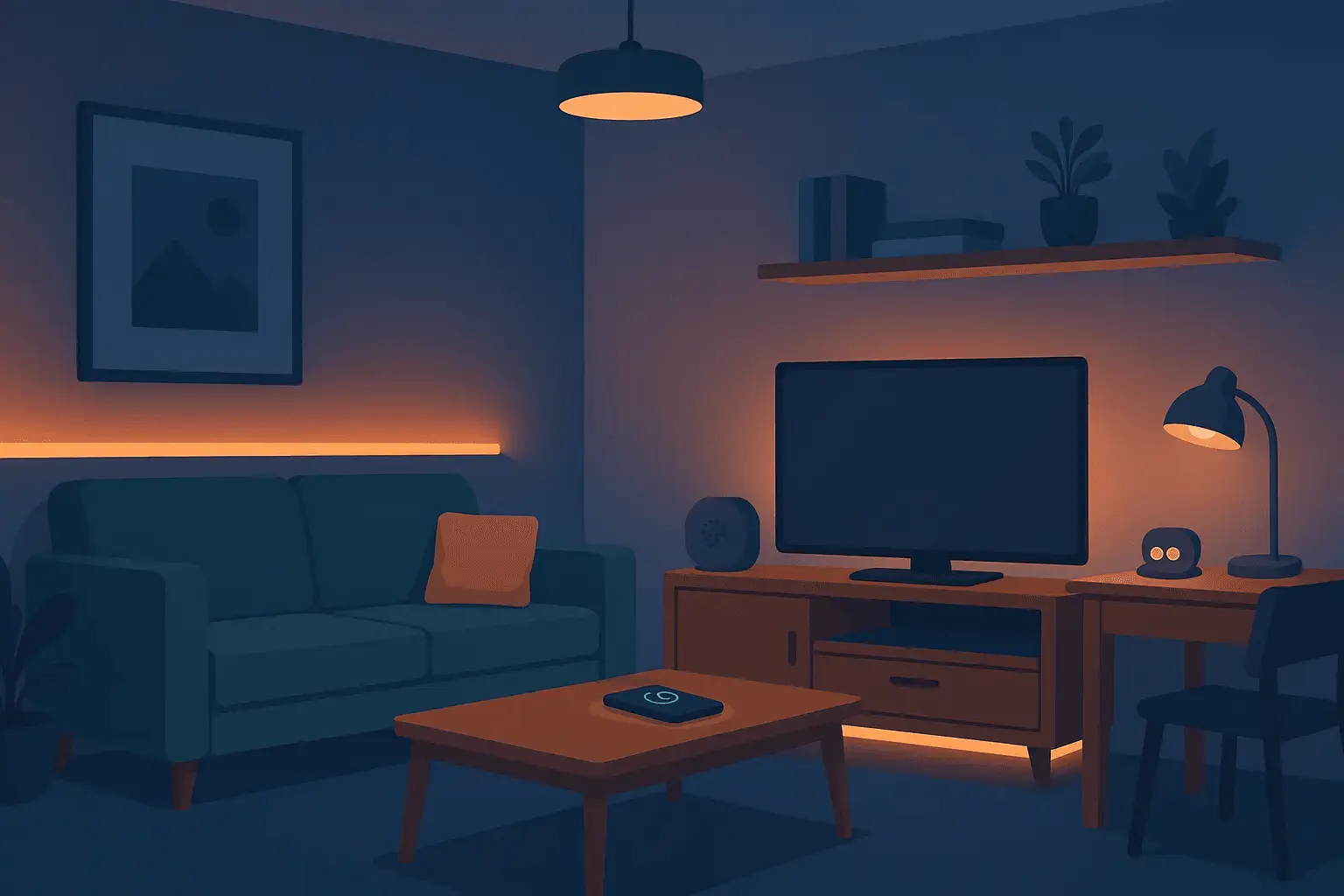
The interior design world is changing fast, and NYSID's admissions reflect that. You can't just be good at picking paint colors anymore. Clients expect you to understand smart home technology, sustainable materials, and advanced visualization tools.
This isn't about being a tech genius - it's about understanding how technology integrates with design in ways that actually matter to real people.
Every client I've worked with in the past two years has asked about sustainability. They want to know about VOCs in paint, the carbon footprint of their furniture, and whether their design choices will affect their energy bills.
If you can speak intelligently about LEED principles, sustainable materials, and environmental impact, you're showing admissions committees that you understand where the industry is headed.
But here's the thing - you don't need to become an environmental engineer. You just need to understand the basics and show that you're thinking about these issues.
With an average ACT score of 22 at NYSID, students don't need perfect test scores, but those scoring above the 75th percentile of 26 position themselves as above-average candidates, especially when combined with strong technical preparation.
Smart home technology isn't just about having the latest gadgets. It's about understanding how technology infrastructure affects spatial design in practical ways.
Where do you put all those charging stations? How does smart lighting affect your color choices? How do you design spaces that work with current technology but won't look dated in five years?
I learned this by actually living with smart home technology, not just reading about it. I installed some basic smart switches and outlets in my apartment and documented how they changed the way I used different spaces. That real-world experience became a portfolio project that showed I understood the practical implications of technology integration.
Tech skills that actually impress admissions:
Technology Integration Success: Real Student Example
Alex, a prospective NYSID student, redesigned his college dorm room to showcase smart home integration. He documented how he incorporated wireless charging surfaces into study areas, used programmable LED strips to create circadian lighting rhythms, and designed modular furniture that concealed cable management. His portfolio showed not just the aesthetic outcome, but the technical planning required to make technology invisible while enhancing functionality. This project demonstrated exactly the kind of forward-thinking approach NYSID values.
Where you're from affects your chances more than you might think. NYSID wants geographic diversity, but they also need students who can succeed in the intense, fast-paced environment of New York City.
This creates interesting opportunities for students from underrepresented regions and unique challenges for international applicants.
If you're an international student, your cultural background can be a huge advantage - if you position it right. NYSID values the different perspectives that international students bring, but you need to show that you can adapt to American design culture and client expectations.
My friend Priya from India got accepted partly because she could speak to how color and pattern are used differently in Indian design traditions. But she also showed that she understood American preferences and could bridge those cultural differences in her work.
Don't just mention your international background - show how it influences your design thinking. How does your cultural perspective solve design problems differently? What insights can you bring to discussions about space, color, or functionality?
For international applicants:
If you're from a state that doesn't send many students to NYSID, you might have a statistical advantage. The school wants national representation, and they're willing to invest in students who bring different regional perspectives.
This doesn't mean lower standards, but it might mean more consideration for your unique background and the challenges you've overcome to pursue design education in NYC.

There's a whole layer of strategy to NYSID applications that most people never learn about. The timing of your application, how you interact with admissions staff, and even how you present yourself on social media can affect your chances.
Rolling admissions sounds fair and flexible, but it's actually a complex game of timing and enrollment management. Submit too early, and you're competing against an unknown pool. Submit too late, and you're fighting for the last few spots.
I submitted my application in the first wave and got my acceptance pretty quickly. My friend who applied three months later with a similar portfolio got waitlisted, even though her work was arguably stronger.
Schools use sophisticated modeling to predict how many accepted students will actually enroll. Early in the admissions cycle, they're working with incomplete data, which can work in your favor. But as the cycle progresses and they get a better sense of their applicant pool strength, standards can shift dramatically.
The timing sweet spot:

Your portfolio gets you the interview, but your interview performance often determines whether you get accepted. NYSID isn't just evaluating your design knowledge - they're assessing whether you can handle client relationships, critique sessions, and collaborative projects.
They want to see how you think on your feet and how you handle feedback. These are skills you'll need every day as a professional designer.
Expect questions that put you in realistic professional scenarios. How do you handle a client who hates your design? What do you do when a contractor says your specifications are impossible? How do you manage competing priorities on a tight deadline?
These aren't hypothetical questions - they're previews of your professional reality.
Interview prep that actually works:
Look, NYSID's acceptance rate is just a number. The real story is about whether you're prepared for the intensity of studying design in New York City and whether you understand what you're signing up for professionally.
This isn't just about getting into school - it's about investing in a career path that will challenge you financially, creatively, and professionally in ways you probably can't imagine right now.
The students who succeed at NYSID aren't necessarily the ones with the most natural talent or the biggest portfolios. They're the ones who understand that interior design is equal parts creativity and business, who can handle honest feedback without falling apart, and who genuinely get excited about solving problems for real people in real spaces.
If you're reading this at 2 AM wondering whether you're good enough, let me tell you something: the fact that you're doing this much research probably means you care more than half the people who will apply. That matters.
The housing situation is scary, the competition is real, and you'll probably eat more ramen than you'd like to admit. But if you can make it work - if you can navigate the financial challenges and handle the intensity - you'll be studying in one of the most design-rich cities in the world, surrounded by people who are just as obsessed with creating beautiful, functional spaces as you are.
Your path might look different from everyone else's, and that's actually what makes you interesting. NYSID needs diverse perspectives, including yours. Whether you're a career changer bringing professional experience, an international student with a unique cultural viewpoint, or a traditional applicant who's figured out how to stand out in the Instagram age, there's room for you if you're willing to do the work.
Just remember - getting accepted is only the beginning. The real challenge starts when you're sitting in your first critique session, defending your design choices to professors who've seen it all before. But if you've made it that far, you're already tougher than you think.

Household supplies can be changed or decreaased at Outpost Club’s discretion, or based on supply availability. Outpost is not responsible for temporary losses of utility service. Outpost Club is not responsible for any damages due to absence of any supplies or utilities


If you have a sales related question please call
680-688-7678

 Hot Deals