NICU Nurse Salary NYC: What You'll Actually Earn in the Craziest Nursing Job Market You'll Ever See
Jan 10, 2026
Jan 10, 2026
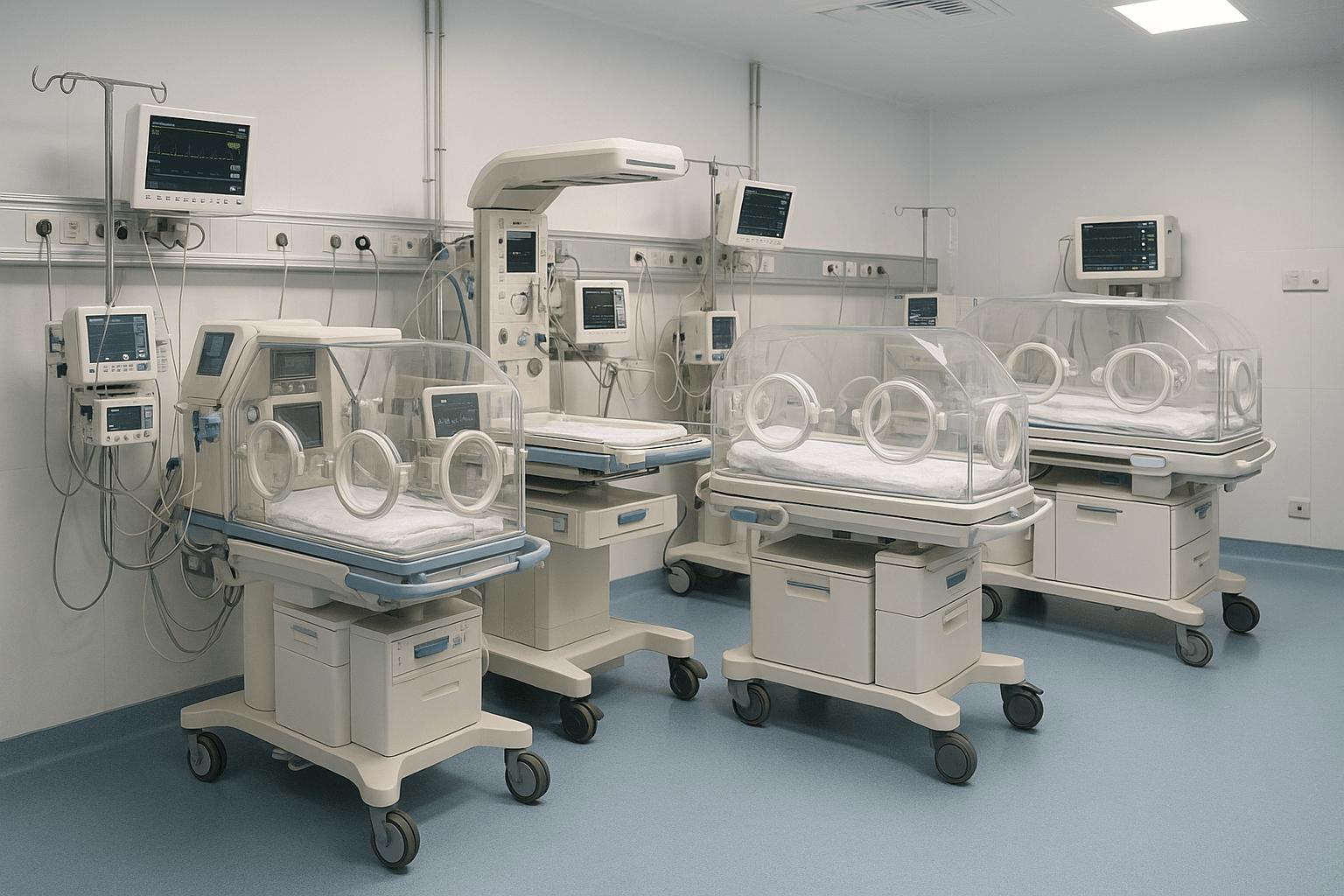
Look, working as a NICU nurse in NYC is like jumping into the deep end of the most intense pool you've ever seen. But here's the thing—if you can handle it, you'll get paid like nowhere else in the country.
NICU nurses here make an average hourly rate of $63.19, with salaries 39% higher than the national average of $94,555, according to 4 Corner Resources. That's not just a nice bonus—that's rent money, student loan payments, and maybe even some left over for actual food that isn't ramen.
Every hospital from Manhattan to Staten Island is basically begging for skilled NICU nurses right now. We're not talking about filling empty spots—we're talking about finding people who won't lose their minds when a 24-weeker comes in at 3 AM and everything goes sideways. If you can do that job well, hospitals will throw money at you to stay.
Understanding the nicu nurse salary nyc market becomes crucial for anyone considering this specialized career path in America's most demanding healthcare environment.
Here's what nobody tells you: NICU nursing isn't regular nursing with tiny patients. It's a completely different beast that requires you to think like a critical care nurse, act like a therapist, and somehow keep it together when parents are falling apart in front of you.
The fact that half the nursing workforce is about to retire, combined with more complicated pregnancies needing intensive care, means hospitals are kind of desperate. And when you add in NYC rent prices? Yeah, they have to pay up or nobody's showing up to work.
Remember when Mount Sinai and Montefiore nurses went on strike? Striking nurses demanded guaranteed staffing ratios, highlighting just how badly these hospitals need people who know what they're doing. When hospitals are short-staffed, everyone suffers, and the pay reflects how desperately they need qualified professionals.

Fresh out of school? You're looking at somewhere between $80,000 and $95,000 to start. I know, I know—it sounds amazing until you see that studio apartment listing for $3,500 a month. But stick with me here, because this is just the beginning.
Most places will throw in a signing bonus too, usually $5,000 to $15,000 if you promise to stick around for a couple years. These aren't just empty promises—hospitals are literally investing in you because they know good NICU nurses are worth their weight in gold.
Take Sarah—she graduated last year and started at NewYork-Presbyterian making $85,000 plus a $10,000 bonus for agreeing to stay two years. Between overtime and night shifts, she pulled in almost $100,000 her first year. Not bad for someone who was broke and eating cafeteria food six months earlier.
For new graduates considering their housing options while starting their NICU careers, exploring affordable student housing NYC alternatives can help stretch those early-career dollars further while establishing yourself in the city.
Here's something cool: you'll spend 12-16 weeks learning everything, and they pay you full salary the whole time. You're not just shadowing someone—you're getting intensive training on everything from managing tiny ventilators to helping parents through the worst moments of their lives.
This isn't just about learning procedures. You're developing the kind of judgment that makes you invaluable when everything hits the fan at 2 AM. Hospitals spend serious money on this training because they know well-trained nurses stick around and don't make the kind of mistakes that keep everyone up at night.
Don't plan on staying at that starting salary. Most nurses see annual bumps of 3-5%, but here's where it gets interesting—between base increases, shift differentials, and overtime, you could easily hit $100,000-$110,000 within three years.
The trick is being smart about it. Get your certifications early, volunteer for extra training, and don't be afraid to speak up during reviews. Hospitals want to keep good nurses, and they'll pay for it.
|
Experience Level |
Base Salary Range |
With Differentials/OT |
Total Compensation |
|
New Graduate |
$80,000 - $95,000 |
$85,000 - $105,000 |
$90,000 - $110,000 |
|
1-2 Years |
$85,000 - $100,000 |
$92,000 - $115,000 |
$98,000 - $120,000 |
|
3-5 Years |
$95,000 - $115,000 |
$105,000 - $130,000 |
$115,000 - $140,000 |
Once you've got 3-5 years under your belt, things get really good. We're talking $100,000-$125,000 before we even get into all the extras that can push your total way higher.
At this point, you're not just another nurse—you're the one newer nurses look up to, the one charge nurses rely on when things get crazy, and the one doctors actually listen to when you say something's not right.

Five-plus years of NICU experience? Now we're talking $120,000-$150,000 or more. You're not just taking care of babies anymore—you're training new grads, maybe working as charge nurse, and basically keeping the whole unit running smoothly.
The best part? At this level, you often get additional responsibilities that come with extra pay. Mentoring new nurses, serving on committees, maybe even helping with research projects. It all adds up, and it all looks great on your resume when you're ready for the next step.
According to research data, neonatal nurses earn significantly higher wages than the national RN average, with ZipRecruiter reporting the average neonatal nurse salary at $127,391 annually or $61 per hour, while the majority earn between $97,000 and $155,000, according to Nurse.org.
Your RNC-NIC (Neonatal Intensive Care Nursing) certification isn't just letters after your name—it's an extra $2,000-$5,000 per year. CCRN-Neonatal is similar. These certifications prove you're serious about this work, and hospitals pay accordingly.
Want to make the big bucks? Advanced certifications can open doors to specialist roles paying $160,000+. Yes, studying for these exams while working 12-hour shifts sounds terrible, but the payoff is real.
Working nights isn't just about becoming a vampire—it's about making an extra $5-$8 per hour, which adds up to $10,000-$16,000 more per year if you're full-time nights. Weekend differentials throw in another $3-$6 per hour.
The smart nurses figure out how to maximize these differentials while not completely destroying their social lives. It's a balancing act, but when you see that paycheck, it's usually worth it.

Holiday shifts often mean double-time, and savvy nurses use this strategically. Working Christmas or New Year's can seriously boost your annual earnings while helping your colleagues spend time with their families.
The key is volunteering early. Hospitals love nurses who step up during holidays, and that reliability often translates to better scheduling throughout the year.
Overtime is everywhere in NYC hospitals, but you've got to be smart about it. Many nurses find that picking up one or two extra shifts per month gives them substantial extra income without turning them into zombies.
The trick is knowing when to say yes and when to prioritize sleep. Burned-out nurses make mistakes, and in the NICU, mistakes can have serious consequences.
Maria's been doing NICU for four years at Mount Sinai. She picks up one extra 12-hour shift per month during busy periods, which adds about $8,000 annually to her income. She's got her system down—extra shift, then two days off to recover. It works.
Most NYC hospitals cover 80-90% of your health insurance premiums for individual coverage and 70-80% for family plans. We're not talking about bare-bones coverage—these are plans that actually work when you need them, which is important when you're working in healthcare and seeing what happens when people don't have good insurance.
Dental and vision are usually included, plus flexible spending accounts that let you pay for healthcare stuff with pre-tax dollars. When you're dealing with the stress of NICU work, having solid health coverage isn't just nice—it's essential.

403(b) plans with 3-6% employer matching are standard, and many union positions include pension plans for additional security. Some hospitals even offer stock options or profit-sharing arrangements that can really boost your long-term financial picture.
Tuition reimbursement typically covers $3,000-$8,000 annually for continuing education, which makes pursuing advanced degrees or certifications way more manageable financially.
Good hospitals invest in NICU nurse development through paid conference attendance, certification exam fee coverage, and continuing education support. Some even offer sabbatical opportunities for advanced degree completion.
This isn't about checking boxes—hospitals know that investing in your growth benefits everyone. Better-trained nurses provide better patient care, and they're willing to pay for that investment.
Manhattan hospitals—NewYork-Presbyterian, Mount Sinai, NYU Langone—offer the highest NICU salaries, often $10,000-$15,000 above what you'd make elsewhere. These places compete aggressively for talent and frequently provide comprehensive relocation packages for out-of-state nurses.
Working in Manhattan means higher stress and faster pace, but the compensation reflects these demands. Plus, the experience you gain in these high-intensity settings can really accelerate your career development.
Manhattan-based NICU nurses often benefit from exploring Manhattan rooms for rent options that can help offset the borough's premium housing costs while maintaining proximity to top-tier medical facilities.
Brooklyn Methodist, Maimonides, and Queens Hospital Center offer competitive packages with more reasonable living costs. Many nurses find better work-life balance in these settings while still making good money through overtime opportunities.
The patient populations are often more diverse, which gives you valuable cultural competency experience that enhances your professional development. Plus, if you live in these boroughs, your commute is usually easier.
Healthcare professionals working in these outer boroughs often find rooms for rent in Brooklyn provide excellent value while maintaining reasonable commute times to major medical centers.
Montefiore and Richmond University Medical Center provide excellent training environments with slightly lower base salaries, but your housing costs are way lower too. These hospitals often have strong community connections and unique growth opportunities that aren't available in larger, more competitive Manhattan institutions.
You might make a little less, but when your rent is $1,500 instead of $3,500, that difference matters a lot.
|
Borough |
Average Base Salary |
Top Hospitals |
Housing Cost Factor |
Commute Advantage |
|
Manhattan |
$95,000 - $120,000 |
NYP, Mount Sinai, NYU |
High |
Subway Access |
|
Brooklyn |
$85,000 - $105,000 |
Brooklyn Methodist, Maimonides |
Moderate |
Local Living |
|
Queens |
$85,000 - $105,000 |
Queens Hospital Center |
Moderate |
Airport Access |
|
Bronx |
$80,000 - $100,000 |
Montefiore |
Lower |
Community Focus |
|
Staten Island |
$80,000 - $100,000 |
Richmond University MC |
Lower |
Suburban Feel |

New York State Nurses Association representation means standardized pay scales, solid benefits, and strong job protection. Union contracts include automatic step increases and protection against random schedule changes.
Having union representation means someone's fighting for your interests during contract negotiations. That collective bargaining power often results in better working conditions and more predictable career progression.
Non-union positions might offer more flexibility in salary negotiations, performance-based bonuses, and faster advancement opportunities. Some private hospitals provide equity participation or profit-sharing arrangements that you won't find in union settings.
The trade-off is less job security and potentially more variable working conditions, but for high-performing nurses, non-union positions can offer greater earning potential and career flexibility.
Get your BSN from an accredited program and pass the NCLEX-RN, but don't stop there. Look for programs with strong clinical partnerships with NYC hospitals—these relationships often lead to direct hiring pathways.
Plan to get your RNC-NIC certification within 2-3 years of starting practice. Research certification requirements early an d create a timeline for meeting eligibility criteria including clinical hours and continuing education units.
Neonatal nurses earn significantly higher wages than the national RN average, with the highest-paid neonatal nurses working in Outpatient Care Centers making an average of $102,640 per year or $49.35 per hour, according to Nursing Education.
Join professional organizations like the National Association of Neonatal Nurses (NANN) and go to local chapter meetings. Networking often leads to opportunities that never get posted publicly and gives you insights into the best employers in the region.
Building relationships with colleagues, managers, and other healthcare professionals creates advancement opportunities and provides valuable references when you're ready to move to higher-paying positions.
The importance of compassionate NICU care is highlighted by stories including Shelcie Holbert, who transitioned from a cosmetics saleswoman to a labor and delivery nurse after experiencing exceptional NICU care during her daughter's three-month stay, demonstrating how quality nursing care inspires future healthcare professionals.
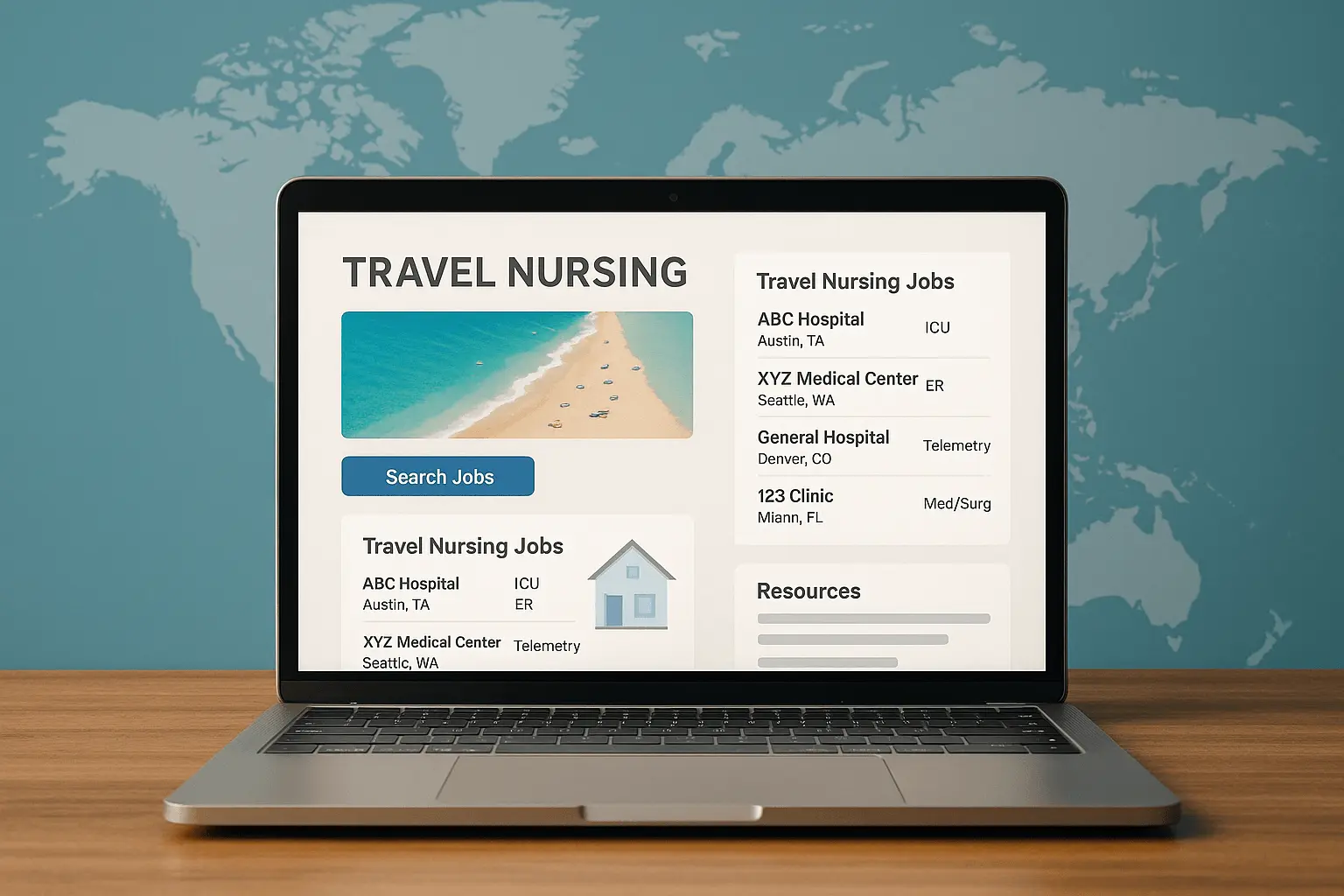
Travel nursing assignments in NYC can offer significantly higher hourly rates ($45-$65 per hour) plus housing stipends and other benefits. Contract positions often pay 20-30% more than permanent roles while providing flexibility and diverse experience.
This isn't for everyone, but if you want maximum earning potential and professional variety, travel and contract work can be seriously lucrative.
Most NYC hospitals offer clinical ladder programs allowing NICU nurses to advance through levels (Clinical Nurse I-IV) with corresponding salary increases of $3,000-$8,000 per level. Advancement typically requires continuing education, leadership activities, and demonstrated clinical expertise.
These programs reward professional growth with tangible financial benefits. Each level comes with increased responsibilities and expectations, but also with recognition that your growing expertise deserves compensation to match.

Transport team positions, ECMO specialists, and charge nurse roles provide both salary increases and enhanced professional development. These positions often require additional training but can increase earning potential by $15,000-$25,000 annually.
Charge nurse positions typically add $10,000-$15,000 to base salaries, while nurse manager roles can reach $140,000-$180,000. The leadership experience gained in these roles opens doors to even higher-level positions throughout your career.
Jennifer advanced from staff nurse to NICU charge nurse at NYU Langone within 5 years, increasing her base salary from $95,000 to $125,000. Her leadership experience then qualified her for a nurse manager position at $160,000, representing a 68% salary increase over her career trajectory.
Neonatal Nurse Practitioners in NYC earn $140,000-$200,000, with some positions offering productivity bonuses or partnership tracks. The transition typically requires 2-3 years of experience plus advanced degree completion.
This pathway represents the highest earning potential for nurses who want to stay in direct patient care while expanding their scope of practice. NNPs often have more autonomy and can develop specialized expertise in areas including neonatal surgery or high-risk deliveries.

Average NYC rents consume 30-40% of gross income, making housing your biggest financial challenge. Many NICU nurses pursue shared housing arrangements, outer borough locations, or employer-sponsored housing assistance programs to manage costs effectively.
Some hospitals offer subsidized housing or partnerships with local apartment complexes. These programs can significantly reduce your housing burden while keeping you close to work—a crucial factor when you're working 12-hour shifts.
For healthcare professionals seeking cost-effective housing solutions, shared apartments New York options can provide significant savings while offering community support during demanding work schedules.
Factor in monthly MetroCard costs ($132), parking fees for drivers ($200-$400), or bike-share memberships. Many nurses strategically choose housing based on proximity to work to minimize transportation expenses and maximize rest time between shifts.
Your commute affects more than just your budget—it impacts your quality of life. A shorter commute means more sleep, which directly affects your ability to provide quality patient care and maintain your own well-being.
NICU nurses often experience income fluctuations due to overtime availability, holiday differentials, and shift variations. Successful financial planning involves budgeting based on base salary while treating differentials and overtime as additional savings or debt reduction opportunities.
Building an emergency fund becomes even more important when your income can vary significantly from month to month. Aim to save the "extra" money from high-earning months to smooth out the leaner periods.

Working demanding 12-hour shifts in high-stress NICU environments requires more than just competitive compensation—you need a living situation that supports your career and well-being. That's where Outpost Club's approach to community-focused housing makes perfect sense for healthcare professionals.
We understand that NICU nurses need more than just a place to crash between shifts. You need a home base that recognizes your schedule challenges, values your professional dedication, and connects you with individuals who appreciate the importance of your work.
Our housing communities are specifically designed for healthcare professionals, offering the convenience, quality, and supportive environment that makes the difference between surviving and thriving in NYC's demanding healthcare landscape. When you're saving lives in the NICU, your living situation should enhance rather than complicate your ability to perform at your best.
Healthcare professionals can benefit from exploring communal living spaces in NYC that understand the unique challenges of medical careers and provide flexible, supportive housing solutions.
Your career as a NICU nurse in NYC represents more than just a job—it's a calling that demands exceptional skill, emotional resilience, and unwavering dedication to the most vulnerable patients. The compensation reflects this reality, with salaries that acknowledge both your specialized expertise and the critical nature of your work.
The earning potential is substantial, from entry-level positions starting at $80,000-$95,000 to experienced nurses commanding $150,000+ with the right certifications and experience. But success in this field isn't about maximizing your salary—it's about building a sustainable career that allows you to provide excellent patient care while maintaining your own well-being.
Strategic career planning, continuous education, and smart financial decisions will serve you well in this demanding but rewarding profession. Whether you choose union or non-union positions, Manhattan's premium hospitals or the community-focused environments in outer boroughs, your specialized skills as a NICU nurse will always be in demand in this city.
Remember that your compensation package extends far beyond base salary. Factor in shift differentials, overtime opportunities, comprehensive benefits, and professional development support when evaluating opportunities. The investment you make in your education and certifications will pay dividends throughout your career, opening doors to leadership roles, advanced practice positions, and specialized opportunities that can significantly boost your earning potential.
Is it worth living with three roommates to work your dream job? That's something only you can decide. Will you sometimes eat ramen for dinner because you spent too much on rent? Probably. Are there days when you'll want to throw in the towel? Definitely. But for those who can handle it, being a NICU nurse in NYC offers both the financial rewards and professional satisfaction that make all the challenges worthwhile.
For those considering the financial aspects of living in NYC while building their nursing careers, understanding the real cost of living in NYC can help inform both career and housing decisions for long-term success.

Household supplies can be changed or decreaased at Outpost Club’s discretion, or based on supply availability. Outpost is not responsible for temporary losses of utility service. Outpost Club is not responsible for any damages due to absence of any supplies or utilities


If you have a sales related question please call
680-688-7678

 Hot Deals