Paramedic Salary NYC: What Emergency Responders Actually Earn in America's Most Expensive City
Dec 14, 2025
Dec 14, 2025
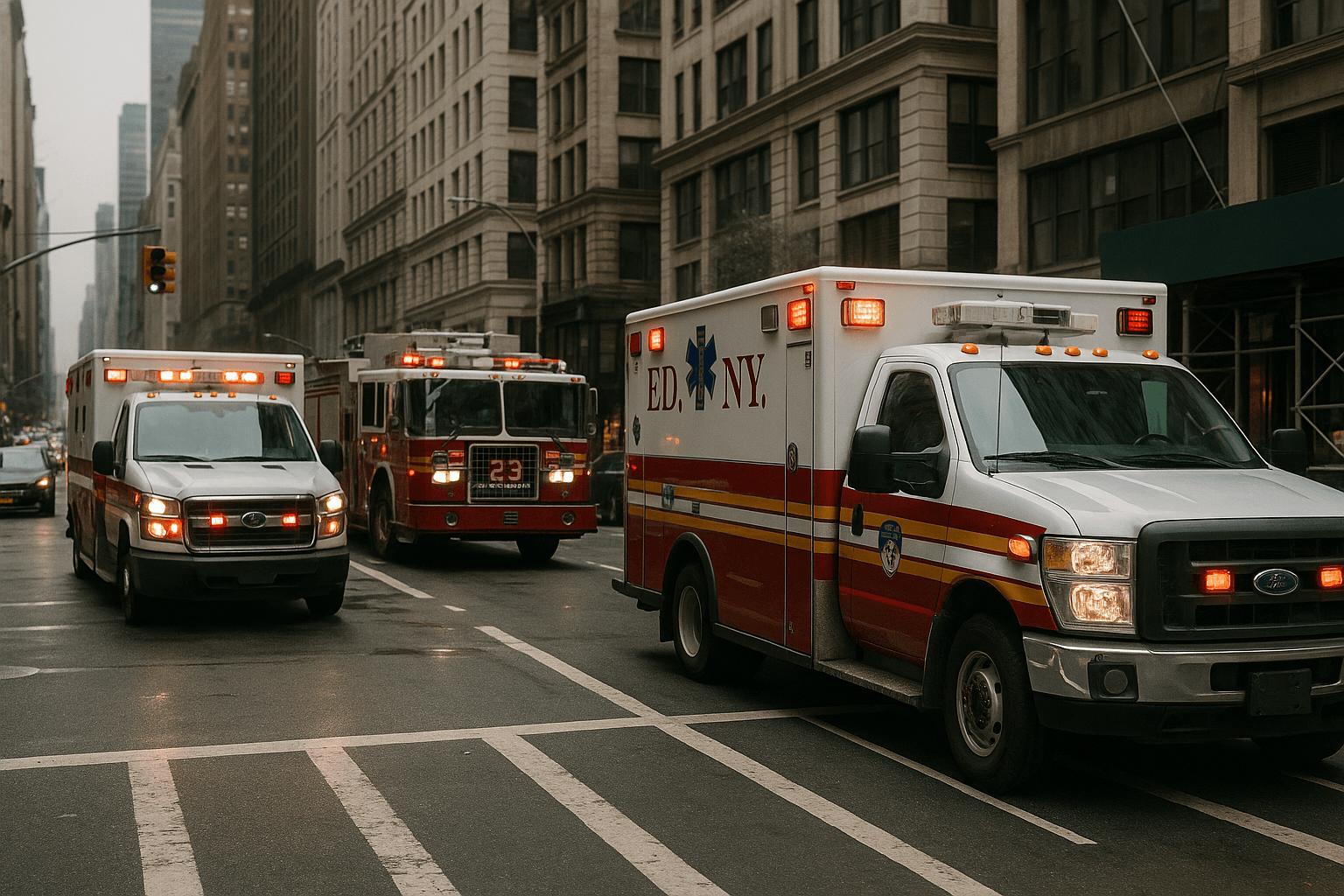
So you're thinking about becoming a paramedic in NYC? First off - respect. Second, you're probably wondering if you can actually afford to live here on a paramedic's salary. I get it.
Look, working as a paramedic in NYC means you're dealing with one of the most insane and expensive cities on the planet. Your paramedic salary NYC needs to reflect not just your skills and the crazy hours you pull, but also the reality that a studio apartment in Manhattan costs more than most people's entire salary. The feds say paramedics "administer basic or advanced emergency medical care and assess injuries and illnesses" while operating sophisticated equipment like EKGs and administering advanced life support to critically ill patients - but what they don't mention is that you're doing this while navigating traffic that would make a seasoned cab driver weep.
Here's the thing - figuring out what you'll actually make is complicated. Pay varies wildly depending on whether you go with FDNY, work for a private ambulance company, or land a spot at one of the hospitals. Each path has totally different perks, advancement opportunities, and ways they structure your pay that can make or break your long-term earning potential.
What makes NYC unique is the sheer insanity of the job. You're treating patients while dodging potholes that could swallow a small car, dealing with people who speak fifteen different languages, and working in conditions that'll test every single thing they taught you in school. This reality is exactly why employers have to get creative with how they pay you.
The ongoing debate over EMS pay has been heating up lately. According to Vital City NYC's report on EMS worker pay, "EMS union presidents for decades have railed against the comparatively low pay for their members, and the rank and file has sometimes voted for new leaders because the incumbents were unable to significantly bridge the gap." Honestly, it shows.
Let's be honest - you're not going to get rich quick as a new paramedic, but the money does get better if you play your cards right. Starting paramedic salary ranges usually span from the low-to-mid $40Ks with private services up to around $52K if you land a spot with FDNY.
But here's what nobody tells you - those base numbers are just the beginning. Overtime opportunities, working nights and weekends, and performance bonuses can seriously boost what actually hits your bank account. I know plenty of paramedics pulling in 20-40% more than their base salary just by being smart about when they work extra shifts.
Don't sleep on the benefits package either. Health insurance, pension contributions, and paid time off can easily add another $15K-$20K in value annually. Trust me, when you're dealing with the physical demands of this job, good health insurance isn't just nice to have - it's essential.
|
What You're Looking At |
Starting Out |
After You Know What You're Doing (5+ Years) |
Benefits Worth |
Total Package |
|
FDNY EMS |
$47K-$52K |
$70K-$80K |
$15K-$20K |
$62K-$100K |
|
Private Services |
$40K-$55K |
$55K-$70K |
$8K-$15K |
$48K-$85K |
|
Hospital-Based |
$50K-$70K |
$65K-$85K |
$12K-$18K |
$62K-$103K |
FDNY EMS is probably your safest play if you want predictability in NYC emergency medical services. They operate under civil service rules, which means you know exactly how your pay will increase, when you'll get raises, and what you need to do to move up. No guessing games or hoping your boss likes you enough to give you a bump.
You'll start somewhere between $47K and $52K, but don't let that baseline fool you. The structured nature of FDNY EMS means you get predictable salary bumps based on how long you've been there - usually $1,500 to $3K every year.
Recent politics have highlighted just how screwed up EMS pay has been. According to EMS1's report on NYC Mayor's Administration, Mayor Eric Adams "pledged he would as mayor see to it the FDNY's emergency medical technicians and paramedics get paid as much as firefighters, who start with salaries around $54,000," but EMTs are still starting at around $36K. Yeah, that promise hasn't exactly panned out.
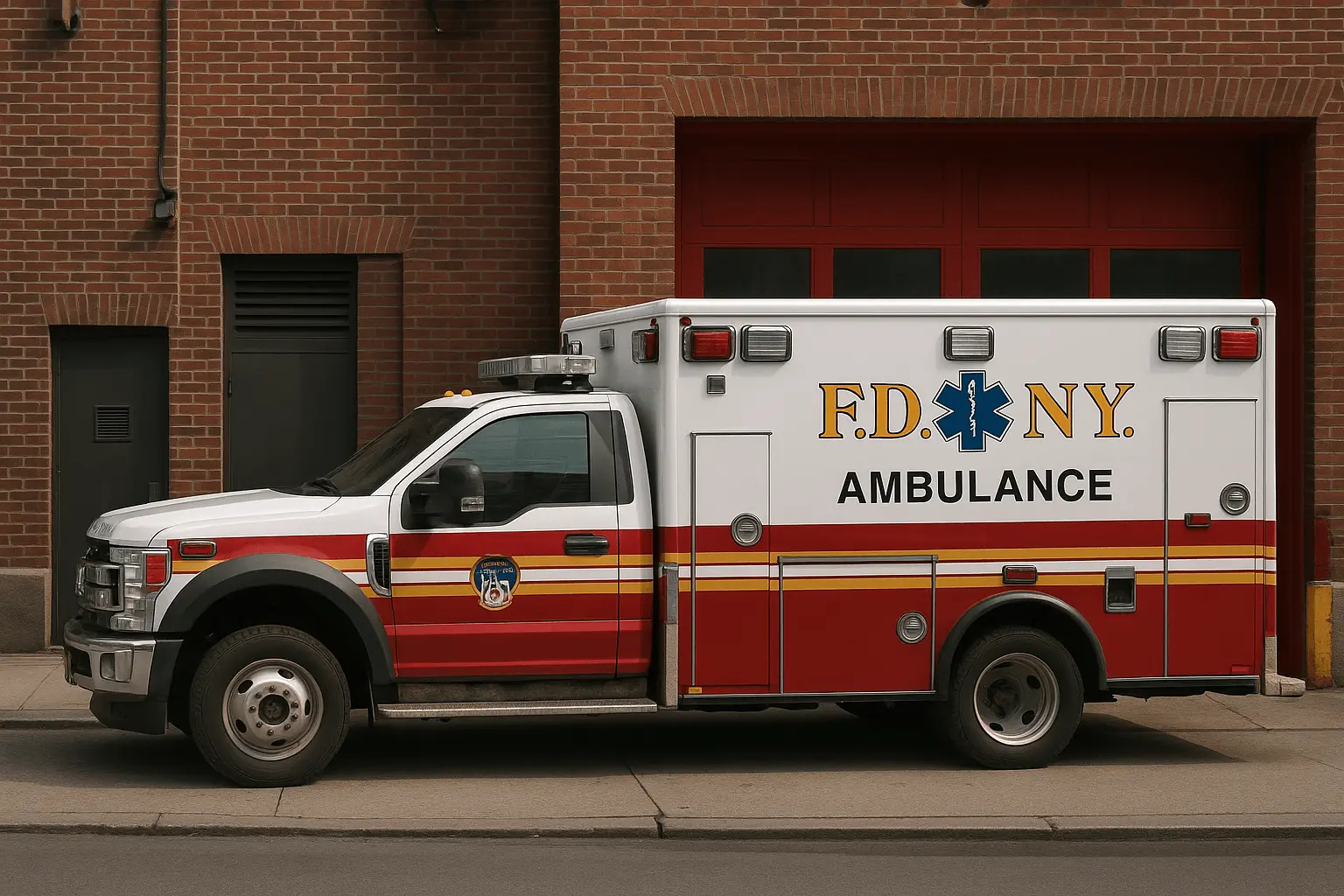
Your FDNY EMS salary follows a pretty predictable path. Hit the five-year mark, and you're typically looking at $60K-$65K annually. Make it to ten years, and you could be pulling $70K-$80K before you even think about overtime.
The benefits package is where things get really interesting though. You're getting health insurance for your whole family, dental, vision, and you're part of the city's pension system. These benefits can easily add $15K-$20K to what you're actually getting compensated - which matters a lot when you're thinking about your total package.
Overtime is where many FDNY paramedics really boost their take-home. Since emergencies happen 24/7, there's always overtime available. At time-and-a-half rates, working smart about your extra shifts can add thousands to your annual income.
Take Sarah - she's been with FDNY for seven years and makes a base of $68K. By picking up overtime shifts during holidays and weekends (when the pay is even better), she adds another $18K annually. That brings her total to $86K plus benefits - a hell of an improvement from her starting salary of $49K.
Moving up within FDNY EMS is pretty straightforward if you know the game. Lieutenant positions typically pay $65K-$75K annually, while Captain roles can hit $80K-$95K. These aren't just small bumps - they're serious career moves that require additional training and proving you can lead people.
Getting into specialized units is another way to bump your pay. Hazmat response, tactical EMS, or critical care transport often come with annual bonuses ranging from $3K to $8K. You'll need extra training, but you get both the money and some variety in what you're doing day-to-day.
Here's the key though - FDNY advancement isn't just about putting in your time. You need to actively go after additional training, show you can lead, and position yourself for when opportunities open up.
Your FDNY Game Plan:
Private sector gigs give you alternatives to the whole municipal employment thing, and each comes with its own pros and cons. These jobs often give you more flexibility with your schedule and different ways of getting paid that might work better for your situation.
Private ambulance services usually start paramedics between $40K-$55K, and yeah, that might look lower than FDNY starting pay. But here's the thing - a lot of private companies offer performance bonuses that can seriously boost your annual take-home if you're motivated and good at what you do.
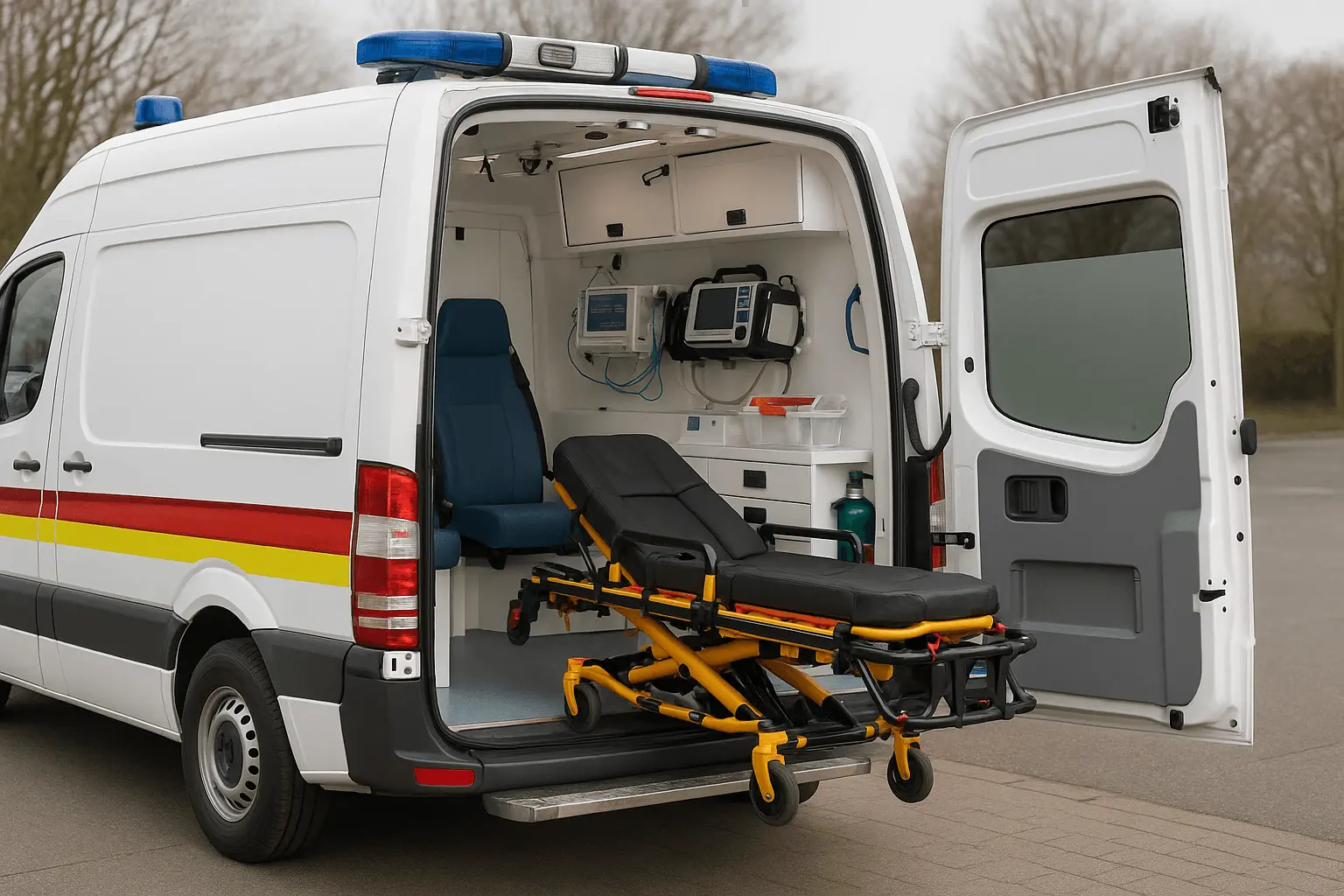
Performance-based pay can work in your favor if you're the type who goes above and beyond. Annual bonuses ranging from $2K to $10K reward you for being productive, taking good care of patients, and actually developing your skills.
These systems often let you move up faster than municipal jobs. Instead of waiting around for seniority-based promotions, you can potentially get into supervisory or specialized roles based on actually being good at your job.
The trade-off? Usually less job security and potentially weaker benefits compared to working for the city. You'll need to decide if the potential for higher performance-based earnings is worth giving up the stability of civil service.
Hospital-based EMS jobs offer a different career path that can open doors into broader healthcare opportunities. Major hospital systems in NYC typically pay $50K to $70K for paramedic positions, which is pretty competitive.
These roles often give you competitive pay with solid healthcare benefits, plus opportunities to advance within larger healthcare organizations. You might find ways to move into emergency department roles, critical care transport, or even healthcare administration down the road.
The work is different from street EMS though. You're often handling transfers between facilities, working more closely with hospital staff, and dealing with different types of patient situations.
Michael made the jump from a private ambulance service to a hospital-based EMS role at Mount Sinai. His salary went from $48K to $62K, and he got access to tuition reimbursement programs that helped him get his bachelor's degree in emergency management. Not a bad move.
Your paramedic salary isn't just about showing up and doing the job. A bunch of different things affect what actually ends up in your bank account, and knowing this stuff helps you make smarter decisions about your career.
Experience is still the biggest factor in how much you'll make. FDNY paramedics get regular bumps based on years of service, with annual increases that add up to real money over time. After five years, you're typically earning $60K-$65K, while 10+ years often means $70K-$80K annually.
Advanced certifications create immediate opportunities for salary bumps. Critical Care Paramedic (CCP), Flight Paramedic (FP-C), or specialized pediatric certifications can add $2K-$8K annually to your base salary, depending on where you work and how directly the certification applies to what you're doing.
Where and when you work makes a real difference in your paycheck. Some private services offer location premiums, with Manhattan positions potentially providing $2K-$5K annual bumps because of the higher complexity and cost of living.
Shift timing creates consistent opportunities for better pay. Evening and overnight shifts typically offer $1-$3 per hour above base rates. Weekend and holiday shifts often provide time-and-a-half or double-time pay.
Smart paramedics use these differentials strategically. Working primarily evenings or nights, combined with picking up holiday and weekend shifts, can substantially increase your annual earnings without needing overtime hours.
|
Shift Type |
Hourly Bump |
Weekend Premium |
Holiday Premium |
Annual Impact* |
|
Day Shift |
$0.00/hour |
+50% |
+100% |
Baseline |
|
Evening Shift |
+$1.50/hour |
+50% |
+100% |
+$3,120 |
|
Night Shift |
+$3.00/hour |
+50% |
+100% |
+$6,240 |
|
Rotating Shifts |
+$2.00/hour |
+50% |
+100% |
+$4,160 |
*Based on 2,080 annual hours
Building
Building a high-earning paramedic career takes intentional planning and strategic moves. You can't just rely on automatic salary increases - you need to actively position yourself for advancement opportunities and higher-paying roles.
Professional development is your most direct path to better pay. Paramedics who get associate or bachelor's degrees in emergency medical services, healthcare administration, or related fields often qualify for supervisory and administrative positions offering $70K-$100K+ annually.
Networking through professional organizations gets you access to opportunities that might not be posted publicly. Actually participating in EMS associations and industry events connects you with decision-makers and opens doors to specialized positions or advancement opportunities.
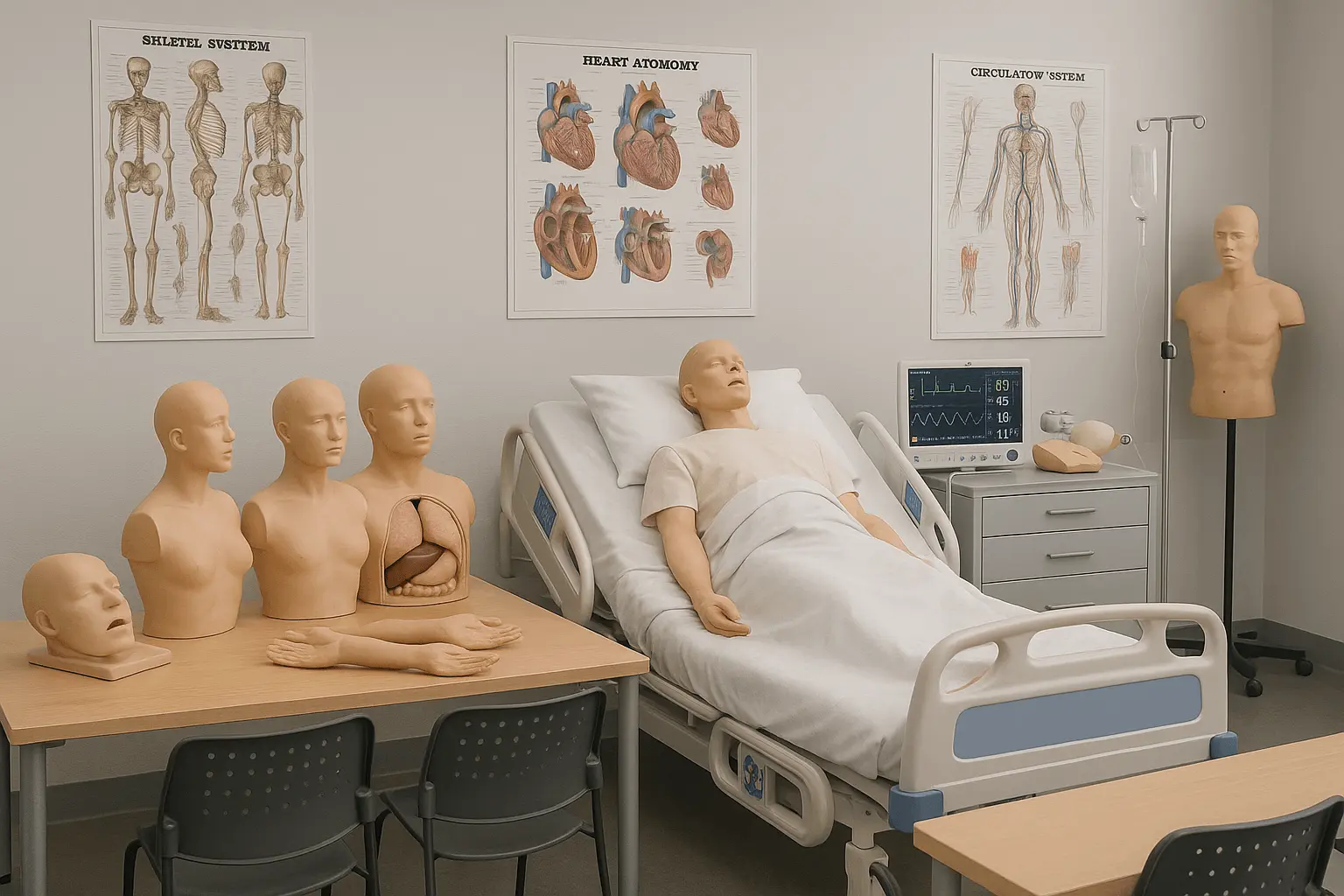
Your paramedic experience opens doors to related fields that often pay more. Healthcare administration roles, including EMS operations management and quality assurance positions, typically offer salaries ranging from $75K-$120K annually.
Training and development positions provide another lucrative transition. Experienced paramedics often move into training coordinator or education specialist roles, developing curricula and teaching new paramedics. These positions typically provide $65K-$85K salaries while offering regular daytime schedules.
The key is positioning your field experience as valuable expertise rather than just "hands-on" work. Your understanding of emergency medical protocols, patient care standards, and operational challenges makes you valuable in administrative and educational roles.
Your Professional Development Game Plan:
Making the jump from EMT to paramedic is one of the biggest salary increases you can get in emergency medical services. EMTs in NYC typically start between $35K-$42K annually for their emt salary, while paramedics begin around $47K-$52K - that's a meaningful bump that grows substantially over time.
FDNY often provides tuition help and scheduling flexibility for EMTs pursuing paramedic certification, making the transition financially doable. They recognize that investing in employee advancement benefits everyone involved. According to FDNY's career information, EMTs must hold "a valid NYS DOH EMT-B certification; or a valid NYS DOH EMT-P certification" to be eligible for employment.
Paramedic training programs in the NYC area typically cost $8K-$15K, but the salary increase often pays for itself within 12-18 months of getting certified. When you factor in the long-term earning difference, the investment becomes even more of a no-brainer.
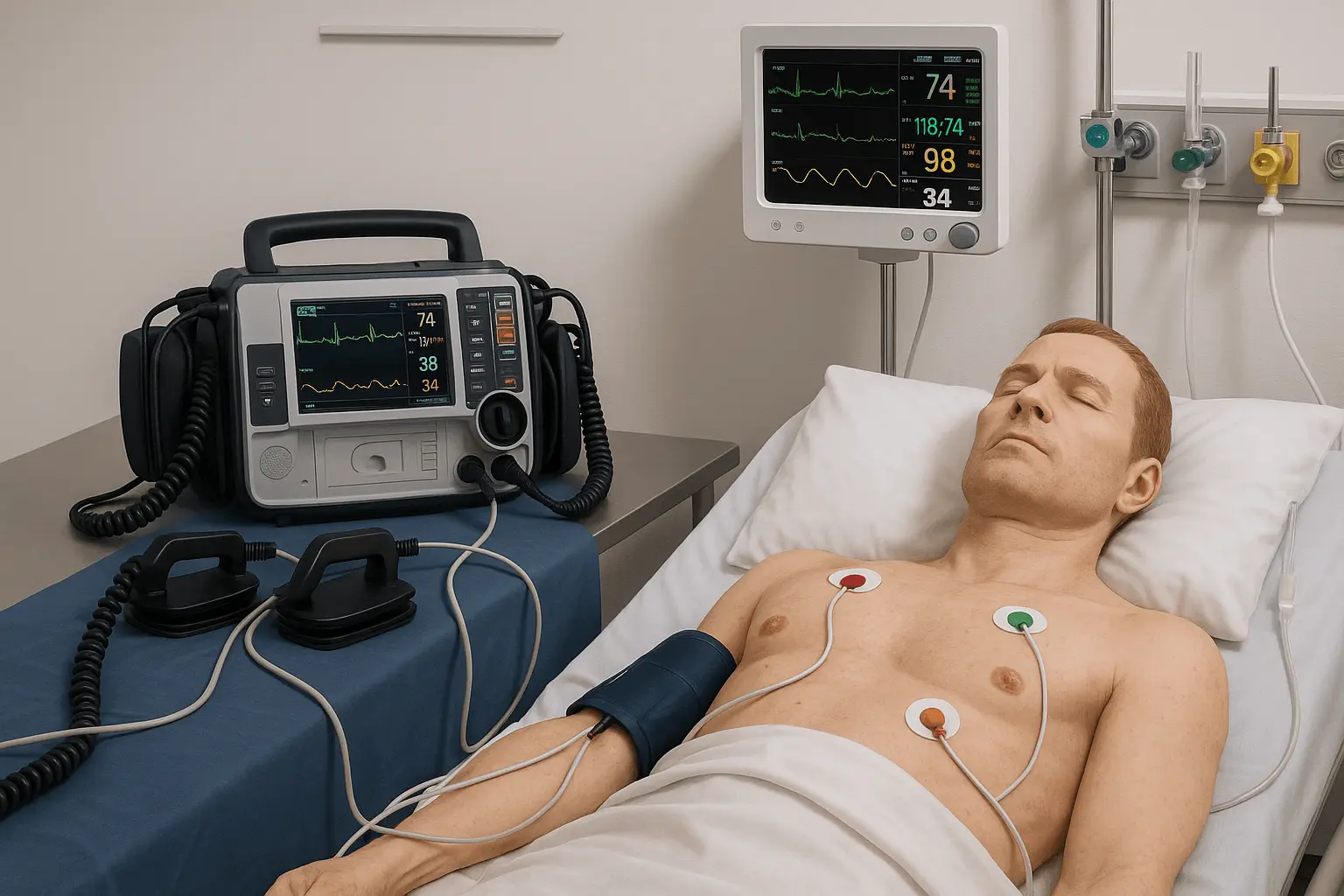
Choosing the right paramedic program affects both your education quality and how much you'll spend. Look for programs that offer clinical rotations with potential future employers, since these connections often lead to job offers after graduation.
Many employers offer tuition reimbursement or assistance programs for current employees pursuing paramedic certification. Understanding these benefits before starting your program can significantly reduce your out-of-pocket costs and give you job security during training.
The 12-24 month training period requires careful financial planning, but the salary increase and better career opportunities make it worthwhile for most EMTs serious about advancing in emergency medical services.
James was an FDNY EMT making $38K. He invested $12K in paramedic training with partial employer help. After certification, his salary jumped to $49K, and within three years, he was earning $65K with overtime - a total return on his career investment of over 400%.
The EMS industry in NYC keeps evolving in ways that benefit paramedic pay. Ongoing staffing challenges create upward pressure on salaries as employers compete for qualified people, particularly benefiting experienced paramedics who can demand better compensation.
Technology integration in emergency medical services creates opportunities for paramedics with technical skills to access specialized positions with better pay. Advanced medical equipment, electronic patient care records, and telemedicine capabilities require paramedics who can adapt to technological advances.
Expanding scope of practice in some areas allows paramedics to take on additional responsibilities that traditionally required higher-level medical professionals, often with corresponding salary increases or role premiums. This trend particularly affects FDNY EMS operations where paramedics increasingly handle complex medical procedures.
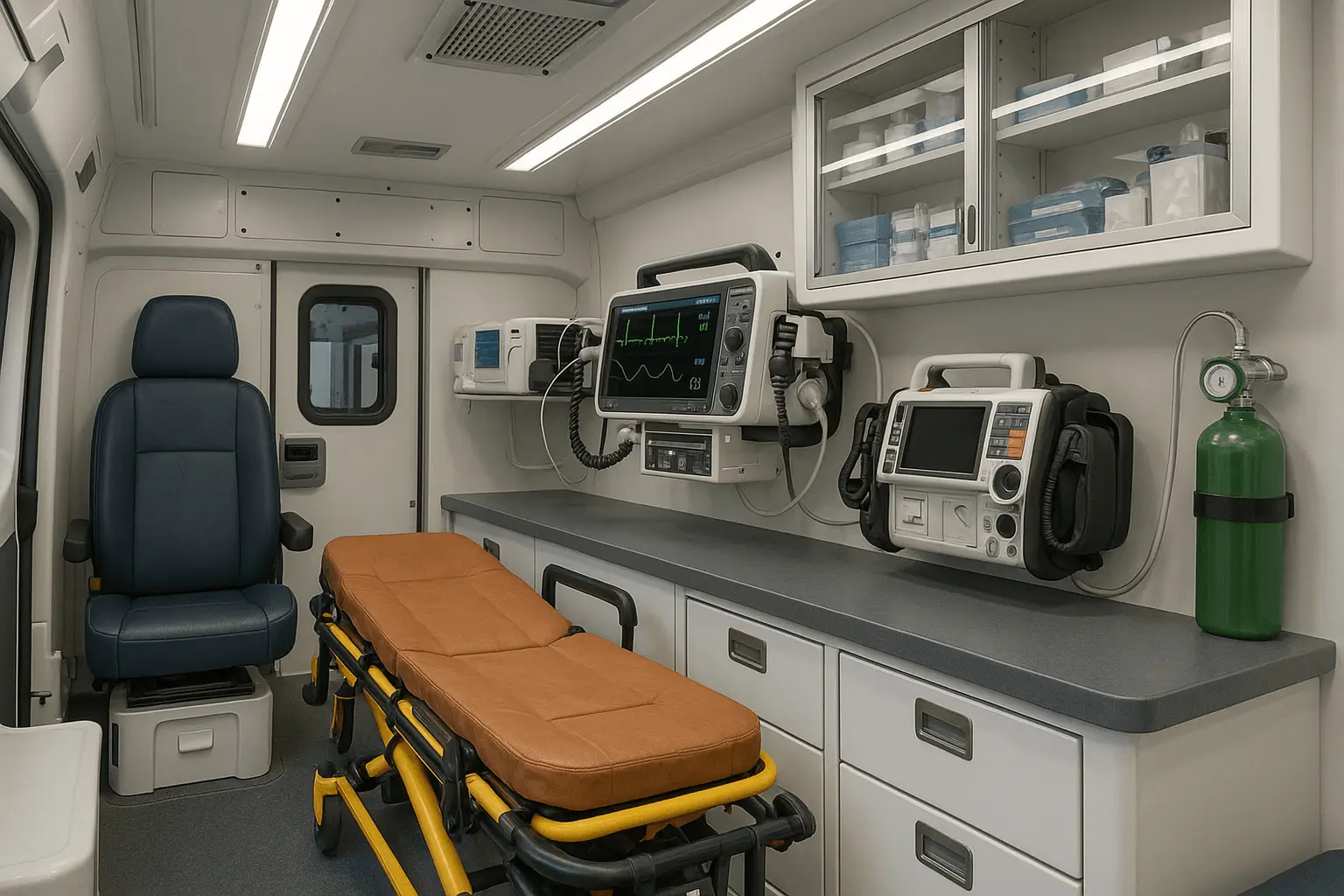
Workforce shortages in emergency medical services suggest continued upward pressure on pay. Employers struggling to maintain adequate staffing often increase starting salaries, enhance benefits packages, or offer signing bonuses to attract qualified candidates.
COVID-19 highlighted how essential emergency medical workers are, leading to increased public and political support for better pay for first responders. This recognition may translate into long-term salary improvements and better working conditions.
Demographic trends suggest increasing demand for emergency medical services as populations age, potentially creating more opportunities for career advancement and specialized roles within the field.
Salary negotiation in emergency medical services requires preparation and strategic thinking. You can't just walk in and ask for more money - you need to build a case based on performance, additional qualifications, and market conditions.
Documentation becomes crucial for successful negotiations. Keep detailed records of professional development activities, certifications earned, performance evaluations, and additional responsibilities you've taken on. This documentation provides concrete evidence of your value to the organization.
Market research across multiple employers gives you leverage in negotiations. Understanding what FDNY, private services, and hospital-based programs offer for similar positions helps you make informed requests and evaluate counteroffers.

Timing significantly impacts negotiation success. Performance review periods provide natural opportunities to discuss pay increases based on demonstrated performance and additional qualifications earned during the review period.
Completing new certifications or taking on additional responsibilities creates leverage for immediate pay discussions. Don't wait for annual reviews if you've significantly enhanced your value to the organization.
Job market conditions also influence negotiation timing. When staffing shortages create competitive hiring environments, current employees often have more leverage to negotiate improved pay packages.
Your Salary Negotiation Prep List:
Housing costs are the biggest challenge for NYC paramedics trying to build sustainable careers. With average rents eating up 30-50% of gross income, where you choose to live directly impacts your financial stability and whether you can actually stick with this career long-term.
A lot of paramedics find themselves choosing between brutal commutes from more affordable areas or paying insane prices to live closer to work. This decision affects your budget, quality of life, and ability to pick up those overtime shifts that actually make the money worthwhile.
You need to get creative with housing solutions as an emergency medical professional. Co-living arrangements, shared housing with other first responders, or employer-assisted housing programs can help address the affordability challenge while keeping your commute reasonable.

For paramedics seeking affordable housing solutions, exploring communal living spaces in NYC can provide cost-effective alternatives that reduce the financial burden of high rent costs while building supportive networks with other professionals.
Many emergency responders find that shared apartments New York offer practical solutions for managing housing costs while maintaining access to Manhattan's employment opportunities.
Look, I get it - nobody wants to live with roommates forever. But when you're starting out, sharing a decent place in Queens or Brooklyn with other first responders can be the difference between building a career and burning out because you're spending 60% of your income on rent for a closet-sized studio.
Some paramedics have found success with communal living spaces specifically designed for working professionals. These setups can provide cost-effective alternatives that reduce the financial burden of high rent while building supportive networks with people who actually understand what you're dealing with at work.
The reality is that your housing decision will make or break your ability to stay in this career in NYC. Plan accordingly, and don't let pride keep you from making smart financial choices early on.
Here's the bottom line on paramedic salaries in NYC: the starting pay might make you question your life choices, but there's real earning potential if you're strategic about your career.
The key to maximizing your paramedic career isn't hoping for the best - it's understanding all the different factors that influence your pay and making smart decisions about where you work, what certifications you get, and how you advance. Whether you go with FDNY's structured system, chase performance bonuses in the private sector, or find your path through hospital-based programs, success requires you to actively manage your career.
Your earning potential goes way beyond that base salary they quote you. Overtime opportunities, shift differentials, advanced certifications, and career advancement can seriously impact your total compensation. The paramedics who do well treat their careers strategically, continuously developing skills and positioning themselves for better-paying opportunities.
The investment in paramedic training and career development pays off over time, especially if you advance into supervisory roles, specialized units, or transition into related healthcare fields. With proper planning and smart career moves, a paramedic career in NYC can provide both financial stability and professional fulfillment in one of the world's most demanding emergency medical environments.
And let's be real - you're not doing this job for the money anyway. You're doing it because you want to help people during their worst moments, and that's worth something that doesn't show up on a paycheck. But you still need to eat and pay rent, so make sure you're getting paid what you're worth.

Household supplies can be changed or decreaased at Outpost Club’s discretion, or based on supply availability. Outpost is not responsible for temporary losses of utility service. Outpost Club is not responsible for any damages due to absence of any supplies or utilities


If you have a sales related question please call
680-688-7678

 Hot Deals