Paraprofessional Salary NYC: What You're Really Making (And How to Maximize It)
Dec 15, 2025

Dec 15, 2025
Let's be honest – figuring out what you'll actually make as a paraprofessional in NYC is confusing as hell. I've been there, staring at pay scales that make no sense and wondering if I can actually afford to live here on what they're offering.
Here's the real deal: the city is dealing with 1,600 paraprofessional vacancies right now, and salaries range from $31,000 to just under $53,000. But that base number on your paycheck? That's just the beginning of a complicated mess that can actually work in your favor if you know how to navigate it.
The Department of Education uses this step-based system where basically, the longer you stick around, the more money you make. It's predictable, which is nice when you're trying to budget for rent in the most expensive city in the country. Recent union advocacy has highlighted just how desperate schools are for good people – UFT President Michael Mulgrew revealed that the city acknowledged 3,100 paraprofessional vacancies on the day schools opened according to NY1.
Your paraprofessional salary in NYC depends heavily on where you fall in this system. The step increases aren't charity – they recognize that experienced staff understand the unique chaos of supporting NYC students in ways that can't be taught in a two-hour orientation.
Every year you survive in the classroom adds real money to your paycheck. The step increases acknowledge that experienced paraprofessionals bring skills you can't learn from a manual – like knowing which kid is about to have a meltdown before they even know it themselves.
Your progression through the salary schedule happens automatically as long as you don't completely mess up your performance reviews. This predictability helps with planning ahead, especially important when you're dealing with the real cost of living in NYC, where housing and transportation costs can eat up most of your income.
The step system rewards you for sticking around and doing decent work. It's not rocket science – show up, do your job, don't get fired, and your salary goes up every year.
|
Years of Experience |
What You'll Actually Make |
Annual Bump |
Benefits |
|
0-2 years |
$31,000-$34,000 |
Step increases |
Full benefits from day one |
|
3-5 years |
$34,000-$38,000 |
Step + longevity |
More vacation days |
|
6-10 years |
$38,000-$42,000 |
Step + longevity |
Even more time off |
|
10+ years |
$42,000-$53,000 |
Maximum steps |
Full longevity pay |

Entry-level paraprofessionals start around $28,000 annually, which honestly sounds terrible until you factor in everything else. But here's what nobody tells you – this baseline doesn't include the extras that can bump you up significantly.
If you've got experience and some certifications under your belt, you could hit $45,000 or higher. The gap between newbie and veteran pay reflects the real difference between someone figuring things out and someone who can handle whatever chaos walks through the classroom door.
Maria, who I used to work with, started at $31,000 but now makes $44,500 annually after 8 years. She's got bilingual certification and longevity payments, plus she's become the go-to person for autism support. Her consistent performance evaluations and smart choices about additional training positioned her for even more growth.
Having an associate or bachelor's degree immediately puts you ahead of the game salary-wise. The DOE knows that formal education helps you understand why kids do what they do and how to actually support their learning instead of just keeping them quiet.
Degree holders often start several thousand dollars above the base level. This isn't just bureaucratic nonsense – your educational background gives you tools for understanding curriculum standards and child development that make you more effective from day one.
Special education certifications can add $1,000 to $3,000 annually to your base salary. These supplements acknowledge that working with kids who have intensive needs requires additional skills and patience that not everyone has.
Bilingual endorsements carry similar financial benefits. In a city where you might hear five different languages in one hallway, your ability to communicate with diverse families and students becomes incredibly valuable. Schools will pay extra for that skill because they desperately need it.
Hit 10, 15, and 20-year service milestones and you get longevity payments that add $500 to $2,000 annually to your base salary. It's not huge money, but hey – every dollar counts when you're living in NYC.
The longevity system recognizes that veteran paraprofessionals have institutional knowledge you can't replace. You know which teachers are actually helpful, which administrators to avoid, and how to navigate the system to get things done for your students.

Look, substitute work is a love-hate relationship. Some days you're grateful for the flexibility, other days you're stressed about whether you'll have enough work to pay rent.
You're looking at $150 to $200 per day as a substitute para. That breaks down to about $20-25 an hour, which honestly isn't terrible for education work. But here's the catch – you only get paid when you work.
The rate depends on what kind of assignment you get. Regular classroom support? You're at the lower end. Special ed or bilingual support? That's where you hit the higher rates because, let's face it, those jobs require more from you.
I know substitutes who've built solid relationships with 3-4 schools and basically have steady work. They're smart about it – they show up consistently, don't complain, and actually help out instead of just babysitting.
Here's what nobody tells you about subbing – February and March can be brutal. No snow days means less sick coverage needed. Summer? Forget about it unless you hustle for camps or summer school gigs.
But if you play your cards right and stay available most days, you can pull in $25K to $35K a year. That requires saying yes to assignments even when you don't feel like it and building a reputation as someone schools can count on.
Real talk checklist for substitute success:
Manhattan schools often pay more because they're desperate for subs. Brooklyn has some good-paying districts too. The Bronx and Queens are hit or miss, and Staten Island... well, you might have fewer options but less competition.
The complex assignments – kids with behavioral issues, multiple languages in one classroom, special needs support – these pay more because they should. You're earning that extra money.

This is where full-time positions really shine. The benefits package is honestly what makes the lower salary bearable.
The health insurance alone is worth about $15K a year if you had to buy it yourself. And we're talking real coverage – medical, dental, vision, the works. When your kid needs braces or you need glasses, you're not choosing between healthcare and groceries.
I had a colleague who broke her arm over the weekend. Between the ER visit, X-rays, and follow-up appointments, she would've been looking at thousands in bills. With DOE insurance? Her biggest expense was the Uber to the hospital.
The Teachers' Retirement System isn't just some boring pension talk – it's your future financial security. While your friends in private sector jobs are stressed about their 401k balances going up and down, you've got guaranteed retirement income coming.
It's basically the difference between hoping you'll have enough money to retire and knowing you will. That peace of mind is worth more than you might realize when you're 30, but trust me, you'll appreciate it later.
The tuition reimbursement program is legit. They'll help pay for you to get better qualifications, which means more money in your pocket later. James from my old school used it to get his special ed certification and bumped his salary by $2,500 a year. The program paid for most of his classes, so it was basically free money.
The UFT has your back, and that's not just feel-good talk. They negotiate your raises, fight for better working conditions, and make sure you're not getting screwed over by budget cuts.
Recent contract negotiations got everyone a 3.25% raise starting September 2025, plus there was a 3% increase in January. Without the union, you'd be at the mercy of whatever the city felt like paying you. UFT-represented employees received a 3.25% salary increase effective September 14, 2025, following a 3% increase in January according to the UFT.
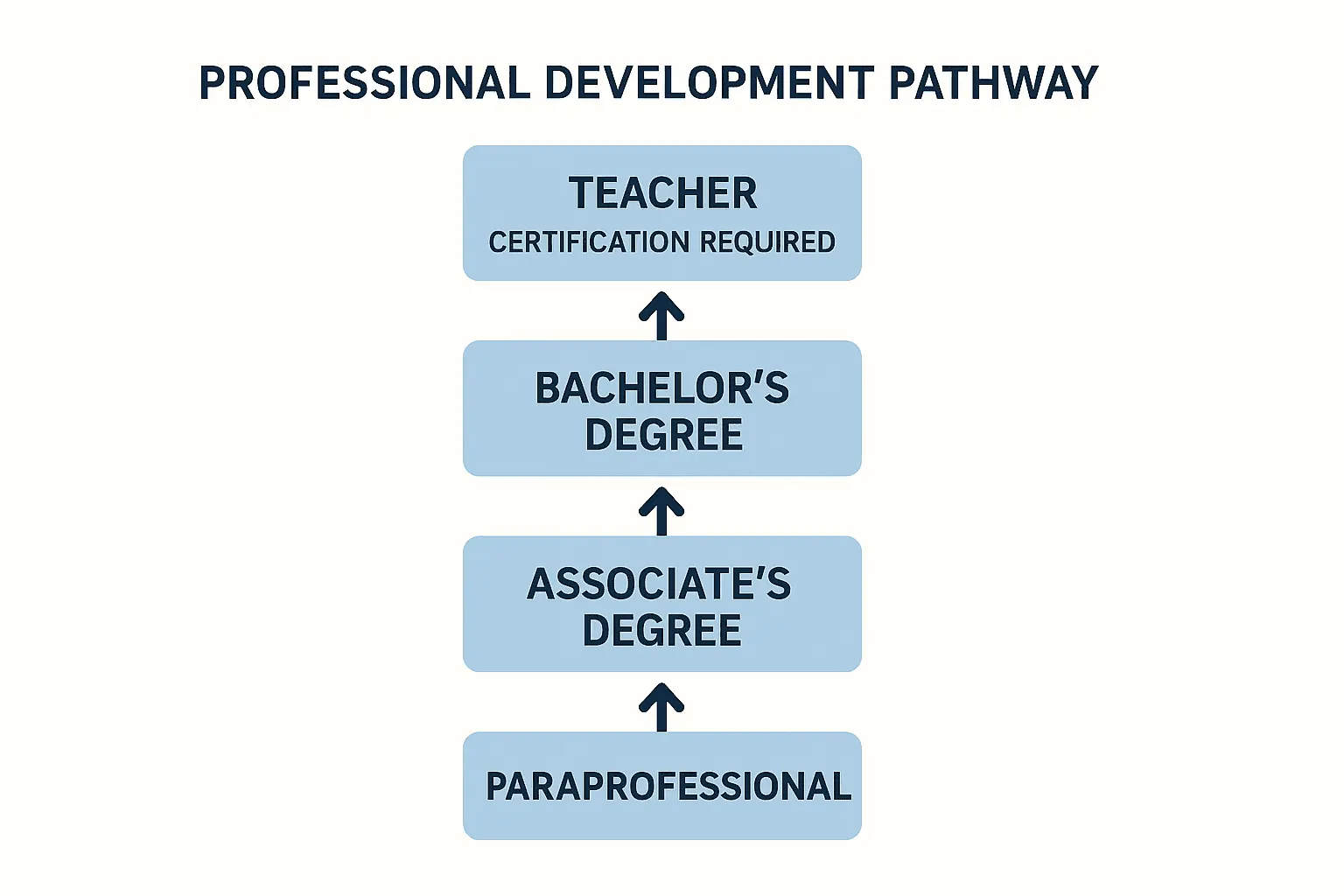
A lot of paras I know used their position as a stepping stone to become teachers. You're already in the classroom, you know the kids, you understand how everything works. The transition makes sense, and the district actually helps you do it.
Your experience dealing with classroom management, working with different learning styles, and supporting teachers gives you a huge advantage when you become the lead teacher yourself. Plus, teacher salaries start around $65K, so it's a significant bump up. For those considering this transition, understanding affordable student housing options becomes crucial when pursuing additional education while working.
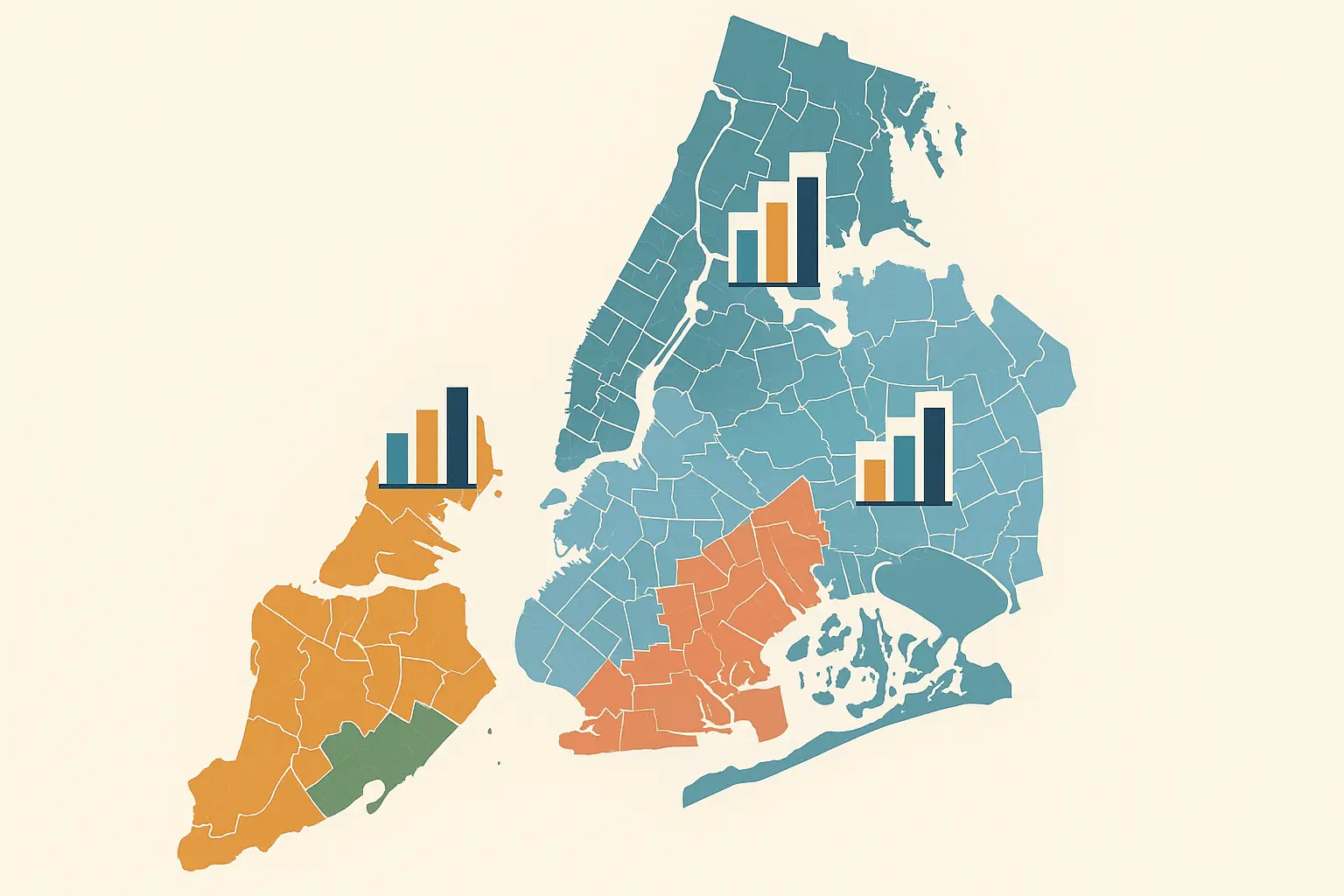
While the base salary is the same everywhere, some schools throw in extra money to get people to work there. High-need schools in tough neighborhoods often have signing bonuses or retention payments because they're desperate for good people.
Manhattan and parts of Brooklyn are where you'll find the most extra money. These schools know they're asking a lot from you, and they're willing to pay for it.
Title I schools serve kids from low-income families, and they often have federal money to throw around for staff incentives. We're talking $1,000 to $5,000 bonuses just for working there and staying put.
Yeah, these schools can be challenging, but that extra money helps. And honestly, the kids in these schools often nee d the most support, so your work really matters. When considering positions in different boroughs, it's worth exploring affordable neighborhoods that can help stretch your paraprofessional salary further while maintaining reasonable commute times.
|
Borough |
What You'll Really Make |
Bonus Money |
Extra Stipends |
|
Manhattan |
$32,000-$48,000 |
Up to $3,000 |
$1,500-$2,500 |
|
Brooklyn |
$31,000-$46,000 |
Up to $2,500 |
$1,000-$2,000 |
|
Queens |
$31,000-$45,000 |
Up to $2,000 |
$1,000-$1,500 |
|
Bronx |
$31,000-$44,000 |
Up to $3,500 |
$1,500-$2,500 |
|
Staten Island |
$30,000-$43,000 |
Up to $2,000 |
$1,000-$1,500 |
This is where you can really boost your income. After-school programs pay $18-25 an hour, and you already know the kids from your regular day. It's like getting paid extra for doing more of what you're already good at.
The best part? You're not starting from scratch with behavior management or figuring out which kids need extra help. You've got a head start that other after-school workers don't have.
Don't just sit around all summer wondering how you'll pay bills. Summer school, extended school year programs, and camps all need experienced people. You could add $3,000-$8,000 to your yearly income just by working summers.
Sarah from my school combines her regular job with after-school tutoring (15 hours a week at $22/hour) and summer camp work. She pulls in an extra $6,800 a year. That's rent money for several months.
Sometimes your own school needs extra coverage for events, tutoring, or extended day programs. These usually pay overtime rates, and since you already know the building and the kids, you're the obvious choice.
Weekend events and evening programs occasionally pop up too. They pay well because they know you're giving up your personal time.

Sure, some suburban districts pay more upfront – Westchester and Long Island can hit $35,000-$55,000. But here's what they don't tell you: their benefits usually suck, an d job security is questionable.
When you add up healthcare, pension, job security, and union protection, NYC often comes out ahead. Plus, you're not spending two hours a day commuting from affordable housing to your job.
Let's be real – housing is going to eat up 40-60% of your paycheck in NYC. That's just the reality. But you get things like free MetroCard for work travel, which saves you $1,500-$2,000 a year compared to regular commuting costs.
The trick is finding ways to make your money stretch further without sacrificing your quality of life completely. Understanding how to save money on rent becomes essential for paraprofessionals looking to maximize their take-home income in NYC's expensive housing market.

NYC is always dealing with budget issues, and education funding gets hit regularly. The union fights for us, but you need to be smart about building skills that make you harder to cut.
Don't just do the minimum. Get certified in areas where there's always demand – special ed, bilingual support, technology integration. Make yourself someone they can't afford to lose.
Schools are going digital whether we like it or not. Paras who can help with tech support, online learning platforms, and digital tools are becoming more valuable. Some positions are even going hybrid with remote support options.
Stay ahead of this curve. Take the tech training when it's offered. Learn the platforms your school uses. Be the person teachers come to when the smart board isn't working.
Don't get left behind checklist:
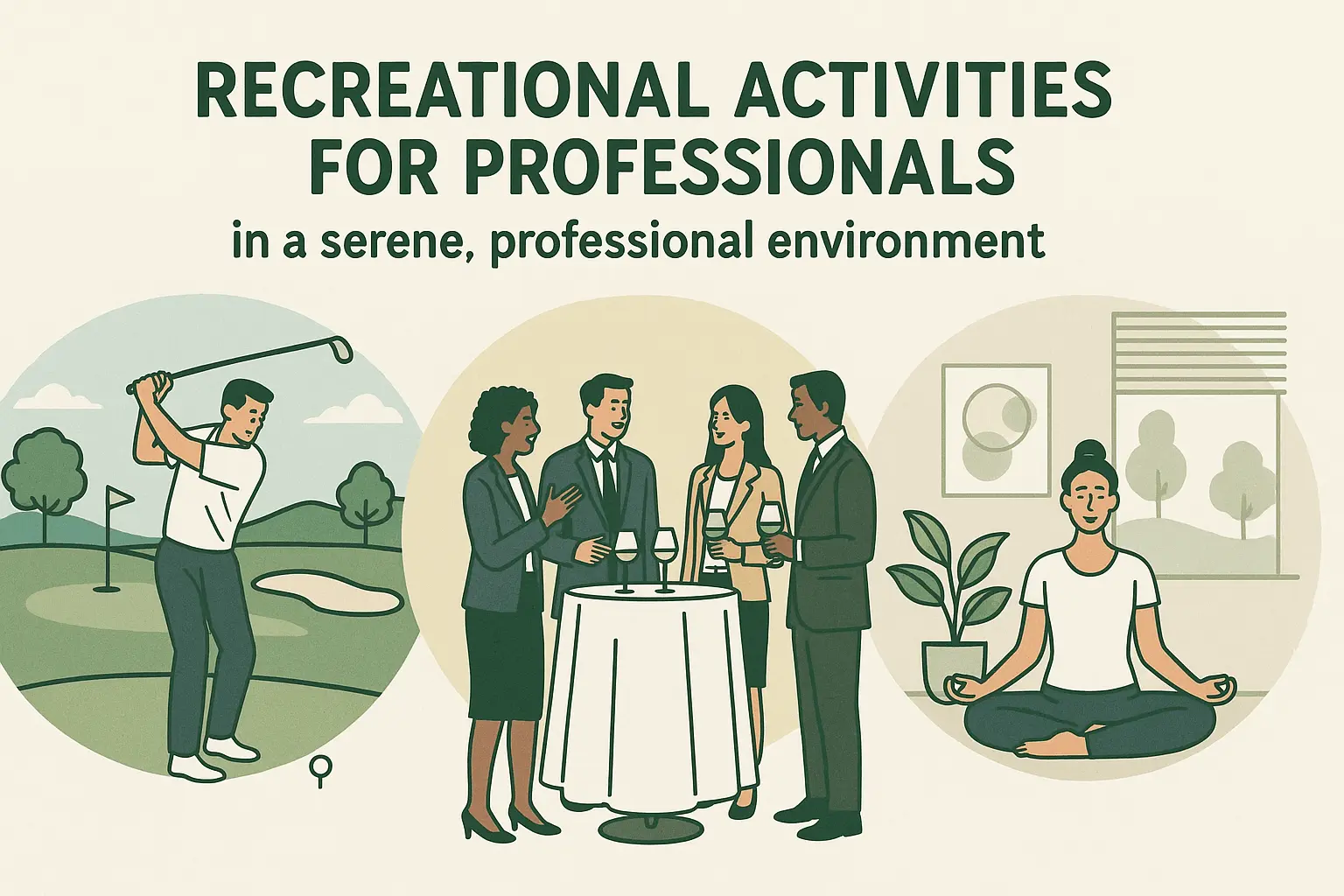
Working with kids all day is exhausting. You need ways to decompress that don't break your already tight budget. The last thing you need is to feel guilty about spending money on yourself.
You deserve to have a life outside of school. The stress of dealing with challenging behaviors, supporting struggling students, and working within tight budgets takes a toll. Finding affordable ways to recharge isn't selfish – it's necessary.
Getting to know people outside education can open doors you didn't even know existed. Maybe someone knows about a side gig that pays well, or a career opportunity you hadn't considered.
The Outpost Club's golf society is actually pretty cool for this. For $100-300 per round (no membership fees or assessments), you get to play nice courses and meet professionals from different fields. It's not cheap, but it's way less than joining a regular country club, and the networking potential is real.
Plus, after dealing with kids all day, hitting golf balls can be surprisingly therapeutic. And who knows? You might meet someone who changes your career trajectory while you're working on your swing. Many education professionals also find that shared living arrangements can help reduce housing costs while building professional networks that extend beyond the classroom.
Professional connections outside education matter more than you think. Having friends in different industries gives you perspective on your own career and might lead to opportunities you never considered.
Look, being a paraprofessional in NYC isn't easy money. The salary isn't going to make you rich, and you'll probably stress about money more than you'd like. But it's honest work that matters, and there are ways to make it work financially if you're smart about it.
The benefits package is solid, the job security is real, and there are paths to grow your income over time. Whether you're planning to stick with it long-term or using it as a stepping stone to teaching, understanding how to maximize what you're earning makes all the difference.
Don't let anyone tell you this work isn't valuable. You're supporting kids who need it, often in ways that teachers can't because of their other responsibilities. That matters, and you should be paid fairly for it.
The key is knowing all your options – the certifications that pay more, the extra work opportunities, the benefits that have real value. And yeah, find ways to take care of yourself too. Burnt-out paras don't help anyone.
Your experience with NYC students has value. Make sure you're getting compensated for all of it.

Household supplies can be changed or decreaased at Outpost Club’s discretion, or based on supply availability. Outpost is not responsible for temporary losses of utility service. Outpost Club is not responsible for any damages due to absence of any supplies or utilities


If you have a sales related question please call
680-688-7678

 Hot Deals