Radiology Tech Salary NYC: What You'll Actually Earn in the Big Apple
Dec 13, 2025
Dec 13, 2025
Look, when people ask me about radiology tech salaries in NYC, I always start with the good news: you can make really good money here. The national median for radiologic technologists hit $77,660 in May 2024 according to the Bureau of Labor Statistics, but here in NYC? We're talking significantly higher numbers. The catch? There's always a catch in this city, and it usually involves the cost of living.
Here's the thing about radiology tech pay in NYC - it depends on a few key things: where you work, what you specialize in, and how well you negotiate. The city's hospitals are constantly fighting over good techs, which means they'll throw money at you. But let's be honest, they know you need that extra cash to survive here.
When I first started looking into this field, I was honestly surprised by how much the numbers varied depending on where you work. A tech at Mount Sinai might make $15,000 more than someone doing the exact same job in Queens. Is it fair? Probably not. Is it reality? Absolutely.
I'm going to give you the straight numbers here, not the HR-approved versions. These ranges matter because where you fall can make or break your monthly budget.
If you're thinking about housing while trying to stretch that salary, you might want to check out affordable neighborhoods in NYC. Trust me, learning to live affordably in this city is a skill you'll need.
|
Experience Level |
NYC Reality Check |
What Friends Make Elsewhere |
Your NYC Bonus |
|
Fresh Graduate |
$65,000-$75,000 |
$55,000-$65,000 |
$10,000-$15,000 more |
|
Got Some Skills (3-7 years) |
$75,000-$90,000 |
$65,000-$75,000 |
$10,000-$20,000 more |
|
You Know Your Stuff (8+ years) |
$90,000-$110,000+ |
$75,000-$85,000 |
$15,000-$30,000+ more |
|
Specialized (the smart move) |
$85,000-$125,000 |
$70,000-$95,000 |
$15,000-$35,000 more |
So you just graduated and you're looking at $65,000-$75,000. Sounds pretty sweet, right? Here's what nobody tells you at graduation: that's before NYC decides to take its cut. Between federal, state, and city taxes, you're probably taking home around $50,000-$55,000.
But here's the good news - you're still doing way better than your classmates who stayed in smaller cities. And if you make smart choices early on, this is just your starting point.
The hospitals that consistently pay new grads top dollar? NYU Langone and Mount Sinai. They know what they're doing - pay well from day one, attract the best candidates, and hope you stick around long enough to make it worth their investment.
According to the U.S. Bureau of Labor Statistics, the median annual income for radiologic technicians was $78,980 as of May 2024. So if you're starting at $70k+ in NYC, you're already beating the national median right out of school. Not bad at all.
When people ask me how much a radiologic technologist makes in their first year, NYC gives one of the best answers in the country. The combination of high demand and not enough qualified people drives these starting wages up.
This is where the real money starts showing up. You've got 3-7 years under your belt, you're not the newbie anymore, and hospitals actually want you. Your salary jumps to $75,000-$90,000, but here's where it gets really good.
If you've been smart about picking up specializations - CT, MRI, interventional stuff - you're looking at $85,000-$95,000. I've watched techs who were strategic about their certifications hit $95k by year five. The secret? Don't just show up and do your job. Make yourself the person they can't afford to lose.
The radiology technician salary at this level reflects your ability to handle complex cases on your own and help train the newer people.
Here's where the real money lives. Senior techs and people running departments can pull $90,000-$110,000+, and at the fancy places like Memorial Sloan Kettering or Hospital for Special Surgery, we're talking $115,000-$125,000.
But let me be clear about something - getting here isn't about putting in your time and waiting for promotions. It's about proving you can handle the tough cases, mentor the new people, and maybe deal with some administrative headaches. The money's great, but you earn every penny.
The radiologic technologist salary in New York at this level reflects the premium that comes with expertise and being able to lead a team.
Your choice of borough can mean a $10,000-$15,000 difference in your paycheck. And I'm not just talking about bragging rights.
Manhattan hospitals pay the most, period. We're talking 10-15% above the city average. Why? Because they handle the craziest cases, they've got the newest equipment, and they need people who can adapt fast when some new technology shows up.
Working at places like Weill Cornell or Columbia Presbyterian means you're earning top dollar while getting experience that'll make you incredibly marketable anywhere. The downside? The pace is absolutely intense, and parking costs more than some people's rent.
If you're thinking about living close to work, you might want to look into Manhattan rooms for rent through co-living situations. It's one way to make those higher salaries actually work in your favor.
Brooklyn, Queens, the Bronx, Staten Island - don't write these off. Yeah, the base pay might be 5-10% lower than Manhattan, but here's what they don't put in the job postings: many of these places offer parking (huge deal), shorter commutes if you live locally, and honestly, a more manageable workload.
Some Brooklyn and Queens hospitals are getting serious about competing for talent. I know techs making Manhattan money at Brooklyn hospitals because these places are tired of losing good people to Manhattan.
Plus, the work environment is usually less crazy. If you're planning to be in this field for the long haul and don't want to burn out by 35, that's worth considering. The radiology technician salary in these areas often comes with quality-of-life benefits that improve your overall situation.
Let me tell you about Sarah. Four years out of school, making $78,000 doing general radiography. Eighteen months later? $96,000 doing cardiac MRI at Mount Sinai. How'd she pull it off? She was strategic about it.
While working full-time, she took evening classes for MRI certification. Built relationships with the cardiac team. Volunteered for extra shifts in the MRI department. When a cardiac MRI position opened up, she was the obvious choice.
Recent news from St. John's University shows just how hot this field is getting: "Students who complete the program enter a robust career field in which starting salaries can reach six figures" according to their program updates. And in NYC? Those numbers are even better.
The radiologic technologist salary you end up with depends heavily on the smart choices you make early in your career.
Not all specializations are created equal. Some will get you a modest bump in pay. Others will completely change your earning potential. Let me break down which ones are actually worth your time and money.
Sarah's story shows exactly how strategic specialization can boost your salary. She increased her pay from $78,000 to $96,000 in just 18 months by pursuing MRI certification and focusing on cardiac imaging at Mount Sinai. Her approach involved completing evening certification courses while working full-time, then transitioning to a specialized role that used both her experience and new skills.
The radiologic technologist salary increases dramatically when you develop expertise in high-demand areas. Hospitals will pay serious premiums for techs who can handle complex procedures and work independently.
MRI techs in NYC make $85,000-$100,000 on average, but cardiac MRI and research MRI specialists at places like Weill Cornell can hit $110,000. The training is no joke - expect 6-12 months of intensive study - but the payoff is real.
Why do MRI techs make so much? The equipment costs millions, patient safety is critical, and honestly, not everyone can handle being in that claustrophobic room all day helping anxious patients through 45-minute scans.
Bureau of Labor Statistics data backs this up - magnetic resonance imaging technologists had a median annual wage of $88,180 in May 2024, well above general radiologic technologists. That's a clear financial benefit for specializing.
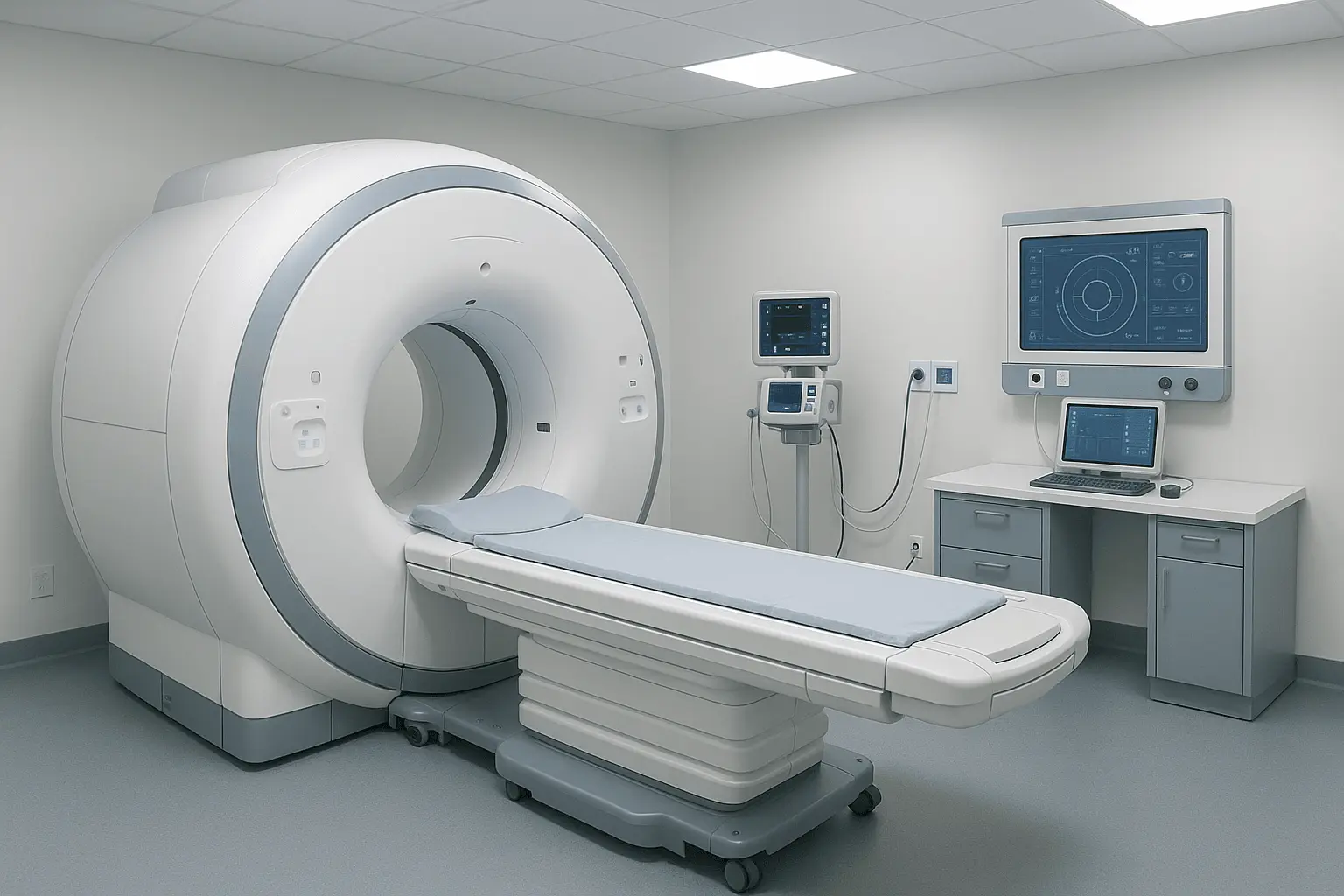
CT techs, especially those certified in cardiac CT or CT angiography, make $80,000-$95,000, with interventional CT roles hitting $100,000+. The field changes constantly with new contrast protocols, AI integration, and advanced reconstruction techniques.
Interventional CT is especially good money because you're working directly with radiologists during procedures, which requires both technical skills and the ability to think quickly under pressure. The average salary for a radiologic technologist in this specialty reflects the premium that comes with high-stakes, real-time imaging.
Nuclear medicine techs represent the highest-paid specialty, with NYC salaries ranging from $90,000-$115,000. Cancer centers and research hospitals pay at the top of that range because the work involves radioactive materials, complex protocols, and often emotionally challenging patient interactions.
The barrier to entry is higher - you'll need additional certification and ongoing radiation safety training - but the career stability and earning potential make it worthwhile for many techs.
Lead or chief technologists make $95,000-$120,000 depending on department size and hospital system. You'll manage daily operations, staff scheduling, quality assurance, and often budget stuff. The role requires strong people skills and the ability to balance administrative duties with hands-on technical work.
Many successful department leaders started by volunteering for scheduling responsibilities or quality improvement projects, gradually building the management skills that hospitals value.
Clinical instructors and program coordinators at NYC's numerous radiology programs make $85,000-$105,000. These positions often come with more regular schedules than clinical staff, plus you get the satisfaction of training new techs.
The transition requires teaching skills and often additional education credentials, but many find the work more fulfilling than purely clinical roles.
NYC's healthcare landscape gives radiology techs multiple options, each with distinct advantages. Understanding the differences between hospital systems, outpatient centers, and specialized facilities helps you choose what works best for your career goals and financial needs.
The choice between large hospital employment and outpatient facilities involves balancing immediate pay against long-term benefits and career development opportunities.
Where You Work What You'll Make Benefits Quality Growth Potential Sanity Level Big Hospital Systems $75,000-$110,000 Amazing High Medium Specialized Centers $70,000-$105,000 Pretty Good Medium High Outpatient Places $68,000-$95,000 Hit or Miss Limited High Academic Hospitals $80,000-$125,000 Excellent High Low Private Practice $65,000-$90,000 Depends Limited High
BLS data shows interesting pay differences by setting: Federal government facilities pay $93,970, outpatient care centers $81,000, hospitals $78,560, medical and diagnostic laboratories $76,770, and physician offices $66,060. This shows that federal and specialized facilities often offer premium pay compared to traditional hospital settings.
The average radiology technician salary varies significantly based on your employment choice, with each setting offering unique advantages beyond base pay.
Large hospital systems like NYU Langone, Mount Sinai, and NewYork-Presbyterian provide comprehensive benefits including health insurance, retirement matching, tuition reimbursement, and clear advancement pathways. While base salaries might be slightly lower than specialized centers, the total package often exceeds what you'd get elsewhere.
These systems also offer unmatched learning opportunities. You'll see diverse cases, work with cutting-edge technology, and build relationships with specialists across multiple departments. That experience becomes incredibly valuable if you decide to move to higher-paying positions later.
Private imaging centers frequently pay higher hourly rates - $35-$45/hour - but benefits packages are often less comprehensive. This can work well for experienced techs who want higher immediate pay and don't need employer-provided health insurance.
The work tends to be more routine (lots of outpatient MRIs and CTs), which some find less stressful but others find monotonous. Consider your personality and career goals when evaluating these opportunities.
Understanding the full value of benefits packages is crucial for making informed career decisions, as these additional benefits can add $15,000-$25,000 to your total annual compensation.
Michael, a senior CT tech at NYU Langone, earns a base salary of $92,000 but receives additional value through comprehensive health insurance ($18,000 value), 6% 403(b) matching ($5,520), four weeks paid vacation ($7,100 value), and $5,000 annual tuition reimbursement. His total package exceeds $127,000, showing the importance of evaluating complete benefits rather than just base salary.
Most major NYC employers provide excellent health insurance (covering 80-90% of premiums), 403(b) retirement plans with 3-6% matching, and generous paid time off policies. When you calculate the actual value of these benefits, they can add $15,000-$25,000 to your total compensation.
Don't underestimate the value of good health insurance in NYC - individual plans can cost $800-$1,200 monthly. A solid employer plan saves you thousands annually.
Many NYC hospitals provide tuition reimbursement up to $5,000-$8,000 annually, conference attendance funding, and paid time for continuing education requirements. This support can be worth thousands annually and accelerates your career development.
Some hospitals also offer sabbatical programs for advanced education or research projects, providing opportunities you won't find in smaller facilities.
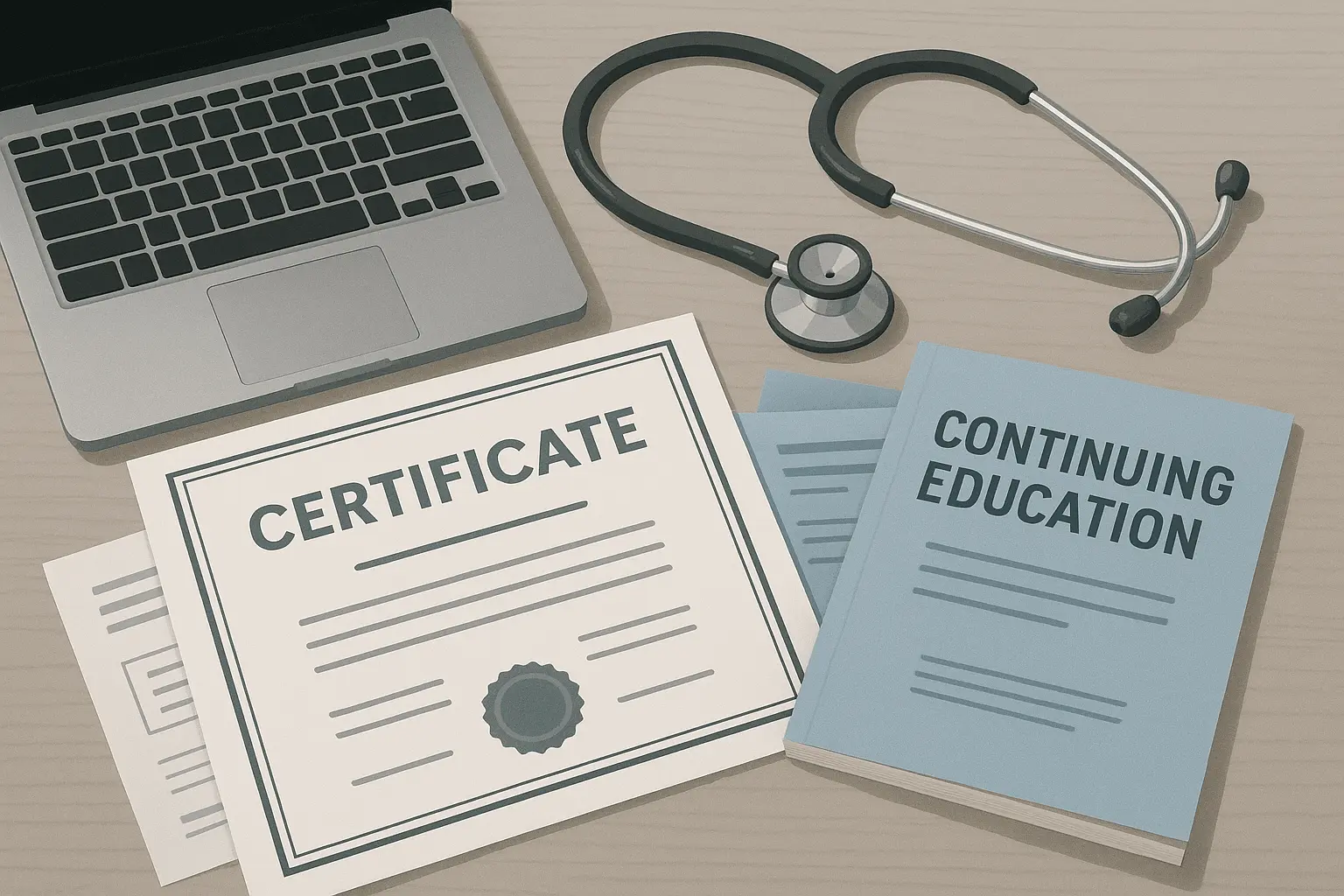
Here's the thing - your salary isn't just going to magically increase because you show up and do good work. You need to be strategic about it.
The radiology technician salary you ultimately achieve depends heavily on the choices you make early in your career and how well you position yourself for advancement opportunities.
Your first few career moves set the trajectory for everything that comes after. Making smart choices early can fast-track your path to higher salaries and better opportunities.
Your Game Plan:
Go for the busiest, craziest emergency departments you can find. Places like Bellevue or Jamaica Hospital where you'll see trauma, complex cases, and learn to think on your feet. The pace is intense, but you'll develop confidence and skills in months that might take years in slower environments.
For new grads looking to establish themselves in NYC while managing living costs, exploring affordable student housing NYC options can help stretch your starting salary further.
Get ARRT certifications in multiple areas within your first 2-3 years. Multi-certified techs are significantly more valuable to employers because they provide scheduling flexibility and can cover multiple departments.
Plan your certification timeline strategically - start with the most in-demand specialties in your area, then add others based on market opportunities and your interests.

Techs with 3-10 years of experience have the most flexibility to make strategic moves that significantly impact their earning potential and career satisfaction.
Jennifer transitioned from general radiography to interventional radiology by volunteering for on-call shifts in the IR suite, building relationships with interventional radiologists, and completing additional training during slow periods. This strategic approach led to a specialized IR position with a $22,000 salary increase and significantly more engaging work.
Because it does. Join local NYSRT chapters, attend imaging conferences, and build relationships with radiologists and administrators. In NYC's tight-knit healthcare community, many of the best positions are filled through referrals before they're ever posted publicly.
Radiologists who know your work quality will recommend you for positions at other facilities. These referrals often come with salary premiums because the hiring manager trusts the recommendation.
Your Networking Action Plan:
Experienced techs can make $40-$55/hour through per diem work or travel assignments within NYC. If you can maintain consistent bookings, this often exceeds full-time salaries while providing schedule flexibility.
The trade-off is less job security and benefits, so this works best if you have health insurance through a spouse or can purchase individual coverage. Some techs work per diem at multiple facilities, building diverse experience while maximizing earnings.
Understanding salary progression over a full career helps you make informed decisions about education investments, career moves, and retirement planning.
Techs starting at $70,000 can realistically expect to reach $95,000-$110,000 within 10 years through strategic specialization and employer changes. This represents a 35-55% increase over the decade, significantly outpacing inflation and most other healthcare roles.
The key is making strategic moves every 3-4 years rather than staying in one position hoping for substantial raises. Employers rarely give existing employees the same salary bumps they offer to attract new talent.
The radiologic technologist salary trajectory in NYC rewards those who actively manage their careers rather than passively waiting for advancement.

NYC hospital systems typically offer strong pension plans and 403(b) matching that can result in retirement benefits worth $1.5-2 million over a full career. When you factor in these long-term benefits, total lifetime compensation is significantly higher than base salary comparisons suggest.
Many techs undervalue these benefits when making career decisions, focusing only on immediate salary differences. Understanding the long-term value helps you make better choices about employer changes.
Understanding the real cost of living in NYC is crucial for long-term financial planning and maximizing your radiology tech salary potential.
The radiology field is changing fast due to tech advances and demographic shifts. Understanding these trends helps you position yourself for the highest-paying opportunities in the coming years.
The evolution of radiologic education reflects industry growth, as noted by St. John's University: "The technology in radiology is always developing, so you are always learning. It is a challenge because not every patient is the same—but that is a good thing" according to student perspectives, highlighting how continuous technological advancement creates ongoing opportunities for career development and specialization.
AI and advanced imaging technologies are reshaping radiology roles, creating new high-paying opportunities for techs who embrace these changes while potentially eliminating others.
The average radiology technician salary will increasingly depend on your ability to adapt to new technologies and integrate them into your daily practice.
Techs who develop expertise in AI-assisted imaging and advanced post-processing can command salary premiums 15-20% above traditional roles as these technologies become standard in NYC hospitals.
Some positions in research hospitals are reaching $125,000-$140,000 in NYC as hospitals integrate these technologies into routine practice. The investment in learning these skills is substantial - expect 6-12 months of additional training - but early adopters are positioning themselves for the highest-paying roles of the next decade.
Future-Ready Skills You Should Learn:

Basic imaging roles aren't disappearing, but they're evolving. Techs who resist new technologies may find their salary growth stagnating, while those who embrace change continue advancing. The key is viewing technology as a tool that enhances your capabilities rather than threatens your job.
Hospitals are willing to pay premiums for techs who can bridge traditional imaging with new technologies, making you more valuable than pure specialists in either area.
NYC's aging population and changing healthcare policies create both opportunities and challenges for radiology compensation, with certain subspecialties experiencing higher demand and corresponding salary growth.
NYC's aging population drives increased demand for diagnostic imaging, particularly in orthopedic, cardiac, and oncology imaging. Techs specializing in these areas are seeing salary premiums of 10-15% above general imaging roles.
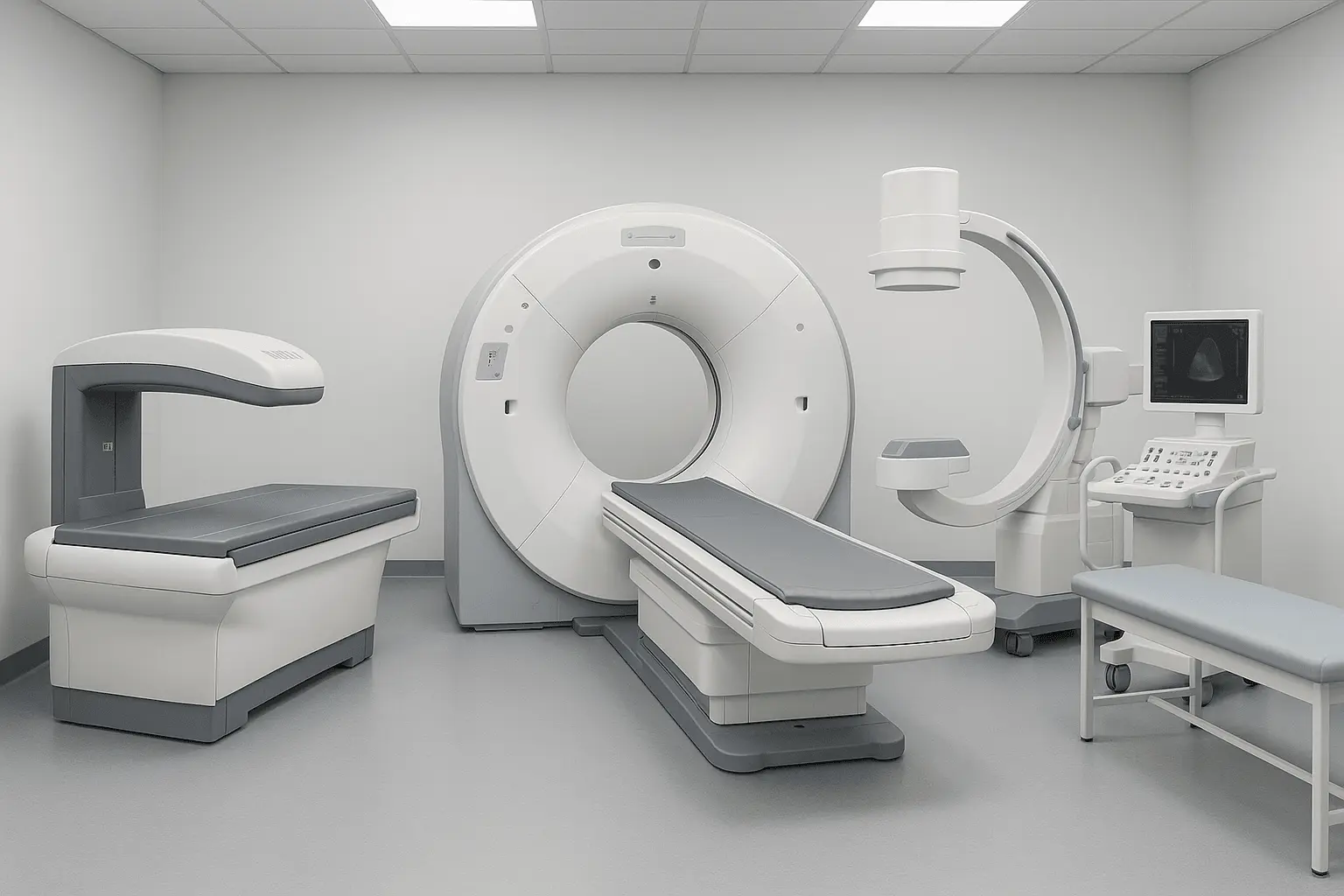
Bone density scanning, cardiac imaging, and cancer screening represent growth areas where demand consistently exceeds supply of qualified techs. Positioning yourself in these specialties provides both job security and salary growth potential.
Look, I'm not going to sugarcoat this - maximizing your radiology tech salary in NYC takes work. You can't just show up, do your job, and expect to get rich. But if you're willing to be strategic about it, the opportunities are absolutely real.
The path to top-tier radiology tech salaries in NYC isn't about putting in your time - it's about strategic career planning and continuous skill development. Starting salaries of $65,000-$75,000 can grow to $115,000+ through smart specialization choices and career moves.
Your success depends on understanding market dynamics, building professional relationships, and positioning yourself in high-demand specialties. The techs earning the most aren't necessarily the most experienced; they're the ones who've made strategic choices about where to work, what skills to develop, and how to build their professional reputation.
NYC's healthcare market rewards excellence, specialization, and adaptability. Whether you're just starting your career or looking to maximize your current earning potential, the opportunities are substantial for those willing to invest in their professional development and make deliberate career choices.
Starting at $65,000-$75,000 and working your way up to $115,000+ isn't just possible - I've seen people do it. The ones who make it aren't necessarily the smartest or most experienced. They're the ones who made smart choices about where to work, what skills to develop, and how to build their reputation.
The city's expensive, the work can be intense, but the financial rewards are real. And honestly? There's something pretty cool about being part of the healthcare system in one of the world's greatest cities.

Household supplies can be changed or decreaased at Outpost Club’s discretion, or based on supply availability. Outpost is not responsible for temporary losses of utility service. Outpost Club is not responsible for any damages due to absence of any supplies or utilities


If you have a sales related question please call
680-688-7678

 Hot Deals