Salary Needed to Live in NYC Single: The Brutal Truth About What It Really Takes
Dec 16, 2025

Dec 16, 2025
Look, I'm not going to sugarcoat this - if you want to live alone in NYC, you're looking at needing around $138,000 a year according to recent studies from ABC7NY. Yeah, I know. I had the same reaction when I first saw that number.
It's honestly infuriating. You work your butt off, finally land what feels like a decent job, and then realize your "good" salary barely covers a shoebox apartment in one of America's most expensive cities. Even six-figure salaries can leave you struggling to keep your head above water while living independently.
Let's just cut through the BS here - there's this massive gap between what most of us actually make and what it costs to live alone in this city. Everyone talks about median household income being around $70K-$75K, but here's the thing - that includes your roommate's income, your neighbor's trust fund, and that one guy in finance who makes more in bonuses than most of us see all year.
If you're flying solo in Manhattan, you're probably looking at around $85K-$95K if you're doing okay. But don't let those numbers fool you - they're skewed by all the Wall Street bros and tech people who make the rest of us look like we're working for peanuts.
According to SmartAsset's analysis of U.S. Census Bureau data, "the average household income in New York City was $127,894" in 2023. Sounds great, right? Wrong. That's household income - meaning multiple people splitting costs. When you're on your own, that math gets real depressing, real fast.
And it's getting worse. SmartAsset's 2025 study reveals that "New York City now ranks second with single adults needing to bring in at least $136,656" to live comfortably. I don't know about you, but comfortable feels like a stretch when you're spending half your paycheck on a studio apartment.
Fresh out of college making $45K-$65K? I hate to break it to you, but living alone in NYC isn't happening. Not unless you want to survive on instant noodles and never leave your apartment.
I've seen too many bright-eyed graduates move here thinking their $52K marketing job will work out fine. Career stage basically decides whether you'll make it or break it. Recent college grads often discover their salary worked perfectly in other cities but falls devastatingly short here. Mid-career folks with 5-10 years under their belt, pulling in $75K-$120K - that's when living alone goes from "absolutely impossible" to "financially terrifying but doable."
For students and recent graduates trying to bridge that gap between college and career, checking out affordable student housing options can provide some crucial insights into managing housing costs during this brutal transition period.
Take Sarah - 24, eager, making decent money by most standards at $52K annually. After taxes, she's taking home about $3,400 a month. Sounds reasonable until you realize a crappy studio in Manhattan starts at $2,800. That's over 80% of her income just for a roof over her head. Forget about food, MetroCards, or God forbid, having a social life.
Here's where it gets really unfair. Pick finance? Congrats, you're starting at $80K-$100K and actually have a shot at living alone. Decide to be a teacher because you want to make a difference? Welcome to $45K-$55K and a lifetime of roommates.
Tech workers are sitting pretty at $90K-$130K, while healthcare pros see this wild range from $60K-$150K depending on what they do. The average salary in New York varies so dramatically by industry it's almost cruel - creative fields get hit the hardest. Media, advertising, and arts people often make $40K-$70K, constantly choosing between following their passion and, you know, eating regular meals.

|
Industry |
Entry-Level Salary |
Mid-Career Salary |
Solo Living Feasibility |
|
Finance |
$80,000-$100,000 |
$120,000-$200,000 |
Good to Excellent |
|
Technology |
$90,000-$130,000 |
$130,000-$250,000 |
Good to Excellent |
|
Healthcare |
$60,000-$150,000 |
$100,000-$300,000 |
Moderate to Excellent |
|
Education |
$45,000-$55,000 |
$65,000-$85,000 |
Poor to Moderate |
|
Media/Creative |
$40,000-$70,000 |
$70,000-$120,000 |
Poor to Moderate |
|
Legal |
$70,000-$190,000 |
$150,000-$400,000 |
Moderate to Excellent |
Manhattan is just cruel. Even making six figures, you'll still feel broke half the time. Financial experts (who probably live in the suburbs) say you need $120K-$150K to live "comfortably" alone. And by comfortably, they mean you can afford your $3K-$4K apartment and still eat something other than ramen.
Want to live somewhere actually nice? Those trendy neighborhoods everyone posts about on Instagram? You're looking at $180K-$250K just to not stress about money constantly.
SmartAsset reports that "the average rent in Manhattan is $5,025, according to RentCafé data from November 2024," for just 704 square feet - that's smaller than most people's living rooms back home, and it costs more than some people's entire salaries.
Everyone talks about spending 30% of your income on housing like it's gospel. In Manhattan, that's adorable. Studios run $2,800-$4,500, one-bedrooms are $3,500-$6,000. So yeah, if you want that $3,000 studio, you better be making $120K minimum using the standard 30% housing-to-income ratio.
Prime Manhattan neighborhoods are basically financial torture chambers. SoHo lofts, Tribeca penthouses, Upper East Side classics - you need salaries over $200K just to qualify. These aren't luxury preferences, they're mathematical necessities based on what's actually available.
"Living comfortably" in NYC means having money left over after rent for actual food, getting around the city, maybe going out once in a while, and - crazy concept - saving some money.
"Survival mode" means spending 40-50% of your income on a shoebox and praying nothing goes wrong. I've seen too many people making $80K-$100K who can technically afford Manhattan but end up miserable because every dollar is already spent before they earn it.
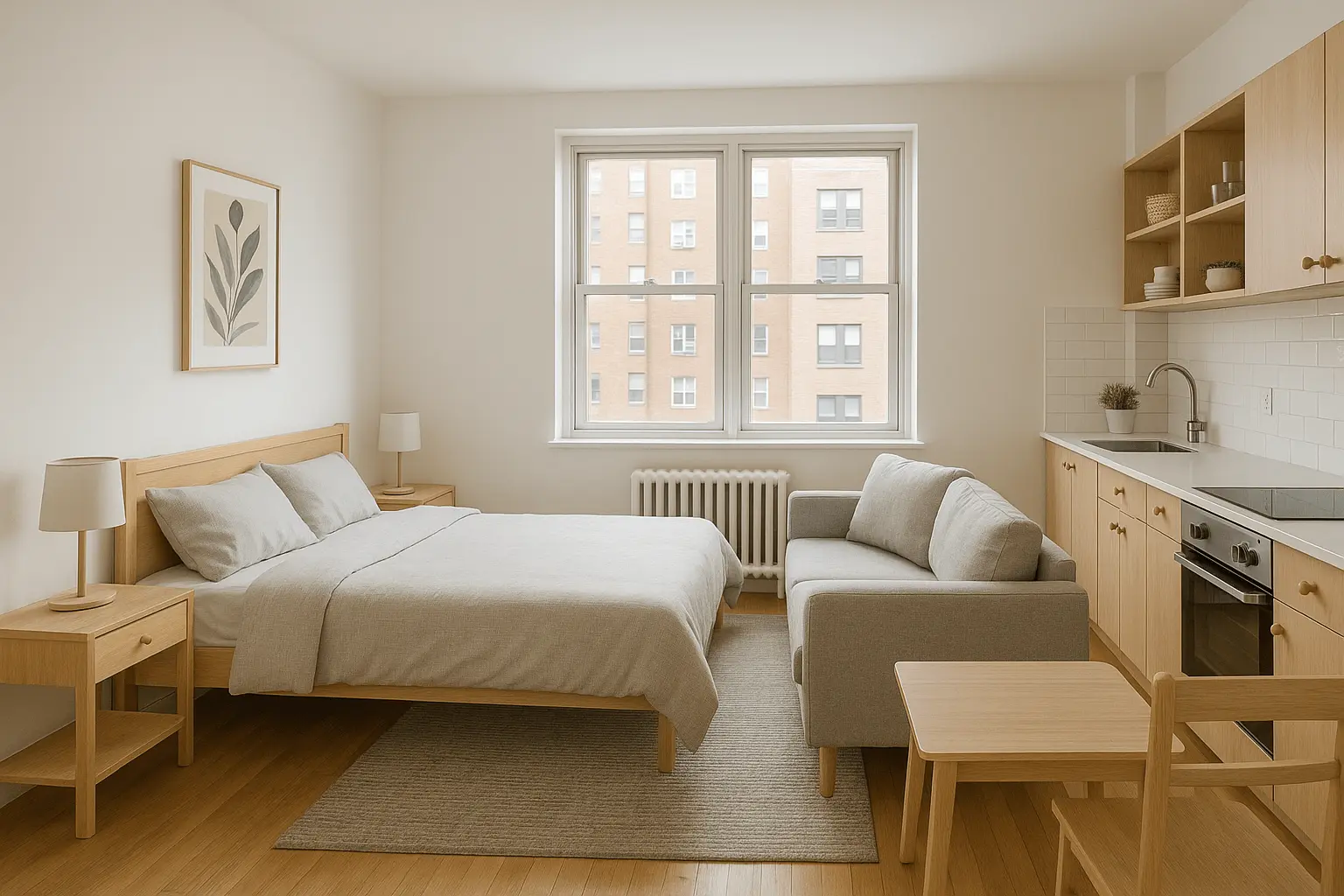
I know a software developer, Michael, making $95K who found a $3,200 studio in East Village. Technically he could afford it using the 30% rule ($95,000 ÷ 12 × 0.30 = $2,375), but he's spending 40% of his income just on rent. After taxes and basic expenses, he's got maybe $500 left each month for everything else. One emergency and he's completely screwed.
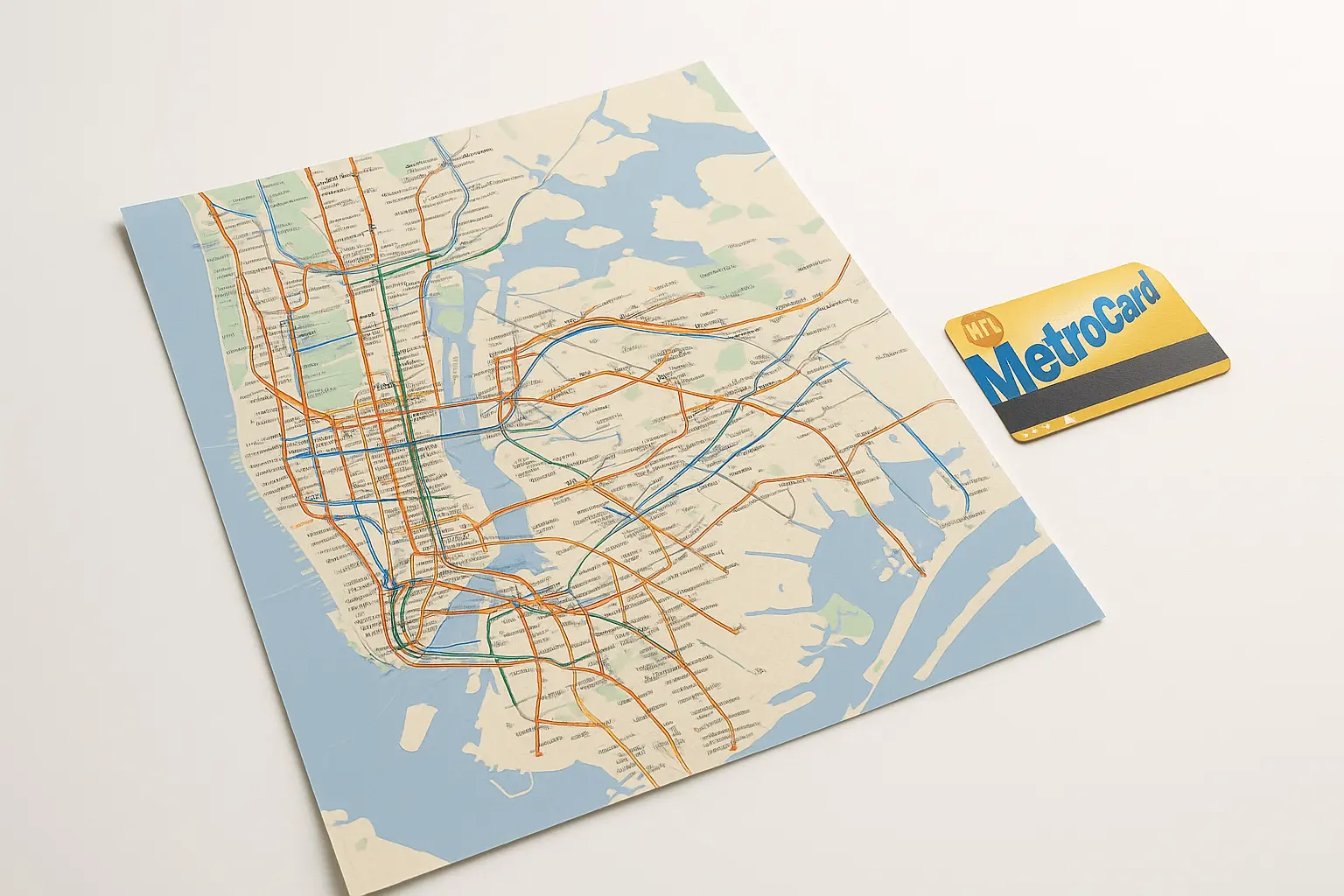
Brooklyn, Queens, and the Bronx are where normal humans can actually survive. Brooklyn's still pricey if you want to live somewhere trendy, but you can find decent spots that won't completely destroy your bank account. Queens is honestly your best bet - you can live pretty comfortably on $75K-$100K, though you'll be spending more time on the subway than you'd like.
Brooklyn's weird. The trendy neighborhoods cost almost as much as Manhattan - Williamsburg and Park Slope will still demand $90K-$120K if you want to live alone comfortably.
Understanding what makes Brooklyn a good place for living can help you find neighborhoods that balance affordability with quality of life, especially when your salary aligns with the average salary in New York.
But venture out to places like Bay Ridge or Sunset Park, and suddenly $70K-$90K starts looking doable. Studios range from $2,200-$3,500, one-bedrooms $2,800-$4,500. Yeah, your commute sucks, but at least you can afford groceries.
Queens is where it's at. Astoria, Long Island City - you're looking at studios for $1,800-$2,800, one-bedrooms $2,200-$3,500. This is where $75K-$100K actually lets you live like a human being instead of a broke college student.
The downside? Your friends in Manhattan will act like you moved to another planet. And yeah, getting home after midnight is a special kind of hell.
The Bronx gets a bad rap, but there are decent neighborhoods if you do your homework. You can actually live alone on $50K-$75K in some areas. The commute's rough, but your rent won't make you cry every month.
|
Borough |
Neighborhood Examples |
Studio Rent |
1BR Rent |
Required Salary |
Commute to Midtown |
|
Manhattan |
East Village, UWS |
$2,800-$4,500 |
$3,500-$6,000 |
$120,000-$180,000 |
0-20 minutes |
|
Brooklyn |
Williamsburg, Park Slope |
$2,500-$4,000 |
$3,200-$5,200 |
$90,000-$150,000 |
20-35 minutes |
|
Brooklyn |
Bay Ridge, Sunset Park |
$2,200-$3,500 |
$2,800-$4,500 |
$70,000-$110,000 |
35-50 minutes |
|
Queens |
Astoria, LIC |
$1,800-$2,800 |
$2,200-$3,500 |
$65,000-$100,000 |
25-40 minutes |
|
Queens |
Sunnyside, Elmhurst |
$1,600-$2,400 |
$2,000-$3,200 |
$55,000-$85,000 |
30-45 minutes |
|
Bronx |
South Bronx, Concourse |
$1,400-$2,200 |
$1,800-$2,800 |
$50,000-$75,000 |
35-55 minutes |
Rent is just the beginning of your financial nightmare. There's a bunch of other costs that'll hit you like a truck. Utilities run $80-$150 a month, internet's another $50-$80, your phone bill's probably $70-$100. MetroCard is $132 monthly, and that's before you factor in all the Ubers when the subway inevitably fails you.
Food is where things get really depressing. Groceries for one person run $400-$600 monthly, and that's if you're actually cooking. Most of us end up spending another $500-$1,000 eating out because our kitchens are the size of closets and we're too tired to cook after commuting an hour each way.
Your electric bill's going to hurt - $80-$150 depending on whether you want to freeze or sweat to death. Internet's not optional at $50-$80. Cell phone's another $70-$100, and don't forget all those streaming services that somehow add up to $50-$100 monthly.
Some buildings include heat and hot water, others will hit you with another $100-$200 monthly surprise. It all adds up faster than you think.
Sure, the unlimited MetroCard is $132, but that's just the start. You'll end up taking Ubers when it's late, raining, or when the subway decides to completely shut down (which happens more than anyone wants to admit). Budget another $100-$300 monthly for ride-sharing if you want to maintain your sanity.
Late-night safety concerns, weather conditions, and just basic convenience drive most residents to use ride-sharing regularly. Weekend trips, airport transfers, and occasional taxi use can easily push monthly transportation costs above $300.
Grocery shopping for one person in NYC is depressing and expensive - $400-$600 monthly for basic stuff. Your kitchen's probably tiny, the nearest decent grocery store is overpriced, and half the time you're too exhausted to cook anyway.
Eating out isn't a luxury here - it's practically required for having any kind of social life. Regular restaurant visits can easily add $500-$1,000 monthly. Coffee runs, lunch meetings, dinner dates - active professionals can blow $20-$40 daily without even trying.
For those looking to manage food costs more effectively, exploring the real cost of living in NYC reveals strategies for controlling these hidden expenses that can make or break your budget.

Monthly Budget Breakdown Checklist:
Here's what I've learned after watching friends succeed and fail in this city: timing matters, location flexibility saves money, and side hustles aren't optional - they're survival tools.
Hunt for apartments in winter when desperate landlords start offering actual deals. I've seen people save thousands just by being willing to move in January instead of September when demand drops and landlords get desperate.
Look at neighborhoods that aren't Instagram-famous yet. Areas that are "up and coming" often have decent apartments at reasonable prices, at least until everyone discovers them. Buildings offering move-in specials can cut your upfront costs significantly.
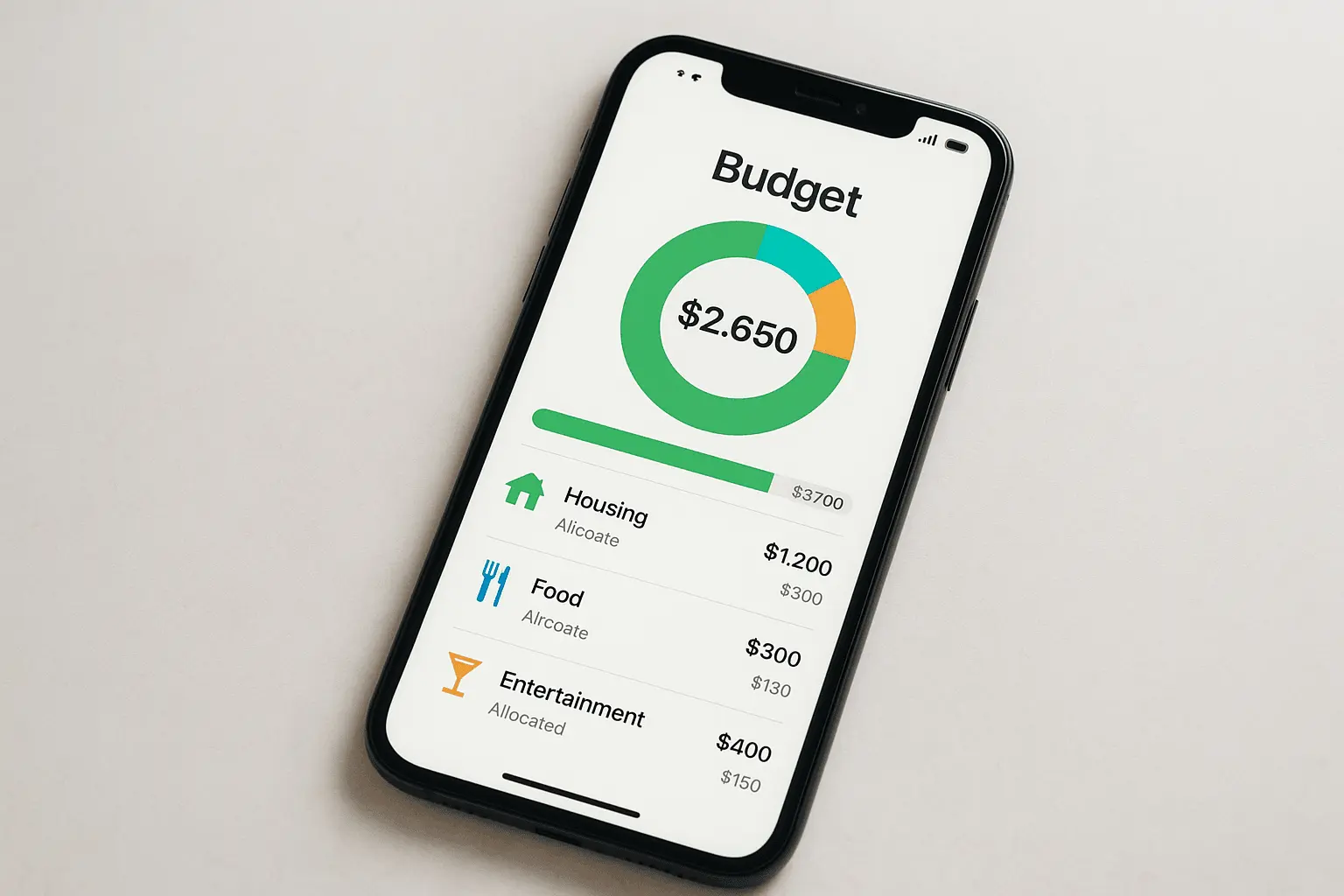
The 50/30/20 rule actually works if you can stick to it - 50% needs (rent, utilities, groceries), 30% wants (dining, entertainment), 20% savings. This gives you structure while allowing flexibility for NYC's crazy lifestyle demands.
Track everything for a month using apps and prepare to be horrified by how much you spend on random stuff. Many people discover they're blowing $200-$400 monthly on small purchases that add up fast. That $6 coffee every day? That's $180 monthly. Your call.
Everyone I know who's thriving here has some kind of side hustle. Freelance work in your field can add $500-$2,000 monthly with minimal time investment. NYC's economy provides tons of opportunities for skilled professionals to monetize their expertise.
Pet-sitting, dog-walking, house-sitting are huge here - earning $20-$50 per service. Tutoring, especially test prep, pays $40-$100 hourly. Food delivery and ride-sharing offer flexible earning potential of $15-$25 hourly during peak times.
NYC Apartment Hunting Strategy Checklist:
Jennifer, a graphic designer making $68K, strategically moved to Astoria in February and found a one-bedroom for $2,400 instead of the usual $2,800, with one month free rent - saving her $3,200 annually. She freelances logo work on weekends for an extra $800 monthly, bringing her effective income to $77,600 and making her housing costs a manageable 28% of total income.
NYC demands bigger emergency funds because everything's more expensive and unpredictable. You need 6-8 months of expenses saved, not the usual 3-6. If you're spending $6K monthly, you need $36K-$48K sitting in savings. Yes, that sounds impossible. Yes, it's necessary.
Medical emergency? Expensive. Job loss? Devastating. Apartment problems? Costly. Everything that can go wrong costs more here, and the stakes are higher when you're paying Manhattan prices.
The harsh reality hits when you see that a $100,000 salary in New York City "is effectively worth only $35,791 when adjusted for these factors," according to recent data. That's why you need a bigger cushion - your money just doesn't go as far, especially for those earning around the average salary in New York City.
Max out your 401(k) match first - that's free money you can't ignore. Consider Roth IRA contributions for tax diversification, especially valuable if you're expecting future tax increases.
Real estate investment locally is probably out of reach due to insane entry costs, but REITs or out-of-state properties can provide portfolio diversification. Many NYC professionals invest in rental properties in cheaper markets while renting here.
Keep a professional development budget of $2K-$5K annually for courses, conferences, and certifications. NYC's competitive job market rewards continuous skill development and networking - staying still means falling behind.
Build relationships beyond your current employer through industry associations and alumni groups. Consider consulting or freelance work in your field to create multiple income streams and reduce dependence on single employers.
Dating here costs $100-$300 monthly if you want any kind of social life. Cultural stuff adds another $200-$500 monthly for active participants. Gym membership is $50-$200 because working out in a 400-square-foot apartment isn't happening.
Everything social costs money here. Dinner dates, drinks, shows, concerts - it all adds up fast when you're trying to build relationships in an expensive city. This isn't about being frivolous; it's about maintaining relationships and your sanity in a demanding environment.
Cultural events aren't luxury expenses - they're often essential for mental health and social connection in this demanding urban environment. Many people find these costs necessary for maintaining performance and life satisfaction.
You need a gym membership because your apartment's too small for home workouts. Limited living space makes home workouts challenging, driving most people to commercial fitness facilities at $50-$200 monthly.
Mental health support becomes increasingly important as income and career pressures mount. Many professionals find therapy or stress management activities necessary just to function at NYC's pace.

Higher salaries often mean longer hours and more stress, which leads to spending more on convenience - food delivery, cleaning services, anything to buy back time and sanity.
The pressure to maintain professional appearances can drive clothing, grooming, and networking expenses higher than other cities. These costs, while not always essential, often feel necessary for career advancement.
Sometimes making $90K with better work-life balance beats making $130K while working 70-hour weeks. Quality of life matters, especially when you're already paying premium prices just to exist here.
Co-living spaces offer furnished rooms for $1,800-$3,200 monthly, potentially lowering your required salary to $65K-$90K. It's not ideal, but it's better than roommate horror stories while maintaining more independence than traditional roommate situations.
Co-living gives you more independence than traditional roommates while still splitting costs. You get your own furnished room and shared common areas, utilities included. These arrangements can reduce required salary to $65K-$90K for comfortable living.
For those exploring modern housing solutions, understanding what co-living apartments offer can provide valuable insights into whether this arrangement suits your lifestyle and budget needs.
House-sitting through apps can provide temporary free housing, letting you save money between permanent places. Some people rotate between house-sitting gigs and short-term rentals to dramatically cut annual housing costs.
Rent-stabilized apartments are rare but amazing if you can find one - annual increases capped at 2-4%. These units require persistence and luck to secure but offer long-term affordability advantages.
Housing Connect lottery offers below-market apartments, though competition is fierce. The NYC government's Area Median Income data shows that "the 2025 AMI for the New York City region is $145,800 for a three-person family (100% AMI)," which gives you context for program eligibility.

Alternative Housing Options Checklist:
Success here requires more than just surviving month to month. Build networks through professional associations, change jobs every 2-3 years for bigger salary bumps, and develop multiple income streams so you're not dependent on one employer.
Get certifications or additional education that directly impact salary potential in your field. NYC's competitive market rewards specialized skills and continuous learning more than just showing up.
Network actively within your industry through NYC's numerous professional organizations. The city's concentration of industry leaders creates unique opportunities for career advancement if you put yourself out there.
Job changes typically offer bigger raises than internal promotions. Understanding the salary needed to live in NYC single becomes crucial when negotiating these career transitions and ensuring each move brings you closer to financial independence.
Consulting or freelance work in your field creates financial security beyond your day job. Many NYC professionals develop side practices that eventually become their main income sources.
Building expertise in high-demand areas creates lucrative consulting opportunities. The key is leveraging your existing skills in new contexts rather than starting completely from scratch.
For those looking to optimize their living situation while building wealth, exploring communal living spaces in NYC can provide cost-effective housing solutions that free up more income for investment and career development.

David, a marketing manager making $85K, developed expertise in social media analytics and started consulting for small businesses on weekends, earning an additional $1,500 monthly. After two years, his consulting income grew to $3K monthly, letting him move from Queens to a Manhattan studio while maintaining the same financial comfort level.
Career Advancement Strategy Checklist:
Look, living alone in NYC is expensive as hell and requires careful planning. You need $120K+ for Manhattan comfort, $70K-$100K for outer boroughs, but it's doable with the right strategies.
The salary requirements aren't about just covering rent - they're about building a sustainable lifestyle that allows for growth, savings, and actually enjoying the city you're paying so much to live in. Success depends on understanding true costs beyond rent, optimizing budgets systematically, and building multiple income streams.
Success here depends on being honest about your finances, realistic about trade-offs, and committed to growing your income. The city rewards people who can navigate the challenges, offering unparalleled career opportunities and cultural experiences that often justify the financial pain.
Remember, these salary targets aren't permanent barriers - they're goals to work toward. Most successful NYC residents started with roommates, gradually building income and savings until solo living became feasible. The key is having a clear plan and realistic timeline for achieving your independence goals. Whether you're earning the average salary in NYC or working toward higher compensation, strategic planning remains essential.
It's hard, it's expensive, and sometimes you'll question your sanity. But if you can make it work, there's nowhere else quite like it. The investment often pays dividends through career opportunities, cultural experiences, and personal growth that justify the financial commitment for those who can manage it responsibly.

Household supplies can be changed or decreaased at Outpost Club’s discretion, or based on supply availability. Outpost is not responsible for temporary losses of utility service. Outpost Club is not responsible for any damages due to absence of any supplies or utilities


If you have a sales related question please call
680-688-7678

 Hot Deals