Senior Accountant Salary NYC: What You'll Actually Earn in America's Financial Capital
Jan 9, 2026

Jan 9, 2026
Look, working as a senior accountant in NYC is like jumping into the deep end of the finance world. You're dealing with companies where a single mistake can cost millions, and honestly, that pressure shows up in your paycheck.
With the average salary for a Senior Accountant in New York City reaching $98,816, according to Built In's comprehensive salary data, NYC clearly shows why it's considered America's top market for accounting professionals. This isn't just some random number—it reflects what companies actually have to pay to get decent talent in a city where everyone's competing for the same people.
Here's the thing nobody tells you: it's not just about supply and demand. The regulations alone would make your head spin, and you've got Fortune 500 companies packed into a few square miles. When these companies need someone who can handle complex financial stuff without screwing up, they're willing to pay for it.
What makes this market crazy is how fast things change. New regulations pop up overnight and suddenly everyone needs an expert in some obscure accounting rule. Market volatility creates opportunities that didn't exist last month. Even busy seasons here are different—the pressure is intense, but so are the opportunities. Companies here get it—they need to pay well, but they also expect you to deliver results that justify those higher senior accountant salary nyc figures.
According to 4 Corner Resources, salaries for a Senior Accountant in New York City, NY are 39% higher than the national average ($94,358), which really drives home the significant premium that NYC's market commands compared to everywhere else in the country.
For professionals considering the move to NYC, understanding the average salary landscape across all professions gives you important context for how accounting salaries stack up against other career paths in the city.
Let's talk real numbers, not the fantasy ranges you see on some job sites. Your earning potential as a senior accountant in NYC covers a pretty wide range, but understanding these ranges helps you figure out where you stand and what you can realistically shoot for.
Starting out as a senior accountant in NYC usually means $75,000-$85,000. I know it sounds like a lot if you're coming from somewhere else, but remember—this is New York. That said, it's still a significant jump from staff positions, and it feels pretty good when you see that first paycheck.
At this level, you're proving you can handle real responsibility without someone looking over your shoulder every five minutes. Companies are betting on your potential, which is both exciting and terrifying. The senior accountant salary at this level reflects both what you bring right now and what they expect you to grow into.
Take my friend Sarah—she was making $68,000 as a staff accountant at a Manhattan firm. When she got promoted to senior, her salary jumped to $82,000. That 20% increase came with managing two junior staff and handling monthly closes for three clients. Some days she wondered if the extra stress was worth it, but seeing that bigger paycheck definitely helped.
With 3-5 years under your belt, you're looking at $85,000-$105,000. This is where things get interesting because your specialized knowledge starts actually mattering. Whether you're a wizard with lease accounting or you understand some specific industry regulation, companies will pay more for that expertise.

The difference here is that you're not just following procedures anymore—you're solving actual problems. When something weird shows up in the books, you're the person they call. That problem-solving ability translates directly into more money. Understanding how much does a senior accountant make at this level helps you figure out if you're on track with your career progression.
If you've been doing this for 5+ years and you're good at it, you can make $105,000-$120,000 or more. At this point, you're not just an accountant—you're the person other people come to when they're stuck. You're mentoring junior staff, leading projects, and probably handling the stuff that would stress out less experienced people.
Data from Built In shows that the average salary for a Senior Accountant with 7+ years of experience is $102,181, which makes sense. By this point, you've seen enough weird situations that not much surprises you anymore.
When you're evaluating these salary ranges, it's worth considering the hidden costs that impact your actual take-home pay in NYC, because they can seriously affect your financial planning.
The average senior accountant salary across all experience levels gives you a useful benchmark, but your individual earning potential varies a lot based on industry specialization, company size, and what specific skills you bring to the table.
|
Experience Level |
Salary Range |
Key Responsibilities |
|
Entry-Level Senior (0-2 years) |
$75,000-$85,000 |
Basic supervision, month-end support, reconciliations |
|
Mid-Level Senior (3-5 years) |
$85,000-$105,000 |
Process improvement, specialized knowledge, team leadership |
|
Senior-Level Expert (5+ years) |
$105,000-$120,000+ |
Strategic planning, mentoring, complex problem solving |
Where you work in NYC matters more than you might think, and it's not just about the prestige of having a Manhattan address on your business card.
Working in Midtown or the Financial District usually adds 10-15% to your salary. Companies there face higher costs for everything, so they have to pay more to compete for talent. Plus, when you're walking distance from some of the biggest companies in the world, your market value goes up.
But here's the catch—that salary premium might get eaten up by higher living costs if you're not smart about where you live. The senior accountant salary premium in Manhattan reflects this competitive landscape, but you need to do the math on whether it's actually worth it for you.
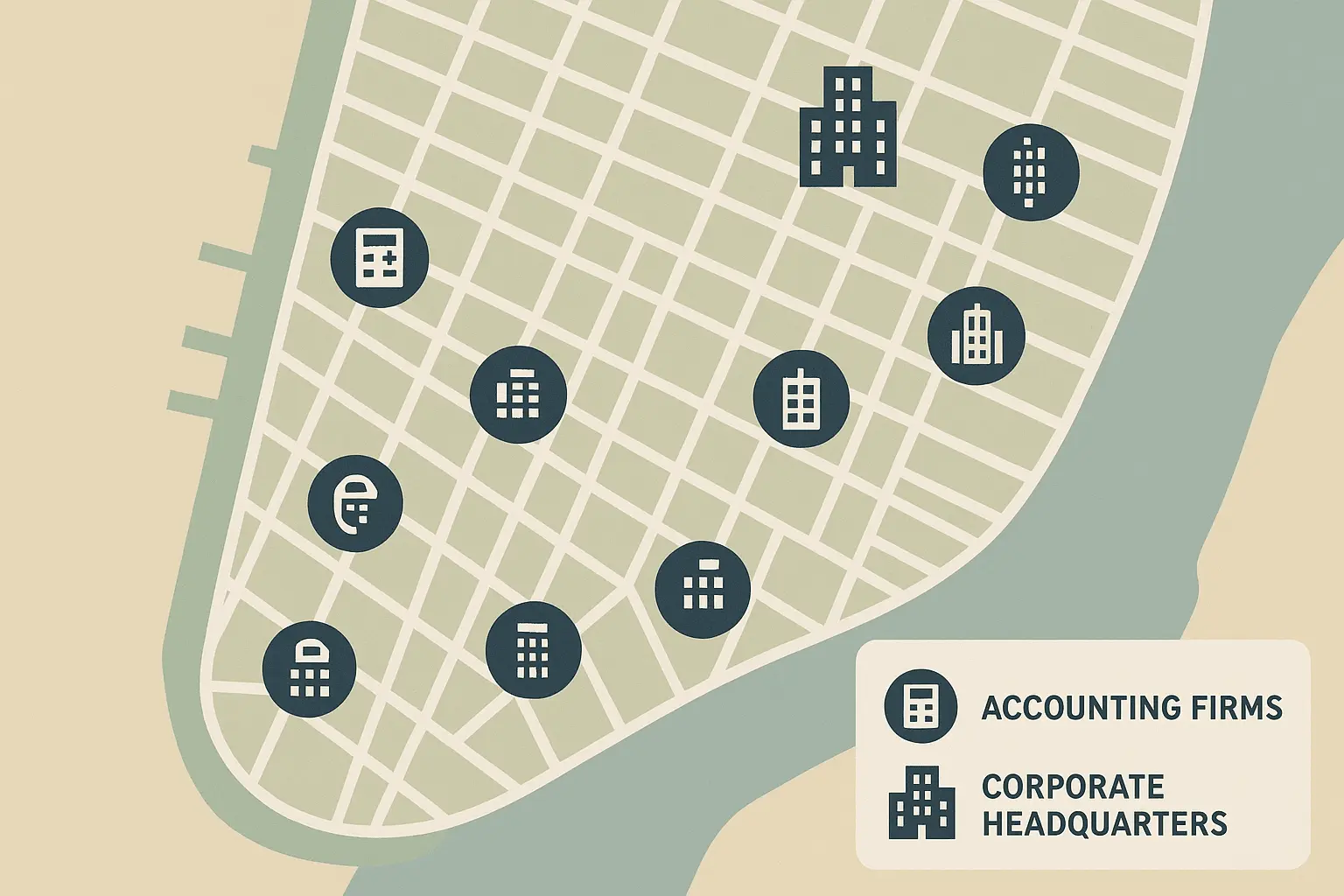
A lot of people take Manhattan jobs but live in New Jersey, Connecticut, or the outer boroughs. It sounds smart until you're spending $400 a month on train tickets and two hours a day commuting. You need to do the math carefully—that higher salary has to cover your transportation costs and the time you're losing.
Sometimes it's worth it, sometimes it's not. Depends on what you value more: money or time. The calculation isn't just financial either—think about work-life balance and career advancement opportunities.
Brooklyn and Queens are getting more accounting jobs as companies expand beyond Manhattan. The salaries might be slightly lower, but your money goes further and you might actually have a life outside of work.
Plus, some of these companies are growing fast, which could mean better advancement opportunities or even equity if you get in early. It's a different vibe from the traditional Manhattan corporate scene.
For accounting professionals considering Brooklyn as a more affordable alternative to Manhattan, checking out the cost of living in Brooklyn can help you understand the financial trade-offs between location and salary premiums.
Your experience level obviously affects what you make, but it's not just about how many years you've been doing this—it's about what kind of problems you can solve and how much value you bring when things get complicated.
Career advancement here follows predictable patterns, but your individual path can vary a lot based on how well you perform and what strategic moves you make.
Entry-level senior positions are about proving you can handle more responsibility. Mid-level roles reward specialization and problem-solving. Senior-level positions pay for expertise and leadership. Understanding how much does a senior accountant make at each level helps you plan where you want to be in a few years.
The accounting industry is changing too. According to "EY's $1 billion pledge to increase starting accountant salaries" reported by CFO Dive, they're targeting early-career professionals with at least 10% compensation increases. That's a sign that firms are finally realizing they need to pay more to attract decent talent.
Certain skills can add thousands to your salary regardless of how long you've been working. International accounting standards, technology implementation, regulatory compliance—companies pay premiums for these specializations.
The trick is figuring out which skills are actually in demand in your target industry. Financial services companies care about regulatory stuff, tech companies want automation and process improvement. Do your homework before investing time in learning something new. The senior accountant salary premium for specialized skills can be pretty substantial.
The average senior accountant salary gives you a baseline, but developing niche expertise can push your compensation well above market averages.
Senior Accountant Skill Development Checklist:
Your base salary is just the starting point. The real money often comes from bonuses, benefits, and other perks that can add 25-50% to your total package value.
Annual bonuses of 5-20% are pretty standard here. These aren't just nice-to-have extras—they're part of your expected compensation. Performance bonuses reward your individual work, while company-wide bonuses depend on how well the business does overall.
Understanding how these work helps you maximize your earning potential and set realistic performance goals. The senior accountant salary becomes much more attractive when you factor in these additional compensation pieces.
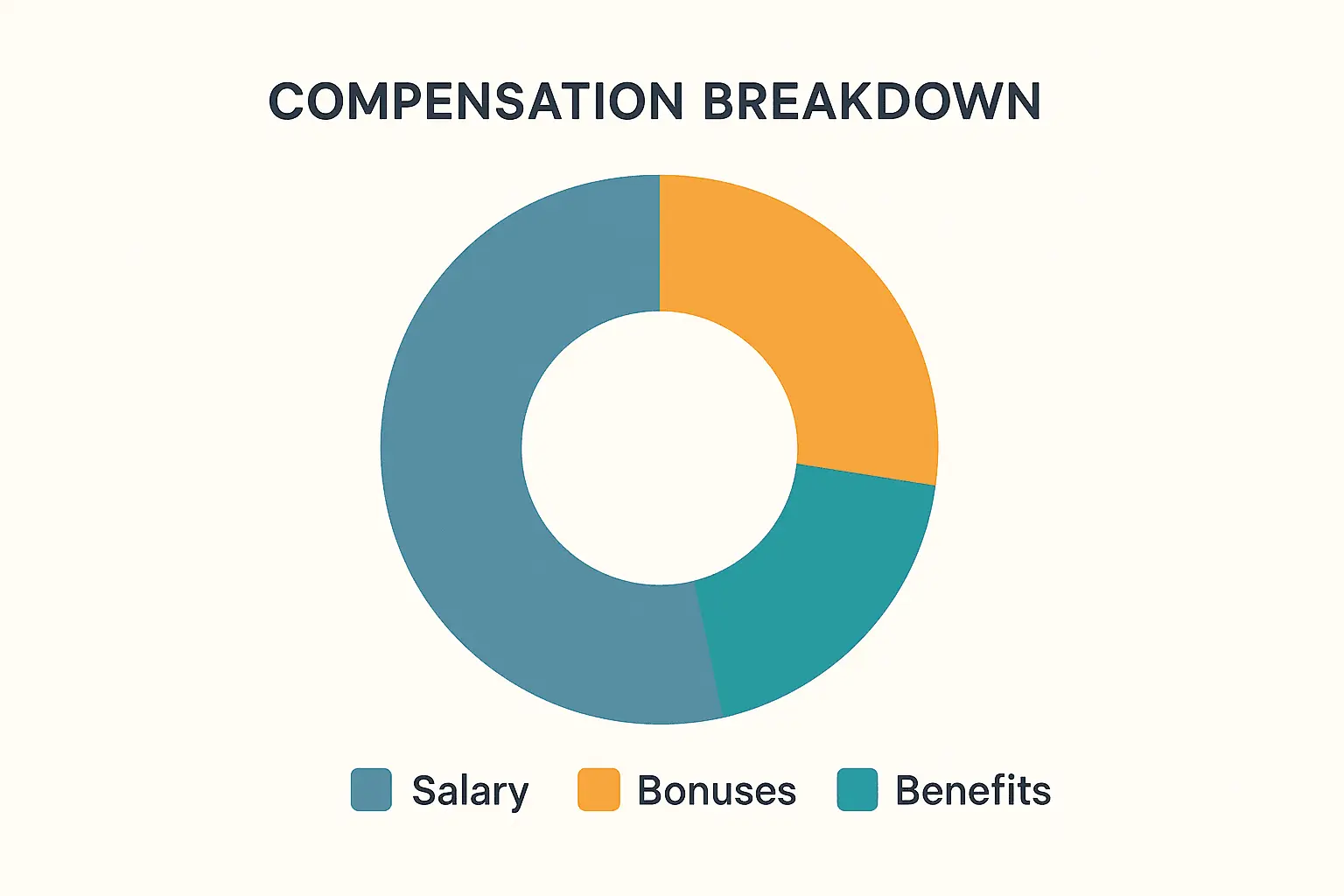
According to Built In's salary data, the average additional cash compensation for a Senior Accountant in New York City, NY is $11,053, bringing total compensation to an average of $109,869 when you add it to base salary. That's real money that makes a difference in your budget.
Don't underestimate the value of good benefits. Health insurance, retirement contributions, and PTO can be worth more than equivalent cash, especially in an expensive city like New York.
A good health plan can save you thousands a year, and generous PTO is invaluable when you're dealing with high-stress work. Company 401(k) matching is basically free money for your retirement. When you're evaluating the average senior accountant salary, these benefits can add serious value to your total package.
Many NYC employers will pay for certifications, conferences, and continuing education. This stuff enhances your skills and makes you more valuable for future opportunities. Plus, the networking alone can lead to career moves that far exceed the immediate value.
Take Michael—his base salary was $95,000, but his total package was worth $118,000. That included an $8,500 performance bonus, $4,200 in 401(k) matching, $6,800 in health insurance coverage, and $3,500 for professional development. Suddenly that $95,000 looks a lot better.
NYC salaries are typically 25-40% higher than national averages, but you need context to understand if that's actually better for you in terms of your overall financial situation and career goals.
Yes, you'll make more money here than in most other places. But your purchasing power is what really matters. The salary premium reflects both higher costs and better opportunities, so it's not just about keeping up with expenses.
The real advantage isn't just the money—it's the career advancement, networking, and skill development that can boost your long-term earning potential beyond what's available elsewhere.
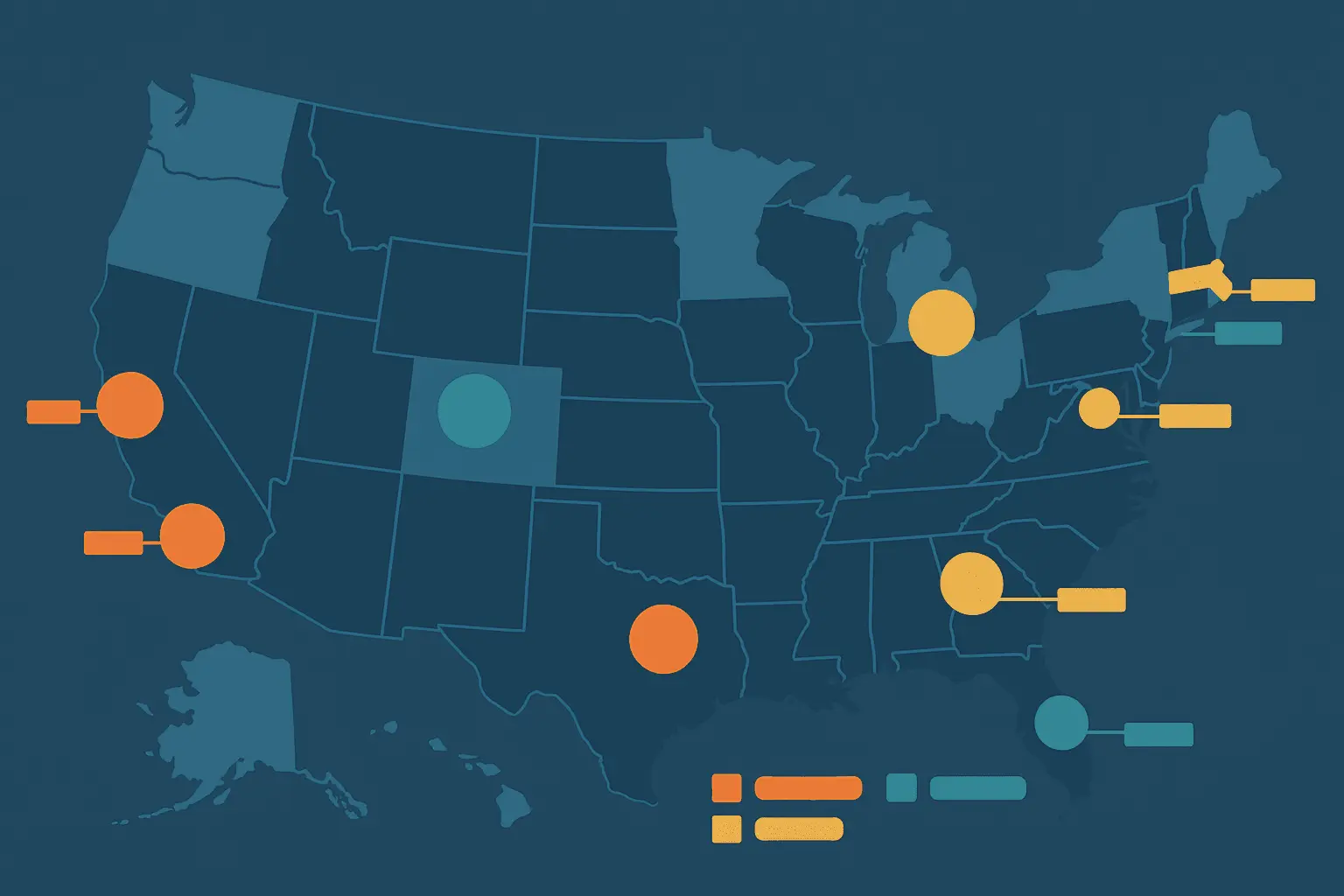
Comparing NYC with other major markets shows interesting differences. Boston, Chicago, and San Francisco all have their advantages. NYC offers unparalleled financial services opportunities, while San Francisco has tech access. Each market has trade-offs you need to consider.
Understanding these differences helps you make strategic career decisions that align with your goals and lifestyle preferences.
|
Metropolitan Area |
Average Senior Accountant Salary |
Cost of Living Index |
Industry Focus |
|
New York City |
$98,816 |
168.6 |
Financial Services, Real Estate |
|
San Francisco |
$95,500 |
169.9 |
Technology, Startups |
|
Chicago |
$78,200 |
106.9 |
Manufacturing, Finance |
|
Boston |
$82,400 |
149.7 |
Healthcare, Education |
|
National Average |
$70,500 |
100.0 |
Mixed Industries |
If you want to maximize your earning potential, you need to be strategic about skill development, certifications, and understanding where the market is heading in NYC's competitive landscape.
Continuous learning isn't optional in NYC's competitive market—it's essential for maintaining and advancing your position. The accounting profession changes fast, and staying current with new standards, technologies, and best practices directly impacts your market value.
Getting your CPA can boost your salary by $10,000-$15,000 annually. That's one of the best returns on investment you can make in your career. The credential opens doors and gives you credibility that translates directly into higher pay.
Specialized certifications in forensic accounting, financial analysis, or industry-specific areas can add even more. The key is picking certifications that align with your career goals and actual market demand. Understanding the senior accountant salary range for certified versus non-certified professionals helps justify the investment in professional credentials.

Deep expertise in specific industries like real estate, financial services, or healthcare can significantly boost your marketability and salary potential. Companies pay premiums for people who understand their unique challenges and regulatory requirements.
Building that expertise requires strategic career moves , but the long-term compensation benefits usually justify short-term sacrifices in base salary or other factors.
Negotiating salary here requires understanding the market, strategic timing, and knowing your value in a competitive landscape where companies are fighting to retain top talent.
Successful negotiations start with solid research. Use multiple sources—Glassdoor, Robert Half guides, professional networks—to get comprehensive salary data. The more information you have, the stronger your position becomes.
Your research should cover salary ranges, total compensation packages, industry-specific factors, and company-specific considerations. Don't just look at one source and call it good.
Recent pay transparency laws are changing the game. According to "Going Concern's analysis of NYC pay transparency law compliance", top accounting firms are now required to post salary ranges, with some showing ranges as high as $135,000 for senior positions. This gives you unprecedented visibility into what companies actually pay.
Quantify your achievements. Cost savings, process improvements, successful projects—companies respond to concrete evidence of value creation. Document everything: efficiency improvements, errors caught, processes streamlined, teams mentored.
These achievements become powerful negotiation tools when you present them effectively. Don't just say you're good at your job—prove it with numbers.
Most companies finalize budgets in Q4, making September through November optimal for salary discussions and job transitions. Understanding these cycles helps you time negotiations for maximum impact.
Market demand fluctuations also create opportunities. Tax season, year-end periods, and regulatory changes create peak demand that can enhance your negotiating power if you time your moves right.
Salary Negotiation Preparation Checklist:
Jennifer, a senior accountant with 4 years of experience, timed her salary request during Q4 budget planning. She documented how her process improvements saved $35,000 annually in audit fees and reduced month-end close time by 2 days. Her strategic approach resulted in a promotion and salary increase from $88,000 to $100,000.
NYC's high cost of living significantly affects what your salary actually means for your lifestyle and financial goals, and you need to be realistic about this from day one.
Housing will probably eat 30-50% of your income, so location choices are critical to your overall financial well-being. A $90,000 salary goes much further when you're paying $2,500 for rent instead of $4,000.
Manhattan one-bedrooms can cost $3,000-$5,000+ monthly, while outer boroughs offer 20-40% savings. But it's not just about rent—factor in commuting costs, time, and lifestyle when making housing decisions.
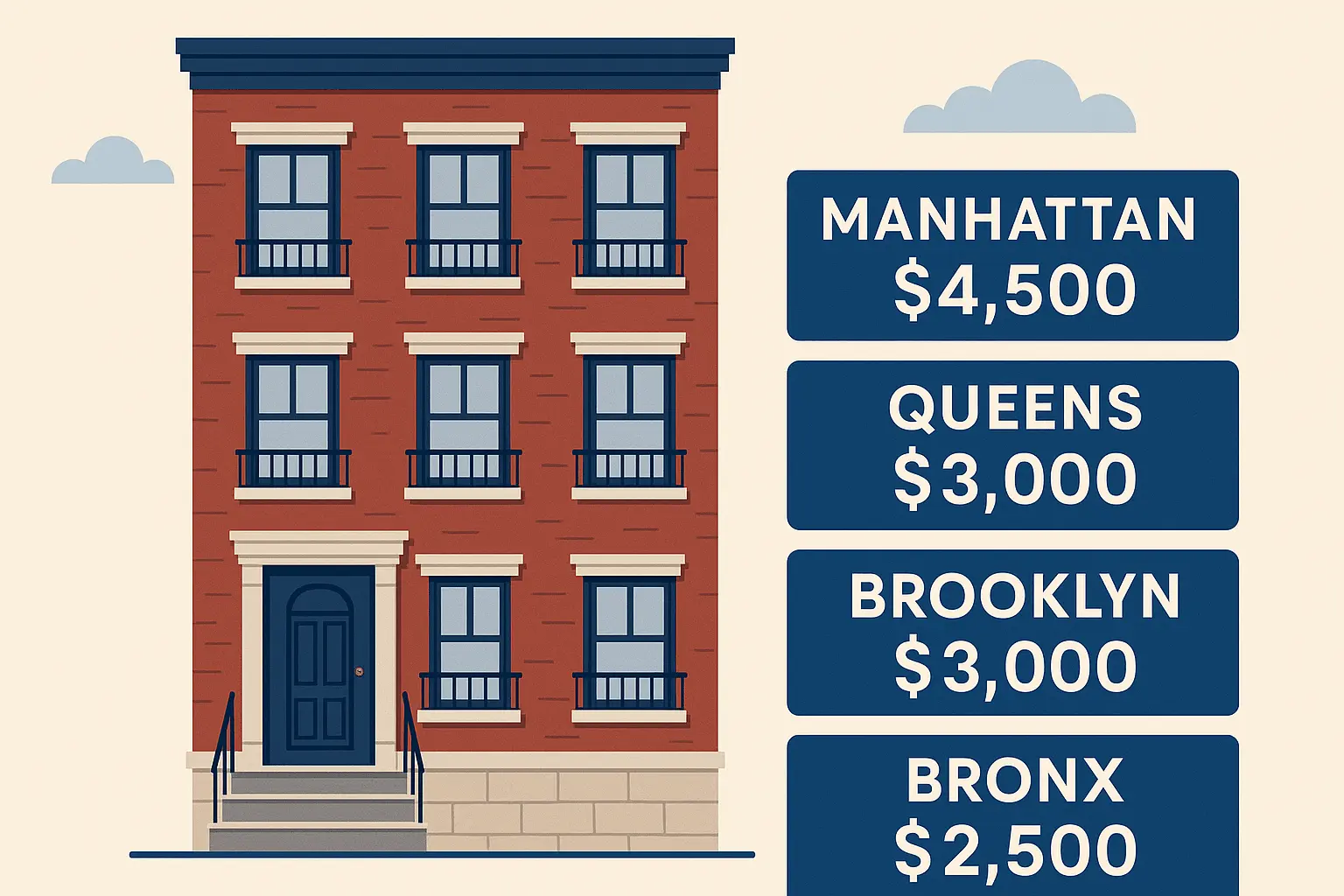
For senior accountants looking to optimize their housing costs, understanding the hidden expenses that impact your budget beyond rent can help you make smarter decisions about where to live in the city.
Many people skip car ownership, saving $500-$800 monthly by using public transit and occasional ride-sharing. The savings from not owning a car (insurance, parking, maintenance, gas) can be substantial, but you're giving up convenience and flexibility.
Some professionals find the trade-off worthwhile, while others prefer the independence of car ownership. It depends on your lifestyle and priorities.
Successful NYC professionals make strategic lifestyle choices to maximize their salary's purchasing power. Cook more at home, find free entertainment, consider shared living spaces to reduce costs.
The key is balancing enjoying NYC's offerings with building long-term financial security. Your salary can support a comfortable lifestyle with smart planning and strategic choices.
Many accounting professionals find that shared living arrangements in NYC provide an excellent way to reduce housing costs while maintaining access to prime locations and building professional networks with like-minded people.

Being a senior accountant in NYC is more than just earning a competitive salary—you're building a career in one of the world's most dynamic financial markets while dealing with unique challenges and opportunities that you won't find anywhere else.
The $75,000 to $120,000+ we've discussed represents real earning potential in a market that rewards expertise and strategic career planning. Your success won't just depend on your technical skills, though those are obviously essential. It'll come from understanding market dynamics, positioning yourself strategically, and making smart decisions about everything from where you live to how you negotiate your compensation.
NYC's accounting market offers something you can't get elsewhere: the chance to work with some of the world's largest companies, most complex financial structures, and most innovative business models. The experience you gain here becomes a career asset that opens doors globally. The network you build, skills you develop, and challenges you overcome all contribute to long-term earning potential that extends way beyond your current salary.
The high cost of living is real and requires careful planning. But the career acceleration, networking opportunities, and skill development often justify the investment. You're building a foundation for long-term financial success, not just paying higher rent.
For those considering the transition to NYC, understanding the complete picture of moving costs and housing logistics can help you plan your financial transition more effectively.
As you advance in your career and your income grows, you'll find yourself with more opportunities to enjoy what NYC has to offer. Whether that's exploring the city's incredible dining scene, taking advantage of cultural offerings, or finding ways to unwind from the intensity of financial district work, having outlets that help you recharge becomes increasingly important.
Many senior accounting professionals find that having a comprehensive moving strategy helps them transition more smoothly into NYC's demanding but rewarding professional environment.
For senior accounting professionals looking to balance career intensity with meaningful relaxation, Outpost Club offers an exclusive community where strategic thinking meets exceptional experiences. Our carefully curated golf experiences provide the perfect environment for networking with like-minded professionals while enjoying some of the region's most prestigious courses. The same analytical skills that make you successful in complex financial analysis translate beautifully to the strategic thinking required on the golf course.
Ready to take your NYC accounting career to the next level while building valuable professional relationships? Explore how Outpost Club can complement your professional success with experiences designed for ambitious professionals who appreciate excellence in every aspect of their lives.

Household supplies can be changed or decreaased at Outpost Club’s discretion, or based on supply availability. Outpost is not responsible for temporary losses of utility service. Outpost Club is not responsible for any damages due to absence of any supplies or utilities


If you have a sales related question please call
680-688-7678

 Hot Deals