Social Worker Salary NYC: What You'll Actually Earn in America's Most Expensive City
Dec 15, 2025

Dec 15, 2025
When I first moved to NYC to start my social work career, I had no idea what I was getting into financially. Sure, I knew the city was expensive, but figuring out what I could actually earn as a social worker? That was a whole different challenge.
The numbers tell a compelling story about our profession's future though. According to the Bureau of Labor Statistics, overall employment of social workers is projected to grow 6 percent from 2024 to 2034, faster than the average for all occupations, with about 74,000 openings for social workers projected each year on average over the decade (U.S. Bureau of Labor Statistics). This growth, combined with NYC's unique market dynamics, creates both opportunities and challenges for social work professionals navigating the city's complex salary landscape.
I've talked to dozens of social workers who've seen firsthand how this growth translates into real opportunities for dedicated professionals willing to invest in their careers and position themselves strategically within the market.
Look, let's cut through the fluff and talk real numbers. When I first started looking at social work jobs in NYC, I was shocked at how all over the place the salaries were. You've got fresh grads making $45K while someone with the same degree at a different agency is pulling $55K. It's wild.
Here's the thing nobody tells you - those salary ranges you see online? They're not lying, but they don't tell the whole story either. That $70K-$95K for "experienced professionals" sounds great until you realize "experienced" might mean 10+ years, not the 3-4 you were hoping for.
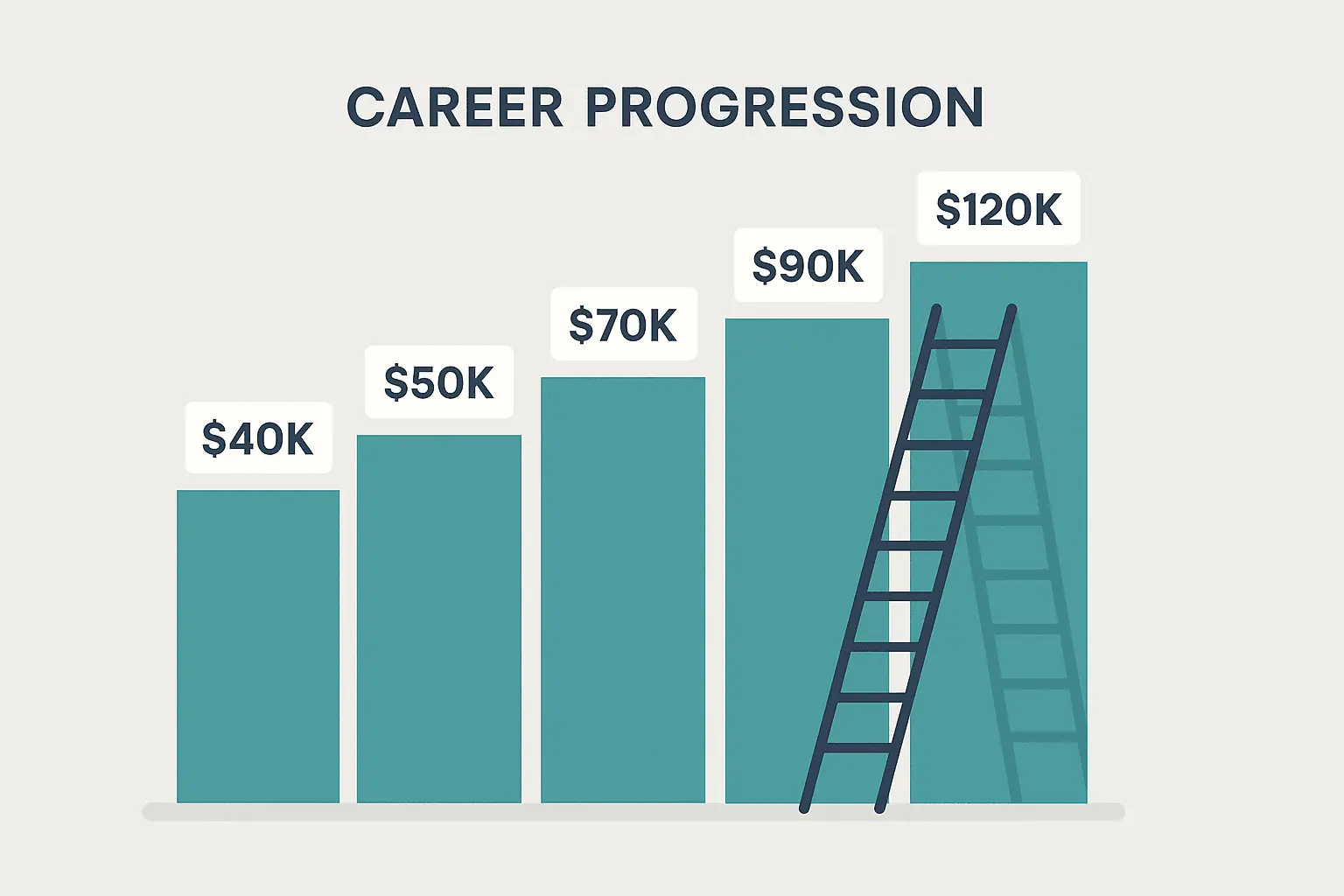
I've talked to dozens of social workers across the city, and the pattern is pretty consistent. Your first job probably won't pay amazingly, but if you're strategic about it, you can climb that ladder faster than you think. The key word here is strategic - just showing up and doing good work isn't enough anymore.
And here's something that'll blow your mind - your earning potential isn't just about how long you've been doing this. I know people who've been social workers for 15 years making less than someone who got smart about specializations and certifications early on. It's all about positioning yourself in the right spots.
When you're looking at these NYC salaries, you absolutely have to factor in what it actually costs to live here. That cost of living in Manhattan will eat up your paycheck faster than you can say "student loans." Trust me, I learned this the hard way.
The national average for social workers was $51,760 in 2020 according to the Bureau of Labor Statistics (Social Work License Map). So yeah, NYC pays more, but when your rent alone is $2,500 a month, that extra money disappears pretty quickly.
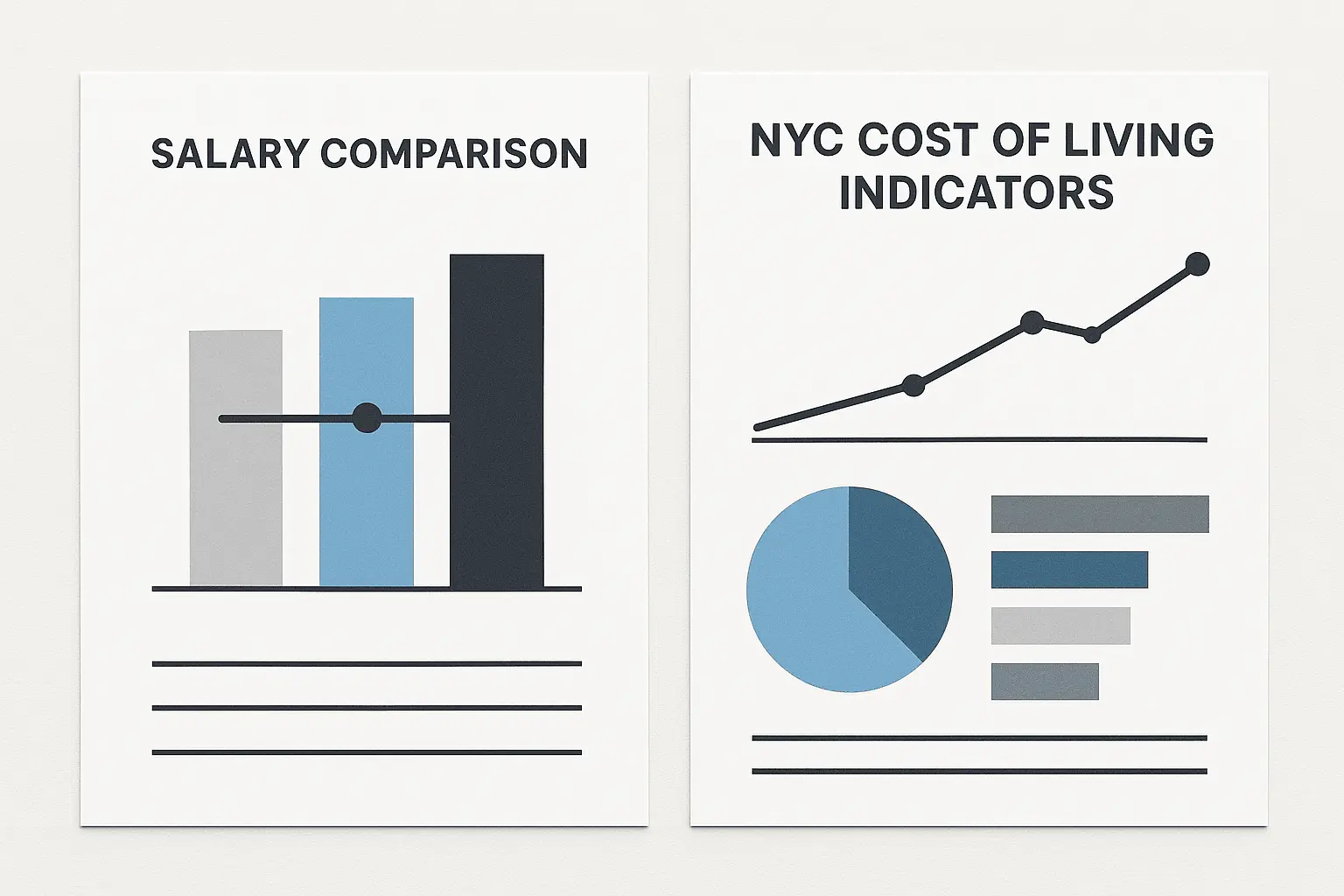
Okay, let's break down what you can actually expect as you move up the ladder. And I'm going to be honest with you - it's not as fast as you probably want it to be, but it's not hopeless either.
Your first couple years? You're looking at $45K-$55K, and yeah, it's going to be tight. I remember calculating that after taxes, student loans, and rent, I had about $200 left over each month. Not exactly living the dream, but hey, we all start somewhere.
But here's where it gets better - that 3-5 year mark is where things start to shift. You're not the newbie anymore, you've got some skills under your belt, and suddenly you're looking at $55K-$70K. That extra $10K-$15K makes a huge difference when you're living paycheck to paycheck.
The sweet spot seems to be around 6-10 years of experience. This is where you hit that $70K-$85K range, and honestly, this is where a lot of people start feeling like they can actually breathe financially. You can afford to live alone, maybe even save a little money.
Now, if you stick with it for 10+ years and play your cards right, $85K+ is totally doable. I know supervisors making $100K+, and they're not unicorns - they just made smart moves along the way.
Here's what nobody tells you about that mid-career jump - it's not automatic. You can't just show up for three years and expect a $15K raise. The people who see those big jumps are the ones who said yes to the crappy committee assignments, who stayed late to help with that grant application, who volunteered to train the new people.
I watched my friend Mike go from $52K to $68K in one year because he took on supervising interns while also getting his trauma certification. Was he stressed? Absolutely. But that move set him up for the next five years of his career.
When job postings say "senior level," they usually mean you can handle a crisis without calling your supervisor, you know how to write a decent case note, and you're not going to quit after six months. It's not just about time served.
The social workers making the big bucks at the senior level all have one thing in common - they can prove their impact with actual numbers. Whether it's reducing hospital readmissions or improving case closure rates, they've got the data to back up their worth.
|
Experience Level |
Salary Range |
Real Talk |
What You Need |
|
Entry-Level (0-2 years) |
$45,000-$55,000 |
Ramen budget, but you're learning |
BSW/MSW, patience, thick skin |
|
Mid-Career (3-5 years) |
$55,000-$70,000 |
Finally breathing room |
Some wins under your belt, maybe a certification |
|
Experienced (6-10 years) |
$70,000-$85,000 |
Actually comfortable |
LCSW helps, leadership experience |
|
Senior-Level (10+ years) |
$85,000+ |
The promised land |
Proven track record, specialized skills |
Sarah's story is pretty typical of what I've seen work. Started at $48K in Brooklyn, felt broke constantly, but she had a plan. Got her LCSW as fast as possible, said yes to supervising (even though it was terrifying), and got that trauma cert everyone was talking about. Seven years later, she's making $92K and actually enjoys her job most days. The key? She was strategic from day one.
Alright, let's talk about the holy grail - that LCSW license. If you're wondering whether it's worth the hassle of supervised hours and exams, let me put it this way: every LCSW I know makes significantly more than their non-licensed colleagues. We're talking $65K-$120K, and some private practice folks are doing even better.
But here's the reality check - getting your LCSW isn't just about the money. Those supervised hours? They're no joke. You'll be documenting everything, getting your work picked apart, and probably questioning your life choices at least once a week. But stick with it, because the payoff is real.
Everyone talks about private practice like it's this magical money tree. "Just charge $200 a session and see 20 clients a week!" Yeah, right. Let me break down what private practice actually looks like.
First, you're running a business. That means marketing, insurance headaches, no-shows, and spending your evenings doing paperwork instead of Netflix. Some weeks you'll make bank, other weeks you'll wonder why you didn't just stay at the agency job.
That said, I know LCSWs in Manhattan charging $150-$250 per session, and the ones with full practices are doing very well. But "full practice" took them 2-3 years to build, and they worked their butts off to get there.
Agency work might cap your earning potential, but you get predictable paychecks, benefits, and someone else deals with the business side. For a lot of people, especially early in their clinical careers, that peace of mind is worth more than the potential extra income.
Not all clinical specializations are created equal in NYC. Trauma therapy is huge right now - everyone wants EMDR-trained therapists. Couples counseling pays well too, especially if you can get trained in something like Gottman Method.
Addiction treatment is always in demand, but it can be emotionally draining. The upside? Organizations are willing to pay extra for good addiction counselors because they're hard to find and keep.
Here's a pro tip from someone who learned the hard way - don't just chase the money when picking a specialization. If you hate working with couples, all the money in the world won't make you happy doing couples therapy 40 hours a week.

Hospital social work is where a lot of people find their sweet spot financially. You're looking at $60K-$85K at the major systems like NYU Langone or Mount Sinai, plus benefits that are actually good. And when I say good benefits, I mean health insurance that doesn't cost you $500 a month.
The Bureau of Labor Statistics says medical social workers make around $60,470 nationally (Social Work License Map), but in NYC, you're definitely going to see higher numbers than that. The hospitals here know they have to pay up to keep good people.
Let me tell you about hospital benefits, because this is where things get interesting. We're not just talking about health insurance (though that alone is worth like $12K a year). You get retirement matching, tuition reimbursement, and some places even help with student loans.
But here's the kicker - shift differentials. Work some evenings or weekends, and you can add serious money to your paycheck. I know hospital social workers who pick up weekend shifts and make an extra $8K-$12K a year. Not bad for sacrificing some Saturday mornings.
ICU social work isn't for everyone - it's intense, fast-paced, and emotionally heavy. But if you can handle it, they pay well because turnover is high. Same with emergency departments. The stress level is through the roof, but so is the compensation.
Transplant coordinators and discharge planners with complex case experience are gold in hospital settings. These roles require you to know insurance inside and out, coordinate with multiple departments, and basically be a miracle worker. But miracle workers get paid accordingly.
Here's some math that might surprise you. That $70K job in Manhattan might leave you with less spending money than a $60K job in Queens. I know it sounds crazy, but hear me out.
Manhattan rent alone will eat up 40-50% of your salary if you want to live alone. Add in the $15 salads, $6 coffees, and $20 cocktails, and that extra $10K disappears fast. Meanwhile, your colleague in Astoria is paying $1,800 for a one-bedroom and actually has money left over for vacation.
Before you get starry-eyed about that Manhattan job, sit down with a calculator. Factor in rent (realistically - not the fantasy apartment you found on Craigslist), transportation, food, and all the little expenses that add up in Manhattan.
I've seen too many people take Manhattan jobs for the prestige and end up more financially stressed than they were in the outer boroughs. Sometimes that 10-15% salary bump just isn't worth it.
That said, if you can swing it financially, Manhattan experience does look good on your resume. Just make sure you're not going into debt for the privilege.
Brooklyn and Queens are having a moment in social services. New organizations are opening, existing ones are expanding, and they're competing for good people with competitive salaries.
The Bronx especially has seen huge investment in mental health services. If you're interested in community-based work and want to make a real impact, there are amazing opportunities there. Plus, your dollar goes further, and the commute might actually be reasonable.
Understanding the cost of living in Brooklyn can help you make smarter decisions about where to work and live. Sometimes the best financial move is the one that doesn't look the most impressive on paper.
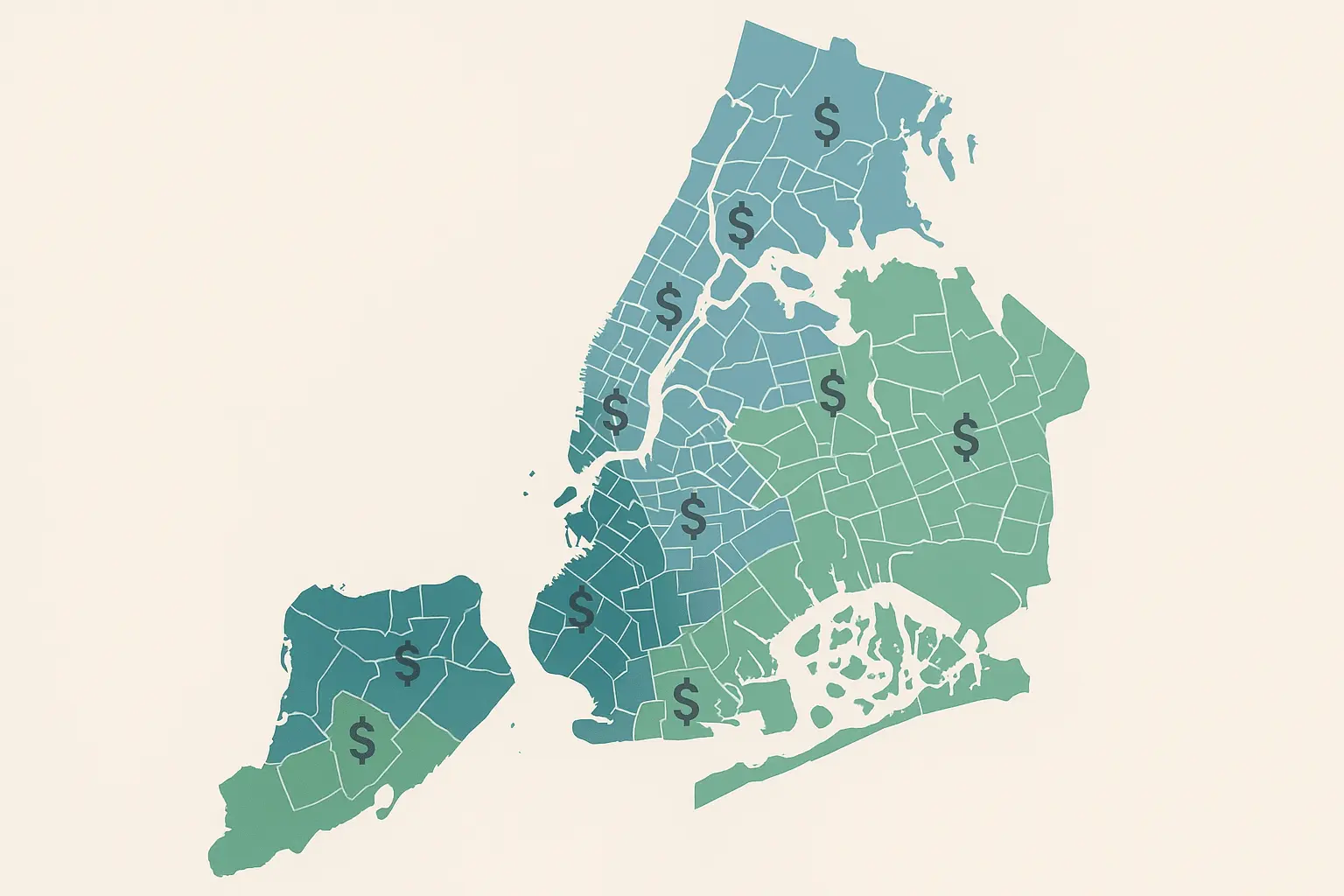
Government jobs get a bad rap, but let me tell you something - that pension is no joke. ACS and other city agencies might start you at $55K-$75K, but when you factor in the benefits and job security, it's a pretty sweet deal.
The thing about government work is the transparency. They publish their salary scales, so you know exactly what you'll make and when you'll get raises. No surprises, no playing favorites - just clear progression based on time and performance.
Job security in government work is unmatched. While your friends at private agencies are worrying about funding cuts and layoffs, you're planning your next vacation. That peace of mind is worth something, even if the starting salary isn't the highest.
The pension system is basically free money for your future self. I know it seems far away when you're 25, but trust me, 65-year-old you will thank you for those pension contributions. Plus, you can retire with full benefits after 25-30 years - try doing that in the private sector.
Private agencies can be more flexible and innovative. You might get to try new programs, work with different populations, or advance faster than in government bureaucracy. The downside? Funding is always uncertain, and benefits are usually not as comprehensive.
Some non-profits offer unique perks like student loan forgiveness programs or sabbatical opportunities. These can be worth thousands of dollars if you qualify. I know someone who got $50K in student loans forgiven through a non-profit program - that's like getting a huge bonus.
Let's be real about the MSW - it's basically required now for any job worth having. BSW holders can find work, but they hit a ceiling pretty quickly. The MSW opens doors and typically bumps your salary by 15-25% right off the bat.
But here's the thing about grad school - it's expensive, and you're not earning while you're learning. Make sure you crunch the numbers and consider programs that offer good financial aid or employer tuition reimbursement.
In my experience, yes, but you have to be smart about it. Don't go into massive debt for a degree that'll start you at $50K. Look for programs with good financial aid, consider part-time options if your employer offers tuition help, and definitely look into public service loan forgiveness if you're planning to work for non-profits.
The salary bump usually pays for itself within 3-5 years, especially if you're planning to get licensed. And honestly, the clinical training you get in a good MSW program is invaluable - you can't put a price on actually knowing what you're doing.
Don't think your learning stops with your degree. The social workers making the most money are constantly adding new skills and certifications. Trauma training, bilingual capabilities, specialized therapy techniques - these all translate to higher salaries.
But be strategic about it. Don't just collect certificates for fun - focus on skills that are in demand in your practice area. If you work with kids, get trained in play therapy. If you're in healthcare, learn about medical social work specialties.
Maria's story is perfect - she used her employer's tuition program to get her MSW while working full-time. Graduated debt-free and immediately got a $15K raise. That's smart planning, not luck.
Career advancement in social work isn't always linear, but there are definitely patterns. The people who advance fastest are usually the ones who said yes to opportunities that scared them a little - supervision, program development, grant writing.
Supervisory roles typically bump your salary by $10K-$20K, but they also come with headaches you didn't have before. Suddenly you're responsible for other people's mistakes, dealing with HR issues, and spending more time in meetings than with clients.
Program management is where the real money is if you want to stay in social services. Directors of large programs can make $90K-$120K+, but you're basically running a business at that point. You need to understand budgets, manage staff, deal with board members - it's a whole different skill set.
The transition from direct practice to management isn't easy. You go from helping people directly to helping people help people. Some love it, others miss the client contact. Know yourself before you make the jump.
Clinical director roles are perfect for people who want both - higher pay and continued client contact. You're overseeing clinical programs while maintaining some direct practice. It's the best of both worlds if you can handle the juggling act.
Consultation and training work can supplement your income nicely. Once you've got some expertise, organizations will pay good money for your knowledge. I know clinicians who make an extra $20K-$30K a year doing training workshops on weekends.
Some specializations are just hotter than others in NYC right now. Addiction treatment is huge - there's a massive need and not enough qualified people. If you can handle the intensity, these jobs pay well and you'll never be unemployed.
School social work is interesting because you get that DOE salary ($60K-$90K) plus summers off. Yeah, the school year can be intense, but having July and August to recharge (or make extra money) is pretty sweet. Plus, the benefits are solid.
According to national data, school social workers make around $52,370 and mental health/substance abuse workers make about $54,540 (Social Work License Map), but in NYC, you're looking at higher numbers across the board.
The mental health crisis isn't going anywhere, which means steady demand for good clinicians. Trauma therapy specialists with EMDR or somatic training? They're booked solid and charging premium rates.
But here's the reality - this work is heavy. You're dealing with people's worst moments, and that takes a toll. Make sure you've got good self-care and supervision, because burnout in this field is real and expensive.
DOE social workers get a bad rap sometimes, but I know plenty who love it. You're working with kids and families, the schedule follows the school calendar, and the benefits are excellent.
Plus, you can do private practice or other work during summers and breaks. I know school social workers who make an extra $15K-$20K doing summer camps or private practice. Not bad for "having summers off."
NYC's population is aging fast, and that means opportunities in geriatric social work. It's not the most glamorous specialty, but the need is real and growing.
Geriatric specialists who understand Medicare, Medicaid, and elder law are worth their weight in gold. Hospitals and nursing homes will pay extra for someone who can navigate those systems without breaking a sweat.
|
Specialization |
Real NYC Range |
The Real Deal |
Where to Work |
|
School Social Work |
$60,000-$90,000 |
Great benefits, summers off, can be stressful |
DOE, private schools |
|
Healthcare Social Work |
$60,000-$85,000 |
Solid pay, good benefits, hospital politics |
Hospitals, clinics |
|
Mental Health/Addiction |
$55,000-$80,000 |
High demand, emotionally heavy |
Treatment centers, private practice |
|
Geriatric Social Work |
$58,000-$82,000 |
Growing field, specialized knowledge needed |
Nursing homes, hospitals |
|
Child Welfare |
$50,000-$75,000 |
Tough work, but important, high turnover |
ACS, family agencies |
Here's something most people don't tell you - you should be spending 3-5% of your salary on professional development. I know, I know, when you're making $50K, spending $2,500 on training sounds insane. But it's an investment that pays off.
The trick is being strategic about it. Don't just go to random workshops because they sound interesting. Focus on skills that are in demand and will actually increase your earning potential.
Before you drop $1,500 on that weekend training, do your homework. Will this certification actually help you get promoted or find a better job? Or are you just collecting certificates?
Track what you spend and what you get back. When that trauma training leads to a $5K raise, suddenly the $800 you spent doesn't seem so crazy. Document everything - it helps with performance reviews and future training requests.
If your employer offers tuition reimbursement or training budgets, use them! This is basically free money for your professional development. I've seen people leave thousands of dollars on the table because they didn't know these programs existed.
Some places also give you paid time for conferences or training. That's huge - you're getting paid to learn skills that will make you more valuable. Take advantage of every opportunity.

I used to think networking was just schmoozing at boring events, but it's actually how most good jobs get filled. NASW membership gives you access to job boards and salary data that aren't available anywhere else. Plus, the local chapter events are where you meet people who might hire you someday.
NASW membership pays for itself through the job board alone. I've seen positions posted there that never made it to Indeed or other sites. Plus, the salary surveys give you real data for negotiations.
The networking events might feel awkward at first, but push through it. The relationships you build often matter more than your resume when it comes to landing better jobs.
Don't just collect business cards - build actual relationships. Follow up with people, offer to help with projects, stay in touch. The social work community in NYC is smaller than you think.
Join specialized groups related to your practice area. If you work in healthcare, join healthcare social work groups. If you're in mental health, find those networks. These smaller groups often have better opportunities and closer relationships.
David's story is perfect - he heard about a clinical director job through his NASW chapter that wasn't even posted yet. His colleague recommended him, and he got a $25K bump. That's the power of networking done right.
Don't just look at the salary number - look at the whole package. Health insurance alone can be worth $8K-$15K a year in NYC. When you're comparing job offers, factor in everything.
Retirement matching is basically free money. If your employer matches 3% and you don't contribute, you're leaving thousands on the table every year. Over a career, that's potentially hundreds of thousands of dollars.
If they can't budge on salary, ask for other stuff. Extra vacation days, professional development money, flexible schedules - these all have real value and might be easier for them to approve.
Some organizations offer unique benefits like sabbaticals, student loan help, or wellness programs. These creative benefits can add significant value and might differentiate one job from another.
Add up everything - salary, health insurance, retirement matching, vacation time, professional development budget. You might find that the lower-paying job actually offers better total compensation.
Don't forget about intangibles like commute time and work-life balance. If one job saves you two hours of commuting daily, that's worth something too.

A lot of social workers supplement their income with side work, and it can make a real difference. Private practice on evenings or weekends can add $10K-$30K to your annual income, depending on how much you want to hustle.
Telehealth has opened up new possibilities too. You can see clients from your apartment (within licensing restrictions) and potentially serve people you couldn't reach otherwise.
Part-time private practice while keeping your day job is pretty common. It takes time to build up, but once you've got a steady client base, it's nice supplemental income.
Just make sure you understand the business side - taxes, insurance, documentation. It's not just about the clinical work anymore.
Once you've got some experience, organizations will pay you to share your knowledge. Training workshops, guest lectures, curriculum development - these can pay well and look good on your resume.
Writing opportunities exist too, especially if you've got expertise in a specialized area. Some social workers develop training materials that generate ongoing income for years.
Do your homework before any salary conversation. Use Glassdoor, PayScale, and NASW salary surveys to know what you should be making. But also talk to real people - online data doesn't always reflect reality.
Government jobs often have published salary scales, so you know exactly what to expect. Private organizations have more flexibility, which means more room to negotiate.
Document everything you bring to the table - your education, certifications, language skills, special experience. Quantify your impact wherever possible with specific numbers and outcomes.
Understand the organization's constraints. A small non-profit might not have flexibility, while a well-funded hospital system might have more room to negotiate.
Performance reviews are natural times for salary discussions, but don't wait if you've taken on significant new responsibilities. Job changes offer the best opportunities for big increases.
Most employers expect some negotiation on initial offers. Don't be afraid to ask - the worst they can say is no, and you might be surprised at what they can do.

The Bureau of Labor Statistics is projecting 12% growth in social work jobs through 2032, which is way better than most fields. In NYC, the aging population and increased focus on mental health mean steady demand across specializations.
Telehealth is changing how we practice, potentially allowing us to serve more clients and increase earning potential. But licensing restrictions and insurance issues still create challenges.
Telehealth has been a game-changer, especially post-COVID. It's opened up new possibilities for private practice and allowed more flexibility in service delivery.
Digital case management systems are making administrative work more efficient, which means more time for direct practice. Organizations value people who can adapt to new technologies.
Climate-related mental health is becoming a real specialty as environmental concerns affect community well-being. It's early days, but there are opportunities for people who get in on the ground floor.
Corporate mental health programs are expanding rapidly. These positions often pay more than traditional social service roles and offer exposure to business environments and benefits.
Social work is emotionally intense, and you need outlets outside of work to maintain your sanity. The most successful social workers I know have hobbies and communities that have nothing to do with their day job.
Whether it's sports, arts, or other interests, having something that challenges you in different ways helps prevent burnout and keeps you sharp professionally.
You can't pour from an empty cup, and social work will drain you if you don't have ways to recharge. Building community outside work isn't selfish - it's necessary for long-term career success.
For social workers who've achieved some financial success, understanding what is communal living might offer insights into building supportive communities that enhance both personal well-being and professional effectiveness.
Just like you help clients build support networks, you need your own support system. Whether that's through hobbies, sports, or other interests, having people in your life who aren't social workers is crucial.
Activities that require strategic thinking and precision can provide a great counterbalance to the emotional intensity of social work. The mental challenge and focus required can be surprisingly restorative.
Ready to explore how community living can enhance your work-life balance? Learn more about communal living opportunities and discover how strategic recreation can support your social work career success.

Look, I'm not going to lie to you - social work in NYC isn't going to make you rich. But with smart planning, strategic moves, and a little patience, you can build a career that pays the bills while actually making a difference. And honestly? That's pretty rare these days.
The key is thinking strategically from day one. Get your MSW, pursue your LCSW if you want to do clinical work, and always be learning new skills. The social workers making good money didn't get there by accident - they made deliberate choices about their careers.
Your starting salary isn't your ending salary. I've seen people go from $45K to $85K+ in five years through smart career moves. It's possible, but you have to be intentional about it.
Don't forget that compensation is more than just your paycheck. Benefits, work-life balance, job satisfaction, and growth opportunities all matter. The highest-paying job isn't always the best job.
Understanding how much do you need to make to live in nyc helps you set realistic financial goals and make smart decisions about your career and living situation.
Here's what I wish someone had told me when I started: invest in yourself, build relationships, and don't be afraid to ask for what you're worth. The social work field needs good people, and good people deserve to be paid fairly.
The most successful social workers I know found ways to align their financial goals with their values while maintaining the relationships and activities that keep them grounded. It's not always easy, but it's definitely possible.
You got into social work to help people, not to get rich. But that doesn't mean you should struggle financially. With the right approach, you can have both - a meaningful career and financial stability. And in a city like NYC, that's no small achievement.

Household supplies can be changed or decreaased at Outpost Club’s discretion, or based on supply availability. Outpost is not responsible for temporary losses of utility service. Outpost Club is not responsible for any damages due to absence of any supplies or utilities


If you have a sales related question please call
680-688-7678

 Hot Deals