Sonographer Salary NYC: What Healthcare Professionals Actually Earn in America's Most Expensive City
Dec 15, 2025

Dec 15, 2025
Let me be straight with you - if you're thinking about working as a sonographer in NYC, you're probably wondering if the salary can actually cover rent in this crazy expensive city. I've been in healthcare here for years, and I can tell you the answer is more complicated than most salary websites make it seem.
Working as a sonographer here isn't just about running ultrasounds all day. You're basically a detective with a wand, figuring out what's going on inside people's bodies while dealing with some of the most demanding patients and doctors you'll ever meet. The pace? It's absolutely intense. Back-to-back appointments, complex cases that would stump technicians in smaller cities, and computer systems that seem to update every other week.
The thing about NYC's healthcare scene is that it's not just big - it's cutthroat competitive. You've got Memorial Sloan Kettering (where everyone wants to work but the standards are sky-high), Mount Sinai (huge system, lots of opportunities), and NYU Langone (great reputation, solid benefits). Each place has its own vibe, and trust me, they're all different. Some feel more corporate, others are like family.
What's crazy is how fast this field is growing. Employment of diagnostic medical sonographers is projected to grow 13 percent from 2024 to 2034, much faster than the average for all occupations. In NYC, that translates to real bargaining power if you know what you're doing.
Here's something nobody talks about - where you live matters just as much as where you work. I know sonographers making great money who are miserable because they're spending half their paycheck on a shoebox apartment. Check out some affordable housing options in Brooklyn if you want to actually enjoy that salary you're earning.
Not all sonography specialties are created equal, especially when it comes to your paycheck. Cardiac sonography? That's where the money is. But it's also where the stress lives. You're literally looking at people's hearts, often in emergency situations. The training is brutal - 12 to 18 months of intensive study - but the payoff is real.
My colleague Sarah transitioned from general sonography to cardiac imaging. She went from making $72K to $84K in less than two years, but she also went from working regular day shifts to being on call for heart emergencies at 3 AM. Worth it? Depends on your lifestyle and what keeps you up at night.
|
Specialization |
Certification Required |
Average NYC Salary Premium |
Training Duration |
|
Cardiac Sonography |
RDCS (ARDMS/CCI) |
+$8,000-$12,000 |
12-18 months |
|
Vascular Sonography |
RVT (ARDMS) |
+$5,000-$8,000 |
6-12 months |
|
Obstetric/Gynecologic |
RDMS-OB/GYN |
+$3,000-$6,000 |
4-8 months |
|
Musculoskeletal |
RMSK (ARDMS) |
+$4,000-$7,000 |
6-10 months |
Vascular work is solid too. With NYC's aging population and everyone stressed out of their minds, there's constant demand for checking blood vessels. It's less dramatic than cardiac but still pays well.
OB/GYN sonography? Here's the real talk - you'll see everything. Happy couples getting their first glimpse of their baby, and heartbreaking situations where things don't go as planned. It's emotionally demanding, but many find it the most rewarding specialty. Plus, in a city this diverse, speaking multiple languages can seriously boost your value.
Sarah invested $2,500 in cardiac certification prep (yeah, it's not cheap), but bumped her salary from $72K to $84K within 18 months. Do the math - that certification paid for itself in about four months.
Here's what they don't prepare you for in school: NYC patients are unlike anywhere else. You'll have patients who speak languages you've never heard of, cultural practices that affect how they interact with healthcare, and economic situations ranging from billionaires to people without insurance.
I know a sonographer in Queens who speaks three languages fluently. She makes about $6K more annually than her colleagues who only speak English, just because she can communicate directly with patients. That's not official policy anywhere, but facilities know her value and pay accordingly.
The volume is insane. Major hospitals here process thousands of imaging studies every week. You'll get good fast, or you'll burn out. There's not much middle ground.
Okay, let's cut through all the BS salary surveys that make everything sound rosier than it actually is. If you're starting out as a sonographer in NYC, you're looking at $65K-$75K realistically. Yeah, that sounds decent until you realize a studio apartment in Manhattan costs $3,000+ per month.
While registered sonographers earn a median annual salary of $89,340 nationally according to the U.S. Bureau of Labor Statistics, NYC is a different beast entirely. You'll typically earn 15-25% above national averages, which sounds great until you factor in that your rent is probably 40-50% higher than most places.
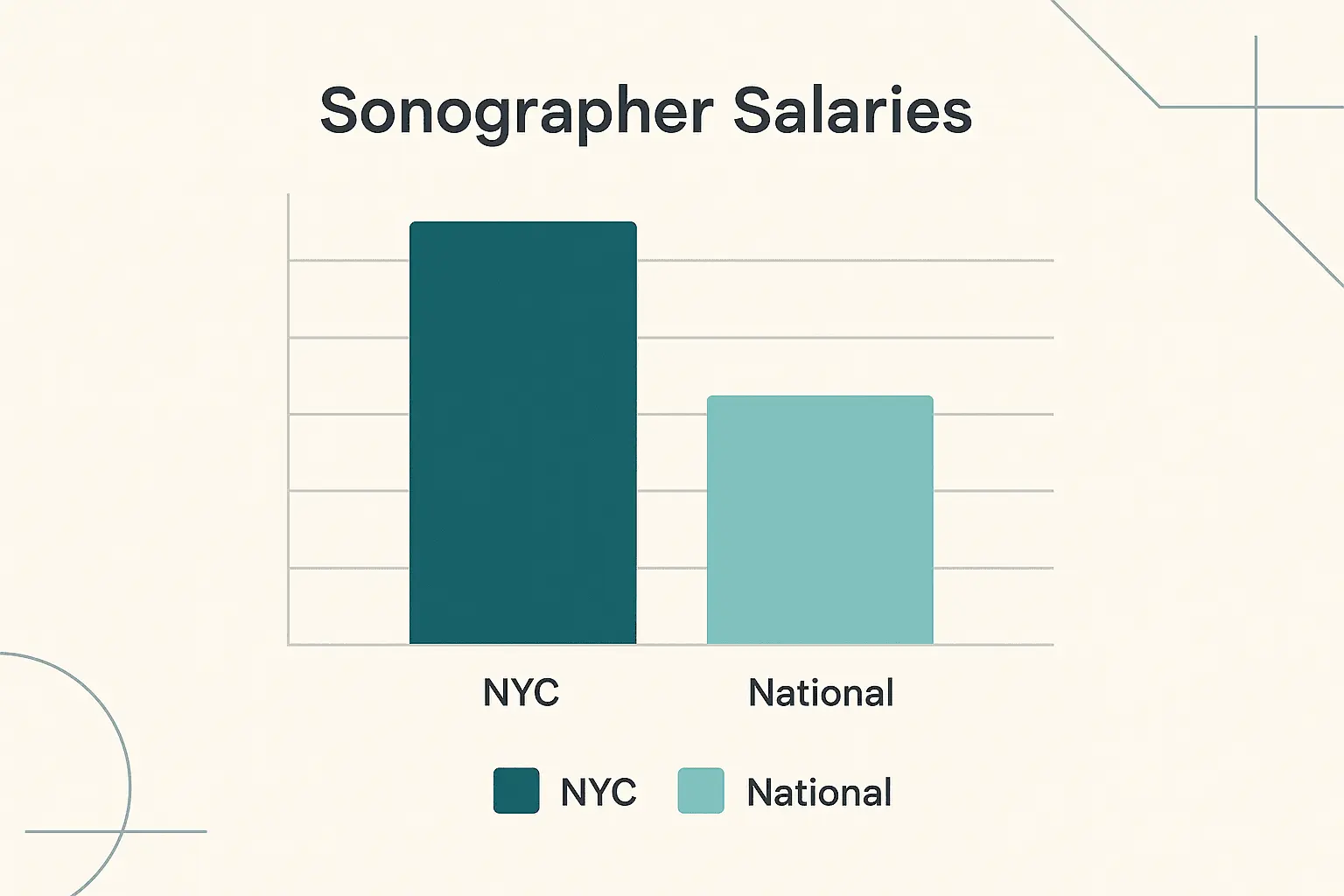
After 3-7 years? You're looking at $75K-$95K if you play your cards right. But here's the thing - "playing your cards right" means being strategic about everything. Specializations, shift preferences, which borough you work in, whether you're willing to work holidays. It all matters.
Senior people - the ones who've figured out the system - can hit $95K-$120K+. But they've usually sacrificed something to get there. Maybe they work nights, maybe they're on call constantly, maybe they've become department supervisors dealing with administrative headaches.
Want to maximize your earning power? Consider your housing situation carefully. Check out affordable neighborhoods throughout the city because every dollar you save on rent is a dollar you actually get to keep.
Here's what those salary surveys never tell you: shift differentials can make or break your financial situation. Work nights? That's typically 10-15% extra. Weekends? Another 10-15%. Holidays? Sometimes 25% premium.
I know sonographers who strategically work every weekend and holiday they can. They make the same base salary as their colleagues but take home $8K-$12K more annually just from shift differentials. Of course, they also have no social life, but that's the trade-off.
Overtime is a whole other story. Some places are stingy with OT because they don't want to pay time-and-a-half. Others rely on it heavily and you can rack up serious extra income. But you'll also be exhausted.
Benefits matter more than you think. I've seen job offers that looked amazing until you realized the health insurance would cost $400/month out of your pocket. Always, always calculate total compensation, not just base salary.
Real Talk Salary Negotiation Checklist:
Manhattan pays the most, but here's the catch - everything else costs more too. Those 10-15% higher salaries? They disappear pretty quickly when you're paying $5 for coffee and $20 for lunch every day.
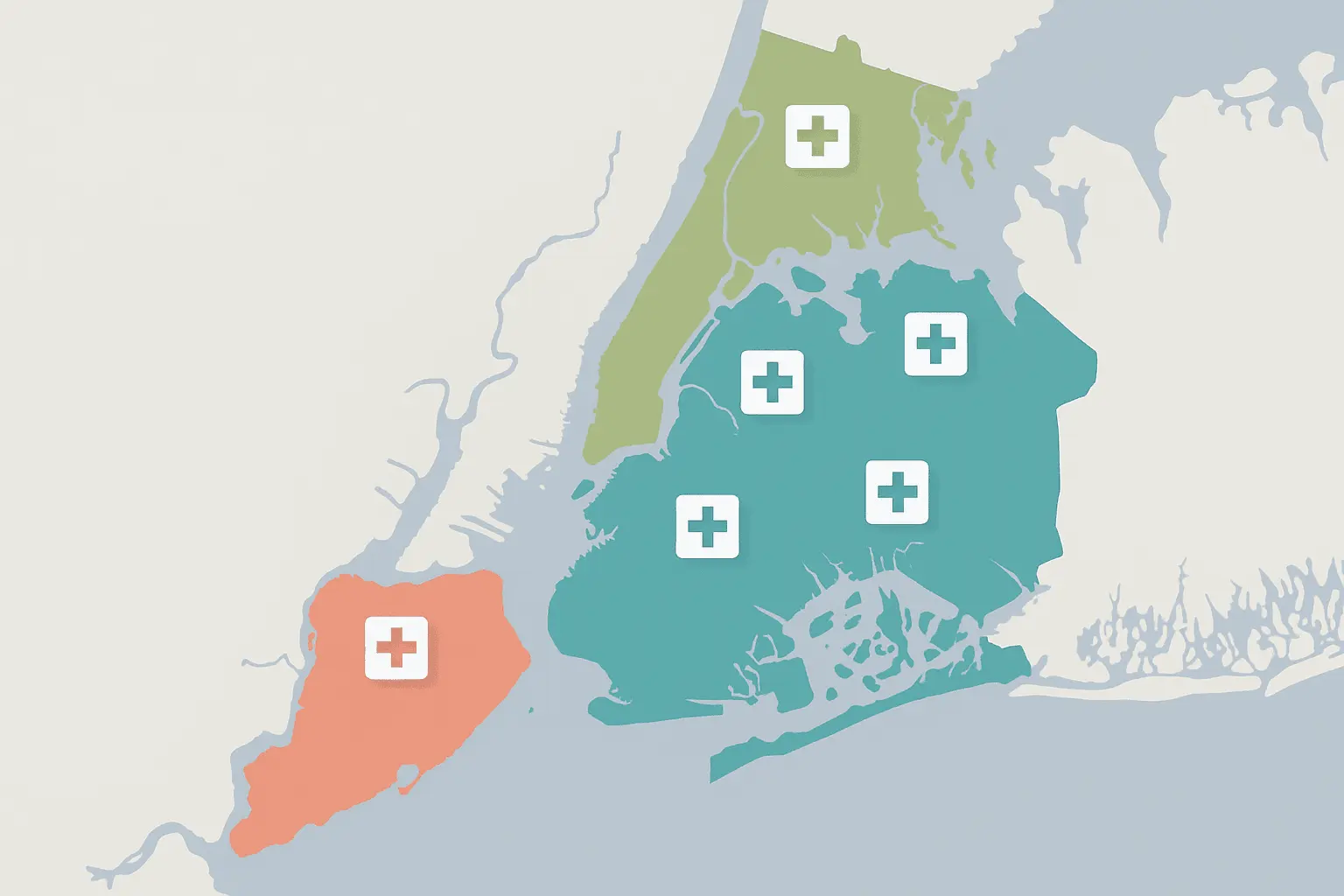
Brooklyn has become the sweet spot for a lot of healthcare workers. NYU Langone Brooklyn, BronxCare - these places offer competitive salaries but your money goes further. You might make $5K less than your Manhattan counterpart, but if you're saving $1,000/month on rent, you're actually coming out ahead.
Queens is interesting because it's so diverse. Jamaica Hospital, NewYork-Presbyterian Queens - they often pay premiums for sonographers who can work with their incredibly diverse patient populations. If you speak Spanish, Mandarin, or other languages commonly spoken in Queens, you've got leverage.
As The Ladders notes, "high-demand areas with a higher cost of living, such as California or New York, tend to offer higher salaries", which is true but doesn't tell the whole story about whether you'll actually have more money in your pocket.
If you're working in Brooklyn, understanding safety and community aspects of neighborhoods like Bed-Stuy can help you find great places to live that won't eat up your entire paycheck.
Academic centers like Columbia, NYU, Mount Sinai? They pay well and look great on your resume. You'll work with cutting-edge equipment and handle cases that would challenge experienced sonographers anywhere. But the pace is relentless and the politics can be exhausting.
Community hospitals are different. More predictable schedules, closer relationships with staff, often better work-life balance. You might make a few thousand less, but if you value actually having evenings and weekends free, it might be worth it.
|
Institution Type |
Average Base Salary |
Benefits Score |
Work-Life Balance |
Growth Opportunities |
|
Academic Medical Centers |
$78,000-$95,000 |
8/10 |
6/10 |
9/10 |
|
Community Hospitals |
$70,000-$85,000 |
9/10 |
8/10 |
7/10 |
|
Specialty Hospitals |
$75,000-$100,000+ |
7/10 |
7/10 |
8/10 |
|
Outpatient Clinics |
$65,000-$80,000 |
6/10 |
9/10 |
5/10 |
Specialty hospitals - cardiac centers, women's hospitals, orthopedic facilities - often pay the highest salaries if you've got the right specialization. But you're also dealing with the most complex, high-stress cases every single day.
Let's be honest about education - it matters for your starting salary, but experience and certifications matter more for long-term earning potential. Associate degree? You'll start lower. Bachelor's degree? Maybe 5-10% higher starting salary. But I know associate degree holders making more than bachelor's degree holders because they invested in the right certifications and specialized training.

ARDMS certification is basically mandatory. But specialized certs in cardiac, vascular, or pediatric imaging? That's where you separate yourself from the pack and add real money to your paycheck - we're talking $3K-$8K annually.
Continuing education isn't just about keeping your license current. It's about staying relevant and positioning yourself for promotions. Many NYC employers will pay for relevant coursework, which is basically free money for your career development.
If you're pursuing additional education while working, flexible housing arrangements can make juggling work and school way more manageable.
Here's the math that matters: Most specialized certifications cost $1K-$3K in prep and testing fees. Cardiac certification typically adds $5K-$8K to your annual salary. You do the math - it pays for itself in less than a year.
With the average starting salary for sonographers around $64,000 per year nationally, those certification premiums of $5K-$8K represent serious percentage increases in your income.
Multiple certifications create compound benefits. You're not just more qualified - you're qualified for jobs that other people literally cannot apply for. That's leverage in salary negotiations.
Look for employer-sponsored certification programs. Some places will pay for your study materials, give you paid time off to study, cover exam fees, AND give you a raise when you pass. It's like winning the career development lottery.
My friend Michael invested $2,200 in vascular certification prep while working at NYU Langone. His salary jumped from $74K to $81K when he passed. The certification literally paid for itself in under five months, and now he has access to higher-paying positions throughout the city.
Cardiac sonography is where the big money lives. We're talking 15-20% above general sonography salaries, and experienced cardiac specialists at major centers often break $100K. But there's a reason it pays so well - the work is intense, the hours can be unpredictable, and you're dealing with life-and-death situations regularly.

Vascular sonography is solid too, especially with NYC's stressed-out, aging population. Similar premiums to cardiac work, and the field keeps expanding as new diagnostic techniques develop.
Interventional imaging is the cutting edge. You're working directly with doctors during procedures, which means premium pay and often additional compensation for being on call. The training is intensive, but the earning potential is exceptional.
Point-of-care ultrasound (POCUS) is revolutionizing emergency medicine. If you can work directly with emergency physicians and intensivists, you're looking at premium hourly rates and flexible scheduling that most sonographers can only dream of.
3D/4D imaging sets you apart, especially in obstetrics and cardiac work. Not every facility has this technology, but the ones that do often pay premiums for sonographers who can use it effectively.
Contrast-enhanced ultrasound is still emerging, but as contrast agents become more common, specialized training in these protocols will likely become very valuable. Get in early on this one.
Want the biggest salary jumps? Move into leadership. Senior sonographers who transition to supervisory or training roles typically see 20-30% salary increases plus benefits like administrative time and professional development budgets. But you're also trading direct patient care for meetings, budgets, and managing people - which isn't for everyone.

Teaching opportunities create multiple income streams. Hospitals need experienced sonographers to train new hires and students. These assignments often pay extra while positioning you for advancement into education or management.
Research participation opens unexpected doors. Academic medical centers involve sonographers in research projects, providing professional development and potential pathways to specialized positions. Research experience looks great on your resume and often leads to speaking opportunities and consulting work.
Healthcare facilities keep expanding their imaging capabilities, and as Nurse.org notes, "radiology technicians have the ability to earn a higher hourly wage with increased experience" - the same pattern applies to sonographers who think strategically about career advancement.
Career advancement often requires good networking, which is easier when you're living in communities that support professional growth where you can connect with other healthcare professionals and share career insights.
NYC's healthcare community is way more connected than you'd think. Everyone knows everyone, which means your reputation matters. Building relationships across different hospitals gives you insider knowledge about salary trends, job openings, and advancement opportunities that never get posted publicly.
Cross-training opportunities usually come through networking. Sonographers who've built good relationships with colleagues in different specialties often get invited to cross-train, expanding their skills without formal education investments.
Find a mentor. Seriously. Experienced sonographers who've navigated NYC's healthcare landscape can provide guidance on salary negotiations, career transitions, and professional development that can accelerate your earning potential by years.
Jennifer used her network to jump from staff sonographer at a Brooklyn community hospital ($76K) to lead cardiac sonographer at Memorial Sloan Kettering ($94K). Her mentor made the introduction, and her cross-training experience made her the perfect candidate.
Per diem work is where you can make serious extra money. NYC hospitals rely heavily on per diem staff to handle patient volume fluctuations, often paying 20-30% hourly premiums over staff rates. If you're strategic about scheduling, you can significantly boost your annual earnings while keeping flexibility.

Contract positions through staffing agencies are another goldmine. Travel assignments within NYC often pay premium rates plus housing allowances. Even local contracts typically offer higher hourly rates than permanent positions, though you'll give up traditional benefits.
Mobile imaging services have exploded - companies serving nursing homes, urgent care centers, and specialty clinics. These positions often offer flexible scheduling and competitive pay while giving you variety in work environments.
Equipment manufacturers actively recruit experienced sonographers for applications specialist and sales positions. These roles typically offer higher base salaries than clinical work plus commission structures that can substantially boost total compensation. You'll travel to facilities, provide training, and support equipment installations.
Independent consulting exists for highly experienced sonographers. Healthcare facilities need temporary expertise for new program development, staff training, or equipment transitions. Consulting rates typically beat traditional hourly wages, though work may be project-based.
Telehealth and remote consultation services keep expanding. Some companies now offer remote image interpretation or training services for rural facilities, creating flexible income opportunities for experienced sonographers with strong communication skills.
Alternative Income Ideas:
Do your homework before any salary negotiation. Regularly check salary surveys from professional organizations, talk to peers at different institutions, and monitor job postings to understand current market rates. This gives you concrete data to support your position.

Keep detailed records of your performance throughout your employment. Document certifications earned, procedures mastered, patient satisfaction scores, and contributions to department efficiency. This provides concrete evidence for salary increases and promotions.
Multiple job offers create powerful leverage in NYC's competitive market. Skilled sonographers often find institutions willing to match or exceed competitors' packages to retain top talent. But use this carefully to maintain professional relationships.
Budget cycles matter huge for negotiation success. Most healthcare institutions finalize budgets in late fall or early winter, making spring negotiations much harder. Time your salary discussions for late summer or early fall when they're planning next year's budget.
Performance review periods provide natural opportunities for salary discussions. Prepare thoroughly by documenting achievements, additional responsibilities, and market research supporting your request. Present your case professionally with specific examples of value you've added.
Market conditions influence success rates. During high-demand periods (flu season, when competing facilities are hiring aggressively), your negotiation position strengthens. Monitor industry trends and time discussions accordingly.
Successful negotiations often depend on your overall financial confidence, which can be enhanced by securing affordable housing arrangements that reduce financial stress during career transitions.
Don't get tunnel vision on base salary during negotiations. Health insurance premiums, retirement matching, continuing education allowances, and PTO policies can add $10K-$20K to your total compensation package. Some institutions offer unique benefits like childcare assistance or transportation subsidies.
Flexible scheduling arrangements often provide more value than salary increases. Compressed work weeks, remote administrative work opportunities, or guaranteed weekend scheduling can improve work-life balance while potentially reducing commuting costs.
Professional development opportunities represent long-term value. Tuition reimbursement programs, conference attendance funding, and paid certification preparation time invest in your future earning potential while providing immediate financial benefits.

Look, sonographer salaries in NYC are complicated. Yeah, you can make good money - from $65K starting out to $120K+ for senior specialists - but it's not just about the numbers on your paycheck. It's about understanding how this crazy expensive city works and making smart choices about where you work, where you live, and how you advance your career.
The money is there if you're strategic about it. Get the right certifications. Pick your specializations carefully. Build relationships. Be willing to work some nights and weekends for the premium pay. Negotiate when the timing is right.
But remember - this isn't just about maximizing your salary. It's about building a career you can sustain in a city that never stops moving. The sonographers who thrive here aren't necessarily the ones making the most money - they're the ones who've figured out how to balance earning potential with quality of life.
The healthcare landscape keeps evolving with new technologies, changing demographics, and emerging specializations. Stay ahead of these trends, keep your certifications current, and build a strong professional network. If you do that, you'll be well-positioned for continued salary growth and career advancement in one of the most dynamic healthcare markets in the world.

Household supplies can be changed or decreaased at Outpost Club’s discretion, or based on supply availability. Outpost is not responsible for temporary losses of utility service. Outpost Club is not responsible for any damages due to absence of any supplies or utilities


If you have a sales related question please call
680-688-7678

 Hot Deals