The Best Neighborhoods in NYC: What Nobody Tells You About Finding Your Perfect Spot
Oct 27, 2025
Oct 27, 2025
Looking back at my eight years and four different NYC neighborhoods, I wish someone had sat me down and explained the stuff that actually matters when choosing where to live. Most of the advice out there focuses on the obvious things - rent prices, commute times, trendy restaurants - while completely missing the deeper forces that determine whether you'll love or hate your NYC experience.
The financial reality is brutal, sure. Most apartment applications require you to make 40x the rent annually, so you'd need a $120,000 income for a $3,000 apartment, according to NYC rental market data. But here's what I didn't realize until I'd made some expensive mistakes: your neighborhood choice impacts way more than your monthly budget. It literally changes how you think, shapes your career opportunities, and determines whether you'll thrive or just survive in this crazy city.
I thought I understood NYC neighborhood economics because I could compare rent prices on StreetEasy. Turns out that was just the beginning. The real financial impact comes from all the sneaky expenses and opportunities that can make or break your budget - stuff I wish someone had warned me about before I signed my first lease.
I've watched friends choose apartments based purely on monthly rent, then get absolutely destroyed by hidden costs they never saw coming. Meanwhile, other friends pay higher rent but actually save money overall because they understood the complete picture.
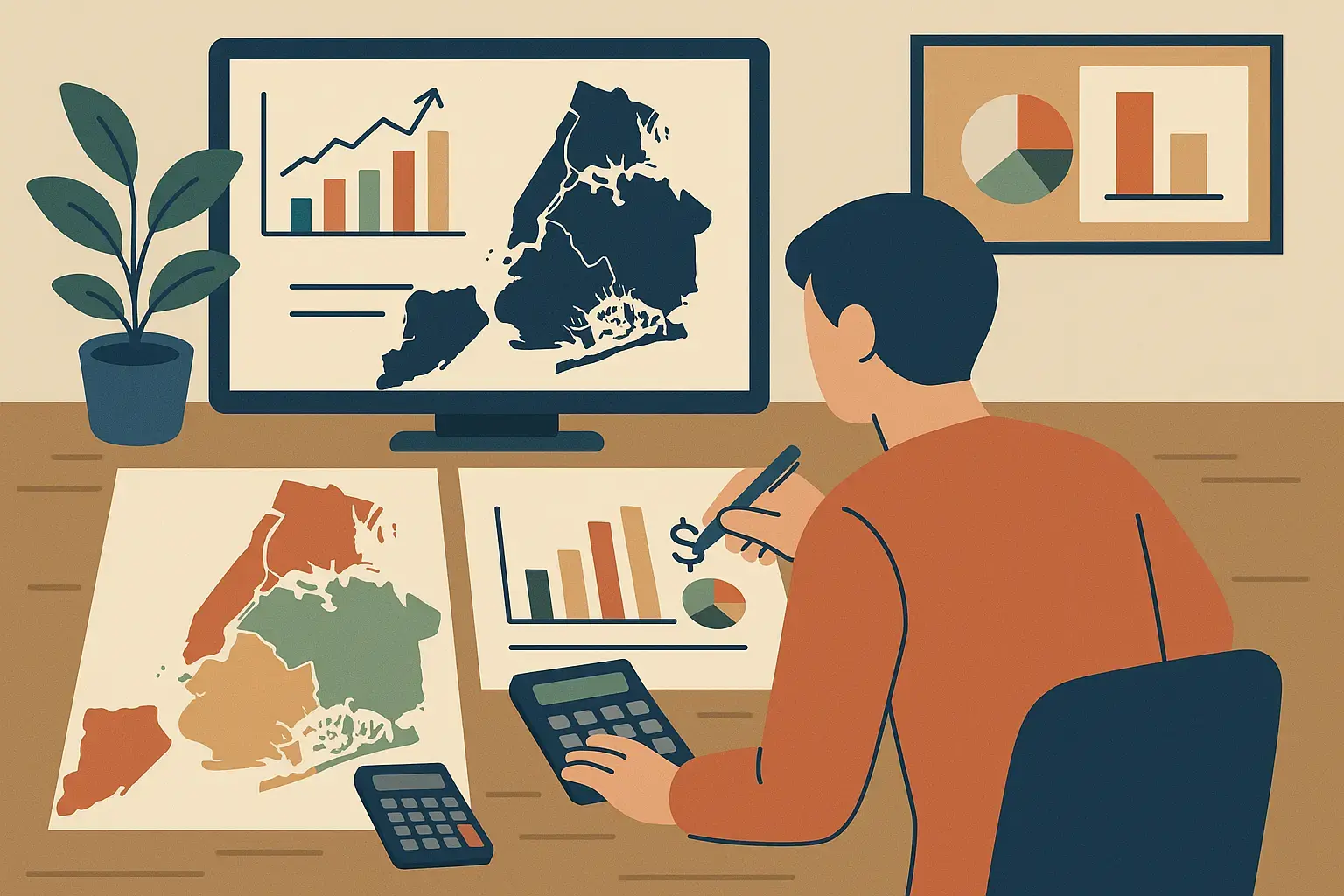
Every NYC neighborhood has its own pricing ecosystem that goes way beyond your monthly rent. These hidden expenses can easily add hundreds to your monthly costs, and they vary dramatically between areas. I learned this the hard way during my first year in Manhattan when I thought I was being so smart budgeting for rent, utilities, and groceries - but completely missed how every single purchase in Manhattan costs more.
Living in Manhattan means paying extra for literally everything. That quick lunch run? You're dropping $15 at the corner deli while your friend in Astoria grabs the same sandwich for $8. Need a ride somewhere? That'll be $25 minimum versus $12 from Queens.
The convenience tax hits hardest on daily stuff you don't think about. Your dry cleaning costs 40% more, your coffee runs $2 extra per cup, and grocery prices are just insane. I blew through an extra $600-700 monthly on these little purchases without even realizing it.
Here's the brutal math that I wish I'd done before moving to Manhattan:
|
Service |
Manhattan Cost |
Outer Borough Cost |
Monthly Impact |
|
Lunch (deli sandwich) |
$15 |
$8 |
$140 (20 workdays) |
|
Coffee (daily) |
$6 |
$4 |
$60 |
|
Dry Cleaning (weekly) |
$35 |
$25 |
$40 |
|
Uber/Taxi (2x weekly) |
$25 |
$12 |
$104 |
|
Grocery markup |
25% higher |
Baseline |
$80-120 |
|
Total Monthly Premium |
$424-464 |
That $424 monthly difference? That's basically a car payment's worth of extra costs just for living in Manhattan.
I thought I was being clever when I saw a $2,800 studio in Astoria versus a $3,200 room in Manhattan and figured I'd save $400 monthly. But that 45-minute commute each way? I was losing 7.5 hours weekly that I could have spent networking, working on side projects, or just having a life.
The mental exhaustion of cramming into packed trains twice daily is real. Your energy tanks, you stop going to after-work events because the commute home feels impossible, and you miss opportunities that could actually advance your career. That $400 "savings" disappeared when I calculated what I was losing.
Sarah's story hit close to home because I did the exact same math wrong. Sarah chose a $2,500 studio in Astoria over a $3,000 room in Manhattan, thinking she'd save $500 monthly. Her reality check: 90 minutes daily commuting meant 22.5 hours monthly of lost time. She missed 3 networking events monthly because she was exhausted, and turned down 2 freelance projects that required late Manhattan meetings. Her lost potential income? $800-1,200 monthly. Her "savings" actually cost her $300-700 monthly.
Different neighborhoods give you access to completely different professional networks and opportunities. Your zip code directly impacts your career through the people you randomly meet and the conversations you accidentally overhear. Traditional neighborhood guides completely miss this.
Dumbo isn't just pretty waterfront views - it's where Brooklyn's tech people hang out. You'll bump into startup founders at coffee shops, overhear funding conversations at bars, and naturally become part of the innovation community. That's career acceleration you can't get from weekend networking events.
Midtown South works the same way for advertising and media people. The concentration of agencies and production companies creates this incredible density of opportunity where your casual happy hour becomes business development.
When I moved to Dumbo three years ago, I thought I was just getting a cool apartment with Manhattan views. Within six months, I'd connected with two potential business partners, learned about three job opportunities, and gotten invited to industry events I never would have known about otherwise. Some neighborhoods just function as career accelerators.
West Village and Williamsburg aren't expensive just because they're trendy - they're expensive because they're full of ambitious, successful people. The concentration creates this multiplier effect where every social interaction might have professional value.
You're not just paying for an apartment; you're buying access to a community where your neighbor might become your business partner, your gym buddy could offer you a job, and your local bartender knows everyone in your industry.
My friend Jake moved to West Village and within a year had launched a consulting business purely through connections he made at his local coffee shop and gym. The rent was brutal, but the career ROI made it worthwhile.
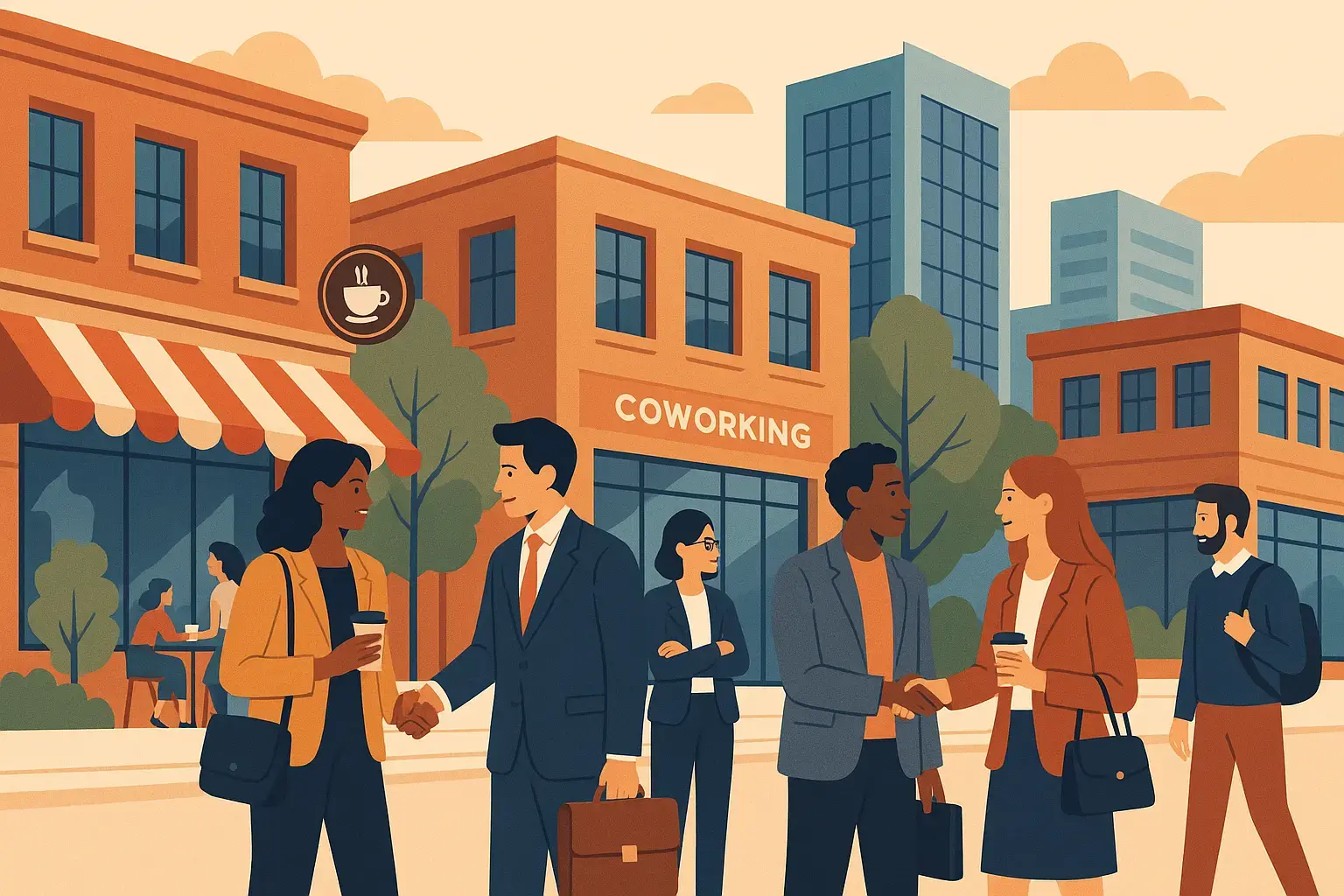
Your neighborhood choice doesn't just reflect your personality - it actively shapes who you become. I didn't realize this until I'd lived in a few different areas and noticed how differently I started thinking and acting. The physical and social environment of different NYC neighborhoods literally programs different versions of yourself.
Most people never consciously recognize this happening, but after bouncing around the city, I can tell you that each area conditions you for different approaches to life and work.
The pace and energy of NYC neighborhoods creates unconscious behavioral patterns that change how you think. From stress tolerance to decision-making speed, your daily environment literally rewires your nervous system.
Midtown Manhattan doesn't just feel fast-paced - it actually rewires your nervous system for constant stimulation and quick decisions. After six months there, you'll naturally operate at higher stress levels and expect immediate results from everything.
I experienced this firsthand living near Times Square for a year. My tolerance for waiting disappeared. I started making decisions faster, walking faster, and getting impatient with anything slow. It wasn't conscious - my environment was literally training my brain.
Queens residential neighborhoods do the opposite. They condition you for patience, relationship-building, and taking your time. You start valuing stability over excitement, community over competition. Neither approach is better or worse, but they create completely different people over time.
SoHo surrounds you with people who treat $200 dinners as normal Tuesday nights. You unconsciously start adopting their spending patterns, career expectations, and lifestyle standards. It's not peer pressure - it's environmental conditioning.
Astoria keeps you grounded in financial reality. Your neighbors are teachers, nurses, and small business owners who prioritize family dinners over networking events. You absorb their values around money and work-life balance.
The crazy part is how subtle this is. You don't wake up one day and decide to change your values. Instead, you gradually start making different choices because they feel normal in your new environment.
Each NYC neighborhood functions as a testing ground for different versions of yourself. Understanding this helps you choose environments that support your authentic growth rather than fighting against who you want to become.
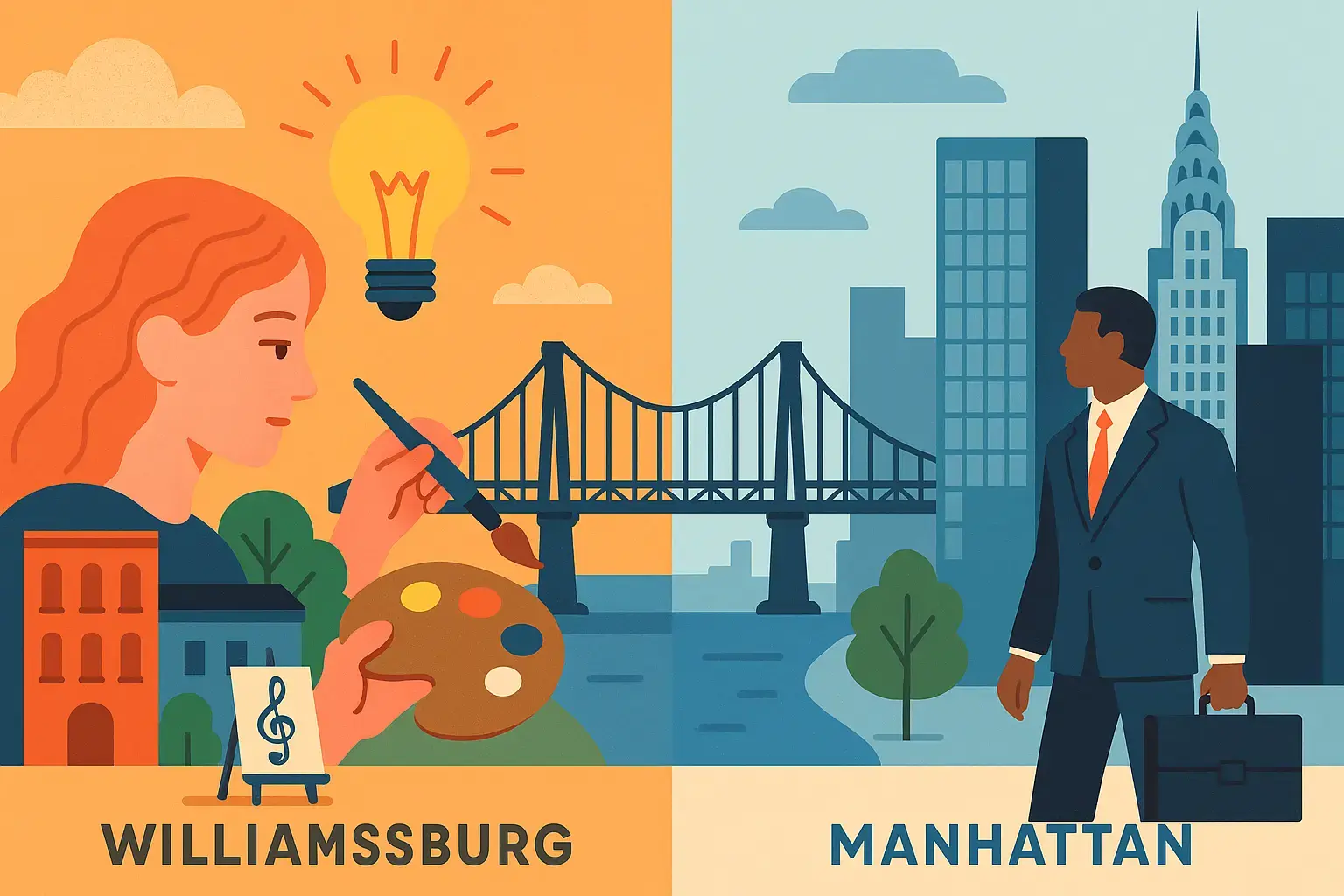
Williamsburg gives you permission to be weird, creative, and unconventional. The social pressure there rewards artistic risk-taking and alternative lifestyle choices. You'll find yourself more willing to pursue creative projects and question traditional career paths.
Tribeca pushes you toward conventional success markers. The social environment rewards financial achievement, prestigious job titles, and traditional milestones. You'll naturally start prioritizing career advancement and status symbols.
Marcus's Williamsburg transformation shows how dramatic these identity shifts can be. Marcus moved from the Upper East Side to Williamsburg and the psychological changes were wild. During months 1-3, he felt weird wearing business clothes and started dressing more casually. Months 4-6 brought art gallery openings and music events instead of finance networking. By months 7-12, he'd launched a creative side project and cared less about traditional career advancement. Within 18 months, he'd pivoted from investment banking to creative agency work.
The most successful NYC people I know understand that neighborhood choice is really about infrastructure - the entire ecosystem of services and systems that make your daily life work efficiently or drive you crazy.
Most people focus on apartment features while completely missing the infrastructure that determines whether living somewhere will be smooth or exhausting. I learned this lesson the hard way.
Different neighborhoods offer wildly different concentrations of essential services. Understanding this helps you choose areas that minimize daily friction and maximize your time for things that actually matter.
West Village and Park Slope aren't just charming - they're efficiency machines. When your gym, grocery store, pharmacy, and favorite restaurants are all within a 15-minute walk, you get back massive amounts of time weekly.
I'm talking about 8-12 hours that you'd otherwise spend traveling to basic services. That's time you can spend on career stuff, relationships, or just enjoying your life instead of managing it.
Here's how the time savings break down across different areas:
|
Neighborhood |
15-Min Walkable Services |
Weekly Time Saved |
Monthly Value* |
|
West Village |
Grocery, gym, pharmacy, restaurants, dry cleaning, bank |
10-12 hours |
$400-480 |
|
Park Slope |
Grocery, gym, pharmacy, restaurants, library, pediatrician |
8-10 hours |
$320-400 |
|
Williamsburg |
Grocery, gym, pharmacy, restaurants, coworking |
6-8 hours |
$240-320 |
|
Astoria |
Grocery, basic restaurants, pharmacy |
4-6 hours |
$160-240 |
|
LIC |
Limited walkable services |
2-3 hours |
$80-120 |
*Value calculated at $40/hour opportunity cost
15-Minute Neighborhood Checklist:
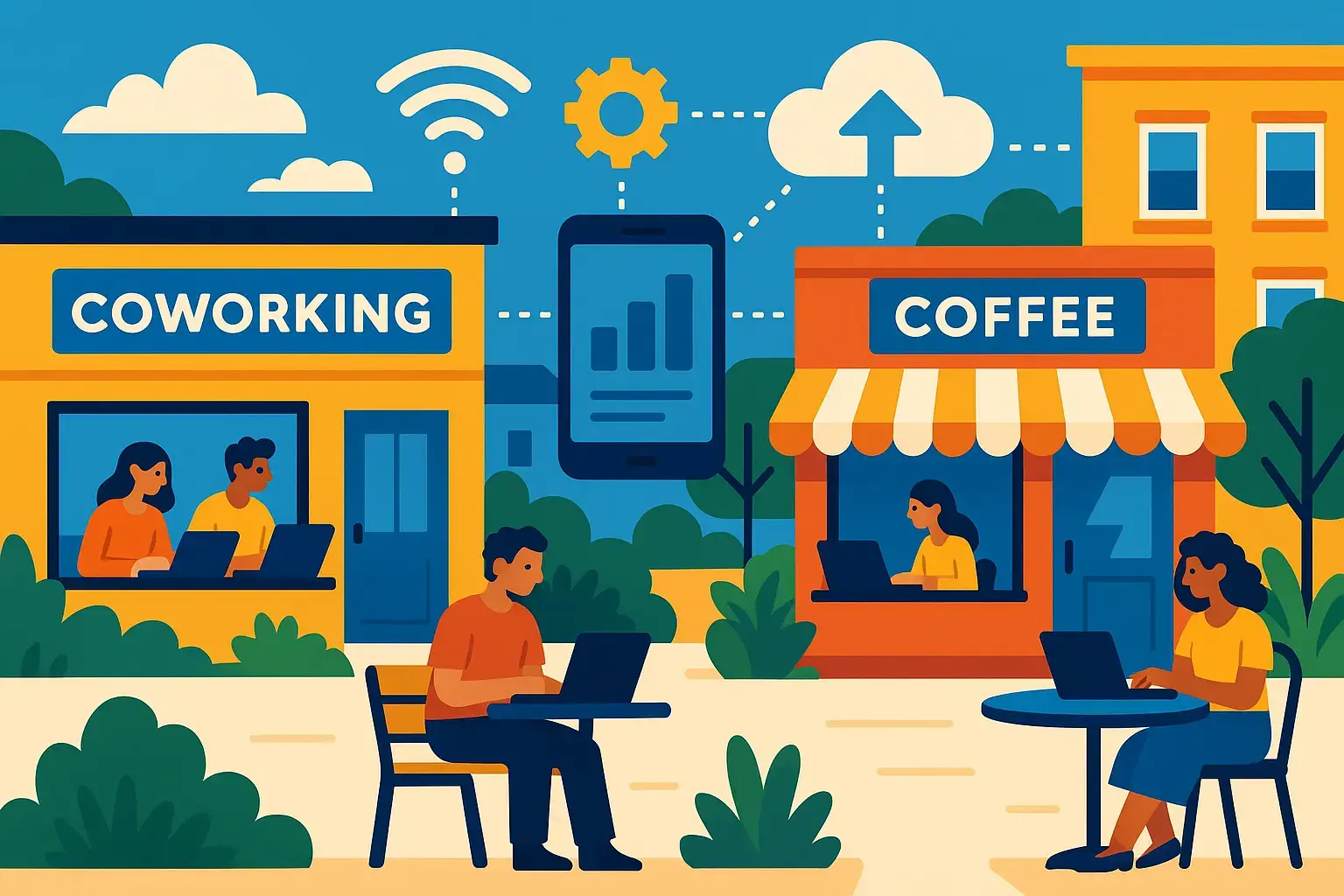
Fast internet is just the starting point now. What matters is the ecosystem around you - co working spaces for when you need to escape your apartment, coffee shops that welcome laptop workers, and tech meetups that happen naturally in certain neighborhoods.
Neighborhoods with lots of remote workers and entrepreneurs create this invisible support network. You'll find better coffee shops with reliable WiFi, more understanding of unconventional schedules, and natural collaboration opportunities.
I work remotely, and the difference between neighborhoods with strong digital infrastructure versus those without is night and day. In Dumbo, I have access to multiple coworking spaces, laptop-friendly coffee shops, and regular tech meetups. When I lived in a more residential part of Queens, I felt isolated and struggled to find productive work environments outside my apartment.
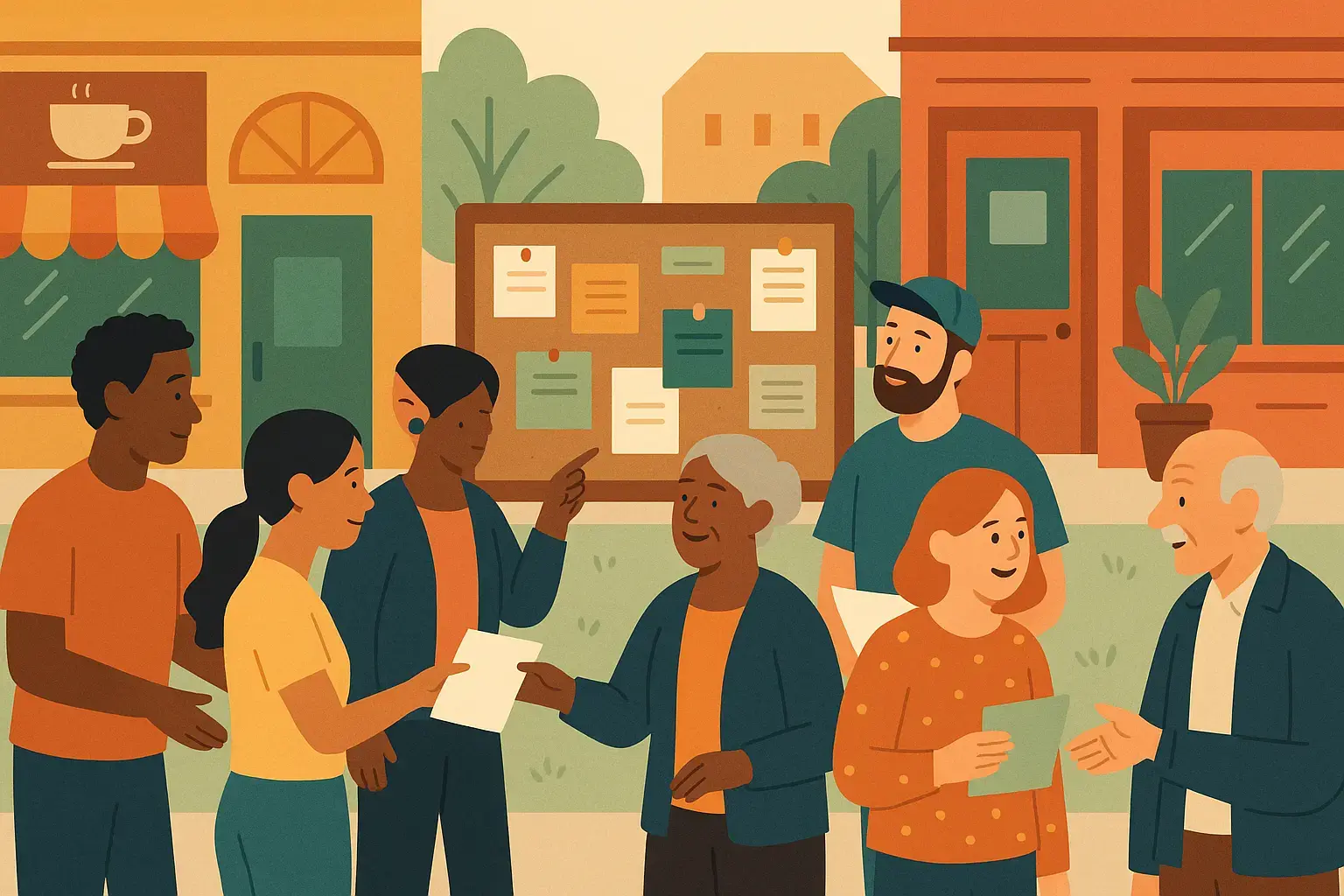
The most valuable thing about a neighborhood isn't amenities - it's access to people who can help you navigate NYC's complex systems. These local knowledge networks can save you months of figuring things out the hard way.
Active neighborhood Facebook groups are pure gold. These communities share everything from apartment hunting tips to restaurant recommendations to warnings about local issues. You're tapping into decades of collective NYC experience.
Long-term residents become your informal city guides. They know which subway entrances to avoid during rush hour, which local businesses give neighborhood discounts, and how to navigate city bureaucracy efficiently. This knowledge would take you years to accumulate on your own.
Steps to Access Community Intelligence:
When I moved to my current neighborhood, I joined the local Facebook group immediately. Within a week, I'd learned about a hidden speakeasy, found a reliable handyman, and gotten warned about package thefts. That kind of insider knowledge is invaluable.
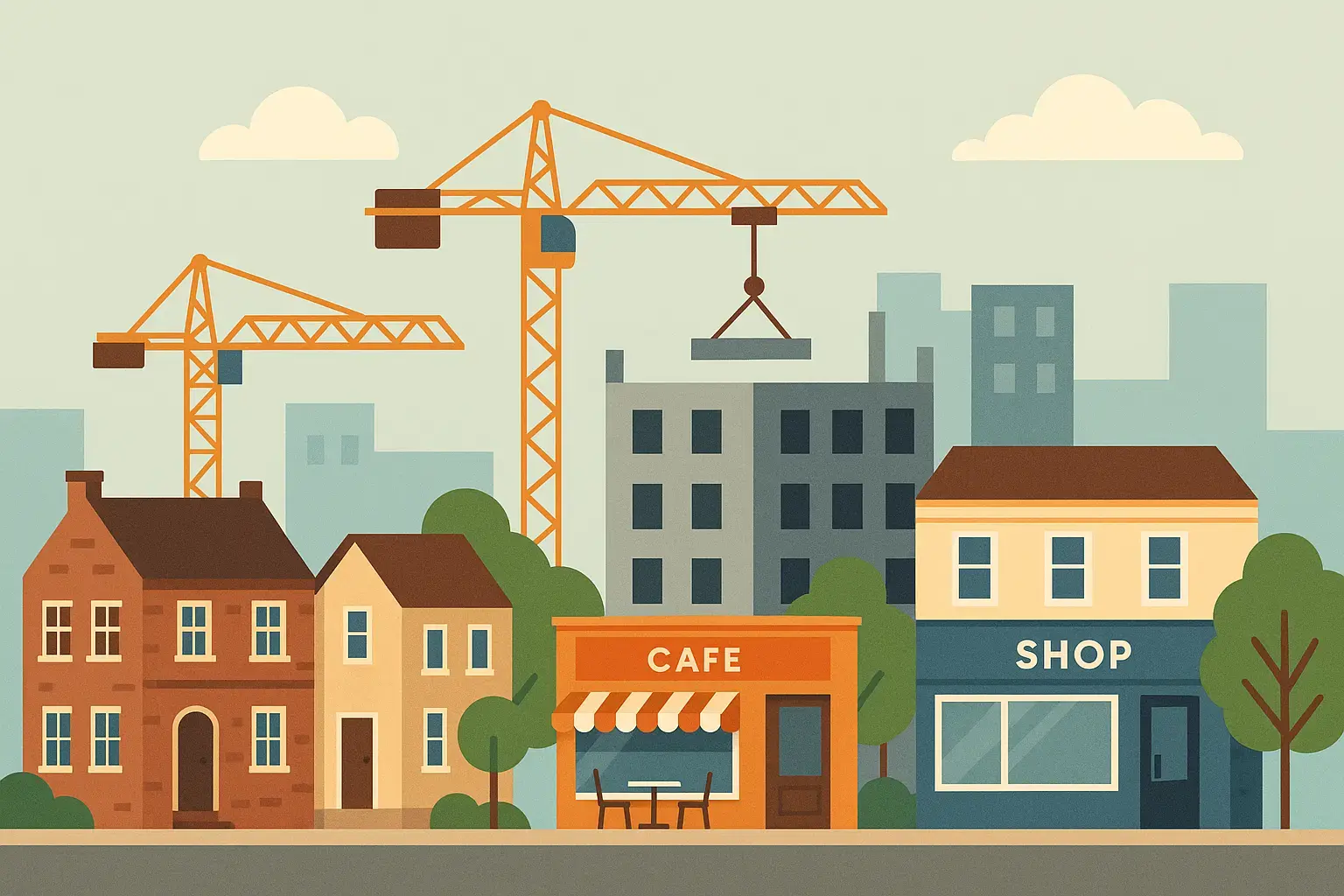
Smart neighborhood selection means looking at where areas are heading, not just where they are now. I've seen friends make choices that looked great in the moment but turned into disasters within a few years because they didn't consider long-term trends. On the flip side, I've watched other friends ride massive appreciation waves by understanding where neighborhoods were going before everyone else caught on.
Understanding where neighborhoods sit in NYC's continuous gentrification cycle lets you either ride appreciation waves or find authentic community before areas become unaffordable. You just need to be respectful about it.
Ridgewood, Queens is having its moment right now. You've got M train improvements, new coffee shops opening monthly, and young professionals discovering it's actually affordable. But it hasn't hit full gentrification mode yet.
Sunset Park, Brooklyn is another one to watch. The waterfront development, improving transportation, and growing artist community signal major changes coming. You can still find reasonable rent, but probably not for much longer.
Steps to Evaluate Gentrification Timing:
Jessica's Bushwick timing was perfect and shows what I'm talking about. Jessica identified Bushwick in 2018 as an early-stage opportunity by spotting key indicators: L train improvements were planned, 3 new coffee shops had opened, and art galleries were moving from Williamsburg. She signed a 2-year lease at $2,400 for a 1BR. By 2025, the same apartment type now rents for $3,200+, and the neighborhood is fully established. Her strategy involved moving to the next emerging area (Ridgewood) before Bushwick became unaffordable.
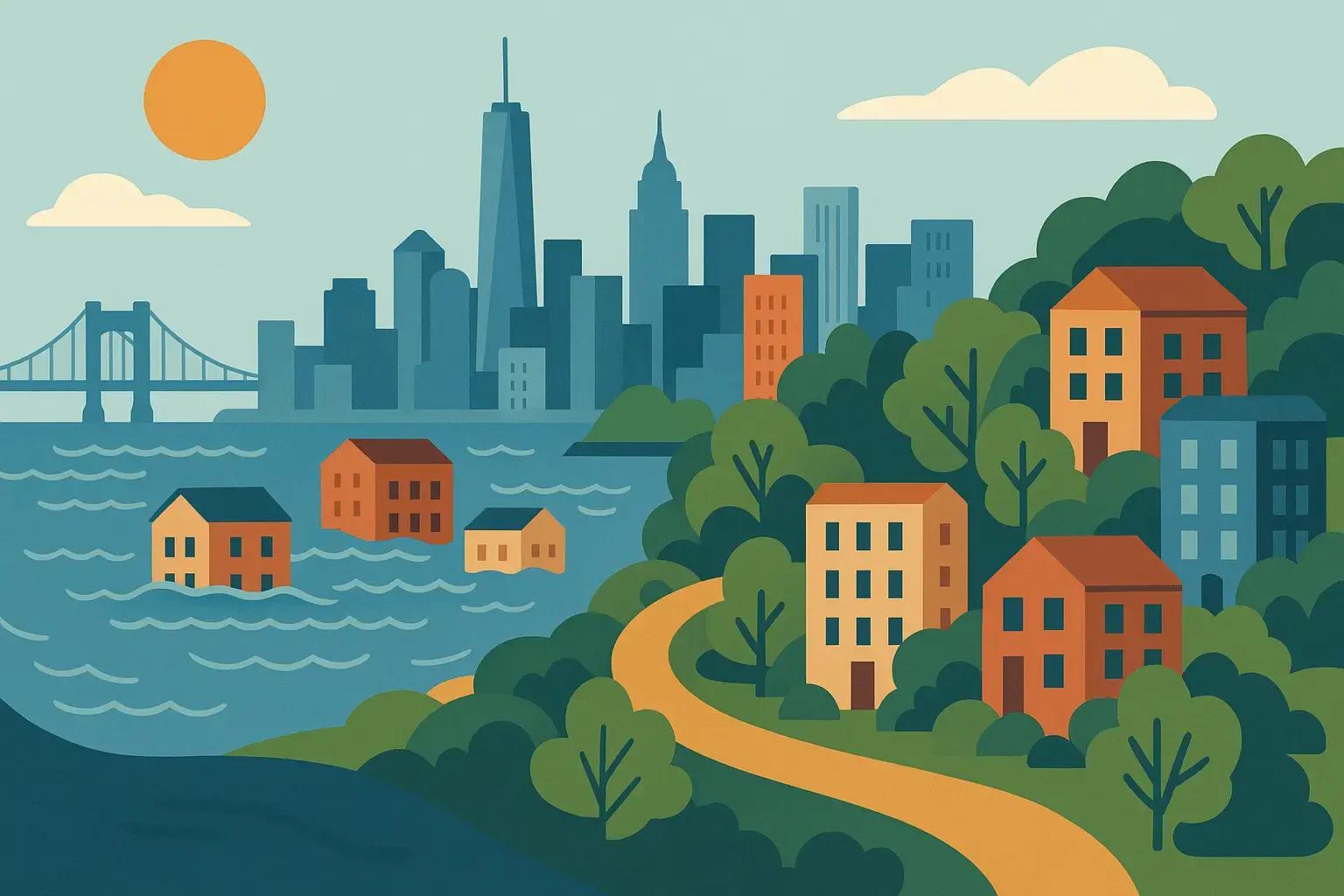
I know thinking about flooding sounds paranoid, but after watching friends deal with Hurricane Sandy aftermath, it's worth considering. With more extreme weather and aging infrastructure, some neighborhoods are going to become less livable over time.
Red Hook looks amazing on Instagram, but it's literally in a flood zone. Hurricane Sandy wasn't a one-time event - it's a preview of what's coming. Higher-elevation neighborhoods in Manhattan and Brooklyn will become increasingly valuable as climate risks get worse.
Long Island City's waterfront development boom looks impressive until you consider sea level rise projections. Those luxury towers might not seem so appealing when they're dealing with regular flooding in 10-15 years.
Maybe I'm overthinking this, but basements in flood-prone areas make me nervous now.
Climate Resilience Checklist:
I've started factoring climate resilience into every neighborhood decision. It might seem paranoid now, but extreme weather events are becoming more frequent and severe. Areas that seem desirable today could become unlivable or uninsurable within a decade.
Look, I'm still figuring this city out after 8 years. These are just the things I wish I'd known earlier - the mistakes I made and lessons I learned the expensive way.
Choosing the best neighborhoods in NYC isn't really about finding the perfect location. It's about understanding how different environments will shape your daily life, career path, and who you become as a person. The neighborhoods that look amazing on paper might drain your energy and budget, while areas you'd never considered could provide exactly the community and infrastructure you need to actually thrive here.
The key thing I keep coming back to is that your neighborhood choice is an investment in who you want to become, not just where you want to live. Whether you're trying to accelerate your career, find your creative community, or just build a stable life, the decision requires honest thinking about your priorities and goals.
This advice is pretty much written for single people in their 20s and 30s without kids - families have totally different priorities. And look, I know not everyone has the luxury of choosing between Manhattan and Brooklyn based on "networking opportunities." Sometimes you just need to find what you can afford, and that's completely valid.
Most importantly, no neighborhood choice is permanent. NYC is constantly changing, and so are you. The best approach is staying curious, remaining flexible, and choosing environments that support your growth rather than fighting against it. Your perfect NYC neighborhood might not exist yet - but understanding these dynamics will help you recognize it when it emerges.
If you're 22 and broke, ignore most of this and just find roommates you don't hate. But if you're in a position to choose, hopefully this helps you think about the right questions instead of just scrolling through StreetEasy and hoping for the best.

Household supplies can be changed or decreaased at Outpost Club’s discretion, or based on supply availability. Outpost is not responsible for temporary losses of utility service. Outpost Club is not responsible for any damages due to absence of any supplies or utilities


If you have a sales related question please call
680-688-7678

 Hot Deals