Tips for Moving to NYC: The Complete Insider's Guide to Making Your Big Apple Dreams Reality
Dec 3, 2025

Dec 3, 2025
Three years ago, I stepped off the bus at Port Authority with two suitcases and a dream that felt way bigger than my bank account. Like most people planning their move to NYC, I thought I had it all figured out. Spoiler alert: I didn't. But after helping dozens of friends navigate their own moves to the city, I've learned what actually works versus what sounds good on paper.
The numbers tell an interesting story too. In 2023, New York state welcomed 302,835 new residents, reflecting a 0.46% increase from the previous year, proving that despite all the horror stories about rent and tiny apartments, people keep coming here. Whether you're chasing Wall Street dreams, hoping to make it on Broadway, or just want to experience the buzz that never stops, success comes down to knowing what you're getting into and preparing for the reality, not the Instagram version.
I've watched friends thrive here and others pack up after six months. The difference isn't luck or having rich parents (though that doesn't hurt). It's about realistic expectations, smart preparation, and understanding that this city rewards the stubborn and adaptable.
Moving to NYC successfully is all about the prep work you do months before you actually get here. We'll walk you through understanding the city's neighborhoods (spoiler: Manhattan isn't always the answer), developing a smart apartment hunting strategy, and creating a budget that won't leave you eating ramen on your fire escape. This groundwork prevents the costly mistakes that send people running back home after three months.
Each borough has its own personality, and picking the wrong one can make or break your entire NYC experience. Manhattan might seem like the obvious choice, but it's rarely the smartest one for your wallet or your sanity.
I've watched countless friends blow their entire budget on a Manhattan shoebox, only to realize they could have gotten twice the space in Brooklyn with a 15-minute commute. The trick is understanding what each borough actually offers beyond what you see in movies.
|
Borough |
Median Rent |
Commute to Midtown |
Best For |
Key Neighborhoods |
|
Manhattan |
$3,500+ |
0-20 min |
Career focus, nightlife |
UWS, UES, SoHo, Chelsea |
|
Brooklyn |
$2,800 |
15-35 min |
Balance of space/access |
Williamsburg, Park Slope, DUMBO |
|
Queens |
$2,200 |
25-45 min |
Value, diversity |
Astoria, LIC, Forest Hills |
|
Bronx |
$1,800 |
30-50 min |
Affordability |
Riverdale, South Bronx |
|
Staten Island |
$1,600 |
45-75 min |
Suburban feel |
St. George, Tottenville |
Brooklyn has become the go-to choice for people who want to actually enjoy their living space. For those exploring Brooklyn options, our guide to coolest neighborhoods in Brooklyn breaks down where to live, explore, and feel at home. Williamsburg puts you 15 minutes from Manhattan while giving you room to breathe. Park Slope offers tree-lined streets and a community vibe that's rare in the city. DUMBO gives you those Instagram-worthy waterfront views with a reasonable commute to downtown.
Queens is NYC's best-kept secret for getting the most bang for your buck. Astoria delivers incredible Greek food and a 30-minute commute to Midtown for half the price of comparable Manhattan places. Long Island City offers those luxury high-rises with Manhattan skyline views at Brooklyn prices.
Don't write off the Bronx and Staten Island if budget is your main concern. The Bronx's Riverdale feels almost suburban while keeping you connected to the subway. Staten Island requires ferry commutes but gives you the most space if you're thinking about starting a family.
Which matters more to you: being able to walk to work or having space to actually live?
Finding an apartment in NYC feels like applying to Harvard while blindfolded. I've seen grown adults cry after their fifth rejection in a week, and honestly, I get it.
Here's what nobody tells you: landlords aren't just picky – they're terrified. They've been burned by tenants who looked great on paper but couldn't actually afford the rent. So they've created this insane system where you need to prove you're basically financial royalty just to rent a studio.
Most landlords require that your annual income be 40 times greater than the monthly rent. So if you're eyeing a $2,000 apartment, you better be making at least $80,000. Don't have rich parents to co-sign? You'll need even more income or a bigger security deposit.
What Actually Happened When I Apartment Hunted:
My friend Lisa spent two months getting rejected before she figured out the system. She was making $75,000 and applying for $2,200 apartments – technically she qualified, but barely. Once she dropped her budget to $1,800, she had three offers in one weekend. I started looking in February for a May move-in, saw 15 apartments that were either overpriced or falling apart (sometimes both), and finally found a decent one-bedroom in Astoria for $2,100. The broker fee alone was another $2,100. First month, security deposit, broker fee – I handed over $6,300 just to get the keys.
Timing your search can save you thousands. October through March offers the best deals because college students leave and fewer people want to move in cold weather. Summer brings crazy pricing and bidding wars over mediocre apartments.
If you're looking for alternatives to traditional apartment hunting, consider exploring shared apartments in New York which can cut your upfront costs significantly and give you instant community connections.
Broker fees add another month's rent to your upfront costs in many cases. Some buildings offer no-fee apartments, but they're rare and super competitive. Budget for first month, last month, security deposit, and broker fee – often totaling $8,000-$12,000 for a $2,500 apartment.
Remember how I said rent was just the beginning? Yeah, about that...
Your $2,500 apartment quickly becomes a $3,500 monthly reality when you add everything else. And I mean everything – the city nickels and dimes you in ways you never imagined.
With a cost-of-living index of 125.1, New York ranks as the fourth most expensive state, and trust me, you'll feel every point of that index in your wallet.
My Monthly Reality Check:
Groceries will shock you. I once paid $12 for a bag of grapes at the corner store because I was too lazy to walk to the real supermarket. Don't be me. Find a Trader Joe's, make friends with someone who has a car for Costco runs, or learn to love the outer borough grocery stores.
Transportation costs go way beyond your $127 monthly MetroCard. Late nights mean $20-30 Uber rides home. Weekend trips to see friends in other boroughs add up. Citi Bike memberships ($179 annually) become essential for short trips.
Laundry becomes this weird budgeting category you never had before. Most buildings don't have in-unit washers, so you're looking at $4-6 per load at the laundromat. Or you can pay extra for wash-and-fold service, which feels luxurious until you realize you're spending $40 a week on clean underwear.
The utilities surprise nobody warns you about: Old buildings with radiator heat might include utilities, which sounds great until you realize you have no control over the temperature. You'll be opening windows in January because your apartment is 85 degrees.

The actual move to NYC is where a lot of people's plans fall apart. This isn't like moving between suburbs – you're dealing with narrow streets, building restrictions, and parking nightmares that regular moving companies have never seen. We'll walk you through choosing movers who won't break your stuff or your budget, timing your move to avoid the chaos, and handling all the logistics that separate a smooth transition from a complete disaster.
This is where I made my biggest mistake. I hired the cheapest movers I could find on Craigslist. They showed up three hours late, broke my TV, and tried to charge me extra for stairs. Learn from my pain.
NYC moving companies deal with stuff regular movers have never seen. Like buildings that require insurance certificates, elevator reservations, and specific moving windows. My current building only allows moves between 9 AM and 4 PM on weekdays. Try explaining that to your boss.
Recent moving industry developments highlight why choosing legitimate companies matters. "DCWP says moving issues top the list of complaints every month," according to NYC's Consumer and Worker Protection Commissioner, making thorough research essential for your move.
Building requirements can derail your entire moving day. Many buildings require certificate of insurance from your moving company, advance elevator reservations, and specific moving hours. Some luxury buildings charge additional fees for moving services.
For detailed cost breakdowns and insider tips, check out our comprehensive guide on what NYC movers really cost and how to avoid getting ripped off before booking your moving company.
The parking permit thing is real and will cost you if you forget. The Department of Transportation requires 3-10 days advance notice for temporary parking permits. Costs range from $25-100 daily depending on location and duration. Midtown Manhattan commands premium permit pricing.
What Actually Happened: My friend Mike hired Roadway Moving after I recommended them (post-disaster). They handled all the building paperwork, showed up exactly on time with GPS tracking, and finished his move in six hours without breaking anything. Cost more than my Craigslist guys, but worth every penny when you factor in the stress and broken stuff.
Questions to ask before hiring movers:
Don't just go with the lowest bid. Ask yourself: is saving $200 worth the risk of your stuff getting damaged or lost?
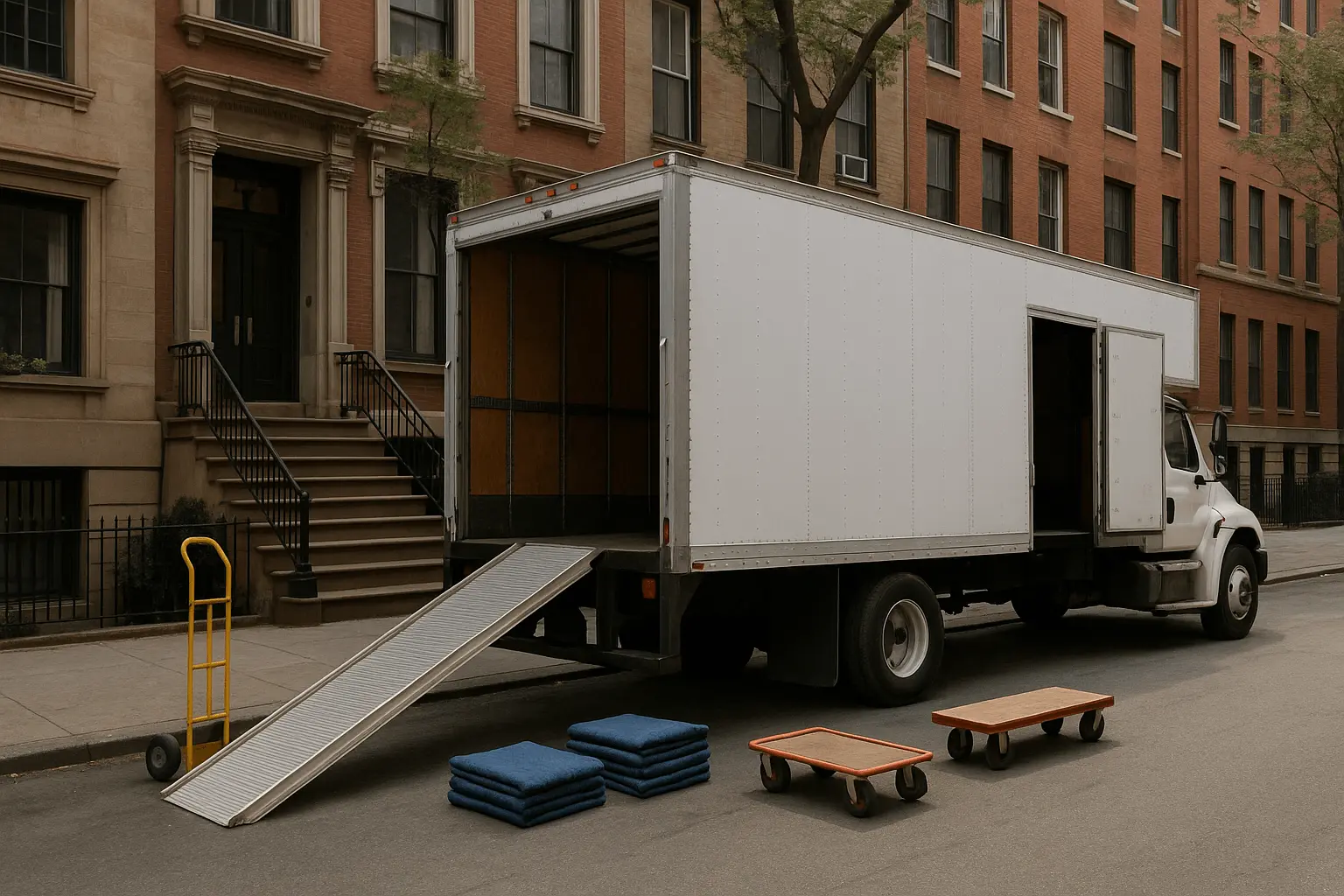
I moved in July like an idiot. Peak moving season, peak prices, peak everything. The same move would have cost 40% less in February, but I didn't know that then.
Here's what I wish someone had told me:
Summer moves are expensive because everyone's doing them. College kids, families, people who don't want to deal with winter weather. If you can swing a winter move, you'll save serious money and have way more apartment options.
Mid-week moves cost less than weekend moves, but you'll need to take time off work. Most buildings prefer weekday moves anyway because they're less disruptive to other residents. End-of-month moves are chaos because most leases expire on the 31st. If you can move mid-month, you'll have better availability and less competition for moving trucks.
Your first weeks in NYC determine how quickly you'll feel at home instead of like a tourist who's overstaying their welcome. From handling the bureaucratic stuff that actually has deadlines to building the social connections that make this overwhelming city feel manageable, this phase sets you up for long-term success. We'll cover the paperwork you can't ignore and the community-building strategies that turn NYC from a scary metropolis into your neighborhood.
Boring Paperwork That Actually Matters
The bureaucracy hits you fast. Some of this stuff has actual deadlines with real penalties, so don't procrastinate like I did.
NYC New Resident Checklist:
I spent my first week without internet because I thought I could just show up and get it installed. Turns out, you need to schedule installation weeks in advance. Spent a fortune on phone data while working from coffee shops.
Voter registration must happen within 25 days of establishing residency. NYC elections actually matter for your daily life through housing policies, transportation funding, and local services. Register online or at any DMV office with proof of address.
Driver's license updates carry a 30-day deadline to avoid fines. Even if you don't plan to drive regularly, keeping a valid license helps with ID requirements and potential car rentals. The DMV accepts utility bills or lease agreements as proof of residency.
Banking matters more than you think. Chase and Citi have ATMs everywhere, which saves you from $3 fees every time you need cash. And you'll need cash more than you expect – some places still don't take cards, and tipping culture is strong here.
The IDNYC thing is actually worth doing. Free city ID that gets you discounts at museums and cultural stuff. Plus it's backup identification if you lose your wallet (which will happen at least once).
This was my biggest challenge. You're surrounded by millions of people but can feel completely alone. The paradox is real.
NYC's social landscape has evolved, with many newcomers finding success through intentional community building. "One of the things I wish I knew before moving to New York is just how worth every sacrifice it is," shares longtime resident Katelyn Sailor, emphasizing that "those minor inconveniences pale in comparison to the magic life New York brings".
What actually worked for me:
I joined a volleyball league through NYC Social Sports. Terrible at volleyball, but made three good friends who showed me around the city. Sometimes you just need people to grab drinks with after a rough day.
Professional networking accelerates both career growth and social connections. Industry-specific meetups happen nightly across the city. Eventbrite and Meetup.com list hundreds of professional gatherings monthly. Some are genuinely helpful for networking, others feel like awkward speed dating. Try a few different ones to find your vibe.
For those seeking ready-made communities, explore communal living spaces in NYC that provide instant social connections and shared experiences with like-minded individuals.
The neighborhood thing is huge. I started going to the same coffee shop every morning, same bodega for late-night snacks. After a few weeks, people recognized me. The coffee shop guy started making my order before I asked. Small stuff, but it made the city feel smaller.
Volunteer work connected me with people who cared about the same stuff I did. Less transactional than networking events, more meaningful than random social activities. Community boards meet monthly and welcome new residents. Local Facebook groups share everything from restaurant recommendations to apartment sublets.
Real talk: It takes time. Like, longer than you think. I didn't feel truly settled until month eight, and that was with actively trying to meet people. Be patient with yourself.

NYC rewards preparation and punishes improvisation. I learned this after showing up to three different grocery stores that were inexplicably closed on random weekdays.
Map out your essentials within a 10-minute walk:
Building relationships with local business owners often leads to better service and insider recommendations. I'm not kidding when I say the guy at my corner deli saved my life during Hurricane Sandy. Get to know your neighbors – they become your NYC family.
The delivery apps will bankrupt you if you're not careful. Yes, it's amazing that you can get literally anything delivered at 2 AM. No, you shouldn't order $15 worth of food with $8 in delivery fees and tip three times a week.
My routine that actually works:
The subway will betray you. Weekend service changes, random delays, mysterious announcements nobody understands. Have a backup plan, always.
Solo moves to NYC require extra layers of planning that couples or groups naturally provide for each other. From researching neighborhood safety to building emergency support networks from scratch, moving alone means taking additional precautions while also embracing the independence that comes with starting fresh. We'll address the unique challenges and opportunities that come with making this major life change on your own.
Moving alone means you can't rely on someone else to walk you home or split an Uber when the subway's not running. Safety research becomes non-negotiable.
I spent hours walking around potential neighborhoods at different times of day. Crime stats only tell part of the story – you need to feel comfortable walking home at 11 PM after drinks with coworkers.
What I looked for:
The doorman building thing is real. Yeah, it costs more, but having someone who knows you're supposed to be there provides peace of mind. Plus they accept packages, which is a lifesaver when everything gets delivered. Buildings with video intercoms, secure package rooms, and well-maintained lobbies indicate management attention to resident safety.
Safety research is crucial when moving solo - our detailed analysis of Bed-Stuy safety guide shows why this Brooklyn neighborhood feels like home for many solo residents.
Trust your gut. If a neighborhood feels off during your afternoon visit, it's probably not going to feel better at midnight. Don't talk yourself into somewhere that makes you uncomfortable just because the rent is good.

Living alone in a new city means building your own safety net from scratch.
My emergency contact strategy:
The neighbor thing paid off when I got food poisoning and needed someone to grab medicine from the pharmacy. Having people who can check on you or accept deliveries makes a huge difference.
Keep these numbers handy:
Regular check-ins with people outside the city helped with homesickness and provided accountability. My mom knew something was wrong when I missed our Sunday call, and she actually called my neighbor to check on me.
NYC operates by unwritten rules and cultural norms that can make or break your daily experience. From mastering the subway system's quirks to understanding the city's direct communication style, cultural fluency determines whether you'll thrive or just survive. We'll decode the transportation network, social etiquette, and professional culture that separate tourists from real New Yorkers.
The subway map is a lie. Not literally, but it doesn't show you that the 6 train turns into a sardine can during rush hour, or that the L train has a personality disorder on weekends.
New York City's Metropolitan Transit Authority (MTA) manages more buses and commuter rail cars than all other cities combined, making it essential to understand how this massive system actually works in your favor.
What the tourist guides don't tell you:
Express trains are faster but don't run as frequently. Sometimes taking the local is actually quicker, especially during off-peak hours. Weekend service is chaos. The MTA posts service changes, but they're often wrong or incomplete. Follow @NYCTSubway on Twitter for real-time updates that might actually be accurate.
My transportation reality:
The walking culture has rules. Stay right on sidewalks, especially near subway entrances. Don't stop suddenly to check your phone – step aside first. Walk with purpose and confidence, even when you're lost. Tourists walk slow and randomly – don't be that person.
Pro tip: Download multiple subway apps. Citymapper is great for route planning, but the official MTA app has better real-time updates. Having options saves you when one app crashes or gives wrong info.
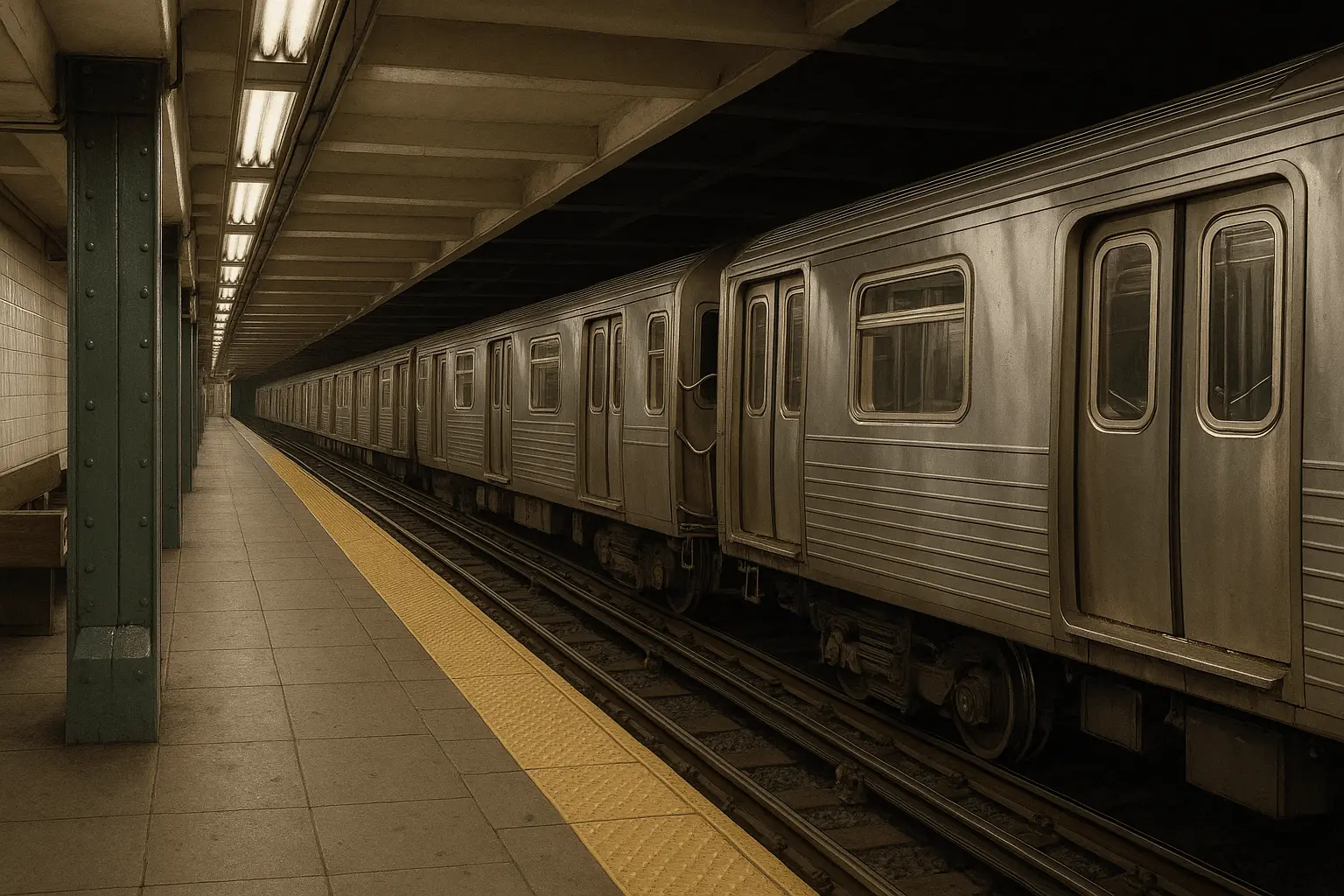
New Yorkers aren't rude – we're efficient. Once I understood this, everything made more sense.
The real NYC social code:
Networking events taught me: Have a clear, concise introduction ready. "I'm Sarah, I work in marketing for tech startups" works better than a five-minute life story. Follow up within 48 hours or don't bother following up at all.
Personal space becomes precious in crowded environments. Avoid unnecessary physical contact on subways and sidewalks. Remove backpacks on crowded trains. Keep phone conversations brief and quiet in public spaces.
Restaurant etiquette: Be ready to order when the server approaches. Lingering over menus during busy times marks you as a tourist. Tipping is 20% minimum – this isn't negotiable.
Have you noticed how different cities have their own social rhythms and unspoken rules?
|
NYC Etiquette Situation |
Do This |
Don't Do This |
|
Subway Platform |
Stand right, walk left |
Block the doors |
|
Crosswalk |
Walk quickly with purpose |
Stop in the middle |
|
Restaurant |
Be ready to order |
Linger over menus |
|
Networking Event |
Have a clear introduction |
Monopolize conversations |
|
Building Elevator |
Hold door briefly |
Hold extended conversations |
Trust me, after your first successful navigation of the subway during rush hour, you'll feel like you can conquer anything.
Moving beyond survival mode in NYC requires thinking strategically about career advancement, financial optimization, and actually enjoying what the city offers. The opportunities here are insane, but maximizing them demands understanding local business culture, salary negotiation tactics, and cost-saving strategies that actually work. We'll explore how to leverage NYC's advantages while building sustainable financial habits that let you thrive instead of just survive.
The career opportunities here are insane, but you have to be strategic about it. Networking isn't optional – it's how things get done.
The median wage for a private sector job in New York City is $116,738, with Finance & Insurance workers averaging $372,575 in earnings per year, demonstrating the city's potential when you position yourself strategically.
Industry clusters are real. Finance people live and breathe Wall Street culture. Tech folks gravitate toward Silicon Alley meetups. Media professionals know which bars writers hang out at after work. Find your tribe and show up consistently.
Salary negotiation hits different here. Yes, salaries are higher, but so is everything else. Don't just look at the base salary – negotiate for pre-tax transit benefits (up to $280 monthly), flexible work arrangements that reduce commuting costs, and professional development funds. Some companies offer gym memberships, meal stipends, or housing assistance for new hires.
My side hustle reality: Almost everyone has one. I tutored kids in math on weekends, which paid for my social life. Other friends freelance consult, drive for Uber, or sell stuff on Etsy. Side income isn't just helpful – it's often necessary.
The professional culture moves fast. Decisions happen quickly, opportunities appear and disappear overnight, and your network determines your next job more than your resume. Stay visible, stay connected, and always be ready for the next thing.

Smart money management is the difference between surviving and thriving here.
Tax reality check: You'll pay federal, state, and city taxes. It hurts. But you can deduct moving expenses, contribute to pre-tax transit accounts, and take advantage of various city programs. Get a good accountant – it pays for itself.
Understanding the full financial picture is essential - our comprehensive breakdown of the real cost of living in NYC reveals hidden expenses that nobody tells you about before making the move.
My cost-saving strategies that actually work:
NYC Budget Optimization Case Study:
My friend Jennifer, a teacher earning $65,000, reduced her monthly expenses by $400 through strategic choices: shopping at Trader Joe's instead of Whole Foods (-$150), using Citi Bike instead of taxis (-$80), attending free museum days (-$50), cooking 4 nights weekly instead of ordering out (-$120). These savings allowed her to build an emergency fund while actually enjoying the city.
The housing cost optimization game: Rent-stabilized apartments are gold if you plan to stay long-term. Roommates in larger apartments often cost less per person than studios. Outer borough locations with express train access save serious money.
For budget-conscious newcomers, exploring affordable neighborhoods in NYC reveals underground housing secrets that nobody talks about.
Investment opportunities: Higher salaries mean you can max out retirement contributions faster. Real estate investment trusts focused on NYC properties let you invest in the market you know. Some people invest in local businesses or startups.
Budget tracking becomes essential. I use Mint to track spending because it's easy to lose track when everything costs more. Set up automatic transfers to savings – if you wait until the end of the month, there won't be anything left.
The city rewards financial discipline and punishes impulse spending. Those $15 cocktails and $25 entrees add up fast. But when you find your rhythm and build good habits, you can actually save money while enjoying everything NYC offers.

At Outpost, we get it – finding your community in a new city is everything. While we focus on connecting golf enthusiasts through premier course access and curated experiences, we know that having your people makes all the difference. If you're a golfer making the move to NYC, our concierge services can help you discover the best courses around the tri-state area and connect with members who share your passion.
Ready to elevate your golf game in NYC? Join Outpost today and discover how our community can make your new city adventure even better.
Moving to NYC is probably the hardest thing I've ever done, and also the best. The city doesn't care about your feelings or your budget – it just is what it is. But if you can figure out how to make it work, there's nowhere else like it.
Every person who's thrived here started exactly where you are now. Overwhelmed, underprepared, and probably questioning their sanity. The difference between people who make it and those who don't isn't money or connections – it's stubbornness and adaptability. You have to be stubborn enough to stick it out when your first apartment has mice and your commute makes you question all your life choices. But adaptable enough to change your plans when something isn't working.
I still remember my lowest point – month three, sitting on my fire escape eating ramen because I'd blown my budget on overpriced everything, wondering if I'd made a huge mistake. But I also remember month six, when I finally found my rhythm and realized I was living in the most incredible city in the world.
The truth is, NYC will test you in ways you didn't expect. Your patience, your budget, your social skills, your ability to navigate chaos while maintaining some semblance of sanity. But it will also reward you with opportunities, experiences, and friendships that you literally cannot get anywhere else.
Don't expect to fall in love with the city immediately. It's more like a complicated relationship that takes time to develop. Some days you'll hate it. Some days you'll wonder why you pay $3,000 for a shoebox apartment. But then you'll have one of those perfect NYC moments – maybe it's stumbling onto an amazing street fair, or having a great conversation with a stranger on the subway, or just walking through Central Park on a perfect fall day – and you'll remember why you moved here in the first place.
Your NYC story starts the day you sign that first lease, but it really begins when you stop feeling like a visitor and start contributing to the city's energy. For some people that happens in six months, for others it takes two years. There's no timeline for feeling like a New Yorker – you just wake up one day and realize you belong here.
The city will change you, probably in ways you don't expect. You'll walk faster, talk more directly, and develop opinions about things you never thought about before (like which bodega has the best coffee or why anyone would live in New Jersey). You'll also develop a resilience and confidence that comes from making it in one of the world's toughest cities.
So yeah, it's going to be hard. Your first year will probably involve some crying, definitely some financial stress, and absolutely some moments where you question everything. But if you can make it through that adjustment period, if you can find your people and your rhythm, you'll join the ranks of people who can't imagine living anywhere else.
Welcome to New York. Try not to let it break you – and definitely don't let it change you too much. The city needs people who bring something new to the mix, not just more people trying to fit in.
Now stop reading about it and start planning. Those apartments aren't going to view themselves.

Household supplies can be changed or decreaased at Outpost Club’s discretion, or based on supply availability. Outpost is not responsible for temporary losses of utility service. Outpost Club is not responsible for any damages due to absence of any supplies or utilities


If you have a sales related question please call
680-688-7678

 Hot Deals