What College is in Spokane Washington: Your Complete Guide to Higher Education Options in the Inland Northwest
Dec 5, 2025
Dec 5, 2025
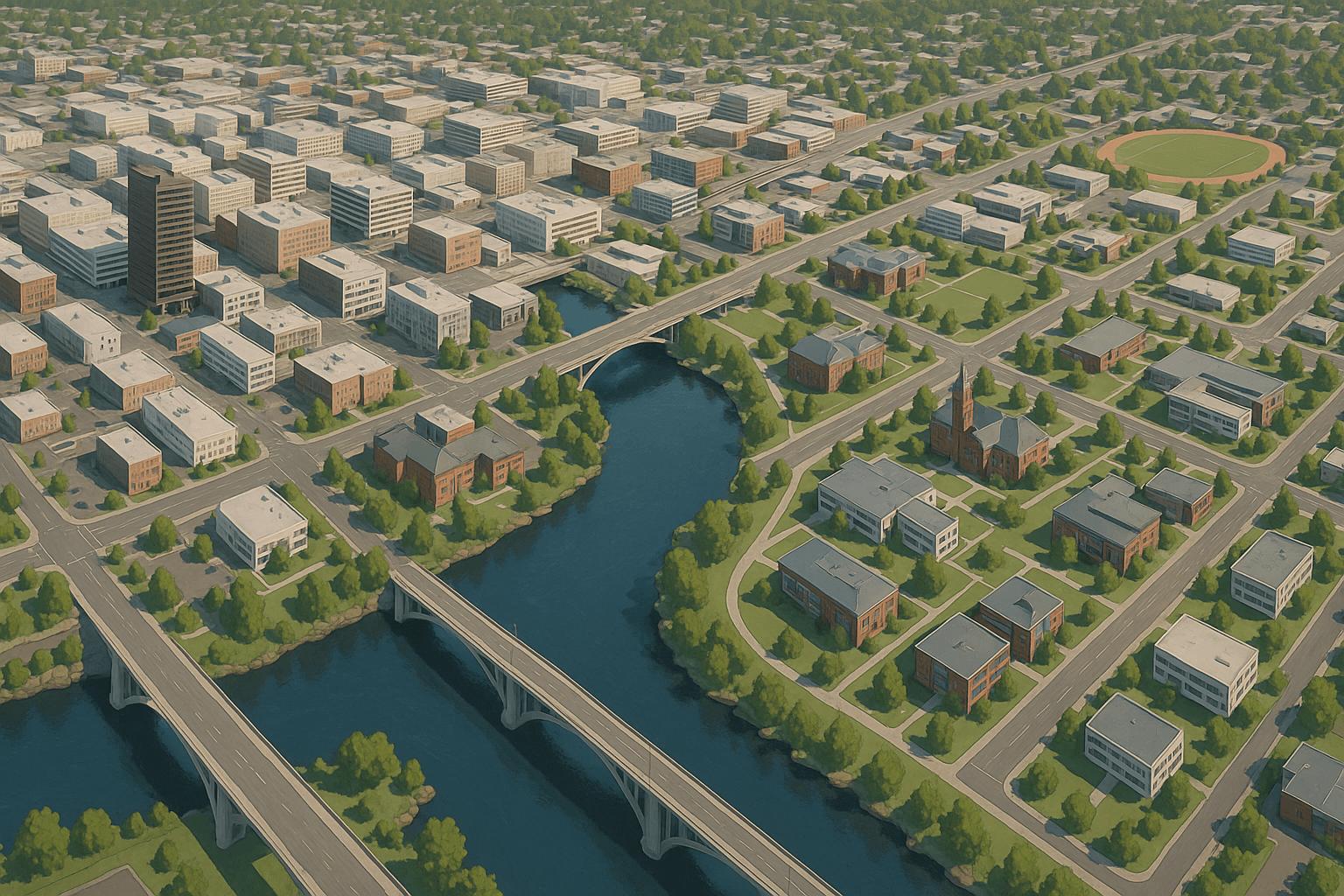
Look, when people ask me about colleges in Spokane, I always tell them they're in for a pleasant surprise. This city has way more going on academically than most folks realize. You've got about 20,000 students spread across more than 40 schools in the region according to Spokane Valley government data, and honestly? Each place has its own vibe.
Here's what's cool about Spokane's location - you're pulling in kids from all over Eastern Washington, Northern Idaho, and even Montana. It's like this natural meeting point that nobody really talks about, but it works. The schools here don't really compete with each other because they're all doing completely different things.
So what college is in Spokane Washington? Well, you've got options. WSU Spokane is all about health sciences - think doctors, nurses, pharmacists. Gonzaga? That's your classic liberal arts school that happens to be crazy good at basketball. And Whitworth is the Christian college that actually takes the faith part seriously.
What I love about this setup is that the schools complement each other instead of trying to be everything to everyone. Like, Gonzaga alone has 7,000 students, and it consistently ranks as one of the top small private universities according to regional education data. But it's not trying to compete with WSU's medical programs, you know?
The whole thing reminds me of how students need good student housing - it's all about finding the right community that fits your style and helps you build those meaningful connections during your college years.
Okay, so WSU Spokane isn't messing around. They're part of this massive university system with 6 campuses and 11 academic colleges according to WSU's official data, but the Spokane campus said "we're gonna do health sciences and we're gonna do it right."
The medical school here? It's legit. You're not just memorizing textbooks - you're working with real patients dealing with real problems. The nursing programs pump out graduates who hit the ground running, which is huge because hospitals are desperate for good nurses right now. I mean, some places are running on 20-25% travel nurses because they can't find enough local staff.

Every Coug who graduates from these programs has this weird pride thing going on - and they should. The training is intense. Fair warning though: if you're thinking pre-med or nursing here, prepare for some seriously sleepless nights. But you'll be ready for anything when you graduate.
The regional nursing shortage is getting so bad that "Spokane Community College launched a nursing program in Stevens County" according to The Spokesman-Review. Hospitals "really heavily rely on travel nurses now" with "maybe a fifth to a quarter of our nursing staff being travel nurses; sometimes more."
Here's where WSU Spokane gets interesting - the research isn't just academic busy work. Students are tackling real problems, like why rural areas can't get decent healthcare or how to make medications more accessible.
I know a pharmacy student who spent a summer researching medication access in tiny Eastern Washington towns. Turns out, it's a nightmare for elderly folks who can't drive to the nearest pharmacy. Her work is actually being used to develop mobile pharmacy programs.
The speech and hearing sciences people are doing wild stuff with technology while helping community members who need these services. It's hands-on learning that makes a difference immediately.
|
WSU System Overview |
Details |
|
Total Campuses |
6 campuses statewide |
|
Academic Colleges |
11 colleges across system |
|
Extension Reach |
All 39 Washington counties plus Colville Reservation |
|
Research Centers |
4 dedicated research and extension centers |
|
Spokane Focus |
Health sciences specialization |
Take Sarah - she grew up in this tiny Eastern Washington town where the nearest hospital is over an hour away. She picked WSU Spokane because she wants to go back and help people like her neighbors who struggle to get basic healthcare. Through the medical program, she's researching telehealth for remote communities while doing rotations at hospitals that serve exactly the patients she hopes to treat someday.
Look, Gonzaga's reputation goes way beyond March Madness (though we'll definitely talk about that). With 1,251 new first-year students and 1,613 master's and doctoral students according to Gonzaga's official facts and figures, class sizes here average around 20 people. That means your professors actually know your name - wild concept, right?

The liberal arts thing here is real. They make you take classes outside your major, which sounds annoying until you realize it actually makes you a more interesting person. I've met Gonzaga grads who can talk intelligently about everything from business ethics to Renaissance art.
Here's something that impressed me: 92% of their faculty have terminal degrees in what they're teaching according to Gonzaga University data. These aren't just random adjuncts - they're legit experts who chose to teach instead of just doing research.
The downside? Gonzaga isn't cheap. Even with financial aid, you're looking at some serious money. But the class sizes and personal attention might be worth it if that's your learning style.
Basketball season at Gonzaga is absolutely insane. The whole city gets caught up in it, not just the campus. When the Bulldogs make their annual tournament run, suddenly everyone's a Gonzaga expert.
But here's what's interesting - the basketball success actually helps with academics. Kids who never would have considered Spokane end up visiting because of the team, then they discover the school is actually really good. The school spirit from basketball bleeds into everything else - academics, student organizations, community service.
It's like the whole campus runs on this energy that carries through the year, even when basketball season's over.
The Jesuit thing at Gonzaga isn't just historical decoration - it shapes how everything works. Students put in 55,646 hours of community service annually according to university data, which is pretty impressive when you think about it.
The service learning requirements connect what you're learning in class to real-world problems. It attracts students who want their education to mean something beyond just getting a job. A lot of graduates end up in public service, nonprofits, or companies that actually try to do good in the world.
But let's be real - if you're not into the whole values-based education thing, this might not be your scene.
|
Gonzaga University Financial Aid Overview |
Amount/Percentage |
|
Institutional Aid to Undergraduates |
$133,199,978 |
|
Average Financial Aid Package |
$39,876 |
|
Percentage of Students Receiving Aid |
98% |
|
Average Percentage of Need Met |
78% |
|
Cost per Undergraduate Credit |
$1,870 |
Whitworth does something different - they weave Christian perspectives into everything, but not in a heavy-handed way. Business majors explore ethics and corporate responsibility. Science students think about faith and scientific discovery. Liberal arts kids examine literature through different philosophical lenses.
The faculty here are actual scholars who also happen to be people of faith. They're not trying to convert you - they're exploring big questions from multiple angles. With over 2,500 students and an 11:1 student-faculty ratio according to regional education data, you get personal attention that's hard to find elsewhere.
Fair warning: if you're not comfortable with faith-based discussions or you're actively hostile to religion, you're gonna have a bad time. But if you're curious or already faith-oriented, it's a pretty special environment. Don't confuse this with Washington University in St. Louis - Whitworth has carved out its own distinctive identity in the Pacific Northwest.
Campus life at Whitworth is all about relationships. Small classes mean you actually get to know your professors, and they often stay in touch long after you graduate. I know alumni who still get career advice from professors they had 10 years ago.
The residential campus culture is strong - people actually hang out together and form real friendships. Alumni networks stay connected because they share common values and experiences.
Take Michael - he did a semester in Central America through Whitworth's study abroad program. He worked with microfinance organizations, learned Spanish, and developed a deep understanding of ethical business practices. That experience helped him land a job with a socially responsible investment firm after graduation.
SCC doesn't mess around with theory - they focus on programs that connect directly to jobs. Their healthcare programs feed into local hospitals, and manufacturing/tech programs align with Spokane's growing industrial scene.
The nursing program here has waiting lists because graduates get hired immediately. Like, before they even finish their degrees sometimes. Transfer agreements with four-year universities make SCC a smart financial move if you're planning to get a bachelor's degree eventually.
A lot of students use SCC as a stepping stone before transferring to become a Coug at Washington State University or pursuing other four-year options. Smart move financially.
SFCC is great for people in transition - whether you're fresh out of high school or changing careers at 40. They serve traditional students alongside working adults who need new skills.
Their professional development programs hit emerging fields like cybersecurity and renewable energy. These often include industry certifications that provide immediate career benefits. The college works with regional employers to keep program content current with what employers actually want.
The community college system keeps expanding to meet workforce needs. They just launched a nursing program in Colville that will "accept four students per year based on clinical site space, with the potential of going up to eight" according to The Spokesman-Review, addressing critical healthcare shortages in rural areas.
Consider Maria - she's a working mom who completed her associate degree in accounting at SFCC through evening classes. The flexible scheduling let her keep her job while earning credentials that led to a promotion and 40% salary increase within six months of graduation.
WSU Spokane's admission requirements reflect their health sciences focus - they want students who can handle serious scientific coursework. A 3.0 GPA gets you in the door, but competitive health programs require much higher performance.
Gonzaga looks at the whole picture - grades, activities, essays. They want students who'll contribute to campus life while maintaining academic excellence. Whitworth puts serious emphasis on personal statements and character references. They're looking for students whose values align with their mission.
Washington State University Spokane maintains competitive standards because healthcare professions demand it. They're making sure graduates are ready for the real world.
Medical school admission at WSU requires exceptional credentials plus extensive healthcare experience. They want students committed to serving diverse populations, especially underserved areas.
MBA programs across Spokane cater to different populations. Some focus on traditional full-time students, others serve working professionals through evening and weekend formats. Education programs prepare teachers for regional school districts while addressing specific needs like bilingual and special education.
Fall Admission Preparation:
Residential life programs at Spokane universities focus on creating supportive environments where you develop independence while building real friendships. Living-learning communities connect students with similar interests or career goals.
Freshman experience programs help new students navigate college successfully. They cover everything from study skills to time management while helping you make social connections that reduce homesickness.

Student organizations span every interest imaginable. Leadership opportunities develop skills employers value while creating networks that extend beyond graduation.
Career services departments at Spokane universities maintain strong connections with regional employers. They understand local job markets and provide realistic guidance about career prospects.
Internship programs connect students with hands-on experience while building professional networks. Many internships lead directly to job offers. Alumni mentorship programs pair current students with graduates in their fields. These relationships provide insider perspectives on career paths and professional development strategies.
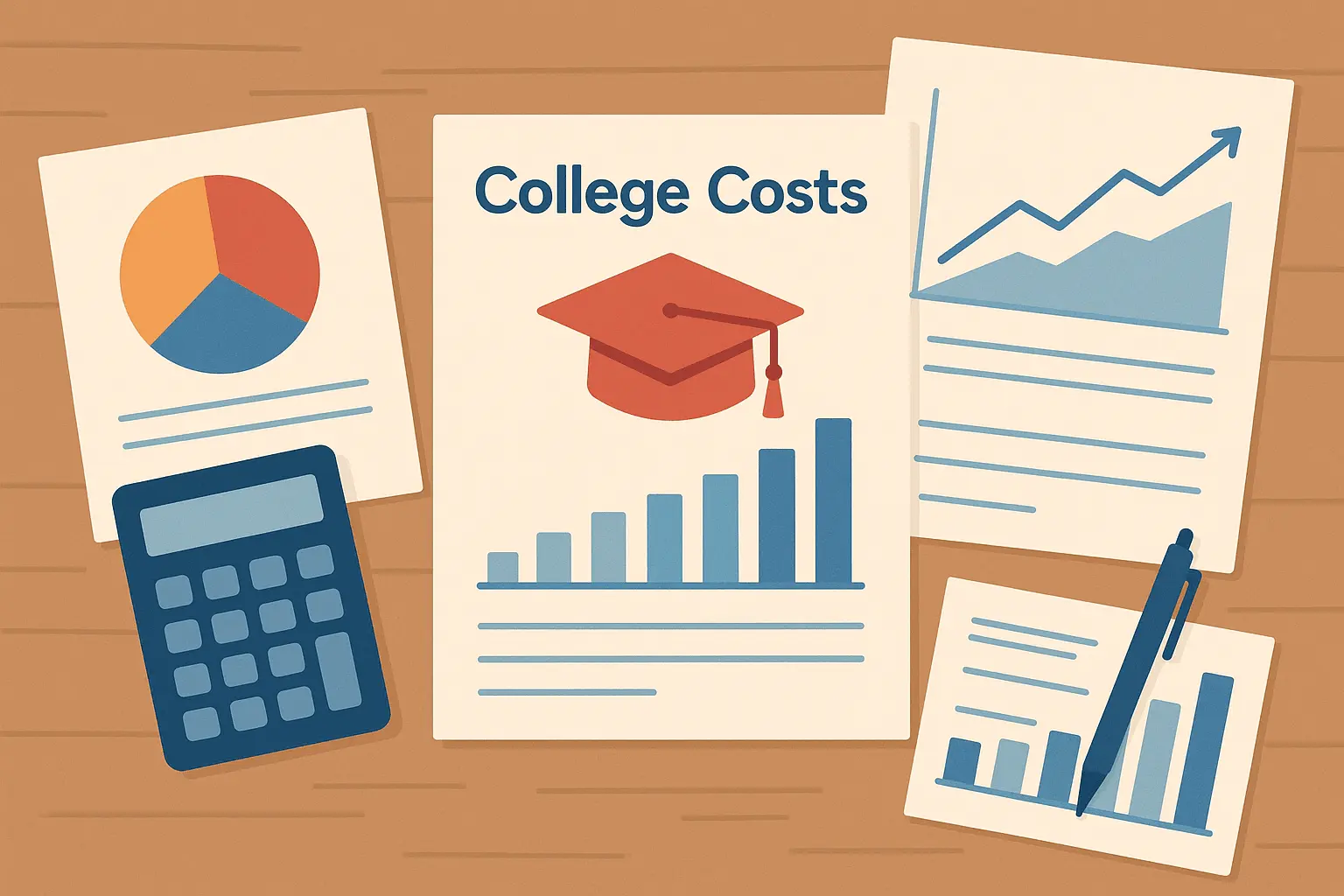
Tuition is just one piece of college expenses. Housing, meals, books, transportation, and personal expenses add thousands annually. Smart planning considers all factors when comparing institutions.
Washington residents get significantly lower tuition at public universities like WSU. But private institutions often provide generous aid packages that make net costs competitive.
Community colleges offer the most affordable pathway, especially for students planning to transfer. Completing general education requirements at community college saves thousands.
Washington state provides various grant and scholarship programs for residents attending in-state institutions. The Washington College Grant covers significant tuition portions for eligible students.
Merit-based scholarships recognize academic achievement, athletic ability, and special talents. These often renew annually. At Gonzaga, 98% of students receive some financial aid, with the average financial aid package reaching $39,876 according to official university data.
Complete the FAFSA early to maximize eligibility for federal and state aid programs. Many families are surprised by their aid eligibility and miss opportunities by filing late or not at all.
Campus visits provide insights virtual tours can't match. You'll feel campus culture, student interactions, and whether you can imagine thriving there.
Connect with current students and recent alumni for unfiltered perspectives on programs, campus life, and career outcomes. Social media and LinkedIn make these connections easier than ever.

Attend information sessions and college fairs to ask specific questions about programs, admission requirements, and financial aid. Take notes and follow up with admissions representatives.
Create application timelines to prevent last-minute rushes that hurt quality. Start early and work backward from deadlines to ensure adequate time for each component.
Personal statements and essays require multiple drafts and feedback from trusted advisors. These components often distinguish competitive applicants from merely qualified ones. Letters of recommendation should come from people who know your academic abilities and character well. Give recommenders plenty of time and provide them with information about your goals and achievements.
Engaging with admissions representatives demonstrates genuine interest and can provide valuable insights about what each institution values in applicants. Attend local information sessions and follow up with thoughtful questions.
Connect with faculty in your areas of interest for insights about academic programs and research opportunities. Many professors are happy to discuss their work with prospective students. Alumni networks provide career insights and mentorship opportunities. Reach out to graduates working in your field of interest for valuable perspectives on how different educational paths lead to career success.
Jennifer's family created a comprehensive spreadsheet comparing all costs, financial aid packages, and program strengths across three Spokane universities. This systematic approach helped them identify that while Gonzaga had higher sticker prices, the generous aid package made it cost-competitive with public options while offering smaller class sizes that aligned with Jennifer's learning style.
For families managing multiple campus visits and complex application processes, having trusted guidance makes all the difference. Outpost Club understands the importance of seamless experiences and meaningful connections when navigating significant decisions. Our concierge services help members access premier destinations and build relationships with like-minded individuals - the same kind of support families need when exploring educational opportunities that will shape their futures.

Look, Spokane's college scene has something for everyone - from research-focused health sciences to faith-integrated liberal arts. The key is understanding what each place offers and how that aligns with your goals, values, and career plans.
Don't underestimate campus visits and personal connections. The relationships you build during the application process often continue throughout your college experience and beyond. Take time to explore academic programs, campus culture, student support services, and alumni networks that will support your long-term success.
Financial planning deserves as much attention as academic preparation. Understanding the true cost of attendance and maximizing financial aid opportunities can make the difference between graduating debt-free and carrying significant financial burdens into your career. Start the financial aid process early and explore all available options, including state-specific programs and institutional scholarships.
Here's what I wish someone had told me when I was looking at colleges: the "perfect" school on paper might feel completely wrong when you're actually there. Trust your gut. If you visit a campus and something feels off - whether it's the students, the vibe, or just the way people interact - pay attention to that feeling.
Also, don't get too caught up in rankings and prestige. Yeah, it's nice to go somewhere with a good reputation, but what matters more is whether you'll thrive there. A smaller school where professors know your name might serve you better than a big-name university where you're just a number.
One more thing - talk to actual students, not just tour guides and admissions counselors. Find someone on social media or through friends who goes to the schools you're considering. Ask them about the stuff that doesn't make it into brochures: What's the food really like? How's the parking situation? Do professors actually care about teaching or are they just focused on research? Are students competitive with each other or supportive?
The college decision is huge, but remember - it's not permanent. You can transfer if things don't work out. You can change majors. You can take gap years. Life has a way of working out even when you don't make the "perfect" choice.
Whatever you decide, Spokane's got some solid options that'll prepare you for whatever comes next. Just make sure you pick the place where you can see yourself actually being happy for four years, not just impressed by the marketing materials.

Household supplies can be changed or decreaased at Outpost Club’s discretion, or based on supply availability. Outpost is not responsible for temporary losses of utility service. Outpost Club is not responsible for any damages due to absence of any supplies or utilities


If you have a sales related question please call
680-688-7678

 Hot Deals