What's Really Going On with Neurosurgeon Pay in NYC
Dec 15, 2025

Dec 15, 2025
Look, NYC's neurosurgery scene is unlike anywhere else in the country. We're talking about neurosurgeon salary nyc averaging around $1,187,500 per year based on what docs are actually reporting. You're not just competing - you're playing in the big leagues where world-class institutions set the bar, and honestly, the pay reflects that reality. This city's healthcare ecosystem creates opportunities you literally can't find anywhere else.
Here's the thing - neurosurgery in NYC is one of the most financially rewarding medical specialties, and there's good reason for that. The city's competitive healthcare market combined with the brutal cost of living means institutions have to pay up. Current market conditions? Everyone needs neurosurgical services thanks to NYC's aging population and the concentration of major medical centers. Translation: you're in demand, and that means serious money.
The major players - NYU Langone, NewYork-Presbyterian, Mount Sinai - they all have different philosophies about paying their surgeons. These differences aren't just academic; we're talking tens of thousands of dollars that could end up in your pocket depending on where you land. And if you're looking for housing near these medical powerhouses, checking out shared apartments in NYC might save you some cash while helping you network with other medical professionals.
Supply and demand? You're sitting pretty. The concentration of complex cases plus a limited number of qualified neurosurgeons creates what's basically a seller's market for your skills. The neurosurgeon salary premium in NYC isn't just marketing - it's market reality.
According to verified data from docs practicing in New York, total compensation ranges from $600,000 to $2,050,000, with the top performers (90th percentile) pulling in up to $5,850,000 annually. Yeah, you read that right.
Fresh out of residency? You're looking at starting salaries between $525,000-$650,000 at the major NYC health systems. That's substantially higher than most other cities, but remember - you're also dealing with NYC prices for everything. The average neurosurgeon salary nationally looks pretty modest compared to what you can earn in Manhattan's premier medical centers.
Mid-career surgeons with 5-10 years under their belt typically see their earnings jump to $750,000-$1.1 million. This range depends heavily on your subspecialty and whether you've built a solid referral network. The neurosurgeon salary in new york consistently beats national averages because of the city's competitive healthcare landscape.
Senior partners in established private practices? That's where the real money is - often $1.5-$3 million annually. But getting there requires serious business skills beyond just being great with a scalpel.
|
Experience Level |
NYC Salary Range |
National Average |
Premium |
|
Entry-Level (1-3 years) |
$525,000-$650,000 |
$450,000-$550,000 |
15-20% |
|
Mid-Career (4-10 years) |
$750,000-$1.1M |
$600,000-$900,000 |
20-25% |
|
Senior/Partner (10+ years) |
$1.5M-$3M+ |
$1M-$2M |
30-50% |
Here's what nobody tells you - base salary is just the beginning. The real money comes from understanding and maximizing every piece of your package. When people ask how much do neurosurgeons earn, they're usually just thinking about base neurosurgeon salary, but that's missing the bigger picture.
Look, understanding neurosurgeon pay in NYC means looking at the whole enchilada beyond just base salary. You've got performance-based incentives, comprehensive benefits, and productivity bonuses that can seriously boost your take-home. We're talking RVU-based bonuses worth $100,000-$300,000 annually, call pay supplements of $1,000-$2,500 per night, premium healthcare and malpractice coverage valued at $50,000-$100,000, and retirement benefits representing 10-15% of your total compensation.
Most positions include productivity bonuses tied to Relative Value Units (RVUs). These aren't just nice extras - they can add $100,000-$300,000 annually to your base pay if you know how to work the system.

Call coverage is another significant income stream. Emergency neurosurgery can't wait, which means you'll earn $1,000-$2,500 per call night, and trust me, these add up fast over a year. For surgeons dealing with crazy call schedules, finding flexible housing through communal living spaces can provide the support system you need during those intense periods.
Take Sarah, for example. She's been doing this for about 8 years at a Manhattan hospital. Her base neurosurgeon salary is $750,000, but here's where it gets interesting - her RVU bonuses add $180,000 annually, call pay contributes $65,000 (she averages 2 calls per month), and her benefits package is worth $75,000. Total? Over $1 million.
RVU systems reward productivity, but here's the catch - they're not all created equal. Some institutions cap your bonus potential, while others offer unlimited upside. Knowing the difference before you sign can mean hundreds of thousands over your career. The salary for neurosurgeon positions varies dramatically based on these incentive structures.
Performance-based incentives in NYC neurosurgery practices center around RVU productivity and emergency call coverage. The surgeons who really cash in are those who figure out how to optimize RVU generation while still providing quality patient care. It's about working smart, not just hard.
Emergency call schedules? They vary big time between institutions. Some rotate call duties equally, while others let you pick up extra shifts for more money. If you can handle the intensity, extra call coverage becomes a serious income multiplier that can substantially boost your overall neurosurgeon salary.
Quality metrics are increasingly part of bonus calculations too. Patient satisfaction scores, complication rates, and length-of-stay metrics all influence your total pay in today's healthcare systems.
Research shows that the average bonus for a neurosurgeon is $30,000 which represents 11.1% of their salary, though NYC bonuses typically blow past this national average.
Manhattan commands the highest salaries, but that premium comes with trade-offs. You'll earn 15-25% more than comparable positions in Brooklyn, Queens, or the Bronx, but you'll also deal with higher stress and more demanding schedules. The neurosurgeon salary difference reflects both prestige and the crazy operating costs.
Manhattan positions pay 15-25% more than comparable roles in the outer boroughs, but here's the thing - that reflects both the prestige factor and Manhattan's insane operating costs. However, outer borough positions often give you better work-life balance and faster partnership tracks, so the total value proposition is more complex than just comparing salary numbers.
Brooklyn and Queens offer opportunities that many surgeons overlook. The patient populations are diverse, case volumes can be substantial, and the partnership tracks often move faster than in Manhattan. The neurosurgeon salary in new york outer boroughs still beats national averages while offering better lifestyle perks.
The Bronx? It gets a bad rap, but the money's still good and you might actually see your family occasionally. Many positions here offer loan forgiveness programs and accelerated partnership opportunities that can enhance your overall neurosurgeon salary package.
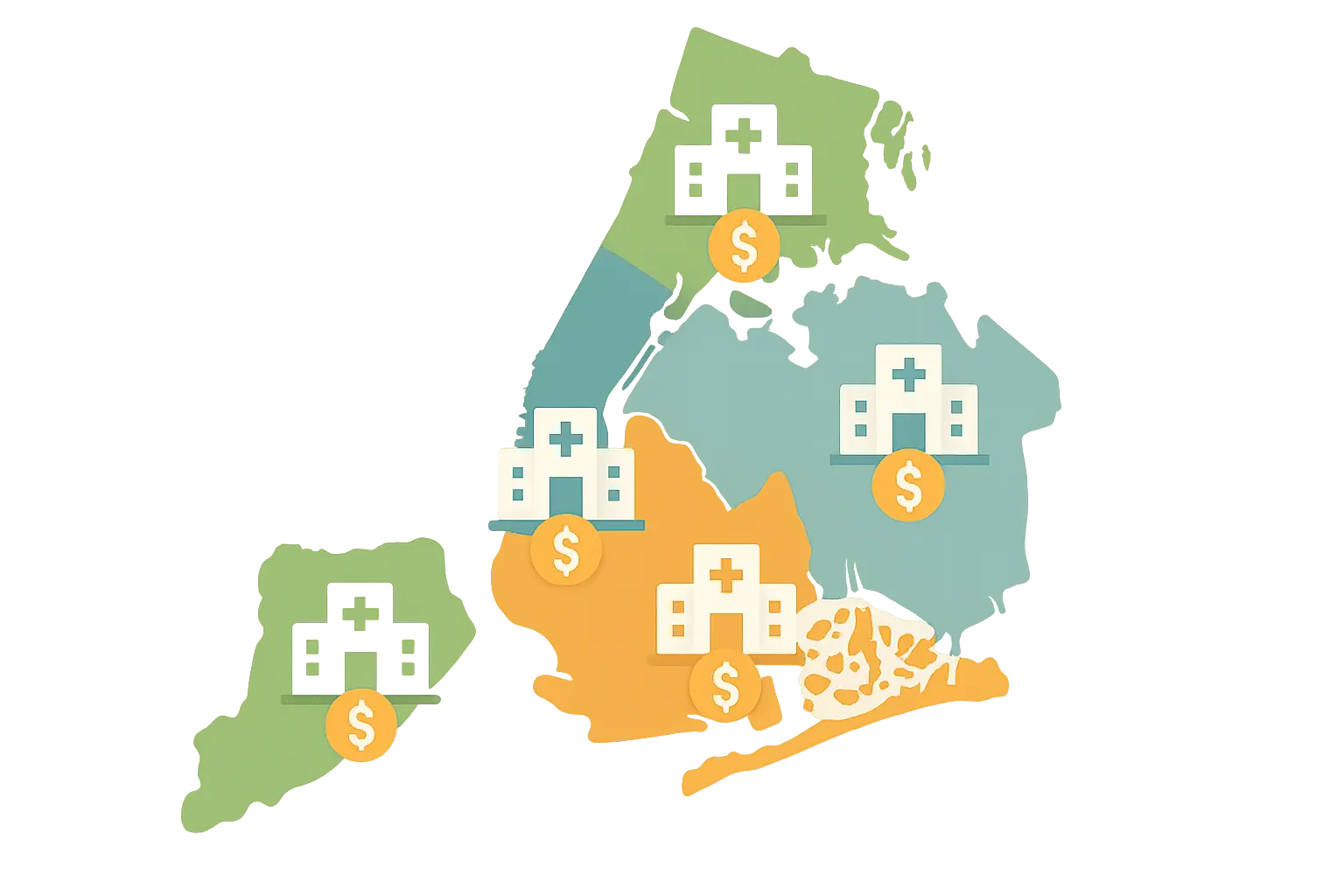
Manhattan's prestige factor is real, but it comes at a cost. You'll work longer hours, face more competition, and deal with higher stress levels. The question becomes whether that 15-25% salary premium justifies the lifestyle impact when the average neurosurgeon salary in outer boroughs still provides excellent money.
While Manhattan positions offer the highest base salaries and bragging rights, outer borough opportunities often provide better long-term value through faster partnership tracks, less competition, and actually seeing your family occasionally. The decision between Manhattan premium pay and outer borough value requires thinking about your career goals, lifestyle preferences, and long-term financial planning beyond just immediate salary differences.
Outer borough practices often offer faster paths to partnership. Instead of waiting 7-10 years for equity participation, you might achieve partner status in 4-6 years, which dramatically accelerates your long-term earning potential beyond the base neurosurgeon salary in new york.
Commute considerations matter more than you might think. A shorter commute from your home to an outer borough practice can add hours to your personal life each week, improving your overall quality of life despite a potentially lower base salary. For neurosurgeons considering Brooklyn positions, exploring coliving options can provide both convenience and community near major medical centers.
Recent data from New York state employee salaries shows the earning potential for academic neurosurgeons, with "Dr. Jonathan Miller, professor and chair of neurosurgery at Upstate Medical: $940,075 in total earnings in 2024", demonstrating high compensation levels even in upstate academic positions.
Academic medicine offers stability and intellectual stimulation, but the pay reflects different priorities. You'll typically earn $450,000-$650,000 in base neurosurgeon salary, but the total package includes research time, teaching opportunities, and often better benefits. The average neurosurgeon salary in academic settings may be lower, but the career development opportunities are substantial.
Academic medical centers like NYU Langone and Mount Sinai typically offer lower base salaries ($450,000-$650,000) compared to private practice, but here's what you get in return: valuable research opportunities, teaching stipends, and comprehensive benefits packages. Private practice positions offer significantly higher earning potential, with established practices providing partnership tracks that can yield $1.2-$2 million annually, though you'll shoulder more business responsibility and financial risk.
Private practice represents the highest earning potential, but it requires business skills beyond surgical expertise. Successful private practice partners often earn $1.2-$2 million annually, but they also deal with business risks and administrative headaches that can significantly impact the overall neurosurgeon salary experience.

The decision isn't just about money though. Academic positions offer protected research time, access to cutting-edge technology, and the satisfaction of training the next generation of neurosurgeons. For academic neurosurgeons affiliated with Columbia or NYU, finding housing near these institutions becomes crucial for managing demanding research and clinical schedules.
NYU Langone's continued excellence shows as "U.S. News & World Report's 'Best Hospitals' ranked NYU Langone the No. 1 hospital in the U.S. for neurology and neurosurgery for the fourth year in a row" in 2025, highlighting the prestige and career opportunities available in academic settings.
Partnership represents your biggest long-term earning opportunity, but the pathways vary dramatically between practice types. Academic partnerships focus on research productivity and teaching excellence, while private practice partnerships emphasize patient volume and business development. The salary of a neurosurgeon can multiply significantly through equity participation.
Understanding partnership timelines and equity participation is crucial for long-term financial success - partnership often represents the biggest earning opportunity in your career. Academic partnerships typically focus on tenure-track positions with research requirements, while private practice partnerships involve business ownership with profit-sharing that can dramatically increase total compensation after 5-7 years of practice building.
Private practice partnership tracks typically require 5-7 years of practice building before equity participation. During this period, you're essentially building the patient base and referral relationships that'll generate your future partnership income. Understanding how much does a neurosurgeon make through partnership is crucial for long-term financial planning.
Equity participation structures vary widely. Some practices offer equal partnerships, while others use tiered systems based on productivity or seniority. Understanding these structures before joining prevents future disappointment and conflict.
Take Mike Rodriguez - he joined a Manhattan private practice as an associate earning $650,000. After 6 years of building his patient base and referral network, he made partner. His equity participation now generates an additional $800,000 annually in profit distributions, bringing his total compensation to $1.45 million.
Spine surgery consistently commands the highest premiums in NYC. The combination of high case volumes, complex procedures, and strong patient demand means experienced spine specialists often earn $1-2 million annually, well above the average neurosurgeon salary.
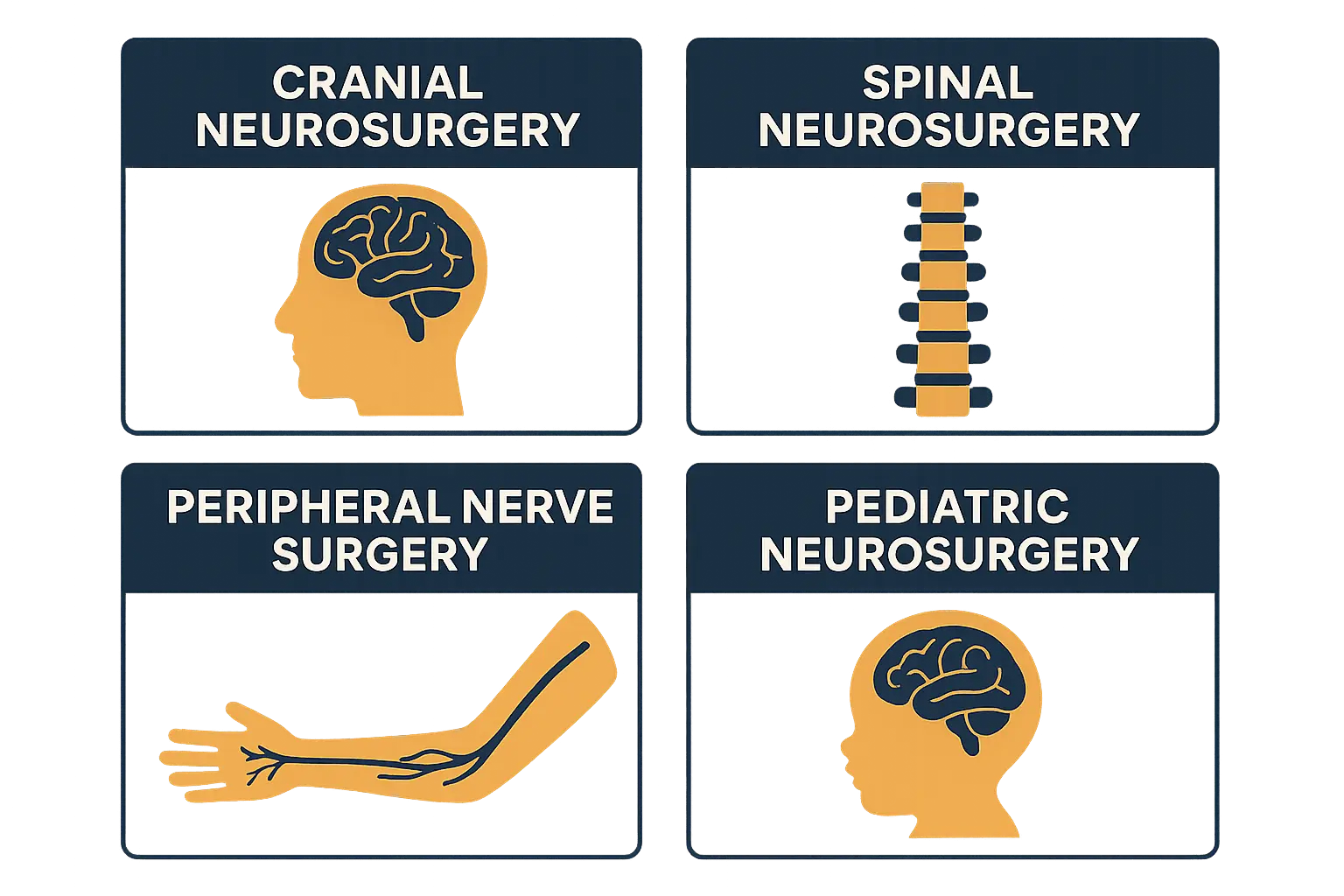
Fellowship training in high-demand subspecialties significantly influences earning potential. Spine surgery specialists command the highest salaries ($1-2 million annually) due to high case volumes and complexity. Pediatric neurosurgery offers excellent job security with salaries ranging $700,000-$1.2 million, while vascular neurosurgery specialists benefit from high-acuity emergency procedures, typically earning $650,000-$1.1 million annually.
Pediatric neurosurgery offers a different value proposition. While fewer positions exist, the job security is excellent, and institutions like Children's Hospital of New York offer competitive packages ranging from $700,000-$1.2 million. The specialized neurosurgeon salary for pediatric cases reflects how rare qualified practitioners are.
Vascular neurosurgery benefits from the emergency nature of cerebrovascular cases. Stroke and aneurysm procedures can't be delayed, creating consistent demand and premium compensation in the $650,000-$1.1 million range, significantly boosting the typical neurosurgeon salary.
|
Subspecialty |
Average NYC Salary |
Case Volume |
Emergency Factor |
Partnership Potential |
|
Spine Surgery |
$1M-$2M |
Very High |
Medium |
Excellent |
|
Pediatric Neurosurgery |
$700K-$1.2M |
Medium |
High |
Good |
|
Vascular Neurosurgery |
$650K-$1.1M |
High |
Very High |
Good |
|
Neuro-Oncology |
$600K-$1M |
Medium |
Medium |
Good |
|
Functional Neurosurgery |
$650K-$950K |
Medium |
Low |
Excellent |
Minimally invasive techniques represent the future of neurosurgery, and early adopters earn premium compensation. Hospitals compete for surgeons skilled in endoscopic procedures and robotic surgery because these techniques improve outcomes and reduce costs. The salary of neurosurgeon specialists in these areas often exceeds traditional approaches.
Technology-driven subspecialties focusing on minimally invasive techniques, endoscopic procedures, and robotic surgery command premium compensation due to improved patient outcomes and reduced hospital stays. Surgeons who develop expertise in these advanced techniques position themselves for higher earnings and increased marketability as healthcare systems seek to differentiate their neurosurgical programs.
Functional neurosurgery, including deep brain stimulation and epilepsy surgery, offers excellent earning potential with less call responsibility. These subspecialties often allow for more predictable schedules while maintaining high compensation levels that enhance the overall neurosurgeon salary in new york.
Neuro-oncology continues growing as cancer treatments improve and patients live longer with brain tumors. Surgeons specializing in complex tumor resections find strong demand and competitive compensation packages.
Your career trajectory depends heavily on the path you choose early on. Hospital employment offers predictable income and comprehensive benefits, but it may limit your ultimate earning potential compared to private practice ownership. The neurosurgeon salary structure varies dramatically between employment models.
Career advancement in NYC neurosurgery follows distinct pathways depending on practice setting. Hospital employment offers stability and predictable income but potentially limits earning potential compared to private practice ownership. Understanding the timeline for partnership consideration, equity participation requirements, and business development expectations is essential for maximizing long-term financial success and career satisfaction.
Partnership consideration typically begins after 3-5 years in most practices, but the actual timeline to equity participation can stretch to 7-10 years. During this period, you're building the clinical reputation and business relationships that'll determine your long-term success beyond the average salary for a neurosurgeon.
Business development skills become increasingly important as you advance. Successful neurosurgeons in NYC don't just perform excellent surgery - they build referral networks, participate in hospital committees, and contribute to practice growth.

Referral relationships drive success in NYC neurosurgery. Emergency department physicians, primary care doctors, and other specialists need to know and trust you before they'll send patients your way. This network building directly impacts your ability to exceed the neurosurgeon average salary.
Professional networking in NYC's competitive neurosurgery market requires strategic relationship building with referring physicians, hospital administrators, and other specialists. Success depends on consistent participation in medical society meetings, hospital committees, and continuing education programs while maintaining excellent clinical outcomes that generate positive word-of-mouth referrals throughout the medical community.
Hospital committee participation isn't just about service - it's about visibility and relationship building. Quality committees, medical staff leadership, and departmental roles all contribute to your professional profile.
Medical society involvement pays dividends throughout your career. The New York State Neurosurgical Society and American Association of Neurological Surgeons provide networking opportunities that translate directly into referrals and career advancement.
RVU optimization requires understanding which procedures generate the highest relative value units while maintaining quality patient care. Complex spine cases and craniotomies typically offer the best RVU-to-time ratios, significantly impacting the salary of neurosurgeons.
Modern neurosurgery compensation increasingly relies on performance-based incentives tied to productivity metrics, quality outcomes, and patient satisfaction scores. Understanding how to optimize RVU generation while maintaining high-quality patient care becomes crucial for maximizing total compensation, as these bonuses can represent 20-40% of your total annual earnings in many NYC practices.
Quality metrics increasingly influence bonus calculations. Patient satisfaction scores, readmission rates, and surgical site infection rates all factor into modern compensation formulas that can substantially affect your overall neurosurgeon salary.
Productivity bonuses often include thresholds and caps. Understanding these structures helps you plan your case mix and schedule to maximize bonus potential without burning out.
Case mix optimization becomes crucial for bonus maximization. Complex cases generate higher RVUs, but they also require more time and carry higher risk. Finding the right balance maximizes both your income and job satisfaction beyond the average neurosurgeon salary.
Strategic approach to bonus maximization involves balancing case complexity, procedure volume, and quality metrics while maintaining sustainable work practices. Successful surgeons develop systems for tracking their productivity metrics, understanding payer mix implications, and optimizing their surgical schedules to achieve bonus thresholds without compromising patient care or personal well-being.
Scheduling efficiency directly impacts your bonus potential. Surgeons who can consistently complete cases on time and minimize delays earn more RVUs per hour worked.
Documentation quality affects both RVU capture and quality metrics. Thorough, accurate documentation ensures you receive credit for the complexity of your work while supporting positive quality outcomes.
Lisa Park figured this out - she optimized her bonus potential by focusing on complex spine cases during peak operating hours, maintaining detailed documentation, and participating in quality improvement initiatives. This strategy increased her annual RVU production by 25%, resulting in an additional $150,000 in productivity bonuses.
Malpractice insurance represents a huge benefit, often worth $100,000-$200,000 annually in NYC's litigious environment. Employer-provided coverage removes this financial burden and gives you peace of mind.
Comprehensive benefits packages for NYC neurosurgeons typically include premium health insurance, full malpractice coverage, disability insurance, and retirement contributions worth $50,000-$100,000 annually. Additional benefits may include continuing medical education allowances, professional society memberships, and sabbatical opportunities that provide significant value beyond monetary compensation.
Health insurance premiums for comprehensive coverage can exceed $30,000 annually for family plans. Employer-provided health benefits represent substantial value, especially given the high-quality coverage typically offered to physicians.
Retirement benefits often include both 401(k) matching and profit-sharing components. These benefits can represent 10-15% of your total compensation value over time.

Continuing medical education allowances typically cover $5,000-$15,000 annually for conferences, courses, and professional development. This benefit supports both your learning and networking opportunities.
Many neurosurgeons undervalue non-monetary benefits that provide significant financial worth, including continuing education allowances, professional development opportunities, sabbatical programs, and research support. These benefits reduce out-of-pocket expenses while contributing to long-term career advancement and earning potential through skill development and professional networking.
Professional society memberships and journal subscriptions add up quickly. Employer coverage of these expenses can save thousands annually while supporting your professional development.
Sabbatical opportunities, while rare, provide invaluable career development potential. Academic institutions sometimes offer sabbatical programs that allow for research, additional training, or international experience.
Base salary guarantees typically last 2-3 years while you build your patient base and referral network. Negotiating longer guarantees provides financial security but may limit your upside potential once you become productive.
Successful contract negotiation for neurosurgeons requires understanding market rates, identifying negotiable terms beyond base salary, and timing discussions strategically. Key negotiation points include base salary guarantees, bonus structures, partnership timelines, call schedules, and non-compete clauses, with the most successful negotiations focusing on total package value rather than individual components.
Partnership timeline clarity prevents future disappointment and conflict. Get specific commitments about when partnership consideration begins, what metrics determine eligibility, and how equity participation works.
Non-compete clauses require careful attention in NYC's dense medical market. Overly restrictive agreements can limit your future opportunities, while reasonable restrictions protect the practice's investment in your development.
Negotiation Checklist:
Initial recruitment represents your strongest negotiating position. Practices need you more than you need them at this stage, creating maximum leverage for favorable terms.
Strategic timing of contract negotiations can significantly impact outcomes, with the best opportunities occurring during initial recruitment, contract renewal periods, and after achieving significant productivity milestones. Understanding market cycles, institutional budget processes, and your own leverage points helps maximize negotiation success while maintaining positive relationships with employers.
Annual reviews provide regular opportunities to adjust compensation based on performance and market changes. Document your achievements and market research to support your requests.
Mid-contract negotiations work best when tied to specific achievements or changed circumstances. Significant productivity increases or additional responsibilities justify compensation adjustments.

Expert witness work in NYC's active legal market can add $50,000-$150,000 annually to your income. Medical malpractice cases, personal injury litigation, and workers' compensation disputes all require neurosurgical expertise.
NYC neurosurgeons can supplement their primary income through consulting work, expert witness testimony, medical device innovation partnerships, research grants, and educational activities. These opportunities can add $50,000-$200,000 annually while providing professional development and networking benefits that enhance long-term career prospects.
Medical device consulting offers both immediate income and potential equity upside. NYC's proximity to venture capital and medical device companies creates unique opportunities for product development partnerships.
Speaking engagements and continuing medical education programs provide additional revenue while building your professional reputation. Established speakers can earn $5,000-$15,000 per presentation.
NIH grants provide research funding that can supplement academic salaries while advancing your research interests. Successful grant recipients often find additional opportunities for industry collaboration.
Academic neurosurgeons can leverage research opportunities through NIH grants, industry-sponsored studies, and collaborative research projects to supplement income while advancing medical knowledge. These activities often provide indirect financial benefits through enhanced reputation, speaking opportunities, and potential intellectual property development that can yield long-term returns.
Industry-sponsored research offers immediate funding for clinical studies while building relationships with medical device and pharmaceutical companies. These relationships often lead to consulting opportunities and speaking engagements.
Intellectual property development through research can provide long-term income streams. Patents on surgical techniques, devices, or treatment protocols can generate royalties for decades.
According to recent physician compensation data, "the average neurosurgeon makes $749,140" nationally, highlighting the significant premium NYC neurosurgeons can command through strategic income diversification.
Housing costs in Manhattan can easily eat up 30-40% of your gross income, even at neurosurgeon salary levels. A $3-4 million apartment isn't unusual for successful surgeons, requiring careful mortgage planning and cash flow management. For those seeking more affordable housing options while building their practice, exploring furnished rooms for rent can provide flexibility during career transitions.
Despite earning top-tier salaries, NYC neurosurgeons face significant cost of living challenges that require strategic financial planning to maximize wealth accumulation. Housing costs, state and city taxes, and elevated living expenses can consume a substantial portion of even high six-figure incomes, making tax-efficient compensation structures and careful budgeting essential for long-term financial success.
New York's combined state and city tax rates can exceed 13% for high earners. This means nearly $200,000 in taxes on a $1.5 million income, making tax planning crucial for wealth accumulation.
Daily living expenses from transportation to dining add up quickly in NYC. Even routine expenses like parking, groceries, and entertainment cost significantly more than other markets.

Maximizing retirement contributions through 401(k), backdoor Roth IRA, and defined benefit plans can significantly reduce your tax liability while building long-term wealth.
Effective tax planning for high-earning neurosurgeons involves maximizing retirement contributions, utilizing tax-advantaged accounts, considering geographic tax implications, and structuring compensation to minimize tax liability. Professional tax planning becomes essential given NYC's high tax rates and the complexity of physician compensation structures.
Tax-advantaged accounts like HSAs and 529 plans provide additional opportunities to reduce current taxes while saving for future expenses.
Geographic considerations matter for high earners. Some surgeons establish residency in lower-tax states while maintaining NYC practices, though this requires careful legal and tax planning.
Telemedicine adoption accelerated post-pandemic, providing new revenue streams for consultations and follow-up care. Surgeons who embrace these technologies can see patients more efficiently while improving work-life balance.
The neurosurgery market in NYC continues evolving with technological advances, changing healthcare delivery models, and demographic shifts that impact earning potential. Telemedicine integration, minimally invasive techniques, and value-based care models are reshaping compensation structures while creating new opportunities for forward-thinking surgeons.
Value-based care models increasingly tie compensation to patient outcomes rather than procedure volume. Surgeons who excel at achieving superior outcomes while controlling costs will benefit from these payment structures.
Artificial intelligence and robotic surgery continue advancing, creating opportunities for surgeons who develop expertise in these technologies while potentially displacing those who don't adapt.

Robotic surgery platforms require significant training investment but offer premium compensation for skilled operators. Hospitals compete for surgeons who can effectively utilize these expensive systems.
Technological advancement in neurosurgery creates both opportunities and challenges for compensation, with early adopters of robotic surgery, AI-assisted procedures, and minimally invasive techniques commanding premium pay while traditional approaches may see reduced demand. Investment in continuous learning and technology adoption becomes crucial for maintaining competitive compensation levels.
AI-assisted surgical planning and navigation systems improve outcomes while potentially increasing efficiency. Surgeons who master these tools can handle more complex cases with better results.
Minimally invasive approaches continue expanding, with patients and referring physicians preferring less invasive options when possible. Expertise in these techniques becomes increasingly valuable.
Call schedules significantly impact your quality of life and family time. Understanding call requirements before accepting positions helps you make informed decisions about work-life balance.
Maintaining work-life balance as a high-earning neurosurgeon in NYC requires intentional planning and strategic choices about practice setting, call schedules, and personal priorities. While the financial rewards are substantial, the demanding nature of neurosurgery makes it essential to find activities and communities that provide mental restoration and professional networking outside the hospital environment.
Burnout prevention becomes crucial for long-term career success and personal satisfaction. High compensation doesn't protect against the physical and emotional demands of neurosurgery.
Professional communities outside medicine provide valuable perspective and networking opportunities. Many successful neurosurgeons find that diverse interests and relationships enhance both their personal satisfaction and professional effectiveness. For busy neurosurgeons seeking community and convenience, NYC intern housing options provide flexible living arrangements that accommodate unpredictable schedules.

For accomplished neurosurgeons seeking that perfect balance between professional excellence and personal fulfillment, Outpost Club offers an exclusive community designed specifically for high-achieving professionals. Our architecturally significant golf courses provide the mental challenge and strategic thinking that complement your surgical expertise, while our flexible membership model accommodates your demanding schedule. Whether you need a quick mental reset between cases or want to build relationships with other successful professionals, our concierge service handles all the details so you can focus on what matters most.
The financial opportunities for neurosurgeons in NYC are exceptional, but success requires more than surgical skill. Understanding compensation structures, negotiating effectively, and planning strategically for your career progression will determine your long-term financial success.
Neurosurgeon salaries in NYC represent some of the highest compensation in medicine, with earning potential ranging from $500,000 for entry-level positions to over $2 million for established private practice partners. Success requires understanding the complete compensation landscape, from base salaries and performance incentives to benefits and additional income opportunities. While the financial rewards are substantial, achieving long-term success demands strategic career planning, continuous skill development, and careful attention to work-life balance in one of the world's most demanding medical markets.
Market dynamics continue favoring skilled neurosurgeons, with aging populations and advancing technologies creating sustained demand for your expertise. However, staying competitive requires continuous learning and adaptation to new technologies and payment models.
Your earning potential in NYC neurosurgery is limited primarily by your ambition, business acumen, and willingness to embrace change. The surgeons who thrive financially are those who view their careers strategically, understanding that compensation optimization requires the same precision and planning they bring to the operating room.

Household supplies can be changed or decreaased at Outpost Club’s discretion, or based on supply availability. Outpost is not responsible for temporary losses of utility service. Outpost Club is not responsible for any damages due to absence of any supplies or utilities


If you have a sales related question please call
680-688-7678

 Hot Deals