Where Do Rich People Live in Manhattan?
Nov 5, 2025
Nov 5, 2025
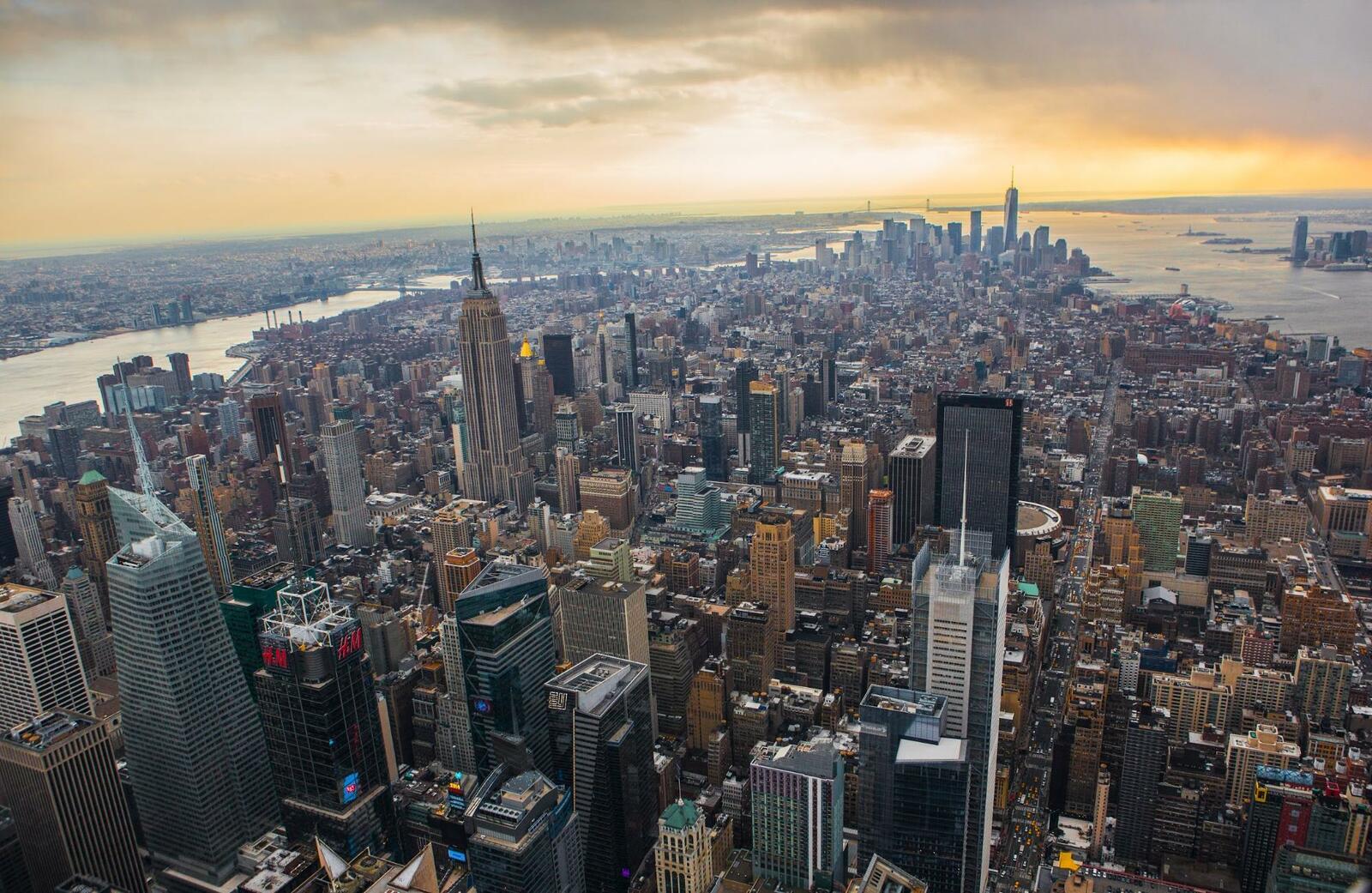
Manhattan has always been a magnet for the world’s wealthiest — a place where addresses are as much a status symbol as a yacht in the Hamptons or a box at the Met Gala. From pre-war co-ops overlooking Central Park to sleek glass towers with concierge service and private pools, the island’s real estate tells a story of history, exclusivity, and ambition.
These neighborhoods aren’t just expensive; they’re curated worlds. The streets are lined with art galleries, Michelin-starred restaurants, and private schools with waitlists that span generations. Some areas whisper luxury with understated elegance, while others broadcast it with bold architecture and skyline views.
And while these enclaves set the standard for high-end living, there’s another side to Manhattan life: finding comfort, style, and community without a billionaire’s paycheck. That’s where options like Outpost Coliving come in — proving that you can have a Manhattan experience that’s vibrant, central, and connected without needing a hedge fund bonus.
In this guide, we’ll explore the city’s most prestigious neighborhoods, what makes them so coveted, and how you can live well in NYC — whether you’re holding a penthouse key or a MetroCard.
Manhattan is only 13.4 miles long, yet within that narrow stretch are pockets of some of the most expensive and exclusive real estate in the world. For the ultra-wealthy, location is about far more than convenience — it’s about legacy, lifestyle, and the company you keep.
From the limestone facades of the Upper East Side to the shimmering glass penthouses of Hudson Yards, these neighborhoods cater to a life of curated privacy and premium access. Security is a given, doormen are standard, and amenities often include private fitness centers, wine cellars, and in-house chefs.
But prestige comes in many forms here. For some, it’s measured in Central Park frontage. For others, it’s about being in the center of the art world or within walking distance of the Financial District’s power corridors.
In this guide, we’ll cover the Manhattan neighborhoods that have long drawn the attention (and investment) of the world’s wealthiest residents — and show how the spirit of these areas can be experienced even without a multimillion-dollar mortgage.
Prestige in Manhattan is not a number on a property listing.
It’s not even the size of a terrace, the height of a floor, or the view from a penthouse.
It’s an alchemy — part history, part geography, part whispered reputation.
It’s the story an address tells about you before you ever open your mouth.
You don’t buy your way into these places. You earn them by aligning with a certain kind of life, a certain code. In some corners of Manhattan, that code is written in decades of co-op board decisions, where financial statements matter less than “Will this person fit here?” In others, it’s the subtle approval of the neighborhood itself — an invisible nod from the doormen, concierges, and gallery owners who have seen everything and remember everyone.
Manhattan’s most prestigious addresses are living organisms. They breathe in the people who arrive, exhale those who don’t quite belong, and carry forward a collective memory. In the same way Paris guards the Left Bank and London reveres Mayfair, New York protects its crown jewels.
There are addresses in Manhattan that make people pause when they read the return label.
Fifth Avenue. Park Avenue. Central Park West. Gramercy Park North. Perry Street.
Each one conjures its own vision.
Fifth Avenue’s elegance is hard to overstate. Facing Central Park, the limestone facades feel almost European, their symmetry and detailing a reminder of the city’s Gilded Age ambition. Here, prestige comes with a sense of permanence. Apartments are passed down like heirlooms, often to people who have been dining at the same private club since childhood.
On Park Avenue, it’s about order and tradition — broad sidewalks, tree-lined medians, buildings that seem to hum with quiet confidence. Co-ops here are famously selective, valuing discretion over flamboyance. Even the lobbies are a study in understatement: marble floors, brass elevators, fresh flowers — nothing trying too hard, because it doesn’t need to.
Central Park West blends the grandeur of prewar architecture with a cinematic quality. Think sweeping park views, arched windows, and buildings that have doubled as movie sets for decades. Here, prestige comes with a sense of cultural cachet; your neighbor might be a philanthropist, an Oscar winner, or both.
Downtown, the tone shifts. Gramercy Park’s locked gates are a physical manifestation of exclusivity — only keyholders can enter, and those keys are tied to the deed of a property. A townhouse here isn’t just real estate; it’s a title. In the West Village, prestige is intimacy: cobblestone streets, historic facades, and an unspoken promise that no matter how much the city changes, this pocket of it will remain human-scale and self-contained.
Living in one of Manhattan’s most prestigious areas changes the texture of your day.
It’s not just about what you see — it’s about what you don’t have to deal with.
On the Upper East Side, mornings are marked by a certain stillness, even at rush hour. You can walk along Madison Avenue with a coffee in hand and hear the sound of your own footsteps. Your “local” might be an art gallery, a French bakery, or the kind of bookstore that remembers your last purchase.
In the West Village, mornings might mean walking your dog past ivy-covered brownstones, waving to the florist who sets out fresh peonies on the sidewalk. Evenings might be a low-lit dinner at a chef-owned restaurant that doesn’t bother with a sign — everyone who needs to know already knows.
In Tribeca, prestige is privacy. The streets are wide, the buildings low, and the pace slower than the rest of downtown. You can leave a dinner party and walk home without crossing into chaos. There’s a reason so many celebrities live here — not because it’s flashy, but because it’s the rare part of Manhattan where anonymity is possible.
Another truth about prestige addresses: they’re a network.
Your building, your block, your club — these are introductions in themselves.
At certain Park Avenue co-ops, your neighbor’s dinner party might connect you to a foundation board seat or an investment opportunity. In the West Village, a chance conversation at the farmers’ market might lead to a creative collaboration. These are environments that curate not just architecture, but human capital.
Manhattan’s prestige neighborhoods are as much about belonging as they are about location.
To live here is to say, “I value this rhythm, these rules, this version of New York.” For some, it’s the formality and structure of the Upper East Side. For others, it’s the curated chaos of downtown’s historic districts.
The irony? Prestige in Manhattan is both hyper-visible and invisible. Outsiders see glamour; insiders see routine. That’s the point. The highest form of status in New York is not having to announce it.
But here’s the insider trick: you don’t have to own a prestigious address to live its lifestyle.
Outpost Coliving flips the script on how to experience Manhattan.
Imagine leasing a fully furnished private room a short subway ride from the Upper West Side or Tribeca. Your rent covers not just your space, but Wi-Fi, utilities, cleaning, and the kind of common areas that feel like an upscale loft — without the mortgage, the broker fees, or the board interviews.
Coliving lets you fluidly explore the city’s best environments. Spend one lease cycle near Gramercy Park, soaking in its quiet charm, then shift to Williamsburg to tap into Brooklyn’s creative energy — all without the financial and logistical strain of traditional renting. And because Outpost properties are designed for community, you’re not just moving into a building — you’re stepping into a ready-made network of people who are, like you, here to live in the city, not just around it.
In a city where prestige has traditionally been a lifelong pursuit, coliving offers something radical: access without permanence. It gives you the flexibility to align your living situation with your current ambitions, whether that means walking to class at NYU, networking downtown, or spending mornings in Central Park.
And maybe that’s the new prestige — not being locked into one definition of success, but being able to live many versions of it.
If there’s one neighborhood that defines Manhattan wealth in the traditional sense, it’s the Upper East Side. Stretching from 59th Street to 96th Street, and from Fifth Avenue to the East River, this is where old money meets timeless architecture.
The limestone and brick co-ops along Fifth and Park Avenues are more than residences — they’re symbols of generational wealth. Many of these buildings date back to the early 1900s, boasting high ceilings, wood-paneled libraries, and white-gloved doormen who’ve known residents for decades. Privacy is paramount here, and many co-op boards are notoriously selective.
But it’s not just about the address — it’s about proximity to culture. Residents are steps from The Met, the Guggenheim, and Central Park’s grand entrances, not to mention Madison Avenue’s luxury boutiques. Daily life here is about refinement: morning runs along the Reservoir, luncheons at The Carlyle, and galas that have been on the social calendar for generations.
While the Upper East Side’s historic brownstones and co-ops command tens of millions, the neighborhood also has quiet side streets and newer rentals that bring the atmosphere within reach — especially for those who want to live in an area with unmatched safety, elegance, and charm without committing to a 30-year mortgage.
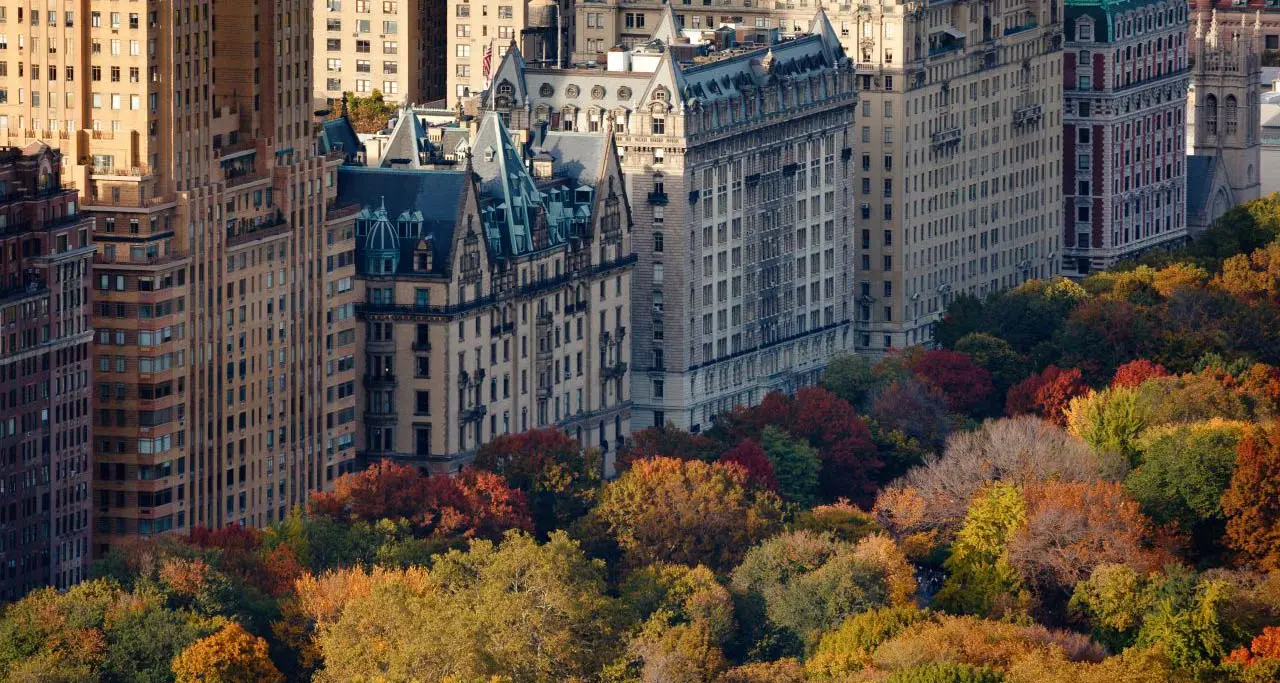
The Upper West Side blends the elegance of Manhattan’s wealth with a warmth and livability that makes it one of the city’s most beloved neighborhoods. Stretching from Central Park West to Riverside Park, and from 59th Street to 110th Street, it offers sweeping brownstone-lined streets, landmark prewar buildings, and a cultural heartbeat that’s hard to rival.
This is the home of Lincoln Center, where the New York Philharmonic, the Metropolitan Opera, and the New York City Ballet perform just blocks apart. It’s also where the American Museum of Natural History anchors a neighborhood filled with historic charm and leafy streets that feel almost suburban.
Residents here value space and stability. Many have been in the same apartment for decades, and family-friendly living is the norm. That said, you’ll also find financiers, actors, academics, and media executives — people drawn to the neighborhood’s blend of prestige and authenticity.
The housing mix is diverse for such a wealthy enclave: grand co-ops overlooking Central Park, Riverside Drive apartments with Hudson River views, and carefully preserved brownstones. Prices are steep — penthouses can exceed $20 million — but the atmosphere is less flashy than downtown hotspots.
With farmers markets, independent bookstores, and some of the city’s best schools, the Upper West Side represents a quieter, deeply cultured vision of wealth in Manhattan — one where elegance is worn lightly but lived fully.
Tribeca — short for Triangle Below Canal Street — has quietly transformed from a 19th-century industrial district into one of the most expensive zip codes in America. What makes it irresistible to Manhattan’s wealthiest is its blend of raw history and cutting-edge luxury.
The neighborhood’s cobblestone streets and cast-iron buildings hint at its warehouse past, but step inside and you’ll find expansive lofts with soaring ceilings, private elevators, and chef’s kitchens. These aren’t just apartments — they’re sprawling homes, often exceeding 4,000 square feet, something rare in Manhattan.
Tribeca has a discreet kind of wealth. Celebrities, CEOs, and financiers love it because it offers privacy without sacrificing style. Many buildings have doormen who know residents by name, and even the busiest streets feel calm compared to downtown’s bustle.
The dining scene is world-class yet unpretentious: Bubby’s for comfort food, Locanda Verde for Italian warmth, and Michelin-starred spots tucked between boutiques. Hudson River Park is just steps away, giving residents room to breathe — a luxury in itself.
Real estate here is among the priciest in Manhattan, with condos regularly selling for $5–$30 million and rentals commanding five figures per month. Still, for those who can afford it, Tribeca offers something hard to replicate: the character of old New York with the refinement of the new.
SoHo — short for South of Houston Street — is where art meets affluence. Once the gritty heart of New York’s artist loft movement, it has evolved into one of Manhattan’s most desirable and expensive neighborhoods. The very lofts that once housed painters and sculptors now belong to fashion icons, tech entrepreneurs, and investors who value aesthetics as much as square footage.
The architecture here is iconic — cast-iron facades painted in elegant neutrals, high-arched windows, and interiors that flow with light. Many residences are former industrial spaces transformed into open-plan masterpieces, complete with minimalist kitchens, gallery-like living rooms, and private terraces.
Shopping is both a pastime and a lifestyle. Chanel, Prada, and Bottega Veneta sit alongside niche art galleries and curated boutiques, creating a street-level experience as luxurious as the homes above. SoHo’s cobblestone streets feel like a film set, especially on crisp autumn afternoons when the sidewalks hum with a mix of locals and visitors.
Dining is equally elevated — Sadelle’s for brunch, Raoul’s for French bistro charm, and a rotating roster of chef-driven pop-ups. Residents here live at the intersection of culture and convenience, with easy access to both Lower Manhattan and Midtown.
Real estate is highly competitive, with prices often exceeding $3,000 per square foot. Penthouse lofts can fetch upwards of $20 million, while rental lofts routinely cross the $15,000/month mark. But for those who can afford it, SoHo offers something rare: a home that’s as much a personal gallery as it is a sanctuary.
If SoHo is about creative prestige, the Upper East Side is about generational wealth and quiet influence. This is where Central Park acts as a backyard, and where addresses themselves — Fifth Avenue, Park Avenue, Madison Avenue — carry an unspoken status that has endured for decades.
Here, you’ll find pre-war co-ops with doormen who’ve known the families for generations, limestone mansions restored to perfection, and discreet penthouses with skyline views that stretch across the park. Unlike flashier downtown neighborhoods, the Upper East Side doesn’t need to announce itself — it whispers luxury through understated architecture and an abundance of private clubs, such as the Metropolitan Club or The Colony.
Culture is woven into daily life. The neighborhood is home to Museum Mile, featuring the Met, the Guggenheim, and the Neue Galerie. For dining, residents lean on institutions like Sant Ambroeus, Daniel, and small, white-linen bistros tucked between art galleries. Shopping means Madison Avenue couture — Hermès, Valentino, Ralph Lauren’s flagship — alongside jewelers who have catered to the same families for decades.
Real estate here is some of the most exclusive in the country. Co-op boards can be famously selective, and buying into the right building can be as much about connections as capital. Prices per square foot often rival or exceed downtown’s, with sprawling classic six apartments starting in the millions and grand townhouses commanding $20–$50 million.
For those who want heritage, elegance, and proximity to Central Park, the Upper East Side remains unmatched — a place where luxury is measured not by trends, but by legacy.
If the Upper East Side is about heritage and tradition, TriBeCa is about modern discretion and understated influence. Short for “Triangle Below Canal Street,” this cobblestoned neighborhood has transformed from an industrial district into one of the most coveted residential enclaves in the world.
Here, wealth is low-profile yet undeniable. TriBeCa’s cast-iron buildings and converted warehouses conceal sprawling lofts with original timber beams, soaring ceilings, and floor-to-ceiling windows. Many are quietly owned by celebrities, financiers, and tech founders who value the area’s privacy over Fifth Avenue fanfare. This is a place where you might pass a billionaire walking their dog without realizing it — and that’s exactly how residents like it.
The neighborhood blends historic architecture with contemporary refinement. Cobblestone streets lead to Michelin-starred restaurants like Marc Forgione and Le Coucou, boutique fitness studios, and curated shopping. Hudson River Park offers a waterfront escape for morning runs or sunset walks, while the newly revitalized Pier 25 draws families and young professionals alike.
Real estate here commands record-breaking prices. Many buildings offer full-floor residences, private elevators, and concierge service that rivals luxury hotels. In the most prestigious conversions, square footage alone can push a home well into eight figures.
For those seeking community, TriBeCa offers a neighborhood intimacy rare in Manhattan. Parents gather at Washington Market Park, locals greet each other by name at their favorite cafés, and the annual TriBeCa Film Festival infuses cultural vibrancy into an otherwise serene backdrop.
Living in TriBeCa means owning a piece of Manhattan that outsiders can admire — but rarely access. It’s quiet, it’s powerful, and it’s one of the few places where luxury feels completely unhurried.
Chelsea is where old Manhattan grit meets modern creative prestige. Once defined by industrial warehouses and a working-class community, it’s now home to the city’s most celebrated art galleries, cutting-edge architecture, and luxury residences that merge contemporary design with cultural cachet.
The neighborhood pulses with art-world energy. From the iconic High Line — a transformed elevated rail line offering sweeping city views — to the Chelsea Market food hall and more than 200 galleries, Chelsea’s identity is built on innovation and taste. Weekdays might bring gallery openings and networking lunches, while weekends are for brunch at Cookshop or browsing designer boutiques along Tenth Avenue.
Real estate here spans glass-wrapped condominiums by star architects to meticulously renovated prewar buildings. Developments like 520 West 28th Street by Zaha Hadid redefine what urban luxury can be, with sculptural forms, private terraces, and amenity spaces worthy of a private members’ club. Prices reflect Chelsea’s prestige — even modest two-bedrooms often exceed $3 million, while penthouses command sums in the tens of millions.
But Chelsea isn’t just about aesthetics — it’s about access. Residents enjoy walking-distance proximity to downtown’s cultural core, with the Meatpacking District, West Village, and Hudson Yards just steps away. The High Line Parkfunctions as both a public amenity and a landscaped front yard, while Hudson River Park offers kayaking, jogging, and sunset strolls.
Chelsea’s luxury is lifestyle-driven. Concierge services, art-filled lobbies, private gyms, and rooftop pools are not rare perks — they’re standard expectations. It’s also one of the few Manhattan neighborhoods where high-end real estate and a vibrant social scene feel equally balanced.
For the wealthy, Chelsea offers something unique: a seat at the intersection of culture, architecture, and influence. It’s a place to be seen — but more importantly, it’s a place to belong.
SoHo is the quintessential Manhattan fantasy — cobblestone streets, cast-iron buildings, and sunlight pouring into sprawling lofts with 12-foot ceilings. Once the stomping ground for artists seeking cheap studio space, SoHo has transformed into a global luxury district without losing its creative allure.
Here, fashion meets fine art. Flagship boutiques from Chanel, Prada, and Louis Vuitton share the same blocks as independent galleries and design studios. Cafés hum with conversations in multiple languages, as stylists, photographers, and entrepreneurs drift between shoots, meetings, and private shopping appointments. The vibe is effortlessly curated — like stepping into a lifestyle editorial.
The real estate market in SoHo is as exclusive as it gets. Original lofts — rare, massive, and irreplaceable — are the crown jewels. These spaces often feature original cast-iron columns, exposed brick, oversized windows, and open floor plans that invite both entertaining and creative work. Demand outstrips supply, with trophy properties often trading off-market to preserve privacy.
But SoHo is more than a place to live — it’s a brand. A SoHo address signals a certain lifestyle: globally connected, aesthetically refined, and tuned in to the cultural moment. Weekends here might mean brunch at Balthazar, shopping at The RealReal, and strolling through art installations at The Drawing Center before catching dinner in nearby Nolita.
Its location is equally strategic. Residents can walk to Tribeca, the West Village, or Lower East Side in minutes, while express subway lines offer a direct link uptown. Despite the constant hum of commerce, residential streets just off the main thoroughfares remain peaceful, lined with historic façades and lush window boxes.
For the wealthy, SoHo delivers privacy within vibrancy — an address that commands recognition while offering homes that feel personal, spacious, and deeply individual.
Manhattan’s most affluent neighborhoods aren’t just defined by price tags — they’re shaped by history, architecture, location, and the lifestyles they nurture. From the quiet, tree-lined perfection of the Upper East Side to the creative-industrial chic of SoHo, each enclave tells its own story about what it means to live well in New York City.
For some, luxury means old-world tradition — grand prewar co-ops, private schools, and a name that carries weight on Park Avenue. For others, it’s waterfront minimalism in Tribeca, or a soaring glass penthouse in Hudson Yards where skyline views stretch for miles. Downtown’s creative energy in SoHo and the West Village draws those who want a neighborhood that’s as stylish as it is walkable, while Central Park South offers the best seat in the house for Manhattan’s green crown.
What unites them all is scarcity. Whether it’s a limited stretch of Fifth Avenue frontage, a finite number of authentic cast-iron lofts, or a prewar building that hasn’t changed hands in decades, true Manhattan luxury is about access to something rare — and the resources to hold on to it.
For most New Yorkers, these neighborhoods are aspirational. But they also serve as a map of Manhattan’s identity, showing how wealth and culture intertwine in this compact island. The richest enclaves aren’t isolated; they’re woven into the city’s fabric — influencing art, dining, architecture, and the city’s global reputation.
In the end, where the rich live in Manhattan is about more than addresses. It’s about belonging to a story — one that mixes history and ambition, permanence and reinvention, private luxury and public prestige. And whether you’re strolling past a landmarked townhouse in the West Village, catching sight of a skyline penthouse in Hudson Yards, or admiring a quiet row of co-ops on the Upper East Side, you’re seeing not just real estate, but the living definition of New York exclusivity.

Household supplies can be changed or decreaased at Outpost Club’s discretion, or based on supply availability. Outpost is not responsible for temporary losses of utility service. Outpost Club is not responsible for any damages due to absence of any supplies or utilities


If you have a sales related question please call
680-688-7678

 Hot Deals