Family Doctor Salary NYC: What You'll Actually Earn in America's Most Expensive Medical Market
Jan 6, 2026

Jan 6, 2026
So here's the deal - when I looked into what family doctors actually make in NYC, the numbers from the U.S. Bureau of Labor Statistics show a national mean of "$235,930", but NYC's market is a completely different beast. You're walking into opportunities that could make you serious money, but you've also got to navigate some financial realities that nobody really talks about in med school.
Look, let me be straight with you about family medicine in NYC - it's a wild ride. You're walking into a market where you could be making bank, but you've also got to navigate some serious financial realities that nobody really talks about in med school.
The salary thing isn't as simple as "here's what you'll make." It's more like "here's what you could make if you play your cards right." I've seen docs in the same specialty making totally different amounts just because one chose Brooklyn over Manhattan, or one went private while the other stayed employed.
Here's what I wish someone had told me: your compensation depends way more on your strategy than your clinical skills. Sure, you need to be a good doctor, but the docs making the most money? They figured out the business side early.
Understanding family doctor salaries in NYC means looking at way more than just base pay - you've got to factor in experience level, where you practice, and what extra skills you bring to the table. The market's got serious earning potential, but you need a game plan to make it work in one of America's most expensive cities.
Okay, so let's talk numbers. When you're starting out, you're looking at around $200K-$250K. I know, I know - that sounds like a lot until you see your first NYC rent bill. But here's the thing - this is just your starting point.
The docs who've been at this for a while? They're pulling in $280K-$350K+, and some are doing way better than that. But here's what they don't tell you - your base salary is just part of the story.
I remember when I first started looking at offers, I was so focused on that base number. Big mistake. The total package is what matters, and man, can that vary wildly between places.
Recent data shows that "entry-level positions start at $310,000, while those with more than 10 years of experience earn a typical salary of $470,125 - a 52% increase", which gives you an idea of the serious growth potential if you stick with it and make smart moves.
So you're fresh out of residency, ready to start making "real money." That $200K-$250K range? Yeah, it's real, but don't start shopping for that Manhattan penthouse just yet. After taxes, student loans, and NYC's lovely cost of living, you'll feel more middle-class than rich.
But here's the good news - if you stick with it and don't make any major career mistakes, you'll see that number climb. After 5-10 years, hitting $280K-$350K is totally doable. Some of my colleagues are doing even better, especially if they've gotten smart about their practice setup.
The key thing to remember? Your salary growth isn't automatic. You've got to be intentional about it. The docs making the most aren't just seeing more patients - they're working smarter, not harder.
This is where things get interesting. Most places are throwing in performance bonuses now, and we're talking real money - like $20K-$50K extra per year. Not chump change.
These bonuses usually tie to stuff like patient satisfaction scores, how many patients you see, and hitting certain quality targets. Honestly? It's not that hard to hit these metrics if you're organized and actually care about your patients.
I've got a friend who consistently pulls in an extra $40K annually just from bonuses. His secret? He's obsessive about follow-up care and patient communication. Patients love him, his numbers look great, and he gets paid extra for it. Win-win.
According to recent physician compensation data, "57% of physicians receive an incentive bonus as part of their income. The average annual bonus for a family medicine physician is $30,000", so performance-based pay is becoming a crucial part of your total earnings.
Here's something that'll blow your mind - those benefits packages can be worth like 20-30% of your salary. We're talking health insurance, malpractice coverage, retirement matching, the works.
Don't sleep on the CME allowances either. Most places give you $3K-$8K for continuing education, plus paid time off to actually use it. That's basically a free vacation to a medical conference in a nice location.
And here's a pro tip nobody tells you - negotiate everything. That parking allowance? The phone stipend? The extra vacation days? It all adds up, and most places have more wiggle room than they let on.
|
What You're Actually Looking At |
Starting Out |
After You've Figured It Out |
Real Talk |
|
Base Salary |
$200,000-$250,000 |
$280,000-$350,000 |
Before taxes and student loans |
|
Performance Bonuses |
$10,000-$25,000 |
$20,000-$50,000 |
If you're actually good at your job |
|
Benefits Value |
$40,000-$50,000 |
$56,000-$70,000 |
Don't ignore this stuff |
|
CME Money |
$3,000-$5,000 |
$5,000-$8,000 |
Free education and travel |
|
What You Actually Get |
$253,000-$330,000 |
$361,000-$478,000 |
Still not TV doctor money |
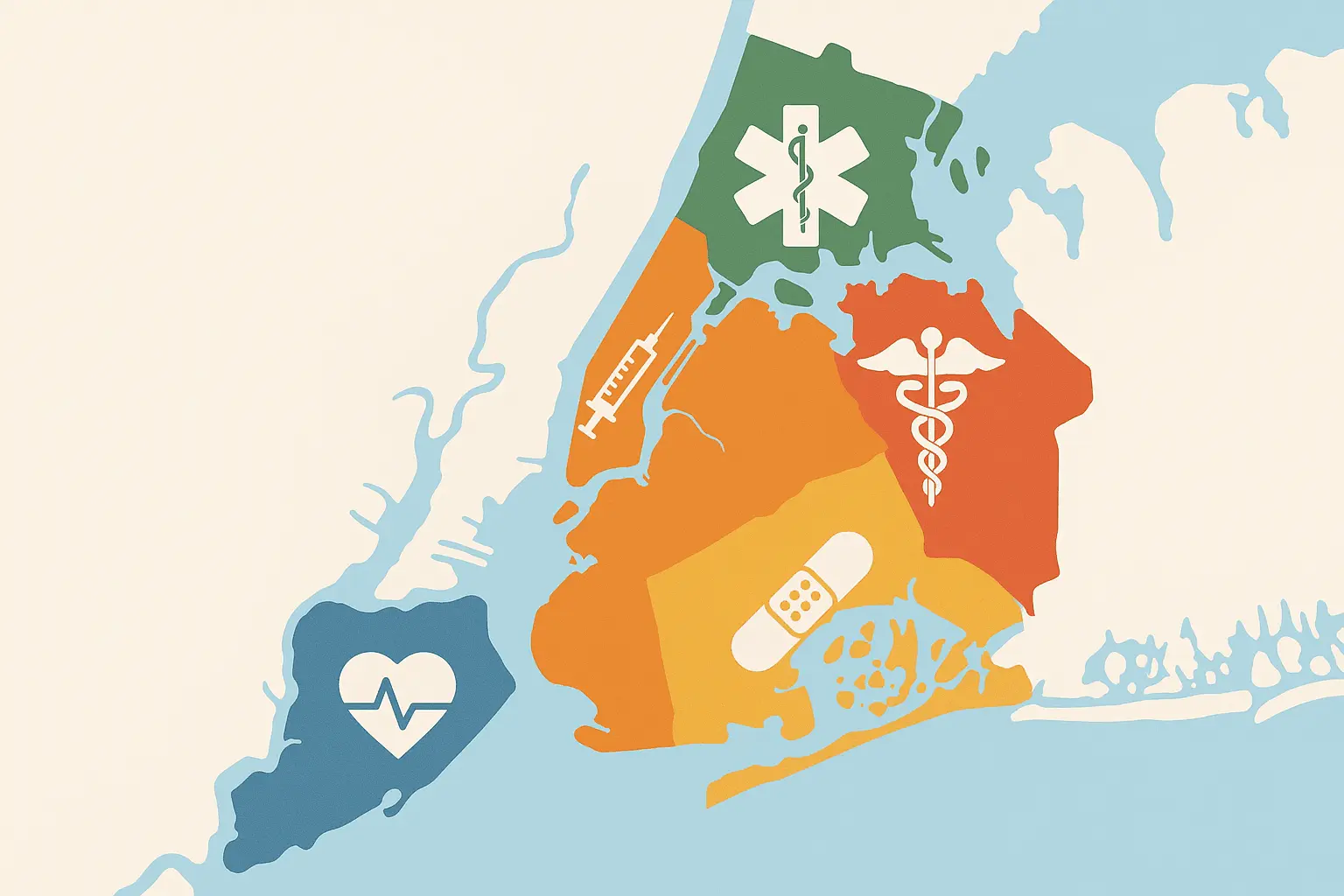
Alright, let's talk about the elephant in the room - where you practice in NYC makes a huge difference in your paycheck. And I'm not just talking about a few thousand here and there. We're talking about life-changing money.
Manhattan's where the big bucks are, but it's also where your overhead costs will make you cry. Brooklyn, Queens, the Bronx? They might not have that Manhattan prestige, but your money goes a lot further.
Each borough's got different opportunities, patient populations, and costs that'll directly impact your bottom line. It's not just about the salary number on your offer letter.
Manhattan is like the major leagues of family medicine. You'll make 15-25% more than anywhere else, but everything costs more too. I'm talking about office rent that'll make your student loan payments look reasonable.
The upside? You're dealing with patients who can afford premium care, and they're willing to pay for it. Concierge medicine, executive physicals, all that high-end stuff? That's Manhattan territory.
But let me tell you what nobody mentions - the stress level is intense. Your patients expect perfection, your office rent is astronomical, and the competition is cutthroat. It's not for everyone.
Areas like the Upper East Side, Midtown, and Financial District offer the highest compensation because of affluent patient populations and premium healthcare facilities. You'll find opportunities in concierge medicine and executive health programs that come with nice perks like flexible scheduling and lower patient volumes.
Brooklyn, Queens, the Bronx - this is where you might actually have a life outside of work. You're still making good money ($220K-$300K), but your commute doesn't involve selling a kidney for parking.
I know docs in Brooklyn who are making more take-home than their Manhattan colleagues because their overhead is so much lower. Plus, the patient populations are often more interesting and diverse.
One of my friends moved from a Manhattan hospital to a Brooklyn private practice. Same patient volume, $40K more per year, and she actually gets home in time for dinner. Sometimes the outer boroughs are the smart play.
These areas often provide more diverse patient populations, which can be professionally rewarding and help you develop broader clinical skills. Community health centers and FQHCs sometimes offer loan forgiveness programs as additional compensation too.
Dr. Sarah Martinez made this exact move - transitioned from a Manhattan hospital position paying $280,000 to a Brooklyn private practice where she now earns $320,000 with 20% lower overhead costs. Her commute dropped from 45 minutes to 15 minutes, and she reports way better work-life balance while maintaining her patient volume and clinical satisfaction.
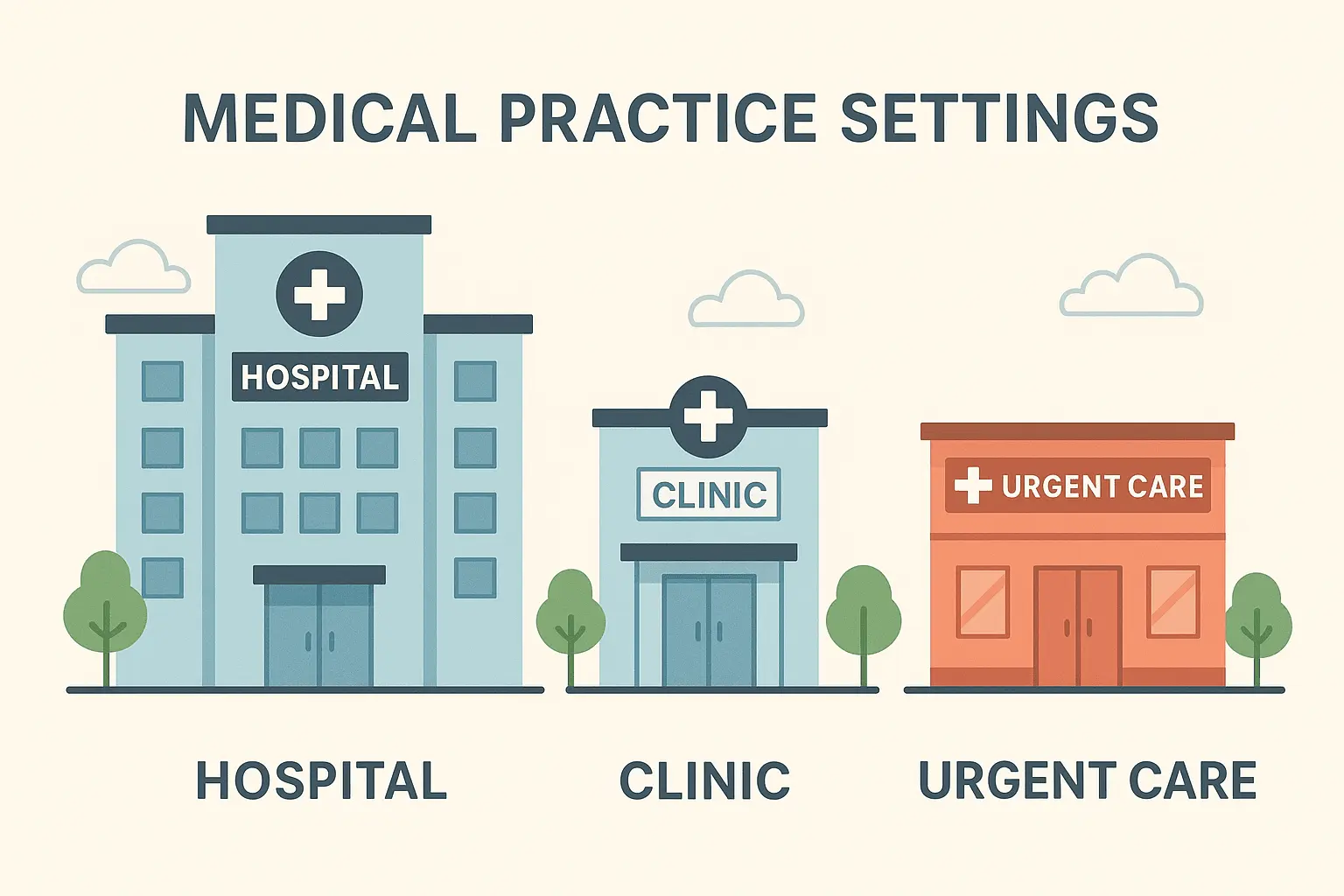
This is where you need to get real about what kind of doctor you want to be. Hospital employee? Private practice owner? Each path has totally different financial implications.
Your choice of practice setting fundamentally shapes your earning trajectory. Hospital employment, private practice, urgent care, retail medicine - they all offer different compensation models with different risk-reward profiles.
Hospital employment is the safe play. Steady paycheck, benefits, someone else deals with the business headaches. It's like having a regular job, except you're a doctor.
Private practice? That's where the real money is, but it's also where you can lose your shirt if you don't know what you're doing. I've seen practice owners making $500K+, and I've seen others who barely break even after expenses.
The decision usually comes down to this - do you want security or do you want upside? There's no wrong answer, but be honest about your risk tolerance.
Recent healthcare industry analysis shows that "self-employed physicians earned an average of 20% more than their employed peers. Self-employed physicians make an average of $385K, while employed physicians earn an average of $320K", highlighting the financial advantages of practice ownership despite all the extra responsibilities.
Urgent care work pays $100-$150 per hour, which sounds amazing until you realize you're basically a freelancer. No benefits, no paid vacation, no security.
But here's where it gets interesting - a lot of docs use urgent care as supplemental income. Work your regular job, then pick up some urgent care shifts for extra cash. It's like Uber for doctors.
The flexibility is real though. If you want to work part-time or you're between jobs, urgent care can be a lifesaver. Just don't expect to get rich doing it full-time.
While hourly rates are attractive, annual earnings may be lower than traditional practice models unless you work full-time hours consistently. However, the reduced administrative burden and flexible scheduling appeal to many physicians looking for better work-life balance.
Want to make more money? Stop thinking like an employee and start thinking like a business owner. Even if you're employed, you need to think strategically about your career.
The docs making the most money aren't necessarily the smartest ones - they're the ones who figured out how to add value beyond just seeing patients.
Growing your family medicine income in NYC requires strategic thinking beyond just seeing more patients. The most successful physicians develop multiple revenue streams, build strong reputations, and adapt to changing healthcare delivery models.
Sports medicine certification can add $30K-$50K to your annual income. Aesthetic medicine? Even more if you do it right. These aren't just letters after your name - they're revenue streams.
I know a family doc who added Botox to her practice. She's making an extra $60K per year working maybe 5 extra hours per week. That's the kind of math that changes your life.
Geriatric medicine is huge in NYC too. All these aging baby boomers need specialized care, and they're willing to pay for it.
Sports medicine opens doors you wouldn't believe. High schools, colleges, professional teams - they all need team physicians. It's good money and it's fun work.
You can provide pre-participation physicals, injury assessments, and performance optimization services. Sports medicine certification opens doors to lucrative opportunities with professional teams, fitness centers, and athletic clubs.
Aesthetic medicine is where the real money is though. Cash pay, high margins, patients who want the service. Just make sure you get proper training - this isn't something you want to wing.
Aesthetic medicine has exploded in popularity, particularly in image-conscious NYC. Family doctors with proper training can offer Botox injections, chemical peels, and other cosmetic procedures that generate substantial cash-pay revenue.
Addiction medicine is desperately needed in NYC. It's not the most glamorous work, but it's incredibly important and the compensation reflects that need. You can earn supplemental income through specialized treatment programs, consulting opportunities, and partnerships with rehabilitation facilities.
Dr. Michael Chen completed sports medicine certification while maintaining his family practice in Queens. He now provides services to three local high schools and a semi-professional soccer club, generating an additional $45,000 annually while building valuable community relationships and enhancing his clinical expertise.
This is Marketing 101 for doctors. Happy patients refer their friends. Referred patients are more loyal and less price-sensitive. It's a beautiful cycle once you get it going.
Focus on the patient experience. Yeah, I know, everyone says that. But seriously - return calls promptly, run on time, actually listen to people. You'd be amazed how rare this is.
Network with other doctors too. Specialists who trust you will send you patients. It's old-school relationship building, but it works.
Building a loyal patient base is crucial for long-term financial success. Satisfied patients provide steady revenue, refer friends and family, and are less likely to switch providers based on insurance changes.
Not all insurance pays the same. Some plans reimburse way better than others for identical services. Do your homework before deciding which plans to accept.
Value-based care is the future, whether you like it or not. Get ahead of this curve. Learn about quality metrics, population health, all that stuff. The docs who figure this out first are going to make bank.
Consider direct primary care or concierge models too. Patients pay you directly, you provide better care, everyone wins. It's not for everyone, but it can be incredibly lucrative.
Understanding different insurance reimbursement rates helps you make informed decisions about which plans to accept. Value-based care models are becoming increasingly important - physicians who can demonstrate quality outcomes and cost-effective care often receive bonus payments and preferential contracts.
Recent industry data reveals that "a Family Medicine physician in New York earns approximately $325,000 per year ($27,083 monthly). Based on an average 44-hour work week, this translates to about $170 per hour", providing a clear benchmark for evaluating different compensation models and practice efficiency.
Healthcare policy changes affect your paycheck more than you think. Medicare updates, Medicaid expansion, value-based care initiatives - this stuff matters for your bottom line.
Economic factors beyond your control significantly impact your earning potential. Healthcare policy changes, insurance reimbursement updates, and demographic shifts all affect family medicine compensation in NYC.
Medicare just increased primary care payments by 3-5%. That's real money in your pocket. Medicaid expansion means more patients, even if individual reimbursement is lower.
Value-based care is creating new revenue opportunities. If you can prove you're providing good, cost-effective care, you get rewarded. It's actually not that complicated once you understand it.
Recent Medicare physician fee schedule updates have increased primary care reimbursements by 3-5% annually. These improvements recognize the value of primary care and help offset rising practice costs.
Medicaid expansion in New York has created new patient volume opportunities. While Medicaid reimbursement rates are lower than commercial insurance, the increased patient access can boost overall practice revenue.
Medicare improvements specifically help family medicine. Those E&M code updates? That's more money for the same work you're already doing.
Medicaid expansion brought in tons of new patients. Sure, the reimbursement per patient is lower, but volume makes up for it if you're efficient.
Understanding billing and coding optimization becomes crucial for maximizing reimbursement from government programs. Proper documentation and coding can substantially impact your revenue from these patients.
This is the future, folks. Quality over quantity. If you can keep patients healthy and costs down, you get bonuses. It's actually a pretty good system once you wrap your head around it.
Value-based care models reward quality over quantity. Physicians who can demonstrate excellent patient outcomes, preventive care compliance, and cost-effective treatment approaches receive bonus payments.
These programs often include shared savings arrangements where you receive a portion of the healthcare cost savings your excellent care generates. This can add substantial income to your base compensation.
According to recent healthcare compensation analysis, "physicians collectively have all the power, but we have none individually" when it comes to reimbursement rates, emphasizing the importance of understanding and adapting to evolving payment models rather than relying solely on traditional fee-for-service structures.
Let's be real about NYC costs. Housing will eat 30-40% of your gross income. Transportation, whether you drive or take the subway, adds up fast.
Practice overhead in Manhattan is brutal. We're talking $50-150 per square foot for medical office space. That's mortgage-payment money just for rent.
NYC's high cost of living significantly impacts your real purchasing power. Housing costs alone can consume 30-40% of your gross income, requiring careful budgeting and financial planning.
Even making doctor money, you're going to spend a huge chunk on housing. That's just NYC reality. Consider the outer boroughs or nearby suburbs if you want more bang for your buck.
For family physicians relocating to NYC, understanding what salary you actually need in NYC helps determine whether your medical practice income will support your desired lifestyle in the city's expensive housing market.
Owning a car in Manhattan can cost $500+ monthly just for parking. Public transit is way cheaper at around $130 monthly, but factor in time and convenience.
Transportation costs vary significantly based on your choices. Owning a car in Manhattan can cost $500+ monthly for parking alone, while public transit offers a more economical option at around $130 monthly.
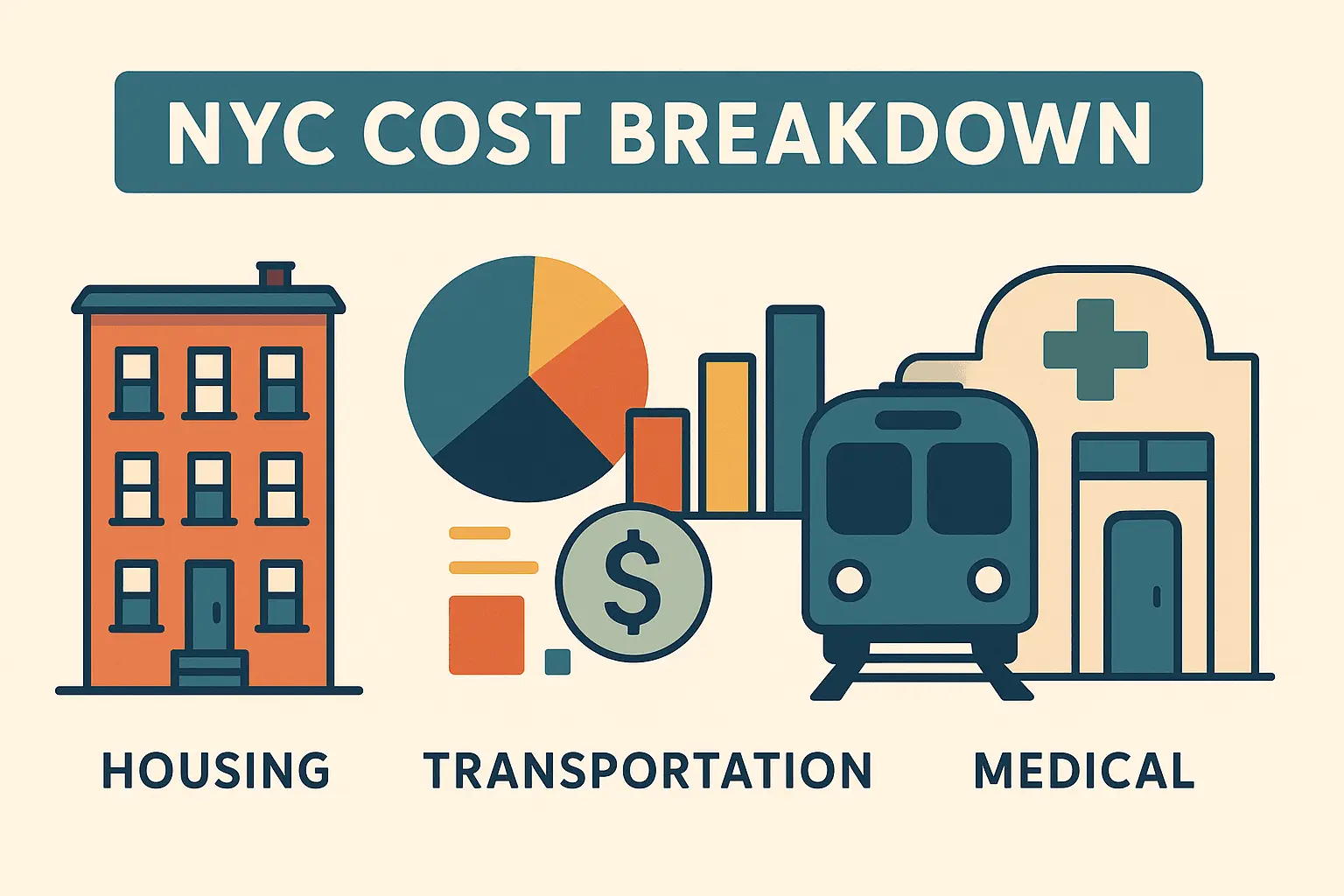
Manhattan office rent will shock you - $50-150 per square foot annually. Malpractice insurance runs $15K-$25K yearly. Staff costs are higher than anywhere else.
These aren't just numbers on a spreadsheet - they directly impact how much money you take home. Location decisions matter way more than most docs realize.
Practice overhead in NYC is substantially higher than other markets. Manhattan medical office space can cost $50-150 per square foot annually, making location decisions crucial for practice profitability.
Malpractice insurance for family doctors averages $15,000-25,000 annually, depending on your practice location and patient volume. This represents a significant fixed cost that must be factored into your financial planning.
The job market for family docs in NYC is hot right now. Healthcare systems are competing hard for good physicians, which means better deals for you.
Certain skills are in super high demand - geriatrics, multilingual capabilities, addiction medicine. If you've got these, you can basically write your own ticket.
The job market for family physicians in NYC remains robust, with healthcare systems actively competing for quality practitioners. Understanding which skills are in highest demand helps you position yourself for the best opportunities and compensation packages.
NYC's aging population creates huge demand for geriatric-focused family physicians. You can earn 10-15% more just by specializing in elderly care.
Multilingual docs are gold in NYC. Spanish, Mandarin, Arabic - if you speak what your patients speak, you'll get recruitment bonuses and higher salaries.
Addiction medicine is desperately needed. You can earn an extra $50K-$100K annually through specialized programs and consulting work.
NYC's aging population creates significant demand for geriatric-focused family physicians. You can earn 10-15% salary premiums by developing expertise in elderly care, with opportunities in both traditional practice settings and growing concierge medicine markets.
Geriatric medicine positions you perfectly for NYC's demographic trends. Concierge geriatric practices in Manhattan and Brooklyn charge $3K-$10K annual membership fees per patient.
Memory care and dementia management skills are especially valuable. Partner with specialists to provide comprehensive care - it's rewarding work and pays well.
Concierge geriatric practices are particularly lucrative in affluent areas of Manhattan and Brooklyn. These practices often charge annual membership fees of $3,000-10,000 per patient while providing comprehensive, personalized care.
Language skills equal higher pay in NYC. Healthcare systems desperately need docs who can communicate without interpreters. Spanish fluency is particularly valuable.
Beyond recruitment bonuses, multilingual physicians build bigger, more loyal patient bases. Patients stick with doctors who speak their language.
The city's incredible diversity makes multilingual physicians extremely valuable. If you're fluent in Spanish, Mandarin, Arabic, or other languages common in NYC communities, you'll often receive recruitment bonuses of $10,000-25,000 plus higher base salaries.
Spanish fluency is particularly valuable given the large Latino population across all boroughs. Mandarin and Cantonese speakers are in high demand in Chinatown, Flushing, and other Asian communities.
Addiction medicine opens multiple revenue streams. MAT for opioid addiction, alcohol dependency counseling, consulting work - it adds up fast.
The opioid crisis created urgent demand for qualified providers. Insurance reimbursement has improved significantly, making this both profitable and impactful.
Addiction medicine certification opens multiple revenue streams in NYC. You can provide medication-assisted treatment (MAT) for opioid addiction, alcohol dependency counseling, and comprehensive substance abuse care.
Many certified physicians earn substantial supplemental income through consulting with rehabilitation facilities, employee assistance programs, and legal cases requiring medical expertise in addiction.
Dr. Lisa Rodriguez leveraged her Spanish fluency and addiction medicine certification to establish a specialized family practice in the Bronx. She receives a $20,000 annual language bonus, earns an additional $65,000 through addiction treatment services, and maintains a 95% patient retention rate due to her cultural competency and specialized expertise.
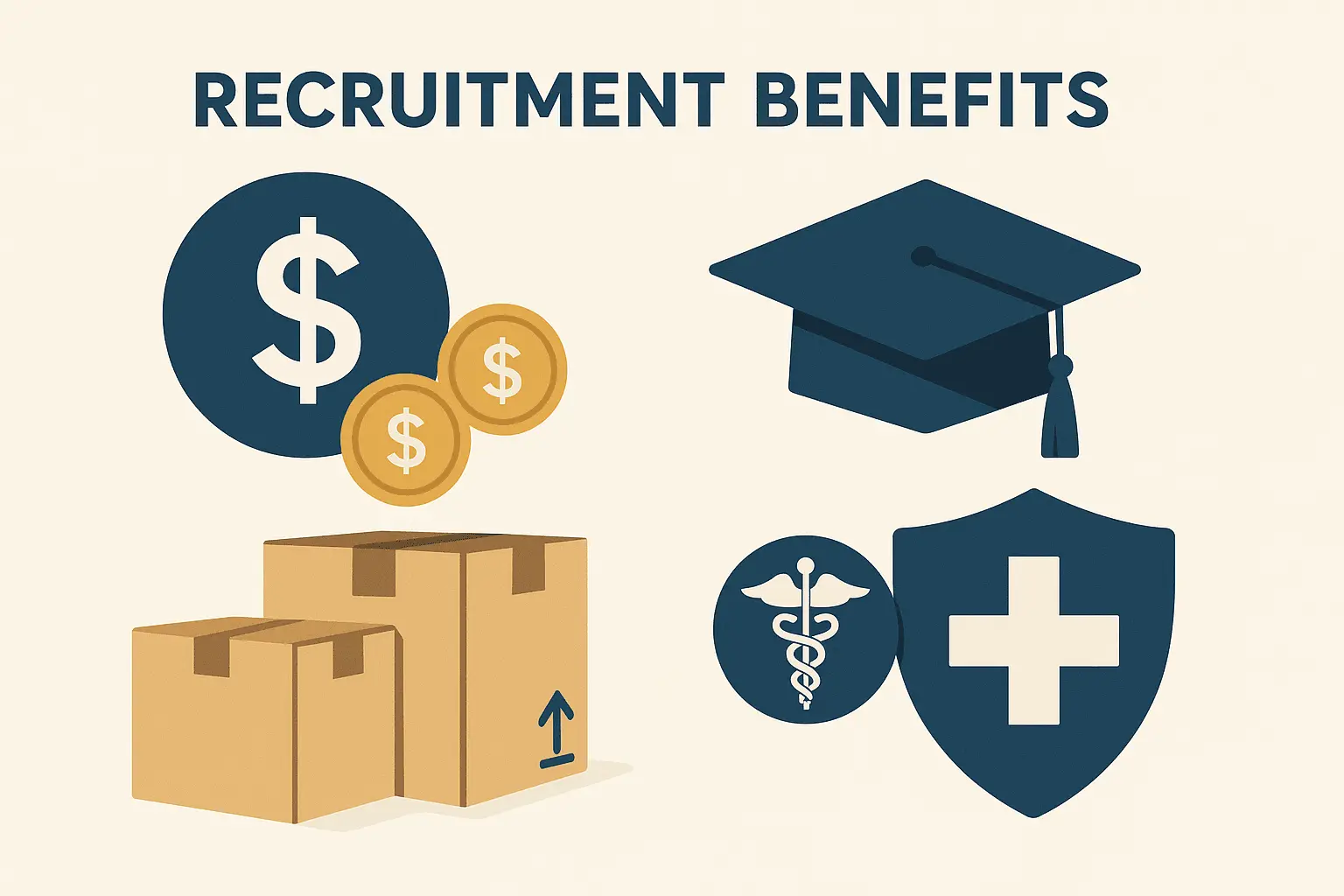
Healthcare systems are throwing serious money at recruitment - we're talking $50K-$150K in total incentives over your first few years.
Student loan repayment programs can eliminate $50K-$150K of your debt. For new grads, this is life-changing money.
Relocation assistance helps with NYC's brutal moving costs. Most packages include $10K-$30K plus temporary housing assistance.
Healthcare systems in NYC compete aggressively for quality family physicians through comprehensive recruitment packages. These incentives can effectively increase your total compensation by $50,000-150,000 over your first few years.
With average med school debt over $200K, loan repayment programs are huge. Most require 3-5 year commitments but provide annual payments toward your loans.
Calculate the present value when comparing offers. A slightly lower salary with great loan forgiveness might be the better financial choice.
Student loan repayment programs are particularly attractive for recent graduates. Many systems offer $50,000-150,000 in loan forgiveness over 3-5 years, significantly reducing your debt burden.
Most programs require 3-5 year commitments but provide annual payments toward your loans. Some systems offer lump-sum payments after completing your commitment period.
Moving to NYC is expensive. Relocation packages typically cover moving costs, temporary housing, and professional housing search services.
Some systems provide corporate housing for your first 30-90 days. This eliminates the stress of finding housing from a distance and gives you time to explore neighborhoods.
Relocation assistance helps offset the substantial costs of moving to NYC. These typically include moving expense reimbursement, temporary housing allowances, and professional housing search services.
Many healthcare systems partner with companies such as furnished room rental services to provide temporary housing solutions for relocating family physicians, helping them transition smoothly while searching for permanent accommodations in NYC's competitive housing market.
|
Recruitment Sweeteners |
What You Get |
How Long |
The Fine Print |
|
Sign-On Bonus |
$25,000-$50,000 |
One shot |
Usually tied to staying X years |
|
Student Loan Help |
$50,000-$150,000 |
3-5 years |
Read the commitment requirements |
|
Moving Money |
$10,000-$30,000 |
One-time |
Covers actual moving costs |
|
Education Fund |
$5,000-$10,000 |
Every year |
Plus time off to use it |
|
Language Bonus |
$10,000-$25,000 |
Annual |
If you speak what patients need |
Want to make the most money possible? Stop accepting whatever salary you're offered and start thinking strategically. The highest-earning docs aren't necessarily the best clinicians - they're the best negotiators and business thinkers.
Your approach should include comprehensive market research, skilled negotiation, ongoing professional development, and long-term strategic planning for career advancement.
Maximizing your earning potential requires strategic planning and proactive career management. The most successful family physicians in NYC don't just accept whatever salary they're offered – they research, negotiate, and continuously develop their skills.
Do your homework before any salary negotiation. Know what other docs are making, understand your value, and have clear goals before you sit down to talk money.
Use multiple sources - medical association surveys, networking with colleagues, and healthcare recruiters. The more data you have, the stronger your position.
Thorough preparation is essential for successful salary negotiations. You need current market data, understanding of your value proposition, and clear negotiation objectives before entering discussions with potential employers.
Start with AAFP and MGMA salary surveys. Network at medical society meetings. Talk to other docs - most are pretty open about compensation once you build relationships.
Healthcare recruiters are goldmines of market intelligence. Even if you're not job hunting, stay in touch with good recruiters. They know what everyone's paying.
Start your research with professional medical associations that publish annual salary surveys. The American Academy of Family Physicians (AAFP) and Medical Group Management Association (MGMA) provide detailed compensation data by geographic region.
Network actively with other family physicians in NYC. Attend medical society meetings, join online physician communities, and maintain relationships with residency colleagues who've entered practice.
Don't just negotiate salary - negotiate everything. Benefits, call schedules, CME money, vacation time, potential equity in private practices.
Practice your pitch with trusted mentors. Role-playing helps you anticipate objections and develop confident responses.
Develop a comprehensive negotiation strategy that extends beyond base salary. Consider benefits, call schedules, CME allowances, vacation time, and potential equity opportunities in private practice settings.
Prepare to articulate your value proposition clearly. Highlight your clinical skills, patient satisfaction scores, efficiency metrics, and any subspecialty training that differentiates you from other candidates.
Your Negotiation Game Plan:
Keep learning and growing - it directly impacts your earning potential. The most successful docs invest consistently in new skills, especially technology and business knowledge.
Focus on high-ROI development - technology skills, leadership training, business education. These pay dividends throughout your career.
Continuous professional development directly impacts your earning potential throughout your career. The most successful family physicians invest consistently in new skills, technologies, and business knowledge.

Technology skills aren't optional anymore - they're essential for maximizing your earning potential. Docs who rock at telemedicine, EHR optimization, and digital health tools are getting paid more, plain and simple.
Telemedicine became huge during COVID and it's not going anywhere. You can see more patients, cut overhead costs, and offer convenience that patients actually value. Learn it, love it, profit from it.
Digital health tools like remote monitoring and health apps let you provide better care more efficiently. Healthcare organizations are paying premiums for docs who can navigate this stuff without breaking a sweat.
Technology skills have become essential for maximizing earning potential. Physicians who excel at telemedicine, electronic health record optimization, and digital health tools often command higher salaries.
Telemedicine expertise became particularly valuable during the pandemic and remains important for practice efficiency. You can see more patients, reduce overhead costs, and provide convenient care that patients value.
Want to make real money? Learn the business side. Medical director positions, practice management roles, healthcare consulting - they all pay way more than just seeing patients.
Consider an MBA or healthcare management certificate if you're serious about leadership roles. Yeah, it's more school, but the ROI is usually worth it.
Get comfortable with healthcare finance, quality improvement, strategic planning. These skills open doors to practice ownership and executive positions that can double your income.
Leadership and business skills open doors to higher-paying administrative roles. Medical director positions, practice management roles, and healthcare consulting opportunities all require business acumen beyond clinical expertise.
Consider pursuing an MBA or healthcare management certificate if you're interested in leadership roles. These credentials demonstrate your commitment to business excellence and qualify you for executive positions.
Think beyond your next job. Set salary goals, identify advancement opportunities, build relationships that support long-term growth. The docs making the most money planned it that way.
Consider multiple paths - clinical excellence, practice ownership, healthcare leadership, consulting. Figure out what excites you and pays well, then go after it.
Long-term financial success requires strategic career planning that extends beyond your current position. Set clear salary goals, identify advancement opportunities, and build the professional relationships that support career growth.
Practice ownership can dramatically increase your earning potential. I know practice owners making $500K+, but they also took significant financial risks to get there.
Start planning early. Develop business skills, build financial reserves, identify potential partners or acquisition opportunities. Proper planning is everything in practice ownership.
Understand the financial requirements - startup costs, working capital, ongoing expenses. You need serious money to make this work, but the upside can be incredible.
Partnership and ownership opportunities can dramatically increase your earning potential. Many successful family physicians earn double or triple their employed salaries through practice ownership, but these opportunities require business investment and risk tolerance.
Start planning for ownership early in your career. Develop business skills, build financial reserves, and identify potential partners or acquisition opportunities that align with your goals.
Your Career Master Plan:
Dr. James Park started as an employed family physician earning $240,000 annually. After five years, he partnered with two colleagues to purchase an established practice. His initial investment of $150,000 (financed through practice loans) now generates annual income of $420,000, demonstrating how strategic career planning and calculated risks can significantly increase earning potential.

Look, your earning potential as a family doctor in NYC is genuinely impressive, but you've got to be smart about it. The docs making the most money aren't just lucky - they're strategic. Your medical degree is your foundation, but building real wealth requires business smarts, subspecialty skills, and professional relationships. It's not enough to be a good doctor anymore - you need to be a good businessperson too.
NYC rewards docs who provide great patient care while understanding the economic realities of modern medicine. Whether you go the stable hospital route or the higher-risk private practice path, success comes from delivering value to patients and healthcare systems.
Family medicine in NYC offers incredible earning potential, but only if you approach your career strategically. You need to understand market dynamics, develop valuable skills, and make smart decisions about where and how you practice.
The investment you made in medical school positions you for financial success, but the specific choices you make about practice settings, skill development, and career advancement will determine how much you actually earn. Use every resource available - professional associations, mentorship opportunities, networking events - to make informed decisions.
Here's the bottom line: you can make great money as a family doc in NYC, but it won't happen automatically. Be intentional, be strategic, and don't be afraid to negotiate for what you're worth.
Family medicine in NYC offers exceptional earning potential for physicians who approach their careers strategically. Success requires understanding market dynamics, developing valuable skills, and making informed decisions about practice settings and professional development. While the city's high costs present challenges, the financial rewards and professional opportunities make NYC an attractive destination for ambitious family physicians willing to invest in their careers.
The investment in your medical education and training positions you for a financially rewarding career, but the specific choices you make about where to practice, how to practice, and what additional skills to develop will determine your ultimate earning potential. Take advantage of the resources available, from professional associations to mentorship opportunities, to make informed decisions about your career path.
And hey, when you're pulling in those top NYC family doctor salaries and working crazy hours, you're going to need a place to crash that doesn't add more stress to your life. That's where services like furnished housing solutions come in handy - because the last thing you need after a 12-hour shift is to worry about furniture shopping or lease negotiations.
For busy family physicians earning top family doctor salary NYC levels, maintaining work-life balance becomes crucial for long-term success and personal fulfillment. That's where Outpost can make a meaningful difference in your life. After demanding days caring for patients across the city, our furnished rooms for rent provide comfortable, convenient housing solutions that eliminate the stress of apartment hunting and setup, allowing you to focus on what matters most – your patients and career growth.
Just as many medical professionals benefit from communal living spaces in NYC that provide networking opportunities and stress relief after long shifts, our housing solutions help you build connections with other ambitious professionals while maintaining the privacy and comfort you need to recharge between demanding clinical days.
Just like you network with other medical professionals to advance your career, living in spaces designed for ambitious professionals can provide the connections and stress relief you need to maintain peak performance in your demanding medical practice.


Household supplies can be changed or decreaased at Outpost Club’s discretion, or based on supply availability. Outpost is not responsible for temporary losses of utility service. Outpost Club is not responsible for any damages due to absence of any supplies or utilities


If you have a sales related question please call
680-688-7678

 Hot Deals