Firefighter Salary NYC: What FDNY Really Pays (And Why It Matters More Than You Think)
Dec 13, 2025
Dec 13, 2025
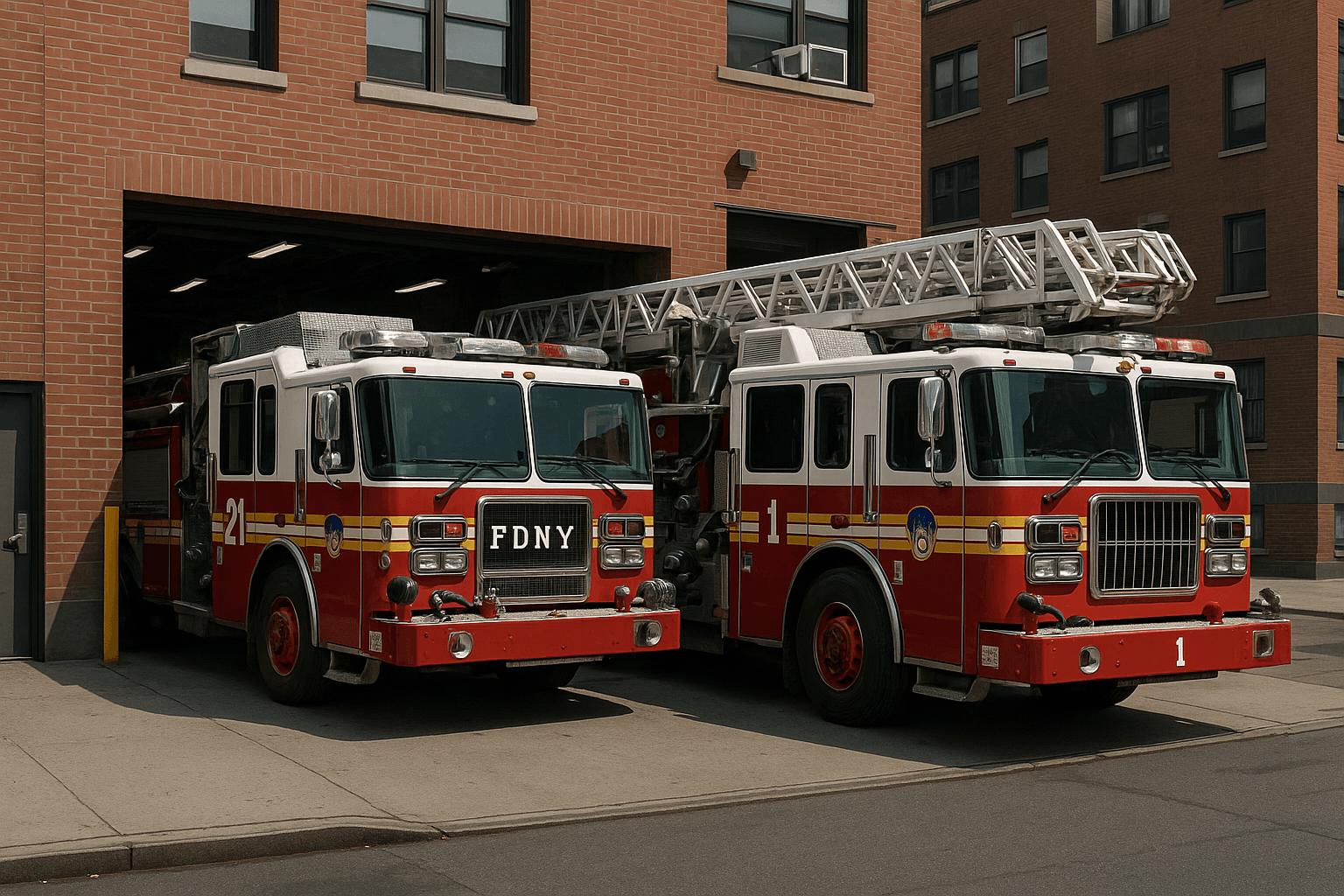
The path to becoming an FDNY firefighter isn't just about serving your community - it's about building a financially secure career in one of America's most demanding professions. According to DataUSA, firefighters nationwide earned an average of $84,406 in 2023, significantly higher than the national average salary of $67,727. For FDNY firefighters specifically, this compensation picture becomes even more compelling when you factor in New York City's comprehensive benefits package and extensive overtime opportunities.
I've talked to dozens of FDNY firefighters over the years, and here's what they all tell me: the firefighter salary NYC structure attracts dedicated professionals who want both meaningful work and financial stability. The numbers tell a compelling story, but the real value goes far beyond what appears on your first paycheck.
Look, FDNY doesn't operate on a straightforward "here's your annual salary" model. Instead, they've built a compensation system that reflects the complex, demanding nature of firefighting work in America's largest city.
Your total take-home depends on multiple moving parts working together. Base salary forms the foundation, but overtime opportunities, specialized assignments, and comprehensive benefits create the real value proposition. This isn't accidental - it's designed to reward dedication, experience, and the willingness to take on additional responsibilities.
Most people focus solely on base salary numbers when evaluating FDNY careers. That's missing the bigger picture. The department's compensation philosophy recognizes that firefighting isn't a typical 9-to-5 job, and neither should the pay structure be typical.
Here's what nobody tells you about the fdny salary structure: you need to look at every component that contributes to your financial well-being. I've seen too many potential firefighters make decisions based only on starting salary and miss the real earning potential.
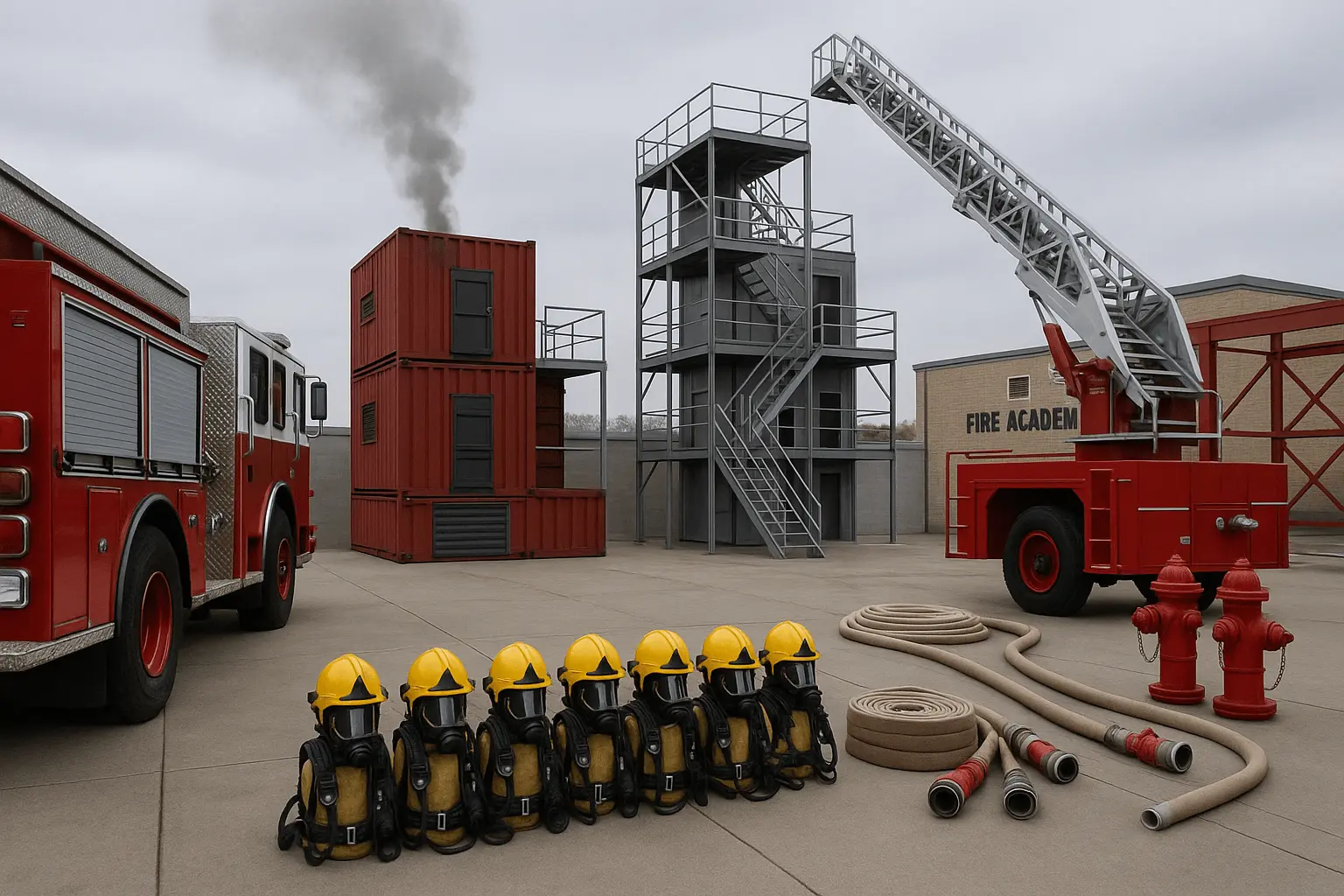
Academy life means you're earning while learning. That $45,000 during training isn't just pocket change - it's recognition that you're already contributing to your future role as a firefighter. The department understands that 18 weeks of intensive training requires full-time commitment, and they compensate accordingly.
Once you graduate and hit active duty, expect a serious pay jump. I'm talking about moving from training wages to professional firefighter compensation almost overnight. This jump reflects your transition from student to someone responsible for protecting lives and property across NYC.
The probationary period that follows graduation comes with its own salary structure. You're no longer a recruit, but you're not yet a fully seasoned firefighter either. Your compensation reflects this in-between status while you gain real-world experience.
According to FDNY Official Recruitment, starting salary for a Firefighter is $54,122, but with overtime, fringe and holiday pay, which is often required, firefighters can receive additional compensation. After five years, a Firefighter can make more than $105,146, including overtime and holiday pay. These numbers demonstrate the significant earning potential for dedicated new york city firefighter professionals.
Five years into your FDNY career, you're looking at a completely different financial picture. That $85,000-$100,000 range for senior firefighters represents real earning power, especially when you factor in the overtime opportunities I'll discuss next.
Years of service matter here more than in most professions. Each year brings automatic increases that compound over time. It's not just about cost-of-living adjustments - these are meaningful jumps that reflect your growing expertise and value to the department.
Experience translates directly into compensation because experienced firefighters make better decisions under pressure. They know the neighborhoods, understand building construction, and can mentor newer firefighters. The salary progression acknowledges this reality.
For those considering the financial commitment of moving to NYC for this career, understanding the real cost of living in NYC becomes crucial when evaluating these salary ranges.
|
Years of Service |
Base Salary Range |
Total Compensation (with overtime) |
Career Stage |
|
Academy Training |
$45,000 |
$45,000 |
Recruit |
|
0-2 Years |
$54,122 |
$65,000-$75,000 |
Probationary |
|
3-5 Years |
$75,000-$85,000 |
$90,000-$110,000 |
Experienced |
|
5+ Years |
$85,000-$100,000 |
$105,146+ |
Senior |
The fdny salary progression shows clear financial incentives for career longevity and professional development within the department.
Look, overtime isn't just available at FDNY - it's everywhere. The thing about emergency services is that criminals don't clock out at 5 PM, and neither do house fires. When someone dials 911, you've got to be there, whether it's your scheduled shift or your kid's birthday party.
Here's how mandatory overtime actually works: You're getting ready to head home after your tour, and boom - you're getting held over because someone called in sick or there's a big incident going down. Nobody loves getting stuck, but that time-and-a-half rate makes the pain a little easier to swallow.
The real money is in voluntary overtime. Smart firefighters who know how to work the system can seriously boost their take-home. Special events, construction details, extra shifts - they're constantly putting out the call for volunteers. The guys who manage their schedules well and don't mind the grind can add serious cash to their annual income.
But here's what nobody tells you: overtime isn't guaranteed money. Budget cuts, staffing changes, operational needs - it all affects what's available. I've seen guys budget their whole lifestyle around overtime income, then get burned when it dries up. Treat it as a bonus, not part of your base planning.
Take my friend Martinez - seven-year veteran pulling down $95,000 base. He's strategic about it, picks up one extra shift per week, works the holiday details when everyone else wants to be home. Adds about $35,000 in overtime annually, bringing his total to $130,000. That's a 37% bump over base pay, but he's also working way more than 40 hours a week.
Most people don't realize how much they're getting screwed on health insurance until they see what FDNY offers. You're talking about medical, dental, vision coverage that actually covers stuff when you need it, not some bare-bones plan that leaves you hanging when something goes wrong.
This matters more in firefighting than most jobs. Your body takes a beating - smoke exposure, injuries from carrying people down stairs, the wear and tear of hauling heavy equipment. Having coverage that actually works means you focus on getting better, not figuring out how to pay for it.
Family coverage is where this really shines. When you're supporting a family on a firefighter's schedule - working nights, weekends, holidays - knowing everyone's healthcare is locked down gives you peace of mind you can't put a price on.
Understanding healthcare options becomes even more important when you consider low-cost therapy NYC resources that can supplement your benefits for mental health support after traumatic calls.
The pension system is honestly one of the strongest reasons to stick with FDNY long-term. After 20-25 years, you can retire with guaranteed monthly income for life. Not some 401(k) that goes up and down with the stock market - actual guaranteed money based on your service and what you earned.
Recent numbers show just how solid these pensions are. According to Empire Center, New York City firefighters and fire officers retiring last year after full careers were entitled to average annual pension benefits of $171,336, up 13 percent from the prior year. Nearly 95% of full-career retirees were eligible for six-figure pensions.
Here's the kicker: pension calculations use your highest-earning years. All those overtime hours and promotional increases? They don't just help you now - they boost your retirement income for decades. Every dollar you earn in your peak years affects your pension check for the rest of your life.
You can also retire early - many firefighters are done in their 40s or early 50s with full pension benefits. That means you could start a second career while collecting pension income. Not a bad deal.
The pension strength is evident in data from Civil Service Success, showing that 471 Fire Department of New York (FDNY) officers and firefighters who retired in calendar year 2018 were eligible for average pensions of $129,259, with 74 percent of newly retired FDNY employees eligible for pensions with at least six-figures.
Hazard pay acknowledges what everyone knows but most employers won't pay for - this job can kill you. It's not huge money, but it's recognition that every time you walk into a burning building, you're accepting risks most people never face.
Uniform allowances help offset the costs of looking professional and replacing gear that gets destroyed on the job. Firefighting is hell on equipment, and these allowances mean you're not constantly buying work clothes out of your own pocket.
The equipment stipends cover specialized tools and personal protective gear that individual firefighters buy to do their jobs better and safer. Again, not life-changing money, but it adds up and reduces what you're paying for work-related stuff.

Lieutenant is your first real step into leadership, and the pay jump shows it - $110,000-$130,000 range puts you solidly in middle-class territory, even in expensive NYC. You're still fighting fires, but now you're responsible for keeping your crew alive and making tactical decisions under pressure.
The compensation increase makes sense when you realize you're doing two jobs: operational firefighter and team leader. You're training the new guys, making split-second decisions that could save or cost lives, and handling the administrative stuff that keeps the firehouse running.
Captain positions push you into $130,000-$150,000 territory with even more responsibility. You're managing entire companies, making strategic calls during major incidents, and dealing with all the paperwork and politics that come with command positions.
These promotions aren't automatic - you've got to test, prove yourself, and often spend years preparing. But the financial rewards make it worth the effort for firefighters who want to advance their careers. The nyc firefighter career path offers clear progression opportunities with substantial compensation increases.
Battalion Chief breaks the $150,000 barrier and can push total compensation over $200,000 with overtime and benefits. At this level, you're managing multiple companies, coordinating big emergency responses, and handling serious administrative responsibilities.
Command positions are about strategic thinking, not just tactical response. You're planning resource allocation, managing budgets, making decisions that affect entire districts. The pay reflects this shift from hands-on firefighting to strategic leadership.
Higher command positions offer even better compensation, but they require extensive experience, additional education, and proven leadership ability. These aren't positions you stumble into - they require serious career planning and development.
|
Rank |
Salary Range |
Total Compensation |
What You're Actually Doing |
|
Firefighter (New) |
$54,122 |
$65,000-$75,000 |
Learning the ropes, basic ops |
|
Firefighter (5+ years) |
$85,000-$100,000 |
$105,146+ |
Senior operations, mentoring rookies |
|
Lieutenant |
$110,000-$130,000 |
$140,000-$170,000 |
Company officer, crew leadership |
|
Captain |
$130,000-$150,000 |
$170,000-$200,000 |
Company command, tactical decisions |
|
Battalion Chief |
$150,000+ |
$200,000+ |
Multi-company ops, strategic planning |
The fdny salary structure clearly rewards career advancement and increased responsibility.
Hazmat and technical rescue assignments come with extra pay because they require specialized training and expose you to unique risks. It's not huge money, but it adds up over time and recognizes your additional expertise.
EMT and paramedic certifications open up more income opportunities since most FDNY firefighters also handle emergency medical calls. This dual role increases your value to the department and your earning potential.
Specialized units often get more overtime because of their unique capabilities. When there's a hazmat incident or technical rescue needed, these teams get called regardless of their regular schedules.
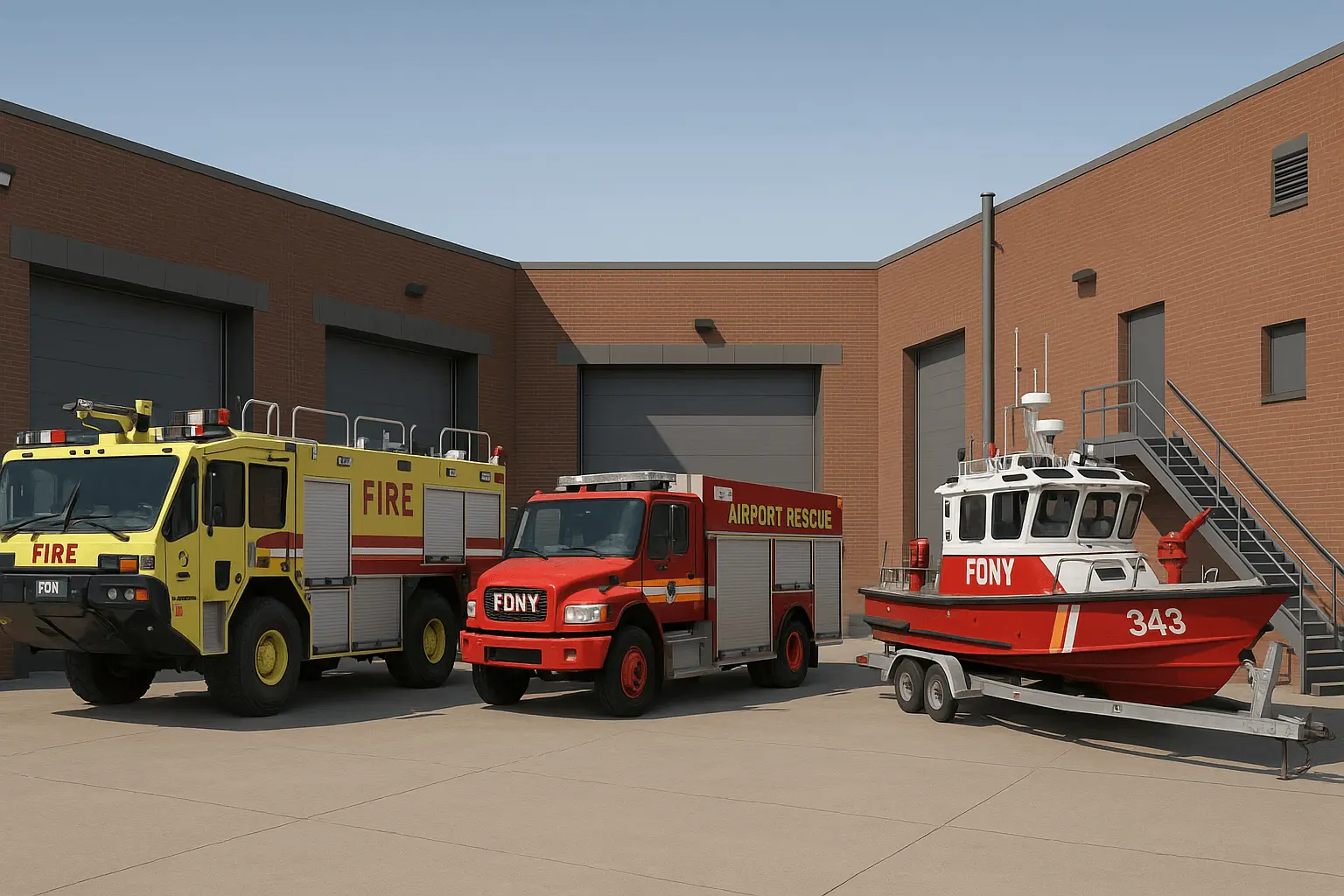
Airport assignments, marine units, and other specialized facilities sometimes include location-specific pay that reflects the unique challenges of these positions.
Take Sarah Chen - she's got EMT certification and works hazmat. Her $92,000 base gets an extra $3,000 hazmat premium plus $2,400 for EMT certification. Add strategic overtime, and she's pulling down $135,000 annually. That's how specializations can seriously boost your earning power for nyc firefighter professionals.

When you compare fire department salaries across major cities, FDNY holds its own pretty well. Stack up base salaries, benefits, and advancement opportunities against Chicago, LA, or other big departments, and FDNY consistently ranks well.
The benefits package often tips the scales in FDNY's favor even when base salaries might be slightly lower than some departments. Health insurance quality, pension benefits, job security - that stuff creates value that's hard to put a number on but easy to appreciate when you need it.
Overtime opportunities in NYC often beat what's available in other major cities just because of the sheer volume of calls and special events. This can make total compensation significantly higher than what base salary comparisons show.
Career advancement opportunities within FDNY are extensive because of the department's size and complexity. Bigger departments create more promotional opportunities and specialized positions than smaller departments can offer.
According to DataUSA, the workforce of firefighters in 2023 was 345,371 people nationwide, with the average age of male firefighters being 38.5 years and female firefighters 35.7 years, showing the career longevity that makes FDNY's pension benefits particularly valuable for new york city firefighters.
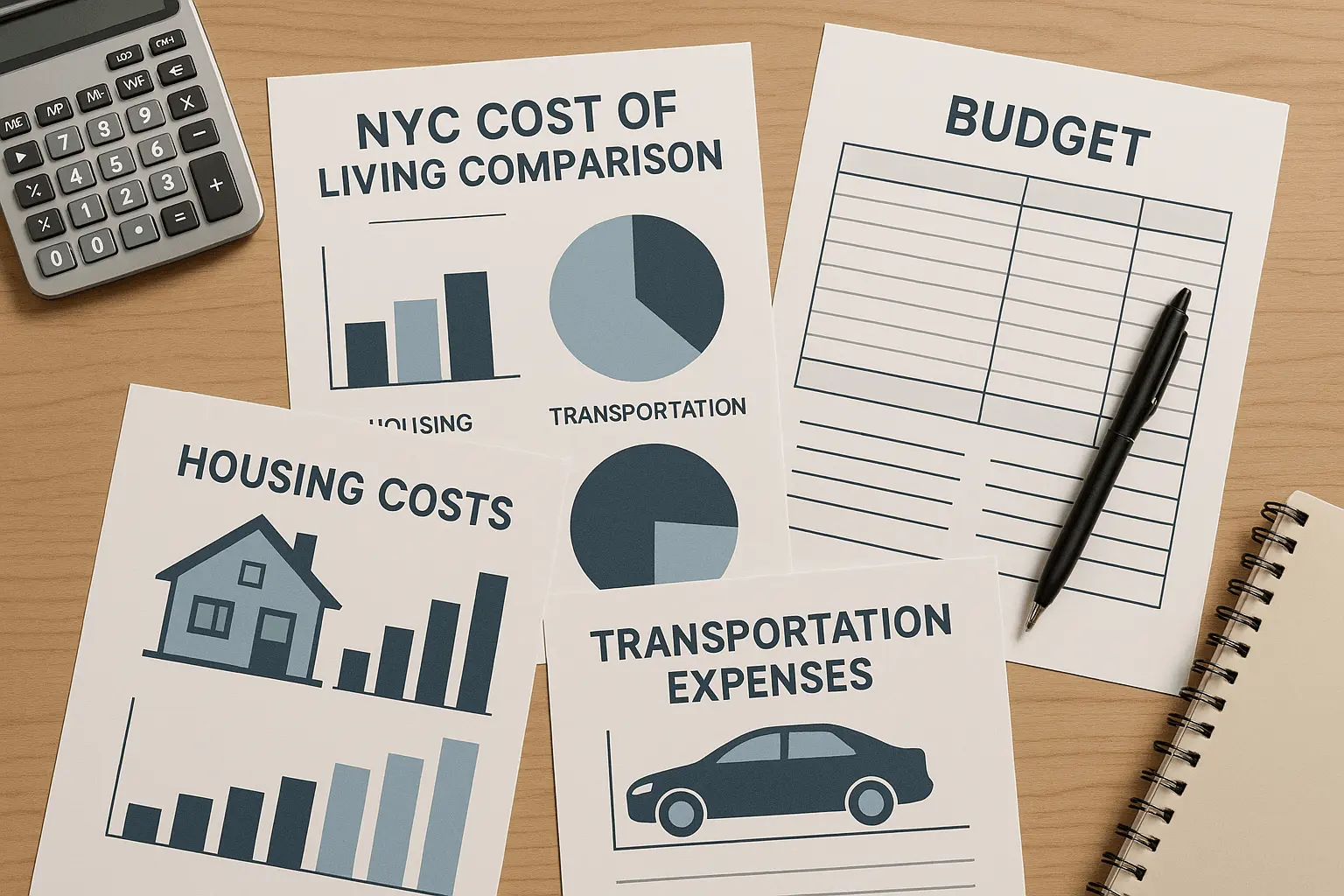
Let's be honest - NYC's cost of living is brutal, and firefighter salaries aren't immune to this reality. That $85,000 salary goes way further in Cleveland than it does in Manhattan, and you need to plan accordingly.
Housing costs will dominate your budget. Whether you're renting in the city or buying in the suburbs, housing will eat up a bigger chunk of your income than firefighters in other parts of the country deal with.
Transportation costs add up fast - parking, public transit, maintaining a car in the city. These aren't optional expenses; they're part of the cost of working in NYC.
The flip side is that NYC offers opportunities and experiences smaller cities can't match. Whether the lifestyle and career opportunities justify the higher costs is a personal decision every firefighter has to make for themselves.
Many firefighters find ways to make it work by getting smart about housing choices and understanding affordable neighborhoods in NYC and cost of living in Brooklyn to maximize their earning power.
The civil service exam process isn't quick or simple. From initial application to academy enrollment, you're looking at 1-2 years of waiting, testing, and evaluation. This timeline requires serious financial planning if you're switching careers.
Written exams, physical fitness tests, medical evaluations, background investigations - they all take time and sometimes money. You might need to keep your current job while preparing for and completing these requirements.
List numbers and hiring priorities can seriously affect your timeline. Even after passing everything, you might wait months or years for your academy class to start. Having a financial cushion during this period isn't optional - it's essential.
What You Actually Need to Apply:
Academy training is full-time, intense work that doesn't leave room for side jobs or additional income. That $45,000 annual rate (prorated for 18 weeks) needs to cover your living expenses while you focus entirely on training.
The academy schedule is demanding and inflexible. You can't juggle this commitment while maintaining other income sources. Plan your finances accordingly before starting the program.
Successful academy completion leads to immediate salary increases and assignment to active duty. The training period is an investment in your future earning potential, but it requires short-term financial sacrifice. The fdny salary jump after graduation makes this temporary sacrifice worthwhile.
Overtime income is tempting to spend because it feels like bonus money, but smart firefighters treat it strategically. Use overtime for debt reduction, emergency fund building, or investments rather than upgrading your lifestyle.
Budget based on your base salary and treat overtime as extra. This approach protects you during periods when overtime isn't available and prevents lifestyle inflation that becomes unsustainable when the extra work dries up.
Emergency funds are crucial for firefighters because job-related injuries can affect your ability to work overtime or even perform regular duties. Having 6-12 months of expenses saved provides security that many firefighters overlook until they need it.
Here's how one smart firefighter handles it: Mike Rodriguez budgets his $88,000 base salary for all essential expenses, then uses his average $25,000 annual overtime for specific goals: $10,000 to emergency fund, $10,000 toward student loans, $5,000 in retirement investments. This strategy keeps him financially stable even during low-overtime periods.
Understanding what are some ways that someone can save money becomes particularly important for firefighters managing irregular income streams.
Firefighter tax situations aren't straightforward. Uniform maintenance, equipment purchases, continuing education expenses - they often qualify for deductions that can significantly reduce your tax burden.
Professional tax preparation makes sense for most firefighters because the deductions and benefits available to public safety employees are complex. The cost of professional help usually pays for itself through maximized deductions and avoided mistakes.
Keep detailed records of work-related expenses throughout the year. Receipts for uniforms, boots, equipment, training courses - they add up to meaningful deductions when tax time arrives.
Firefighter Tax Deduction Checklist:
Contract negotiations directly impact your paycheck and benefits package. Recent agreements have included salary increases that compound over time, making each negotiation cycle important for long-term financial planning.
The Uniformed Firefighters Association works to improve salaries, working conditions, benefits, and retirement provisions. These negotiations affect every aspect of your career beyond just your immediate take-home pay.
Staying informed about contract negotiations helps you understand where the department is heading financially. Budget pressures, political changes, economic conditions - they all influence what's possible in each negotiation cycle.
There's ongoing tension about EMS pay parity that highlights broader compensation issues within FDNY. According to EMS1, Mayor Eric Adams' administration has not put EMS workers' wages on par with firefighters despite campaign promises, with EMTs starting at just $39,386 compared to firefighters' $54,122 starting salary. This disparity affects department dynamics and future contract negotiations.
City budget realities affect everything from overtime availability to equipment purchases. Understanding these pressures helps you anticipate changes that might affect your earning potential or working conditions.
Public safety funding competes with other municipal priorities - education, infrastructure, social services. Political changes can shift these priorities and affect FDNY resources and compensation.
Economic downturns typically mean reduced overtime opportunities and delayed equipment purchases, while strong economic periods often bring increased hiring and better compensation packages.
Manhattan firehouses and busy Brooklyn stations generate more overtime opportunities simply because they respond to more calls. Higher call volume means more chances for holdovers, callback assignments, and special details.
But here's the trade-off: the physical and mental toll of high-activity assignments is real. More calls mean more exposure to traumatic situations, more physical demands, higher stress levels. The additional overtime income comes with genuine costs to your wellbeing.
Balancing earning potential with quality of life becomes important when considering assignment preferences. Some firefighters prioritize maximizing income, while others prefer steadier schedules and lower stress environments.
For firefighters considering assignments in different boroughs, understanding the unique character of areas such as living in Crown Heights or bed stuy safety guide can help inform housing and lifestyle decisions.
Airport assignments, marine units, and other specialized facilities often come with location-specific pay differentials that recognize the unique requirements and challenges of these positions.
Additional training requirements for specialized assignments can lead to enhanced compensation, but they also require ongoing education and certification maintenance that demands time and effort beyond regular duties.
These assignments offer different career experiences and networking opportunities that can benefit long-term career development, even if the immediate financial benefits aren't dramatically different from traditional assignments.
FDNY compensation is complex but rewarding - it goes way beyond simple salary numbers. While base salaries provide solid middle-class income, the real value comes from overtime opportunities, comprehensive benefits, advancement potential, and long-term retirement security.
Success requires understanding all the moving pieces, managing irregular income wisely, and planning for both short-term needs and long-term goals. The combination of meaningful work, competitive compensation, and strong benefits makes FDNY careers financially viable even in expensive NYC, though careful financial planning remains essential for maximizing the opportunities available.
Don't make the mistake of focusing only on base salary and missing opportunities to maximize your total compensation through strategic career moves and smart money management. Too many potential firefighters make decisions based on starting numbers and miss the real earning potential that develops over time.
The path to financial success as an FDNY firefighter requires patience, planning, and persistence. Your earning potential grows significantly over time through automatic increases, promotional opportunities, and accumulated expertise that opens doors to specialized assignments and leadership roles.
But for those willing to put in the work, it's a career that can provide both personal fulfillment and financial security in one of the world's most challenging cities. The guys who've been around know that FDNY isn't just a job - it's a career that can set you up for life if you play your cards right.


Household supplies can be changed or decreaased at Outpost Club’s discretion, or based on supply availability. Outpost is not responsible for temporary losses of utility service. Outpost Club is not responsible for any damages due to absence of any supplies or utilities


If you have a sales related question please call
680-688-7678

 Hot Deals