Medical Assistant Salary NYC: What You'll Actually Earn in the Big Apple
Dec 13, 2025

Dec 13, 2025
Look, I've been around NYC healthcare long enough to know that everyone talks about medical assistant salaries like they're these amazing numbers, but nobody mentions what it actually feels like to live on them in this ridiculously expensive city.
As of 2025, you're looking at $43,000 to $56,000 annually on average, with most people landing around $49,000. That breaks down to about $20–$27 per hour, according to "NYC Medical Assistant Salary Guide" from the New York State Medical and Dental Assistants Association.
Here's what actually happens when you start: You'll probably land somewhere between $38,000-$45,000 your first year. Sounds decent, right? Until you realize that a MetroCard costs $127 a month and grabbing lunch near most Manhattan hospitals will run you $15-20 easy. Suddenly that hourly rate doesn't stretch quite as far as you thought.
But here's the thing that keeps people in this field - healthcare facilities are genuinely desperate for good medical assistants. They'll compete for you, and that competition shows up in your paycheck. I've watched friends jump from $42K to $58K in just two years by being smart about certifications and knowing when to make their move.
The benefits package usually adds another 20-30% to what you're actually getting, which is huge when you're talking about health insurance that would cost you $400+ monthly on the individual market. That stuff matters when you're trying to make ends meet.
Once you've got 3-7 years under your belt, things get interesting. You're not the newbie anymore - you're training other people, handling the complicated patients, maybe even covering when supervisors disappear for their lunch meetings that somehow last two hours.
This is where you see that jump to $45,000-$58,000 annually. But here's where specialization really pays off. Working in cardiology or dermatology? You're looking at the higher end of that range, sometimes pushing way beyond it because these practices make serious money.
Administrative medical assistants who take on supervisory duties can hit $62,000 annually. The key is making yourself indispensable - being the person they can't imagine the office running without.
Starting out as a medical assistant in NYC? You're basically doing everything - answering phones, taking vitals, dealing with insurance nightmares, and probably some stuff that's definitely not in your job description. But stick it out, because the progression is real.
|
Experience Level |
Annual Salary Range |
Hourly Rate |
What You're Actually Doing |
|
Entry-Level (0-1 years) |
$38,000-$41,000 |
$18-$20 |
Everything nobody else wants to do |
|
Mid-Career (2-5 years) |
$45,000-$58,000 |
$22-$28 |
Specialized tasks, training newbies |
|
Senior Level (5+ years) |
$55,000-$65,000+ |
$26-$31+ |
Running the show, complex procedures |
|
Leadership Roles |
$65,000-$85,000+ |
$31-$41+ |
Managing people (good luck with that) |
Sarah's story is pretty typical for this field. Started at a Brooklyn family practice making $39,000, felt broke constantly. But she got her CMA certification (which her employer actually paid for), specialized in pediatrics because she genuinely liked working with kids, and three years later landed at a Manhattan pediatric clinic making $54,000. That's a 38% jump that completely changed her living situation.
The jump from entry-level to mid-career is where you see the biggest change in your bank account. These are the years where you're building real skills and professional relationships that'll define where your career goes.
What makes NYC special is the sheer number of opportunities to gain different experience. You can work urgent care one year, surgical specialty the next, each adding to your skillset and market value.
Here's the real talk about salary differences across the boroughs - Manhattan pays the most, but sometimes it's honestly not worth the hassle.
Understanding salary differences across NYC's boroughs can help you make strategic housing decisions, especially when considering affordable neighborhoods in NYC that offer better value for medical professionals building their careers.

Manhattan doesn't mess around - you're looking at 10-15% higher pay than other boroughs, with experienced professionals earning $50,000-$65,000 annually. The Upper East Side practices especially love to throw around perks like comprehensive health insurance and continuing education money.
But here's what they don't mention in those fancy job postings: everything costs more. I know people making $62K in Midtown who spend $400 a month just on lunch because everything's overpriced, plus they're still commuting from Queens anyway because Manhattan rent is insane.
Brooklyn and Queens are honestly where the smart money is. You're looking at $42,000-$55,000 annually, while the Bronx and Staten Island range from $40,000-$52,000. But here's the kicker - many of these outer borough facilities are throwing in signing bonuses, tuition reimbursement, and work-life balance that actually exists.
I've seen people take a $5K pay cut to work in Brooklyn and end up saving money because their commute went from 90 minutes to 20 minutes, and lunch costs $8 instead of $18.
Many medical assistants find excellent opportunities in outer boroughs like Brooklyn, where competitive salaries combine with more affordable living options and strong healthcare networks.
If you want to make real money as a medical assistant in NYC, specialization is your ticket. Some fields just pay better, period.
In New York City, cardiology medical assistants make the most at an average of $22.05 per hour. Family medicine comes in second at $21.42, with urgent care at $21.13 per hour, according to "Medical Assistant Salary Data" from Stepful.
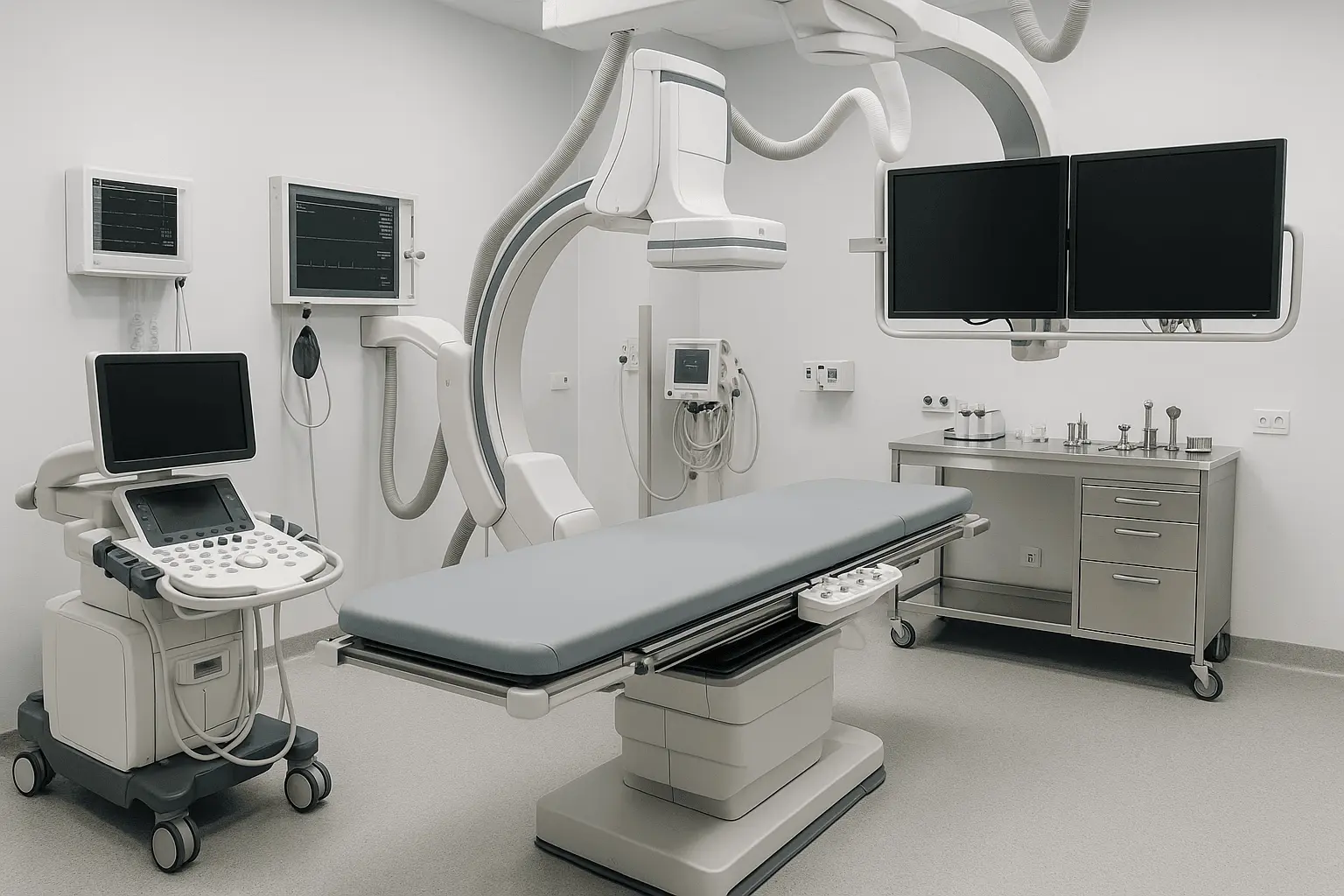
Cardiology medical assistants earn 15-25% above base rates - we're talking $55,000-$68,000 annually for experienced people. But it's intense work. You're dealing with heart patients all day, learning complex procedures, and the stress level is real.
Orthopedics and surgical specialties pay similarly well, but you better have good feet because you'll be standing all day, and surgeons can be... let's just say demanding.
But here's the real goldmine: dermatology practices, especially cosmetic derm. These places make bank, and they're willing to share it with skilled medical assistants who can handle both the technical stuff and the customer service demands of patients paying out of pocket for Botox.
Here's something that'll blow your mind: 81% of healthcare institutions now require certification for medical assistants - that's up 30% from just 2021, according to the NHA, as reported by "Medical Assistant Certification Requirements" from Stepful.
Your CMA credential through AAMA typically adds $3,000-$7,000 to your annual salary compared to non-certified people. But don't stop there - specialized certifications in EKG, phlebotomy, or medical coding can tack on another $2,000-$5,000.
Medical assistants with multiple certifications often qualify for senior positions with salaries exceeding $60,000. The investment pays for itself crazy fast in NYC's competitive market.
Michael's story hits home for a lot of people. He worked as a non-certified medical assistant earning $42,000 at a Queens clinic, feeling pretty stuck. After completing his CMA certification and getting phlebotomy credentials, he landed at a Manhattan cardiology practice earning $58,000. That's a $16,000 increase for a $2,500 investment in himself.
Let me be blunt: get certified. Just do it. That piece of paper is literally worth $3,000-$10,000 annually, and it opens doors to jobs that won't even look at you otherwise.
Medical Assistant Certification Checklist:
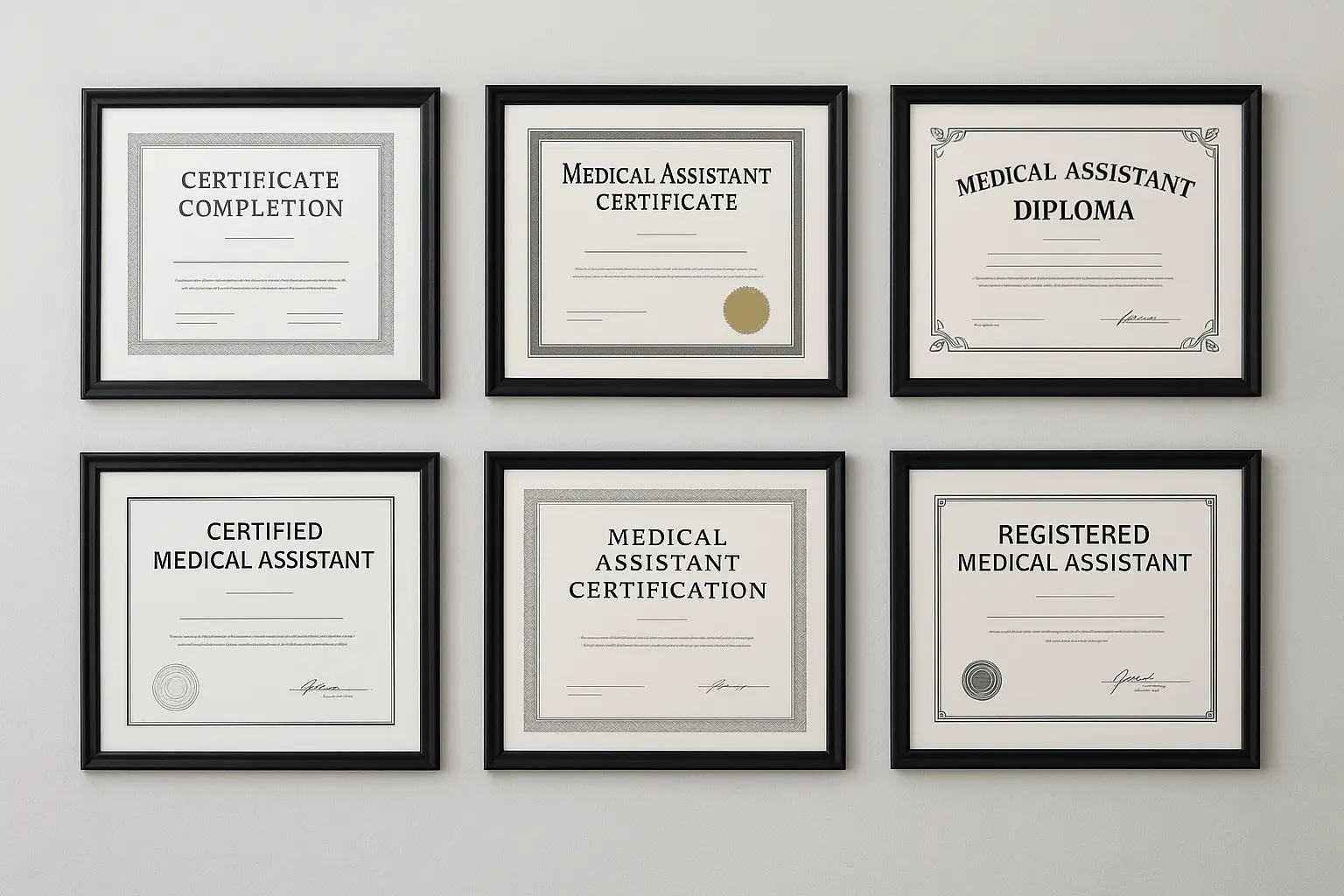
The certification process might seem like a pain when you're already working full-time, but the financial returns make it worthwhile. Most programs can be done in 6-12 months, and many employers offer tuition assistance or will reimburse you afterward.
Beyond the immediate salary boost, certification opens doors to positions that wouldn't otherwise be available. Many of the highest-paying medical assistant roles in NYC specifically require certification - it's become the price of admission to better opportunities.
Once you've been doing this for a while, you've got options. Medical assistants in NYC aren't stuck in one role forever - there are multiple paths up the ladder, each with its own salary bumps and headaches.
Senior medical assistants and team leads in NYC earn $55,000-$70,000 annually. Practice administrators with medical assistant backgrounds? They're pulling in $65,000-$85,000, though now you're dealing with budgets and staff drama. Clinical coordinators typically earn $58,000-$72,000 and might be the sweet spot - more money, more responsibility, but you're still on the clinical side.
Here's your roadmap if you want to move up:
These roles often come with performance bonuses and professional development opportunities that can significantly boost your total compensation. Plus, you get to tell people what to do, which some people really enjoy.
Your medical assistant experience is a stepping stone to other healthcare careers. Want to become an RN? Many NYC hospitals offer tuition assistance programs that recognize your clinical background - they'd rather train someone who already knows the basics.
Medical coding specialists with medical assistant experience earn $45,000-$65,000 annually, and you can often do it remotely. Healthcare administrators can earn $60,000-$90,000 depending on organization size. The clinical knowledge you've gained gives you a significant advantage in these transitions.
This is like choosing between working for a big corporation versus a startup - both have their advantages and their special brand of chaos.
For medical assistants considering different work environments, understanding the best neighborhoods to live in NYC can help you choose locations that balance commute times to major hospital systems with affordable living options.
NYC's major hospital systems - NYU Langone, Mount Sinai, NewYork-Presbyterian - offer medical assistants $42,000-$58,000 annually with benefits that private practices simply can't match. We're talking comprehensive health insurance, retirement contributions, tuition reimbursement, and generous PTO that you can actually use.
Union positions within these systems add job security and standardized pay scales. You know exactly what you're earning and what advancement looks like, which provides stability that many healthcare workers crave.
But you might feel like employee number 47,382 instead of a valued team member. Everything's by the book, which can be frustrating when you want to make common-sense decisions.
Private practices typically offer $45,000-$62,000 annually with more flexible arrangements. Boutique medical practices and concierge medicine often provide the highest compensation - sometimes exceeding $65,000 for experienced assistants.
Performance bonuses and profit-sharing opportunities can significantly boost your annual earnings. When the practice has a good year, you share in that success. When it has a bad year... well, that's the risk.
Jennifer made the jump from NYU Langone Hospital ($48,000 with full benefits) to a boutique dermatology practice in Manhattan ($62,000 plus quarterly bonuses). While she lost some benefits security, her total compensation increased by 35% when factoring in performance bonuses averaging $8,000 annually.
Here's something people don't talk about enough - the full value of your compensation package can be 25-35% higher than your base salary when you factor in benefits. That's real money.
According to the American Association of Medical Assistants (AAMA), about 96% of medical assistants receive some type of benefits package from their employers as of 2021, as reported by "Medical Assistant Benefits Survey" from Nurse.org.

Most NYC healthcare employers provide health insurance with employee contributions ranging from $50-$200 monthly for individual coverage. Compare that to buying insurance on your own for $400-600 monthly, and you're looking at serious savings.
Retirement benefits typically include 401(k) matching of 3-6% of salary. Large hospital systems often throw in pension plans and retiree health benefits - stuff that adds substantial long-term value even if it doesn't help with this month's rent.
Tuition reimbursement programs typically cover $2,000-$5,000 annually for continuing education. Certification exam fees and prep courses are often fully covered by employers who understand that investing in your skills benefits their practice.
Conference attendance and professional membership fees may be employer-sponsored, adding $1,000-$3,000 in annual value. This isn't just about the money - it's about staying current in your field and building professional networks that can lead to better opportunities.
|
Benefit Type |
Hospital Systems |
Private Practice |
Urgent Care/Clinics |
|
Health Insurance |
90-100% coverage |
70-90% coverage |
80-95% coverage |
|
Retirement Match |
3-6% of salary |
2-4% of salary |
3-5% of salary |
|
Tuition Reimbursement |
$3,000-$5,000 |
$1,000-$3,000 |
$2,000-$4,000 |
|
PTO Days |
15-25 days |
10-20 days |
12-22 days |
|
Professional Development |
$2,000-$4,000 |
$500-$2,000 |
$1,000-$3,000 |
Technology is completely reshaping what medical assistants do, and if you're smart about it, you can ride that wave to higher pay. The healthcare industry is finally catching up to the 21st century, and they need people who can bridge the gap between clinical care and technology.

Medical assistants who are really good with electronic health record systems command premium salaries - often $3,000-$8,000 above standard rates. Epic, Cerner, Allscripts - master these systems and suddenly you're the person everyone needs when the computer inevitably breaks down.
Telemedicine coordinators and remote patient monitoring specialists are emerging roles with salaries ranging from $45,000-$58,000 annually. These positions didn't even exist five years ago, but now they're essential as healthcare delivery evolves. You're basically the tech support person for virtual visits, making sure everything runs smoothly between doctors and patients who are calling in from their kitchen tables.
Negotiating salary in NYC healthcare requires strategy, timing, and honestly, some courage. But it's worth doing because most people leave money on the table by never asking.
Do your homework first. Research comparable salaries using Glassdoor, PayScale, and professional associations. Document your achievements - patient satisfaction scores, efficiency improvements, that time you single-handedly kept the office running when half the staff had the flu.
Timing matters huge. Don't ask for a raise the week after the practice had a terrible month. Do ask after completing certifications, during annual reviews, or when you're taking on new responsibilities.
Salary Negotiation Preparation Checklist:

Sometimes it's not about base salary. More PTO, flexible scheduling, or professional development funding can be worth thousands in quality of life improvements, and they're often easier for employers to approve than straight salary increases.
Here's the brutal truth nobody wants to talk about: New York City will eat a huge chunk of your medical assistant salary, and you need to plan for it.
Understanding the real cost of living in NYC is crucial for medical assistants planning their careers and budgets, as housing and transportation costs significantly impact take-home pay value.
Housing typically eats 30-50% of medical assistant salaries in NYC. A decent studio in Manhattan runs $2,800+, and even a one-bedroom in Queens is still $2,200+. Do the math on a $45K salary and it gets scary fast.
That MetroCard costs $127 monthly, and if you drive, parking can run $200-400 depending on where you work. Groceries cost more, eating out adds up quickly, and don't even get me started on what it costs to have any kind of social life.
Most medical assistants either have roommates or live in outer boroughs with longer commutes. Some people reverse-commute from New Jersey or Westchester County for better housing value, but then you're spending 2+ hours daily on trains.
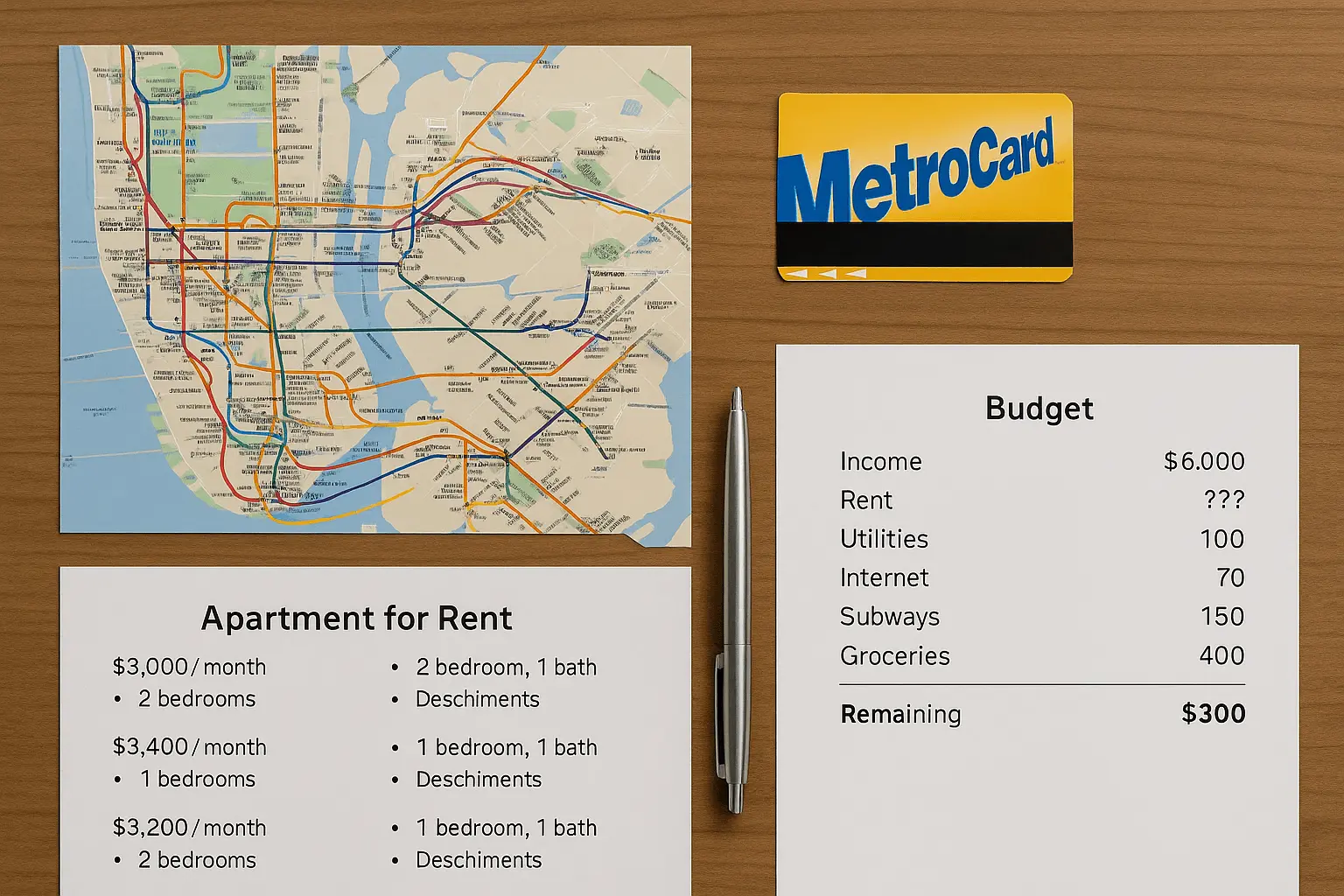
But here's what people don't tell you - it's still doable if you're smart about it. Cook at home, find the cheap lunch spots near work, take advantage of free events the city offers. Plenty of medical assistants make it work and actually love living here.
The job market for medical assistants looks solid, which is good news if you're thinking about this career path or trying to stick with it long-term.
The Bureau of Labor Statistics projects 18% growth in medical assistant positions nationally through 2031, and NYC is expected to beat those numbers because we have more hospitals per square mile and more aging baby boomers than most places.
NYC's medical assistant job market should add approximately 2,500 new positions by 2030. Aging populations and healthcare reform initiatives will drive demand, particularly in primary care, geriatrics, and chronic disease management specialties.

The growth sounds great until you realize thousands of people are probably reading similar articles and thinking the same thing. Competition will remain real, but so will opportunities - especially for people who specialize and stay current with technology trends.
Building a successful medical assistant career in NYC's demanding healthcare environment requires more than just clinical skills - you need the right support system and living situation to actually thrive instead of just survive.
As your earning potential grows from entry-level positions to specialized roles commanding $60,000+, your housing needs evolve too. The last thing you want is to spend your evenings dealing with roommate drama or apartment hunting when you should be focusing on advancing your career.
For medical assistants looking to maximize their earning potential while managing NYC living costs, furnished rooms for rent offer flexibility and community that supports career growth without the burden of traditional apartment hunting and setup costs.
Outpost's communal living spaces in NYC provide the perfect solution for healthcare professionals who want to focus on their careers without the hassle of NYC's insane rental market. Our fully-furnished spaces and built-in community of like-minded professionals create an environment where you can actually network, decompress after demanding shifts, and build relationships with people who understand the unique challenges of healthcare work.
Ready to find your ideal living situation while building your medical assistant career in NYC? Explore Outpost's co-living options and discover how the right community can support your professional growth without the typical NYC housing headaches.

Medical assistant salaries in NYC reflect the city's recognition that these professionals are essential to healthcare delivery. Yeah, the cost of living is brutal, but the earning potential, career advancement opportunities, and benefits packages available make it a viable path - if you're strategic about it.
Your success depends on smart career planning, continuous skill development, and understanding the market dynamics that influence compensation. Whether you're just starting out or looking to advance, the opportunities exist to build a financially stable career in one of the world's most dynamic healthcare markets.
The key is positioning yourself strategically - get certified, develop specialized skills, and understand which healthcare settings align with your career goals and salary expectations. NYC's medical assistant market rewards people who invest in their professional development and adapt to the evolving healthcare landscape. It's not easy, but it's definitely doable.

Household supplies can be changed or decreaased at Outpost Club’s discretion, or based on supply availability. Outpost is not responsible for temporary losses of utility service. Outpost Club is not responsible for any damages due to absence of any supplies or utilities


If you have a sales related question please call
680-688-7678

 Hot Deals