Moving from Boston to NYC: The Insider's Guide That Actually Prepares You for Reality
Dec 3, 2025

Dec 3, 2025
Look, I've helped dozens of friends make this move, and let me tell you - going from Boston's cozy 646,000 people to NYC's absolutely insane 8+ million is like jumping from a neighborhood pool into the ocean. This isn't just a change of address; it's a complete life recalibration that'll reshape everything from your morning coffee routine to how you make friends.
Trust me on this - you cannot wing a move between these two crazy cities. I've watched too many friends think they could figure it out as they go, only to end up scrambling when reality smacked them in the face.
You need to start planning 8-12 weeks out, and if you're moving during summer? Make it 12 weeks, minimum. I moved in July once - never again. The Boston-NYC route turns into an absolute circus from May through September. Good movers disappear, apartment hunting becomes a blood sport, and prices shoot through the roof.
According to iMoving's Boston to NYC moving guide, professional movers recommend booking 2 to 3 months in advance, particularly to avoid peak season months of June, July, and August when demand and prices reach their highest levels.
Here's what I wish someone had told me: tackle the big stuff first. Don't get lost researching the perfect coffee shop in your new neighborhood when you haven't even booked a moving truck yet. Lock down your movers 6-8 weeks ahead - the ones who actually know both cities' weird parking rules and building requirements book up fast.
For those considering specific neighborhoods, exploring affordable neighborhoods in NYC can provide valuable insights into hidden gems that offer better value while maintaining urban convenience.
And NYC apartment hunting? It moves at warp speed compared to Boston's chill pace. I'm talking see-an-apartment-Tuesday, submit-application-Wednesday or you're out of luck. No joke.
|
Timeline Phase |
Weeks Before Move |
Key Tasks |
|
Initial Planning |
8-12 weeks |
Figure out neighborhoods, set budget, start researching movers |
|
Booking Phase |
6-8 weeks |
Book moving company, dive into apartment hunting, request time off |
|
Application Phase |
4-6 weeks |
Submit housing applications, schedule viewings (lots of them) |
|
Confirmation Phase |
2-4 weeks |
Nail down your place, confirm moving details, start address changes |
|
Final Prep |
1-2 weeks |
Pack like crazy, double-check utilities, prep for moving day chaos |
Okay, let's talk money because NYC is going to hurt your wallet. Manhattan rent runs about 40-50% higher than Boston, and that's just rent. Your grocery bill, your coffee habit, that Thai place you love - everything costs more.
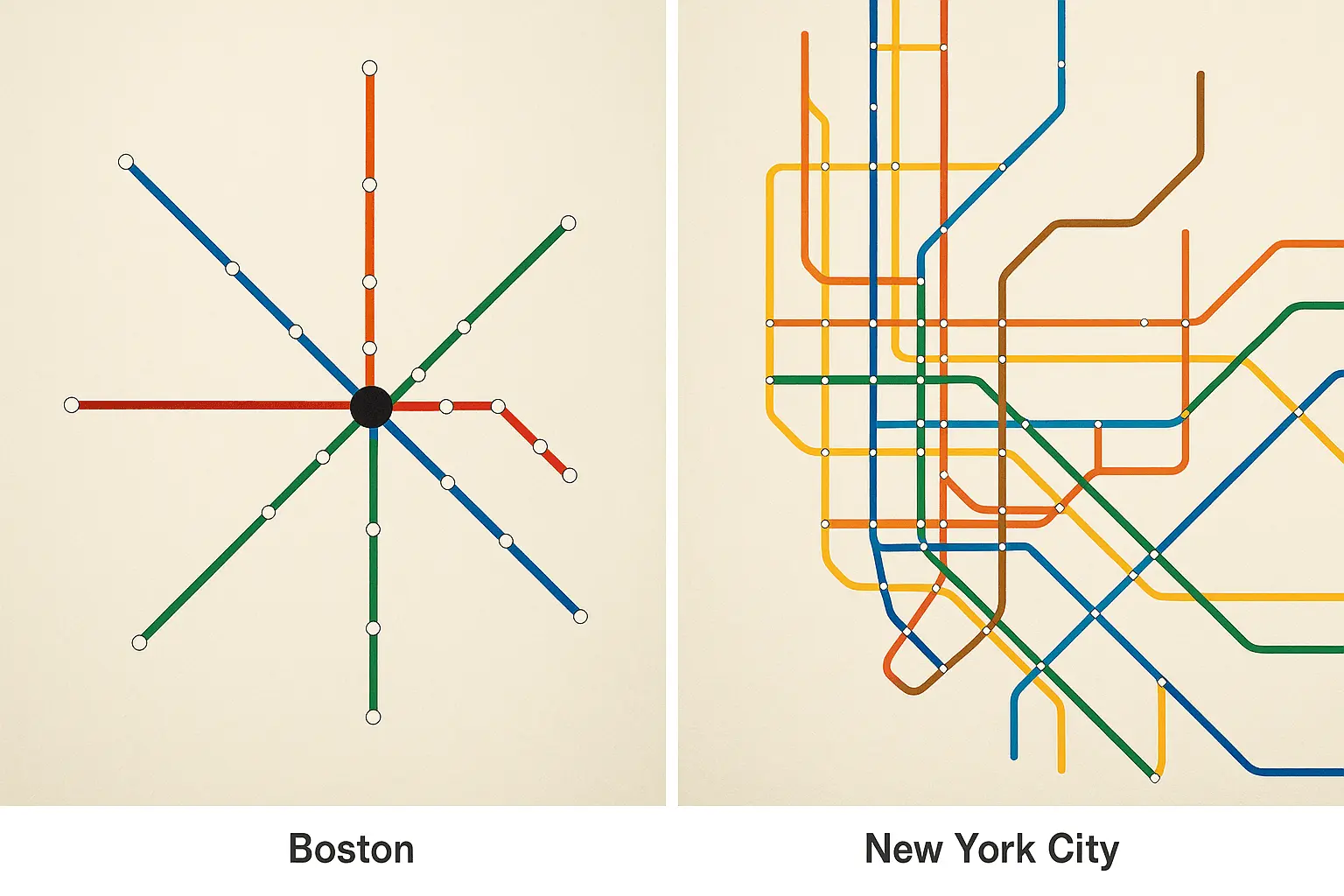
But here's the thing everyone misses: you might actually save money overall. Sounds crazy, right? Boston's T system is fine if you're going downtown, but NYC's subway grid is a game-changer. Multiple routes everywhere means you can probably ditch your car completely. No more $300+ monthly parking (seriously, Manhattan parking is highway robbery), no insurance, no gas, no maintenance headaches.
Weather-wise, it's pretty similar with some perks. NYC winters feel a bit milder thanks to all those buildings trapping heat, though summers get more brutal. The real difference? You're never more than a block from somewhere to duck inside when the weather goes nuts.
Moving from Boston to New York means adapting to a fundamentally different pace of life, where everything operates at higher intensity but also offers more opportunities for those ready to embrace the change.
The rent sticker shock is just the opening act. Your $25 Boston brunch becomes a $35-40 experience in Manhattan, and somehow the portions shrink. Groceries jump 15-25%, and don't even get me started on restaurant prices.
But let me share what happened to my friend Sarah. She budgeted an extra $500/month for NYC living. Three months in, she was spending $1,150 more than Boston. Sounds terrible, right? Plot twist: she saved $450/month ditching her car. Boston parking alone was costing her $250, plus insurance, gas, the works. Her actual increase was way less scary than the headline number.
According to UHomes' Boston vs New York comparison, NYC's subway system serves over 1.75 billion annual riders compared to just 350 million for Boston's MBTA, reflecting the system's capacity to support car-free living for most residents.
The subway costs more than the T ($132 vs $90 monthly), but do the full math. When you factor in no car expenses, many people break even or come out ahead.
Here's what catches everyone off guard: all the little stuff adds up fast. Laundry service becomes necessary when your building has no machines. Grocery delivery fees pile up when you get tired of hauling bags up four flights. Even haircuts and dry cleaning cost more in decent neighborhoods.
Moving from Boston to New York requires budgeting for these lifestyle shifts that go well beyond the obvious rent increase.
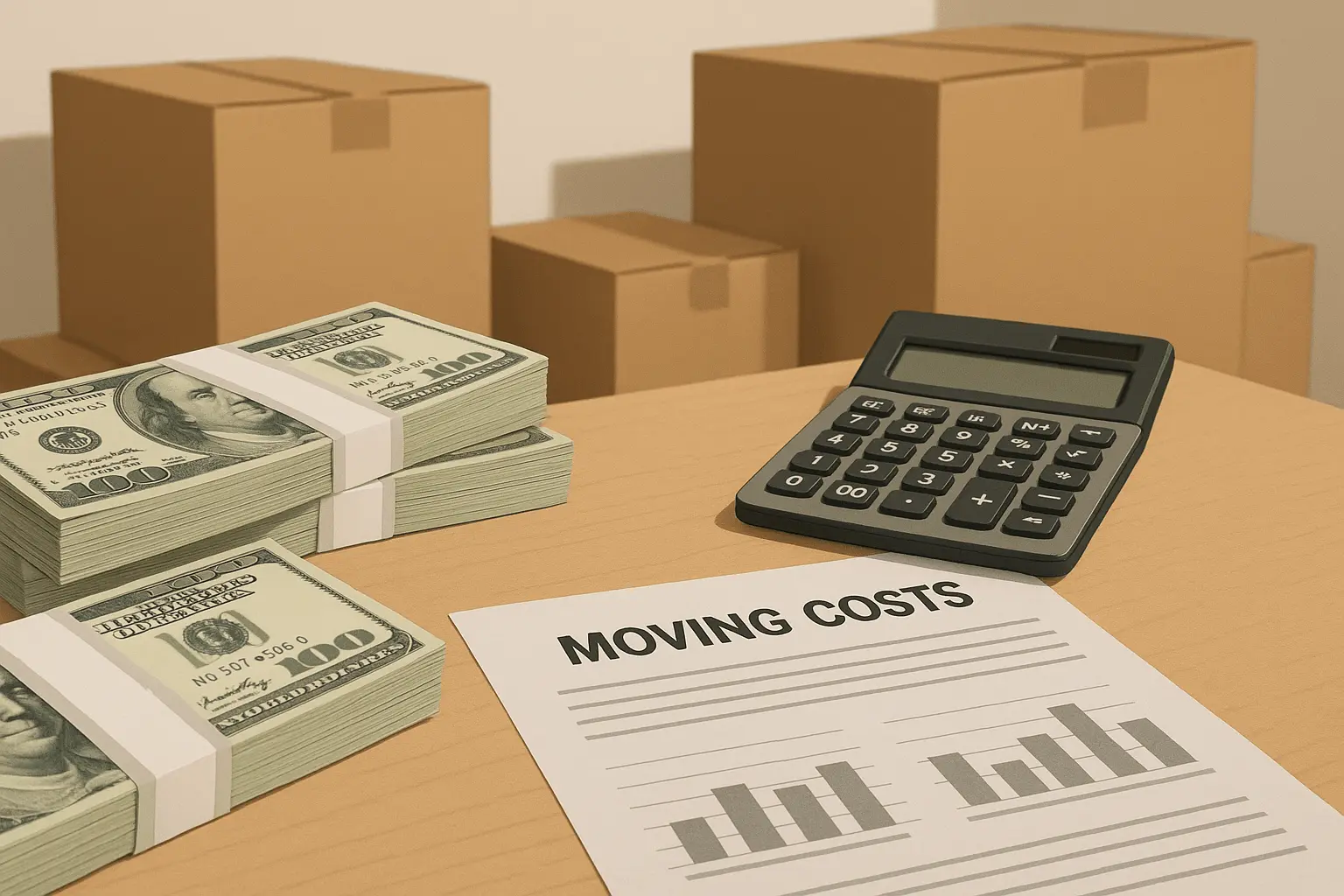
NYC's upfront costs will test your savings account hard. Security deposits often hit 1-2 months rent, plus first month, last month, and broker fees that typically run 12-15% of annual rent. That $3,000/month apartment? You're looking at $12,000+ just to get the keys. Yeah, it's brutal.
Moving services for this route typically run $2,500-$5,500 for a decent-sized apartment. Full-service moves cost more but honestly? Worth every penny when you're already stressed about everything else. I tried the "we'll pack ourselves" route once - never again.
Based on iMoving's analysis, the Boston to NYC moving corridor costs anywhere from $1,000 to $4,000, with the wide range depending on distance (approximately 216 miles), volume of belongings, and service level selected.
Don't forget the smaller hits that add up: utility deposits, gym initiation fees, and all the random stuff you'll need to buy because it didn't survive the move or doesn't fit your new shoebox apartment.
Understanding the real cost of living in NYC helps prepare for expenses that go beyond the obvious rent and moving costs, including those surprise fees that catch newcomers off guard.
Moving from Boston to New York demands substantial financial preparation that goes well beyond your security deposit and first month's rent.
Manhattan gives you the full NYC movie experience - everything walkable, culture everywhere, energy that never stops. Upper West Side has those gorgeous tree-lined streets and Central Park access. East Village brings the artsy vibe and amazing late-night food. Midtown East works great if your office is nearby and convenience matters more than character.
You're paying for more than location though. Manhattan apartments often come with doormen, elevators, and amenities that Brooklyn places don't have. You can walk to world-class museums and theaters without planning ahead.
But space becomes a luxury item. That Boston one-bedroom might need a Manhattan two-bedroom budget. In-unit laundry turns rare, and "outdoor space" often means a fire escape instead of an actual balcony.
Moving from Boston to New York means adjusting expectations about space and amenities, especially if Manhattan living is your goal.
Brooklyn gives you way more bang for your buck without giving up city life. Park Slope has that family-friendly vibe with Prospect Park right there. Williamsburg offers trendy everything and great nightlife. DUMBO has killer waterfront views and gets you to Manhattan's financial district super quick.
The space difference is real. Your Brooklyn dollar stretches further - often an extra room or way more square footage than Manhattan. Many buildings have rooftop decks, gyms, or in-unit laundry that would cost premium prices in Manhattan.
For those exploring specific areas, living in Crown Heights offers a perfect example of Brooklyn's cultural diversity and affordability compared to Manhattan alternatives.
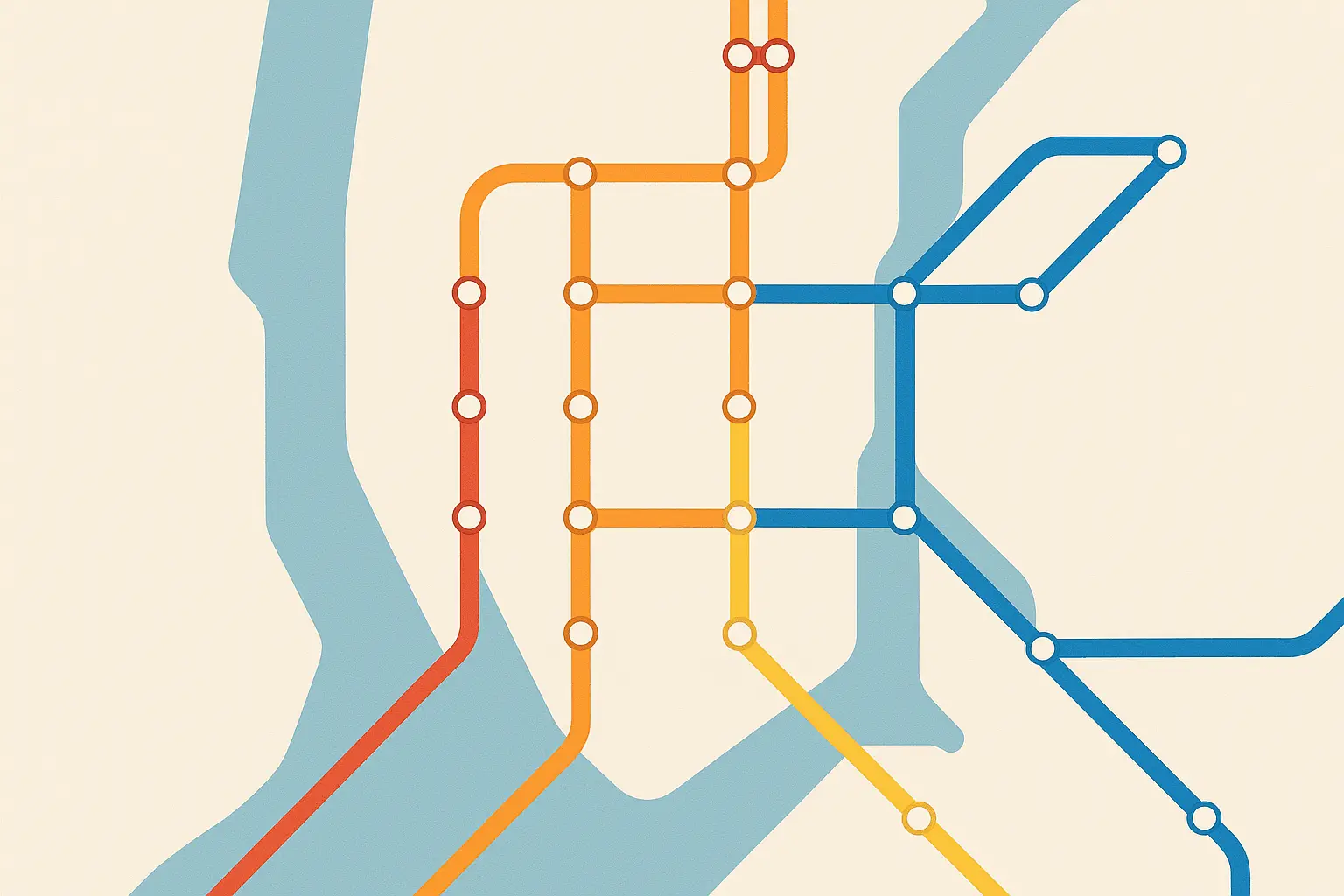
Subway access keeps Manhattan within easy reach. Express lines can get you from Brooklyn to Midtown in 20-30 minutes, often faster than traveling between Manhattan neighborhoods during rush hour. Weekend service changes require more planning, but weekday commutes stay reliable.
Moving from Boston to New York often means discovering that Brooklyn provides the perfect balance between space, affordability, and urban access.
My friends Mike and Jennifer found a 2-bedroom in Park Slope for $3,800 that would've cost $5,500+ in Manhattan. Their 20-minute Q express commute to Midtown actually beat their old Boston commute. Plus their building had a gym, rooftop deck, and in-unit laundry - stuff that would add $800+ monthly to a Manhattan rental.
NYC's subway system changes everything compared to Boston's hub-and-spoke setup. Instead of everything flowing downtown, you've got multiple route options that can make or break your daily experience.
Express lines become your best friends: the 4/5/6 on the East Side, N/Q/R/W through Manhattan's center, and the L train for getting across town. Living near express stops can save you 15-20 minutes each way compared to local-only stations.
Research your workplace's subway access before picking neighborhoods. A job near Union Square opens up totally different residential options than one in the Financial District. And factor in weekend service - some lines get weird on weekends, which matters for your social life.
The Boston-NYC route is busy enough that some moving companies specialize in it. These guys know Boston's narrow streets, NYC's building restrictions, both cities' parking permit requirements, and traffic patterns that would confuse regular movers.
They often complete moves in one day since they're not making detours to other cities. Your stuff goes on the truck in Boston and comes off in NYC the same day - way less stressful than wondering where your belongings are spending the night.
Always check their USDOT and MC numbers - federal registrations that prove they can legally do interstate moves. Look up Better Business Bureau ratings specifically for interstate moves, not just local ones. The skills are totally different.
Finding reliable movers from Boston to New York requires research into companies that specifically understand this corridor's unique challenges and regulations.
The popularity of Boston-NYC relocations has even influenced entertainment, with Boston Blue featuring Danny Reagan's character making the reverse move from NYC to Boston, highlighting how common this corridor has become for both fictional characters and real professionals seeking new opportunities.
Full-service moves cost more but save your sanity. For a 2-bedroom, expect $3,000-$6,000 for complete packing, loading, transport, and unpacking. They bring materials, wrap everything properly, handle the heavy lifting while you deal with everything else.
Self-service cuts costs significantly - you pack, they transport. Usually runs $1,500-$3,500 for the same apartment size. You buy packing materials and do the wrapping, but savings can be substantial if you're organized and have help.
Consider add-ons carefully. Furniture disassembly often becomes necessary for NYC's narrow staircases and doorways. That Boston sectional might not make the turn into your new place without professional help.
Boston to NYC moving requires understanding these service levels to choose what matches your budget and stress tolerance.
|
Service Level |
1-Bedroom Cost |
2-Bedroom Cost |
What's Included |
Best For |
|
DIY Truck Rental |
$800-$1,200 |
$1,000-$1,500 |
Truck, basic insurance |
Budget-conscious, minimal stuff |
|
Self-Service Moving |
$1,200-$2,000 |
$1,500-$3,500 |
You pack, they transport |
Cost savings with some convenience |
|
Full-Service Moving |
$2,500-$4,000 |
$3,000-$6,000 |
Complete packing and transport |
Maximum convenience, valuable items |
|
White Glove Service |
$4,000-$6,000 |
$5,000-$8,000 |
Everything plus setup/unpacking |
Executives, time-sensitive moves |
Summer moving season hits this route hard. June through August sees demand spike and prices jump 20-30% above off-season rates. College moves in both cities create extra competition for trucks and crews.
Fall moves (September through November) hit the sweet spot - better availability, lower prices, no winter weather drama. Spring works too, but you're competing with people who delayed winter moves.
Weekday moves typically save 10-15% compared to weekends and offer better availability. Tuesday through Thursday often work best in NYC - Monday mornings deal with weekend backup, Friday afternoons see weekend rush starting early.
Understanding what NYC movers really cost helps you avoid common pricing traps and ensures you're getting fair value for your relocation investment.
New York doesn't mess around with residency requirements. You get 30 days from establishing residency to get your NY license - not 30 days from when you feel like dealing with it.
Bring your Massachusetts license, proof of identity (passport or certified birth certificate), Social Security card, and two proofs of your New York address. Utility bills work if they show your name and new address. Bank statements or lease agreements work too.
Vehicle registration follows the same 30-day rule. You'll need your title, current registration, insurance card, and odometer reading. Registration fees vary by county, with NYC being among the highest. If you're ditching your car, handle the Massachusetts cancellation properly to avoid ongoing fees.
Moving Checklist:
Register to vote within 25 days before any election you want to vote in. New York's process is pretty straightforward, but don't wait - local elections actually matter more in NYC than many people realize.
Professional licenses need individual research. Medical, legal, real estate licenses all have different rules between Massachusetts and New York. Some need additional testing or continuing education, others transfer more easily.
Don't assume your Massachusetts credentials automatically work. Start researching early - some transfers take months and might need extra coursework or exams.
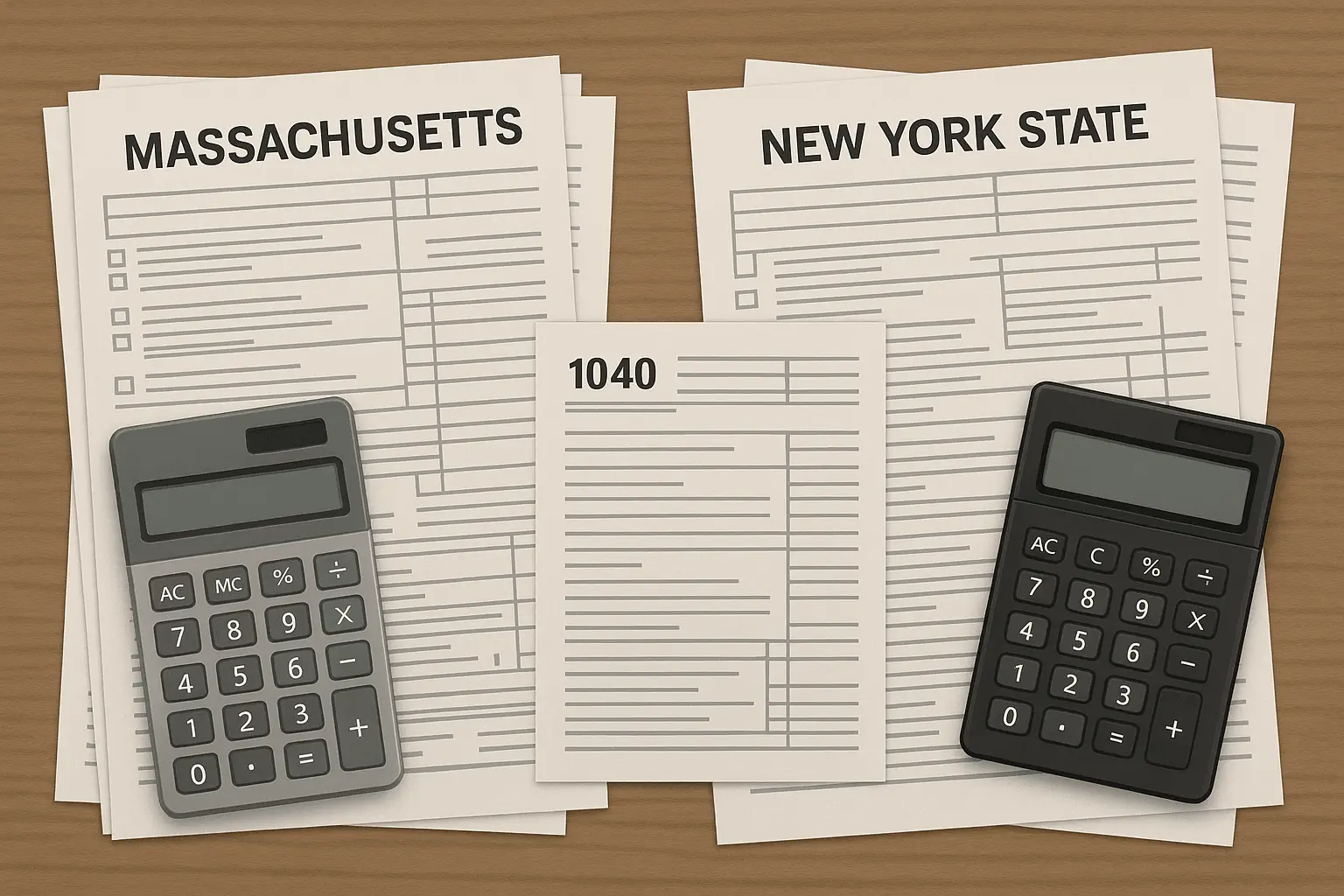
New York's tax bite hurts more than Massachusetts. State income tax runs higher, and NYC adds its own local tax on top. Your effective rate will likely increase, sometimes significantly depending on income.
But New York offers deductions and credits that might help. Different rules for college tuition, business expenses, credits for taxes paid elsewhere.
Talk to a tax pro who knows both states' systems. They can help with timing, deduction strategies, and avoiding mistakes that cost transplants money their first year.
NYC networking moves way faster than Boston's relationship-focused approach. Conversations get to business quicker, connections form faster, but they need more active maintenance. The city's transient nature means people expect direct communication about what you want.
Professional meetups become crucial for career development. NYC has more networking opportunities than you can possibly attend, but quality varies wildly. Research beforehand and focus on smaller, industry-specific gatherings rather than massive general sessions.
Join NYC chapters of Boston organizations to keep connections while building new ones. Alumni networks from Boston universities often have active NYC chapters that give you instant common ground with other transplants.
The challenges of maintaining relationships across the Boston-NYC corridor are even reflected in popular culture, with Boston Blue's storyline exploring how Danny Reagan navigates a long-distance relationship with Maria Baez while relocating from NYC to Boston, highlighting the real-world relationship complexities many face during this transition.
NYC's 24/7 culture takes adjustment if you're used to Boston's more traditional schedule. Restaurants serve dinner until midnight, gyms stay open late, business networking continues into evening hours. Creates opportunities but also pressure to always be "on."
The density means everything sits closer but also more crowded. Your grocery run might take the same time despite the store being two blocks away instead of a drive across town. Patience becomes essential for routine stuff that used to be quick.
Work-life balance needs more intentional boundaries. The city's energy can be addictive, but burnout happens faster when everything operates at high intensity. Build downtime into your schedule rather than assuming it'll naturally happen.
My friend Tom initially loved NYC's 24/7 options but found himself networking until 10 PM three nights a week and hitting the gym at midnight. After six months, he established "Boston hours" - no work events after 8 PM weekdays and Sunday as complete disconnect day. Helped him maintain energy to actually enjoy the city.
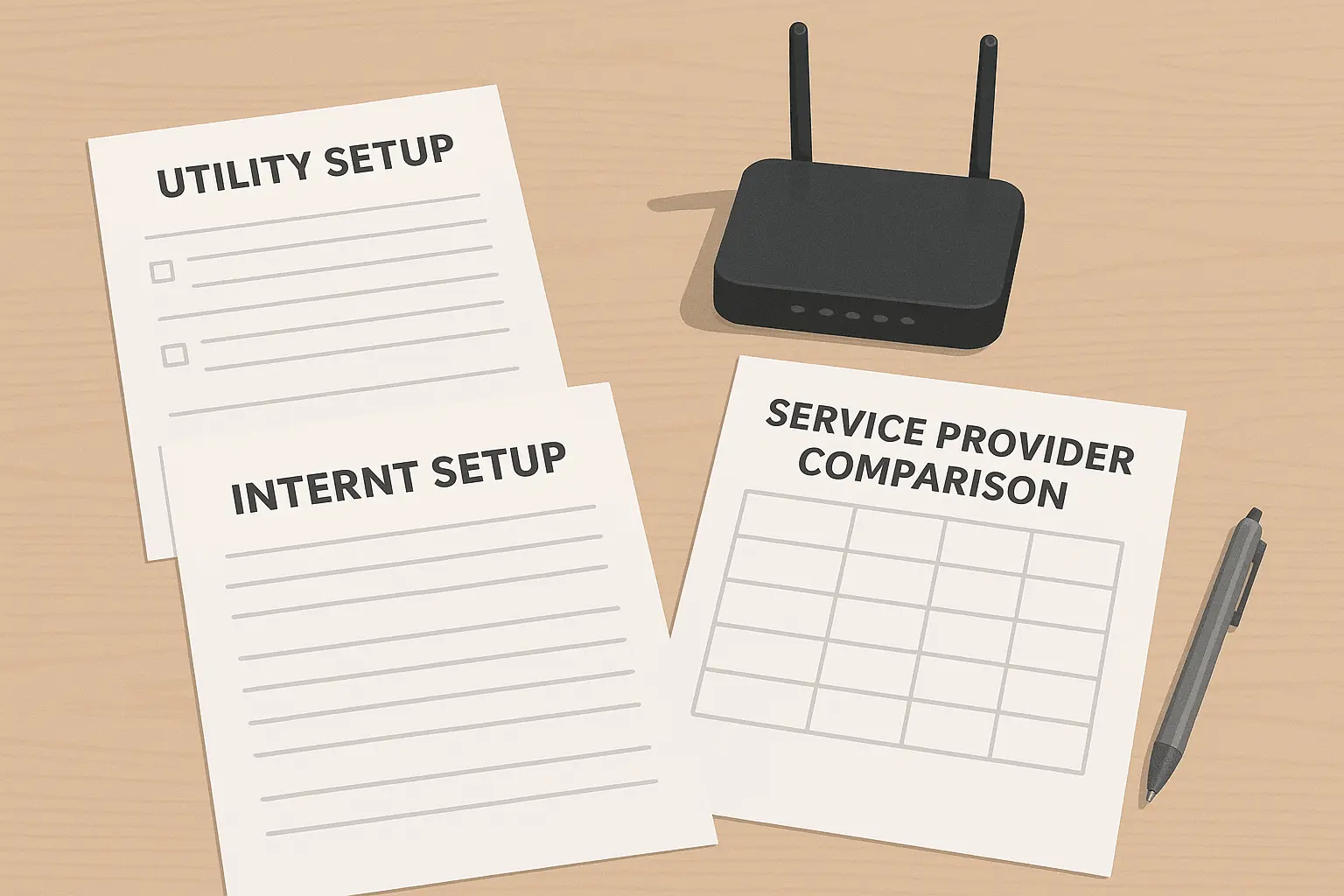
NYC's deregulated electricity market confuses newcomers. You choose an energy supplier separate from the utility company that delivers power. Marketing gets aggressive - door-to-door salespeople and constant calls pushing "better rates" that often aren't.
Research rates through the state's official comparison website, not sales pitches. Fixed-rate plans often provide more predictable billing than variable rates that can spike unexpectedly.
Internet varies dramatically by building. Some have exclusive provider agreements limiting options, others offer multiple choices. Schedule connections 2-3 weeks ahead, especially during peak moving season when technicians stay booked.
Gas and water setup usually happens through your landlord or building management, but confirm this during apartment hunting. Some buildings include utilities in rent, others require individual accounts.
Tell your banks about the move to prevent card blocks during transition. Nothing worse than having your card declined while paying movers or grabbing lunch during apartment hunting.
Consider switching to banks with stronger NYC branch networks if your current bank has limited presence. Credit unions popular in Boston might have limited NYC access, potentially requiring relationship changes.
Set up new accounts before closing Boston ones to ensure smooth transitions for direct deposits, automatic payments, other financial arrangements. Some banks offer relocation packages with fee waivers that save money during transition.
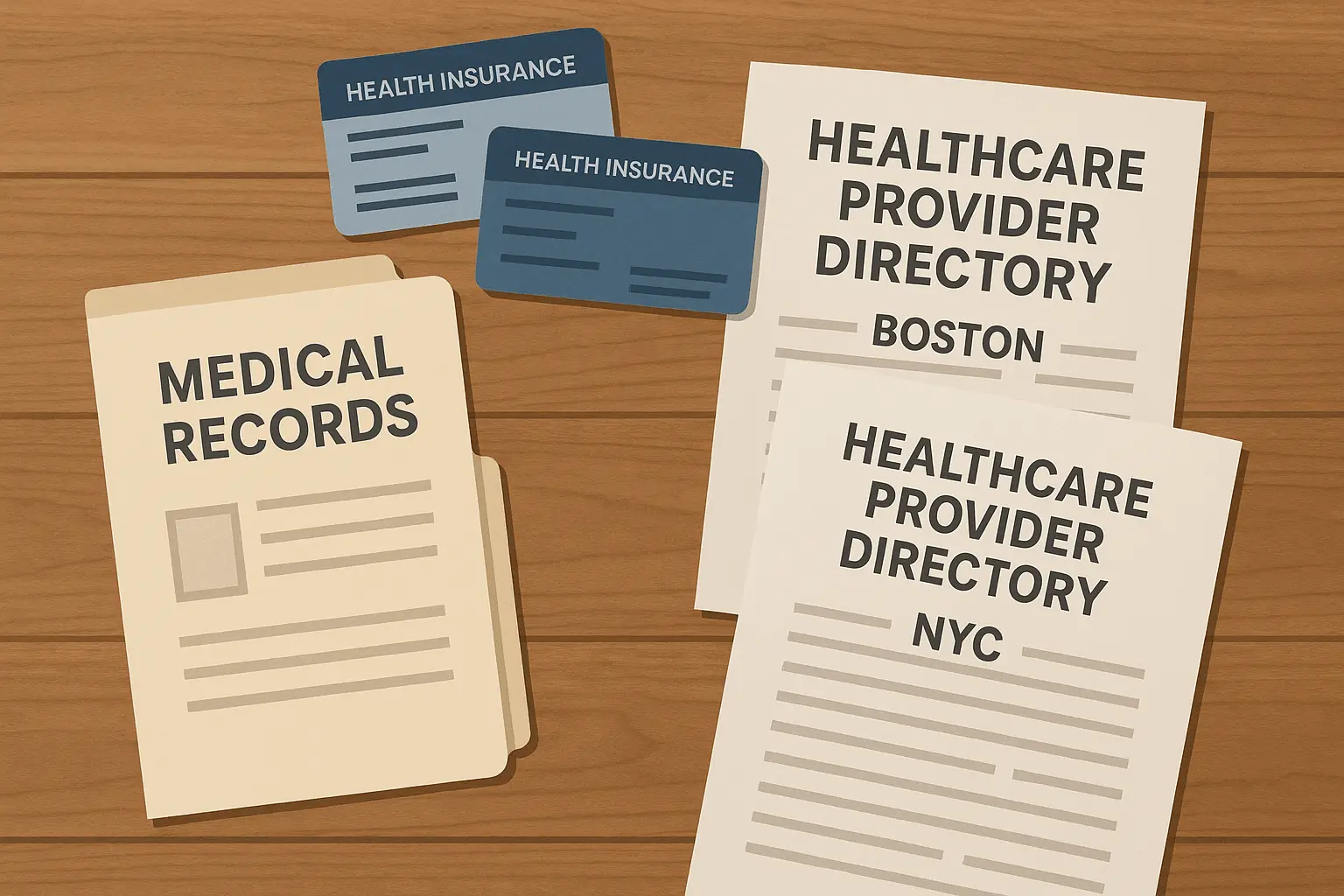
Research whether your current providers have NYC practices or can recommend trusted colleagues. Many Boston medical groups have relationships with NYC practices, making referrals smoother than starting from scratch.
Insurance networks often differ between states, potentially requiring provider changes even with the same insurance company. Review your plan's NYC network before moving to understand which providers you can access without referrals or higher costs.
Schedule final Boston appointments and request medical record transfers before moving. Getting records transferred after you've moved becomes more complicated and time-consuming. Prescription transfers work more smoothly when handled proactively.
Building genuine connections in NYC takes more intentional effort than Boston's smaller, more connected community. The city's size feels overwhelming, but also means more opportunities to find people who share your specific interests.
Join interest-based groups rather than generic networking events. Running clubs, book clubs, cooking classes, volunteer organizations - shared activities create natural conversation starters and ongoing reasons to connect. NYC has groups for virtually everything - challenge is choosing which ones to commit to.
Neighborhood organizations provide local community connections. Many NYC neighborhoods have active resident associations, community gardens, local business groups that welcome new residents. These often prove more valuable than city-wide networks for day-to-day quality of life.
Moving from Boston to New York means transitioning from a city where you might run into colleagues at the grocery store to one where you need to actively cultivate the communities that matter to you.
My friend Rachel joined a Brooklyn running club after missing Boston's close-knit running community. Within three months, she had regular training partners, weekend social invitations, and connections that led to professional opportunities. The structured activity provided easy ways to meet people without formal networking pressure.
NYC's professional landscape operates differently than Boston's more centralized business community. Industries cluster in specific areas - tech in DUMBO and Flatiron, finance in Midtown and FiDi, media in Midtown West - creating natural networking hubs.
Attend industry-specific events rather than general business mixers. NYC hosts countless professional events, but quality varies dramatically. Research speakers, attendee lists, event formats before committing time. Smaller, focused gatherings often provide better connection opportunities than large conferences.
Follow up consistently with new connections. NYC's fast pace means people forget conversations quickly unless you maintain contact. Send LinkedIn invitations within 24 hours, reference specific conversation points, suggest concrete next steps rather than vague "let's grab coffee" promises.
Understanding how to find a roommate in a new city becomes crucial for building your social foundation in NYC, especially when transitioning from Boston's more established social circles.

Moving from Boston to NYC is way more than changing your address - it's a complete lifestyle overhaul that touches everything from your morning commute to your social circles. The cities might look similar from outside, but the differences in pace, cost, and culture need real preparation, not assumptions based on weekend visits.
Success comes down to realistic expectations and solid planning. The financial requirements are substantial, the paperwork is annoying, and the cultural adjustments take time. But thousands of people nail this move every year because they understand what they're getting into and plan accordingly.
Whether you're exploring student housing in Manhattan for graduate school or seeking coliving in Brooklyn for professional networking, understanding your housing options helps ensure your move from Boston to NYC aligns with both your lifestyle and career goals.
Your Boston experience gives you valuable prep for NYC's intensity, but don't underestimate the adjustment period. Give yourself time to find your rhythm, build new routines, discover the neighborhoods and communities that'll make NYC feel like home instead of just a more expensive place to crash.
The investment in planning, both financial and emotional, pays off once you're settled. Moving from Boston to NYC opens doors to opportunities, experiences, and connections that simply don't exist in smaller cities. The key is approaching the transition strategically rather than hoping everything works out once you arrive.

Household supplies can be changed or decreaased at Outpost Club’s discretion, or based on supply availability. Outpost is not responsible for temporary losses of utility service. Outpost Club is not responsible for any damages due to absence of any supplies or utilities


If you have a sales related question please call
680-688-7678

 Hot Deals