Moving from DC to NYC: The Complete Insider's Guide to Your Big Apple Relocation
Dec 4, 2025

Dec 4, 2025
So you're thinking about making the move from DC to New York? You're definitely not alone. 5,861 people moved from Washington D.C. to New York in 2022, making DC the 3rd most common origin state for NYC-bound movers. Most people make this move for work or just because they're ready for something bigger and more intense than what DC offers.
Moving from DC to NYC requires good planning across multiple fronts. You need to understand how different these two cities really are, from what things cost to how people interact. And timing? That can make or break your wallet and your sanity.
We're talking about two completely different cities, each with their own rhythms, expectations, and unwritten rules that can make your transition smooth or absolutely miserable. For young professionals and students considering this transition, understanding affordable student housing options in NYC can provide valuable insights into budget-friendly living arrangements that ease the financial burden of relocating.
DC and NYC work completely differently. Sure, both are major cities, but their personalities are totally different in ways that'll impact everything from your daily commute to weekend plans.
These aren't small differences - they're fundamental shifts in how cities function, what they prioritize, and how you'll actually experience city life.
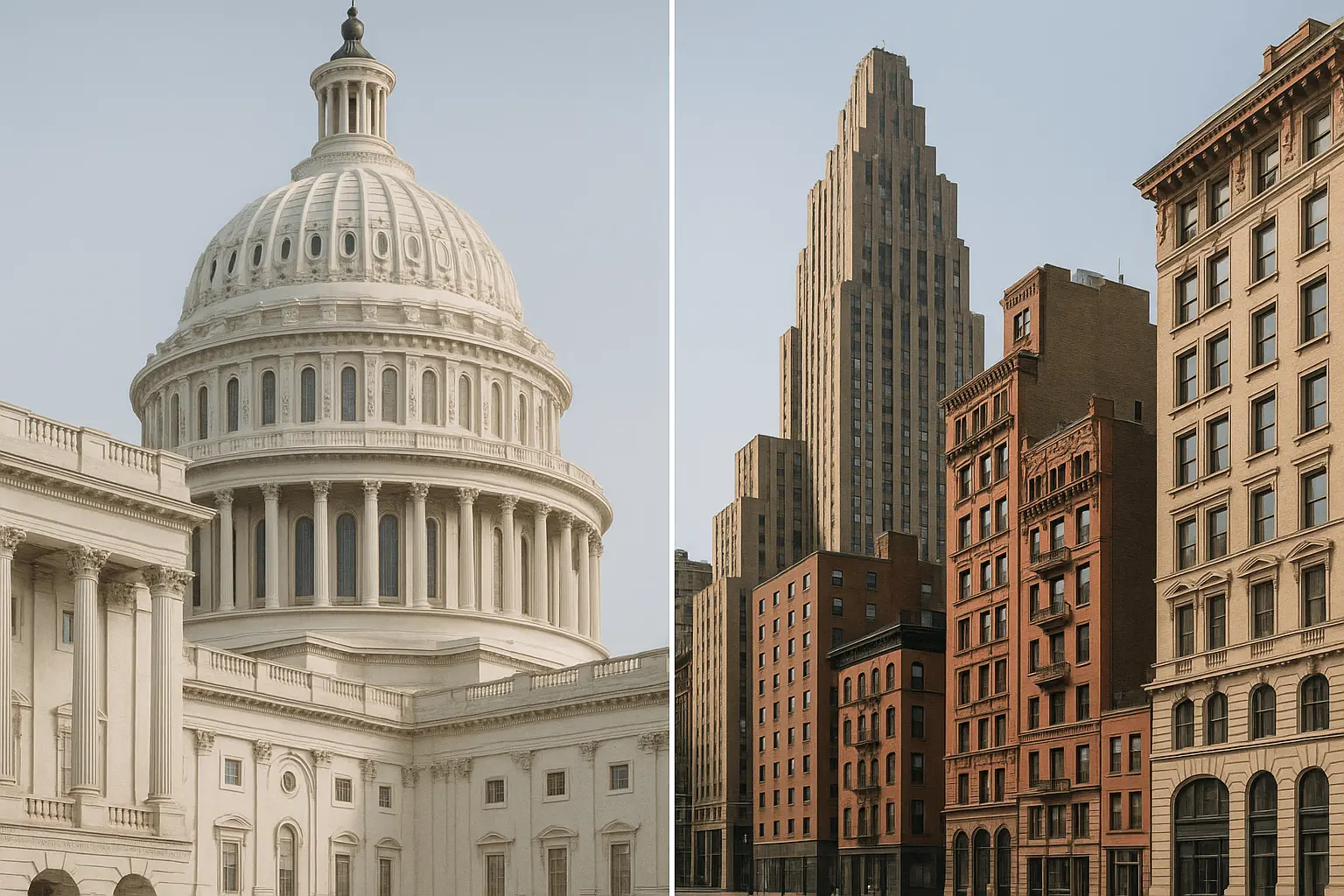
Brace yourself for sticker shock. NYC typically runs 15-25% higher than DC across housing, transportation, and daily expenses. Manhattan costs a fortune for everything, while outer boroughs give your budget some breathing room without sacrificing the NYC experience entirely.
Your DC salary might feel generous until you start apartment hunting in Manhattan. A $3,000 one-bedroom in DC becomes $4,000+ in most Manhattan neighborhoods. Brooklyn and Queens are the middle ground - you'll pay more than DC but won't need to sell a kidney for decent space.
Groceries, eating out, entertainment - everything carries NYC premiums. That $12 lunch in DC becomes $16 in Midtown. Coffee shops charge $6 for what costs $4.50 in Dupont Circle. Even your gym membership will probably jump by $20-40 monthly.
|
Expense Category |
Washington DC |
New York City |
Difference |
|
1-Bedroom Rent |
$2,100-3,000 |
$3,300-4,500 |
+15-25% |
|
Monthly MetroCard |
$81 |
$127 |
+57% |
|
Coffee (Daily) |
$4.50 |
$6.00 |
+33% |
|
Lunch (Weekday) |
$12 |
$16 |
+33% |
|
Gym Membership |
$80 |
$120 |
+50% |
|
Grocery Budget |
$400 |
$500 |
+25% |
Forget everything you know about DC's Metro system. NYC's subway network is on a completely different level. You're trading DC's clean, predictable Metro for a grittier but way more extensive system that actually runs 24/7 (mostly).
DC Metro shuts down at midnight and runs limited weekend service. NYC's subway never sleeps, though late-night service can be... interesting. You'll learn about express trains, local stops, and the art of platform navigation during rush hour.
Car ownership becomes optional in most Manhattan and Brooklyn neighborhoods. DC residents often keep cars for weekend trips or suburban errands. In NYC, monthly parking costs ($200-600) plus insurance hikes often cost more than unlimited MetroCards and occasional Uber rides.
My friend Sarah kept her Honda Civic when moving from Dupont Circle to Brooklyn Heights. After three months of paying $350/month for parking, $200/month increased insurance, plus gas and maintenance, she was spending $650/month on car ownership while using it only twice weekly for grocery runs and weekend trips. She sold the car and now uses subway ($127/month), occasional Uber rides ($80/month), and weekend car rentals ($120/month), saving $323 monthly while reducing stress.
Timing your move strategically can save thousands while reducing chaos. NYC's rental and moving markets follow predictable patterns that smart people take advantage of. Understanding these cycles helps you avoid peak pricing and competition while getting better options and negotiating power.
Summer months (June-August) are moving season hell with 30-40% higher costs across the board. Everyone wants to move when weather's nice and kids are out of school. This demand surge affects everything from truck rentals to professional movers to apartment availability.
Winter moves offer serious savings but come with weather wildcards. January and February give you the best deals - movers need business, landlords offer deals, and competition drops dramatically. You'll battle snow and ice, but your wallet will thank you.
Spring and fall are compromise seasons. March-May and September-November provide moderate pricing with decent weather. September gets tricky due to college schedules and corporate moves, but October-November can be sweet spots.

NYC's rental market dances to different music than DC's more predictable patterns. September gets particularly brutal due to college schedules and year-end corporate relocations. Understanding these cycles helps you time your search for maximum leverage and options.
Most NYC leases run September to September, creating massive turnover in late summer. This means more options but fierce competition. Starting your search in July for September move-ins gives you first crack at new listings.
Winter lease starts offer landlord deals - free months, waived fees, or below-market rents. Landlords hate vacant apartments during heating season and will negotiate to fill units quickly.
Plan for 2-3 weeks of transition chaos handling address changes, utility transfers, and settling into your new neighborhood routine. This isn't just about moving boxes - you're rewiring your entire life while learning a new city's rhythms and systems.
Take time off beyond moving day itself. You'll need days for apartment hunting, utility setup, DMV visits, and general life administration. Remote work helps, but you'll still need to be physically present for many tasks.
Build buffer time for the unexpected. NYC bureaucracy moves at its own pace, and you might need multiple trips to complete simple tasks. Weather, transit delays, and general urban chaos can mess up the best-laid plans.
Look, picking the right moving company for your DC to NYC move isn't just about finding the cheapest quote on Google. You're dealing with a 225-mile haul between two of the most complicated cities in America to navigate with a huge truck full of your stuff.
Here's the thing - tons of moving companies work this route because it's super popular. But that doesn't mean they're all good at it. Some of these guys have no clue about NYC's crazy parking rules or how to deal with a fifth-floor walkup in Brooklyn.
This part's boring but crucial - you need movers with proper federal licenses. I'm talking about that USDOT number that proves they're legit. Skip this step and you might end up with some sketchy operation that disappears with your couch.
Go to the FMCSA website and actually check their number. Yeah, it's annoying, but so is having your stuff held hostage by scammers. Also, don't trust those super-low phone estimates. Real movers need to see your apartment to give you an honest price.
Insurance is where people mess up big time. The basic coverage they automatically give you is garbage - like 60 cents per pound. Your laptop gets totaled? You get three bucks. Pay extra for the full replacement coverage unless you enjoy gambling with your belongings.
What to actually check:
Okay, real talk time. You're looking at anywhere from $2,500 to $8,000 for this move, depending on how much stuff you have and when you do it. Summer moves? Add another 30-40% because everyone and their mother is moving then.
Understanding the true cost of living in NYC beyond just moving expenses is crucial for budgeting your entire transition and avoiding financial surprises once you arrive.

Full-service is expensive but honestly worth it if you can swing it. These guys pack everything, load it, drive it, and unpack it. You just show up at your new place and everything's there. Costs around $4,000-6,000 for a typical two-bedroom, but you keep your sanity.
DIY with a U-Haul? You'll save money (maybe $1,200-2,000 total) but good luck driving a massive truck through Manhattan traffic. Plus you've got to factor in gas, tolls, and probably a hotel since this isn't a one-day drive for most people.
There's also this hybrid thing where they drive but you pack, or you drive but they load/unload. Could be a good middle ground if you're trying to save some cash but don't want to deal with NYC parking in a moving truck.
|
Moving Option |
Cost Range |
Time Investment |
Stress Level |
Best For |
|
Full-Service |
$4,000-6,000 |
Minimal |
Low |
Busy professionals, valuable items |
|
Hybrid |
$2,500-4,000 |
Moderate |
Medium |
Budget-conscious with some flexibility |
|
DIY Rental |
$1,200-2,000 |
High |
High |
Tight budgets, flexible schedules |
|
Container Service |
$2,000-3,500 |
Low-Medium |
Medium |
Flexible timing, storage needs |
Packing services run another $500-1,500, but honestly, it might be worth it. These people are fast and they know how to wrap your weird-shaped stuff so it doesn't break. Plus if they pack it and something breaks, it's their problem.
Storage might be necessary if your NYC place isn't ready yet. Budget $100-300 a month depending on how much space you need. Some moving companies will store your stuff temporarily, which can be convenient.
Got a piano? Fancy artwork? Wine collection? Yeah, that's all extra. Piano moves can cost $300-800, and don't even get me started on what it costs to properly pack and move valuable art.
For those concerned about moving costs, learning about what NYC movers really cost can help you avoid common pricing traps and negotiate better deals with professional moving companies.
Moving day is where good planning pays off or everything falls apart. Both DC and NYC have their own special ways of making your life difficult, so let's talk about how to handle both.
DC's got all these federal government quirks that can mess up your move. You might need permits for your moving truck, especially if you're in certain neighborhoods. Apply a few weeks early because DC bureaucracy moves at government speed.
Traffic around federal buildings is unpredictable. Avoid moving during big congressional sessions or when there's some security thing happening downtown. Your movers don't want to sit in traffic any more than you do. If you're in a high-rise, reserve the elevator ahead of time. Most buildings charge a fee (usually $50-100) and have specific hours when you can move. Get the building manager's phone number because something always goes wrong.
NYC parking permits for moving trucks are a whole thing. You need to apply weeks in advance, especially for Manhattan. These permits can cost anywhere from $25 to $300 depending on where you're going. Don't skip this step - getting a ticket for an illegally parked moving truck is expensive and embarrassing.
Your new building probably has rules about moving hours, elevator fees, and which entrance to use. Some fancy buildings make you jump through hoops like getting insurance certificates and paying overtime fees for doormen. Figure this stuff out before your movers show up.
Have backup plans for everything. That parking spot you reserved? Someone might be in it. The elevator might break. Your building's super might not show up. Murphy's Law loves moving day.
My buddy Marcus learned this the hard way. He did everything right - permits, building coordination, the works. But when his movers showed up, some delivery truck was in his reserved spot. Luckily, he'd scoped out legal loading zones nearby as backup. The whole thing still worked out fine, just with a little extra walking.
Alright, let's talk about where you're actually going to live. NYC isn't like DC where you can kind of understand the whole city layout. This place has five boroughs, each with totally different vibes, and picking the wrong neighborhood can make or break your whole NYC experience.
Each borough is basically like a different city. Manhattan's got the classic NYC energy but costs a fortune. Brooklyn's where a lot of DC transplants end up because it feels more like a real neighborhood. Queens is huge and diverse but might feel too suburban. The Bronx and Staten Island... well, most DC people don't end up there.
If you're used to DC's Dupont Circle or Georgetown, the Upper East Side or Upper West Side might feel familiar. UES is where finance bros live - lots of networking events and expensive restaurants. UWS is more laid-back, closer to Central Park, and has that intellectual vibe with Columbia nearby.
Midtown East is convenient if your job's in corporate America, but it's not really a neighborhood where you'd want to hang out on weekends. You're paying $4,000-7,000 for a one-bedroom just to have a ten-minute commute. Sometimes that's worth it, sometimes it's not.
Here's the thing about Manhattan - everything costs more. Your $3,000 DC apartment becomes $4,500+ in most decent neighborhoods. But you're in the middle of everything, so maybe you save on Ubers and weekend entertainment because it's all walkable.
For those considering Manhattan living, exploring Manhattan neighborhoods can provide deeper insights into each area's unique character and help you identify which district best matches your lifestyle preferences and budget constraints.
This is where most DC people I know end up, and for good reason. Park Slope feels like Capitol Hill with its tree-lined streets and brownstones. Williamsburg is hipster central with great restaurants and easy Manhattan access via the L train (when it's working). DUMBO is fancy and expensive but you get those amazing views.
Brooklyn gives you more space for your money and actual neighborhood vibes. You can find a decent one-bedroom in Park Slope for $2,800-4,200, which is way better than Manhattan pricing. Plus you get Prospect Park, which is basically Brooklyn's Central Park but less crowded.
The commute to Manhattan isn't bad from most parts of Brooklyn - usually 20-45 minutes depending on where you work. And honestly, the subway ride gives you time to read or catch up on emails, which beats sitting in DC traffic.
Here's where things get tricky - renting in NYC is nothing like DC. The requirements are stricter, the competition is fiercer, and you need way more cash upfront. It's like apartment hunting on expert mode.
A recent case study from "Brick Underground" highlights this reality - Debbie Peters saw her monthly rent jump from $2,100 for a one-bedroom in D.C. to $3,300 for a two-bedroom in NYC, and it took almost three weeks of daily online searching while fending off scams to secure her East Harlem apartment.
In DC, you probably needed first month's rent plus a security deposit. In NYC? Ha. You need first month, last month, security deposit (usually one month), and potentially a broker fee that's 12-15% of your annual rent. So that $4,000 apartment? You're looking at $15,000-20,000 just to move in.
The income requirements are brutal too. Most landlords want you to make 40 times the monthly rent annually. So for that $4,000 apartment, you need to make $160,000 a year. Coming from DC where it's usually 30 times the rent, this can be a shock.
And the speed... oh man. Good apartments get multiple applications within hours. You need to have all your paperwork ready - bank statements, pay stubs, tax returns, references - and be ready to submit immediately. Hesitate and someone else gets your dream apartment.
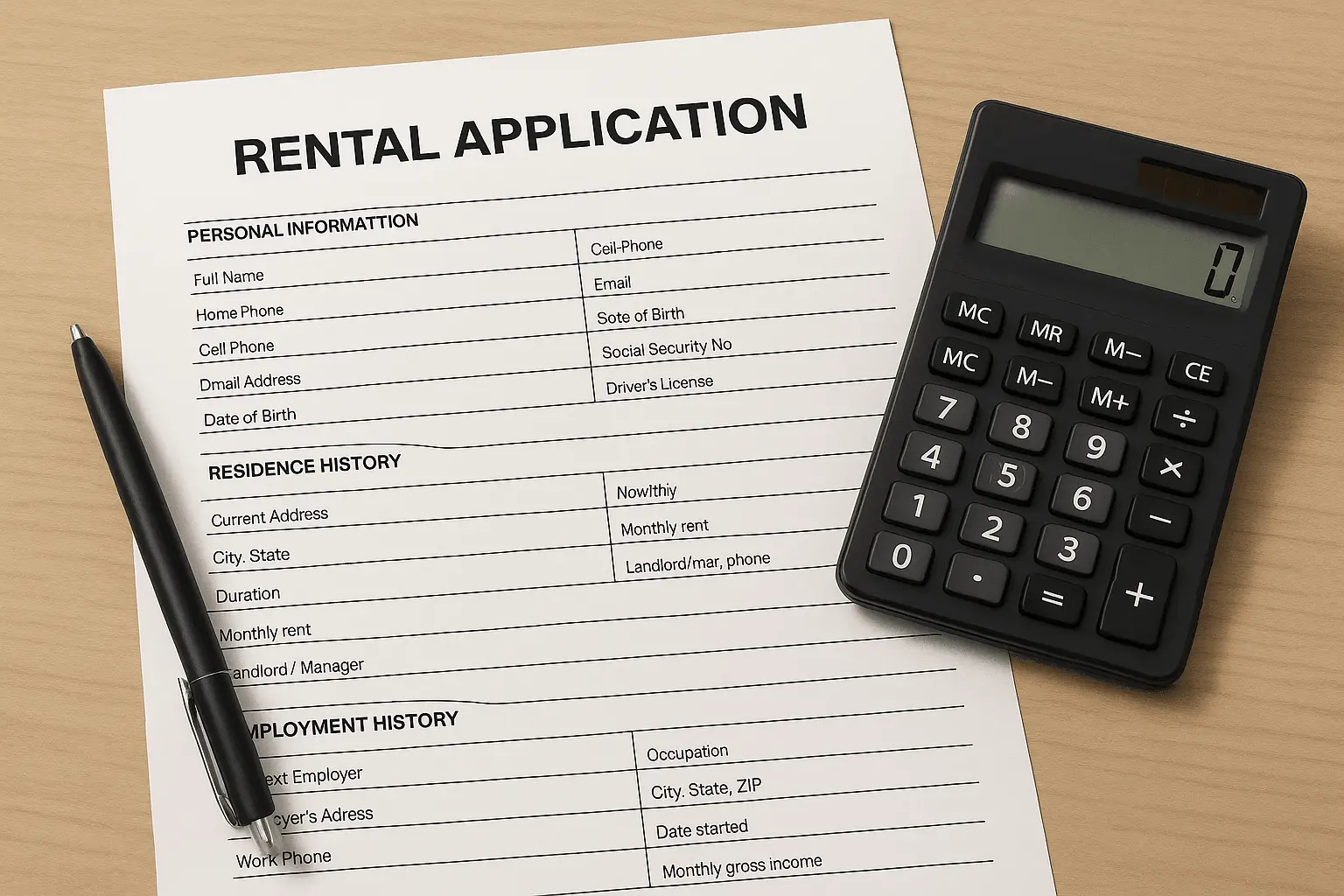
NYC has some weird quirks. A lot of apartments are rent-stabilized, which means your rent can only go up by a certain percentage each year. That's great if you get one of these places, but they're hard to find and landlords don't advertise it.
Lease terms vary more than in DC. Some landlords want two years, others do month-to-month at higher rates. And unlike DC, you might encounter some strange lease clauses or building rules that seem arbitrary but are totally legal.
The good news is NYC has pretty strong tenant protections once you're in. It's harder for landlords to kick you out without cause, and there are specific procedures they have to follow for everything.
Moving from DC to NYC isn't just about finding a new apartment. You're basically switching from one culture to another. DC's all about who you know and what agency you work for. NYC? It's more about what you do and how good you are at it.
Recent data shows that among Americans age 25 and up with a bachelor's degree or better who moved to a new county in 2023, 6.1% went to NYC compared to 3.5% to D.C., indicating NYC's continued appeal for educated professionals seeking career advancement.
DC networking is all happy hours and "let's grab coffee to discuss policy." NYC networking happens fast, over lunch, and people want to know what value you bring to the table right now.
In DC, everything revolves around government. Even if you work in private sector, it's probably government-adjacent. NYC is way more diverse - finance, media, tech, fashion, you name it. This is actually awesome because you might discover career paths that don't even exist in DC.
Finance dominates here in a way that government dominates DC. Wall Street, private equity, fintech - there are opportunities everywhere if you can translate your DC experience. That regulatory knowledge you picked up working with federal agencies? Suddenly very valuable to financial firms trying to navigate compliance.
The media industry here is huge too. If you did communications work in DC, there are tons of opportunities in publishing, advertising, and digital media that just don't exist back home.
My friend Jennifer used to work on financial regulation for a congressman. She thought her experience was pretty niche until she moved here and landed a compliance job at a fintech startup. Turns out, understanding how government actually works is super valuable to companies trying to deal with federal regulations. She got promoted to Head of Regulatory Affairs within 18 months and got a 40% raise.
NYC can feel overwhelming and lonely at first, especially coming from DC where you probably had your established friend group and regular hangout spots. The key is finding your community within the bigger chaos.
Join stuff. I know it sounds basic, but NYC has communities for literally everything. Your neighborhood probably has a community board or local association. There are co-working spaces even if you don't need them for work - they're great for meeting people.
Sports leagues are huge here and always looking for new people. Book clubs, hiking groups, volunteer organizations - whatever you're into, there's probably a group for it. The city's so big that even niche interests have active communities.
Don't underestimate your building or block. Unlike DC where you might not know your neighbors, NYC apartment buildings and blocks often have tight communities. Go to building meetings, say hi in the elevator, attend block parties.
Ways to actually meet people:
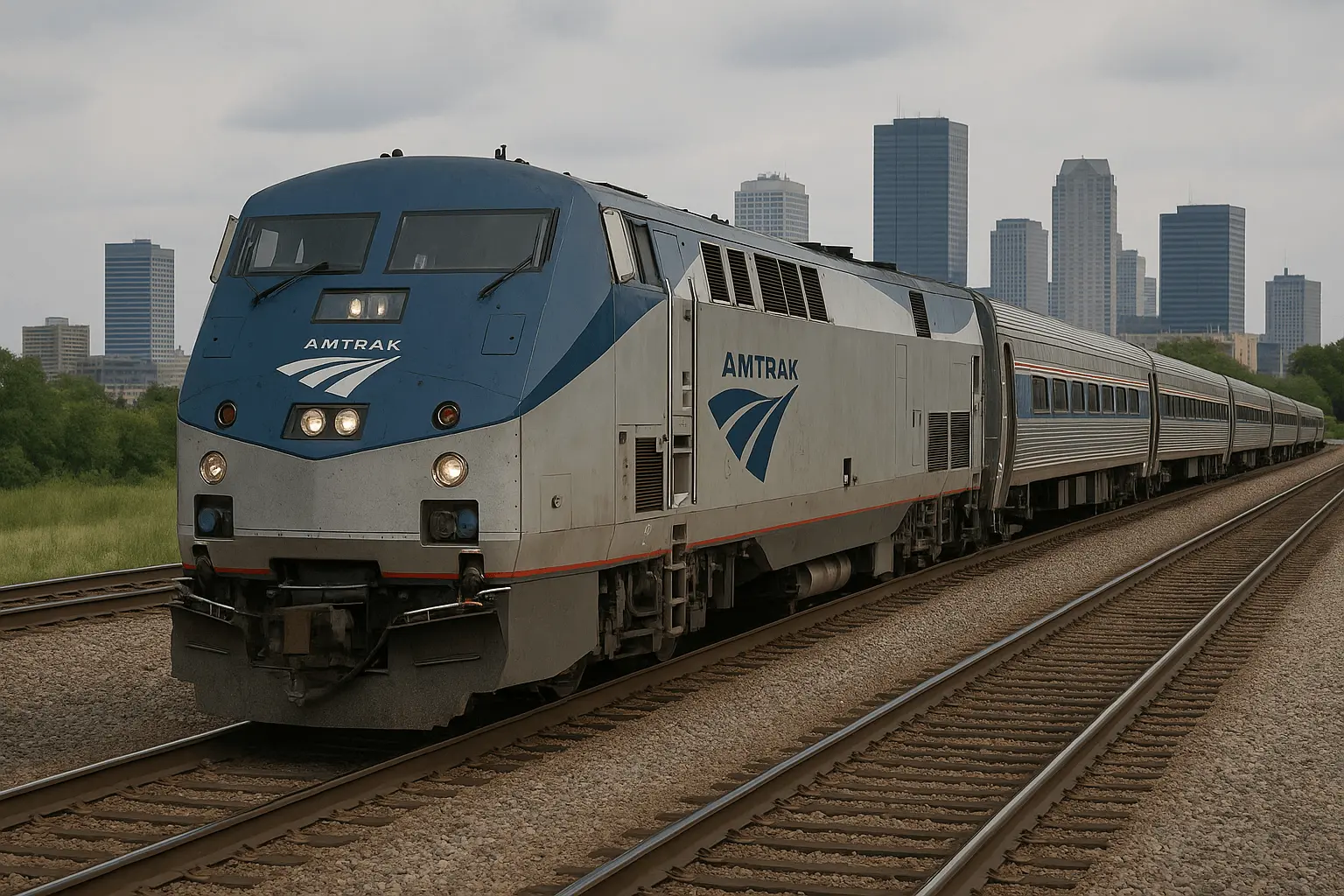
The Amtrak between NYC and DC is your friend. It's about 3 hours and runs frequently, so weekend trips back are totally doable. Book in advance for better prices - you can usually get tickets for $50-150 depending on when you travel.
Keep up with your DC network because those relationships are still valuable. Schedule regular calls, meet up when you're in town, and invite DC friends to visit you. Having that support system while you're building a new one in NYC makes the transition way easier.
Plus, you never know when you might want to move back or when your DC connections might help with NYC opportunities. The political and policy world is smaller than you think.
This part's boring but important. Moving between states triggers a bunch of legal requirements with deadlines, and missing them can cost you money or cause headaches later.
Taxes are where this gets interesting. DC has that flat 8.5% income tax, but New York is more complicated.
New York State has progressive tax rates from 4% to 10.9%, plus NYC adds another 3.078% to 3.876% depending on your income. So depending on how much you make, you might pay more or less than you did in DC.
If you're freelancing or have side income, you'll probably need to make quarterly tax payments. New York's pretty strict about this - if you owe more than $300, you need to pay quarterly or face penalties.
The good news is New York has different deductions and credits that might help offset the higher rates. It's worth talking to a tax person who knows both jurisdictions, especially for your first year.
Register to vote within 25 days of moving. You can do it online if you have a New York ID, otherwise you need to mail in a form with proof of address.
Jury duty happens more often in NYC because there are more courts and more cases. Expect to get called every 2-3 years instead of DC's less frequent summons. The good news is NYC has better scheduling options and usually does one-day/one-trial, so it's less disruptive.
If you need professional licenses for work, start this process early. Some take months to transfer and you don't want to be unable to work while waiting for paperwork.
Doctors and nurses need New York state licenses, which can take 2-4 months to process. Some specialties require additional exams or certifications. Start the application process before you move to avoid gaps in employment.
Lawyers need to apply for admission to the New York State Bar, which includes a character and fitness review that can take months. Financial advisors need to update their FINRA registrations within 30 days but the process is usually straightforward.
Here's where you need to make a decision: do you even want a car in NYC?
Census data reveals that New Jersey welcomed 75,103 individuals from New York in 2022, accounting for 13.77% of all interstate migrations, suggesting many New Yorkers eventually seek more car-friendly suburban lifestyles.
If you're keeping your car, you have 30 days to get New York registration, inspection, and insurance. The inspection costs $21 and needs to be done within 10 days of registration. Some cars need emissions testing too.
New York requires higher insurance minimums than DC, so expect your premiums to go up 20-50%. Comprehensive coverage becomes essential if you're parking on the street because break-ins and vandalism are more common.
Real talk: most people who move here from DC end up selling their cars within a year. Monthly parking costs $200-600 depending on neighborhood, insurance goes up, and you still have to deal with alternate side parking rules and feeding meters.
An unlimited MetroCard costs $127 a month. Even with occasional Ubers and weekend car rentals, you'll probably spend less than car ownership while avoiding the daily hassle of NYC driving and parking.
A lot of people keep their cars for the first few months while they figure out the subway system, then realize they haven't driven in weeks and sell it. That's totally fine - there's no rush to decide immediately.
Understanding car insurance costs in NYC can help you make an informed decision about whether maintaining a vehicle makes financial sense for your specific situation and neighborhood choice.
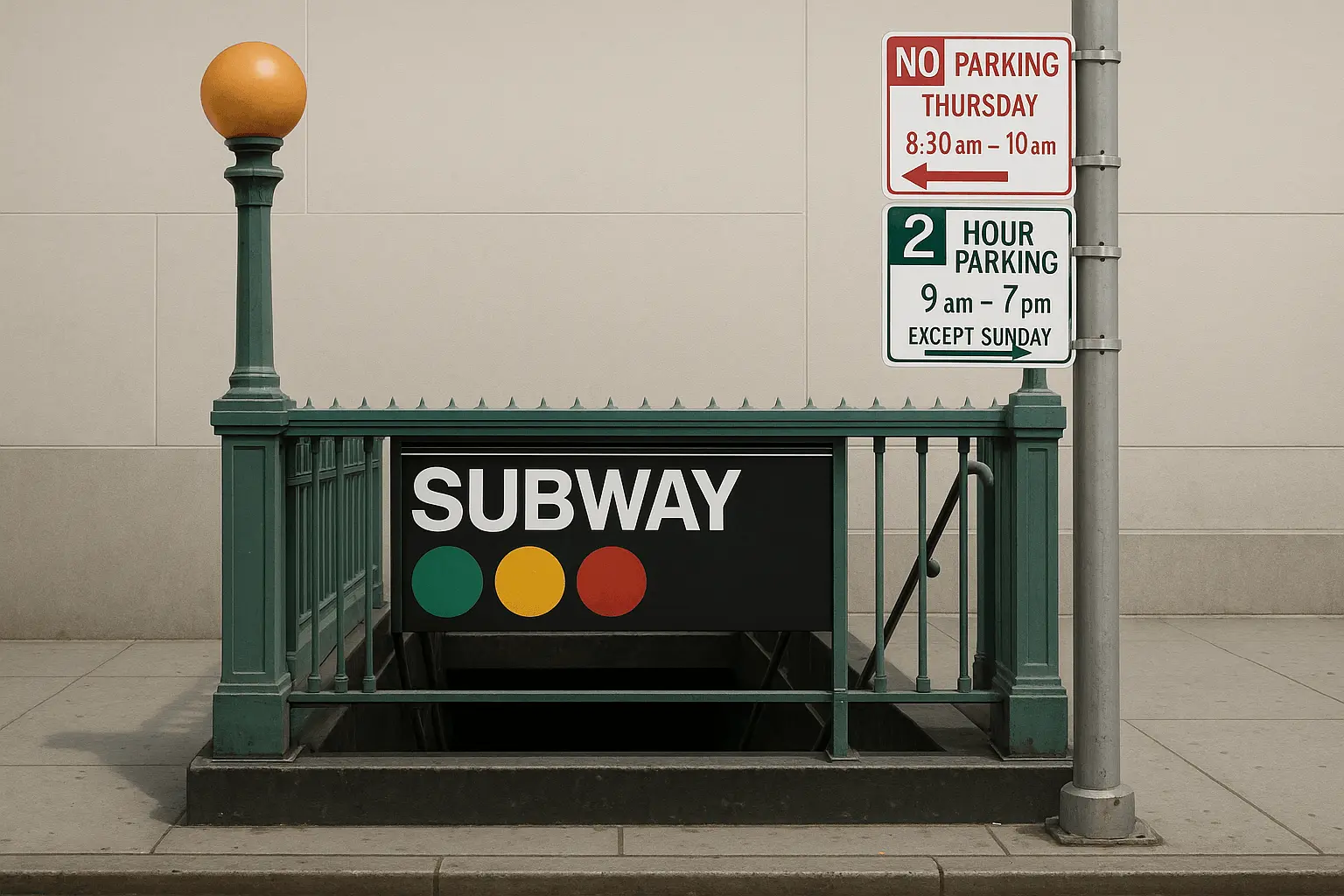
Look, I get it. Everything I just described sounds overwhelming . Finding an apartment with all those requirements and upfront costs, building a social network from scratch, figuring out which neighborhood works for you - it's a lot.
That's where Outpost Club comes in. Instead of dealing with broker fees, security deposits, and furnishing an empty apartment, you can move into a fully set up place with roommates who actually want to be social. Many of our members have made this exact DC to NYC move and can give you the real scoop on everything from commute routes to where to find decent bagels.
Our shared apartments in New York offer fully furnished, move-in ready accommodations that eliminate the stress of furniture shopping, utility setup, and lease negotiations that typically complicate NYC relocations. You can focus on career transitions and city exploration while we handle the housing logistics that often overwhelm first-time NYC residents.
For those seeking community-focused living arrangements, our coliving spaces in Brooklyn and Manhattan locations provide instant social networks of professionals from diverse backgrounds and industries. Many of our residents have made similar DC to NYC transitions and can offer practical advice about everything from the best commuter routes to industry networking events.
Our places in neighborhoods like Bedford-Stuyvesant, Williamsburg, and Harlem give you that community feel that a lot of DC transplants miss, but with easy access to Manhattan when you need it. These areas have actual neighborhood character - think Capitol Hill vibes but with better nightlife and food scenes.
The flexible lease terms mean you're not locked into a two-year commitment while you're still figuring out NYC. And the all-inclusive pricing? No surprise utility bills, no hunting for internet providers, no wondering if your roommate paid the electric bill. Just one monthly payment that covers everything.
Plus, living with other professionals who chose to be in a community-focused living situation means you're not dealing with random Craigslist roommates who leave dirty dishes in the sink for weeks. These are people who actually want to hang out, explore the city together, and help each other navigate NYC life.
Ready to skip the apartment hunting nightmare? Check out our available rooms and see how we can make your DC to NYC transition way less stressful.

Moving from DC to NYC is honestly one of the biggest life changes you can make without leaving the country. Yeah, it's expensive and overwhelming and sometimes you'll miss being able to actually afford a nice apartment. But it's also incredible.
DC taught you how to navigate a major city, deal with bureaucracy, and network professionally. Those skills translate really well to NYC - you're just applying them in a bigger, faster, more diverse environment. The government-focused networking becomes industry-specific relationship building. The policy knowledge becomes valuable to private companies. The urban living skills get an upgrade.
The hardest part is the first few months when everything feels foreign and expensive and you don't know where to get a decent sandwich. But once you find your neighborhood, your people, and your rhythm, you'll understand why people are obsessed with this city.
Your DC experience is actually a huge advantage. You already know how to live in a major city, deal with public transportation, and navigate professional environments. You're not starting from scratch - you're building on skills you already have.
Will you miss DC? Probably. The lower cost of living, the manageable size, the fact that you could actually afford to live alone. But you'll also discover opportunities and experiences that just don't exist anywhere else. And hey, it's only a three-hour train ride if you want to visit your old life.
The bottom line: if you're thinking about making this move, you probably should. DC will always be there, but there's only one time in your life when picking up and moving to NYC feels like an adventure instead of a crisis. Make sure you're financially prepared, do your research, and then just go for it.

Household supplies can be changed or decreaased at Outpost Club’s discretion, or based on supply availability. Outpost is not responsible for temporary losses of utility service. Outpost Club is not responsible for any damages due to absence of any supplies or utilities


If you have a sales related question please call
680-688-7678

 Hot Deals