Moving from San Francisco to New York: The Real Cost of Trading Tech Dreams for East Coast Reality
Dec 2, 2025

Dec 2, 2025
So you're thinking about trading your SF fog for NYC pizza? Yeah, I get it. After watching half my tech friends make this exact move over the past few years, I've seen what works (and what spectacularly doesn't). This cross-country leap is honestly one of the biggest life changes you can make, with large population declines continuing in both cities as professionals seek new opportunities elsewhere. Yet for those willing to embrace the challenge, this move offers unique rewards - from actual tax savings to career opportunities that simply don't exist when you stay in one tech bubble.
Look, before you pack up your life and ship it across the country, you need to get real about what you're signing up for when moving from San Francisco to New York. Yeah, both cities will empty your bank account, but they do it in completely different ways. Manhattan rent might make your SF rent look reasonable (and that's saying something), but here's the kicker - you'll actually keep more of your paycheck thanks to ditching California's soul-crushing 13.3% state tax for NY's more reasonable 8.82%. Sure, NYC slaps on its own local tax, but you'll still come out ahead.
According to Fox Business, "New York and California have some of the highest tax burdens in the country" while "Texas, Florida and Nevada do not have a state income tax," making the NY tax advantage over California particularly significant for relocating professionals.
Here's what nobody tells you: research neighborhoods like your sanity depends on it, because it kind of does. Miss the Mission's vibe? Lower East Side or Williamsburg might not make you homesick. More of a Pacific Heights type? Upper East Side could work, if you can afford it (spoiler alert: it's expensive even by your SF standards).
And don't even get me started on the subway versus MUNI. It's like comparing a caffeinated racehorse to a sleepy turtle. The subway actually shows up, but good luck figuring out why the 6 train suddenly decided to skip your stop.
Your whole career landscape is about to flip. NYC runs on finance, media, fashion, and real estate - not exactly the startup scene you're used to. Start networking on LinkedIn and through industry associations before you even book your flight, because showing up cold in NYC is like bringing a knife to a gunfight. Understanding the best neighborhoods in NYC can help you identify areas that align with your lifestyle preferences and budget constraints from your San Francisco experience.
Okay, time for the fun stuff (and by fun, I mean mind-numbing bureaucracy). You're going to need every official document you've ever owned, plus some you didn't know existed. Birth certificates, social security cards, medical records, pet vaccination records - basically everything except your kindergarten report card.
Here's a pro tip from someone who learned the hard way: make copies of everything, then make copies of the copies. Store them separately during the move because Murphy's Law absolutely loves interstate relocations. Your important documents will definitely end up in the one box that goes missing.
Banking is where things get interesting. Your cute little SF credit union probably doesn't have branches in NYC (shocking, I know). Research national banks or prepare to become very familiar with ATM fees. And please, for the love of all that's holy, don't wait until moving day to notify your credit card companies. Nothing says "welcome to New York" like having your card frozen because of "suspicious activity."
Sarah, this software engineer I know, actually got this right. She created this massive binder - and I mean massive, like dissertation-level organization. She had tabs for everything: banking, medical, legal, utilities. Overkill? Maybe. Did it save her from spending her first NYC week on hold with customer service? Absolutely. She scheduled bank account transfers two weeks before her move, updated her voter registration online, and had her medical records transferred to a NYC practice she'd already researched. This preparation allowed her to focus on apartment hunting during her first week in the city rather than scrambling with paperwork.
Alright, let's talk about the elephant in the room: actually getting your stuff from point A to point B. Professional movers will charge you anywhere from $4,000 to $8,000, and that's if you're not moving during peak season (May through September, when apparently everyone decides to relocate simultaneously).
Get quotes from at least three companies, and make sure they're legit - check that Federal Motor Carrier Safety Administration registration. The moving industry has more sketchy operators than a carnival, and you don't want your grandmother's china ending up in a warehouse in Ohio.
Here's where it gets creative: you don't have to do the traditional full-service thing. Ship your books via USPS Media Mail (it's stupidly cheap), drive one car while shipping another ($1,000-$1,500), or use those portable storage containers if you're not sure about your timeline. Some people even do the hybrid approach - pack the essentials in their car and ship everything else.
The moving game has actually gotten better lately. California New York Express Moving Company "focuses exclusively on moving between California and the Northeast corridor" and offers "faster delivery windows (5-10 days)" with "100% in-house labor--no handoffs, ever."
|
Moving Option |
Cost Range |
Timeline |
Best For |
|
Full-Service Professional |
$4,000-$8,000 |
7-14 days |
Complete household moves |
|
Hybrid (Drive + Ship) |
$2,500-$4,500 |
10-21 days |
Flexible timelines |
|
Portable Container |
$3,000-$6,000 |
14-30 days |
Uncertain move-in dates |
|
DIY Truck Rental |
$1,500-$3,000 |
3-7 days |
Minimal belongings |
Here's some advice that'll save you months of regret: don't sign a lease from San Francisco when moving from San Francisco to NYC. I don't care how amazing that Craigslist listing looks or how convincing the broker sounds over FaceTime. You need to see these places in person, smell them, test the water pressure, and figure out if that "cozy" description actually means "you can touch all four walls while lying in bed."
Temporary housing is expensive - we're talking $150 to $400 per night for anything decent. But think of it as insurance against making a terrible decision that you'll regret for the next 12 months. Extended-stay hotels, corporate housing, or even a decent Airbnb for a month or two gives you time to actually explore neighborhoods and understand what "10 minutes from the subway" really means (hint: it's usually more like 15, and that's if you're speed-walking).
Some buildings offer short-term leases specifically for people in your situation. These are gold mines if you can find them - usually corporate housing companies that actually understand what relocating professionals need. Many New Yorkers sublet rooms during travel or between leases. Just verify the primary tenant's legal right to sublet and protect yourself legally.
Consider exploring shared apartments in New York as a temporary solution that provides both flexibility and community connections during your transition period.

Welcome to the Hunger Games of real estate. NYC's rental market is basically a contact sport where the fastest application wins, and everyone else goes home disappointed. You'll need first month, last month, security deposit (sometimes two months), and broker fees that'll make you question your life choices. Oh, and application fees for every place you don't get ($100-$500 per application). Fun times.
Landlords want you to make 40-50 times the monthly rent annually. Don't hit that magic number? You'll need a guarantor or be prepared to throw more money at the security deposit. It's like they're personally offended by the idea that you might want to spend money on anything other than rent.
Here's the thing about brokers: yes, their fees are painful (10-15% of annual rent), but they have access to listings that never see the light of day on StreetEasy. Think of it as paying for insider information in a very expensive game.
Mike, this product manager who made the move last year, applied to 12 apartments before getting approved for one. Twelve. And he was prepared - had all his documents ready, references lined up, the whole nine yards. He spent his first month in a corporate housing unit in Midtown while apartment hunting. He worked with brokers in three neighborhoods (West Village, Williamsburg, LES) and his preparation paid off - he had his application approved within 24 hours because all his documents were ready to submit immediately.
Finally, some good news! New York's state income tax will feel like a vacation after California's highway robbery rates when moving from San Francisco to New York. You'll go from paying up to 13.3% to maxing out at 8.82%. Sure, NYC adds its own local tax (3.078%-3.876%) because of course it does, but you'll still come out ahead if you're making decent money.
The catch? You'll probably need to file part-year returns in both states during your moving year. And by "probably," I mean definitely. Get yourself a tax professional who knows both states, because this isn't TurboTax territory.
Make sure you establish New York residency properly - register to vote, get your license changed within 30 days, update everything with the IRS. Keep documentation of everything because both states love a good audit, and you don't want to give them any ammunition.
According to research from Fox Business, "Gen Z and lower-income households were more likely to relocate in the second quarter, likely due to financial necessity rather than choice," with "the homeownership rate is just 35% for Americans ages 25 to 30, compared to a 66% rate across all ages."
Understanding the real cost of living in NYC helps you budget beyond just rent and taxes, including hidden fees that can significantly impact your financial planning.
Your insurance situation is about to get complicated. That health insurance network you love in SF? Yeah, it probably doesn't extend to NYC. Research your options before you move, because "I'll figure it out when I get there" is not a healthcare strategy. If you're changing employers, understand COBRA options for coverage gaps. Research NYC's healthcare landscape and identify primary care physicians, specialists, and hospitals in your new area.
Auto insurance is where things get interesting. New York rates are... well, they're New York rates. Get quotes before you move so you're not shocked when your premium doubles. And renters insurance? You're trading earthquake coverage for flood and theft coverage. Welcome to East Coast living. Geographic risk assessments vary significantly, so compare rates from multiple providers.
NYC's economy is like SF's older, more serious sibling. Finance, media, real estate, fashion - these industries move slower than Silicon Valley's breakneck pace, but they also pay differently when moving from SF to NYC. You might see higher base salaries but way fewer stock options. It's a trade-off that works better for some people than others.
The cultural shift is real. People here are more direct (some might say blunt), dress codes actually matter, and that whole "let's grab coffee and ideate" thing? Yeah, that doesn't fly in most NYC offices. You'll need to adjust your communication style and probably your wardrobe.
Fintech is huge here, so your tech skills definitely translate. Media tech, prop tech, even traditional finance companies are hiring tech people. The opportunities exist, but the culture is different. Think less ping pong tables, more actual business meetings. Research industry-specific salary ranges and factor in tax differences. Negotiate for relocation assistance, temporary housing allowances, or flexible start dates to accommodate your move.
The cultural shift is significant, as one relocating professional noted in a personal blog: "People say living in SF is living in a bubble, but it's hard to understand the extent of it until you live there. I spent one month last summer living with high school friends in Lower East Side and one thing stuck out to me: the people here are actually normal."
|
Industry Sector |
SF Focus |
NYC Equivalent |
Avg Salary Difference |
Culture Shift |
|
Technology |
Pure Tech/SaaS |
Fintech/Media Tech |
+15-25% base, -60% equity |
Faster pace to formal structure |
|
Finance |
Minimal presence |
Wall Street/Banking |
+30-40% total comp |
Startup casual to business formal |
|
Media |
Social media startups |
Traditional/Digital |
Similar base, different benefits |
Innovation focus to content focus |
|
Real Estate |
Prop tech startups |
Traditional real estate |
+20% base |
Tech disruption to relationship-based |
NYC runs on relationships way more than SF does. That whole "let's just connect on LinkedIn" approach won't cut it here. You need to show up to things - industry events, panel discussions, those awkward networking happy hours where everyone's trying too hard.
Join professional associations like the New York Technology Council or industry-specific groups. Go to conferences, schedule coffee meetings with people in your industry. It sounds exhausting (because it kind of is), but it's how things work here. The good news? New Yorkers are generally pretty direct about networking - they'll tell you straight up if they can help or not.
Schedule informational interviews with professionals in your target companies. Consider executive education programs at Columbia, NYU, or The New School to gain NYC-specific industry knowledge and expand your network. Many programs offer evening or weekend options for working professionals.

Remember how everyone in SF dressed like they were about to go hiking? Yeah, that's not happening here. Business casual actually means business casual, not jeans and a hoodie. Invest in some real work clothes, because first impressions matter more than you think.
Communication is more direct here. That whole West Coast thing where everyone says "let's circle back" and "I love that idea, but..." doesn't really exist. People will tell you what they think, sometimes whether you want to hear it or not. It's refreshing once you get used to it. Lunch meetings and after-work networking events become more important for relationship building. Punctuality and efficiency carry more weight in NYC business culture than the relaxed approach you might be used to.
Jennifer, this UX designer I know, had to completely overhaul her approach when she moved from a SF startup to a NYC media company. New wardrobe, new communication style, even started doing actual lunch meetings. It was an adjustment, but she says the directness actually made her job easier in the long run.
Making friends as an adult in NYC is like dating, but somehow more awkward. You'll need to put yourself out there when moving from San Francisco to New York City - join things, go to events, say yes to invitations even when you'd rather stay home and order Seamless.
Young professionals groups, alumni networks, hobby clubs, sports leagues - basically anything that gets you around people regularly. Apps like Meetup and Bumble BFF are actually useful here (I know, I was skeptical too). The key is consistency - showing up once won't cut it. Co-working spaces can be goldmines for meeting like-minded people if you're freelancing or working remotely.
The good news? NYC has so many transplants that everyone understands the struggle of building a new social circle. People are generally pretty open to new friendships, especially if you can bond over shared experiences like surviving your first NYC winter or navigating the subway system.
The cultural landscape continues to evolve, as noted by musician Roddy Bottum who recently reflected on "the time and place" of San Francisco's creative scene: "It feels such a special time, different from any other. My community just all happened into that city at the same time, and it felt a sense of royalty in that we all got to live through what San Francisco was at that point."

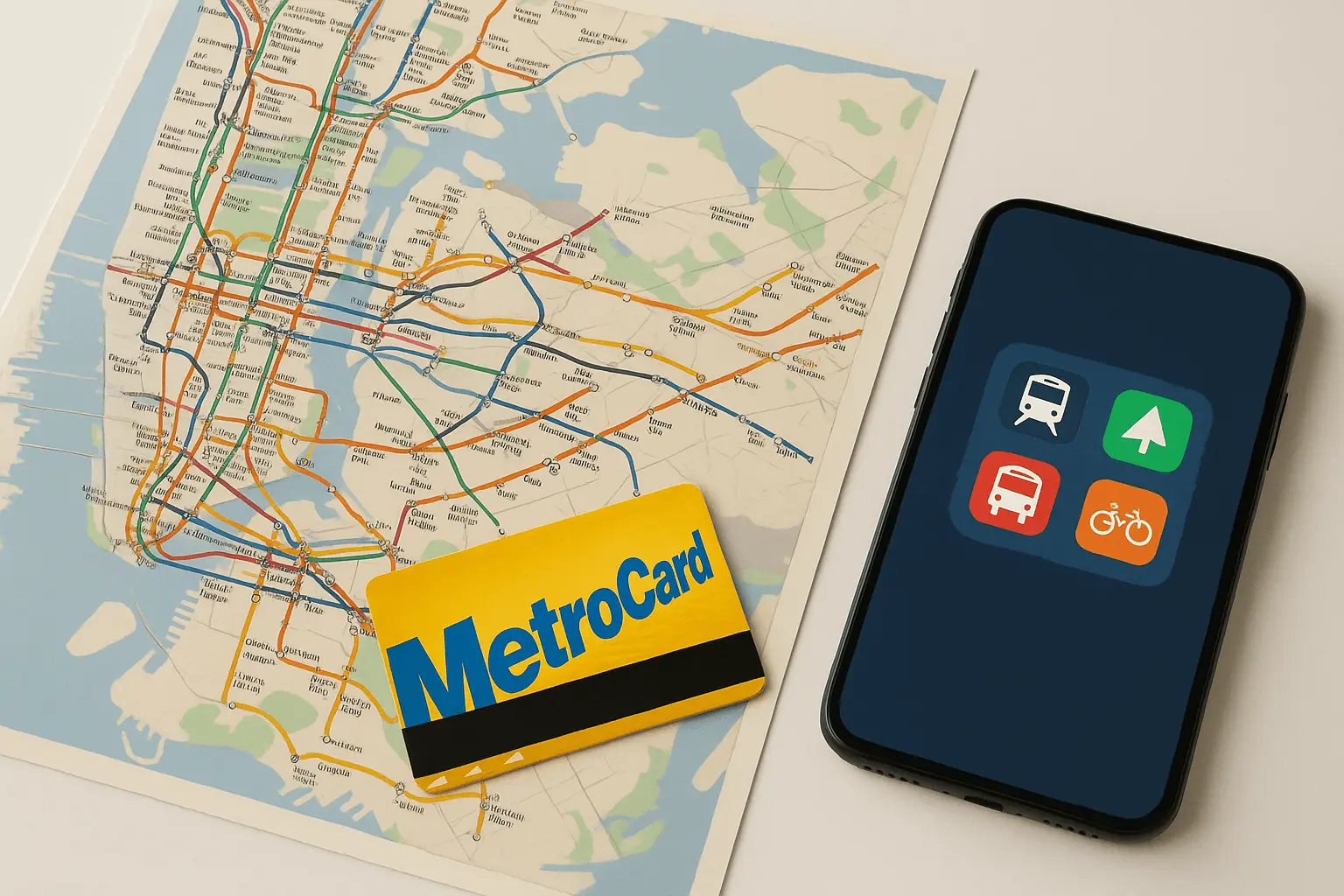
NYC operates at a completely different frequency than San Francisco. The subway runs more often but expect longer commutes because the city is huge. Learn the difference between local and express trains to optimize your travel time, unless you enjoy accidentally ending up in Queens when you were trying to get to Brooklyn. Download multiple transit apps (Citymapper, Transit, NYC Subway) because service disruptions are a way of life, and having backup options keeps you sane.
You'll walk everywhere. Like, everywhere. Twenty blocks? That's a casual stroll. Your step counter is about to become your new best friend. Citi Bike is clutch for medium distances, and yes, you'll eventually become one of those people who bikes in traffic like it's no big deal.
Living spaces are smaller, so you'll shop more frequently. Weekly Costco runs aren't really a thing when you can't fit 48 rolls of toilet paper in your apartment. Embrace the bodega culture and delivery services like FreshDirect or Instacart - they're part of the NYC experience.
Setting up utilities is different here. Con Edison handles electricity and gas, and you'll want to schedule connections before you move in (because sitting in the dark on your first night is not the NYC experience you're going for). Internet options include Spectrum, Verizon FiOS, or RCN, depending on building wiring. Many NYC apartments include heat and hot water, unlike SF where you typically pay for gas.
Many buildings require board approval for installations or modifications, and some have exclusive service provider contracts that limit your choices. Pre-war buildings have character, which is realtor-speak for "good luck plugging in more than two things at once without tripping a breaker." Understand your building's policies regarding deliveries, renovations, and service appointments.
If you're looking for housing solutions that simplify this process, consider furnished rooms for rent where utilities and internet are often included, reducing the administrative burden during your transition.
Healthcare in NYC is actually pretty good once you figure out the system. Major hospital systems like NYU Langone, NewYork-Presbyterian, and Mount Sinai are everywhere, but getting appointments can take forever. Start looking for doctors before you need them, because "I need to see someone next week" isn't how it works here.
Transfer your medical records before you leave SF - it's easier to do it while you still have relationships with your current doctors. Research whether your current doctors have NYC affiliates or can provide referrals. Understand your insurance network's NYC coverage and identify in-network providers near your home and workplace.
And find out where the nearest urgent care is, because you'll probably need it at some point (hello, first NYC winter). Establish relationships with specialists before you need them - wait times for new patients can be lengthy. NYC's 311 system provides non-emergency health services and resources.
For budget-conscious relocators, understanding low-cost therapy NYC options can help you maintain mental health support during this major life transition.
Pre-Move Healthcare Checklist:
The subway is simultaneously the best and worst thing about NYC. When it works, it's amazing - frequent service, goes everywhere, runs 24/7. When it doesn't work, you'll question every life choice that led you to this moment.
Learn the difference between local and express trains unless you enjoy accidentally ending up in Queens when you were trying to get to Brooklyn. Apps help, but they're not perfect. Sometimes the best strategy is just asking someone - New Yorkers are surprisingly helpful with directions. Purchase unlimited MetroCards if you'll use transit frequently, but consider per-ride costs for occasional use.
Car ownership is possible but expensive and often unnecessary. Monthly parking can cost more than some people's rent. If you need a car occasionally, car-sharing services work well for weekend trips or those times when you need to buy something bigger than a breadbox. Ride-sharing services operate differently than in SF due to traffic patterns and pricing.
NYC Transportation Cost Comparison:
Look, I'm not gonna sugarcoat it - making the leap from San Francisco to New York involves way more than just changing your address. It's a complete lifestyle transformation that can feel completely overwhelming when you're trying to coordinate everything from 3,000 miles away. The complexity of juggling housing, career transitions, and social integration while adapting to an entirely different urban culture? Yeah, it's a lot.
This is where having the right community becomes absolutely invaluable. At Outpost, we get that successful relocations aren't just about finding the right apartment or job - they're about building meaningful connections that help you actually thrive in your new environment, not just survive it. Our network of professionals who've navigated similar cross-country transitions can provide the insider knowledge and support system that transforms an overwhelming move into an exciting new chapter.
Whether you need real talk about neighborhood selection, insights into NYC's professional landscape, or you just want to connect with others who understand the unique challenges of major life transitions, having access to communal living spaces in NYC can provide the community support that makes all the difference during your relocation.
Ready to make your move with confidence? Connect with our community and discover how the right network can turn your cross-country relocation into your best decision yet.

Moving from San Francisco to New York is honestly one of the biggest life changes you can make, requiring careful planning across multiple dimensions of your life. The financial implications alone - from tax savings to upfront housing costs - demand strategic thinking and advance preparation. Your career will likely require some industry adaptation, but the opportunities in NYC's diverse economy can be incredibly rewarding for those willing to embrace the change.
Here's the real talk: this isn't just a geographical move - it's a cultural transformation. NYC's direct communication style, formal business practices, and fast-paced energy create a completely different daily experience than San Francisco's laid-back tech culture. Embrace the differences rather than fighting them, and you'll find yourself adapting way more quickly than expected.
Most importantly, don't underestimate the value of community during this transition. Whether through professional networks, neighborhood groups, or platforms that connect relocating professionals, building meaningful relationships will determine whether your move becomes a struggle or an adventure. The logistics will sort themselves out, but the connections you make will define your New York experience.
Will you question your life choices at 2 AM while assembling IKEA furniture in a 400-square-foot apartment? Absolutely. Will you also have the time of your life? Also absolutely.
Previous post
Top 5 Safest Neighborhoods to Live in Brooklyn
Household supplies can be changed or decreaased at Outpost Club’s discretion, or based on supply availability. Outpost is not responsible for temporary losses of utility service. Outpost Club is not responsible for any damages due to absence of any supplies or utilities


If you have a sales related question please call
680-688-7678

 Hot Deals