Moving to New York from UK: The Insider's Guide to Making Your American Dream Reality
Dec 2, 2025

Dec 2, 2025
With roughly 1 in 38 people living in America residing in New York City according to MoveHub, the Big Apple continues to attract international talent seeking career opportunities and cultural experiences. I've helped dozens of Brits make this move, and here's what I wish someone had told me when I first landed at JFK with two suitcases and a head full of dreams.
Look, I've watched too many people grab the first visa option that comes along without thinking about where they want to be in five years. Your visa choice isn't just paperwork - it's basically deciding your entire American story before you even get here.
The H-1B lottery is brutal. Only about 30% of people get picked, and you're stuck waiting until April to find out if you even have a shot at moving that year. I know a software developer who applied three years running before getting selected. Meanwhile, his mate got an L-1 transfer and was living in Brooklyn within six months.
According to The Telegraph, around 20,000 Britons emigrate to America annually, highlighting the growing interest in US opportunities despite visa complexities. But as "Young Londoners ditch Britain for the Big Apple" The Telegraph reports, immigration attorneys note that "the policies will be driven by 'Putting America first'. We do expect to see higher scrutiny and background checks."
Here's what nobody tells you about O-1 visas: "extraordinary ability" sounds intimidating, but it's broader than you think. I've seen marketing folks get approved because they spoke at a few conferences and had some decent LinkedIn articles. It's not just for Nobel Prize winners.
Sarah from Manchester thought she needed to wait for the H-1B lottery, but her company had a New York office. Six months later, she was managing their US marketing team on an L-1 visa. Sometimes the obvious path isn't the smartest one when moving to New York from UK.
If you've got some cash saved up, the E-2 visa might be your ticket. You need around £80,000 to invest, but here's the catch - you can't just stick it in a savings account. You need to actually run a business, hire people, pay taxes. It's not passive income territory.
The EB-5 route costs serious money - we're talking £640,000 to £840,000 depending on where you invest. But it gets you a green card, which means you can live anywhere in the US and change jobs without visa drama.

Getting a green card feels like waiting for a bus that might never come. EB-1 categories move fastest if you qualify - think Nobel Prize winners or that friend who sold their startup for millions. For the rest of us mere mortals, EB-2 and EB-3 can take years.
The process isn't just about waiting - you'll need to maintain valid status throughout, which complicates job changes and holiday plans back home. Budget £4,000 to £12,000 for legal fees. Yes, it's painful, but immigration lawyers earn their money. I tried doing my own paperwork once. Never again.
Your 800 credit score from Experian? Means absolutely nothing here. You're starting from zero, which feels insulting when you've been responsibly paying bills for decades.
The apartment hunting reality check hits hard. Landlords look at your non-existent American credit history and basically laugh. Even with £50,000 in your UK savings account, they want to see American credit scores when you're moving to new york from the uk.
HSBC saved my life during this transition. They looked at my UK account history and opened a US account without the usual runaround. Barclays does similar programs. Not everyone has this option, but if you bank with an international chain, use that relationship for all it's worth.
Secured credit cards feel like a step backwards, but they work. Put down £400, use it for coffee and groceries, pay it off religiously. Your credit score will hit 650 within eight months if you're consistent - and suddenly landlords stop treating you like a financial pariah.
|
Financial Setup Timeline |
What You Need |
Reality Check |
|
International Bank Account |
UK statements, passport, visa |
1-2 weeks if you're lucky |
|
Social Security Number |
Immigration docs, patience |
1-2 weeks after application |
|
Secured Credit Card |
SSN, £400 deposit, more patience |
Immediate approval, slow credit building |
|
Decent Credit Score |
Regular payments, time |
6-8 months to stop being laughed at |
|
Apartment Rental Success |
650+ credit score, income proof |
8-12 months of financial rebuilding |
American taxes are mental. They want to know about every penny you earn worldwide, including that rental property in Manchester you forgot about. The US taxes worldwide income for residents, which creates delightful double taxation scenarios.
New York taxes are particularly brutal. Between federal, state, and city taxes, you could be paying over 50% if you're earning decent money. Some people keep a Florida address to dodge state taxes, but you need to actually live there part-time to make it legit.
Don't assume your UK tax obligations disappear when you move. I spent two years filing returns in both countries because I hadn't properly severed my UK tax residency. The statutory residence test still applies based on days spent in the UK, accommodation ties, and work patterns. Get professional help - it's worth every penny.
According to Wise, the average annual salary in New York is $51,979, but most people earn between approximately $36,000 and $64,000, making tax planning crucial for maximizing your take-home pay when moving to new york from the uk.
The grocery bill shock is real. That weekly £80 shop at Tesco becomes $200 at Whole Foods. Even the dodgy corner shops charge premium prices for basics you took for granted.
Healthcare costs are bonkers even with insurance. I paid $300 for a GP visit that would've been free on the NHS. Budget at least $400 monthly for medical expenses beyond your insurance premiums - and that's if you're healthy.
Manhattan rent prices will make you question your life choices. £2,500 for a one-bedroom that would cost £1,200 in Manchester. Brooklyn's better value, but you're still looking at £2,000+ for anything decent. The cost comparison is stark - according to Wise, the overall cost of living is around 23% higher in New York City compared to London, with buying groceries costing over 50% more, while eating out is around 20% more expensive.

The 40x income rule is savage. Want that £2,400 apartment? You need to prove you earn £96,000 annually. Without American credit, you'll need a guarantor earning £192,000 or you're putting down extra deposits that'll make your eyes water.
I showed up to my first apartment viewing with UK bank statements like some kind of amateur. Meanwhile, other applicants had guarantor forms, American credit reports, and cashier's checks ready to go. I didn't stand a chance.
Here's your survival kit: recent pay stubs, bank statements, employment letter on company letterhead, and if you're lucky enough to have one, a guarantor who earns stupid money. Oh, and bring £10,000 cash because you'll need first month, last month, security deposit, and broker fees upfront.
For those considering alternative housing arrangements, shared apartments new york can provide a more affordable entry point while moving to new york city from uk, offering immediate access to established living situations without the extensive documentation requirements of traditional rentals.
Your Apartment Hunting Survival Kit:
Manhattan is the dream, but your wallet will hate you. Midtown's convenient if you work in corporate hell, but it's soulless after 6 PM. Lower East Side has character and decent bars, but good luck sleeping through the weekend noise.
Brooklyn's where most of us end up. Williamsburg looks cool on Instagram but costs almost as much as Manhattan. Park Slope is lovely if you want to feel like you're living in a Richard Curtis film with American accents.
Queens is the secret weapon. Astoria gives you Manhattan views for Brooklyn prices, plus the best Greek food outside of Athens. The commute's not terrible, and you'll actually have space for a proper bed.
Understanding the best neighborhoods in nyc becomes crucial when planning your move, as each area offers distinct advantages for different lifestyles and budgets.

|
Where You'll Actually Live |
What You'll Pay |
Reality Check |
|
Manhattan (Upper East Side) |
£2,800-3,600 |
Museums and families, minimal nightlife |
|
Manhattan (Lower East Side) |
£2,400-3,200 |
Trendy bars, zero sleep on weekends |
|
Williamsburg, Brooklyn |
£2,200-3,000 |
Brooklyn prices, Manhattan attitude |
|
Park Slope, Brooklyn |
£2,000-2,800 |
Stroller mafia territory, lovely parks |
|
Astoria, Queens |
£1,800-2,600 |
Actually liveable space, great food |
Buying property as a foreigner means bigger deposits and more paperwork. Banks want 25-30% down instead of the 10-20% Americans pay. Plus you need months of expenses sitting in American bank accounts to prove you're serious.
Co-ops are everywhere in Manhattan but they're basically housing dictatorships. The board can reject you for any reason (or no reason), and subletting rules are stricter than most rental agreements. Condos cost more but give you actual ownership rights.
When you eventually sell, the taxman takes 15% off the top through FIRPTA withholding. Plan for this because it's not negotiable - it's like a leaving tax for foreign property owners.
British networking feels like gentle conversation over warm beer. American networking is like speed dating with business cards. People will ask what you do within 30 seconds of meeting you, and they expect a proper answer, not some self-deprecating mumble.
The "everything is happening here" mentality is real. As "Young Londoners ditch Britain for the Big Apple" The Telegraph reports, professionals find that "It is fantastic for your career" in New York, where "everything is happening here" in terms of business opportunities. New Yorkers genuinely believe their city is the center of the universe, and honestly, sometimes it feels that way. The energy is infectious once you stop finding it o
Industry meetups happen constantly. LinkedIn events, professional associations, alumni drinks - there's something every night if you're motivated. The key is following up within 48 hours. Send that email, connect on LinkedIn, suggest coffee. Brits find this pushy, but Americans expect it.
James joined the New York Architecture Society and a cricket club in Central Park. The professional group helped him understand American building codes and find clients. The cricket club gave him weekend plans and introduced him to other homesick expats who understood why he missed proper tea.

The loneliness hits around month three. You've figured out the subway, found decent coffee, but you don't have anyone to text about grabbing drinks after work. This is completely normal and temporary, but it feels awful when you're living it.
Volunteering works brilliantly for meeting people with similar values. Food banks, community gardens, local political campaigns - New York has endless opportunities to help while building connections. It's also a great way to understand American civic culture.
Don't just stick with British expat organizations exist throughout New York. They're comforting initially with familiar cultural touchstones and shared experiences of missing Marmite, but you'll integrate faster by joining broader communities. Running clubs, book clubs, hobby groups - shared interests create stronger bonds than shared accents.
Here's the thing about American healthcare that'll make you miss the NHS: everything costs money. And I mean everything. That GP appointment you'd book casually back home? Here it's $200-400 without insurance.
HMO plans are cheaper but restrictive. You need referrals for everything, and if you go to the wrong doctor, you're paying full price. PPO plans cost more but let you see specialists directly and use out-of-network providers without jumping through hoops.
High-deductible health plans (HDHP) pair with Health Savings Accounts (HSA) for tax advantages, but mean you're paying everything out of pocket until you hit your deductible. Great if you're healthy, terrible if you're not.
Prior authorization is the most annoying thing about American healthcare. Your doctor wants to prescribe something? Insurance needs to approve it first. This can take days or weeks, even for routine medications you've been taking for years.

Remember how you could pop into any GP surgery back home? Yeah, that's not happening here. You need to choose your Primary Care Physician like you're picking a restaurant - research them, read reviews, check their credentials, make sure they're actually taking new patients.
Specialist appointments take forever. Need a dermatologist? That's a three-month wait. Orthopedist? Same thing. Book routine checkups as soon as you arrive, not when you need them.
Prescription differences will catch you off guard. Some over-the-counter UK medications need prescriptions here. Others aren't available at all. Research alternatives before you move, especially for ongoing conditions - your local Boots won't help you from
The subway runs 24/7, which sounds brilliant until you're stuck on a delayed train at 2 AM wondering why you didn't just get an Uber. Weekend service is particularly unreliable - always check the MTA app before traveling or you'll end up on a mystery tour of Queens.
Express vs local trains confused me for months. Express trains skip stops for faster travel, but if you're not paying attention, you'll end up in the Bronx when you wanted to go to Brooklyn. The announcements are often incomprehensible, so learn the map.
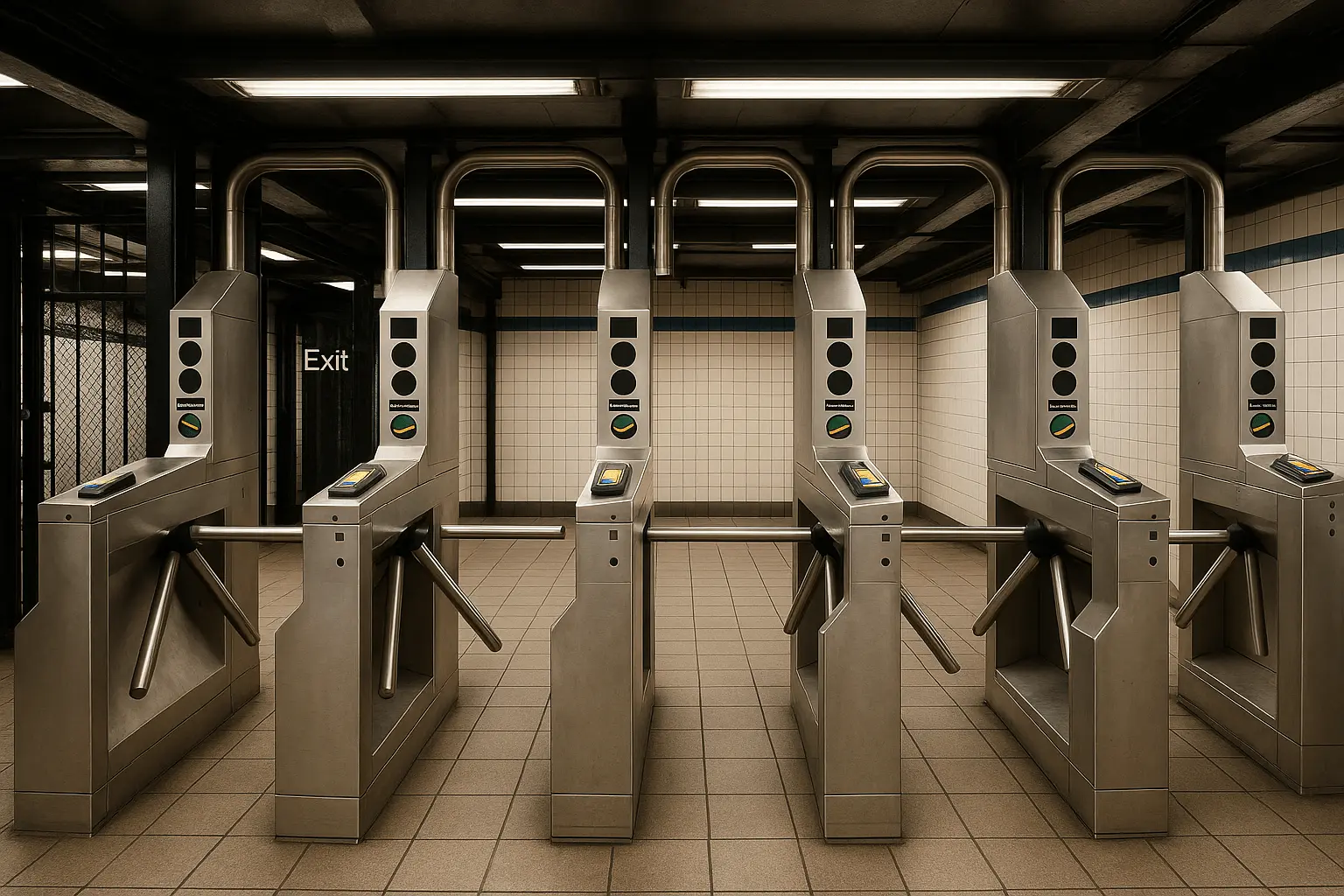
MetroCards are being phased out in favor of OMNY contactless payments. Just tap your phone or card - it's actually more convenient than topping up an Oyster card. Weekly unlimited cards ($33) make sense if you take more than 12 trips per week.
Uber surge pricing is criminal. A £12 ride becomes £36 during rush hour or bad weather. Yellow cabs use fixed airport rates and don't surge, making them sometimes cheaper than ride-shares during peak times.
Car ownership in Manhattan is masochistic. Parking costs £240-480 monthly, insurance is triple what you'd pay in the suburbs, and you'll spend more time looking for parking than actually driving. Plus, New York drivers make London traffic look civilized.
Citi Bike works brilliantly for short trips. Annual membership costs £148 and includes unlimited 45-minute rides. Perfect for those "too far to walk, too close for subway" journeys that happen constantly in New York.
American CVs (they call them resumes) focus on achievements, not responsibilities. Instead of "Managed department budget," write "Reduced operational costs by 18% while managing £1.8M annual budget, saving £320,000." Numbers matter more than job descriptions.
Interview culture expects shameless self-promotion. Brits find this uncomfortable, but Americans expect you to sell yourself aggressively. Prepare specific examples using the STAR method (Situation, Task, Action, Result) and don't be modest about your accomplishments.
Salary negotiations include everything - base pay, bonuses, stock options, health insurance, retirement matching, vacation days. Research market rates using Glassdoor, PayScale, and industry reports because first offers are rarely final offers.
Rachel from London rewrote her finance CV for the American market, quantifying every achievement. Instead of "Managed team," she wrote "Led 8-person team to exceed targets by 23%, generating £2.1M additional revenue." This approach got her interviews at three major firms within a month.
Professional licensing varies by state and can be a nightmare. Lawyers need to pass state bar exams, doctors need residencies and board certifications. Even accountants and engineers often need additional qualifications that your UK credentials don't cover.
Some certifications transfer easily, others require starting from scratch. Research requirements early because some involve 6-12 months of study and examination - time you probably don't want to spend when you're trying to establish your new life.
Professional associations provide networking and guidance on credential transfers. Join before you move to start building relationships and understanding requirements. They often have mentorship programs for international professionals.

NYC public schools operate through a complex application system that makes university admissions look simple. School quality varies dramatically by district, making your housing decision crucial for your children's education.
Specialized high schools, magnet programs, and neighborhood schools all have different application processes and deadlines. Research starts early - some programs require applications when your child is still in primary school.
Private schools require applications 12-18 months in advance with competitive admissions processes. Tuition ranges from £24,000-48,000 annually, plus uniforms, activities, and supplies. That's more than many UK university fees.
International students may need English language assessments or additional documentation. Some schools have specific programs for expat families transitioning between educational systems, which can ease the cultural adjustment.
Establishing state residency for tuition purposes requires 12+ months of continuous residence plus other ties like voter registration and driver's licenses. Out-of-state tuition can be triple in-state rates - we're talking £40,000+ annually difference.
Financial aid applications require extensive documentation with strict deadlines. International students have limited federal aid options but may qualify for institutional aid or private scholarships. Start researching early.
For families considering higher education costs, understanding the real cost of living in nyc becomes crucial when budgeting for college expenses beyond tuition.
College admissions involve standardized tests (SAT/ACT), extracurricular activities, essays, and recommendation letters with applications due 6-12 months before enrollment. It's more complex than UCAS but offers more opportunities for differentiation.
Social Security numbers unlock everything - employment, banking, credit cards, apartment rentals. You need to visit an SSA office in person with immigration documents and identity proof. Processing takes 1-2 weeks after application, but you can't do anything else until you have it.
Driver's licenses establish residency and provide primary ID. New York requires new residents to get licenses within 30 days, involving written and road tests unless you qualify for transfer agreements. Book your test early - appointments can be weeks out.
Professional registrations vary by occupation but often require background checks, educational verification, or examinations. Start these processes immediately because some take 2-6 months for approval.
Your Administrative Survival Checklist:
Most banks require Social Security numbers, but some international banks will work with passport and visa documentation before you get your SSN. Use any existing international banking relationships to your advantage - they're lifesavers during transition.
Utility deposits sting when you don't have credit history. Electric, gas, internet, and phone companies may require £80-400 deposits, refunded after 12 months of on-time payments. Budget for these upfront costs.
Understanding affordable neighborhoods in nyc can help you establish banking relationships in areas with better branch access and lower cost of living during your initial setup period.
Voter registration and selective service registration (males under 26) may be required for certain benefits or employment. These registrations also help establish residency for various purposes.
Moving internationally means starting from scratch with housing and social connections. You're dealing with credit checks you can't pass, documentation requirements you don't have, and guarantor demands that seem impossible to meet while you're still figuring out where to buy decent tea.
Traditional apartment hunting requires months of preparation, extensive paperwork, and often results in rejection after rejection while you're burning money on temporary accommodations. I spent three weeks in an overpriced hotel because I couldn't prove I deserved a £2,000 studio.
Outpost solves these problems by offering furnished rooms for rent that bypass the usual documentation nightmares. No credit checks, no guarantors, no broker fees - just quality housing when you need it most.
The community aspect matters more than you realize. Instead of spending months building social networks from nothing, you join established households with other professionals who understand exactly what you're going through. They'll tell you which bodega has the best coffee and warn you about weekend subway service changes.
Our communal living spaces in nyc go beyond basic housing to create genuine community connections. These aren't random roommate situations - they're curated communities of professionals navigating similar life transitions.
Whether you need rooms for rent in brooklyn or manhattan rooms for rent, Outpost provides immediate access to great neighborhoods without the typical barriers that make international newcomers feel unwelcome.
Everything comes furnished with quality amenities, so you're not buying furniture during your first chaotic months. This saves money and gives you flexibility to explore different areas before committing long-term to a neighborhood you might hate.
For those seeking comprehensive support, our management services handle maintenance, utilities, and community coordination, letting you focus on career building and cultural adaptation instead of administrative headaches.
Ready to skip the housing nightmare and join an established community? Explore our houses and see how Outpost can transform your New York transition from stressful to seamless.
Moving from the UK to New York isn't just changing addresses - it's rebuilding your entire life from scratch. Every system works differently, every assumption you have about how things should work gets challenged, and some days you'll wonder why you ever left a place where healthcare is free and people queue properly.
The first year is genuinely difficult. Your credit score is zero, your professional network is non-existent, and you'll feel like a tourist in your own neighborhood for months. This is completely normal, even though it feels isolating when you're living it and everyone back home thinks you're living the dream.
Start preparing earlier than seems reasonable. Visa applications, professional licensing, school admissions - everything takes longer than expected. Having backup plans prevents minor setbacks from becoming major crises that send you crying into expensive American ice cream.
But here's what nobody tells you: around month six, something clicks. You stop converting prices to pounds in your head. You develop opinions about subway lines and can navigate Penn Station without having a panic attack. You find yourself defending New York pizza to visiting friends from home. The city stops feeling foreign and starts feeling like yours.
The challenges you face during this transition - figuring out healthcare, building credit from scratch, navigating workplace culture that expects constant self-promotion - make you more adaptable and resilient than you ever imagined. You'll handle problems that would have stressed you out back home with a shrug and a "well, this is just how things work here."
Most importantly, embrace the messiness of it all. Yes, the bureaucracy is frustrating. Yes, the costs are shocking. Yes, you'll make mistakes and feel lost sometimes. But there's something magical about walking through Central Park on a crisp October morning, coffee in hand, knowing you actually live in one of the world's greatest cities.
Your American adventure starts the moment you step off that plane, jet-lagged and overwhelmed by the chaos of JFK. Everything else - finding your perfect neighborhood, building lasting friendships, creating the career you dreamed of - flows from your willingness to embrace the chaos and uncertainty of starting over in your thirties (or whenever you're brave enough to do this).
Some days will be brilliant - like when you finally understand the subway map or find your local coffee shop that knows your order. Others will make you question every life choice that brought you here - like when you're paying $400 for a doctor's appointment that would've been free back home. Both are part of the journey, and both are necessary for becoming the person this experience will help you become.
Welcome to New York. It's
Welcome to New York. It's going to be one hell of a ride.

Household supplies can be changed or decreaased at Outpost Club’s discretion, or based on supply availability. Outpost is not responsible for temporary losses of utility service. Outpost Club is not responsible for any damages due to absence of any supplies or utilities


If you have a sales related question please call
680-688-7678

 Hot Deals