NYC Sanitation Salary: What You'll Actually Earn Working for DSNY (Plus Hidden Benefits Most People Miss)
Dec 13, 2025

Dec 13, 2025
Look, let's be honest - your first paycheck is pretty underwhelming. During probation, you're looking at roughly $47,000-$52,000 annually while you learn the ropes. But here's where it gets interesting – once you complete training and probation (typically 12-18 months), your nyc sanitation salary jumps dramatically to approximately $89,000-$95,000 per year.
I looked this up on the official DSNY salary page, and the current labor agreement provides for periodic increases to $92,093 following the completion of 5 ½ years of service. That's not even counting overtime, which is where things get really interesting.
Snow removal operations, emergency responses, and peak collection periods create substantial overtime opportunities. We're talking time-and-a-half rates that can easily push your total compensation above six figures. My buddy who's been doing this for a few years told me understanding the full financial picture is crucial when considering your housing options, especially since many DSNY workers find that the best neighborhoods in NYC can help stretch that salary further than you might expect.

Health insurance with city contribution? Yep. Dental and vision coverage? Absolutely. But here's the real kicker - the pension plan. After 20-25 years of service, you're looking at retirement with substantial benefits – potentially in your late 40s or early 50s. I mean, who else gets to retire that early these days?
Holiday pay, night differential, and hazard pay add extra padding to your paycheck. When you actually calculate the total compensation package, you're getting significantly more value than the base salary suggests.
|
Benefit Type |
Coverage Details |
Employee Cost |
|
Health Insurance |
Family coverage available |
City contribution varies |
|
Dental Insurance |
Full family coverage |
Minimal employee contribution |
|
Vision Insurance |
Eye exams, glasses, contacts |
Low monthly premium |
|
Life Insurance |
Basic coverage provided |
Employer-paid |
|
Pension Plan |
20-25 year vesting |
Employee contribution required |
|
Paid Time Off |
Vacation, sick, personal days |
Accrues with service time |
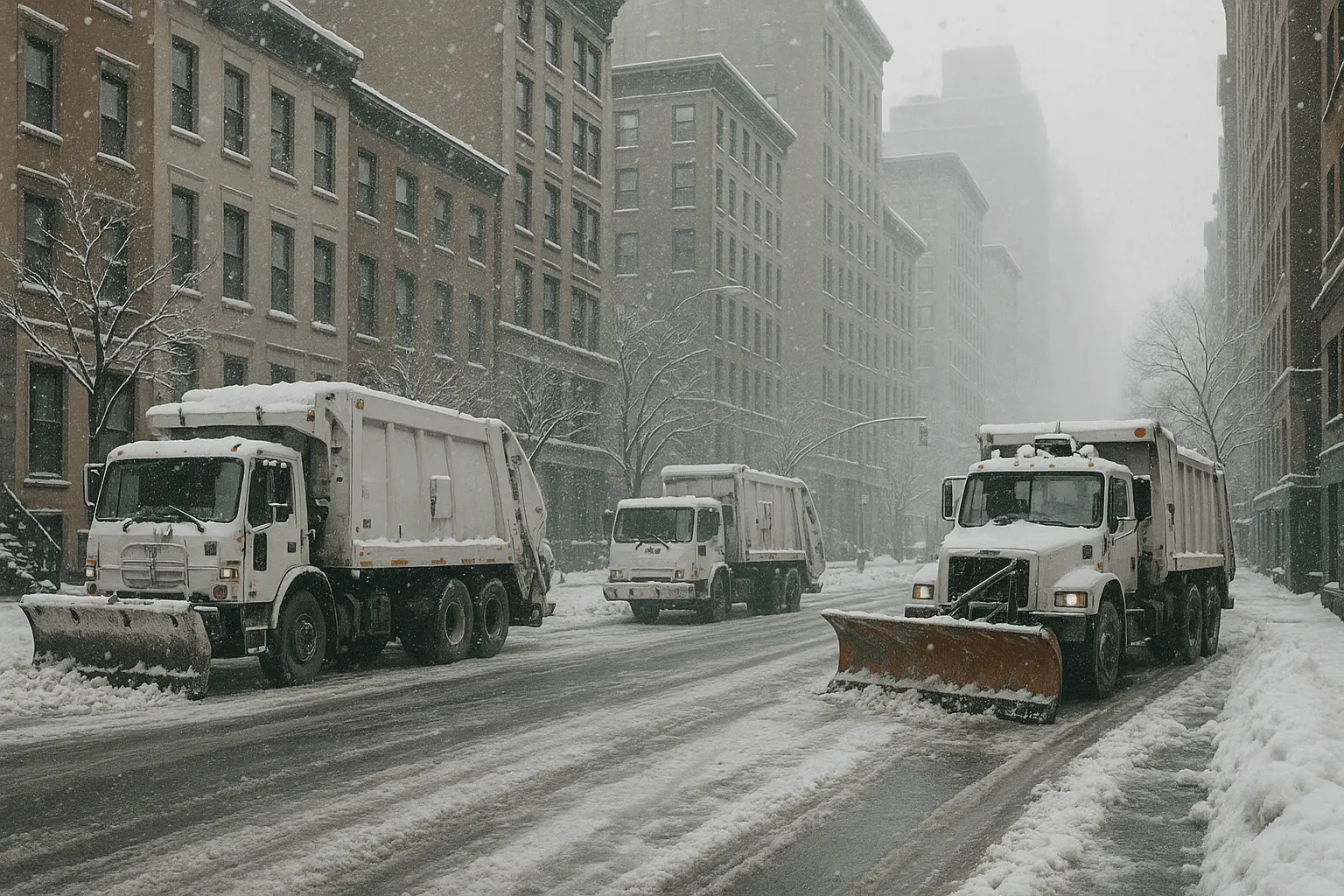
Snow hits the city? You're getting called in at time-and-a-half. Emergency response needed? More overtime. Peak collection periods during holidays? Even more opportunities to boost your paycheck.
Here's what nobody tells you - experienced workers routinely exceed their base salary through overtime alone. It's not unusual to see annual earnings climb well above $100,000 when you're willing to put in the extra hours. The dsny salary structure basically rewards dedication and availability, especially during critical city operations.
Take my friend Maria - she's been doing this for 7 years. Last winter was absolutely brutal with all that snow, right? She made her regular $92,093 plus almost $28,000 in overtime just from all those snow calls. Her total of $120,093 shows you what happens when you're dedicated and willing to work those extra hours.
Nassau County, Westchester, New Jersey – they're all paying $60,000-$80,000 for similar work. DSNY's compensation blows them out of the water. Private companies? They'll start you around $35,000-$45,000, maybe offer faster advancement, but they can't touch the benefits or job security you get with the city.
Yeah, cost of living in NYC is brutal - I won't sugarcoat that. But when you factor in the total compensation package and long-term security, DSNY positions remain incredibly attractive. Many workers I know find that understanding the real cost of living in NYC helps them make informed decisions about whether the salary justifies the investment in city living.
Civil service exams open doors to supervisory roles with real responsibility and better pay. Sanitation Supervisor, Assistant Superintendent, Superintendent – each level brings administrative duties and higher compensation.
Superintendents managing district operations and personnel can pull in $120,000-$150,000+ annually. That's serious money for overseeing operations you already understand from the ground up.
Here's something interesting - under Mayor Adams' administration, DSNY is expanding big time. According to "The City NYC", DSNY is now taking on highway cleanup, adding to its new roles with street vendor enforcement and graffiti cleanup, creating additional career opportunities within the department.

Equipment maintenance, training instruction, safety coordination, administrative functions – these specialized areas offer different compensation structures and career paths. You're not stuck on collection routes forever, which is nice to know.
Additional certifications in equipment operation, safety protocols, or management boost your advancement prospects. High school diploma gets you in the door, but smart workers invest in skills that open new opportunities down the line.
Basic math, reading comprehension, situational judgment – the civil service exam isn't rocket science, but you need to take it seriously. Your score determines your ranking, and ranking affects when you get called for hiring as a nyc sanitation worker.
The timeline? Buckle up for 6-18 months from application to actually starting work. Exam scheduling, background checks, medical examinations, training class availability – it all takes forever.
Get this - in the 2015 exam cycle, over 94,000 people applied for approximately 500 annual positions. The highest score was 123.75, but the lowest score called for hiring was 97.5, demonstrating just how competitive this whole process really is.

Civil Service Exam Preparation Checklist:
Lifting 50+ pounds repeatedly, working in all weather conditions, maintaining stamina through long shifts – this isn't desk work. The pre-employment fitness tests will push you to prove you can handle the physical demands.
I know a guy who thought he was in great shape and almost didn't make it through. You need to be at least 17.5 years old, have a valid driver's license, and pass background checks plus medical exams. They're thorough about who they hire.
|
Requirement Category |
Specific Standards |
Notes |
|
Age |
Minimum 17.5 years old |
Must be 21 by employment date |
|
Education |
High school diploma or GED |
No college credits required |
|
License |
Valid driver's license |
CDL training available |
|
Physical |
Lift 50+ pounds repeatedly |
Pre-employment fitness test |
|
Background |
Clean criminal record |
Honesty during process crucial |
|
Medical |
Pass medical examination |
Vision, hearing, general health |

4:00-6:00 AM start times are standard, with shifts wrapping up in early afternoon. The early mornings are rough - I'm talking 4 AM starts. But honestly, being done by 2 PM isn't the worst thing in the world.
Your route involves 6-8 hours of active collection work with specific tonnage and area requirements to meet. Residential pickup, commercial waste, operating collection vehicles, equipment maintenance – you're responsible for keeping neighborhoods clean and functional. Some positions offer night collection, weekend operations, or specialized services if traditional schedules don't work for you.

They give you comprehensive safety training, along with all necessary protective equipment. Traffic safety, proper lifting techniques, hazardous material handling – they'll teach you everything you need to stay safe.
Workers' compensation covers job-related injuries, and safety incentive programs reward accident-free performance. The department takes safety seriously because they know the risks involved.
Mayor Adams recently announced "tentative agreement with sanitation workers" that provides fair wage increases and aligns collection goals with modern realities of waste management, demonstrating ongoing commitment to worker welfare and safety.
Private companies might promote you faster, but they're starting you at $35,000-$45,000 with benefits that don't come close to what the city offers. Job security? Forget about it – private companies lay people off when business gets tough.
The pension system alone makes municipal employment worth considering for long-term financial planning. Private sector positions rarely offer anything comparable.

Overtime is your friend for boosting income. Side businesses during off-hours, spouse or partner employment – many workers use multiple strategies to build wealth despite NYC's high costs.
The pension provides a foundation for long-term planning that most private sector workers can only dream about. Smart financial planning during your working years sets you up for a comfortable retirement.
Here's a success story - Roberto's been doing this for 15 years. He used his stable income and benefits to qualify for a mortgage in Queens, started a weekend landscaping business, and built a retirement portfolio worth over $300,000 by age 45. Shows you what's possible with strategic financial planning. Many DSNY workers have found success by strategically choosing housing that maximizes their earning potential, with some discovering that communal living spaces in NYC offer affordable alternatives that help stretch their salary further in expensive neighborhoods.
Teamsters Local 831 fights for your interests during contract negotiations. Recent agreements secured 2-4% annual salary increases, cost-of-living adjustments, and better benefits.
Union membership means job protection and grievance procedures when workplace issues arise. Legal assistance for work-related problems, safety advocacy, protection against discrimination or retaliation – they've got your back.
Civil service protections make it extremely difficult to fire you without just cause. Economic downturns, company restructuring, budget cuts – none of that affects you the way it hits private sector workers.
Waste collection is recession-proof. People generate garbage regardless of economic conditions, and NYC's growing population guarantees continued demand for your services.
Twenty to twenty-five years of service gets you retirement with substantial pension benefits. We're talking about retiring in your late 40s or early 50s with steady income for life. I mean, who wouldn't want that?
Second career opportunities become realistic when you're financially secure from pension income. Consulting, private sector management, completely different fields – you have options most people never get.

Retirement Planning Checklist:
Automation might change some collection aspects, but NYC's dense urban environment needs human workers for the foreseeable future. Narrow streets, complex building access, varied waste types – robots can't handle everything the city throws at you.
Your operational experience becomes valuable Your operational experience becomes valuable in consulting or private sector management after retirement. You understand logistics, personnel management, and urban operations in ways that translate to other industries. Many retirees find that their understanding of NYC neighborhoods, gained through years of collection routes, helps them make informed decisions about where to live in Manhattan during their second careers.
Early morning starts and physical demands make stress relief crucial for long-term success. Quality leisure time isn't just nice to have – it's essential for maintaining your health and job performance over decades.
Professional networking through recreational activities creates connections that support both career development and personal well-being. Many public service professionals find that shared experiences outside work lead to valuable mentorship and career guidance opportunities.
Understanding how to manage expenses is crucial for DSNY workers, especially when considering activities that promote work-life balance, and many find that learning how to budget for an apartment helps them allocate funds for both housing and recreational activities that support their demanding careers.

Speaking of work-life balance - if you're looking for ways to decompress after those long shifts, I've heard good things about The Outpost Club. They understand the unique challenges facing dedicated public service professionals. Their invitation-only golf community provides the perfect environment for stress relief and meaningful connections with successful professionals across various industries.
Whether you're looking to unwind after demanding shifts or seeking mentorship for career advancement, their members share your commitment to service and understand the importance of quality leisure time. Ready to discover how golf can enhance your work-life balance? Contact us to learn about membership opportunities.
DSNY careers offer something increasingly rare in today's job market: genuine long-term security with excellent compensation. The combination of competitive salaries, comprehensive benefits, union protection, and early retirement opportunities creates a career path that few municipal positions can match.
The work is demanding, both physically and mentally. Early mornings, all-weather conditions, and the responsibility of keeping America's largest city clean require dedication and resilience. But for those willing to commit, DSNY provides a clear pathway to financial stability and early retirement that opens doors to second career opportunities most people never experience.
For those considering this career path, it's worth exploring how DSNY workers successfully navigate city living, with many finding that the best neighborhoods in NYC offer the perfect balance of affordability and convenience for their unique work schedules.
Your decision ultimately comes down to whether you're ready for the physical demands and early schedule in exchange for exceptional job security, competitive compensation, and the satisfaction of providing an essential public service. For many workers, that trade-off has proven to be one of the best career decisions they've ever made.

Household supplies can be changed or decreaased at Outpost Club’s discretion, or based on supply availability. Outpost is not responsible for temporary losses of utility service. Outpost Club is not responsible for any damages due to absence of any supplies or utilities


If you have a sales related question please call
680-688-7678

 Hot Deals