NYC School Bus Driver Salary: What You'll Actually Earn Driving in the Big Apple
Jan 11, 2026

Jan 11, 2026
Look, driving a school bus in NYC isn't rocket science, but figuring out what you'll actually take home? That's where it gets tricky. Your nyc school bus driver salary depends on way more than just the hourly rate they quote you - and trust me, there are plenty of ways to boost your earnings if you know what you're doing.
Here's the real deal: most drivers are pulling in somewhere between $35K and $55K a year. But here's the catch - that range is huge because it depends on whether you're just showing up and doing the bare minimum, or if you're hustling for those premium routes and overtime hours.
I've got a friend who started three years ago making $19 an hour in Queens. Thought he'd be stuck there forever. Fast forward to today - he's making $27 an hour driving special needs kids in Brooklyn, plus he grabs every field trip he can. The difference? He figured out the game.
The thing about NYC is everything costs more, but the pay actually reflects that. While the average yearly wage for bus drivers, school was $30,727 in 2023 nationally, you're starting at $18-20 minimum here. And unlike a lot of jobs, there's actually room to grow without needing a college degree.
Alright, let's talk numbers. Most companies start you somewhere between $18-22 an hour. I know, I know - in a city where a sandwich costs $15, that doesn't sound like much. But stick with me.
The beautiful thing about this job is the progression actually makes sense. You're not waiting around for your boss to notice you - there are clear steps up the ladder. After your first year of not crashing the bus and showing up on time, you're looking at $22-26 an hour. Get to the five-year mark? You could be hitting $28 an hour, maybe more if you're on the right routes.
|
Experience Level |
Hourly Rate Range |
Annual Salary Range |
What It Really Means |
|
Brand New (0-1 years) |
$18-22/hour |
$35,000-42,000 |
Enough to pay rent in Queens, barely |
|
Getting the Hang of It (2-4 years) |
$22-26/hour |
$42,000-50,000 |
Now we're talking - you can actually save money |
|
You Know What You're Doing (5+ years) |
$26-28/hour |
$50,000-55,000 |
This is where it gets good |
|
Special Routes/Extra Stuff |
$20-30/hour |
$38,000-58,000 |
The sweet spot if you play your cards right |
Here's where the math gets interesting. That $25 an hour sounds decent until you remember you're not working summers. Or winter break. Or when schools close for random snow days that barely dust the sidewalks.
Let me give you a real example. My neighbor Sarah drives for one of the big companies. She makes $25 an hour, works about 6 hours a day during the school year. Sounds simple, right?
Her breakdown: $25 × 6 hours × 180 school days = $27,000. But Sarah's smart - she signs up for every overtime shift she can get (+$3,000), covers for sick drivers (+$2,000), and drives for summer camps (+$4,000). Her total? About $36,000. Not bad for a job that doesn't require a four-year degree and student loans.
But here's what nobody tells you - you need to hustle for those extra opportunities. They don't just fall in your lap. Similar to how professionals consider NYC teacher salaries in relation to living costs, school bus drivers need to be strategic about maximizing their earning potential.
This is where things get interesting. Two drivers can start on the same day, same company, same base pay, and one ends up making $15K more than the other by year three. Why? Because they figured out the factors that actually move the needle on their bus driver salary in new york.
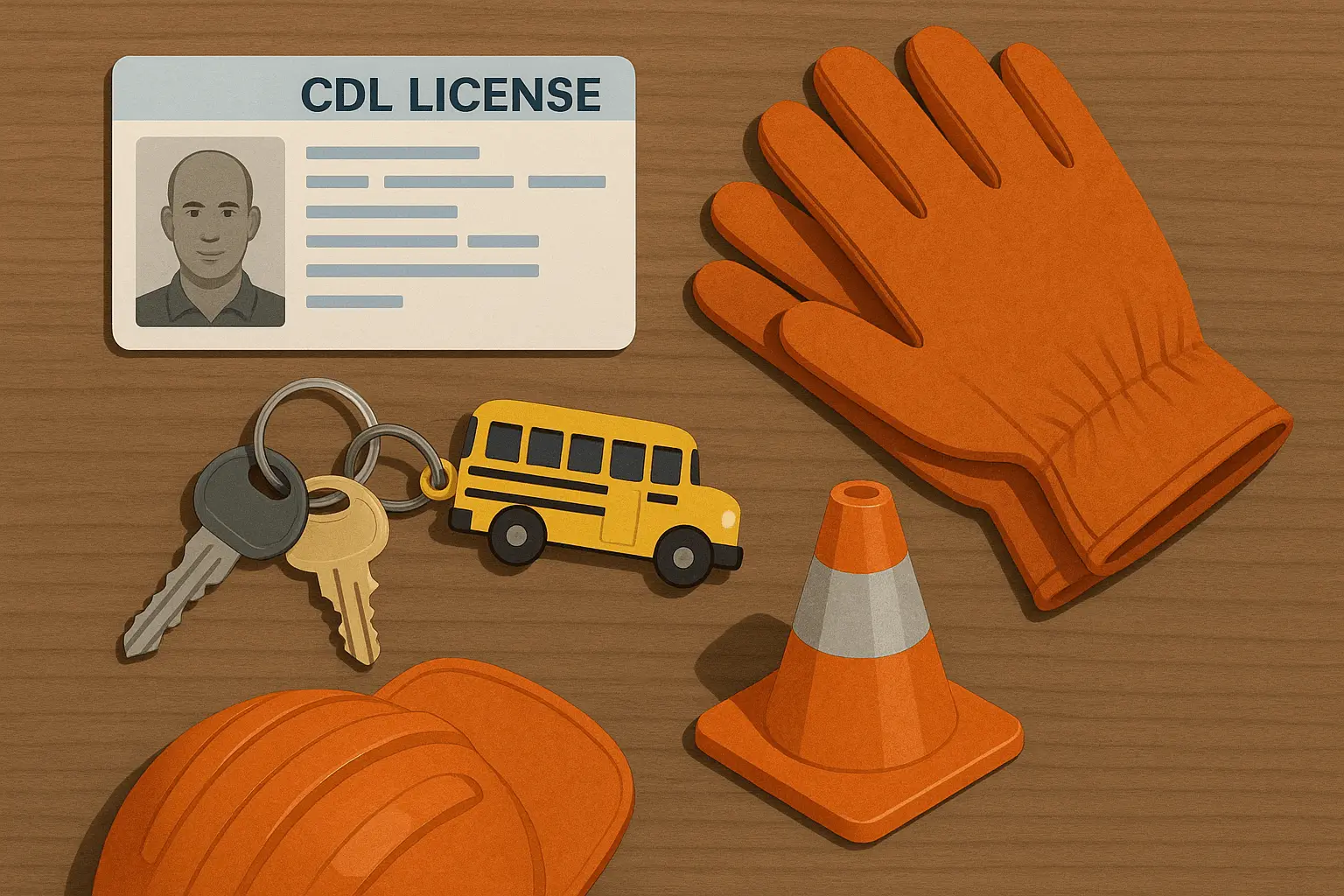
Unlike retail or food service where "experience" just means you've been there longer, bus driving experience actually translates to real money. Companies know that a driver who's been around for a few years is worth their weight in gold. They're not calling out sick every other week, they know the routes like the back of their hand, and parents aren't calling to complain.
After year one, you're looking at your first real bump - usually $2-3 more per hour. By year three, if you haven't messed up majorly, you're in the upper pay tier. The best part? The data shows the age ranges that concentrated the largest workforce were 60 to 64 years (46,418 people), 55 to 59 years (46,223 people), and 65 to 69 years (37,446 people), representing 45.7% of the total workforce. All those older drivers mean there's room to move up as people retire.
Here's what kills me though - I see new drivers getting frustrated after six months because they're not making top dollar yet. Dude, this isn't tech where some 22-year-old makes six figures out of college. This is a steady, blue-collar job where putting in your time actually means something.
Not all routes are created equal. Some pay an extra $2-5 per hour, and it's not random - there's logic to it.
Special needs routes are where the money is. Yeah, you need extra training and patience, but they pay $3-5 more per hour. Plus, these routes are super consistent - same kids, same schedule, same routine every day. No surprises.
Field trips are overtime gold. Sure, you might end up at some museum in New Jersey on a Saturday, but you're making time-and-a-half. I know drivers who specifically volunteer for every field trip they can get. One guy told me he made an extra $4,000 last year just from weekend trips.
Then there are the extended routes - the ones that go way out to specialized schools or programs. They pay more because, let's be honest, nobody wants to drive 45 minutes each way in traffic. But if you don't mind the drive, it's easy money.
The Routes That Actually Pay:
September and June are chaos months - routes are changing, drivers are calling out, companies are scrambling. If you make yourself available during these times, you can easily add a few thousand to your annual income.
Substitute driving is hit or miss, but if you're reliable, you'll get steady work. Especially during flu season when half the drivers are out sick. The smart substitute drivers I know make themselves available for the morning shift calls and often end up working more hours than the full-time guys.
Getting your CDL and all the endorsements is going to cost you $3,000-6,000 upfront. Before you panic - most companies will either pay for your training or reimburse you after you work for them for a year. It's their way of making sure you stick around.

The whole process takes about 6-8 weeks if you're doing it right. Don't try to rush it - you're going to be driving a 40-foot vehicle full of kids through NYC traffic. Take the time to actually learn this stuff.
Here's the timeline: First couple weeks are classroom stuff and getting your permit. Weeks 3-4 are behind the wheel - and this is where you find out if you're cut out for this. Driving a bus in the city is nothing like driving your Honda Civic. Weeks 5-6 are route practice and safety protocols. The last couple weeks are testing and getting your endorsements.
Most companies offering free training want you to commit to staying for at least a year. Fair deal - they're investing in you, you give them some time back. Companies like "First Student offering free training for those looking to obtain their Commercial Driver's License (CDL)" are making it easier for new drivers to enter the field without upfront costs.
CDL Training Reality Check:
Week 1-2: Classroom instruction and permit testing (this is the easy part)
Week 3-4: Behind-the-wheel training (40+ hours of actually learning to drive this beast)
Week 5-6: Route practice and safety protocols (where you learn the NYC-specific challenges)
Week 7-8: Final testing and endorsement completion (don't mess this up)
Total investment: $4,500 (often reimbursed by employer after 12 months of service)
The background check process is thorough because, obviously, you're going to be responsible for kids. Criminal background, driving record, child abuse clearances - they check everything. It usually takes 2-4 weeks, but I've seen it take longer if there are any red flags.
Here's a pro tip: start this process as soon as you decide you want to do this job. Don't wait until after your training to begin background checks. Get them running in parallel so you can start working as soon as you're certified.
Any issues in your background don't automatically disqualify you, but they'll want explanations. Be honest upfront - they're going to find out anyway, and lying about it is way worse than whatever's actually on your record.
Pre-Employment Reality:
This isn't a dead-end job if you don't want it to be. Dispatcher roles start around $45K and can hit $65K. Driver trainer positions let you keep driving but also teach new people - and they pay more. Fleet supervision, route planning, even moving into the office side of things.
I know a guy who started driving buses 10 years ago and now he's a transportation supervisor making $70K. Still knows everyone's name, still gets his hands dirty when they're short-staffed, but he's moved up the ladder.
The key is getting additional endorsements and showing you can handle responsibility. Hazmat, passenger transport, even basic vehicle maintenance certifications can bump your hourly rate by $1-3. Those extra certifications pay for themselves pretty quickly.

Don't just look at the hourly rate - the benefits package can add serious value to your total compensation. We're talking $8,000-15,000 worth of coverage annually.
Most full-time positions come with solid health insurance. In NYC, where individual plans can cost $800+ a month, employer-provided insurance is huge. You're usually looking at multiple plan options, dental, vision - the whole package.
I've got friends in other industries paying $400-500 a month for basic coverage. Meanwhile, bus drivers are getting comprehensive plans for maybe $100-150 a month. That's real money back in your pocket.
Some districts are really stepping up their game too. I heard about one district offering "guaranteed annual increases through 2030, full health insurance (or a $4,000 annual buyout), a New York State retirement pension, and paid training" - that's smart business, giving people options.
Most companies participate in union pension plans. Your employer typically contributes 3-8% of your salary. That might not sound like much now, but it adds up over time. Plus, you get paid vacation that increases with seniority - starting around 10 days but going up to 20+ for veterans.
|
Your Benefits Package |
Entry Level Value |
Experienced Driver Value |
What It's Actually Worth |
|
Health Insurance |
Basic plan coverage |
Premium plan options |
$8,000-12,000 annually |
|
Pension Contribution |
3% of salary |
6-8% of salary |
$1,200-4,000 annually |
|
Paid Time Off |
10 vacation days |
20+ vacation days |
$1,500-3,000 annually |
|
Sick Leave |
5 days annually |
10 days annually |
$800-1,600 annually |
|
Total Benefits Value |
$11,500-20,600 |
Here's the thing nobody's talking about - there's a massive driver shortage. Companies are literally competing for drivers. We're talking signing bonuses, accelerated training, better starting wages. It's a worker's market right now.
Companies are desperate. I'm talking $500-2,000 signing bonuses just for committing to stay for a year. Training programs that used to have waiting lists are now actively recruiting. Data shows from September 2019 to September 2023, there was a 15.1% decrease in the total number of K-12 bus drivers nationwide, creating even more opportunities for those entering the field.
Maria, a driver I know, used this to her advantage. She applied to three companies, got offers from all of them, and negotiated her starting rate from $20 to $22 an hour just by mentioning what the other places offered. Then she got a Manhattan route within six months instead of waiting the usual 2-3 years.
The shortage also means faster advancement opportunities. Drivers who prove themselves reliable often find themselves considered for premium routes and supervisory roles much sooner than in oversupplied markets.
Yeah, NYC pays more than other places, but everything costs more too. Your $25 an hour goes a lot further in Ohio than it does in Brooklyn. You need to think about your real purchasing power, not just the number on your paycheck.
Housing is the killer. A lot of drivers live in the outer boroughs or even New Jersey to keep costs down. But then you're commuting to your job where you drive other people around all day. Factor in bridge tolls, gas, parking - it adds up. Understanding the real cost of living in NYC becomes crucial when evaluating whether your bus driver salary will provide the lifestyle you want.
The trick is finding that sweet spot where your commute doesn't eat up all your extra earnings from living somewhere cheaper. National data shows that "drivers earned an average of $20 per hour in 2022, which is nearly 17% less than the median wage for all workers", though NYC rates typically exceed this national average due to metropolitan market premiums.
Most NYC school bus drivers are union - either ATU or TWU. And unlike some industries where unions are just there to collect dues, these unions actually deliver for drivers.

Your union contract guarantees annual raises - usually 2-4%. That might not sound like much, but it means your pay keeps up with inflation. Plus, you get step increases based on years of service.
But the real value is protection. You can't get fired for random reasons. Your schedule can't get changed on a whim. There are procedures for everything, and you've got representation if something goes wrong.
The Amalgamated Transit Union (ATU) and Transport Workers Union (TWU) represent thousands of school bus drivers across NYC. These unions negotiate contracts that include regular wage increases and protect against arbitrary changes to your schedule or routes. Having union representation means you're not facing workplace issues alone.
Let's be real about this - summer break kills your income. You're looking at 10-12 weeks with zero pay. That can cost you $2,000-4,000 in annual income, and you need to plan for it.
Some drivers pick up summer camp work. Others drive city buses or do completely different jobs. I know one guy who does landscaping every summer. The key is having a plan and budgeting throughout the school year to cover those gaps.
Winter and spring breaks add up too. You might think a week off sounds nice until you realize it's a week without pay. Smart drivers set aside 15-20% of their school-year income to cover these gaps.
Summer Survival Strategy:
Where you work matters - a lot. Private companies might pay $20-30 an hour but skimp on benefits. Direct DOE employment might start lower at $18-25 but comes with better job security and benefits.

Private companies often pay more per hour because they need to attract drivers away from more stable DOE jobs. But higher hourly pay doesn't always mean better total compensation.
DOE jobs typically offer better benefits, more job security, and clearer advancement paths. The trade-off is often lower starting wages. You need to decide what matters more to you right now - immediate higher income or long-term stability.
Consider your personal situation when choosing between these options. If you need immediate higher income, private companies might be better. If you value job security and benefits, DOE employment could be the better choice.
Safety bonuses, perfect attendance rewards, referral bonuses - they can add $1,000-3,000 to your annual income. The safety bonuses alone can be $500-1,500 a year just for not getting into accidents. Perfect attendance bonuses reward drivers who actually show up consistently.
Referral bonuses are huge right now because of the driver shortage. You can make $500-1,000 for each qualified driver you bring in who stays for a specified period. I know drivers who've made $3,000+ in referral bonuses in a single year.
Where you drive in NYC makes a huge difference in your pay. Manhattan and Brooklyn routes pay 10-15% more because, frankly, they suck to drive. Heavy traffic, nowhere to park, construction everywhere. That premium pay is earned.
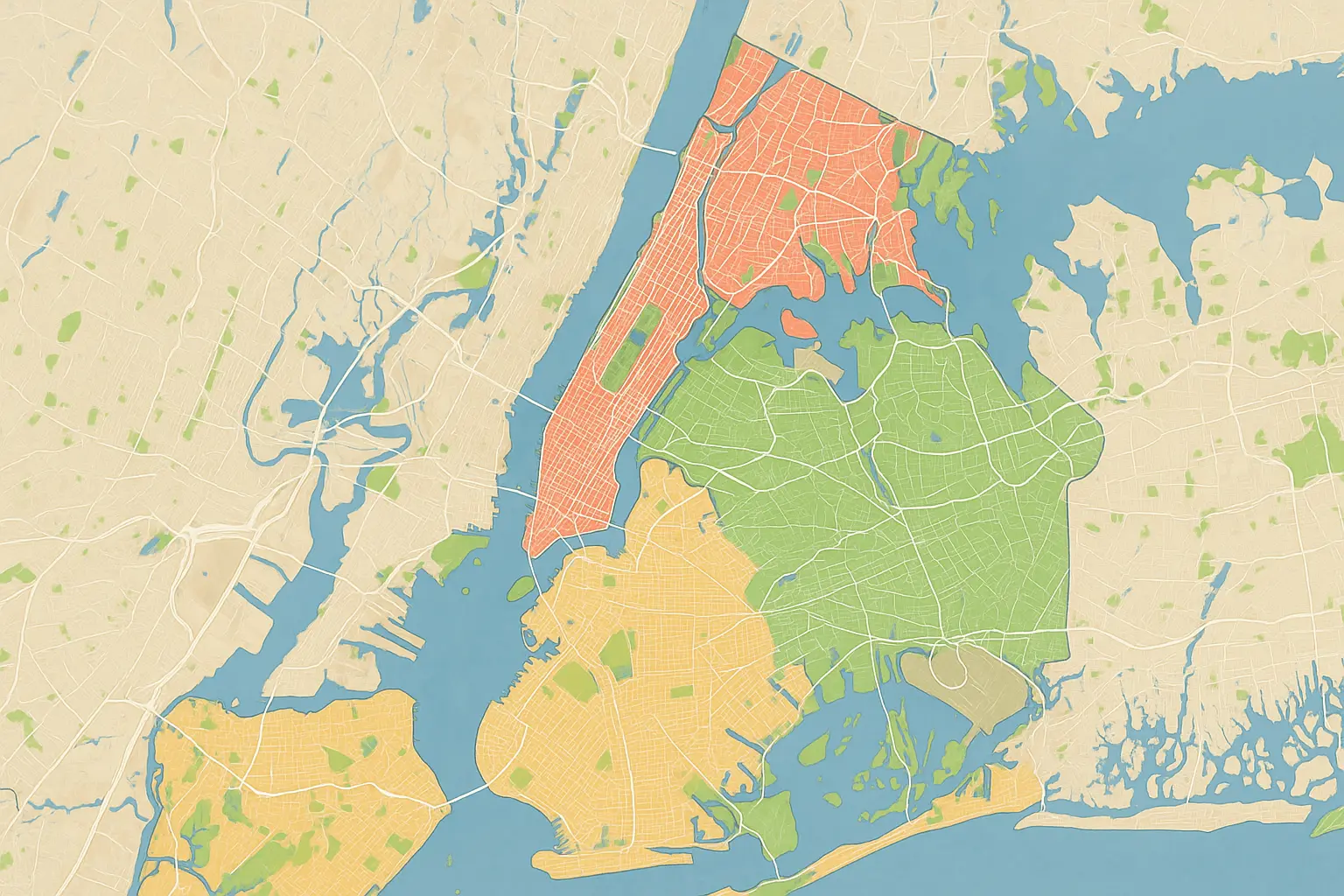
Try parking a 40-foot bus in Midtown during rush hour. Now try doing it twice a day, every day, with a bus full of kids who need to get to school on time. That's why Manhattan routes pay more - it's hazard pay for dealing with the absolute chaos of city driving.
Brooklyn routes also command higher pay, especially in areas with heavy traffic or complex routing. The borough's mix of residential and commercial areas creates unique challenges that justify the premium.
Queens and the Bronx are more moderate - better pay than Staten Island, but not the premiums you see in Manhattan and Brooklyn. Staten Island is the most suburban driving experience you'll get in the five boroughs, and the pay reflects that.
Westchester County districts often pay $30-35 an hour for experienced drivers. Long Island districts have excellent benefits packages. New Jersey districts sometimes offer attractive packages for experienced drivers willing to commute.
But here's the catch - you're commuting from NYC to these suburban jobs. Factor in bridge tolls, gas, and the time spent traveling. Sometimes that $35 an hour job becomes less attractive when you're spending $15 a day in tolls and two hours commuting.
Districts in Westchester, Long Island, and New Jersey often offer higher base rates but may require longer commutes for NYC-based drivers, creating a trade-off between higher wages and increased transportation costs and time.
When you're making $35K-55K in NYC, every dollar counts. Housing is probably your biggest expense, and making smart choices here can free up money for everything else.

Traditional apartments in NYC require first month, last month, security deposit, broker fee - you're looking at $8,000-12,000 upfront just to move in. For someone starting as a bus driver, that's a huge chunk of your annual income.
For drivers looking to maximize their housing budget, exploring communal living spaces in NYC can provide affordable housing solutions that free up income for leisure pursuits and emergency savings.
Outpost understands the financial pressures facing working professionals in NYC, especially those with seasonal income variations like school bus drivers. Our coliving spaces offer furnished rooms with all utilities included, eliminating the upfront costs and ongoing hassles of traditional apartment hunting.
The community aspect matters too. Bus driving can be isolating - you're alone in your vehicle most of the day. Coming home to a place where you can actually talk to people who aren't complaining about their kid's bus being two minutes late? That's worth something.
Whether you're new to the city, between apartments, or just trying to reduce housing costs so you can actually save money during your driving career, flexible housing options can make a real difference in your quality of life and financial stability. Similar to how we help professionals find affordable neighborhoods in NYC, we understand the importance of making housing accessible to working professionals on various budgets.
Look, driving a school bus in NYC isn't going to make you rich. But it's honest work that pays decent money, has real benefits, and offers job security in a city where a lot of industries are constantly cutting jobs.
The key is understanding that this job is what you make of it. Show up, do the bare minimum, and you'll make bare minimum money. But if you're willing to learn the routes that pay more, pick up overtime when it's available, and stick around long enough to build seniority, you can build a solid middle-class life.
The driver shortage means you have leverage right now. Companies need you more than you need them, and that's not something you can say about most jobs. Use that to your advantage - negotiate your starting rate, ask about signing bonuses, find out about advancement opportunities.
And here's the thing nobody talks about - you're providing an essential service. Every morning, parents trust you with the most important thing in their lives. That comes with responsibility, but it also comes with respect and job security that a lot of other positions don't offer.
The seasonal income thing is real, and you need to plan for it. But it's also predictable - you know exactly when those gaps are coming, so you can prepare. Compare that to gig work or retail where your hours can get cut with no warning.
Is it perfect? No. Will you be driving a Lamborghini? Probably not. But if you want steady work with decent pay, real benefits, and the satisfaction of knowing you're doing something important for your community, this could be the right move.
Just as understanding average salaries in NYC helps with career planning, knowing the full scope of school bus driver compensation empowers better financial decisions.
The math works if you work it. Start at $20 an hour, get your raises, pick up some overtime, and you're looking at a solid $40K-50K annually with benefits. In a city where a lot of people are struggling to make ends meet, that's nothing to sneeze at.
Just remember - like any job worth having, success comes down to showing up, doing the work, and being smart about the opportunities that come your way. The difference is, in this job, those opportunities are actually there for people willing to take them.
Your role in safely transporting students provides both personal satisfaction and financial stability in one of the world's most dynamic cities. The chronic driver shortage works in your favor, creating opportunities for faster advancement, better compensation packages, and more favorable working conditions than many other industries can offer.

Household supplies can be changed or decreaased at Outpost Club’s discretion, or based on supply availability. Outpost is not responsible for temporary losses of utility service. Outpost Club is not responsible for any damages due to absence of any supplies or utilities


If you have a sales related question please call
680-688-7678

 Hot Deals