Pharmacist Salary NYC: What You'll Actually Earn in America's Most Expensive City
Dec 13, 2025

Dec 13, 2025
Look, I'm not gonna sugarcoat it - NYC is expensive as hell, but here's the thing: pharmacists actually do pretty well here. Way better than most places, if we're being honest. The pharmacist salary nyc consistently ranks among the highest nationally, and there's a good reason for that beyond just the crazy cost of living.
According to the Pharmacy Technician Guide, pharmacists in New York earn an average salary of $128,260 per year, which is 2.04% higher than the national average. But trust me, that's just the starting point.
What makes this market crazy competitive is that everyone wants good pharmacists. Major health systems, pharmaceutical companies, retail chains - they're all fighting over talent. And when employers are competing for you, that's when the real money shows up.
Here's what nobody tells you though: it's not just about base salaries. The opportunities here are insane. You've got cutting-edge clinical roles at world-renowned medical centers, lucrative pharmaceutical industry positions, and specialty gigs that can push your earnings well into six figures. Some of my friends are making more than doctors, and I'm not exaggerating.
The New York pharmacy market shows promising growth potential too, with projections indicating an increase from 20,230 pharmacists in 2020 to 22,280 by 2030. That's a 10.13% growth rate that significantly exceeds the national average by 7.78%, according to Pharmacy Technician Guide. More demand means better pay - it's basic economics.
Okay, so you just graduated and you're freaking out about student loans and whether this whole pharmacy thing was worth it. I get it. But here's some good news: starting your pharmacy career in NYC means you're already ahead financially.
New graduates are typically seeing offers between $125,000 and $140,000, and honestly, that's before all the extras kick in. Understanding how much does a pharmacist make in new york at the entry level helps, but the real story is in those signing bonuses.
Hospital systems are literally throwing money at new grads - we're talking $5,000 to $15,000 signing bonuses just to get you to say yes before you explore other options. And trust me, that signing bonus isn't just nice-to-have money when you're dealing with pharmacy school debt.
My friend Sarah just graduated last year, and honestly, she was stressed about the whole job hunt thing. But then she got three offers in one week - talk about a good problem to have! The community pharmacy wanted to pay her $132K, which sounded great until the hospital offered $128K plus a $10,000 signing bonus, and then a clinical position came in at $135K with benefits that were honestly better than what some senior pharmacists get.
Recent developments are making new graduates even more competitive too. "Binghamton University School of Pharmacy ties for highest licensure exam first-time pass rate scores in NY" according to Binghamton University News, with an impressive 86.8% first-attempt NAPLEX pass rate that's 10% above the national average. When you're coming out of school with credentials like that, you've got real negotiating power.

Sarah ended up choosing the hospital position because when she actually did the math, the signing bonus plus benefits basically matched the highest salary offer, but with way better long-term opportunities. Smart move.
Here's where things get interesting. Once you've got some experience under your belt - we're talking 3-7 years - your earning potential jumps significantly to the $140,000-$165,000 range. The pharmacist salary in new york for mid-level professionals really reflects how much employers value proven performance.
This is honestly the sweet spot where strategic career moves pay off big time. I know pharmacists who developed specialized skills or took on supervisory roles and saw their salaries jump by $20K+ in a single year. Your track record becomes your negotiating power, and employers will pay for proven performance.
|
Experience Level |
Salary Range |
Key Differentiators |
Typical Roles |
|
0-2 Years |
$125,000-$140,000 |
Fresh PharmD, licensing |
Staff Pharmacist, Clinical Resident |
|
3-5 Years |
$140,000-$155,000 |
Specialized skills, certifications |
Senior Staff, Specialty Pharmacist |
|
6-8 Years |
$155,000-$170,000 |
Leadership experience, advanced training |
Pharmacy Supervisor, Clinical Specialist |
|
8+ Years |
$165,000-$200,000+ |
Management roles, board certifications |
Pharmacy Manager, Director |
|
15+ Years |
$180,000-$250,000+ |
Executive positions, ownership |
Director of Pharmacy, Owner |
Senior pharmacists in NYC are where the real money is. We're talking salaries starting at $165,000 and often exceeding $200,000 for specialized roles. At this level, your expertise becomes incredibly valuable because you're not just filling prescriptions - you're solving complex problems that most people can't handle.
Clinical pharmacists with advanced certifications and management positions frequently blow past these standard ranges by huge margins. The senior level is where specialization really pays off. Whether you're managing teams, leading clinical programs, or serving as the go-to expert in your field, those years of experience translate directly into premium compensation.
NYC's major medical centers offer some of the most competitive hospital pharmacy salaries in the country, and I'm talking about institutions that are household names. Working at places like NYU Langone, Mount Sinai Health System, or NewYork-Presbyterian typically means earning between $135,000 and $180,000.
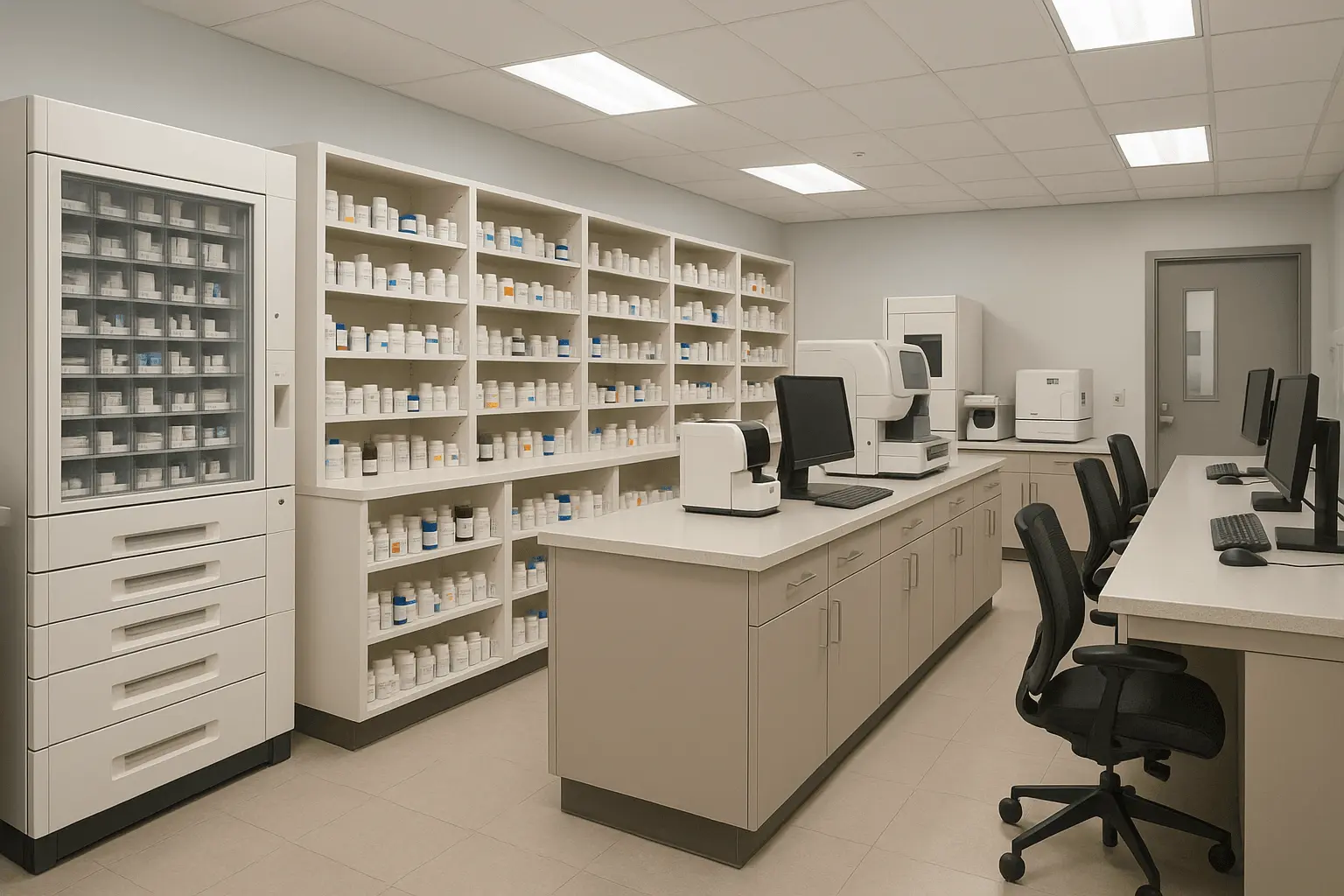
But here's where it gets really interesting - clinical pharmacy specialists are making bank. If you're working in specialized areas like critical care, oncology, or transplant medicine, you're looking at potential earnings exceeding $200,000. And that's not even counting the professional development opportunities that are honestly unmatched anywhere else.
The thing about hospital work though - it's not for everyone. It can be pretty intense, and some days you'll wonder if the extra stress is worth it. But if you can handle it, the combination of competitive pay and career advancement potential makes these positions incredibly valuable.
Many pharmacists I know have found that choosing the right neighborhood makes a huge difference in their overall financial success, especially when working at major medical centers. Our guide on the best neighborhoods in NYC gives you insights into areas with convenient access to major hospitals while keeping living costs reasonable.
Retail pharmacy gets a bad rap sometimes, but honestly, it offers pretty predictable compensation with clear advancement paths. Staff pharmacists at major chains like CVS, Walgreens, and Duane Reade typically earn $130,000 to $160,000. Understanding how much does a pharmacist make in new york in retail settings helps you see the full picture of career options.
Management positions are where retail really starts to pay off though. Pharmacy managers at high-volume NYC locations often pull in $170,000 to $190,000, plus performance bonuses that can be substantial. Retail provides stability and structure that honestly appeals to a lot of pharmacists, even if the work environment is different from clinical settings.
One thing to keep in mind: part-time pharmacists in New York earn an hourly wage of $61.66, which is below the national average, according to Pharmacy Technician Guide. That translates to about $128,253 annually for full-time equivalent work, which shows why securing full-time positions with benefits is so important in the NYC market.
Independent pharmacy ownership is basically the wild west of pharmacy earnings. Successful owner-pharmacists in NYC can earn anywhere from $200,000 to $400,000+ annually, but here's the catch - you're also taking on all the risk.
Your success depends on so many factors: location, services offered, business skills, market conditions, and honestly, a bit of luck. Unlike employed positions where your paycheck is guaranteed, your income potential is essentially unlimited, but so is your financial exposure.
The most successful independent owners I know combine solid pharmaceutical knowledge with sharp business instincts. And let me tell you, business management skills become just as important as clinical expertise when you're running your own show.
Real-world examples of financial success are encouraging though. A "pharmacist upstate New York salary money diary" from Refinery29 shows a 36-year-old retail pharmacist earning $140,000 annually with a net worth of $353,700. She paid off $200,000 in pharmacy school loans in seven years, which proves that strategic financial management can lead to serious wealth accumulation in this profession.
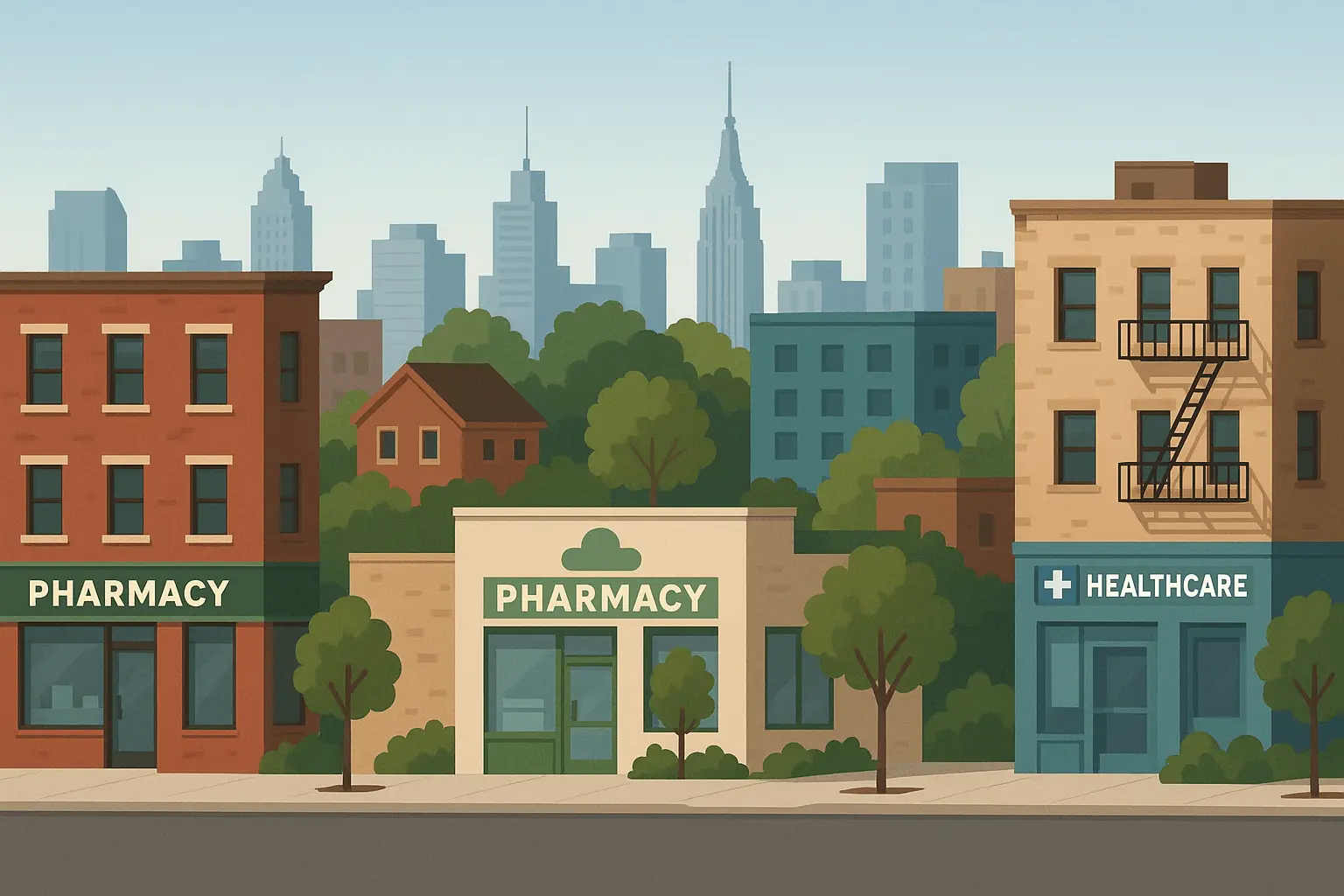
If you really want to make bank as a pharmacist, specialty pharmacy is where it's at. Working in areas like oncology, infectious disease, or transplant medicine typically means earning $160,000 to $220,000. Residency training and board certifications are particularly valuable here - these credentials often translate to immediate salary premiums and faster advancement.
The complexity and responsibility of specialty pharmacy work totally justifies the higher compensation. You're managing high-cost, high-risk medications that require extensive expertise, and employers know they can't just plug anyone into these roles.

Manhattan commands the highest pharmacist salaries in NYC, with location-based premiums of 10-15% above other boroughs. Midtown and Financial District positions often offer the most substantial compensation packages, and the salary of pharmacist in new york reaches its peak in these prestigious Manhattan locations.
The concentration of corporate headquarters, specialty clinics, and high-end medical facilities creates this intense competition for pharmaceutical talent, which directly translates to higher salaries. But here's what you need to consider: higher salaries often come with longer commutes, higher stress levels, and increased living costs that might actually offset the financial benefits.
|
Borough |
Salary Range |
Premium vs. NYC Average |
Key Advantages |
Considerations |
|
Manhattan |
$140,000-$200,000+ |
+10-15% |
Highest pay, prestige locations |
High living costs, stress |
|
Brooklyn |
$125,000-$185,000 |
Baseline |
Growing market, diversity |
Variable by neighborhood |
|
Queens |
$125,000-$180,000 |
-2 to +5% |
Strong hospital systems |
Longer commutes to Manhattan |
|
Bronx |
$125,000-$175,000 |
-5 to +2% |
Lower competition, community focusFewer premium positions |
|
|
Staten Island |
$120,000-$170,000 |
-5 to 0% |
Lower cost of living |
Limited opportunities |
Brooklyn, Queens, the Bronx, and Staten Island offer some seriously compelling alternatives to Manhattan's premium market. Yeah, base salaries might be slightly lower, but the total value proposition often beats Manhattan opportunities hands down.
Lower commuting costs, better work-life balance, and often more collegial work environments can make outer borough positions way more attractive than raw salary numbers suggest. I know plenty of successful pharmacists who built their careers in these markets and found that the combination of competitive pay and improved quality of life created better long-term financial outcomes.
Advanced degrees beyond your PharmD can create substantial earning opportunities, and I'm talking about real money here. MBA-holding pharmacists, especially those in pharmaceutical industry or healthcare administration roles, typically earn 20-30% more than their clinical counterparts.
Specialized master's degrees in public health, health informatics, or business administration open doors to high-paying positions that combine clinical expertise with business skills. The investment in additional education often pays for itself within 3-5 years through increased earning potential and expanded career opportunities.
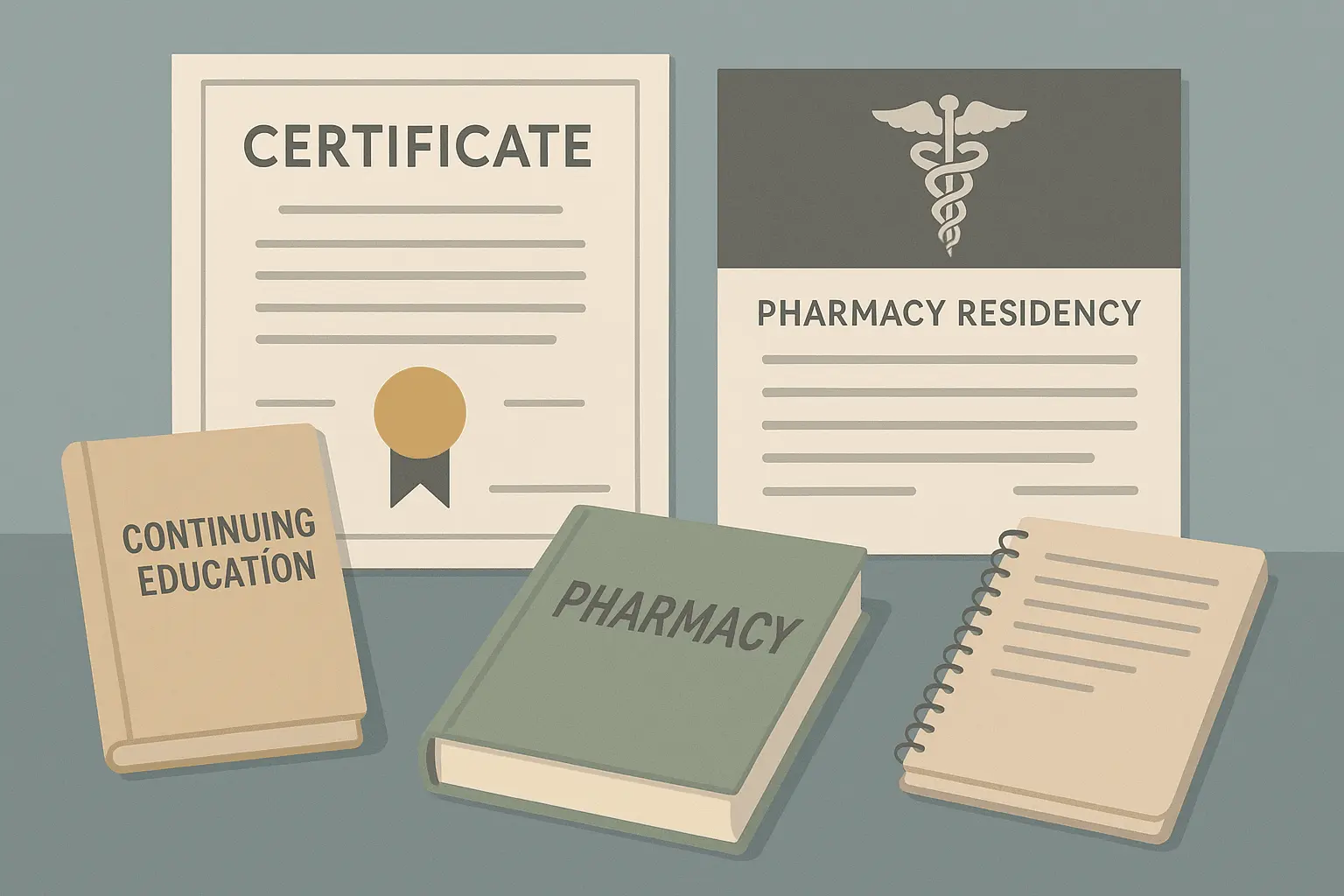
Board certifications provide immediate and long-term financial benefits that are honestly pretty impressive. BCPS, BCACP, and other specialty certifications typically add $10,000 to $25,000 to your base salary. The return on investment is compelling - most certifications pay for themselves within 2-3 years through increased compensation alone, not even counting the career advancement opportunities.
Employers increasingly value certified pharmacists for specialized roles, making these credentials essential for accessing the highest-paying positions.
Checklist: High-Value Certifications for NYC Pharmacists
Residency training creates immediate and compounding financial benefits that honestly make the temporary income reduction worth it. PGY-1 and PGY-2 graduates typically start with salaries $15,000 to $25,000 higher than non-residency trained pharmacists, and that's just the beginning.
Residency training opens doors to specialized positions and leadership roles that would otherwise be completely inaccessible, creating exponential earning potential over your career . Think of residency training as an investment in your long-term earning capacity rather than just additional training. The financial returns totally justify the temporary hit to your income.
If you really want to make bank as a pharmacist, the drug companies are where it's at. Pharmaceutical industry positions consistently offer the highest pharmacist compensation in NYC, with salaries ranging from $150,000 to $250,000+, depending on your role and experience level. The pharmacist salary in new york city reaches its peak in these industry roles.
Medical communications, regulatory affairs, and clinical development roles often include substantial bonus opportunities and stock options that can dramatically increase your total compensation beyond base salary. The industry values pharmacists who can bridge clinical expertise with business understanding, making these positions both financially rewarding and professionally challenging.
Federal positions offer unique value propositions that extend way beyond base salary. VA, CDC, and FDA roles provide competitive compensation with benefits packages that are honestly incredible. Job security, comprehensive healthcare, generous retirement contributions, and excellent work-life balance often make government positions more valuable than higher-paying private sector alternatives.
Student loan forgiveness programs available through federal employment can provide additional financial benefits worth tens of thousands of dollars over your career - and that's real money that makes a huge difference.
According to Pharmacy Technician Guide, New York pharmacists have experienced modest salary growth of 8.21% over five years (2017-2021), rising from $120,440 to $130,170. This steady but measured growth pattern emphasizes the importance of strategic career moves and specialization to achieve above-average salary increases in the competitive NYC market.
Knowledge is negotiating power, and I can't stress this enough. You need to research current salary ranges for your specific role and experience level using Glassdoor, PayScale, and professional pharmacy organizations. Document your findings systematically and create a comprehensive comparison showing how your current compensation stacks up against market rates.
Use this data strategically in salary discussions. Concrete market evidence carries way more weight than just saying "I think I deserve more money."
Template: Salary Research Documentation
Current Position: s______________
Years of Experience: s__________
Current Salary: $s_____________
Market Research Results:
- Source 1 (Glassdoor): $s______ - $s______
- Source 2 (PayScale): $s______ - $s______
- Source 3 (Professional Org): $s______ - $s______
- Average Market Rate: $s______
- Gap from Market: $s______
Justification for Increase:
Document your contributions systematically and create a portfolio showcasing cost savings initiatives, patient care improvements, process optimizations, and leadership responsibilities you've undertaken. This isn't just busy work - it's building your case for more money.
Quantify your impact wherever possible. Numbers speak louder than descriptions, so show how your work has saved money, improved outcomes, or increased efficiency. Update your portfolio regularly because your value to employers grows over time, and your documentation should reflect this increasing contribution.
Michael, a hospital pharmacist at a Manhattan medical center, documented his implementation of an automated medication reconciliation system that reduced medication errors by 35% and saved the hospital approximately $75,000 annually. He also tracked his mentorship of four pharmacy residents and his leadership of a multidisciplinary committee that improved discharge medication counseling scores by 28%. When he presented this value portfolio during his annual review, he secured an $18,000 salary increase and promotion to Senior Clinical Pharmacist.
Professional networking directly impacts earning potential, and honestly, many of the best opportunities never even make it to job boards. Join organizations like NYSCHP and attend industry events where decision-makers gather. They're filled through professional connections and referrals, making networking essential for accessing premium opportunities.
Focus on building genuine professional relationships rather than transactional connections. Authentic relationships lead to better opportunities and stronger career support over the long term.

Identify high-demand specialties in NYC's market and go after them strategically. Oncology, infectious disease, and ambulatory care consistently offer premium compensation for qualified specialists. Pursue relevant certifications and training systematically, and if you're early in your career, seriously consider residency or fellowship training to access these specialized opportunities.
Specialization creates scarcity value - the more specialized your expertise, the fewer pharmacists can do what you do, which drives up your market value significantly.
Business skills amplify clinical expertise in ways that can really boost your earning potential. Take courses in healthcare economics, business management, or health informatics to bridge clinical knowledge with business understanding. Employers increasingly value pharmacists who understand both patient care and business operations, and this combination opens doors to leadership positions that command premium salaries.
Healthcare is becoming more business-focused every year, so pharmacists who can speak both clinical and financial languages position themselves for the highest-paying opportunities.
Leadership experience is essential for accessing top-tier compensation. Seek opportunities to lead projects, mentor junior staff, or participate in committee work. Director-level positions command the highest salaries, but they require demonstrated leadership capabilities, so start building these skills early in your career.
Volunteer for challenging assignments that showcase your leadership potential. These experiences become talking points in interviews for high-level positions.
Jennifer started as a staff pharmacist at a Brooklyn hospital earning $138,000. Over five years, she systematically built leadership experience by volunteering for the pharmacy and therapeutics committee, leading a medication safety initiative, and pursuing her BCPS certification. She also completed an MBA in Healthcare Administration through evening classes. These strategic moves positioned her for promotion to Director of Clinical Pharmacy Services with a salary of $195,000, representing a 41% increase from her starting position.
Timing can make or break salary negotiations, and this is something a lot of people mess up. Performance reviews, new responsibility assignments, and competing offers create optimal negotiation windows. Avoid salary discussions during busy periods or organizational upheaval because your request needs focused attention from decision-makers who aren't distracted by other priorities.
Prepare thoroughly before initiating conversations. Know exactly what you want and why you deserve it before starting the discussion.
Checklist: Pre-Negotiation Preparation
Think beyond base salary when negotiating because employers often have more flexibility with benefits than salary increases. Additional vacation time, professional development funding, flexible scheduling, or student loan assistance can add substantial value and be easier for employers to approve.
Calculate the total value of benefit improvements. A week of additional vacation or $5,000 in professional development funding can honestly be worth more than a modest salary increase.
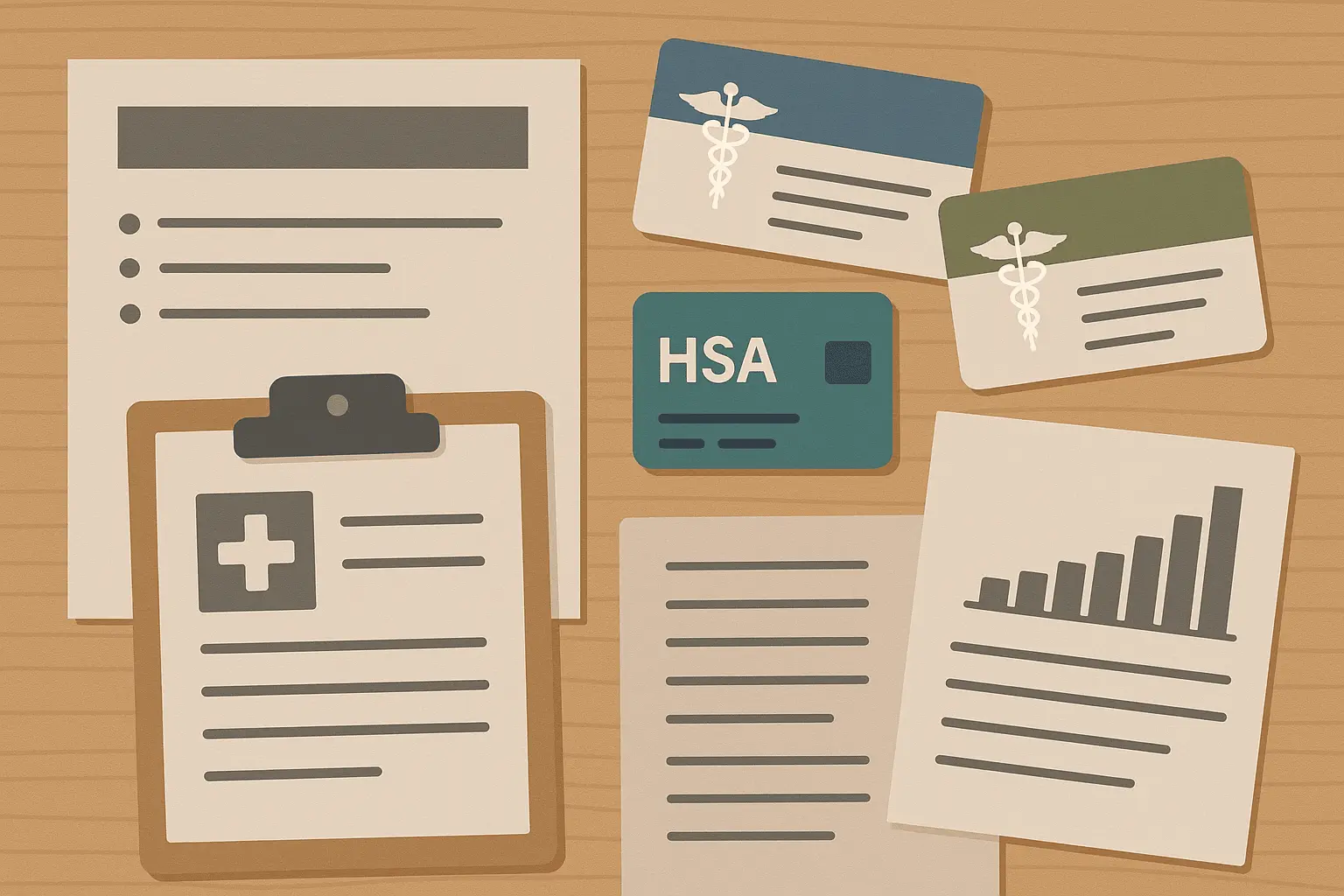
Comprehensive benefits packages add substantial value beyond base salary, and you need to factor this into any job decision. Most employers cover 70-90% of medical insurance premiums, with dental and vision coverage included. HSA contributions from employers (typically $1,000-$3,000 annually) provide tax-advantaged savings opportunities that compound over time.
Calculate the true value of your benefits package because quality healthcare coverage can be worth $15,000-$25,000 annually in equivalent salary.
Retirement benefits significantly impact long-term financial security in ways that are easy to overlook when you're young. Most employers offer 401(k) matching between 3-6% of salary, with some providing up to 8%. Student loan assistance programs (ranging from $2,000-$10,000 annually) address the average PharmD graduate debt of $170,000+, providing immediate financial relief that's honestly life-changing.
Professional development funding ($1,500-$5,000 annually) supports career advancement while reducing your out-of-pocket education expenses.
Flexible scheduling options add quality-of-life value that's difficult to quantify financially but makes a huge difference in your daily experience. Compressed work weeks and flexible start times can dramatically improve your overall satisfaction. Remote work opportunities are expanding, especially in pharmaceutical industry roles and telepharmacy, and these options can eliminate commuting costs and time while maintaining competitive salaries.
Consider the total lifestyle impact when evaluating positions because better work-life balance often translates to improved job satisfaction and career longevity.
Telepharmacy growth is creating new earning opportunities that didn't exist five years ago. The pandemic accelerated adoption, creating remote positions paying $140,000-$180,000 while potentially allowing you to live in lower-cost areas. Specialty pharmacy expansion drives premium compensation, with the growing complexity of specialty medications creating positions offering $200,000+ plus performance bonuses.
Position yourself for emerging opportunities by developing relevant skills before they become mainstream requirements.

Automation is reshaping pharmacy practice, but honestly, it's creating higher-value opportunities rather than eliminating jobs. The focus shifts to patient counseling, medication therapy management, and complex problem-solving. Health informatics and data analytics skills command premium salaries in the $180,000-$220,000 range. These technical competencies combined with clinical expertise create unique value propositions.
Embrace technology rather than fear it. Pharmacists who adapt to technological changes position themselves for the highest-paying roles in the evolving market.
NYC's market dynamics differ from national trends in important ways. Despite concerns about pharmacist oversupply nationally, the city continues experiencing shortages in key areas like hospital pharmacy. The pharmacist salary in new york remains competitive due to these persistent demand-supply imbalances.
Critical care and emergency medicine settings face particular staffing challenges, maintaining upward pressure on salaries in these specialties. The aging population creates sustained demand for clinical pharmacy services, particularly in ambulatory care and geriatric special ties, ensuring long-term career stability.
Okay, let's talk about the elephant in the room - where you're gonna live and how much it's gonna cost you. I've seen too many pharmacists making great money but still struggling because they made poor housing decisions.
Here's the brutal truth: your rent can easily eat up half your paycheck if you're not careful. I know a guy making $160K who was spending $4,200 a month on a tiny studio in Midtown because he wanted to walk to work. Sounds reasonable until you do the math - that's over $50K a year just for housing, before utilities and everything else.

The smart move? Think strategically about your commute and lifestyle. Yeah, living in Manhattan puts you close to the highest-paying jobs, but if you're spending an extra $2K a month on rent, you're basically working for free. Some of the best deals I've seen are in neighborhoods like Astoria or Park Slope - you get more space, better quality of life, and you're still connected to Manhattan by subway.
Understanding the real cost of living in NYC helps pharmacists make informed decisions about housing that support rather than hinder their career goals.
And here's something most people don't think about: your living situation can actually help your career. When you're surrounded by other ambitious professionals, opportunities just happen naturally. You hear about job openings, get introduced to people who matter, maybe even find a mentor. I've seen more career opportunities come from casual conversations with housemates than from formal networking events.
Outpost Club understands this connection between living environment and professional success. We create thoughtfully curated living spaces that bring together driven professionals who value quality experiences and genuine connections. Rather than dealing with the typically isolating and complicated NYC housing search, you can focus your energy on advancing your pharmacy career and pursuing the specialized training, certifications, and networking opportunities that lead to top-tier compensation.
For pharmacists seeking affordable neighborhoods in NYC, strategic location choices can significantly impact your ability to save money and invest in career development.
By choosing a living arrangement that supports rather than hinders your professional goals, you're better positioned to allocate resources toward career development, pursue leadership opportunities, and build the relationships that unlock NYC's highest-paying pharmacy positions. Your housing choice becomes a strategic career decision that amplifies your earning potential.
Many young professionals benefit from exploring what is communal living to understand how shared living arrangements can reduce costs while providing valuable networking opportunities in competitive markets like NYC.
Look, I'm not gonna lie to you - being a pharmacist in NYC is both the best and worst financial decision you can make. The money is absolutely there, but so are the expenses, the stress, and the competition.
But here's what I've learned after watching dozens of pharmacists navigate this market: the ones who succeed long-term aren't necessarily the smartest or the ones who started with the best grades. They're the ones who think strategically about every decision - where they work, where they live, what they specialize in, and how they position themselves for the next opportunity.
For those considering the transition to NYC, understanding how much you need to make to live in NYC provides realistic expectations for budgeting and financial planning.
The $125K starting salary sounds great until you realize that after taxes, student loans, and rent, you might have less disposable income than you expected. But stick with it, make smart moves, and by year five you could easily be pulling in $180K+ with real earning potential ahead of you.
My advice? Don't just chase the highest salary on paper. Look at the total picture - the learning opportunities, the career trajectory, the quality of life, and yeah, the money. Because in a city like this, it's not just about how much you make, it's about how smart you are with what you've got.
Young professionals entering the pharmacy field should consider affordable student housing NYC options during their training years to minimize debt and maximize future earning potential.
And one last thing - don't let anyone tell you that pharmacy isn't a great career choice anymore. Sure, the market's changing, but smart pharmacists who adapt and specialize are still doing incredibly well. Especially in NYC, where there's always demand for people who know what they're doing.
The opportunities are here. The money is here. The question is: are you ready to make the moves that'll get you there?

Household supplies can be changed or decreaased at Outpost Club’s discretion, or based on supply availability. Outpost is not responsible for temporary losses of utility service. Outpost Club is not responsible for any damages due to absence of any supplies or utilities


If you have a sales related question please call
680-688-7678

 Hot Deals