Truck Driver Salary NYC: What You'll Actually Earn Behind the Wheel in America's Toughest Market
Jan 5, 2026

Jan 5, 2026
When I first started driving truck in NYC five years ago, my buddy Jake laughed when I told him I was making $75K. "No way," he said. "Truck drivers don't make that kind of money." Well, Jake's eating his words now. The truck driver salary in New York City is no joke – we're talking about one of the most lucrative markets in the United States, with average salaries hitting $82,028 per year or $1,577 per week. The Truckers Report shows that CDL drivers in New York can pull anywhere from $70,200 to $98,800 depending on their routes and how many hours they're willing to put in.
Look, driving truck in NYC isn't like anywhere else in the country. I've been doing this for eight years now, and I can tell you firsthand – the money is real, but so are the headaches that come with it.
The thing is, companies know what they're asking when they want you to navigate a 40-foot trailer through Manhattan traffic. That's why they pay what they do. It's not charity – it's survival. They need drivers who won't quit after their first week of trying to find parking on the Upper East Side.
Here's the deal: NYC trucking is like playing a video game on expert mode. Everything that makes driving anywhere else challenging gets cranked up to eleven here. Traffic that would make a grown man cry? Check. Parking spots that require a PhD in geometry? Double check. Customers who think you can magically make a 53-footer disappear? You bet.
But here's what most people don't realize – companies factor all of this into what they pay you. According to 4 Corner Resources, truck driver salaries in New York City are 39% higher than the national average of $59,908, with drivers earning an average hourly rate of $40.03, weekly pay of $1,601, and monthly pay of $6,939.
When I started out in Queens five years ago, I was pulling $58K. Not bad for a guy whose previous job was stocking shelves at Home Depot. But I quickly learned that the real money comes when you prove you can handle the crazy stuff without losing your mind.
Entry-level drivers stepping into NYC's market typically see starting salaries between $55,000 and $65,000 annually. That's substantially higher than what you'd find in smaller markets, but there's good reason for the premium.
Now I'm at $82K, and honestly? Some weeks I feel like I should be paying them for the education I'm getting in patience and problem-solving. Experienced drivers who've proven their worth can command $75,000 to $95,000, while those with specialized skills or working in niche sectors often break the $100,000 barrier.
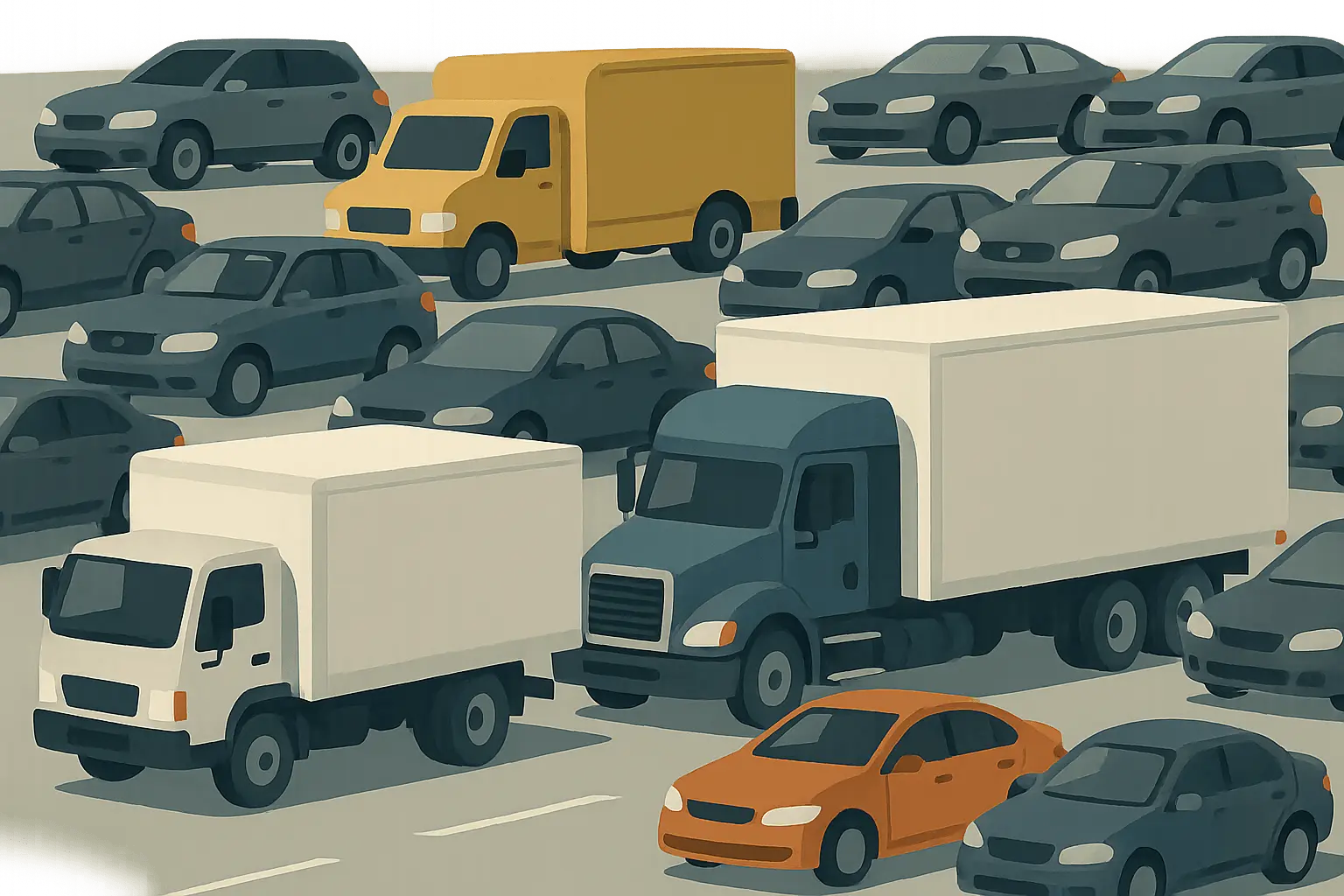
Let me break down what that "location premium" actually means in real life. It's not just fancy talk – it's compensation for dealing with stuff that would send drivers in Kansas running for the hills.
Yesterday, I spent 45 minutes looking for a parking spot to make a delivery in SoHo. Forty-five minutes. In Kansas, I could've made three deliveries in that time. But the company knows this, which is why my hourly rate reflects the reality of NYC driving.
Here's what companies are really paying for:
That 15-25% bump over national averages? It's earned, trust me.
|
NYC vs. National Salary Comparison |
NYC Average |
National Average |
Premium % |
|
Entry-Level Driver |
$60,000 |
$45,000 |
33% |
|
Experienced Driver |
$85,000 |
$65,000 |
31% |
|
Specialized/Union |
$100,000 |
$75,000 |
33% |
|
Owner-Operator |
$110,000 |
$85,000 |
29% |
I'll be straight with you about unions – they're not for everyone, but they can seriously boost your paycheck. My buddy Mike joined Teamsters Local 804 three years ago, and he's making about $20K more than me doing similar work. The trade-off? He's got less flexibility and more paperwork, but his benefits package is insane.
Union jobs typically mean:
The downside? You can't just decide to take Tuesday off because it's nice out. But for a lot of guys, the security is worth the structure. Union positions often put their members ahead of non-union drivers by 20-30% in total compensation.
Not all trucking jobs are created equal, especially in NYC. Some specializations can bump your pay by $15K-20K annually, but they come with their own challenges.
E-commerce changed everything. I remember when Amazon was just books, and now they're everywhere. That explosion created opportunities that didn't exist when I started driving.
My sister Maria switched from retail to UPS delivery two years ago. Started at $68K, which seemed crazy for someone who'd never driven anything bigger than a Honda Civic. But Amazon and everyone else competing for drivers pushed wages through the roof.
These positions typically offer:
The work is physical – lots of walking, lots of lifting – but it's steady. People aren't going to stop ordering stuff online anytime soon. Maria pulled in an extra $12K in overtime during her first holiday season. After two years, her base salary increased to $74,000, and she's now training for a supervisor role that pays $85K.
The best part? Home every night. No sleeping in truck stops or dealing with DOT weigh stations.
Construction driving in NYC is a different animal. I did it for two years before switching to general freight, and let me tell you – it's not for the faint of heart.
Picture this: you're trying to deliver concrete to a job site in Midtown, there's nowhere to park, the foreman is screaming because you're ten minutes late, and there's a line of cars behind you honking like their lives depend on it. Fun times.
But it pays. The work typically runs $70,000-$90,000 because it requires skill, patience, and the ability to work in challenging conditions. I was making $78K doing construction, and the overtime during big projects was incredible. When the city decided to redo the subway entrance at Times Square, I was pulling 60-hour weeks for three months straight.
The work includes:
If you can handle the stress and the tight schedules, construction driving can set you up pretty well financially.

Your earning potential in NYC trucking depends on a bunch of factors, and understanding them can mean the difference between scraping by and building a solid career.
Your CDL is basically your resume on a plastic card. The endorsements you have determine which doors are open to you and which remain locked.
When I got my Class A, my old supervisor told me it was like getting a college degree for blue-collar work. He wasn't wrong. Class A CDL holders have access to the highest-paying positions because they can operate the largest vehicles and handle the most complex loads. The earning difference between Class A and Class B can be 15-20% annually.
But here's what nobody tells you: endorsements are where the real money is. My hazmat endorsement alone opened doors to fuel transport jobs paying $15K more than general freight. Yeah, the testing was a pain, and the background check felt invasive, but it paid for itself in six months.
Endorsements that actually move the needle:
Each endorsement requires additional testing and ongoing compliance, but the investment typically pays for itself within the first year through higher wages.
CDL Endorsement Salary Impact Checklist:
Here's something that took me a while to understand: your driving record isn't just about avoiding tickets. It's about proving to companies that you're not going to cost them money.
I've got a clean record – knock on wood – and it's opened doors that wouldn't have been available otherwise. Companies will literally pay more for drivers they trust not to wreck their equipment or get them sued.
Clean record benefits I've personally experienced:
One DUI or serious accident can follow you for years in this industry. It's not fair, but it's reality. Drive like your paycheck depends on it – because it does.
Where you work matters as much as what you drive. I've worked for three different types of companies, and each had its pros and cons.
UPS, FedEx, DHL – the big names offer something smaller companies can't: predictability. When I worked for UPS, I knew exactly what my paycheck would be, when my raises would come, and what my benefits covered.
Starting salaries typically range from $60,000-$70,000, but the real value lies in the comprehensive benefits and long-term security. My buddy Dave has been with FedEx for twelve years now. He's making $89K, has incredible health insurance, and his pension is looking pretty good.
Major carrier advantages:
The downside? Corporate bureaucracy that would make the DMV jealous. Want to take a personal day? Fill out form 27B in triplicate. Want to change your route? That'll require approval from three managers and a committee review.
Mayor Adams recently announced a major expansion of the Big Rig Training Program that has produced job offers for every graduate, with starting salaries ranging from $78,000 to $124,000 for participants who typically face employment challenges.
Going independent is tempting – the potential to make $100K+ is real. But so are the headaches that come with running a business.
I tried it for eighteen months. Made good money – about $95K the first year – but I was working 70-hour weeks and stressed about every penny. Truck payment, insurance, fuel, maintenance, taxes... it never ended.
Owner-operator considerations:
The guys who succeed as owner-operators are the ones who treat it like a business, not just a driving job. They understand spreadsheets, they plan for maintenance, and they don't spend their profits on chrome accessories.
Success requires business skills beyond driving ability. Many owner-operators partner with freight brokers or maintain relationships with multiple shippers to ensure consistent work.
This is where I landed, and honestly, it's been the best of both worlds. I work for a mid-sized company that does food service delivery throughout the tri-state area.
The owner knows my name, I get home every night, and when I had a family emergency last year, they worked with me without making it a federal case. Try getting that kind of personal attention at a Fortune 500 company.
Local carrier benefits:
Pay is competitive – I'm at $82K – and there's room to grow without jumping through corporate hoops. When the company does well, we all do well. When I do good work, it gets noticed.
The trucking industry isn't just about driving from point A to point B anymore. Smart drivers invest in themselves and plan for the long term.
For drivers seeking affordable housing options in NYC while building their careers, exploring affordable neighborhoods in NYC can provide valuable insights into managing living costs while maximizing your earning potential.
I learned this lesson the hard way: standing still in this industry means falling behind. The drivers making the most money are the ones who never stop learning.
Two years ago, I invested $2,500 in defensive driving instructor certification and hazmat training. Best money I ever spent. The hazmat opened doors to a fuel transport job paying $15K more than my previous position. The instructor certification lets me teach weekend safety courses for an extra $200 per session.
Specialized training programs can add $3,000-$8,000 to your annual earnings while making you more valuable to current and potential employers.
Training that actually matters:
Most of these programs are available at community colleges, union training centers, or industry associations. The time investment usually pays for itself within 6-12 months.
My advice? Pick one certification per year and stick with it. Trying to do everything at once is a recipe for burnout.
Take Carlos, a Brooklyn-based driver who invested $2,500 in hazmat certification and defensive driving instructor training. Within six months, he secured a position with a chemical transport company paying $87,000 annually – a $15,000 increase from his previous job. The additional instructor certification allowed him to earn $200 per weekend teaching safety courses.
After eight years behind the wheel, I'm starting to think about what comes next. The good news is that companies value managers who understand what drivers actually deal with.
Your experience behind the wheel provides excellent preparation for management roles. Companies value managers who understand the daily challenges drivers face.
Management opportunities include:
The transition isn't automatic – you need to develop skills beyond driving. But the foundation is there if you want to build on it. These positions often include better benefits, regular schedules, and opportunities for further advancement into executive roles.
This might sound boring, but understanding the full value of your compensation package is crucial. I made the mistake early in my career of only looking at base salary.
When I was comparing job offers three years ago, one company offered $72K with great benefits, another offered $77K with minimal benefits. I almost took the higher number until I actually did the math.
Don't focus solely on base salary when evaluating job opportunities. Benefits can add $15,000-$25,000 to your total compensation value.
The $72K job included:
Total package value: over $98K. The higher salary job? About $82K when you factored in what I'd pay for comparable benefits.
|
Benefit Type |
Annual Value |
Impact on Total Compensation |
|
Health Insurance (Family) |
$18,000 |
25% of $72,000 salary |
|
401k Match (6%) |
$4,320 |
6% of $72,000 salary |
|
Paid Time Off (3 weeks) |
$4,154 |
Based on weekly rate |
|
Life Insurance |
$500 |
Standard coverage |
|
Training Reimbursement |
$2,000 |
Professional development |
|
Total Benefits Value |
$28,974 |
40% additional value |
Don't just look at the paycheck. Look at the whole picture.
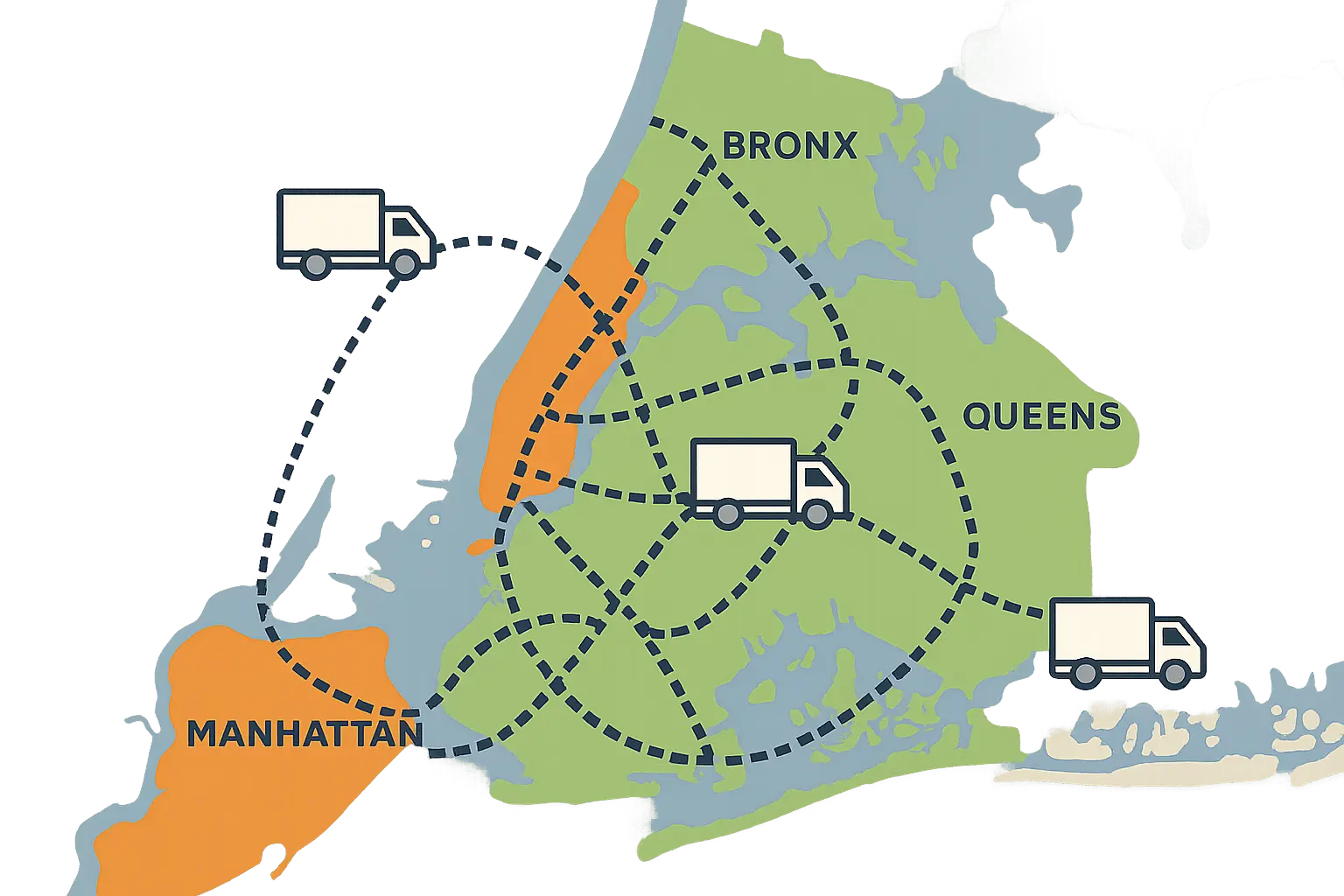
Being flexible about where you work within the metro area can boost your pay significantly. Manhattan deliveries pay premiums because they're such a pain. Brooklyn and Queens offer steady work. The Bronx has a lot of construction and industrial hauling.
Flexibility regarding work locations within the NYC metro area can boost your earnings by 10-15%. Different boroughs and surrounding areas offer varying opportunities and pay rates.
I'm willing to work anywhere in the five boroughs plus Jersey and Connecticut. That flexibility makes me more valuable to my employer and gives me access to the best-paying routes.
Geographic considerations:
Being willing to work across the metro area makes you more valuable to employers and opens access to premium routes and specialized assignments.
Success in this market requires strategy, not just hard work.
Information is power in salary negotiations. I spend about an hour every week researching the market – job postings, salary surveys, talking to other drivers. When it's time to negotiate, I know what the competition is paying.
The best opportunities often come through networking. I've gotten two of my last three jobs through connections I made at truck stops and industry events.
Understanding the current market gives you negotiating power and helps you identify the best opportunities. Regular research should include:
My weekly research routine:
Knowledge gives you leverage. When I negotiated my current salary, I knew exactly what three competitors were paying for similar positions.
Job Search Strategy Checklist:
I focus my training efforts on skills that are in high demand. Right now, that's electric vehicle operation, advanced GPS systems, and hazmat handling.
Focus your training efforts on endorsements and skills that command the highest premiums in NYC's market. Research which specializations are experiencing the strongest demand before investing time and money in certification programs.
The key is staying ahead of trends. Electric vehicles are coming whether we like it or not. The drivers who get certified early will command premium pay when fleets start converting.
High-demand specializations to consider:
Each specialization requires specific training and ongoing compliance, but the investment typically pays dividends through higher hourly rates and more consistent work opportunities.
Most companies expect some negotiation. I learned this after accepting my first offer without discussion and later finding out they had room to go higher.
Your safety record, experience, and specialized skills are negotiating assets. Preparation can increase initial offers by 5-15%.
My negotiation strategy:
Don't be afraid to negotiate. The worst they can say is no, and most of the time they'll work with you.
James, an experienced driver with a clean record, researched market rates before interviewing with three companies. Armed with salary data showing similar positions paying $78,000-$85,000, he successfully negotiated his offer from $72,000 to $81,000, plus a $3,000 signing bonus and guaranteed overtime opportunities.
NYC offers the highest gross pay, but your take-home might be better elsewhere. I've run the numbers, and sometimes a $70K job in Jersey beats an $80K job in Manhattan when you factor in taxes and living costs.
Understanding how NYC truck driver salaries compare to surrounding areas and national averages provides crucial context for career decisions and relocation considerations. Understanding the broader financial picture is crucial when evaluating career moves, and reviewing information about average salary in NYC can help drivers compare their earning potential against other professions in the city.
New Jersey positions often pay 85-90% of NYC rates but with lower taxes. Connecticut offers competitive salaries without city income tax. Westchester gives you NYC access with suburban living costs.
The numbers don't tell the whole story. While NYC offers the highest gross salaries, your net income might be better in surrounding areas.
Consider these factors:
Do the math on your specific situation. That commute might be worth it. Calculate your take-home pay after taxes, housing, and commuting costs before making location decisions.
My $82K salary in NYC provides similar purchasing power to about $55K in most other parts of the country. The money is good, but everything costs more here.
That $75,000 salary in NYC doesn't stretch as far as you might think. Housing, food, and transportation costs require salaries 25-40% above national averages to maintain equivalent purchasing power.
A $70,000 NYC salary provides similar purchasing power to:
Factor in housing, food, transportation, and taxes when comparing opportunities. Sometimes less money in a cheaper area equals more money in your pocket. Factor in the higher stress levels and traffic challenges, and some drivers find better quality of life in smaller markets despite lower gross pay.
Many successful drivers live outside NYC while working in the city, optimizing their income by avoiding city taxes while accessing premium pay rates.
Commuter advantages:
Weigh commuting costs and time against tax savings and lower living expenses to determine if this strategy works for your situation.
The United States Postal Service is actively recruiting drivers in Nassau County with starting salaries of $28.53 per hour ($59,342 annually), demonstrating opportunities in surrounding areas that may offer better work-life balance for some drivers.
This industry has rhythms you need to understand. December holiday shipping can boost your annual income by 25% through overtime and bonuses. Back-to-school season in August is another gold mine.
NYC's truck driving market experiences significant seasonal variations and economic cycles that impact both job availability and compensation levels.
I plan my finances around these peaks, saving extra earnings to cover slower periods or using them for major purchases.
Seasonal demand creates significant earning opportunities. December holiday deliveries and back-to-school periods can boost your annual income by 20-30% through overtime and bonuses.
Peak earning periods include:
Smart drivers plan their finances around these peak periods, saving extra earnings to cover slower periods or using the additional income for major purchases.
Economic cycles affect different trucking sectors differently. Essential services like food delivery and medical transport remain stable during recessions, while construction and luxury goods transport may see reduced demand.
Recession-resistant sectors:
Building experience in these sectors provides job security during economic uncertainty.
The pandemic permanently changed consumer behavior, creating lasting opportunities in e-commerce delivery. Many positions now offer $5,000-$10,000 above pre-2020 levels.
Permanent market changes include:
These changes have created job security and wage growth in sectors that were previously considered secondary to long-haul trucking.
Technology isn't replacing us – it's changing what we do. Smart drivers adapt and profit from these changes.
Technological advances and industry modernization are reshaping truck driver roles and compensation structures, creating new opportunities while eliminating others. Automation concerns are balanced by increased demand for skilled drivers who can adapt to new technologies and specialized equipment.
All the automation fears are overblown for NYC driving. You can't automate dealing with a customer who won't answer their phone or finding parking in SoHo. Human judgment and problem-solving skills are still essential.
Automation fears are overblown in NYC's complex urban environment. The need for human judgment, customer interaction, and problem-solving ensures continued demand for skilled drivers.
I just completed electric vehicle certification, and companies are paying $2K-5K premiums for drivers qualified on electric equipment. It's the future, and getting certified early positions you for better opportunities.
The shift to electric vehicles creates opportunities for drivers willing to learn new technologies. Companies often pay premiums of $2,000-$5,000 for drivers certified on electric equipment.
The technology is actually pretty cool once you get used to it. Quieter operation, lower maintenance costs, and government incentives supporting adoption.
Electric vehicle advantages:
Getting ahead of this trend positions you for future opportunities as more companies transition their fleets.
Being comfortable with technology makes you more valuable. I can troubleshoot GPS issues, optimize routes using fleet management software, and handle electronic logging without calling dispatch for help.
Technology proficiency increases your value to employers. Drivers comfortable with GPS systems, electronic logging devices, and fleet management software can command 5-10% salary premiums.
These skills might seem basic, but you'd be surprised how many drivers struggle with them. Companies value drivers who can solve their own technology problems.
Valuable tech skills include:
Companies value drivers who can troubleshoot technology issues and optimize their own productivity through smart use of available tools.
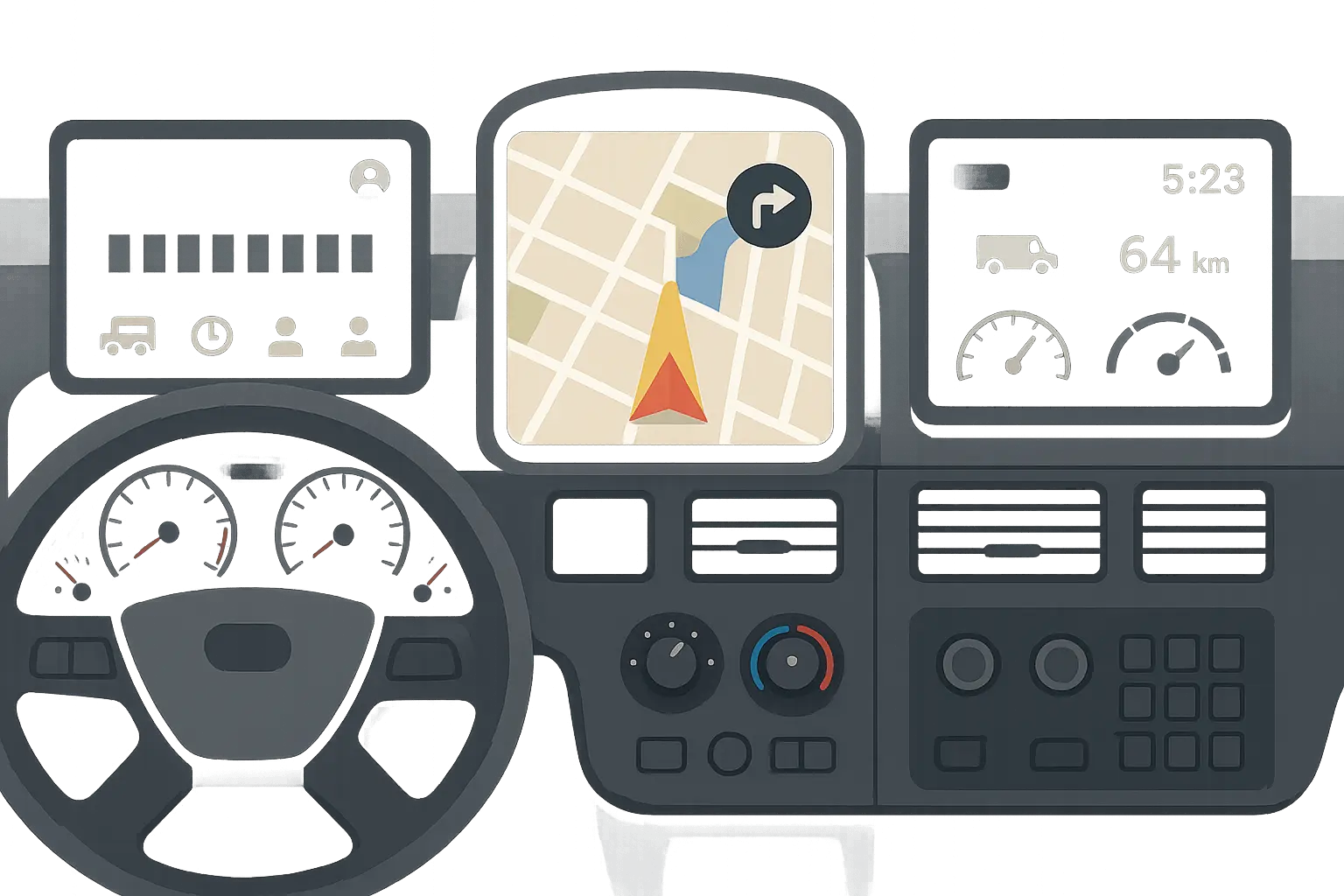
I supplement my main job with Amazon Flex deliveries on weekends. It adds about $8K annually to my income, but it requires treating it like a business.
The rise of app-based delivery services has created flexible earning opportunities that complement traditional trucking careers.
The math only works if you track expenses carefully and understand the tax implications. Many drivers underestimate the true costs and end up working for less than minimum wage.
Combining traditional employment with gig work can add $10,000-$20,000 to your annual earnings. Many drivers use apps like Amazon Flex, DoorDash Drive, or local delivery services during off-hours.
Gig work considerations:
Success requires treating gig work as a business, tracking expenses carefully, and maintaining professional standards across all platforms.
Independent contractor work through apps requires business discipline. Net earnings vary significantly based on expense management and tax planning.
Key financial considerations:
Many drivers underestimate the true costs of independent contractor work. Careful financial planning is essential for success.
Some trucking jobs in NYC are just better than others. I've tried a few different specializations over the years, and let me tell you – finding the right niche can add serious money to your paycheck.
New York City's unique economy creates specialized trucking niches that offer premium compensation for drivers with specific skills and experience
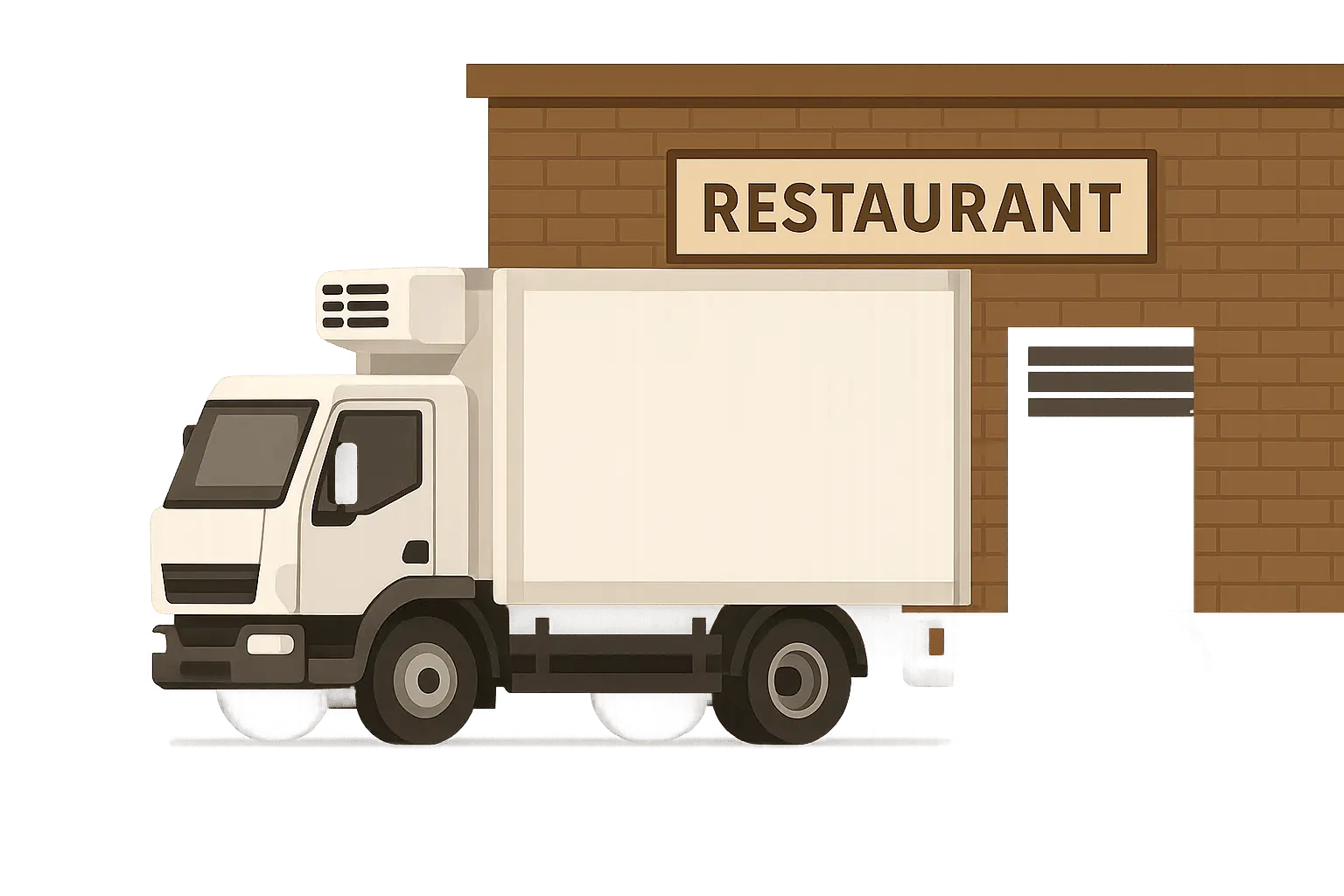
Food delivery in NYC is its own beast. I did restaurant supply for two years, and while it was stressful, the money was solid. You're dealing with tight delivery windows, picky customers, and the constant pressure of keeping the cold chain intact.
NYC's restaurant industry creates unique opportunities for drivers willing to specialize in food service delivery. The work requires precision, timing, and understanding of food safety regulations.
Reefer work pays about 20% more than dry van, but you earn every penny of that premium. I remember one delivery to a high-end steakhouse in Manhattan – the chef literally met me at the truck with a thermometer to check the meat temperature. No pressure, right?
Refrigerated transport pays premium rates – 15-25% above standard trucking – because of the specialized equipment and strict requirements.
The requirements are strict:
Reefer driving requirements:
But when you're pulling $85K-90K annually for reefer work versus $70K for dry freight, those headaches start looking manageable. The work can be demanding, but the pay reflects the specialized nature and critical importance of maintaining the cold chain.
This is where the real money is if you can handle the requirements. My buddy Carlos does pharmaceutical delivery and makes $92K with benefits that would make a government worker jealous.
Healthcare logistics offers some of the most stable, well-compensated driving positions in NYC. The work requires clean records and specialized training but provides excellent job security.
Getting DEA clearance isn't easy – background checks, training, ongoing compliance – but it opens doors to some of the best-paying driving jobs in the city. We're talking $75K-95K with job security that's bulletproof.
Drivers qualified for pharmaceutical delivery with DEA clearance can earn $75,000-$95,000 annually with excellent benefits.
The work requires:
Requirements include:
Carlos says the security requirements are intense, but the pay and stability make it worth it. Hospitals and pharmacies need their deliveries no matter what's happening in the economy. The security requirements are strict, but the compensation reflects the specialized nature of the work.
Medical equipment hauling is another premium niche. You're moving expensive, sensitive equipment that can't be dropped, shaken, or exposed to temperature extremes.
Medical equipment transport requires additional certifications but pays 20-30% above general freight rates due to the sensitive nature of the cargo.
I tried it for six months and made good money – about $15K more than general freight – but the stress got to me. When you're delivering a $200K MRI component and the installation team is waiting, there's no room for error.
Specialized requirements:
Hospitals and medical facilities depend on timely equipment delivery, making qualified drivers valuable assets.
NYC is always building something, which means consistent work for drivers who can handle the chaos of construction sites.
NYC's continuous construction and infrastructure projects create consistent demand for specialized heavy equipment transport and materials delivery.
Oversized load work is where some guys make serious money – $90K-110K – but it requires skills most drivers don't have. You need to understand permitting, route planning, escort coordination, and equipment operation.
Oversized load specialists earn $80,000-$110,000 annually because of the specialized skills and limited competition in this niche.
My neighbor Pete does this work and loves it. Says the planning and coordination challenges keep it interesting, and the pay reflects the specialized knowledge required.
The work includes:
Specialized requirements:
It's not for everyone, but the guys who are good at it make bank. The work requires patience, skill, and attention to detail, but the compensation reflects the specialized expertise required.
While Outpost Club primarily serves golf enthusiasts, the challenges faced by truck drivers in NYC – including limited time for recreation, demanding work schedules, and the need for quality downtime – align with the club's mission of providing exceptional experiences for busy professionals who value their limited recreational time.
For truck drivers looking to optimize their living situations while building their careers in NYC, exploring coliving in Brooklyn can provide affordable housing solutions that reduce commute times and offer community support during demanding work schedules.
Truck drivers face unique challenges when it comes to recreation and downtime. Irregular schedules, physical demands, and limited time off make it difficult to pursue hobbies and maintain work-life balance.
Many drivers find that communal living spaces in NYC offer the flexibility and community they need while managing demanding trucking schedules and maximizing their earning potential.
Outpost Club's network of partner clubs and concierge services could provide transportation professionals with accessible golf experiences during their off-time, whether they're local to NYC or traveling routes that take them near partner locations across the country.
The club's emphasis on efficiency, quality experiences, and professional networking appeals to drivers who value their limited recreational time and seek to connect with other professionals who understand the demands of challenging careers.
Ready to optimize your downtime? Discover how Outpost Club can help you make the most of your time off with premium golf experiences designed for busy professionals.
Look, I'm not going to lie to you – driving truck in NYC is tough. The traffic is insane, parking is a nightmare, and some days you'll wonder why you didn't just stay in your old job.
But here's the thing: if you're willing to put in the work, learn the ropes, and invest in your skills, you can build a solid career that pays well and gives you job security. I went from making $28K stocking shelves to $82K driving truck. Not bad for a guy who barely graduated high school.
Success as a truck driver in NYC requires more than just driving skills – it demands strategic career planning, continuous learning, and smart financial decisions that maximize earning potential in one of America's most lucrative trucking markets. The opportunities are substantial for drivers willing to invest in their professional development, understand market dynamics, and position themselves in high-demand specializations.
The opportunities are real. The money is real. The challenges are real too, but nothing worthwhile is ever easy.
While the challenges of urban commercial driving are real, the compensation reflects the value that skilled drivers bring to NYC's complex logistics ecosystem. Whether you're starting your career or looking to advance, the key is understanding that your earning potential extends far beyond your base salary when you factor in benefits, specializations, and strategic career moves that can significantly impact your long-term financial success.
My advice? Start with a solid company, get your endorsements, keep your record clean, and never stop learning. The industry is changing, but good drivers who can adapt will always be in demand.
For those considering a move to NYC to pursue trucking opportunities, understanding the complete financial picture through resources like the real cost of living in NYC can help make informed decisions about maximizing your earning potential while managing expenses effectively.
And remember – every expert was once a beginner. I couldn't back a trailer to save my life when I started. Now I can drop one in a space that would make a geometry teacher proud. You'll get there too if you stick with it.
Additionally, drivers exploring housing options should consider shared apartments in New York as a cost-effective way to reduce living expenses while building professional networks in the transportation industry.
The city needs drivers who can handle the pressure and get the job done. If that sounds like you, there's good money waiting. Just don't expect it to be easy – nothing worth doing ever is.

Household supplies can be changed or decreaased at Outpost Club’s discretion, or based on supply availability. Outpost is not responsible for temporary losses of utility service. Outpost Club is not responsible for any damages due to absence of any supplies or utilities


If you have a sales related question please call
680-688-7678

 Hot Deals