Java Programmer Salary NYC: What You'll Actually Earn in the Big Apple
Jan 5, 2026

Jan 5, 2026
Alright, let's talk numbers. If you're a Java developer thinking about making the move to NYC, you're probably wondering what you'll actually take home. The short answer? Around $128,873 on average, which is 19% higher (+$20,421) than the average Java developer salary in the United States. Sounds pretty sweet until you start looking at apartment prices. But stick with me, because there's a lot more to this story than just that headline number.
This premium reflects the city's competitive tech market and high demand for skilled Java professionals across financial services, startups, and enterprise companies. But here's what nobody tells you upfront – that big salary comes with some equally big trade-offs.
Look, the NYC Java market is absolutely nuts right now – and I mean that in the best way possible. Companies are practically throwing money at developers because everyone's scrambling to modernize their systems. If you've got solid Java skills, you're basically in the driver's seat.
For professionals considering the broader financial picture beyond just salary, understanding the average salary in NYC provides crucial context before making the career leap to the Big Apple.
Here's what's actually happening on the ground: Financial companies that have been running on ancient systems for decades are finally admitting they need to catch up. Healthcare companies are trying to build apps that don't look like they're from 2005. And don't even get me started on all the e-commerce companies trying to handle the post-pandemic shopping boom.
The crazy part? Remote work actually made things better for NYC developers, not worse. Sure, companies can now hire from anywhere, but that also means they're competing with Google and Facebook for talent. So local NYC companies had to step up their game with salaries just to keep up.
I've got friends who've switched jobs three times in the past two years, each time getting 20-30% raises. It's wild out there, but in a good way if you know what you're doing.
The competition isn't just local anymore. Remote work has expanded the talent pool, but it's also increased salary expectations. NYC companies now compete with tech giants offering remote positions, forcing local employers to match or exceed national compensation standards.
Okay, let's get real about what you'll actually make. And please, don't just look at the base salary – that's rookie mistake number one.
|
Experience Level |
Base Salary Range |
Total Compensation |
Typical Benefits Value |
|
Entry-Level (0-2 years) |
$75,000 - $95,000 |
$85,000 - $110,000 |
$15,000 - $25,000 |
|
Mid-Level (3-7 years) |
$110,000 - $140,000 |
$130,000 - $160,000 |
$20,000 - $30,000 |
|
Senior (8+ years) |
$150,000 - $200,000+ |
$180,000 - $250,000+ |
$30,000 - $50,000 |
Fresh out of college or bootcamp? You're looking at $75,000-$95,000 to start. I know, I know – it doesn't sound like much when you see those $3,000 studio apartments online. But here's the thing: your total package is usually way better than that base number.
Take my friend Sarah (yeah, she's real, not some made-up example). She got three offers last year:
She went with the bank, and honestly? Smart move. That signing bonus covered her broker fee, and the health insurance alone saved her like $8k a year.
Entry-level positions at major corporations often include benefits worth $15,000-$25,000 annually. Health insurance, 401(k) matching, and professional development budgets add substantial value beyond your paycheck. Some companies also offer student loan repayment assistance, which becomes particularly valuable given NYC's salary-to-debt ratios.
Bootcamp graduates and self-taught developers might start slightly lower initially, but rapid advancement opportunities in NYC's fast-paced environment often close this gap within 12-18 months. The key is demonstrating practical skills through portfolio projects and contributing to open-source initiatives.
This is where you want to be. $110,000-$140,000 base, but your total comp usually hits $130,000-$160,000. You've proven you can actually code without breaking everything, but you're not yet expected to manage people (which, trust me, is its own special kind of hell).

Here's a pro tip I learned the hard way: This is the perfect time to jump ship for a big raise. Companies will pay premiums to poach experienced developers because training new grads takes forever. I've seen people get 20-30% bumps just by switching companies.
Mid-level developers also benefit from the widest range of opportunities. Startups, established corporations, and consulting firms all actively recruit at this level. You can choose between high-growth potential with equity upside or stable corporate environments with comprehensive benefits.
Geographic flexibility within NYC becomes important at this level. A mid-level developer might earn $120,000 at a Brooklyn startup but $145,000 at a Manhattan financial firm. The $25,000 difference often justifies longer commutes or higher living costs.
$150,000-$200,000+ base, and your total package can easily hit $250,000 if you play your cards right. But here's what nobody tells you – at this level, it's not just about coding anymore. You're expected to mentor people, make big architectural decisions, and basically be the person everyone comes to when stuff hits the fan.
According to SalaryExpert data, entry level Java developers (1-3 years of experience) earn an average salary of $90,987, while senior level Java developers (8+ years of experience) earn an average salary of $159,686, demonstrating the significant earning progression available in the NYC market.
The equity game changes too. I know a senior dev who joined a startup at $160k base but got 0.8% equity. When they got acquired four years later, that equity was worth more than his entire salary for those four years. Of course, I also know plenty of people whose equity ended up being worth exactly zero, so... there's that.
Senior roles often include equity participation that can significantly impact long-term wealth building. Stock options at growing companies sometimes exceed annual salary value over 3-5 year periods. However, evaluate equity carefully – not all stock options create meaningful value.
The transition to senior level requires demonstrating impact beyond individual contributions. Successful candidates typically have experience leading projects, mentoring team members, and making architectural decisions that affect entire systems.
Different industries within NYC offer varying compensation levels for Java developers, with financial services consistently leading the market. Understanding these sector differences helps you target applications strategically and negotiate from positions of strength.
Look, everyone jokes about finance bros, but they pay their developers really, really well. We're talking 15-25% above market rate, which translates to an extra $20k-$40k in your pocket every year.
The fintech boom is real – "The Boston Consulting Group estimates that the global fintech market will reach $1.5 trillion in revenue by 2030, representing a fivefold increase from today" (Pace University). That's a lot of zeros, and some of them are going to end up in your bank account if you position yourself right.
But let's be honest about the trade-offs. My buddy works at Goldman, makes $180k, and hasn't taken a real vacation in two years. During earnings season, he basically lives at the office. The money's great, but you earn every penny.

Investment banks like Goldman Sachs, Morgan Stanley, and JPMorgan Chase compete aggressively for Java talent. Their trading systems, risk management platforms, and customer-facing applications require robust, high-performance Java implementations.
Fintech companies bridge traditional finance and technology, often offering competitive base salaries plus significant equity upside. Companies like Stripe, Square, and newer entrants frequently match or exceed traditional bank compensation while offering more modern work environments.
However, financial services roles often come with demanding schedules and high-pressure environments. The premium compensation reflects these challenges, and many developers view these positions as accelerated wealth-building opportunities rather than long-term career destinations.
Startups are weird. They'll offer you $105k base (which barely covers rent) but throw in equity that could theoretically make you rich. It's basically gambling, but with health insurance.
I know a guy – let's call him Michael – who joined a healthcare startup in 2019 for what seemed like below-market pay. Four years later when they got acquired, his equity payout was $280k. But I also know three other people whose startup equity is currently worth about as much as Monopoly money.
The real benefit of startups isn't the equity lottery – it's the experience. You'll learn more in two years at a startup than you will in five years at a big corporation. Plus, unlimited PTO is actually pretty sweet when you can manage to use it.
NYC's startup scene spans diverse industries – from media and advertising technology to healthcare and real estate. Each sector offers different risk-reward profiles. AdTech companies might offer more predictable growth, while healthcare startups could provide massive upside potential.
Equity evaluation requires careful consideration. Understand vesting schedules, liquidation preferences, and the company's funding stage. Early employees at successful startups sometimes earn more from equity than they would from higher salaries at established companies.
Work-life balance often improves at startups despite longer hours. Many offer unlimited PTO, flexible schedules, and remote work options that established corporations can't match. For developers prioritizing autonomy and impact, these benefits offset lower base compensation.
IBM, Oracle, Microsoft – these companies aren't sexy, but they're stable. Good base salary, excellent benefits, and you'll actually learn enterprise-scale stuff that'll serve you well later.
Career progression is more predictable too. They have actual training programs and mentorship, unlike startups where your "training" is getting thrown into the deep end and hoping you don't drown.
Enterprise software roles often involve working with cutting-edge Java technologies before they become mainstream. You'll gain experience with enterprise frameworks, distributed systems, and scalability challenges that prepare you for senior roles anywhere.
Benefits packages at enterprise companies often exceed startup offerings. Comprehensive health insurance, generous 401(k) matching, sabbatical programs, and professional development budgets add significant value beyond base salary.
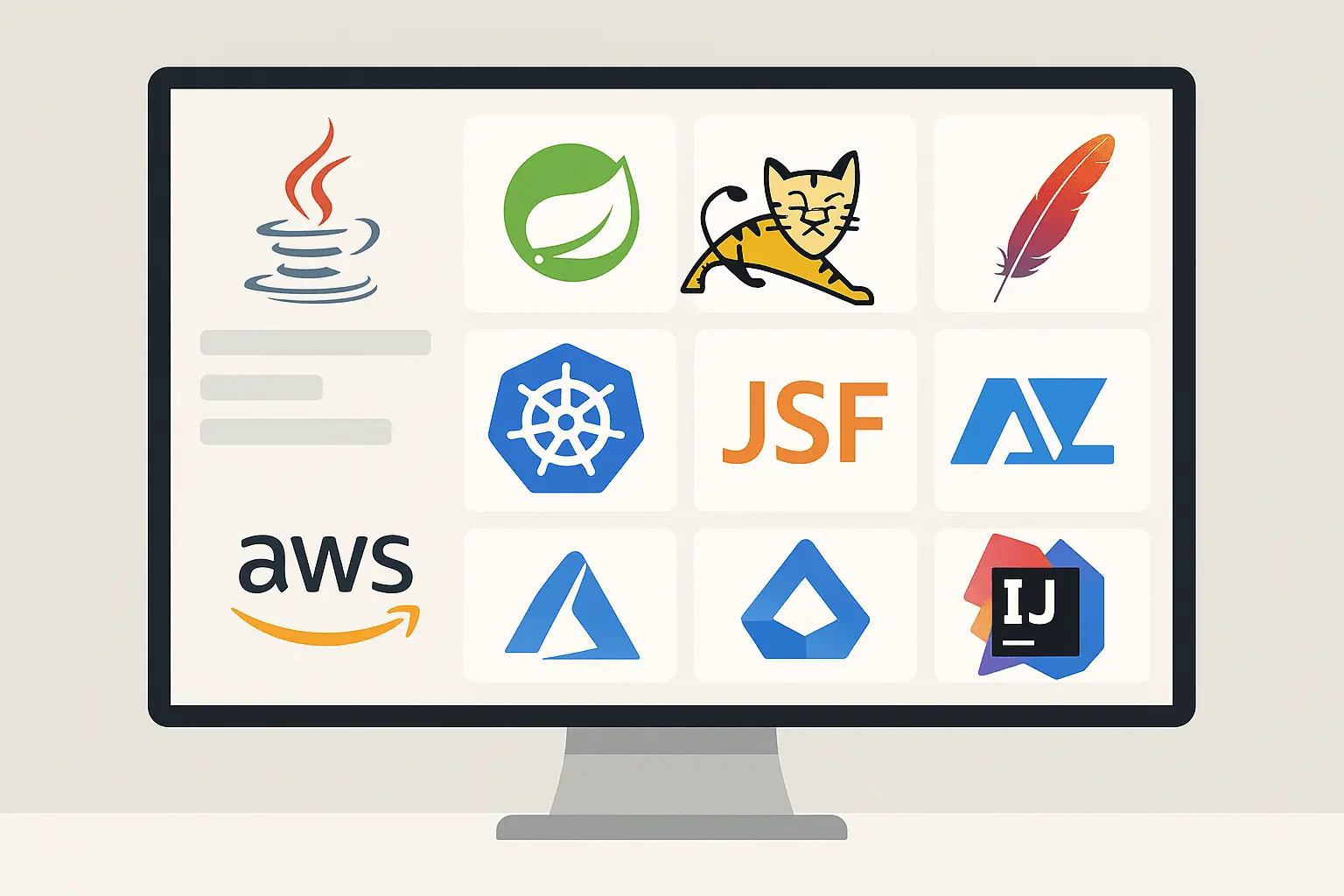
Specific technical skills and certifications can significantly boost a Java programmer's earning potential in NYC's competitive market. Staying current with in-demand technologies and frameworks often translates directly to salary increases of $10,000-$30,000 annually.
|
Skill Category |
Specific Technologies |
Salary Premium |
Market Demand |
|
Spring Framework |
Spring Boot, Spring Security, Spring Cloud |
$15,000 - $25,000 |
Very High |
|
Cloud Platforms |
AWS, Azure, Google Cloud |
$18,000 - $28,000 |
High |
|
Microservices |
Docker, Kubernetes, Service Mesh |
$20,000 - $30,000 |
Very High |
|
DevOps Integration |
CI/CD, Infrastructure as Code |
$12,000 - $22,000 |
High |
|
Big Data |
Kafka, Spark, Elasticsearch |
$15,000 - $25,000 |
Medium-High |
Seriously, learn Spring Boot inside and out. I've seen developers get $20k raises just by becoming the "Spring person" on their team. Spring Security is especially valuable – cybersecurity is huge right now, and companies will pay extra for developers who actually understand it.
Spring Boot's rapid application development capabilities make it essential for modern Java development. Companies value developers who can quickly prototype and deploy microservices using Spring Boot's opinionated configurations.
Spring Security expertise becomes crucial as cybersecurity concerns grow. Financial services companies particularly value developers who understand authentication, authorization, and security best practices within Spring applications.
Spring Cloud knowledge positions you for distributed systems roles. As companies migrate to microservices architectures, developers who understand service discovery, circuit breakers, and distributed configuration management command premium salaries.
AWS, Azure, Google Cloud – pick one and get really good at it. Companies are throwing money at cloud migrations, and they need developers who actually know what they're doing (not just people who've watched a few YouTube videos).
AWS is still the biggest, but don't sleep on Azure if you're in a Microsoft-heavy environment. And Google Cloud? Less common, but that scarcity means you can charge premium rates.
AWS remains the dominant platform in NYC's enterprise market. Understanding EC2, RDS, Lambda, and other AWS services positions you for numerous opportunities across industries.
Azure integration skills are particularly valuable for companies with existing Microsoft ecosystems. Many enterprises choose Azure for seamless integration with Office 365 and other Microsoft products.
Google Cloud Platform expertise, while less common, can command premium salaries due to scarcity. GCP's machine learning and data analytics capabilities make it attractive for companies pursuing AI initiatives.
Docker, Kubernetes, service mesh – this stuff is everywhere now. Companies are breaking apart their monolithic applications, and they need developers who understand how to build systems that don't fall over when one service goes down.
Fair warning though: microservices are harder than they look. You're trading simple deployment for complex networking. But if you can master it, you're looking at an extra $20k-$30k easy.
Microservices design requires understanding distributed systems challenges – service communication, data consistency, monitoring, and failure handling. Companies pay premiums for developers who can navigate these complexities effectively.
Container orchestration knowledge complements microservices expertise. Understanding how to deploy and manage microservices using Docker and Kubernetes makes you invaluable for modern infrastructure teams.
API design skills become critical in microservices environments. Developers who can design clean, versioned APIs that facilitate service communication often advance quickly to architectural roles.
Java developers who can also handle deployment pipelines, Docker, and Kubernetes often command premium salaries of $12,000-$22,000 above standard development roles. DevOps skills make you invaluable for modern development teams.
CI/CD pipeline expertise streamlines software delivery processes. Companies value developers who can implement automated testing, building, and deployment workflows that reduce time-to-market.
Infrastructure as Code knowledge using tools like Terraform or CloudFormation positions you for senior roles. Understanding how to manage infrastructure programmatically becomes essential as companies adopt cloud-native approaches.
Monitoring and observability skills complement DevOps expertise. Developers who can implement comprehensive logging, metrics, and alerting systems help companies maintain reliable services.
Geographic location within the New York metropolitan area significantly affects Java developer salary expectations. Manhattan's concentration of major corporations and financial institutions typically offers the highest compensation, while outer boroughs provide competitive opportunities with different lifestyle trade-offs.
Financial District pays the most, but good luck affording to live there. You'll make 20-30% more than anywhere else, but you'll also pay 50% more for everything.
Proximity to trading floors and risk management systems drives premium compensation. Financial firms understand that system downtime costs millions, making reliable Java developers extremely valuable.
Midtown's got good opportunities too, especially media and consulting companies. Plus you're close to all the good lunch spots, which matters more than you think when you're working 10-hour days.
Hudson Yards represents NYC's newest premium zone. Companies relocating to this area often offer competitive packages to attract talent to the developing neighborhood.
DUMBO and Navy Yard are becoming legit tech hubs. You'll make 5-10% less than Manhattan, but you might actually have a life outside work. Plus, if you live in Brooklyn too, your commute will be like 20 minutes instead of an hour.
The NYC tech landscape continues evolving rapidly, with "tech job salaries exceeding the city average by 49%, making NYC's tech job market both competitive and rewarding" (Nucamp). This growth extends beyond Manhattan, creating opportunities throughout the metropolitan area.
I know developers who moved from Manhattan to Brooklyn and took small pay cuts but ended up with way more disposable income because their rent dropped by $1,500 a month.
Brooklyn's tech scene emphasizes innovation and creativity. Companies in these areas often offer more flexible work arrangements and collaborative cultures that appeal to developers seeking meaningful work.
Commute considerations become important when evaluating Brooklyn opportunities. Developers living in Brooklyn might save 1-2 hours daily by working locally, improving quality of life despite slightly lower salaries.
Cost of living advantages in Brooklyn can offset salary differences. Lower rent, dining costs, and entertainment expenses often result in higher disposable income despite reduced gross pay.
For developers considering Brooklyn as both a work and living location, exploring coolest neighborhoods in Brooklyn can help identify areas that balance professional opportunities with quality of life.

Successful salary negotiations require thorough preparation, clear value demonstration, and understanding of total compensation beyond base salary. Java developers who master these negotiation strategies often achieve 15-25% higher compensation than those who accept initial offers without discussion.
Don't just look at one salary website and call it research. Talk to actual people. Go to meetups. Ask your network what they're making. The more data points you have, the better you can negotiate.
Market research becomes even more critical when you consider that "salaries for a Java Developer in New York City, NY are 39% higher than the national average ($110,563)", according to 4 Corner Resources. This substantial premium justifies thorough preparation before entering salary discussions.
Network with other Java developers in NYC to understand current market conditions. LinkedIn conversations, meetup groups, and professional associations offer insights that salary websites can't provide.
Document specific salary ranges for your experience level and skill set. Create a spreadsheet comparing base salaries, bonuses, equity, and benefits across different companies and industries.
Timing matters when gathering market data. Salary information becomes outdated quickly in NYC's dynamic market, so focus on recent data points from the past 6-12 months.
"I'm a good developer" means nothing. "I reduced system response time by 40% and saved the company $50k in infrastructure costs" – that gets attention. Document everything you do that makes or saves money.
Document system performance improvements you've implemented. If your code optimization reduced response times by 40% or your architecture changes improved system reliability, quantify these achievements with specific numbers.
Calculate cost savings from your initiatives. Whether you reduced infrastructure costs, eliminated manual processes, or prevented security incidents, translate these contributions into dollar amounts that resonate with hiring managers.
Highlight successful project deliveries, especially those completed ahead of schedule or under budget. Project management skills combined with technical expertise make you more valuable than pure coding ability.
Salary Negotiation Checklist:
Health insurance quality varies wildly between companies. A company with amazing insurance might save you $5k a year compared to one with crappy coverage. 401k matching is free money. Professional development budgets help your career long-term.
Health insurance quality varies dramatically between employers. Premium plans with low deductibles and comprehensive coverage can save thousands annually, especially important given NYC's high healthcare costs.
401(k) matching represents free money that compounds over time. A company offering 6% matching versus 3% matching provides an additional $3,000-$6,000 annually for higher earners.
Professional development budgets for conferences, training, and certifications accelerate career growth. Companies offering $5,000+ annual learning budgets provide long-term value that exceeds immediate salary differences.
Stock options are tricky. Understand vesting schedules and exercise prices. And remember – most options end up worthless, so don't count on them for your financial planning.
Strategic career planning and skill development can significantly increase Java developer earning potential over time. Understanding both immediate opportunities and long-term trajectory planning helps developers make decisions that compound their market value year over year.
Your GitHub should tell a story about what you can build, not just that you finished some tutorials. Build real applications that solve actual problems. Document your architectural decisions. Show that you can think, not just code.
Focus on projects that solve real business problems rather than tutorial exercises. Build applications that demonstrate scalability, security, and maintainability – qualities that enterprise employers value most.
Contribute to popular open-source Java projects. Even small contributions to Spring Framework, Apache projects, or other widely-used libraries demonstrate your ability to work with complex codebases.
Document your architectural decisions and trade-offs. Employers want to understand your thought process, not just see working code. Explain why you chose specific patterns, frameworks, or technologies.
Keep your portfolio current with modern Java features and frameworks. Outdated projects suggest you're not staying current with industry trends, which can hurt your market value.
My friend David rebuilt his entire portfolio with microservices examples and got a $30k raise within eight months. His code spoke for itself. He rebuilt three personal projects using Spring Boot microservices, contributed documentation improvements to Apache Kafka, and created a comprehensive trading system simulation that showcased his financial domain knowledge. His portfolio directly led to interviews at two major investment banks.
Oracle Java certs show you actually know the language fundamentals. AWS Solutions Architect opens cloud doors. Spring Professional sets you apart from framework dabblers.
But don't go cert-crazy. Pick ones that align with where you want your career to go, not just what looks impressive on LinkedIn.
Oracle Java certifications validate your core language expertise. While not always required, they demonstrate mastery of Java fundamentals that many self-taught developers lack.
AWS certifications become increasingly valuable as cloud adoption accelerates. Solutions Architect Associate certification opens doors to cloud-focused roles with premium compensation.
Spring Professional certification distinguishes you from developers with basic framework knowledge. This credential demonstrates deep understanding of enterprise Java development practices.
Plan certification timing strategically. Pursue certifications 3-6 months before job searches to maximize their impact on salary negotiations.
Becoming a domain expert in finance, healthcare, or e-commerce can add $20k-$50k to your salary. But pick something you're actually interested in – you'll be living with this specialization for years.
Moving from individual contributor to technical lead or architect roles typically increases compensation by 25-40%, requiring development of mentoring and system design skills. Leadership premiums reflect the scarcity of developers who can guide teams effectively.
Start developing leadership skills before pursuing formal leadership roles. Mentor junior developers, lead technical discussions, and volunteer for cross-team initiatives that demonstrate your ability to influence without authority.
System design expertise becomes crucial for senior roles. Practice designing scalable architectures, understanding trade-offs between different approaches, and communicating technical decisions to non-technical stakeholders.
Financial services specialization offers the highest premiums but requires understanding complex regulations, risk management, and real-time processing requirements. Trading system expertise commands particularly high compensation.
Healthcare technology specialization benefits from industry growth and regulatory complexity. HIPAA compliance, medical device integration, and electronic health records create barriers to entry that protect specialist salaries.
E-commerce platform expertise remains valuable as retail continues digitalizing. Understanding high-traffic systems, payment processing, and inventory management creates opportunities across industries.
Choose specializations based on personal interest and market trends. Passionate expertise develops faster and sustains longer than purely financially-motivated specialization.

Understanding how Java developer salaries translate to actual purchasing power and quality of life in NYC requires careful analysis of living expenses. High salaries often don't translate to proportionally higher disposable income due to the city's premium costs across housing, transportation, and daily expenses.
Before making salary decisions, it's essential to understand the real cost of living in NYC to accurately assess how far your developer salary will stretch in practice.
That $120k salary sounds amazing until you realize that a decent one-bedroom apartment costs $3,500+ a month. Suddenly you're spending 40% of your gross income on rent, and that's before taxes.
Studio apartments in Manhattan typically cost $2,500-$4,000 monthly, while one-bedroom apartments range from $3,500-$6,000. These costs consume significant portions of even high developer salaries.
Brooklyn
Brooklyn and Queens are cheaper, but factor in commute time and costs. Spending an extra hour each way commuting might not be worth saving $800 on rent.
For developers seeking more affordable housing solutions while maintaining professional networking opportunities, exploring communal living spaces in NYC can provide cost-effective alternatives that also facilitate career connections within the tech community.
Roommates aren't just for college anymore. Lots of developers share apartments well into their careers because it's the only way to live somewhere decent without going broke.
Factor in broker fees, security deposits, and moving costs when budgeting. Initial apartment costs often exceed $10,000-$15,000, requiring significant upfront capital.

Lunch near your office will run $15-25. Dinner out is easily $50+ per person. Even grocery shopping costs more because everything's more expensive and your apartment's too small to buy in bulk.
MetroCard is $127 a month, but you'll probably spend another $200-500 on Ubers when the subway's being terrible (which is often).
Restaurant meals cost 25-50% more than other major cities. Lunch near Manhattan offices typically costs $15-$25, while dinner can easily exceed $50-$75 per person.
Entertainment and social activities carry premium pricing. Concert tickets, sporting events, and nightlife experiences cost significantly more than comparable activities in other cities.
Grocery costs also exceed national averages by 15-25%. Even cooking at home costs more due to higher food prices and smaller living spaces that limit bulk purchasing.
NYC Living Cost Breakdown Checklist:
Federal, state, and city taxes can eat up 40%+ of your paycheck if you're a high earner. That $150k salary becomes more like $90k take-home. Plan accordingly.
When evaluating total compensation packages, using an NYC salary calculator helps developers understand their actual take-home pay after all taxes and deductions.
New York State income tax ranges from 4% to 10.9% depending on income level. Java developers earning $100,000+ typically face 6.85% state tax rates.
NYC residents pay additional city income tax ranging from 3.078% to 3.876%. This city tax applies only to residents, not commuters from New Jersey or Connecticut.
Federal taxes remain the largest burden, but the combination of federal, state, and city taxes can exceed 40% for high-earning developers. Factor these rates into salary negotiations.
Use every tax-advantaged benefit you can – 401k contributions, HSAs, commuter benefits. They matter more when you're in high tax brackets.
NYC Java development can be incredibly rewarding financially, but it's not automatic. You need to be strategic about your career moves, smart about your living situation, and realistic about the trade-offs.
The money's real, but so are the costs. The opportunities are amazing, but so is the competition. If you're willing to hustle and make smart decisions, you can build a great career and bank account here. Just don't expect it to be easy.
Your career trajectory depends on making informed decisions about industry focus, skill development, and geographic positioning within the metropolitan area. Whether you choose the premium compensation of financial services, the equity upside of startups, or the stability of enterprise software companies, each path offers distinct advantages for different career goals.
Remember that salary represents just one component of your total compensation and career satisfaction. Benefits, work-life balance, learning opportunities, and professional growth often matter more than base pay differences. The highest-paying job isn't always the best job for your long-term career development.
Stay current with emerging technologies and market trends. The Java ecosystem continues evolving, and developers who adapt quickly to new frameworks, cloud platforms, and development practices maintain competitive advantages throughout their careers. Invest in continuous learning as insurance against market changes.
Most importantly, remember that the highest salary isn't always the best job. Work-life balance, learning opportunities, and career growth matter too. Sometimes taking a slightly lower-paying job at a company with better culture and growth prospects is the smarter long-term play.
And hey, at least you'll have some great stories about surviving in the most expensive, crazy, amazing city in the world. Build relationships within NYC's tech community. Your network often matters more than your technical skills when pursuing premium opportunities. Attend meetups, contribute to open-source projects, and maintain connections with former colleagues. These relationships frequently lead to the best career opportunities and highest compensation packages.

Household supplies can be changed or decreaased at Outpost Club’s discretion, or based on supply availability. Outpost is not responsible for temporary losses of utility service. Outpost Club is not responsible for any damages due to absence of any supplies or utilities


If you have a sales related question please call
680-688-7678

 Hot Deals