Orthopedic Surgeon Salary NYC: What You'll Actually Earn in America's Most Expensive Medical Market
Jan 3, 2026

Jan 3, 2026
Look, I'll be straight with you - NYC is where you can make serious money as an orthopedic surgeon, but this city will also eat your paycheck alive if you're not careful. We're talking about a market where you can pull in $450K to $750K, but every single dollar has to work twice as hard just to keep you afloat.
Here's the thing nobody tells you in residency: that national average of $859,950 with a median of $800,000 sounds incredible until you realize NYC isn't just "above average" - it's playing by completely different rules. Your rent alone will probably cost more than what some of your colleagues in smaller cities spend on their entire lifestyle.
My buddy Jake finished his residency thinking $450K sounded like winning the lottery. Then he got his first Manhattan apartment bill and realized he was basically broke again. The math hits different when you're paying $4,500 for a one-bedroom in Murray Hill.
The patient volumes here are insane - you'll see cases that would keep a small-town orthopedist busy for months. But here's the catch: everyone expects you to be perfect, all the time, because they're paying Manhattan prices for everything.
Understanding compensation structures in expensive markets requires careful financial planning, much like how professionals need to consider the average salary in NYC before making major career moves in America's most expensive city.
So why does NYC pay so much? Three main reasons, and none of them will surprise you:
First, the sheer number of people crammed into this city means you'll never run out of patients. I know surgeons doing 400+ cases a year without breaking a sweat. Second, there's serious money here - patients who think nothing of dropping $50K on elective procedures. Third, the competition is brutal, and hospitals will throw money at you to keep you from walking across the street to their competitor.
But here's what they don't mention in those glossy recruitment brochures: you're not just competing with local talent. NYC attracts orthopedic surgeons from around the world, so you better bring your A-game every single day.
Insurance reimbursement rates are actually decent here because of regional cost adjustments, but don't get too excited - your overhead costs will make you wonder where all that money went.

Starting at $400K-$500K sounds amazing until you realize it's basically survival money in this city. Most of my friends started with hospital employment because, honestly, you need that guaranteed paycheck while you figure out how to live here without going bankrupt.
Your first few years will likely involve hospital employment with guaranteed salaries. This isn't just about financial stability - it's about sanity. You can focus on becoming an incredible surgeon instead of stressing about where your next patient is coming from or whether you can afford groceries.
Dr. Sarah Chen completed her orthopedic residency at NYU Langone and started as a hospital-employed surgeon at $425,000 annually. She'll tell you the first year was rough. Not because of the work - she loved that part. It was everything else: figuring out taxes, finding an apartment that wouldn't require selling a kidney, and learning that $425K doesn't make you rich in Manhattan - it makes you middle class.
The good news? Within three years, her patient volume and surgical outcomes qualified her for performance bonuses totaling an additional $75,000, bringing her total compensation to $500,000 while maintaining work-life balance through structured hospital employment.
The $500,000-$650,000 mid-career range is where things get interesting. You've survived the initial shock of NYC living, built up your patient base, and people actually know your name. This is where subspecialty training starts paying real dividends.
Here's the honest truth: if you're not hitting $600K by your fifth year, you're either in the wrong subspecialty or the wrong practice. The demand is there, the patients are there, and if you're good at what you do, the money follows.
Your case complexity increases, referral patterns solidify, and you begin seeing the financial benefits of your growing reputation. Many surgeons at this level start considering partnership opportunities or private practice transitions that can accelerate earning potential.
Breaking $700K puts you in elite territory, but let me tell you what that actually looks like day-to-day. You're handling cases that would terrify most surgeons, you're probably mentoring residents (whether you want to or not), and everyone expects you to have all the answers.
The surgeons I know making $800K+ aren't just great with a scalpel - they understand the business side. They know which procedures pay, how to manage their OR time, and most importantly, how to keep patients happy in a city where everyone thinks they're a medical expert because they googled their symptoms.
Data from Becker's Spine Review shows that NYC's five highest-paid orthopedic surgeons earn between $800,400 and $880,600 annually, with the top earner having 22-28 years of experience, demonstrating the premium compensation available for experienced practitioners.
NYC Orthopedic Subspecialty Compensation Premiums
|
Subspecialty |
Premium Above Base |
Annual Bonus Potential |
Special Considerations |
|
Spine Surgery |
15-25% |
$50,000-$100,000 |
Complex revision cases |
|
Sports Medicine |
10-20% |
$75,000-$150,000 |
Team physician roles |
|
Joint Replacement |
8-15% |
$50,000-$100,000 |
Robotic surgery premium |
|
Trauma |
5-12% |
$40,000-$80,000 |
Call coverage requirements |
|
Hand Surgery |
10-18% |
$30,000-$70,000 |
Microsurgery expertise |
Spine surgery is where the real money is, and everyone knows it. That 15-25% premium isn't just because the procedures are complex - it's because most surgeons are terrified of spine cases. Less competition equals better pay.
But here's the reality check: spine surgery in NYC means dealing with patients who've already seen three other doctors, tried every treatment imaginable, and expect you to fix problems that might not even be fixable. The money's great, but you better have thick skin.
I know a spine surgeon in Manhattan who makes $850K a year, but he also works 70-hour weeks and hasn't taken a real vacation in three years. The premium is real, but so is the price you pay for it.
Complex spinal reconstructions, minimally invasive techniques, and revision surgeries all command premium rates. NYC's aging population and active lifestyle create substantial demand for both degenerative and traumatic spine care.
Sports medicine is interesting because the base salary bump is nice (10-20%), but the real money comes from all the extra stuff. Team physician gigs can add $100K-$200K, but good luck getting those without serious connections.
The city is full of weekend warriors who tear their ACLs playing pickup basketball and expect to be back on the court in record time. These patients pay well and refer their friends, but they also expect concierge-level service.
Your fellowship training in sports medicine can increase earning potential by $75,000-$150,000 annually through diverse opportunities like private athletic training facilities, elite fitness centers, and performance optimization clinics - making the orthopedic surgeon salary in new york particularly attractive for this subspecialty.
Joint replacement is steady money, especially with NYC's aging population who refuse to slow down. The volume potential is huge - I know surgeons doing 300+ replacements a year without breaking a sweat.
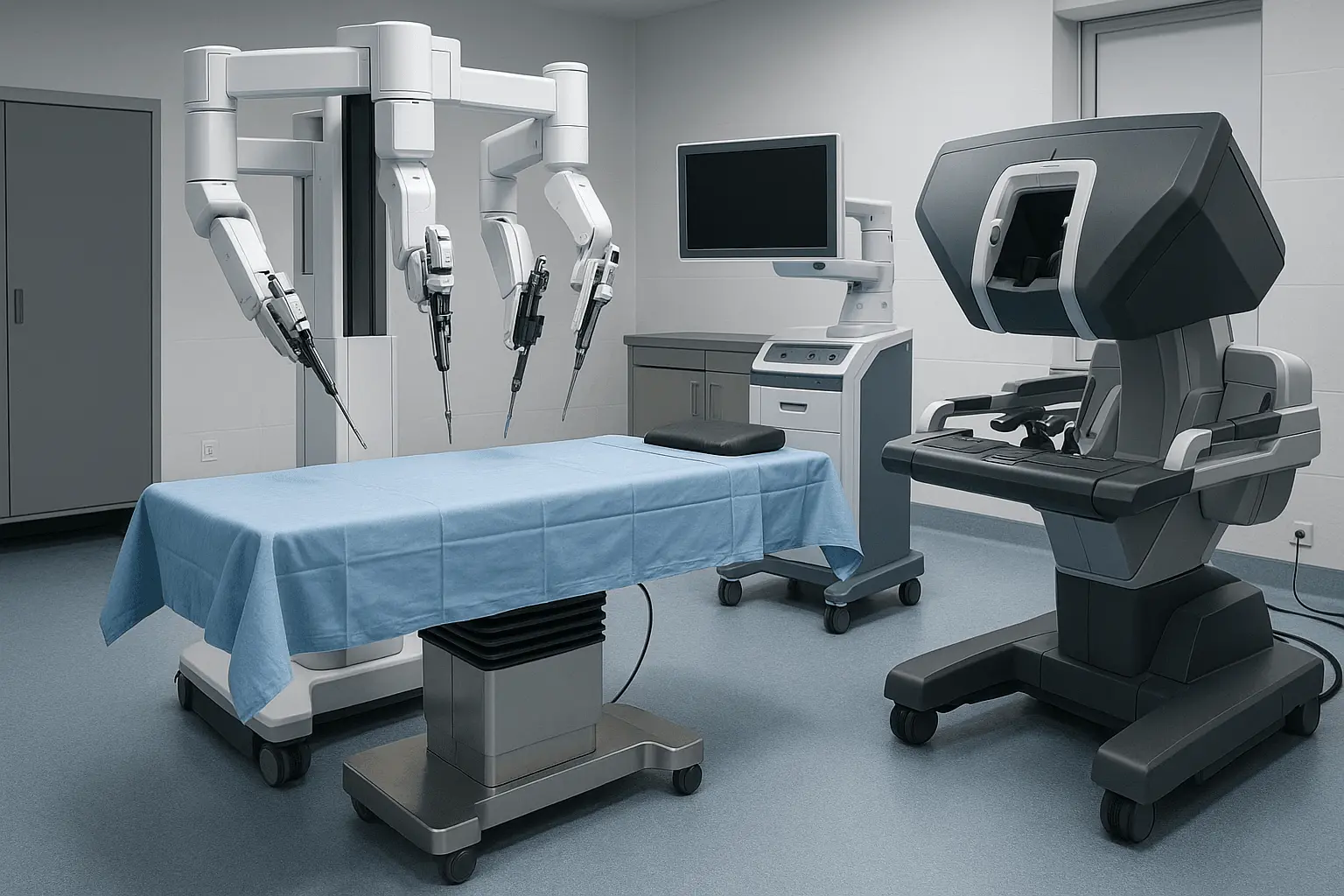
The robotic surgery angle is where things get really interesting. Hospitals dropped serious cash on these systems and need surgeons who can actually use them. Master the technology, and you can add $50K-$100K to your annual take-home while positioning yourself for future technological advances.
Hospital jobs are like training wheels for NYC - they keep you stable while you figure everything out. The guaranteed salary is nice, especially when you're starting out and have no idea how much money you'll actually need to survive here.
Major NYC hospital systems compete aggressively for orthopedic talent, often offering comprehensive packages that include malpractice coverage, benefits, and administrative support. The trade-off involves limited upside potential compared to private practice.
HSS consistently ranks among U.S.News and World Report's top hospitals for orthopaedics and rheumatology according to Hospital for Special Surgery, demonstrating the prestige and career advancement opportunities available through major NYC hospital employment.
The downside? You'll watch private practice guys making twice what you make while working fewer hours. It stings, but not as much as going bankrupt trying to start your own practice before you're ready.
Private practice is where the real money is, but it's also where surgeons go to lose their minds and their savings. Those partnership buy-ins of $150K-$500K? That's just the entry fee. Then you get to discover all the hidden costs nobody mentioned.
I know a guy who bought into a practice for $300K, thinking he'd made it. Two years later, he's working 80-hour weeks, stressed about payroll, and wondering why he didn't just stay employed. The money's there, but so is everything else that comes with running a business.
Successful private practices in NYC can generate substantial profits, but they also require business acumen beyond surgical skills, significant capital investment, and tolerance for financial variability.
Academic medicine pays less - let's just get that out there. But if you're into research, teaching, or just want to work with the smartest people in the field, it's worth considering.
The base salary might be $100K less than private practice, but you get other perks: research funding, speaking opportunities, and the kind of professional credibility that opens doors. Plus, the cases you see at places like NYU or Columbia are often the most challenging and interesting.
Many academic surgeons supplement their income through consulting, medical device relationships, and expert witness work that leverages their institutional credibility.

Manhattan is where you go to make the most money and spend the most money. That 10-20% premium over other boroughs is real, but so are the costs. Everything costs more - rent, food, parking, even your dry cleaning.
Upper East Side and Midtown locations often pay premiums due to affluent patient demographics and premium facility costs. These positions typically require extensive experience and subspecialty training. The patient population expects concierge-level service, and the competition among practices is intense.
For surgeons considering Manhattan practice locations, understanding the broader financial landscape is crucial, similar to how professionals evaluate Manhattan housing costs when planning their overall budget in the city's most expensive borough.
Brooklyn and Queens are where smart surgeons go to actually build wealth. The pay is still excellent - often 90% of Manhattan rates - but your cost of living drops dramatically.
I know surgeons in Brooklyn who own actual houses with yards. In Manhattan, that same money gets you a nice one-bedroom apartment and a view of another building. The patients are often more appreciative too, instead of treating you like expensive hired help.
The orthopedic surgeon salary in new york remains competitive across all boroughs, with outer borough practices offering attractive compensation packages while providing better work-life balance and stronger community connections.
This is where you go when you want NYC money without NYC stress. The compensation often matches Manhattan, but you can actually have a life outside the hospital.
The commute can be rough, but when you're making $700K and living in a real house with a driveway, it's worth it. These markets serve wealthy suburbanites who want the best care but with less attitude than Manhattan patients.
Many surgeons find these locations provide the best of both worlds—access to NYC's medical resources and referral networks while avoiding the city's intensity and cost pressures.
That extra year of fellowship training can literally be worth millions over your career. Sports medicine fellows often see immediate salary bumps of $75K-$150K, and that's before you factor in all the additional opportunities.
But here's the thing nobody tells you: you'll be broke for an extra year while your non-fellowship friends are making real money. The ROI is there, but you better be prepared for another year of ramen dinners.
NYC's sports medicine market extends beyond professional teams to include elite fitness centers, performance training facilities, and a population that prioritizes active lifestyles.
Spine fellowship is probably the best financial decision you can make in orthopedics. That $100K-$200K immediate salary bump is just the beginning. Spine surgeons have job security because most people are too scared to do what you do.
The downside? You'll be dealing with some of the most complex, high-risk cases in medicine. The money's great, but the stress and liability are real.
Advanced techniques including minimally invasive spine surgery, complex deformity correction, and revision procedures all command premium rates.
Joint replacement fellowship is more variable, but with the aging population and robotic surgery revolution, it's becoming increasingly valuable. The key is getting into a high-volume program that teaches you the latest techniques.
Dr. Michael Rodriguez completed a joint replacement fellowship at HSS and transitioned to a high-volume practice in Manhattan. His fellowship training in complex revision techniques and robotic surgery allowed him to command a $125,000 premium above general orthopedic rates, with additional income from proctoring new surgeons on robotic systems adding another $40,000 annually.
The emergence of robotic-assisted surgery and patient-specific instrumentation creates additional value for fellowship-trained joint replacement surgeons.

Partnership tracks are basically 3-7 years of proving you're not an idiot while generating serious revenue for the practice. It's like a really expensive, really long job interview where you do all the work but get none of the profits.
The timeline varies, but expect to be evaluated on everything from surgical volume to how well you get along with the office staff. Politics matter as much as surgical skills. Partnership evaluation typically involves multiple factors beyond surgical volume, including patient satisfaction, referral generation, and contribution to practice culture.
Those $150K-$500K buy-ins are just the beginning. You'll also need money for equipment, marketing, and about six months of living expenses while you build your patient base.
I know a surgeon who borrowed $400K for his buy-in, thinking it would pay for itself quickly. Three years later, he's still paying it off and wondering if employment wasn't such a bad deal after all.
Understanding major financial commitments in NYC requires careful budgeting, similar to how professionals must consider hidden costs in NYC salary calculations when evaluating their overall financial position.
Many practices offer financing assistance or graduated buy-in structures to help associates transition to partnership. However, you should conduct thorough due diligence, including financial audits and legal review, before making partnership commitments.
Partnership structures are like snowflakes - no two are exactly alike, and they're all cold when you first touch them. Some practices offer equal partnerships, others have complex tiers based on productivity, seniority, or how much the senior partners like you.
Partnership equity structures vary significantly among NYC practices, with some offering equal partnerships while others maintain tiered systems based on productivity, seniority, or capital contribution. Some practices offer profit-sharing arrangements without full equity participation, providing financial benefits while limiting decision-making authority.
Read everything twice, get a lawyer who understands medical practices, and remember that the people offering you partnership aren't necessarily your friends - they're business partners.
Here's the "holy crap" moment nobody prepares you for: malpractice insurance in NYC costs $75K-$150K per year. That's more than most people's entire salary, and it's money you'll never see again.
Spine surgeons pay the most because, let's face it, spine surgery is risky and lawyers love going after surgeons with deep pockets. It's like paying for a luxury car every year, except the car is actually just protection from people who want to sue you.
These costs significantly impact your take-home pay and require careful budgeting. Understanding these costs and implementing comprehensive risk management protocols can help control long-term insurance expenses.
Manhattan office rent will make you cry. I know practices paying $30K per month for space that wouldn't impress anyone in Cleveland. Add staff salaries (because everyone in NYC expects to be paid like they're working in Manhattan), equipment costs, and insurance, and you're looking at overhead that would fund a small hospital elsewhere.
Equipment costs, particularly for advanced surgical systems and imaging technology, require significant capital investments that affect practice profitability. Many practices lease equipment or participate in shared ownership arrangements to manage these expenses.
The tax situation in NYC is brutal. Federal, state, and city taxes can eat up 45-50% of your income before you even think about living expenses. That $600K salary? You're taking home maybe $320K after taxes.
Here's what nobody tells you: you need a good accountant more than you need a good surgeon. Tax planning can save you tens of thousands annually, but most doctors are too busy to figure it out themselves.
The Real Take-Home Reality
Let's say you're making $600K. Sounds amazing, right? Here's your reality check:
NYC Orthopedic Surgeon Tax Burden Breakdown
|
Income Level |
Federal Tax |
NY State Tax |
NYC Tax |
Total Tax Rate |
Take-Home Pay |
|
$450,000 |
32% |
8.82% |
3.88% |
44.7% |
$248,850 |
|
$600,000 |
35% |
8.82% |
3.88% |
47.7% |
$313,800 |
|
$750,000 |
37% |
8.82% |
3.88% |
49.7% |
$377,250 |
High earners face additional Medicare taxes, net investment income taxes, and potential alternative minimum tax implications. Working with tax professionals who understand physician finances can save tens of thousands annually through proper planning and deduction optimization.

Good health insurance in NYC can save you $30K-$50K annually, which is real money even on a surgeon's salary. Family coverage is especially valuable because everything medical in this city costs a fortune.
The irony isn't lost on me that doctors often have terrible health insurance, but that's the reality of employment vs. private practice trade-offs. Premium plans often include coverage at NYC's top hospitals where you'll likely receive your own care.
You can't save your way to retirement on NYC expenses alone - you need to be aggressive about investing. Max out everything: 401(k), backdoor Roth IRA, and anything else your accountant suggests.
The good news? High income means you can save serious money if you're disciplined. The bad news? Most surgeons are too busy to pay attention to their finances until it's almost too late.
Many practices offer profit-sharing contributions or defined benefit plans that can add substantial value to your compensation package. Understanding vesting schedules and contribution limits helps you optimize these benefits for maximum long-term value.
CME allowances might seem minor, but conferences and training courses can cost $10K+ annually. When your practice pays for it, that's money you can invest instead of spending on your education.
NYC's proximity to major medical centers means you have incredible educational opportunities, but they all cost money. Many practices provide substantial CME budgets, conference travel allowances, and sabbatical opportunities that enhance your professional development while providing tax-advantaged benefits.
Numbers don't lie, and in NYC, you better have the numbers to back up your salary demands. Track everything: case volumes, complication rates, patient satisfaction scores, and outcomes data.
Successful salary negotiations require comprehensive documentation of your clinical outcomes, patient satisfaction scores, and quality metrics. NYC's competitive market rewards surgeons who can demonstrate measurable excellence in patient care.
Maintaining detailed records of surgical complications, readmission rates, and patient-reported outcomes provides powerful negotiation leverage.
Know your worth in dollars and cents. If you're generating $2.8 million in revenue annually, you better be getting paid accordingly. Most surgeons are terrible at tracking this stuff, which puts them at a disadvantage in negotiations.
Understanding your contribution to practice revenue through case volume, procedure complexity, and ancillary services helps establish your market value. Tracking your referral patterns, patient retention rates, and contribution to practice growth demonstrates your value beyond surgical skills.
Dr. Jennifer Park documented her annual contribution to her Manhattan practice: 450 surgical cases generating $2.8 million in revenue, 85% patient satisfaction scores, and a 15% increase in referrals from primary care physicians. This comprehensive data package supported her successful negotiation for a $150,000 salary increase and accelerated partnership track.
Base salary is just the beginning. Call schedules, vacation time, CME allowances, and non-compete clauses can make or break your quality of life.
Non-compete clauses in NYC are particularly nasty because the medical community is small and everyone knows everyone. Make sure you understand what you're signing. These clauses can be particularly restrictive in NYC's dense medical market, affecting geographic limitations, duration, and enforcement likelihood.
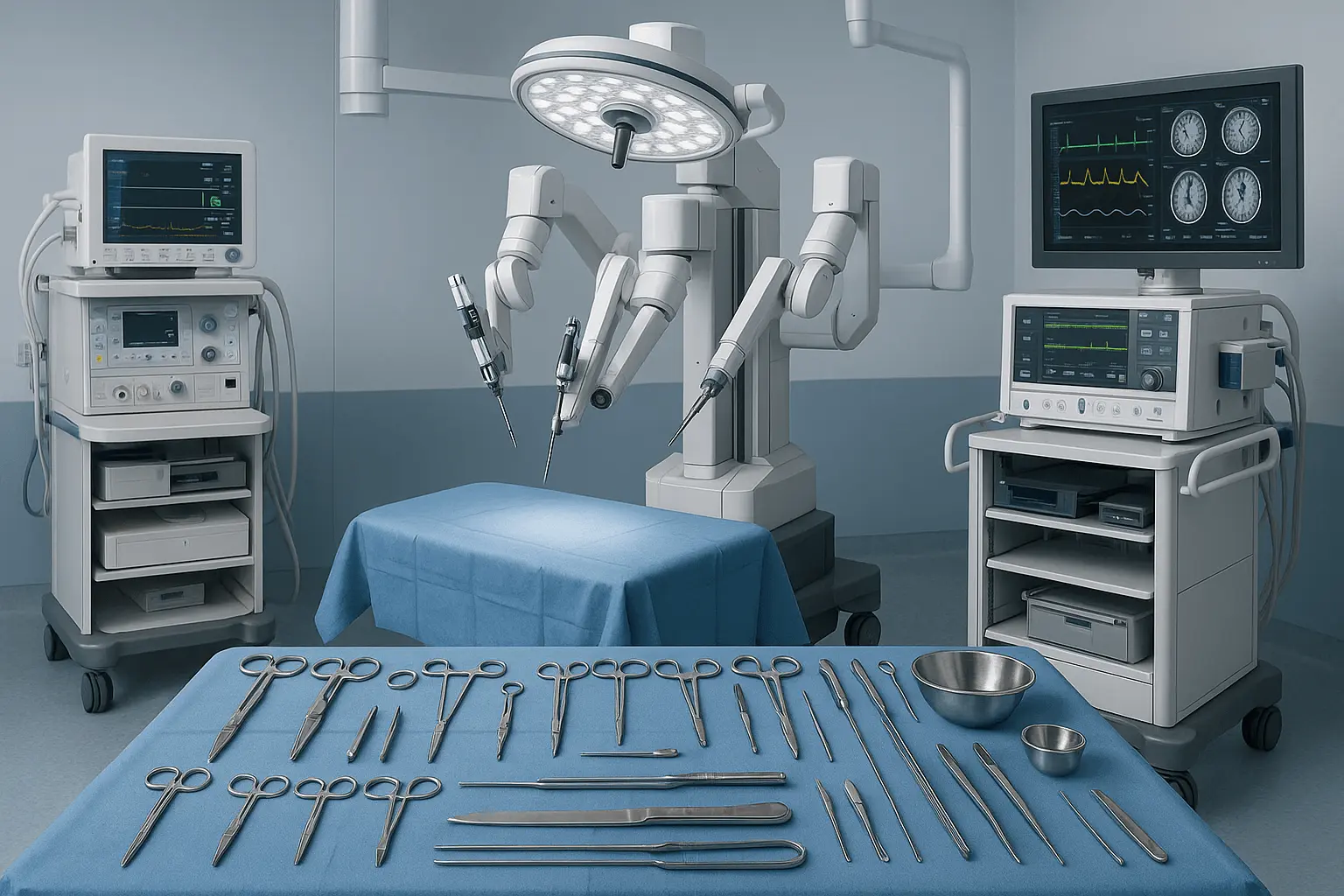
Robotic surgery is the future, and the future is now. Hospitals spent millions on these systems and need surgeons who can actually use them effectively. Master the technology, and you can add $50K-$100K to your annual income.
The learning curve is steep, but early adopters are reaping the financial rewards. Plus, patients love the idea of robotic surgery, even if the outcomes aren't dramatically different.
Robotic-assisted joint replacement and spine surgery represent the future of orthopedic surgery. Early adoption and proficiency development position you for premium compensation and career advancement opportunities.
AI tools are becoming standard practice, and surgeons who embrace them early are seeing better outcomes and higher efficiency. Better outcomes mean fewer complications, which means lower malpractice risk and happier patients.
Understanding and implementing AI-assisted diagnostics can improve your diagnostic accuracy, reduce revision rates, and enhance patient satisfaction. These improvements translate directly into better compensation negotiations and practice success.
Post-COVID telemedicine has become a legitimate revenue stream. Virtual follow-ups and consultations can add $25K-$50K annually while reducing your overhead costs.
The key is developing efficient systems that don't make you feel like you're working from a call center. Developing efficient virtual consultation protocols allows you to see more patients while reducing overhead costs.
Healthcare is shifting toward paying for outcomes rather than volume, which actually benefits good surgeons. Quality-focused practices are seeing bonus payments of 10-15% on top of base compensation.
The surgeons who adapt early will thrive; those who resist change will struggle. Bundled payment models reward surgeons who achieve superior outcomes with lower complication rates.
Infection rates, readmission rates, and patient satisfaction scores directly impact your compensation in value-based models. Investing in quality improvement isn't just good medicine - it's good business.
Excelling at quality metrics including surgical site infection rates, readmission rates, and patient satisfaction scores becomes increasingly important for compensation optimization. Implementing comprehensive quality improvement programs and patient safety protocols improves patient care while positioning you for premium compensation.
The learning never stops, and in NYC, you're competing with some of the best surgeons in the world. Regular conference attendance, hands-on training, and staying current with emerging techniques aren't optional - they're survival skills.
The investment pays off. Surgeons who stay ahead of the curve command premium compensation and have more career options.
NYU Langone has 10 specialties ranked among the top 10 in the nation according to U.S. News & World Report according to NYU Langone Orthopedic Hospital, demonstrating the caliber of educational and professional development opportunities available to orthopedic surgeons practicing in NYC's premier medical institutions.

Look, being an orthopedic surgeon in NYC is exhausting. Between 12-hour days in the OR, demanding patients, and trying to maintain some semblance of work-life balance, the last thing you want to deal with is apartment hunting or figuring out where to network.
Building a successful orthopedic practice demands clinical excellence alongside strategic networking and stress management. The demanding nature of complex surgeries, long hours, and high-stakes decision-making requires outlets that help you maintain peak performance.
That's where having the right support system matters. You need connections with people who get it - other high-performers who understand the pressure of making life-or-death decisions and dealing with the stress that comes with this career.
For orthopedic surgeons transitioning to NYC, finding the right living situation is crucial for work-life balance, much like how other medical professionals benefit from specialized housing solutions for medical professionals that understand the unique demands of healthcare careers.
Finding housing that actually works for your schedule, connecting with other professionals who don't think you're crazy for working 80-hour weeks, and having access to experiences that help you decompress - these aren't luxuries, they're necessities for maintaining your sanity and performance.
When you're pulling down serious money but have zero time to enjoy it, having someone else handle the details means you can focus on what you do best: being an exceptional surgeon. The focus on community and professional development aligns perfectly with busy medical professionals who need high-quality experiences without excessive time commitments.
Here's the bottom line: orthopedic surgery in NYC can make you wealthy, but it's not a get-rich-quick scheme. The money is real - $450K-$750K is serious cash - but so are the costs, the stress, and the competition.
Recent data shows that physicians' total compensation rose an average of 3.6% in 2024 according to The White Coat Investor, indicating that orthopedic surgeons in NYC's premium market are well-positioned to benefit from these national compensation trends while commanding higher absolute salaries.
You'll work harder than you ever imagined, deal with patients who expect perfection, and navigate a healthcare system that's constantly changing. But if you're good at what you do and smart about your career choices, you can build serious wealth while practicing at the highest levels of medicine.
The key is going in with your eyes open. Understand the real costs, plan for the taxes, invest in your education, and don't let lifestyle inflation eat all your gains. NYC will test you, but it will also reward you if you're prepared for the challenge.
For medical professionals considering the move to NYC, understanding the complete financial picture is essential, similar to how other healthcare workers must evaluate the real cost of living in NYC before making career transitions to America's most expensive medical market.
Success in this market requires more than surgical expertise—you need comprehensive understanding of practice economics, negotiation skills, and long-term strategic planning. The surgeons who thrive in NYC combine clinical excellence with business acumen and strategic thinking that maximizes their earning potential while maintaining work-life balance.
Most importantly, remember why you became a surgeon in the first place. The money is great, but the real satisfaction comes from changing lives and solving problems that nobody else can solve. In NYC, you'll get to do that at the highest level possible.
The city is expensive, demanding, and unforgiving. It's also the place where you can reach your full potential as a surgeon and build the kind of career you dreamed about in medical school. Just make sure you're ready for everything that comes with it.

Household supplies can be changed or decreaased at Outpost Club’s discretion, or based on supply availability. Outpost is not responsible for temporary losses of utility service. Outpost Club is not responsible for any damages due to absence of any supplies or utilities


If you have a sales related question please call
680-688-7678

 Hot Deals