BCBA Salary NYC: What Board Certified Behavior Analysts Really Earn in the Big Apple
Jan 5, 2026

Jan 5, 2026
Look, let's cut through the corporate speak here. If you're thinking about working as a BCBA in New York City, you're probably wondering one thing: "Can I actually afford to live here?"
The short answer? Yeah, you probably can - but it's going to be tight at first.
Most BCBAs I know in the city are pulling in somewhere between $75,000 and $120,000 a year. The sweet spot seems to be around $90,000, which honestly isn't bad for a healthcare job that doesn't require a medical degree. But here's the thing - that $90K goes a lot further in Buffalo than it does in Brooklyn.
According to ABC Achieve, the average BCBA salary in New York hit approximately $97,000 annually in 2025, with hourly rates typically falling between $45 and $55, translating to weekly pay of about $1,865 for full-time roles. This isn't some random market fluctuation - there's real demand for qualified behavior analysts in one of the country's most competitive healthcare markets.
Here's something that'll blow your mind: where exactly you work in the city can swing your salary by $20,000 or more. Those fancy private schools on the Upper East Side? They're throwing money at qualified BCBAs. Meanwhile, that community center in Queens might offer you $15K less but give you benefits that are actually worth something.
I have a friend who works for the school system in Manhattan - she's making bank, but her commute from Astoria is killing her soul (and her wallet). Another buddy took a "lower" paying job in Brooklyn but walks to work and saves $200 a month on subway costs. Do the math on what actually works for your life.
Private practice is where the real money is, if you can handle the uncertainty. We're talking $100-150 an hour for direct services. But good luck getting 40 hours of billable time every week.
For professionals considering the broader financial picture, understanding the average salary in NYC provides crucial context for making informed career decisions.
The UFT salary differential system shows how educational professionals can earn substantial salary increases through additional certifications and credits, with differentials adding thousands of dollars annually to base salaries - a model that influences BCBA compensation structures in NYC school systems.
|
Work Setting |
Salary Range |
Benefits Level |
Growth Potential |
|
Private Practice |
$100,000-$150,000 |
You're on your own |
High |
|
School Districts |
$85,000-$120,000 |
Actually pretty good |
Structured |
|
Healthcare Systems |
$80,000-$110,000 |
Solid coverage |
Moderate |
|
Community Organizations |
$75,000-$95,000 |
Decent |
Limited |
Okay, here's some good news that'll make you feel better about those student loans: your salary jumps fast in this field. Like, really fast.
When you're fresh out of school, expect something in the $70,000-$80,000 range. I know that sounds scary when you're looking at $3,000 rent prices, but stick with me. After about five years of not screwing up, you'll probably be looking at six figures. I've watched people go from $72K to $130K in less than six years just by being decent at their job and switching companies strategically.
Here's the thing about working as a BCBA - you learn fast, and your paycheck reflects it. The clinical experience you gain in those first few years is worth its weight in gold, and employers know it.

Alright, new grads - this section's for you. First off, breathe. You're going to be fine.
Your first BCBA job is probably going to pay between $70,000 and $85,000. I know that feels like a huge range when you're trying to figure out if you can afford a studio apartment that's bigger than a closet, but where you land depends on a few things.
School districts love their structured pay scales. You'll know exactly what you're making and when you'll get raises. Private companies are more of a wild card - they might lowball you, or they might surprise you with performance bonuses that actually matter.
ABC Achieve research shows entry-level BCBAs in New York can see a 20-30% salary increase within the first two years through gaining supervised experience and specializing in high-demand areas like early intervention. Understanding the broader real cost of living in NYC is essential when evaluating these starting offers.
Here's what nobody tells you: that first job isn't really about the money. It's about getting the experience that'll let you demand real money later. I've seen too many people chase an extra $5K starting salary and end up at places where they learned nothing useful.
My friend Sarah started at some autism center in Brooklyn making $72,000. Eighteen months later, she specialized in early intervention and jumped to a Manhattan practice for $95,000. That's a 32% raise for basically learning one specific thing really well.
Most entry-level positions have you doing direct client work under supervision. Within 3-5 years, you'll have shots at senior clinician, supervisor, or program director roles. Smart BCBAs use these initial positions strategically - as stepping stones to private practice or specialized roles in autism centers, hospitals, or research institutions.
Think about where you want to be in five years, not just where you want to live next month.
Real Talk Career Planning:
This is where it gets interesting. A lot of BCBAs work hourly, especially if you're doing contract work or private practice. Staff positions usually pay $45-65 per hour, but contractors can pull $75-125. Evening, weekend, or in-home services often bump that up another 20-30%.
Sounds great, right? Well, hold up.
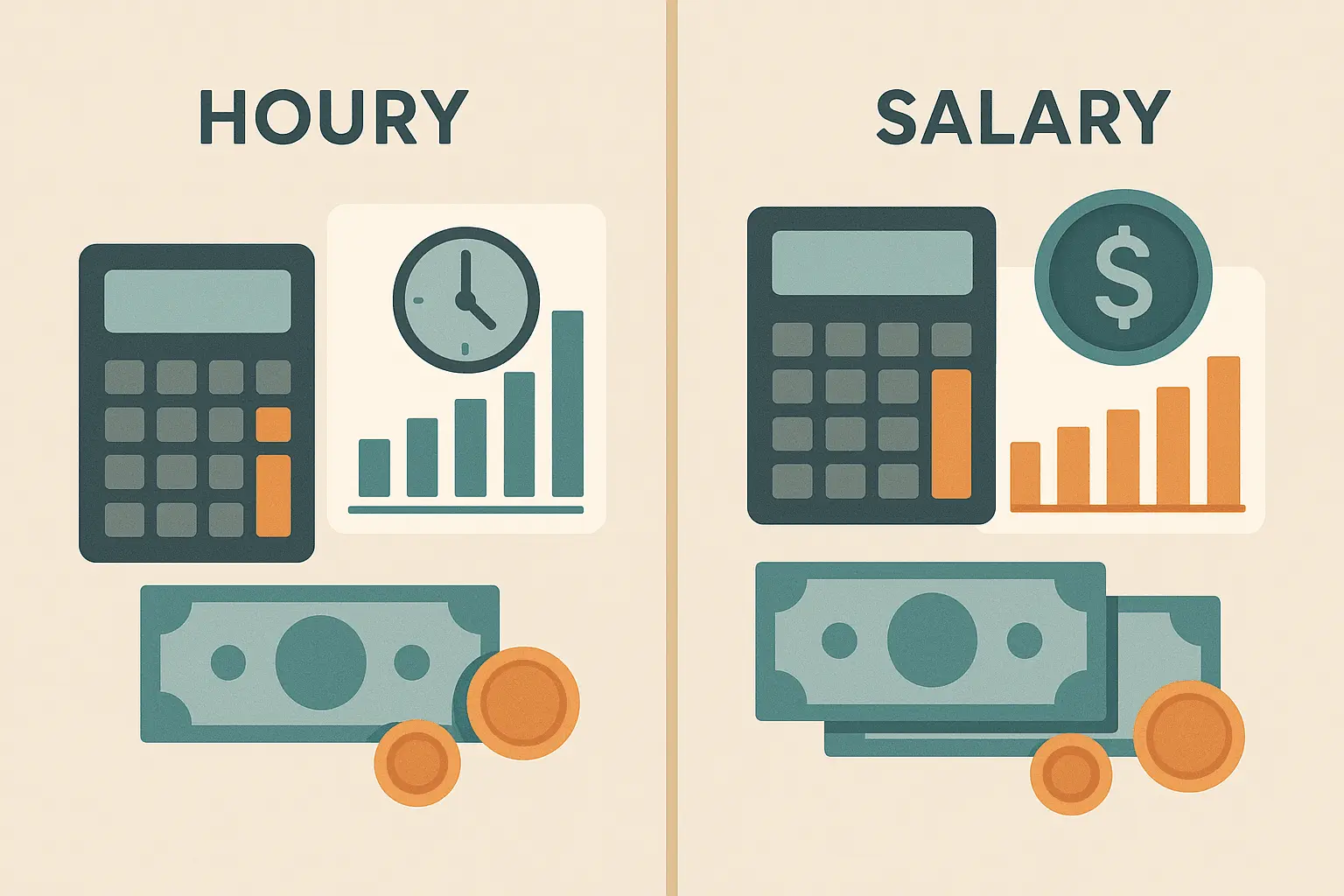
When you're hourly, you're not getting paid for all those notes you have to write. Or the team meetings. Or the time you spend stuck in traffic between clients. My buddy Mike learned this the hard way - his $95/hour rate looked amazing until he realized he was working 45 hours a week to bill 35. When he calculated his true hourly rate at $68/hour, that salaried position with benefits started looking pretty sweet.
Contract positions throw higher hourly rates at you, but you're missing out on benefits that are worth about 25-35% of your base salary. Health insurance, paid time off, retirement contributions - that stuff adds up fast. When you actually do the math, total compensation often evens out between contract and employee positions.
If you're thinking about contract work, make sure you're really doing the math. Yeah, the hourly rate is higher, but you're buying your own health insurance and you don't get paid vacations.
|
Employment Type |
Base Rate |
Benefits Value |
Total Compensation |
Flexibility |
|
Full-Time Employee |
$50-65/hour |
25-35% of salary |
$78,000-$105,000 |
You're stuck |
|
Contract Worker |
$75-125/hour |
You pay for it |
$78,000-$130,000 |
Total freedom |
|
Part-Time Employee |
$45-60/hour |
Maybe some |
$47,000-$62,000 |
Some flexibility |
Most BCBA positions expect 25-35 billable hours weekly, plus additional time for documentation, treatment planning, and meetings. This seriously affects your actual hourly pay and work-life balance.
Pro tip: Always ask about productivity requirements upfront. Trust me on this one. A lower hourly rate with reasonable billable hour requirements might beat a higher rate with impossible productivity demands.
New York consistently ranks among the top-paying states for BCBAs, right up there with California, Massachusetts, and Connecticut. When you look at BCBA salaries state by state, the NYC premium typically adds $15,000-25,000 to base salaries compared to upstate New York or neighboring states.
But here's the catch - that higher salary doesn't always mean you're actually better off.
According to Applied Behavior Analysis Education, New York ranks 9th nationally with an average BCBA salary of $87,276, while the national average stands at $85,571 per year based on ZipRecruiter data from July 2023.
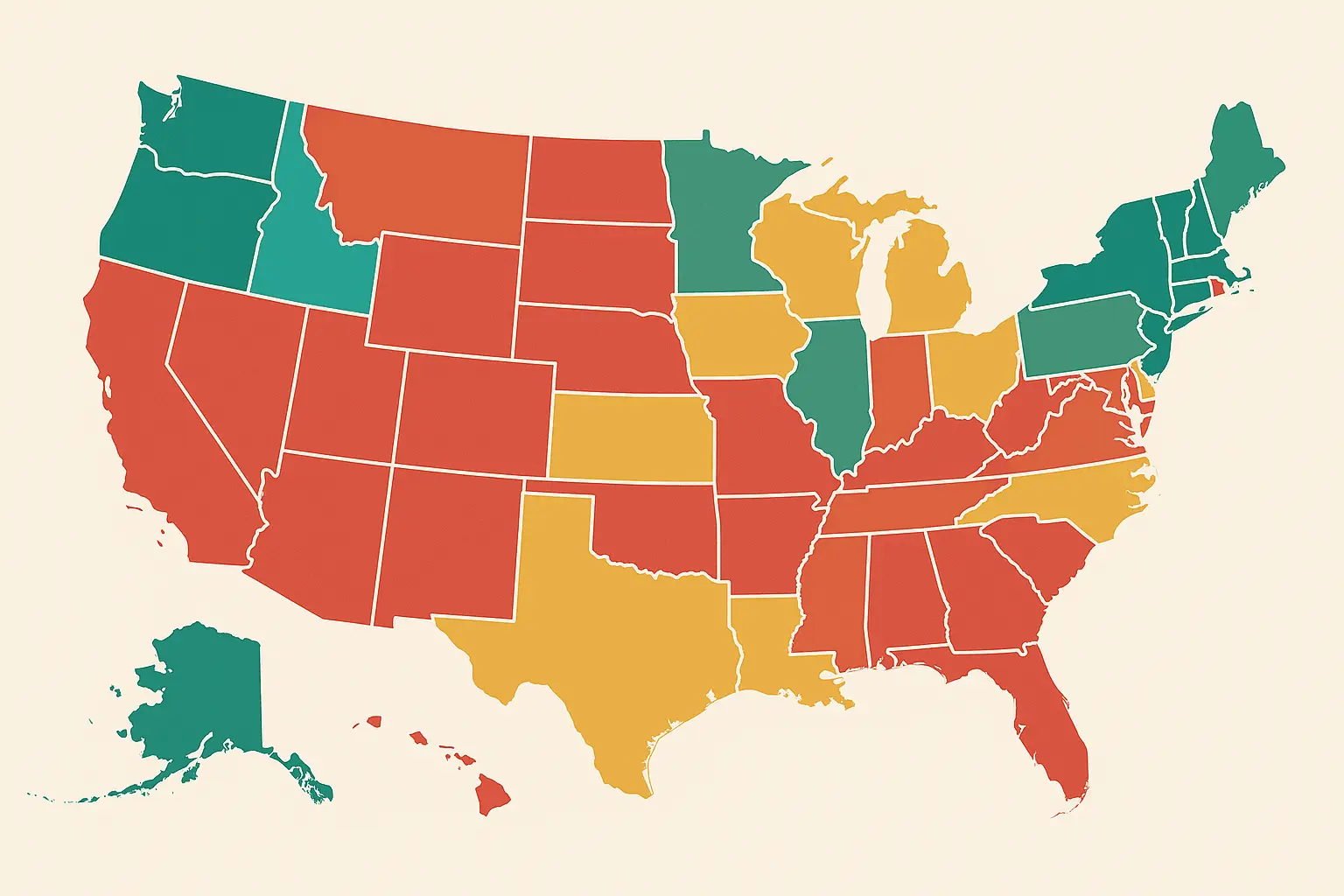
Here's the deal: that $90,000 salary in NYC? It spends like $65,000 in most other cities. Your rent alone is going to eat up 40-50% of your paycheck in Manhattan. In Cleveland, you'd probably spend 25% on housing and have money left over for things like... I don't know, food and entertainment.
This makes choosing where to work pretty complicated for new graduates. You're not just picking a job - you're picking a lifestyle and financial reality. For those considering the move, our NYC salary calculator breaks down the hidden costs that could impact your financial planning.
Here's something smart people figured out: BCBAs licensed in New York can often practice in neighboring states through reciprocity agreements. Some BCBAs live in New Jersey and commute in for the higher NYC salaries. Others use telehealth to serve clients across state lines while living somewhere they can actually afford a decent apartment.
Understanding salary variations by state helps you make strategic decisions about where to live versus where to work.
If you're currently working as an RBT making $18-25 an hour, getting your BCBA is probably the best financial decision you'll ever make. We're talking about doubling or tripling your salary - that's not marketing hype, that's real math.
Yeah, grad school sucks and costs money. And yeah, getting those supervision hours is a pain. But do the math - most people I know paid off their BCBA education within two or three years just from the salary jump.
When you compare ABA therapist salaries to BCBA compensation, the investment in graduate education and supervision hours typically pays for itself within 2-3 years of BCBA practice.
Here's a bonus nobody talks about enough: once you're a BCBA, you can make extra money supervising other people working toward their certification. We're talking $75-100 per hour for RBT supervision or BCBA supervision for certification candidates. Training contracts with organizations can bring in another $500-2,000 per event.
My friend Jennifer makes $105,000 at her regular job, but pulls an extra $18,000 yearly doing weekend supervision sessions and quarterly training workshops. That's a 17% income boost without changing her main job.
Want to make the real bucks? Get really good at something specific that scares other BCBAs.
Early intervention BCBAs (working with kids under 3) are in huge demand and can basically name their price. Same with people who work with really complex behavioral cases. If you can handle the tough stuff that makes other professionals nervous, organizations will pay you accordingly.
The real money is in organizational behavior management - BCBAs who work with corporations instead of individual clients. These folks are making $120,000-$180,000 because they're applying behavior analysis to workplace productivity and organizational effectiveness. It's a totally different world, but the paychecks are insane.
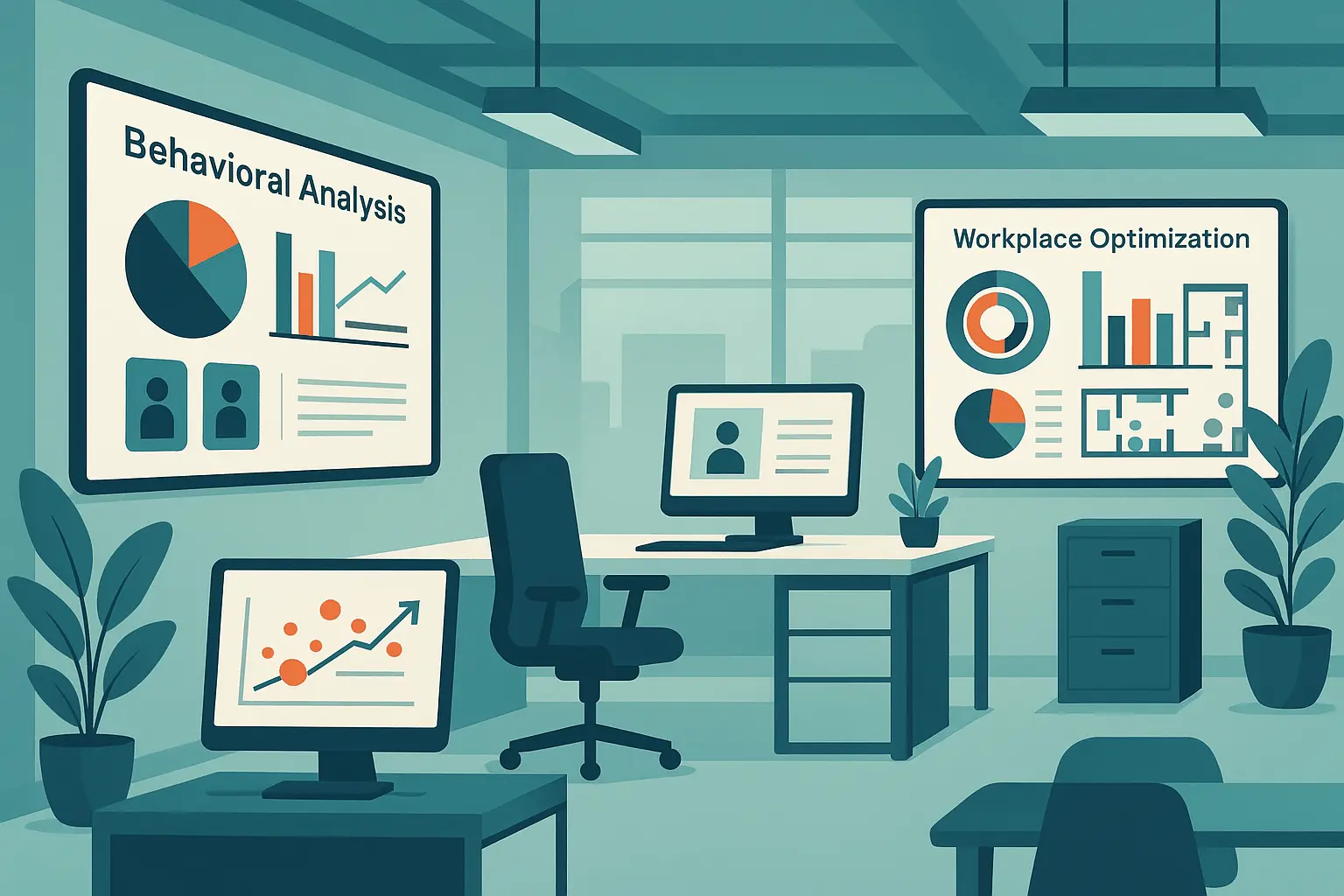
Figure Out Your Specialization Game Plan:
University-affiliated BCBAs combine clinical practice with research, typically earning $85,000-$110,000 in academic settings plus consulting income on the side. Research positions might offer lower base salaries but provide intellectual stimulation, flexible schedules, and grant funding opportunities.
The academic path isn't just about money - it's about contributing to the field's knowledge base while maintaining clinical practice. Plus, the benefits are usually pretty solid.
BCBAs working within major hospital systems or integrated healthcare networks get comprehensive benefits packages including medical coverage, retirement matching, and continuing education funding. These benefits add serious value beyond base salary. The stability and resources of large healthcare systems can be particularly attractive if you're looking for long-term career security instead of constantly job-hopping.

Here's why your salary will probably keep going up: expanded autism insurance mandates have increased demand for BCBA services, driving salary growth of 8-12% annually in major metropolitan areas. Private insurance reimbursement rates directly influence how much organizations can pay BCBAs - higher-reimbursing plans let them offer more competitive compensation.
This trend shows no signs of slowing down, which is good news for your earning potential.

Telehealth capabilities that exploded during COVID-19 have created totally new service delivery models. BCBAs can now serve clients across broader geographic areas and potentially increase hourly productivity. This tech shift might actually flatten geographic salary differences as remote supervision becomes more accepted.
The ability to work remotely opens up new possibilities for work-life balance and geographic flexibility that didn't exist five years ago.
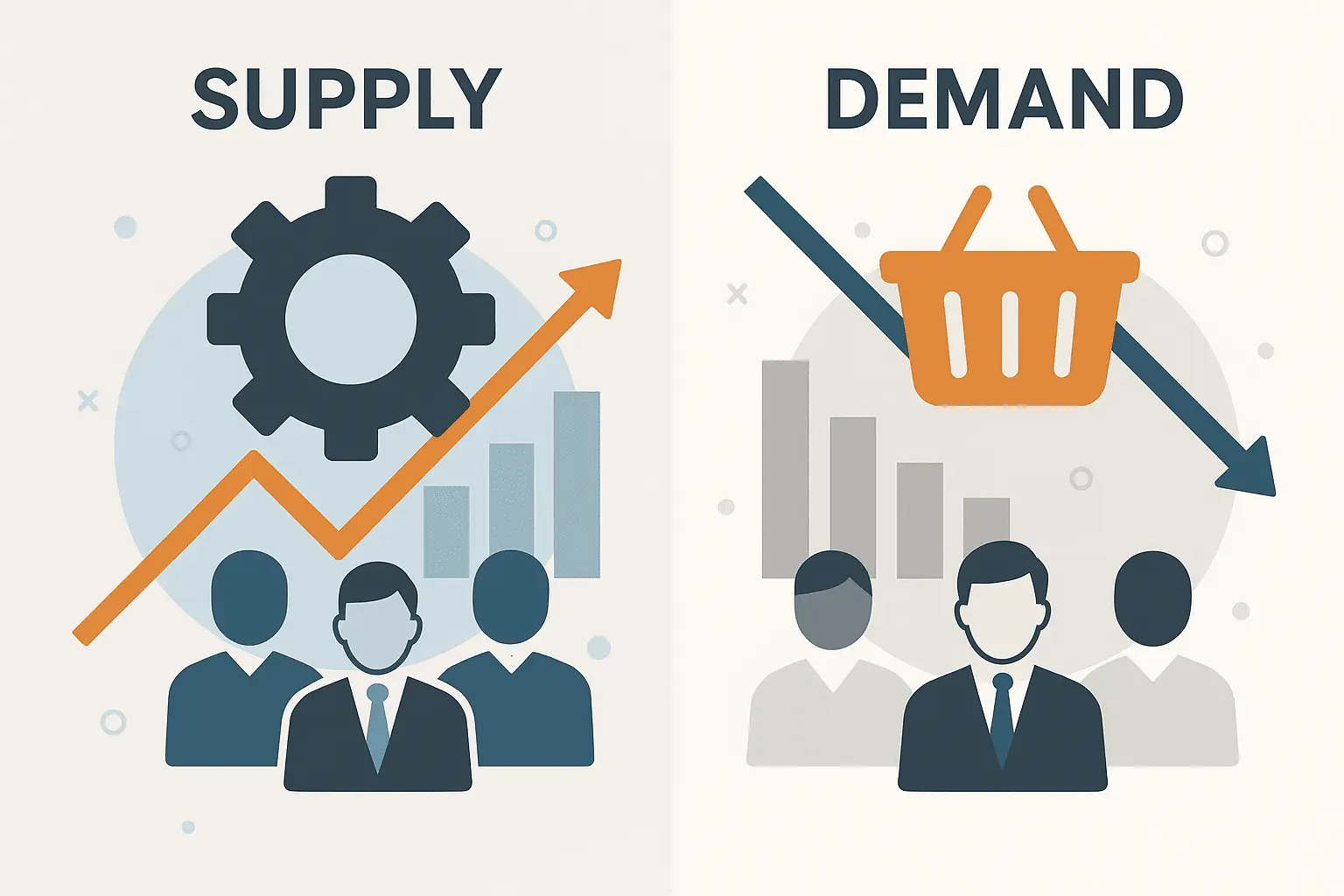
Here's why your salary will probably keep going up: there just aren't enough BCBAs to meet demand.
The growing gap between BCBA demand and supply continues driving salary increases, particularly in underserved areas. NYC's competitive market means organizations are basically competing for qualified BCBAs, which drives up salaries. I've seen signing bonuses, student loan repayment programs, all kinds of incentives that would have been unthinkable a few years ago.
This supply-demand imbalance is working in your favor big time, both now and for the foreseeable future.
Look, working as a BCBA in NYC isn't just about the job - it's about figuring out how to have a life in one of the most expensive cities in the world.
The good news is that there's a pretty solid community of behavior analysts here. People get it - they understand the weird hours, the challenging cases, the stress of trying to afford rent on a helping profession salary. Professional communities matter tremendously in expensive markets like this.
Having access to networks of professionals who understand the unique challenges of practicing in NYC provides both career opportunities and practical support for navigating city life. The financial pressures of urban practice can significantly impact your career trajectory and overall well-being if you don't have the right support system.
For those considering moving to New York, understanding the housing landscape is crucial for career success. A lot of BCBAs end up finding that shared apartments in New York provide an ideal balance between affordability and professional networking opportunities, while communal living spaces in NYC offer structured environments that support career development.
It's not ideal having roommates when you're a healthcare professional, but it works, and you're usually living with other people who are in similar situations and understand the grind.

Here's the bottom line: being a BCBA in NYC can be financially rewarding, but you need to be smart about it.
The salaries are real - $75K to $120K+ is nothing to sneeze at, especially when you consider the rapid career progression possible in this field. The demand isn't going anywhere, and market forces continue working in BCBAs' favor through expanding insurance coverage, workforce shortages, and technological advances.
But this isn't a get-rich-quick scheme. You're going to work hard, the city is expensive, and some days you'll wonder if it's worth it. Most of the BCBAs I know who are happy here treated their first job as an investment in their future, not just a paycheck.
Whether you choose traditional employment, contract work, or eventually private practice, success requires strategic thinking beyond just the numbers. Consider your career trajectory, the type of work environment that suits you best, and how different compensation structures align with your personal and professional goals.
The field is growing, the money is getting better, and if you're willing to put in the work, you can build a pretty solid career. The foundation you build in NYC can support a rewarding and financially successful career in behavior analysis.
Just make sure you're doing it for the right reasons - because at the end of the day, you're going to be working with people who really need your help, and that has to matter to you beyond just the salary.

Household supplies can be changed or decreaased at Outpost Club’s discretion, or based on supply availability. Outpost is not responsible for temporary losses of utility service. Outpost Club is not responsible for any damages due to absence of any supplies or utilities


If you have a sales related question please call
680-688-7678

 Hot Deals