Dermatologist Salary NYC: What Top Earners Actually Make in America's Most Competitive Market
Jan 2, 2026
Jan 2, 2026
New York City is where the money really is for dermatology in the United States. What doctors are actually reporting shows total compensation ranging from $807,000 to $1,000,000 annually according to SalaryDr data from practicing dermatologists. You've got rich patients willing to pay top dollar, but your office rent will make you cry - that's the crazy pay scale that can make or break careers.
Look, the Big Apple doesn't mess around when it comes to paying dermatologists. I'm talking about earning potential that'll make your head spin, but honestly? The competition is absolutely brutal.
Manhattan's healthcare scene operates on another level entirely. Patients here don't just want good care - they expect the full concierege experience, the latest treatments, and they'll pay through the nose for it. This creates this wild environment where if you're good at what you do, you can charge fees that would seem completely insane anywhere else.
From what I've seen in the industry, "New York offers high demand and competitive pay (~$412K), with extensive urban patient populations", positioning the state as a premier destination for dermatology professionals seeking maximum earning potential.
It's kind of like how other high-earning professionals must navigate the city's unique compensation dynamics when they're thinking about making the move here.
The salary situation here isn't just supply and demand (though that's huge). There's all this stuff that comes together to create this compensation environment that can literally make or break your financial future.
Real estate costs alone will blow your mind. We're talking office rents over $100 per square foot annually in the good spots. But here's the thing - those premium Upper East Side or Midtown locations? They come with patients who can actually afford to pay premium prices.
The patient demographics change everything. When you've got this concentration of wealthy people, it creates demand for both medical and cosmetic services at price points that just don't exist anywhere else. Your basic consultation fee can be double what your colleagues are charging in other major cities.

Not all dermatology specialties are created equal here. Some areas just print money because of what NYC patients want.
Cosmetic dermatology is where the real money is. If you're doing aesthetics - Botox, fillers, lasers, body stuff - you're often looking at the highest profit margins. The demand among NYC's image-obsessed population is just insane.
Dermatopathology is another goldmine, especially when you can consult for all the hospitals and practices around here. Mohs surgery specialists also kill it because of how specialized and precise that work is.
Here's what might surprise you - pediatric dermatology actually pays really well. All these families who'll spend whatever it takes on their kids' healthcare creates this robust market for specialized pediatric skin stuff.
Your practice choice basically determines whether you'll be comfortable or wealthy. Each setup has its pros and cons that directly mess with your bank account.
Hospital jobs are the safest bet - you're looking at $350,000-$500,000 annually. You get benefits, malpractice coverage, admin support, but your upside is capped. It's security versus money, basically.
Private practice ownership is where the real money is - we're talking $600,000-$1,200,000+ if you know what you're doing. But man, the risk is real, you're running a business, and you need serious upfront cash.
Academic positions pay less ($300,000-$450,000) but you get research opportunities, maybe tenure, and usually better work-life balance. Lots of academic docs do consulting or part-time private work on the side.
|
Practice Model |
Salary Range |
Benefits |
Drawbacks |
|
Hospital Employment |
$350K-$500K |
Benefits, malpractice coverage, admin support |
Limited upside, less autonomy |
|
Private Practice Owner |
$600K-$1.2M+ |
Highest earning potential, full control |
High risk, capital requirements |
|
Academic Position |
$300K-$450K |
Research opportunities, tenure track |
Lower base salary, bureaucracy |
|
Multi-specialty Group |
$450K-$700K |
Shared resources, referral network |
Less independence, profit sharing |
These numbers might seem fake if you're coming from other markets, but this is actually what's happening in NYC dermatology right now.
The real data shows that in New York, "entry-level positions start at $653,500, while those with more than 10 years of experience earn a typical salary of $1,000,000 - a 53% increase", demonstrating the significant earning progression potential in this competitive market.
Fresh out of residency? You're probably looking at $280,000-$380,000 in employed positions. Sounds amazing compared to other specialties, but remember - you're moving to one of the most expensive cities on the planet.
If you did a fellowship, expect 15-25% more right off the bat. Mohs surgery fellowship? You're starting closer to $350,000-$400,000. Dermatopathology fellows see similar bumps, especially if you're joining practices that do a lot of consulting.
The learning curve here is steep, but so is the potential for quick salary growth. A lot of practices offer productivity bonuses that can add $50,000-$100,000 to your base if you can build your patient base fast.
I know someone who finished at Mount Sinai and immediately joined a Manhattan practice doing medical derm. Started at $320,000, negotiated a productivity bonus structure, and pulled in an extra $75,000 in year two just by hitting patient volume targets and keeping satisfaction scores high.
Once you've been around the block (5-15 years), things get really interesting. Employed dermatologists with solid track records are typically pulling $450,000-$700,000 annually, but this is where your decisions really start to matter.
Partnership opportunities usually pop up during this phase, and they can be total game-changers. Going from employee to partner often means total comp over $800,000-$1,000,000, assuming the practice isn't a mess.
Where you set up shop becomes huge during mid-career. If you've locked down prime locations and built strong referral networks, your patient volumes - and your revenue - can just explode during this period.

The top tier of NYC dermatologists is playing a completely different game. We're talking $1,200,000-$2,000,000+ annually, and some exceptional cases go way beyond that.
These high earners usually have multiple revenue streams going: established medical practices, high-volume cosmetic services, multiple locations, and they often employ other doctors. They've figured out the business side as much as the medical side.
What separates these peak earners? Usually it's a combo of prime locations, strong marketing presence, diverse services, and crazy good patient satisfaction that drives word-of-mouth referrals.
Here's where it gets really interesting. If you focus heavily on cosmetic procedures, you can see revenue increases of 60-80% compared to purely medical practices.
A typical cosmetic consultation might bring in $200-$500 immediately, compared to $150-$250 for medical consultations. But the real money is in procedures - Botox treatments ($400-$800), fillers ($600-$1,500), laser stuff ($500-$2,000+), and complex procedures that can generate thousands per session.
The key is building a rep for great aesthetic results. In NYC's image-obsessed market, word-of-mouth for cosmetic services can create waiting lists that stretch for months.
Recent data shows that "US physicians' total compensation rose an average of 3.6% in 2024, with overall physician compensation averaging $376,000", though NYC dermatologists usually crush these national averages because of the premium market here.
Success in NYC dermatology isn't just about being a great doctor - though obviously that's essential. You need to think like an entrepreneur, marketer, and business strategist all rolled into one.

Getting patients in NYC requires this multi-pronged approach that med school never teaches. The most successful practitioners dump 15-20% of their revenue into marketing and patient acquisition during their first five years.
Digital presence isn't optional anymore. Your online reputation, social media, search rankings - all of that directly impacts patient flow. A lot of successful NYC dermatologists work with specialized medical marketing firms to optimize their online stuff.
Insurance network decisions can make or break your growth. Getting in with premium plans like certain Blue Cross products gives you access to wealthy patients, while keeping some out-of-network services lets you charge premium prices for cosmetic stuff.
Patient Acquisition Checklist:
Building relationships with primary care docs, plastic surgeons, and oncologists creates those steady referral streams that successful practices are built on. This isn't just about being clinically good - it's about relationship building and staying in touch consistently.
Hospital affiliations often provide referral opportunities, especially for complex cases or specialized procedures. Many successful dermatologists maintain privileges at multiple hospitals to maximize their referral reach.
Getting involved in professional organizations pays off over time. Being active in dermatology societies, speaking at conferences, publishing research - all of that contributes to professional visibility that turns into referrals.
I know a guy who built his Upper East Side practice by systematically networking with 50 primary care physicians within 5 miles. He did monthly educational seminars on skin cancer prevention and sent personalized thank-you notes for every referral. His referrals went up 300% over three years.
Continuing education directly correlates with earning potential, especially in a market this competitive. Staying current with new treatments and tech isn't just about patient care - it's about maintaining your edge.
Fellowship training is one of the highest-ROI educational investments you can make. Mohs surgery fellowships typically result in $50,000-$100,000 salary premiums throughout your career. Dermatopathology training opens doors to consulting opportunities and academic positions with additional income streams.
Business education gets overlooked, but it's crucial for long-term success. Understanding practice management, financial planning, and marketing can be the difference between a good career and an exceptional one.
Early adoption of new tech often provides competitive advantages that translate into higher fees and better outcomes. Laser tech, AI diagnostic tools, telemedicine platforms - they're reshaping everything.
Investment in cutting-edge equipment can differentiate your practice and justify premium pricing. But the key is strategic adoption - not every new technology will provide positive ROI for your specific situation.
|
Technology Investment |
Initial Cost |
ROI Timeline |
Revenue Impact |
|
Advanced Laser Systems |
$100K-$300K |
18-24 months |
+$200K annually |
|
AI Diagnostic Tools |
$15K-$50K |
6-12 months |
+15% efficiency |
|
Telemedicine Platform |
$5K-$20K |
3-6 months |
+20% consultation volume |
|
Practice Management Software |
$10K-$30K |
12-18 months |
+10% operational efficiency |
Those impressive salary numbers we talked about? They come with a reality check that hits hard when you start looking for apartments or calculating monthly expenses.
Just like understanding NYC's hidden expenses and cost realities becomes essential for anyone earning high income in the city.
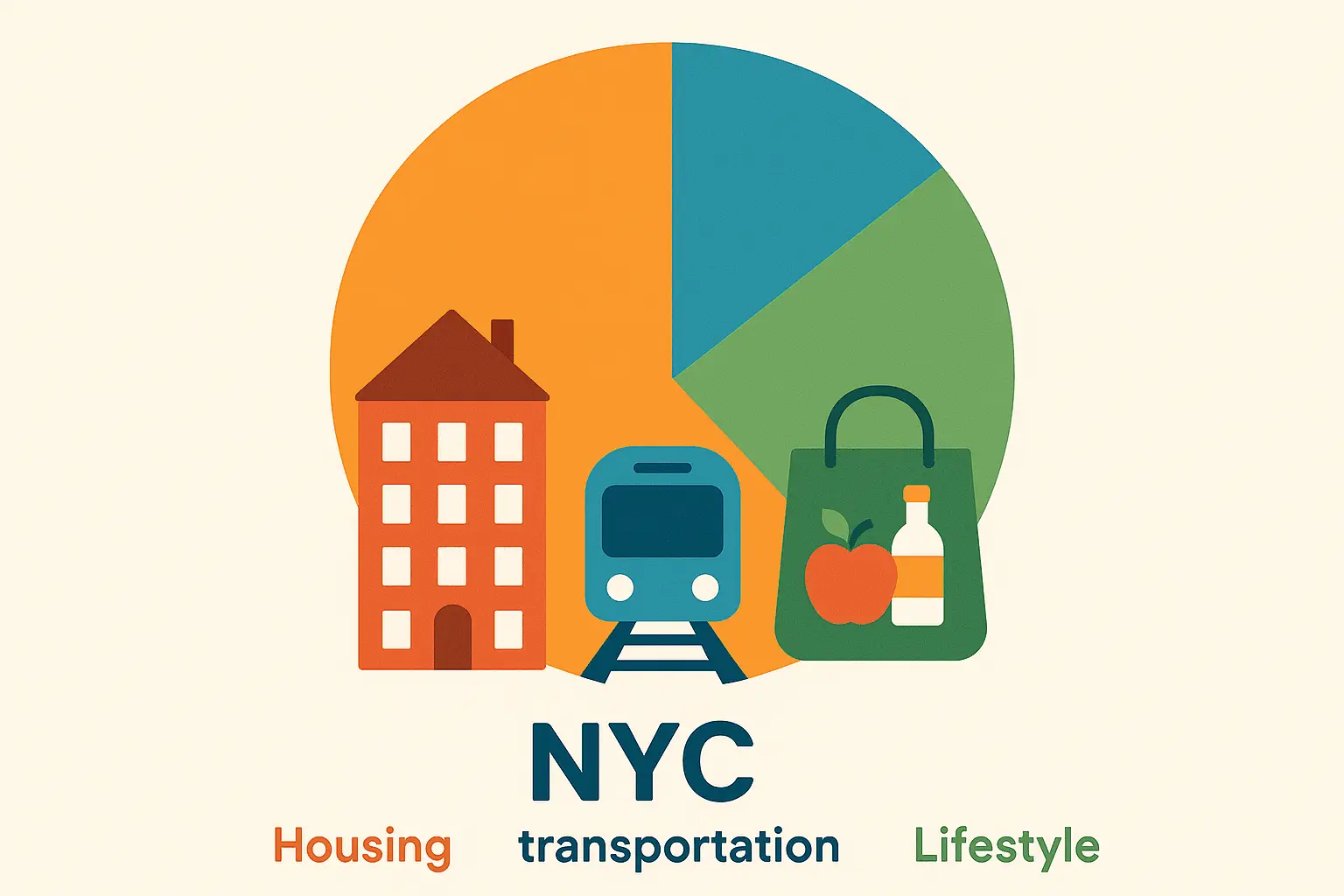
Entry-level dermatologists often face monthly housing costs of $4,000-$8,000 for decent places that don't involve hellish commutes to Manhattan practices. That's potentially $96,000 annually just for housing - before utilities, parking, or anything else.
Established practitioners might drop $10,000-$20,000+ monthly on premium Manhattan or Brooklyn spots near their practices. Seems crazy, but being close to work and patients can improve work-life balance and cut transportation costs and time.
The rent vs. buy decision gets complex in NYC. Property values are high, but so are rental costs. Many dermatologists find that purchasing makes financial sense once their income stabilizes, especially with the tax advantages of mortgage interest deductions.
I know someone earning $450,000 annually who discovered that her $6,500 monthly rent in a Manhattan one-bedroom was more expensive over five years than buying a $1.2M condo with 20% down. The mortgage interest deduction and property appreciation made ownership financially better despite the huge upfront cost.
Transportation costs in NYC can be sneaky. While public transit exists, many dermatologists find that car services or parking fees for personal vehicles become necessary for patient visits, hospital rounds, or just maintaining the professional image their patients expect.
Professional expenses scale with the market. Malpractice insurance, continuing education, professional memberships, business clothes - everything costs more in NYC. Your annual professional expenses might easily hit $25,000-$40,000.
Dining and entertainment costs reflect the city's premium pricing across the board. Business lunches, client entertainment, even basic grocery shopping all carry price premiums that can add thousands to monthly expenses.
High earners in NYC face some of the highest combined tax rates in the country. Federal, state, and city taxes can eat 40-50% of your gross income, making tax planning essential for building wealth.
The SALT deduction limitations particularly hurt high-earning NYC professionals. This federal tax change has made tax planning more complex and expensive for dermatologists in the highest income brackets.
The combo of high income and high expenses makes financial planning more important than ever. Many successful NYC dermatologists work with specialized financial advisors who understand the unique challenges of high-income medical professionals.
Student loan management gets complex with high NYC salaries. While you can afford to pay more, the opportunity cost of aggressive loan repayment versus investing in practice growth or real estate requires careful analysis.

Going from employed physician to practice owner is the biggest financial decision most dermatologists will make. The potential rewards are enormous, but so are the risks an d capital requirements.
Practice acquisition or startup in NYC typically requires $500,000-$1,500,000 in initial capital. This isn't just equipment and lease deposits - you're looking at working capital, marketing budgets, staff salaries, and the inevitable unexpected expenses that come with any business launch.
Equipment costs alone can be staggering. A basic dermatology setup might need $200,000-$400,000 in equipment, but if you're planning comprehensive cosmetic services, advanced laser systems can push equipment costs beyond $600,000-$800,000.
Lease deposits and build-out costs in prime NYC locations often exceed $200,000-$500,000. The good news? These premium locations provide access to patient populations that can justify the investment through higher fees and patient volume.
Successful NYC practices typically generate $800-$1,500 per patient visit through strategic combination of medical services, cosmetic procedures, and product sales. The highest performers achieve even higher per-visit revenue through careful service mix optimization.
The key is understanding your patient demographics and tailoring services accordingly. Practices in Manhattan's Upper East Side might focus heavily on anti-aging treatments and premium cosmetic procedures, while practices in family-oriented neighborhoods might emphasize medical dermatology and pediatric services.
Product sales often provide surprising revenue streams. Medical-grade skincare products, supplements, and at-home treatment devices can add 15-25% to practice revenue with minimal additional overhead.
Practice ownership means you're running a business, not just practicing medicine. Staff management, inventory control, insurance negotiations, marketing oversight, financial management - it all becomes your responsibility.
Technology systems become crucial for efficiency and profitability. Electronic health records, practice management software, patient communication systems - they require ongoing investment but can dramatically improve operational efficiency.
Quality control and patient satisfaction directly impact your bottom line. In NYC's competitive market, negative reviews or patient complaints can quickly impact referral patterns and new patient acquisition.
Successful practice ownership can generate 50-100% higher lifetime earnings compared to employed positions. We're talking about the difference between comfortable financial security and generational wealth building.
Practice value appreciation adds another wealth-building component. Well-run dermatology practices in prime NYC locations often sell for 3-5 times annual revenue, creating substantial retirement nest eggs for owners.
Multiple location expansion becomes possible once you've mastered the business model. Some of the highest-earning dermatologists in NYC own 2-3 practices across different neighborhoods or boroughs.
The dermatology landscape is shifting faster than ever, and the practitioners who thrive will be those who anticipate and adapt to these changes rather than just react.
Telemedicine has permanently changed patient expectations and practice efficiency. Many NYC dermatologists now generate 20-30% of their consultation revenue through virtual visits, which offer higher profit margins due to reduced overhead costs.
AI diagnostic tools are becoming game-changers for efficiency and accuracy. Early adopters often find they can see more patients per day while improving diagnostic confidence, directly translating to increased revenue and better patient outcomes.
Advanced laser technologies and minimally invasive procedures continue expanding treatment options. Practitioners who invest in cutting-edge equipment often command premium fees and attract patients seeking the latest treatments.

NYC's aging population drives increasing demand for medical dermatology services, skin cancer screenings, and age-related cosmetic treatments. This demographic shift creates opportunities for practices that position themselves as comprehensive aging-care specialists.
Younger demographics fuel explosive growth in preventive skincare and non-invasive cosmetic procedures. The Instagram generation's focus on appearance creates demand for treatments that previous generations never considered.
The wellness trend intersects beautifully with dermatology services. Practices that integrate nutritional counseling, stress management, and holistic skin health approaches often see higher patient loyalty and premium pricing opportunities.
Subscription-based service models are gaining traction in NYC's competitive market. Some practices offer monthly skincare programs, regular maintenance treatments, or comprehensive wellness packages that provide predictable revenue streams.
Concierge dermatology services appeal to NYC's high-net-worth population. Offering same-day appointments, house calls, or exclusive access to new treatments can justify significant fee premiums.
Corporate partnerships with NYC's numerous businesses create opportunities for workplace wellness programs, executive health services, and employee skincare benefits that generate steady revenue streams.
Future-Proofing Checklist:
The demanding nature of dermatology practice in NYC - with its intense competition, long hours, and high-stress environment - makes recreational and networking opportunities particularly valuable for successful practitioners.
The pressure of maintaining a successful dermatology practice in NYC can be overwhelming. Between patient demands, administrative responsibilities, and the constant need to stay current with medical advances, finding time to decompress becomes crucial for long-term success and personal well-being.
Just like other high-earning professionals who need to balance demanding careers with quality living arrangements, many dermatologists discover that choosing the right neighborhood in Manhattan can significantly impact their work-life balance and networking opportunities.
Many of the most successful dermatologists I know have discovered that joining exclusive professional networks provides multiple benefits beyond simple recreation. These environments offer opportunities to step away from the medical world while building relationships that often prove valuable both personally and professionally.
For dermatologists who've achieved significant financial success, membership in organizations like The Outpost Club represents both a well-deserved reward for professional achievement and a strategic investment in continued relationship building. The club's focus on architecturally significant golf courses, genuine camaraderie, and memorable experiences provides exactly the type of high-quality recreational outlet that busy medical professionals need.
The invitation-only nature of such organizations ensures you're connecting with other accomplished professionals who understand the demands of building and maintaining successful practices. These relationships often lead to referral opportunities, business insights, and the kind of genuine friendships that make the challenges of professional life more manageable.
With over 70 annual events and access to premier private clubs nationwide, organizations like Outpost Club eliminate the stress of planning recreational activities. For dermatologists juggling patient schedules, hospital rounds, and practice management responsibilities, the ability to simply show up and enjoy exceptional experiences with like-minded professionals becomes invaluable.
The networking aspect shouldn't be underestimated either. Many successful medical professionals find that their most valuable business relationships develop in relaxed, non-medical settings where authentic connections can form naturally.
For those considering relocation to NYC for dermatology opportunities, understanding the complete picture of moving to New York helps ensure a smooth transition into the city's competitive medical landscape.

The NYC dermatology market offers unparalleled earning potential for practitioners willing to navigate its unique challenges and competitive landscape. While the financial rewards can be extraordinary - with top practitioners earning well into seven figures annually - success requires much more than clinical expertise alone.
Your journey in NYC dermatology will demand strategic thinking about everything from subspecialty focus and practice models to patient acquisition and technology adoption. The practitioners who thrive combine medical excellence with business acumen, understanding that building a successful practice requires mastering both the art of medicine and the science of business management.
Similar to how professionals in other high-paying fields must navigate NYC's unique financial landscape, dermatologists benefit from understanding the hidden costs that can impact their substantial earnings and plan accordingly.
The financial realities of NYC practice - from substantial startup costs to premium living expenses - require careful planning and realistic expectations. However, for those who successfully establish themselves in this market, the long-term wealth building potential far exceeds what's possible in other geographic markets.
For medical professionals comparing opportunities across different cities, examining how other professionals navigate NYC's salary and cost dynamics provides valuable perspective on the broader professional landscape.
Most importantly, remember that professional success means little without personal fulfillment and work-life balance. The most successful NYC dermatologists I know have found ways to build rewarding careers while maintaining relationships, pursuing interests outside medicine, and creating the kind of lifestyle that makes the professional challenges worthwhile.

Household supplies can be changed or decreaased at Outpost Club’s discretion, or based on supply availability. Outpost is not responsible for temporary losses of utility service. Outpost Club is not responsible for any damages due to absence of any supplies or utilities


If you have a sales related question please call
680-688-7678

 Hot Deals