Uber Driver Salary NYC: The Real Numbers Behind Your Rideshare Income Dreams
Jan 11, 2026
Jan 11, 2026
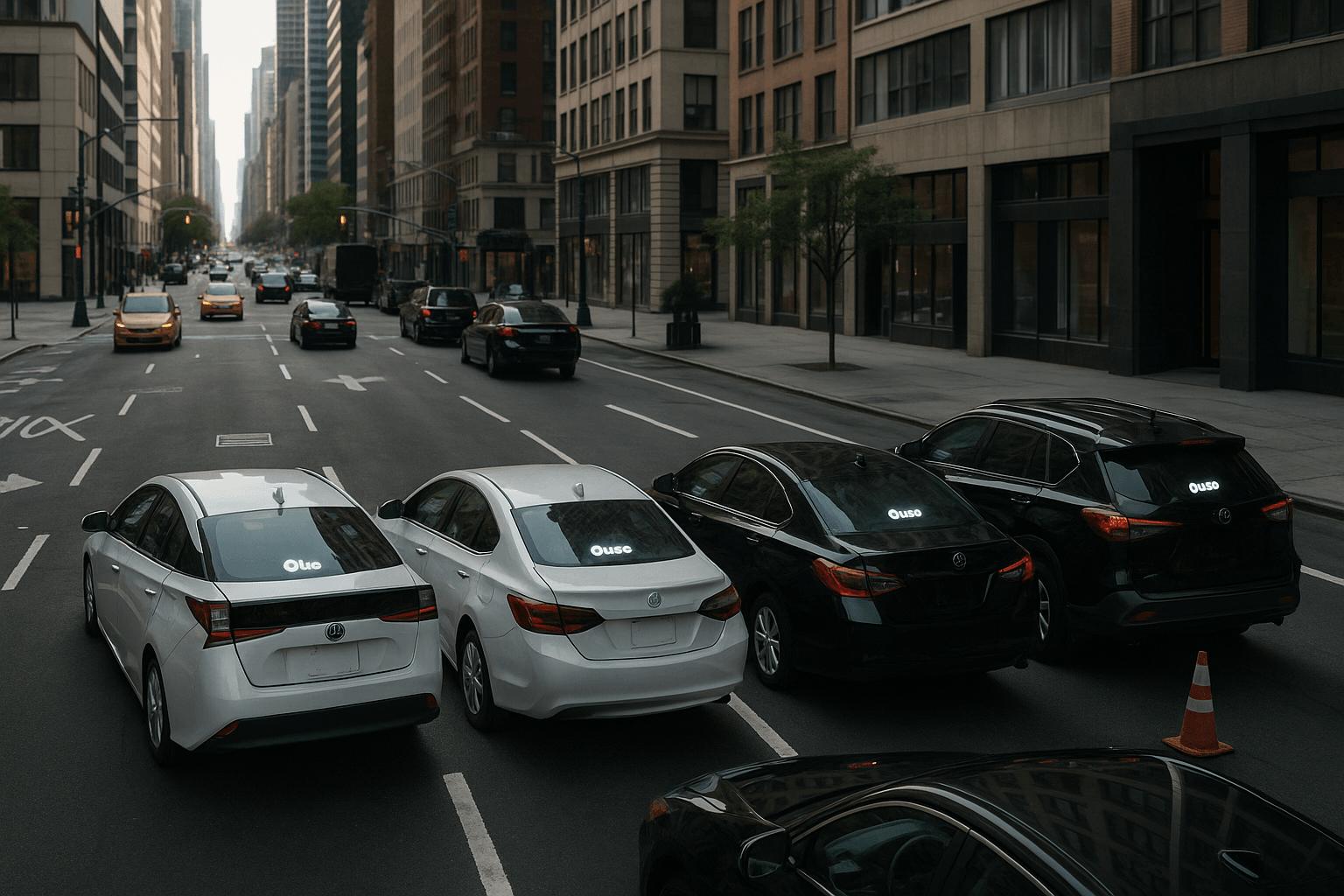
When I first started driving for Uber in NYC, I thought it would be simple - just pick people up and drop them off, right? Boy, was I wrong. The earning potential varies dramatically based on factors most new drivers never consider upfront. While drivers incur $19,966 in expenses per year on average, understanding these costs upfront can help you build a more sustainable rideshare business - trust me, I learned this the hard way.
Your income depends on when you drive, where you position yourself, what type of vehicle you're operating, and how well you manage the business side of independent contracting. The city's unique regulatory environment adds another layer of complexity that'll make your head spin if you're not prepared for it. Unlike other markets, NYC has specific wage protections and licensing requirements that directly impact your bottom line.
I made every rookie mistake you can imagine - driving during dead hours, ignoring surge patterns, and don't even get me started on my first tax season disaster. Understanding these dynamics upfront can mean the difference between building a sustainable income and struggling to cover your expenses. Many drivers find that the financial reality of rideshare driving parallels other NYC income challenges. Just like understanding average salary in NYC requires looking beyond the headline numbers, successful rideshare driving demands a comprehensive understanding of all income and expense factors.
According to NorthOne, after factoring in taxes and expenses, NYC Uber drivers' take-home pay is closer to $36,500 – $40,000 annually. This figure represents the reality check that separates successful drivers from those who burn out quickly. After my first full year, I netted about $52,000 - not bad, but definitely not the $80k I was dreaming about when I started.
Your pay per ride breaks down into several components that work together to determine your gross earnings. Base rates provide the foundation, while per-minute and per-mile charges accumulate based on trip duration and distance. These rates aren't fixed - they change based on whether you're driving UberX, Uber Comfort, or Uber Black, and let me tell you, the difference is huge.
|
NYC Uber Service Type |
Base Rate |
Per Minute |
Per Mile |
Average Trip Earnings |
|
UberX |
$2.55 |
$0.35 |
$1.75 |
$12-18 |
|
Uber Comfort |
$3.85 |
$0.40 |
$1.85 |
$15-25 |
|
Uber Black |
$7.00 |
$0.65 |
$2.85 |
$25-45 |
|
UberXL |
$3.85 |
$0.40 |
$1.85 |
$18-30 |
Vehicle category makes a significant difference in your earning potential, and this is where strategy really matters. UberX represents the volume play with lower per-ride earnings but way more frequent requests. Uber Black commands premium rates but requires a higher-end vehicle and comes with stricter requirements - plus you'll be dealing with pickier customers. The math changes completely depending on which tier you're operating in.
Here's what nobody tells you upfront: Uber takes roughly 25% of fares as a Service Fee to cover operational costs, app development, and business expenses, which is deducted directly from each fare before you receive your earnings. This commission structure means your gross fare and your actual earnings are two very different numbers - something that shocked me when I first started tracking my real income.
NYC's regulatory framework adds complexity to the standard Uber rate structure that you won't find in other cities. The Taxi and Limousine Commission's rules influence how rates are calculated and what minimum standards must be met. These regulations can work in your favor by providing income protections, but they also create operational requirements that affect your daily routine in ways you wouldn't expect.
Let me break down a real example for you: a typical UberX trip from Manhattan to Brooklyn during normal hours - let's say a 45-minute, 8-mile journey. This would generate approximately $16.50 before Uber's commission ($2.55 base + $15.75 time + $14.00 distance = $32.30 gross, minus 25% commission = $24.23 to driver, minus gas and expenses = approximately $16.50 net). This breakdown shows how much do uber drivers make per trip after all deductions, and it's usually less than passengers think we're getting.
That feeling when you see a 2.5x surge pop up during a rainstorm? Pure gold. Surge pricing transforms ordinary rides into premium earning opportunities, and honestly, it's what keeps many of us in this game. When demand spikes and driver supply can't keep up, Uber's algorithm kicks in with multipliers that can double or triple your normal fare. I've seen drivers earn more in two surge hours than they typically make in an entire slow day - and I've been that driver.
Weather events create some of the most lucrative surge opportunities, but you've got to be smart about it. Heavy rain, snow, or extreme temperatures drive up demand while reducing the number of active drivers willing to brave the conditions. I've learned to monitor weather forecasts religiously and position myself strategically before conditions deteriorate. Last Tuesday during that unexpected downpour, I made $340 in four hours while other drivers stayed home.
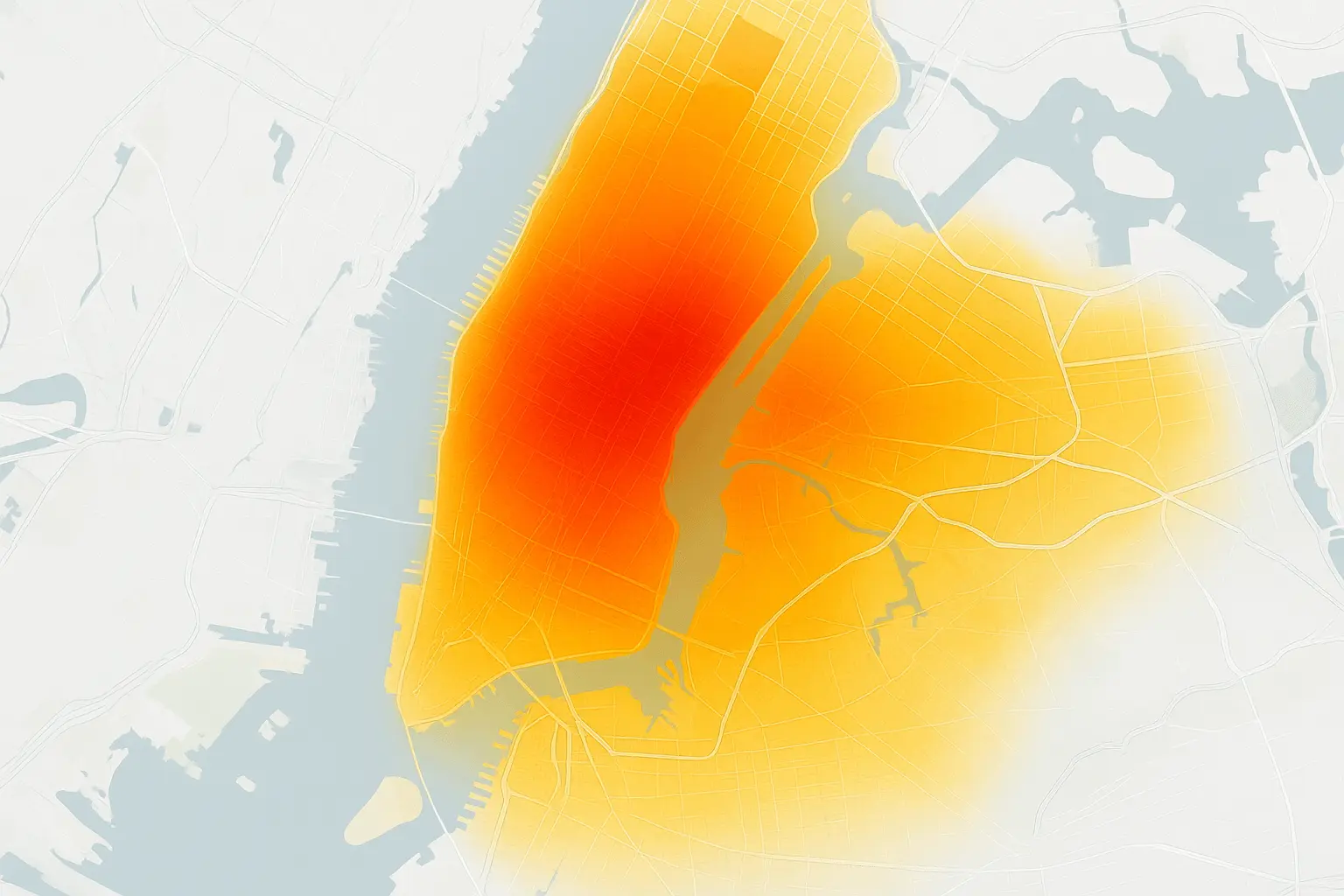
Major events throughout the city generate predictable surge patterns once you learn to spot them. Concerts at Madison Square Garden, Yankees games, or large conferences create concentrated demand in specific areas. I keep a calendar of major events and plan my driving schedule around them - it's made a huge difference in my weekly earnings.
Rush hour surge follows predictable patterns, but here's the thing - the multipliers vary dramatically by location. Financial District surge during evening rush is completely different from surge patterns in Midtown or near airports. After two years of doing this, I've developed mental maps of where and when surge typically occurs throughout my operating area. This knowledge directly impacts uber driver pay during peak periods, and it's information you can only get through experience.
Here's something that sets NYC apart from everywhere else: the TLC's minimum wage requirement creates a safety net that doesn't exist in most other markets. This $17.22 per hour guarantee applies after expenses, which means Uber must compensate you if your earnings fall below this threshold during active driving time. When I first heard about this, I thought it was too good to be true.
"Active driving time" represents the key distinction in how this protection actually works in practice. You're covered for time spent with passengers and time spent driving to pick up passengers, but not for time spent waiting for ride requests. This calculation method affects how you should think about positioning and downtime management - and trust me, understanding this difference is crucial.
Recent legislative developments show the ongoing importance of these protections, and they're worth paying attention to. According to "Rideshare drivers win more benefits, protections despite industry pushback" from Stateline, advocates across several states are pushing for similar minimum wage and benefit requirements as companies push back harder than ever. We're lucky to have what we have in NYC.
The minimum wage protection influences what's really happening out there in ways that aren't immediately obvious. It can affect surge pricing patterns and overall driver supply, since the guarantee reduces some of the financial risk of driving during slower periods. However, it doesn't eliminate the importance of strategic driving for maximizing earnings - you still need to be smart about when and where you drive.
Let me be straight with you about this: if you're consistently earning well above the minimum, the protection doesn't directly impact your income. But during slower periods or when you're learning optimal driving strategies like I was my first few months, it provides crucial income stability that kept me from giving up entirely.
Now, here's where it gets real. Your gross earnings tell only part of the story, and this is where a lot of new drivers get blindsided. Uber's commission comes off the top, typically ranging from 25-30% depending on your market and any promotional rates you might qualify for. This commission covers the platform, payment processing, and customer support, but it's a significant chunk of every fare that disappears before you even see it.
|
Driver Type |
Weekly Hours |
Gross Annual |
Net Annual |
Effective Hourly |
|
Full-time |
50-60 |
$75,000-$95,000 |
$40,000-$65,000 |
$15-22 |
|
Part-time |
20-30 |
$25,000-$45,000 |
$15,000-$30,000 |
$17-25 |
|
Weekend Only |
12-16 |
$15,000-$25,000 |
$9,000-$18,000 |
$18-28 |
|
Peak Hours Only |
15-20 |
$20,000-$35,000 |
$12,000-$25,000 |
$20-30 |
Full-time drivers putting in 50-60 hours per week can expect to net between $40,000-$65,000 annually after all expenses. This range depends heavily on your driving strategy, expense management, and how effectively you capitalize on peak earning opportunities. The higher end requires consistent strategic driving and tight cost control - it's not automatic.
My buddy Mike who drives weekends only? He pulls in around $15k extra per year, which covers his kid's daycare. Part-time drivers working 20-30 hours weekly typically see annual net income between $15,000-$30,000. The per-hour efficiency often improves with part-time driving since you can focus exclusively on peak periods, but the total volume limits overall income potential.
Your actual hourly wage after expenses often surprises new drivers, and it surprised me too. What looks like $25-30 per hour in gross earnings might translate to $15-18 per hour after accounting for all costs. My first week, I made $180 and thought I was killing it. Then I calculated my actual hours and expenses... reality hit hard.
The financial planning required for rideshare driving mirrors other NYC income management challenges. Just like using a NYC salary calculator to understand your true take-home pay from traditional employment, rideshare drivers need comprehensive expense tracking to determine their real earnings.
The earnings landscape continues evolving as regulatory changes take effect, which is actually good news for us. A recent "Study shows Uber drivers in NYC earn more than city employees" from City & State NY highlights how the TLC has increased pay rates for drivers five times in the last five years, generating rapid growth in average driver earnings. This demonstrates how much uber drivers make has improved significantly due to regulatory intervention.
Let me tell you about the expenses that'll shock you if you're not prepared. Gas expenses alone can consume $150-250 of your weekly earnings, depending on current fuel prices and how efficiently you drive. With gas prices doing their crazy dance this year, those weekly fuel costs hit different. NYC's stop-and-go traffic patterns aren't kind to fuel economy, and the constant driving means you'll be filling up multiple times per week - I'm talking every other day during busy periods.
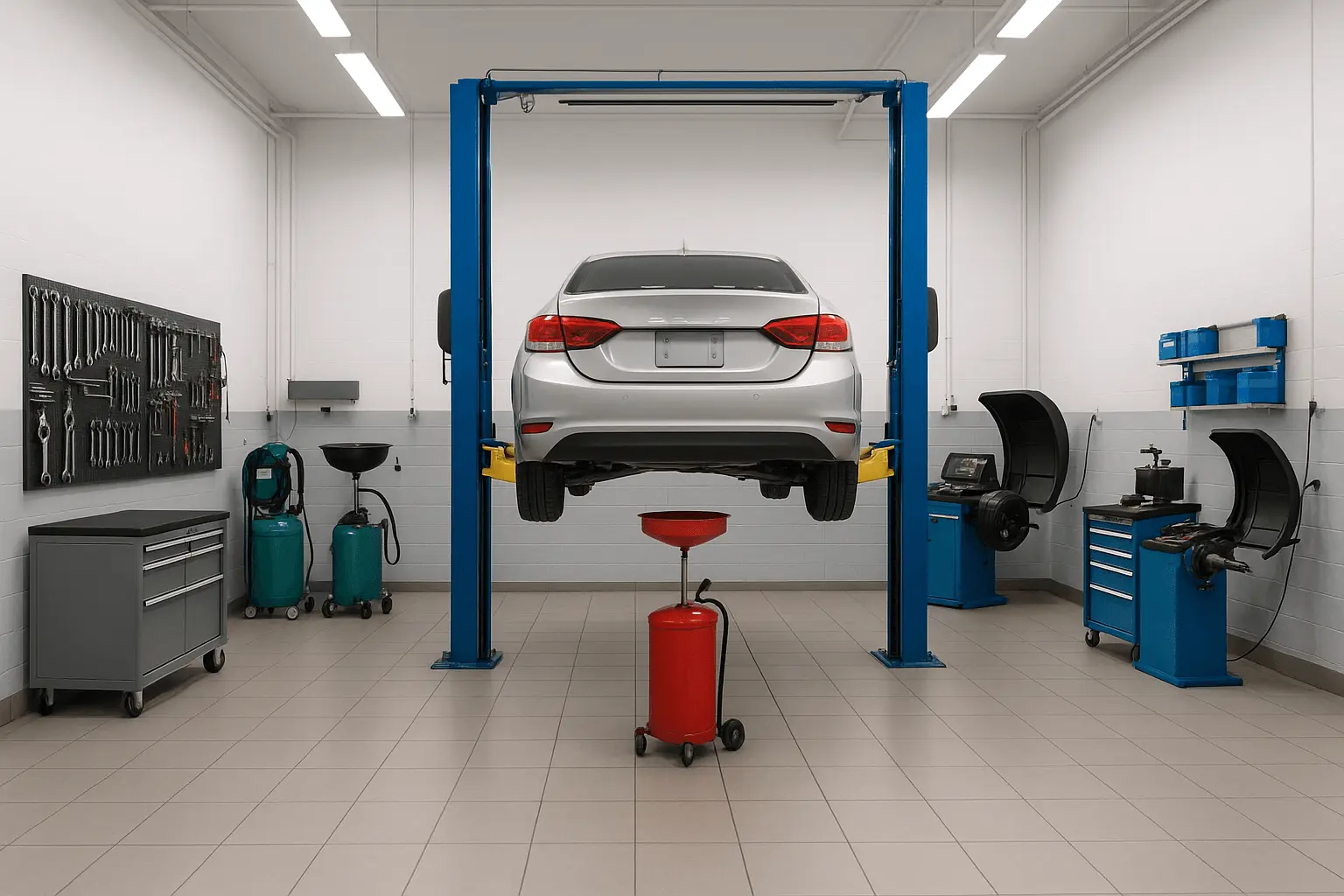
Maintenance costs accelerate dramatically with rideshare driving, and this caught me completely off guard. Oil changes every 3,000-5,000 miles instead of the typical 7,500-10,000 for personal use. Brake pads, tires, and other wear items need replacement much more frequently. These aren't optional expenses - they're the cost of keeping your income-generating asset operational. I learned this lesson the hard way when my transmission died at 180,000 miles. That $3,200 repair ate up nearly a month of profits.
Insurance represents another significant ongoing cost that many new drivers underestimate. You'll need commercial coverage or rideshare-specific policies that cost considerably more than personal auto insurance. Some drivers try to cut corners here, but the financial risk of being uninsured during a commercial trip can be devastating - we're talking potential bankruptcy levels of liability.
Vehicle depreciation might be your largest hidden cost, and it's the one that sneaks up on you. The high mileage and constant use of rideshare driving accelerates depreciation beyond normal personal use. If you're financing a vehicle specifically for rideshare work, factor in how the accelerated depreciation affects your equity position. This significantly impacts the average salary for uber driver calculations when you account for asset depreciation.
Here's what a typical month looks like for a full-time NYC Uber driver putting 1,200 miles per week on their vehicle: $800-1,000 gas, $200-300 maintenance, $300-400 insurance, plus $400-600 in depreciation, totaling $1,700-2,300 monthly in vehicle costs alone. Set aside money for repairs immediately - don't be like me, spending your 'car fund' on rent and then panicking when something breaks.
The stress of quarterly taxes hit me harder than I expected - suddenly I owed $4,000 and had no idea it was coming. Self-employment tax hits rideshare drivers harder than many realize. The 15.3% rate covers Social Security and Medicare contributions that would normally be split between you and an employer. This tax applies to your net self-employment income and comes on top of regular income taxes.
Quarterly estimated tax payments become necessary once your rideshare income reaches certain thresholds, and managing this cash flow is trickier than you'd think. Waiting until April to pay your full tax liability can result in penalties and interest charges that'll eat into your profits. Many drivers struggle with this cash flow management aspect of independent contracting because nobody teaches you this stuff.
Quarterly Tax Payment Checklist:
Opening a separate checking account for Uber money was the smartest thing I did - made taxes way less of a nightmare. Record-keeping requirements for rideshare drivers go far beyond what most people handle for personal taxes. You'll need detailed logs of business miles, expense receipts, and income tracking. The IRS expects thorough documentation if you're audited, and rideshare drivers face higher audit rates than typical W-2 employees.
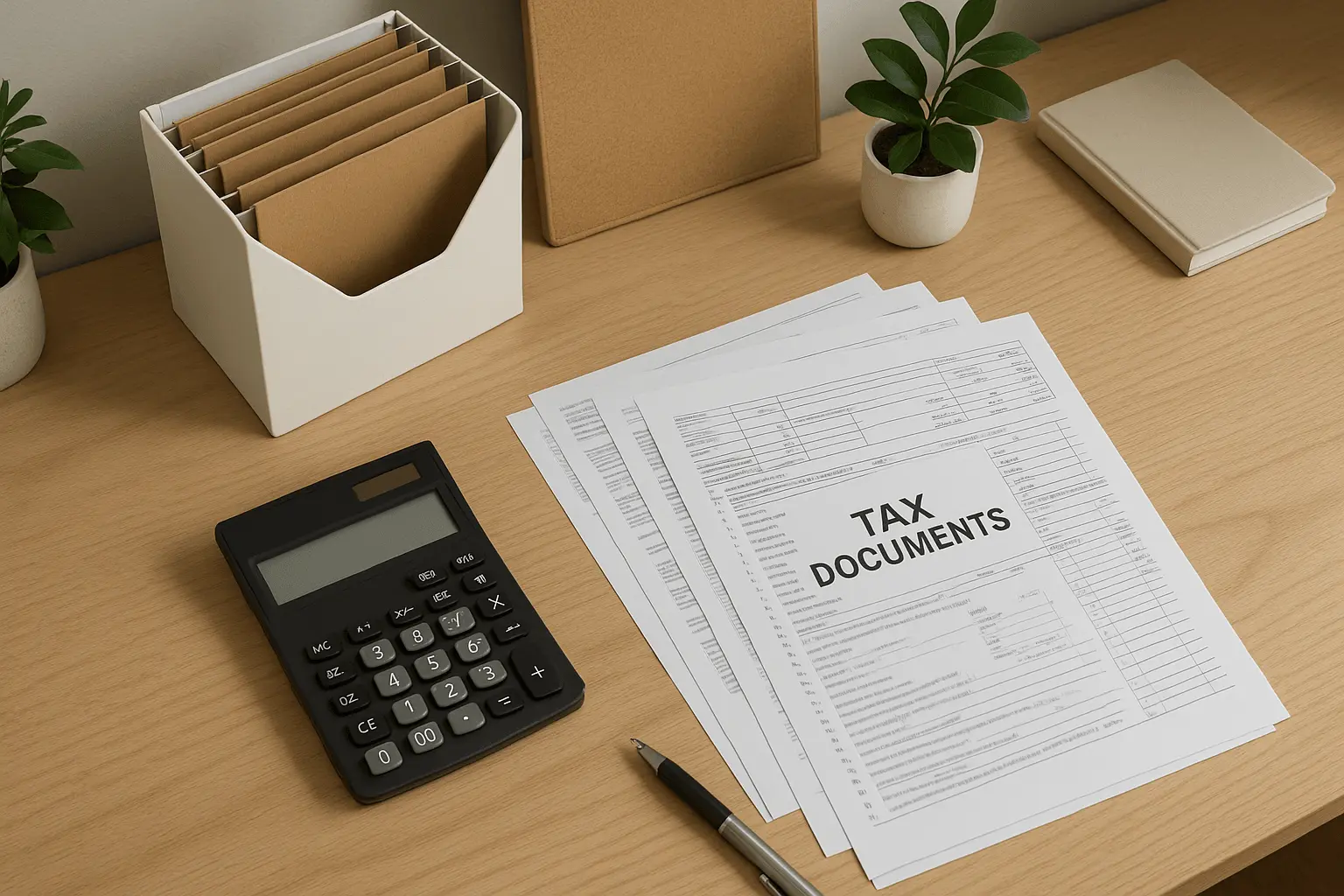
Deduction opportunities can significantly reduce your tax liability if you track them properly - and I mean properly. Business use of your vehicle, phone expenses, cleaning supplies, and other operational costs can be deducted. However, you need contemporaneous records to support these deductions. This tax burden significantly affects how much can you make with uber after all obligations are met.
Airport strategies require patience but often deliver higher-value rides - this took me months to figure out properly. The queue system at JFK, LaGuardia, and Newark means waiting time, but airport rides typically offer better per-mile rates and often include tips. Last Tuesday, I was sitting in the queue at JFK for 45 minutes. Frustrating? Sure. But that one ride to Manhattan paid $78 with surge pricing - more than I'd made in the previous 3 hours.
Event-based positioning involves tracking concerts, sports games, conferences, and other gatherings that generate concentrated ride demand. I keep a calendar of major events and position myself near venues before events end to capture surge pricing and reduce the time spent driving to pickup locations. The Facebook groups are goldmines for real-time info about airport waits and surge patterns.
Daily Earnings Optimization Checklist:
Pro tip I learned the expensive way: invest in a good phone mount and car charger. Nothing kills your rating faster than fumbling with GPS while driving. That $40 phone holder saved me more headaches than any other purchase I've made.
Multi-app strategies keep you busy during slower periods and can seriously boost your income. Running Uber alongside Lyft, Via, and other platforms reduces downtime between rides. However, this approach requires careful management to avoid conflicts and ensure you're meeting the service standards for each platform.
The freedom to set your own schedule sounds amazing until you realize good money requires working when everyone else is partying. Strategic rest periods might seem counterintuitive, but they're crucial for long-term success. Taking breaks during the slowest periods helps you stay fresh for peak earning times and reduces wear on both you and your vehicle during low-profit hours. This directly impacts how much does an uber driver make over the long term.
Morning rush hour from 7-9 AM generates consistent demand as commuters head to work, but here's what's interesting - it's not always the most profitable time. Financial District, Midtown, and other business centers become prime pickup locations. However, traffic congestion can slow trip completion, so the higher volume needs to offset longer trip times.
Evening rush hour typically offers better earning potential than morning rush, and this is where I focus most of my energy. The 5-7 PM window sees higher surge multipliers and more diverse destination patterns. People leaving work often have more flexibility in their departure timing, which can extend the peak earning window.
Weekend nights transform the earning landscape completely, but they come with their own challenges. Thursday through Saturday nights see demand shift toward entertainment districts, restaurants, and nightlife areas. These rides often include tips and surge pricing, but they also come with different challenges including intoxicated passengers and later hours. Dating gets interesting when you explain your car smells like strangers and you work every weekend night.
Uber reports that drivers can earn extra money by taking advantage of surge pricing, which can double or even triple the amount you take home during peak demand periods. This multiplier effect demonstrates how much uber drivers make can vary dramatically based on timing alone.
Business district positioning during weekday lunch hours creates opportunities for short, frequent rides. These trips might not individually pay as much as longer rides, but the quick turnaround can result in higher hourly earnings during the 11 AM-2 PM window. I thought I'd drive a few hours and make easy money. Turns out, the 'easy money' hours are 5 AM and 11 PM.

A strategic driver working Friday evening rush hour in Midtown might complete 4 rides in 2 hours with 1.8x surge pricing, earning $120 gross versus the same driver working Tuesday afternoon completing 3 rides for $45 gross - demonstrating the 167% earning difference between peak and off-peak periods.
Platform diversification reduces your dependence on any single app's algorithm or demand patterns, and this strategy has been a game-changer for my income. When Uber is slow, Lyft might be busy, and vice versa. This approach helps smooth out the natural fluctuations in ride requests throughout the day.
Different platforms serve slightly different customer bases and geographic areas, something I learned through trial and error. Lyft might be stronger in certain neighborhoods while Uber dominates others. Understanding these patterns helps you choose which apps to prioritize in different locations.
Promotional offers and bonuses vary between platforms, and juggling these effectively can add serious money to your weekly totals. Uber might offer surge pricing while Lyft provides flat bonus payments for completing certain numbers of rides. Other drivers at the gas station will tell you more useful stuff about these promotions than any YouTube video.
Managing multiple apps requires discipline and organization that took me months to develop. You'll need to track earnings, expenses, and tax information across platforms. You'll also need to maintain high ratings on each platform, which means providing consistent service quality regardless of which app generated the ride request. This strategy can significantly boost how much does an uber driver make through reduced idle time.
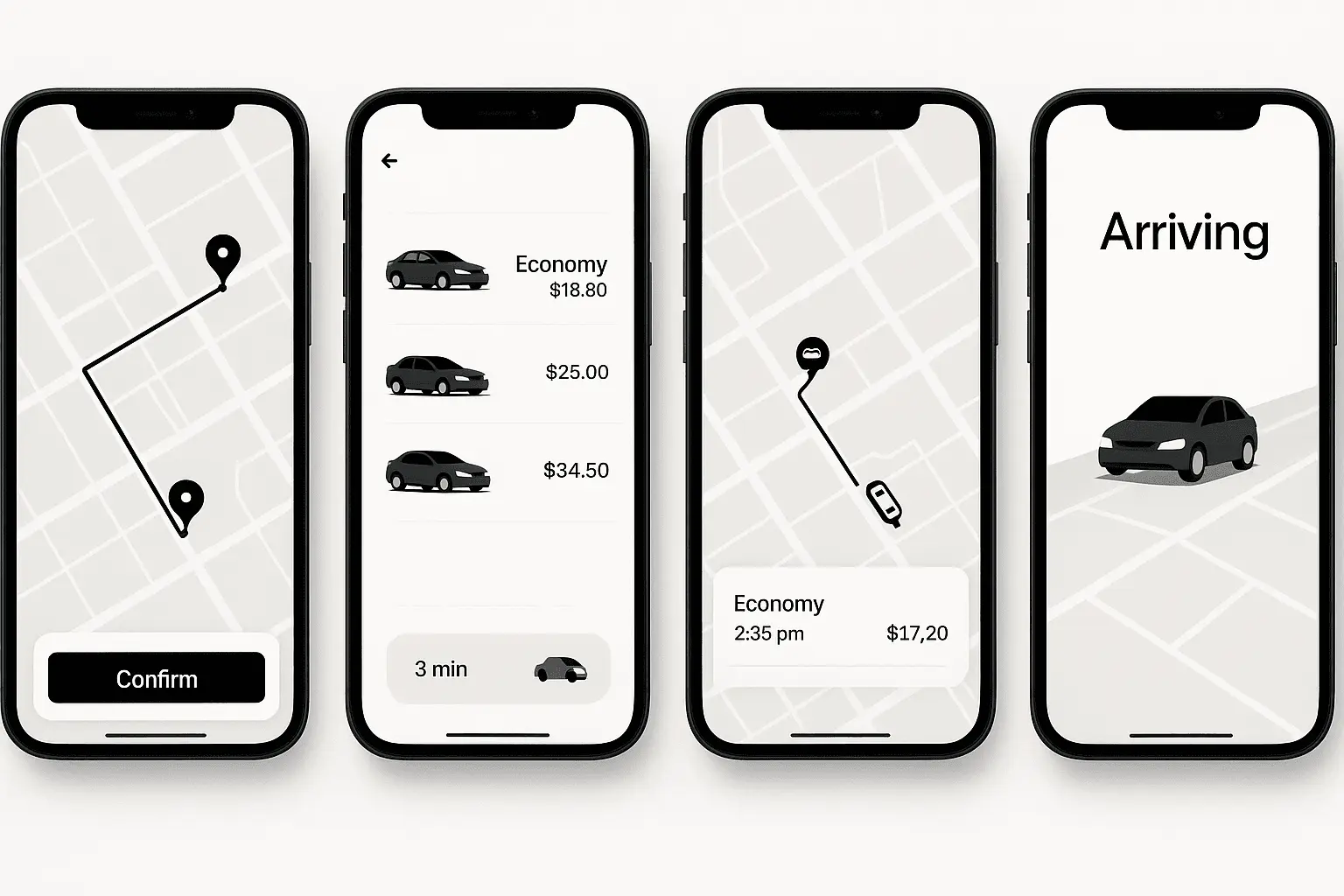
Driver supply fluctuations create earning opportunities for those who understand the patterns, and paying attention to these trends has helped me time my driving better. When large numbers of drivers take time off or leave the platform, remaining drivers often see increased ride frequency and higher surge multipliers. Monitoring these trends helps you capitalize on supply shortages.
Economic conditions in the broader city affect rideshare demand in ways you might not expect. During economic downturns, people might choose public transportation over rideshare services. Conversely, economic growth often increases business travel and entertainment spending, boosting demand for rides. The whole work-from-home thing changed everything - way fewer morning commuters, but more random midday airport runs.
Regulatory changes can dramatically alter the earning landscape overnight. New licensing requirements, vehicle standards, or operational rules can affect both driver supply and operational costs. Staying informed about TLC rule changes helps you adapt your strategy proactively instead of getting caught off guard.
Competition from traditional taxis and public transportation influences rideshare demand patterns more than most drivers realize. Subway delays or taxi shortages can temporarily boost rideshare demand, while improved public transit service might reduce it. Understanding these competitive dynamics helps explain demand fluctuations that otherwise seem random.
Summer tourism season brings increased demand from visitors unfamiliar with NYC's public transportation system, and these can be some of your most profitable rides. Tourists tend to tip better and request rides to popular destinations, but they also often need help with luggage and directions, which can slow trip completion times. Summer tourists are great for business, but man, do they test your patience with all the 'Can you wait while I run upstairs?' requests.
Holiday periods create unique earning opportunities that I've learned to plan my whole year around. Thanksgiving, Christmas, and New Year's generate surge pricing as people travel to family gatherings and celebrations. However, these periods also see many regular drivers take time off, creating supply shortages that benefit active drivers. December was my best month ever - holiday parties and airport runs had me making $200+ some nights. Then January hit and I barely covered gas money for two weeks straight.
Winter weather presents a double-edged opportunity that requires careful planning. Snow and cold temperatures drive up demand and surge pricing, but they also increase vehicle wear, safety risks, and operational challenges. Successful winter driving requires preparation and careful risk management - I've learned to keep emergency supplies and know when conditions are too dangerous to be worth it.

Spring and fall represent the most predictable earning periods, which is when I try to build up my savings for the slower times. Weather is generally favorable, tourist demand is moderate, and surge patterns follow regular weekly cycles. These seasons often provide the most consistent income for drivers who prefer predictable earnings over high-risk, high-reward periods.
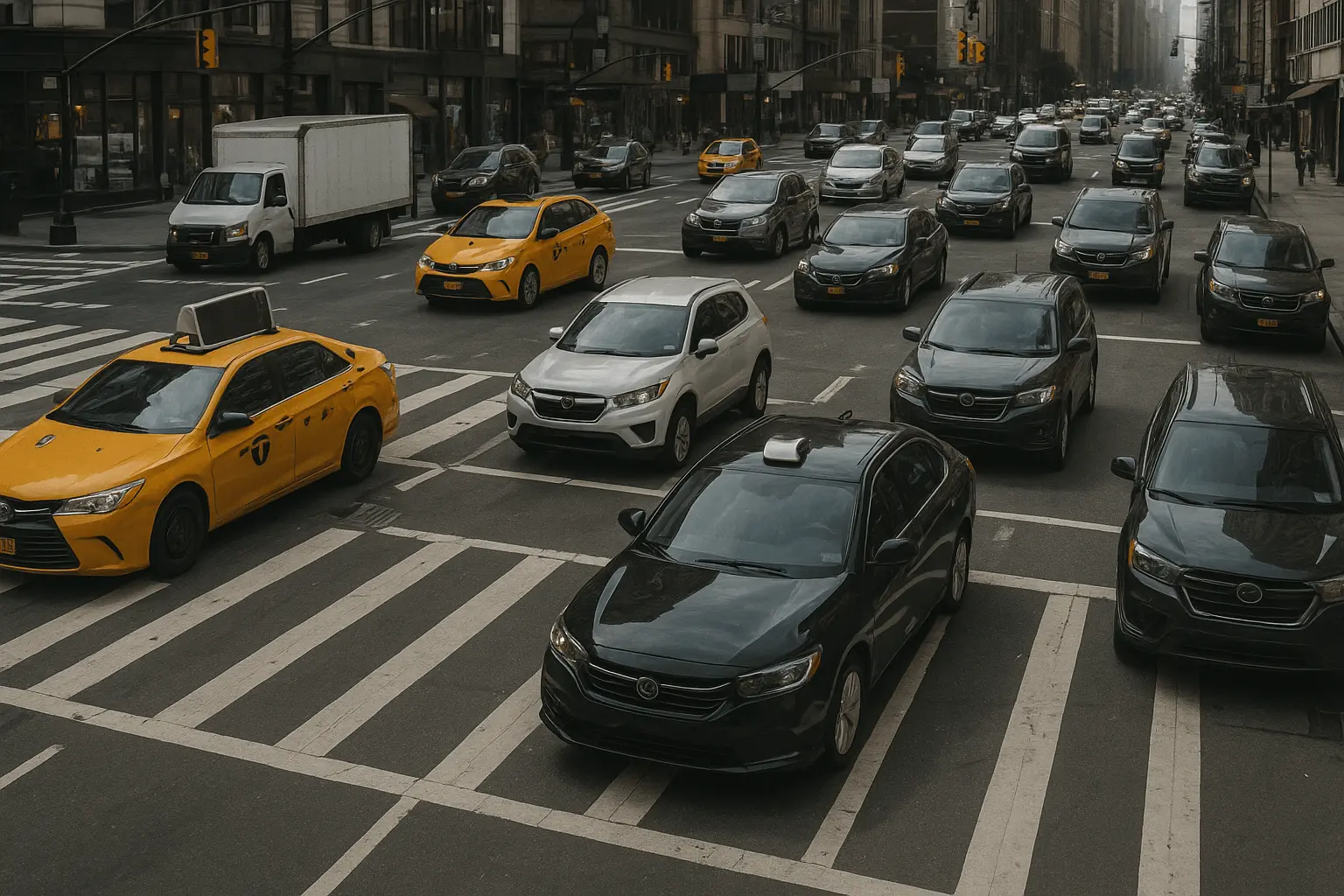
The sheer number of drivers in NYC creates intense competition for rides, especially during slower periods, and this is something every new driver needs to understand. Off-peak hours might see multiple drivers competing for each ride request, which keeps surge pricing low and increases wait times between rides.
Market saturation affects different areas of the city differently, something I've mapped out over my years of driving. Manhattan typically has the highest driver density, while outer boroughs might offer less competition but also fewer ride requests. Understanding these density patterns helps you find the sweet spot between competition and demand.
New driver onboarding continues despite market saturation, which means competition isn't decreasing anytime soon. Uber's incentives for new drivers can temporarily flood certain areas with additional vehicles, affecting earnings for existing drivers in those zones.
Experienced drivers develop competitive advantages through route knowledge, customer service skills, and strategic positioning. These advantages become more important in saturated markets where small differences in efficiency and service quality can significantly impact earnings. Took me about 3 months to figure out the real patterns. YouTube videos help, but nothing beats actually being out there.
Rideshare driving can become all-consuming, especially when you're focused on maximizing earnings, and I've seen this happen to too many drivers. The irregular schedule, constant decision-making about when and where to drive, and the physical demands of city driving create stress that extends beyond work hours. There are days when I question if this is worth it, especially when I'm stuck in traffic for an hour between rides.
Many successful drivers find themselves earning good money but lacking the social connections and quality experiences that make that income meaningful. The independent contractor lifestyle can be isolating, particularly when your "office" is your vehicle and your interactions are brief passenger encounters. My family still doesn't quite get what I do - 'So you're a taxi driver?' Close enough, Mom.
For drivers earning decent income but struggling with NYC's housing costs, exploring options like shared apartments in New York can help stretch your earnings further while providing the social connections that rideshare driving often lacks.
Building a sustainable rideshare business means thinking beyond just maximizing daily earnings. You need strategies for managing stress, maintaining social connections, and creating experiences that justify the demanding work schedule. This might involve investing in premium services or experiences that help you recharge and network with other professionals. Sitting in NYC traffic for 10 hours a day? Your back will remind you this isn't a desk job.
Many drivers find that communal living spaces in NYC provide exactly the type of community and networking opportunities that can counterbalance the solitary nature of rideshare driving. The uber driver salary nyc might be decent, but without proper work-life balance, even good earnings can feel hollow.
Understanding the broader financial landscape helps drivers make informed decisions about their living situations. Just like researching the real cost of living in NYC before moving to the city, successful rideshare drivers need comprehensive planning that extends beyond just vehicle and driving expenses.
I started packing healthier snacks after realizing I was spending $15/day on convenience store junk, and small changes like this add up over time.
Look, this isn't going to make you rich, but it can pay the bills if you're smart about it. Success as an NYC Uber driver requires understanding the complete financial picture, from gross earnings to final take-home pay after all expenses and taxes. The earning potential exists for those who approach it strategically, but it demands treating rideshare driving as a business rather than just a flexible job.
Market saturation and competition make strategic thinking essential, while the demanding nature of the work creates a need for balance and quality experiences outside the vehicle. Some days I love the freedom, other days I miss having a boss to blame when things go wrong. For drivers who build successful operations, investing in premium lifestyle services and networking opportunities can provide the personal satisfaction and professional connections that make the demanding work schedule worthwhile.
It's not for everyone, but if you can handle the hustle and the uncertainty, there's decent money to be made. Your results will definitely vary - this is just my experience, and I'm not a financial advisor, just a guy who's been doing this for a while.
For drivers considering their long-term financial planning, exploring resources about moving to New York and understanding the broader economic landscape can provide valuable context for building a sustainable rideshare business in one of America's most expensive cities.

Household supplies can be changed or decreaased at Outpost Club’s discretion, or based on supply availability. Outpost is not responsible for temporary losses of utility service. Outpost Club is not responsible for any damages due to absence of any supplies or utilities


If you have a sales related question please call
680-688-7678

 Hot Deals