NYC Salary Transparency Law: What Every Employer Needs to Know Before Their Next Job Posting
Jan 8, 2026

Jan 8, 2026
Look, if you're hiring in NYC (or even thinking about it), this salary transparency thing isn't going away. And honestly? It's probably coming to your state next. As of August 2023, half of US job listings on Indeed advertised some form of salary information, with mentions of salary in job postings nearly tripling from February 2020 levels. This dramatic shift reflects the growing impact of pay transparency legislation across the country, with NYC's law serving as a catalyst for nationwide change.
The NYC salary transparency law doesn't mess around with vague requirements or gradual rollouts. When NYC decided to tackle pay transparency, they basically said "no more games" and created rules that immediately changed everything for pretty much every employer in the city. You can't just post "competitive salary" anymore and hope for the best.
Here's what really gets people: the new york pay transparency law covers jobs that could be done in NYC, not just ones that have to be done there. So if you're posting a remote job and someone could theoretically do it from their apartment in Brooklyn, boom—you're covered. I've seen companies get caught off guard by this all the time.
What makes this particularly tricky? You might be a California company that never planned to hire anyone in New York, but if your "Remote Software Engineer" posting doesn't specifically exclude NYC, you're playing by their rules now.

The days of vague salary talk are over. You need real numbers now—actual minimum and maximum figures that represent what you'd really pay someone. And before you ask, no, you can't post something ridiculous like "$40,000 - $200,000" just to cover your bases. The city's looking at whether your ranges make sense.
Here's the deal: those ranges need to be right there in the job posting where people can see them. Not buried in some PDF attachment or hidden at the bottom in tiny text. We're talking front and center, impossible to miss.
According to NYC Council analysis of more than 60,000 unique job postings, most employers are actually being pretty reasonable about this. More than 80% of ranges have a maximum that's no more than 1.5 times the minimum. So if you're posting $50,000 - $150,000 for a basic role, you're probably overdoing it.
And honestly? If you're hiring in NYC, you should probably understand what people actually need to make to live there. It'll help you set realistic ranges that don't waste everyone's time.
|
What You Need to Include |
How to Do It Right |
Don't Do This |
|
Salary Range Format |
$60,000 - $75,000 annually |
"Competitive salary" or "DOE" |
|
Range Positioning |
Top section, clearly labeled |
Hidden in paragraph 12 |
|
Acceptable Range Ratio |
Keep it reasonable (1.5x max) |
$30,000 - $120,000 for one role |
|
Prohibited Language |
Use actual numbers |
"Based on experience" |
|
Benefits Disclosure |
List the actual perks |
"Great benefits package" |
Salary's just the starting point. You also need to mention the other stuff—health insurance, 401k, vacation time, whatever you're actually offering. The tricky part isn't listing these benefits; it's making sure what you write matches what you actually give people.
I've seen companies get in trouble because they mentioned "comprehensive health coverage" in job posts but their actual plan had a $5,000 deductible. Just be honest about what you're offering.
This is where it gets messy for a lot of companies. If you're hiring for anything that could possibly be done in NYC—even if it's mostly remote—you're probably covered.
Here's a real example: You're a tech company based in Austin, posting for a "Remote Software Engineer - US candidates welcome." Guess what? Since someone in NYC could do that job, you need to follow NYC's rules. I know, it's annoying, but that's how they wrote it.
Multi-location companies are pulling their hair out over this. You might never want to hire anyone in NYC, but if your job posting doesn't specifically exclude it, you're stuck with their requirements.
Don't get excited—there basically aren't any exemptions. Independent contractors might qualify, but only if they're actually independent contractors, not employees you're trying to reclassify to avoid the rules. The city's pretty smart about this stuff.
The law intentionally keeps exemptions narrow because they don't want companies restructuring positions just to dodge transparency requirements.
Operating across state lines creates a compliance nightmare when different places have different transparency requirements. You'll need to figure out which laws apply to each position based on where the work can be done, not just where your company is based or where you want to hire.
This gets particularly messy for sales roles, consulting positions, or any job that involves travel or could be done from multiple locations.
NYC's not playing around with enforcement. They start with a $250 fine for your first violation, which sounds manageable until you realize it goes up to $250,000 for your third strike within two years. And trust me, those "corrective actions" they make you do are often worse than the fine itself.

The penalty structure is designed to hurt. First violation? $250—annoying but survivable. Second violation within two years? $500. Third violation? They can hit you for up to $250,000. I've seen small companies basically shut down over this.
But here's what really gets you: the corrective actions. They'll make you rewrite your policies, train your entire staff, and prove you're monitoring compliance going forward. That stuff costs way more than the fine and takes forever.
The escalation timeline is unforgiving. Your second violation within two years doubles the penalty to $500. The third violation jumps to a maximum of $250,000—a figure that can seriously impact smaller organizations and create significant budget disruptions for larger companies.
According to NYC Council's investigation, they're not just going after small companies either. They've brought cases against finance firms, car dealerships, media companies—basically everyone who thought they could ignore the rules.
Penalties are just the beginning. You'll need to prove that you've fixed the underlying problems through actual policy changes and staff training. This means updating your hiring procedures, training HR staff and hiring managers, and implementing systems to prevent future violations.
The corrective action requirements often prove more expensive and time-consuming than the initial penalties, requiring ongoing compliance monitoring and documentation.
Here's what's scary: anyone can file a complaint. Not just employees or job applicants—literally anyone who sees your non-compliant job posting can report you. The NYC Commission on Human Rights made it super easy with online forms and phone reporting.
Anyone can file a complaint—current employees, job applicants, or even random people who just notice missing salary information while browsing jobs. The NYC Commission on Human Rights has made the process intentionally simple, with online filing options, phone reporting, and in-person complaint procedures.
This accessibility means you're not just dealing with formal legal challenges from represented parties. Any job seeker who notices missing salary information can trigger an investigation that leads to penalties and corrective action requirements.
The investigation process itself is a nightmare. They'll want documents, interviews with your staff, explanations of your entire compensation system. Even if you eventually get cleared, the disruption alone can cost you months of productivity.
Okay, so you need to comply. Here's how to do it without losing your mind or your competitive edge.
The companies doing this well aren't just slapping numbers on job posts and calling it done. They're using this as an excuse to fix compensation problems they've been ignoring for years.
Successful compliance requires more than just adding salary ranges to job postings—it demands a comprehensive approach that balances legal requirements with competitive hiring practices while addressing internal equity concerns that transparency inevitably exposes.

Getting your ranges right is part art, part science. Too narrow (like $75,000-$77,000) and people think you're inflexible. Too wide (like $60,000-$120,000) and they think you have no idea what the job's worth.
A good rule of thumb? Keep your maximum around 1.3-1.5 times your minimum. So if you're thinking $65,000-$85,000 for a marketing manager role, that's reasonable. It gives you room to negotiate based on experience without looking crazy.
Ranges that are too narrow signal inflexibility and might discourage qualified candidates who expect negotiation room. Ranges that are too broad appear meaningless and suggest you haven't thought seriously about the position's value.
A marketing manager position with a range of $65,000-$85,000 demonstrates a reasonable 1.3x ratio that allows for negotiation based on experience while staying within budget constraints. This is preferable to posting $50,000-$100,000, which appears arbitrary and potentially non-compliant.
Organizations must carefully consider how their posted ranges compare to regional compensation expectations, particularly when understanding the real costs employees face in NYC and ensuring their ranges remain competitive while complying with pay transparency laws.
Here's the thing nobody talks about: with all these transparency laws, you now have real-time market data just by looking at other companies' job posts. Forget those expensive salary surveys that are six months old. Just look at what your competitors posted last week.
This means regularly monitoring job postings in your industry and geographic area, tracking how ranges change over time, and adjusting your own ranges based on current market conditions rather than historical data.
Before you post any ranges publicly, figure out how they compare to what you're paying current employees. Nothing kills morale faster than your team discovering you're offering new hires more than they're making after three years on the job.
Do yourself a favor and fix any obvious disparities before they become retention problems. Conduct thorough reviews of current compensation levels, identify any disparities that need immediate attention, and develop plans for bringing existing employees into alignment with posted ranges where appropriate.
Your salary info can't be hidden in paragraph 47 or written in light gray text at the bottom. It needs to be obvious and easy to find.
Put the salary range in a dedicated section or clearly labeled line. Make it big enough to read without a magnifying glass. The goal is actual transparency, not finding clever ways to technically comply while making it hard to find.
Avoid formatting tricks such as using tiny fonts, light gray text, or placing salary information in locations where candidates might miss it. The goal is genuine transparency, not technical compliance that defeats the law's purpose.
If you're posting on your website, LinkedIn, Indeed, and working with recruiters, every single posting needs the same salary info. Inconsistencies will get you reported faster than you can say "competitive compensation."
This requires coordination between internal teams and external partners, with clear guidelines about how salary information should be presented and regular audits to ensure consistency.
Implementing this stuff is harder than it looks. Your systems probably weren't built for mandatory salary disclosure, and your team isn't used to having these conversations.
Getting Your Tech Systems to Actually Work**
Most HRIS platforms are scrambling to add features for this. You'll need new fields for salary ranges, validation rules to prevent posting without complete info, and approval workflows that include compensation review.
The technical challenges go beyond just adding new fields. You need validation rules that prevent posting without complete salary information, approval workflows that include compensation review checkpoints, and integration capabilities that push consistent data to multiple job boards automatically.
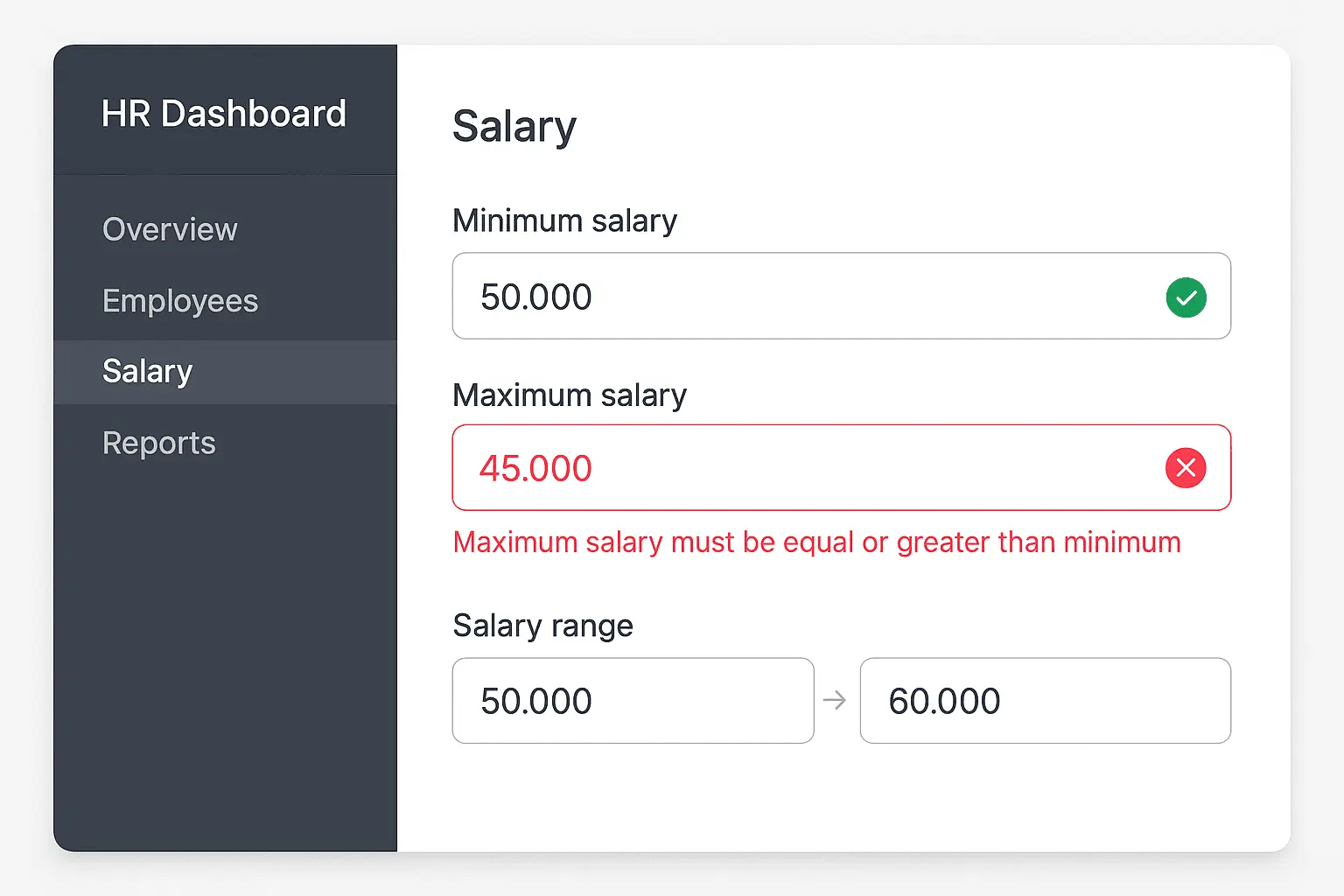
Your system needs to stop people from posting jobs without salary ranges. Period. Set up validation rules, mandatory fields, and approval checkpoints. And make sure someone's tracking what gets posted where—you'll need that audit trail if you get investigated.
Your HRIS needs new mandatory fields for minimum salary, maximum salary, and benefits descriptions. But more importantly, you need validation rules that prevent anyone from posting a job without complete compensation information.
Create dropdown menus for benefits, standardized language for compensation descriptions, and automatic checks for obvious problems. The last thing you want is someone accidentally posting a $200,000-$300,000 range for an entry-level position.
Standardizing how salary information is captured and displayed prevents inconsistencies that could create compliance issues. This means establishing clear formatting rules, required fields, and validation criteria that ensure all postings meet legal standards.
Every job posting needs someone checking the compensation info before it goes live. Build that into your approval process, and make sure whoever's doing it understands both the legal requirements and your internal pay structure.
These workflows need to account for different types of positions, various approval levels based on salary ranges, and escalation procedures for positions that might create internal equity concerns.
Here's what nobody warns you about: your current employees are going to see these posted ranges and have questions. Lots of questions.
Salary transparency creates significant internal dynamics requiring proactive communication strategies, manager training programs, and retention risk management to address the inevitable questions and concerns from existing employees.
Beat them to it. Explain how the posted ranges relate to current compensation, what advancement opportunities exist, and how you plan to address any obvious problems. Waiting for people to figure it out themselves and then come to you angry is a recipe for disaster.
Your existing employees deserve clear explanations about how salary transparency affects them. They'll want to know how their current compensation compares to posted ranges, what opportunities exist for advancement, and how the organization plans to address any disparities.
This becomes particularly important for organizations hiring in competitive markets where candidates are evaluating multiple opportunities, especially when considering factors such as the true cost of living in NYC that affects both current employees and prospective hires under the new york pay transparency law.
New York City Council Majority Whip Selvena Brooks-Powers recently advocated for "Introduction 808", which would give current employees the right to request pay ranges for their positions, demonstrating the ongoing push for expanded transparency beyond just job postings.
Transparency often reveals compensation disparities that require immediate attention. You might discover that employees in similar roles have significantly different compensation, or that posted ranges exceed what current employees earn for comparable work.
Developing remediation plans before posting ranges publicly prevents these discoveries from becoming retention crises or legal issues. This might mean immediate salary adjustments, accelerated promotion timelines, or enhanced benefits packages to address disparities.
Your managers are going to get hit with compensation questions they've never had to answer before. Train them on how to discuss pay ranges, career progression, and what to do when someone asks for a raise based on a job posting they saw online.
Training should cover how to explain compensation decisions, discuss career progression opportunities, and handle sensitive conversations about pay equity. Managers also need clear escalation procedures for situations they can't resolve independently.
Here's the thing: this transparency trend isn't going away. NYC was just the beginning.
The upside? You can now see what everyone else is paying in real-time. The downside? They can see what you're paying too.
Salary transparency fundamentally alters competitive dynamics in talent markets while creating new opportunities for strategic advantage through improved market intelligence, expanded talent pools, and enhanced employer branding when implemented thoughtfully.
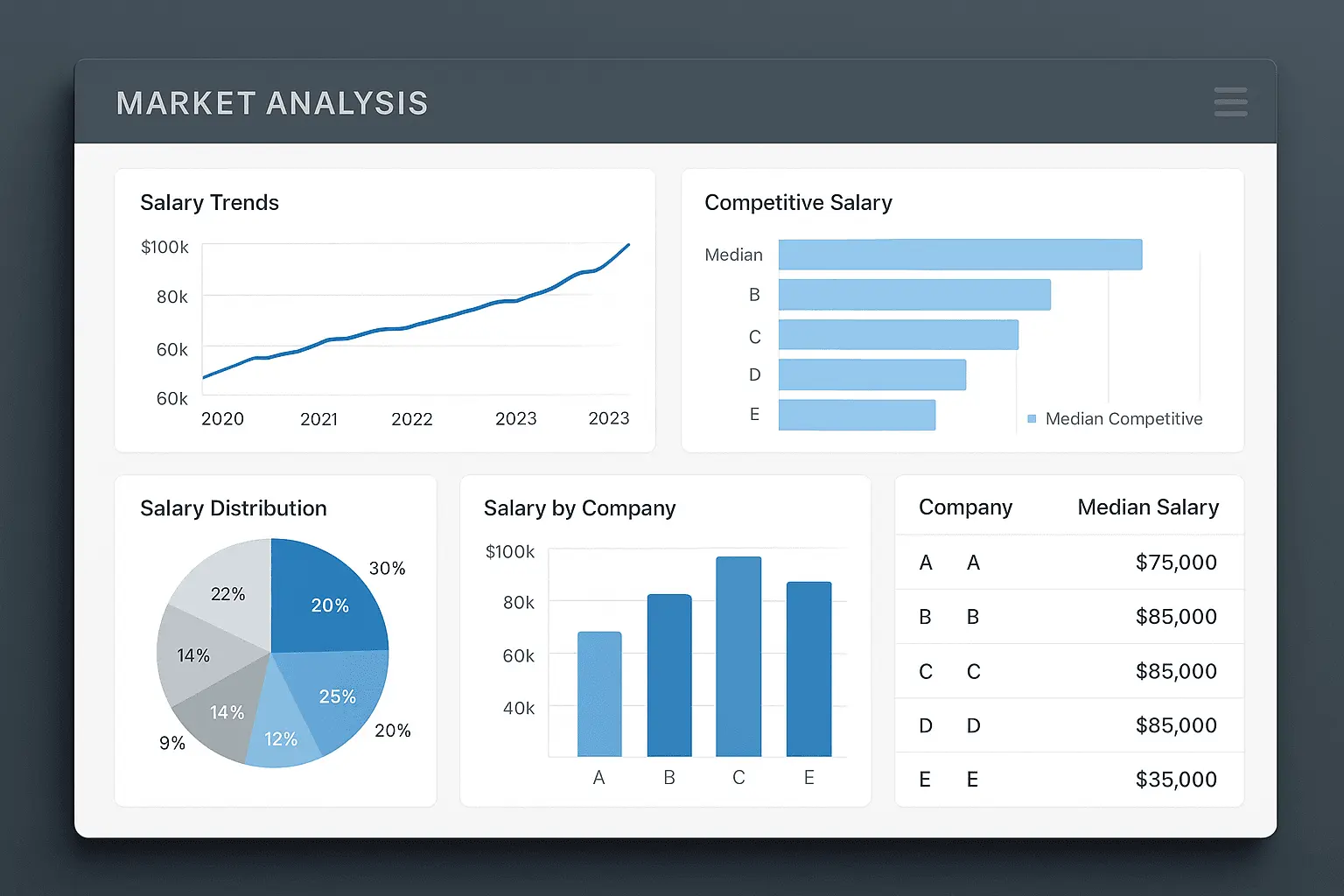
Forget expensive salary surveys. You can track competitor compensation by monitoring their job postings. Set up alerts for key roles in your industry and watch how ranges change over time.
Organizations can leverage transparent job postings to gather real-time competitive intelligence about compensation strategies, replacing traditional salary surveys with current market data that enables more informed talent acquisition decisions.
With real-time market data available through job postings, you can adjust your ranges based on what's actually happening right now, not what some survey said six months ago.
The availability of real-time market data through transparent postings changes how you approach compensation benchmarking. Instead of relying on survey data that might be months old, you can analyze current market conditions and adjust your ranges accordingly.
Good salary ranges can attract people who wouldn't have applied before because they weren't sure about compensation. If someone sees that your range matches their expectations, they're more likely to throw their hat in the ring.
Transparent salary ranges can attract candidates who previously wouldn't have applied due to compensation uncertainty. When qualified professionals can see that your ranges align with their expectations, they're more likely to engage with your opportunities.
A software company posting a remote developer role at $95,000-$120,000 might attract senior developers from high-cost markets who are willing to work remotely for slightly less than local market rates, while still offering competitive compensation for most geographic areas.
Remote work combined with salary transparency creates opportunities to attract talent from high-cost markets while offering compensation that's competitive for your location. You might be able to hire exceptional candidates from expensive cities who are willing to work remotely for slightly lower compensation than they'd earn locally.
However, this strategy requires careful consideration of internal equity, market positioning, and long-term retention implications.
NYC isn't alone here. California, Colorado, Washington, and a bunch of other states have their own versions of this. Each one's a little different, which makes compliance a nightmare for companies operating in multiple states.
NYC's law represents part of a nationwide trend toward pay transparency, with multiple states enacting similar legislation that creates complex compliance challenges for multi-jurisdictional employers while fundamentally changing talent acquisition strategies.
Research from the Federal Reserve Bank of New York found that approximately 24% of ads still do not comply with pay transparency requirements, even in early-adopting jurisdictions several years after implementation.

According to HR Morning, "Pay transparency has been a dominant legislative theme in 2025." Delaware just passed new requirements, Massachusetts expanded theirs, and Cleveland implemented a city ordinance. This train isn't stopping.
The trend toward pay transparency is accelerating, with new legislation introduced regularly at state and local levels. While the specific requirements vary, the general direction is clear—compensation transparency is becoming the norm rather than the exception.
The problem is every state does it differently. Some want benefits info, others just salary. Some apply to all employers, others have minimum employee counts. You need systems that can handle all these variations without losing your mind.
While sharing common transparency goals, state laws differ significantly in their specific requirements. Some focus only on external job postings, others include internal promotions. Some require benefits disclosure, others focus solely on base salary ranges.
|
State/City |
Employee Threshold |
Effective Date |
Key Requirements |
Max Penalties |
|
NYC |
4+ employees |
November 2022 |
Min/max salary + benefits |
$250,000 |
|
California |
15+ employees |
January 2023 |
Pay scale + benefits |
$10,000 |
|
Colorado |
1+ employee |
January 2021 |
Wage range + benefits |
$10,000 |
|
Washington |
15+ employees |
January 2023 |
Wage scale + benefits |
$5,000 |
|
Massachusetts |
25+ employees |
October 2025 |
Good faith range |
$25,000 |
The companies that figure this out early and do it well are going to have an advantage. Instead of treating this as a compliance headache, they're using it to improve their hiring, fix pay equity problems, and build better employer brands.
Pay transparency laws require comprehensive business transformation beyond simple compliance, fundamentally altering talent acquisition strategies, compensation philosophy, and organizational culture while creating opportunities for competitive differentiation.
If you position yourself as a company that's committed to fairness and transparency, you'll attract people who value those things. But it has to be authentic—candidates can smell fake transparency from a mile away.
Organizations can leverage transparency as a competitive differentiator by positioning themselves as progressive employers committed to fairness and equity. This requires authentic commitment to transparent practices, not just technical compliance with legal requirements.

For executives and business leaders dealing with this stuff, it's not just about avoiding fines. It's about fundamentally changing how you think about talent, compensation, and what it means to be a fair employer.
The professionals dealing with these transparency challenges need more than just compliance guidance—they need strategic thinking about how these changes affect their broader business objectives. Whether you're implementing these requirements in your own organization or advising others on best practices, the networking and relationship-building opportunities become increasingly valuable.
For professionals relocating to manage these compliance challenges, understanding the broader implications becomes crucial, especially when considering moves such as relocating to New York to oversee implementation strategies firsthand.
The networking opportunities alone are valuable—connecting with other leaders who are navigating these same challenges, especially if you're dealing with moves like relocating to oversee NYC operations.
This is particularly important for executives managing teams across multiple markets, where understanding both the legal requirements and practical implications becomes crucial for success.

Look, NYC's salary transparency law isn't going anywhere, and neither is the broader movement toward pay transparency. You can fight it, ignore it, or figure out how to make it work for you.
The companies that are succeeding with this aren't just checking compliance boxes—they're using transparency as an opportunity to build better, fairer workplaces that actually attract top talent. It's not easy, and it's definitely not quick, but it's the direction everything's heading.
Whether you're implementing this in your own company or helping others navigate it, the key is being genuine about it. People can tell the difference between real transparency and just following the rules, and that difference is what separates the companies that thrive from the ones that just survive.
For professionals making career moves in this new landscape, understanding both the rules and the reality becomes essential, especially for those planning relocations to navigate these changes firsthand.
The organizations that embrace these changes authentically, rather than treating them as mere compliance exercises, will be best positioned to attract top talent and build stronger, more equitable workplace cultures in an increasingly transparent employment landscape.

Household supplies can be changed or decreaased at Outpost Club’s discretion, or based on supply availability. Outpost is not responsible for temporary losses of utility service. Outpost Club is not responsible for any damages due to absence of any supplies or utilities


If you have a sales related question please call
680-688-7678

 Hot Deals